





This article may include affiliate links. We may earn a small commission if you shop through them.
Photo: Olly
The room is shrouded in darkness, broken only by the soft glow of a digital clock. It’s 2:37 a.m., and while the world sleeps, your mind is wide awake, replaying the day’s events on a loop. Sleep feels like an unreachable dream. For many women, this scene is all too familiar. Yet, the consequences of these sleepless nights extend beyond fatigue. Sleep is not just a nightly ritual; it’s a cornerstone of health, an unseen architect of longevity, and a vital component in the complex weave of women’s health.
The Science of Sleep: Understanding its Intricacies
Sleep, often overlooked, is a dynamic and essential biological process divided into cycles of REM (Rapid Eye Movement) and non-REM stages, each crucial for different restorative functions. During REM, the brain is active, dreams occur, and essential processes for cognitive functions and emotional regulation take place. Non-REM sleep, particularly the deep sleep of stage three, is when the body repairs tissues, strengthens the immune system, and releases growth hormones.
The Señora Edit
Discover the home, beauty, fashion, and wellness finds our readers are loving most this week.
Shop This Week’s Bestsellers →For women, sleep patterns can vary due to hormonal changes. Menstruation, pregnancy, and menopause bring unique challenges. Research in the Journal of Clinical Sleep Medicine indicates that women experience more sleep disturbances than men, often linked to hormonal cycles. Understanding these nuances is crucial for addressing sleep issues effectively.
Hormonal Influence: The Sleep-Hormone Connection
Hormones play a significant role in shaping sleep patterns in women. Estrogen and progesterone, the primary female hormones, fluctuate during menstrual cycles, affecting sleep quality. Elevated progesterone levels post-ovulation can raise body temperature, potentially disrupting sleep. Meanwhile, low estrogen levels during menopause can lead to hot flashes and night sweats, complicating restful sleep.
Pregnancy adds another layer of complexity. In the first trimester, increasing progesterone can cause excessive daytime sleepiness, while physical discomfort and hormonal shifts in the third trimester often lead to frequent awakenings. The Sleep Foundation notes that nearly 80% of pregnant women experience sleep disturbances, highlighting the profound impact of hormones on sleep.
Sleep and Women’s Health: A Symbiotic Relationship
Quality sleep is tightly linked to various aspects of women’s health. Cardiovascular health, in particular, is closely associated with sleep. A study from the American Heart Association suggests that insufficient sleep can increase the risk of hypertension and heart disease, especially in post-menopausal women.
Sleep also profoundly affects mental health. Women are more susceptible to anxiety and depression, both of which are worsened by poor sleep. The interplay between sleep and mental health is well-documented, with sleep deprivation leading to mood disorders and vice versa. Tackling sleep issues is vital for maintaining mental health.
Sleep’s Role in Longevity: Adding Years to Life
Research highlights sleep’s role in longevity, particularly for women. A study by the National Institutes of Health found that women who consistently sleep less than six hours per night have a higher mortality risk. Conversely, those who get adequate sleep often have lower inflammation levels and healthier metabolic profiles, contributing to a longer lifespan.
Sleep’s restorative powers extend to cellular repair and maintenance, processes essential for longevity. During deep sleep, the body produces cytokines, proteins that fight infection and inflammation. This not only supports immediate health but also helps prevent age-related diseases, making sleep a key factor in the quest for longevity.
Strategies for Better Sleep: Practical Approaches
Improving sleep quality requires a multifaceted approach. Creating a sleep-friendly environment is crucial. This means optimizing room temperature, minimizing light exposure, and investing in quality bedding. The materials and design of your sleep space significantly impact comfort and, consequently, sleep quality.
Establishing a consistent sleep schedule is equally important. Going to bed and waking up at the same time daily helps regulate your internal clock. Incorporating relaxation techniques, such as meditation or deep-breathing exercises, can also prepare the body for restful sleep.
Diet and exercise are crucial components. A balanced diet rich in magnesium and tryptophan can promote relaxation and serotonin production, aiding sleep. Regular physical activity, particularly aerobic exercises, has been shown to improve sleep quality and duration.
Tools and Tech: Modern Aids for Sleep Improvement
In our digital age, technology provides innovative solutions for improving sleep. Wearable devices and sleep apps, like Fitbit or Sleep Cycle, offer insights into sleep patterns and suggest personalized strategies for enhancement. These tools can be particularly useful for identifying disruptions and tracking improvements over time.
While technology can aid sleep, it can also disrupt it. Blue light from screens inhibits melatonin production, making it harder to fall asleep. Limiting screen time before bed and using blue light filters can mitigate these effects, promoting a more natural sleep cycle.
| Tool | Function | Link |
|---|---|---|
| Fitbit | Tracks sleep stages and provides insights | Fitbit |
| Sleep Cycle | Analyzes sleep patterns and wakes at optimal time | Sleep Cycle |
| Blue Light Filters | Reduces blue light exposure from screens | f.lux |
Addressing Common Sleep Disorders: A Guide for Women
Common sleep disorders like insomnia and sleep apnea disproportionately affect women. Insomnia, marked by difficulty falling or staying asleep, is often linked to stress and anxiety. Cognitive-behavioral therapy for insomnia (CBT-I) is a proven method for managing this condition, focusing on changing sleep habits and attitudes.
Sleep apnea, characterized by interrupted breathing during sleep, is another concern. It is more common in postmenopausal women, often associated with obesity and hormonal changes. Continuous positive airway pressure (CPAP) therapy remains the gold standard for treatment, ensuring airway patency during sleep.
What are the benefits of sleep for women’s health?
Sleep enhances cardiovascular health, supports mental well-being, and aids hormonal balance. It is also vital for metabolic processes, immune function, and reducing the risk of chronic diseases.
How do hormonal changes affect women’s sleep?
Hormonal fluctuations during menstruation, pregnancy, and menopause can disrupt sleep patterns. These changes can lead to increased body temperature, nighttime awakenings, and the need for more frequent rest.
What practical steps can women take to improve sleep?
Women can improve sleep by establishing a regular sleep schedule, optimizing their sleep environment, engaging in relaxation techniques, and maintaining a healthy diet and exercise routine.
Are there specific sleep disorders more common in women?
Yes, women are more prone to insomnia and sleep apnea. These disorders can be managed with cognitive-behavioral therapy for insomnia (CBT-I) and continuous positive airway pressure (CPAP) therapy, respectively.
How does sleep contribute to longevity?
Quality sleep supports cellular repair, reduces inflammation, and maintains healthy metabolic processes, all of which contribute to increased lifespan and reduced risk of age-related diseases.
As we delve deeper into the connection between sleep and health, understanding the unique challenges and needs of women becomes crucial. Sleep is not merely a passive state but a critical pillar of health and longevity. By prioritizing sleep and tackling its challenges with informed strategies, we strengthen the foundation of well-being, paving the way for healthier, more vibrant lives.
Shop This Week’s Bestsellers
Discover the home, beauty, fashion, and wellness finds our readers are loving most.
Shop Bestsellers →-
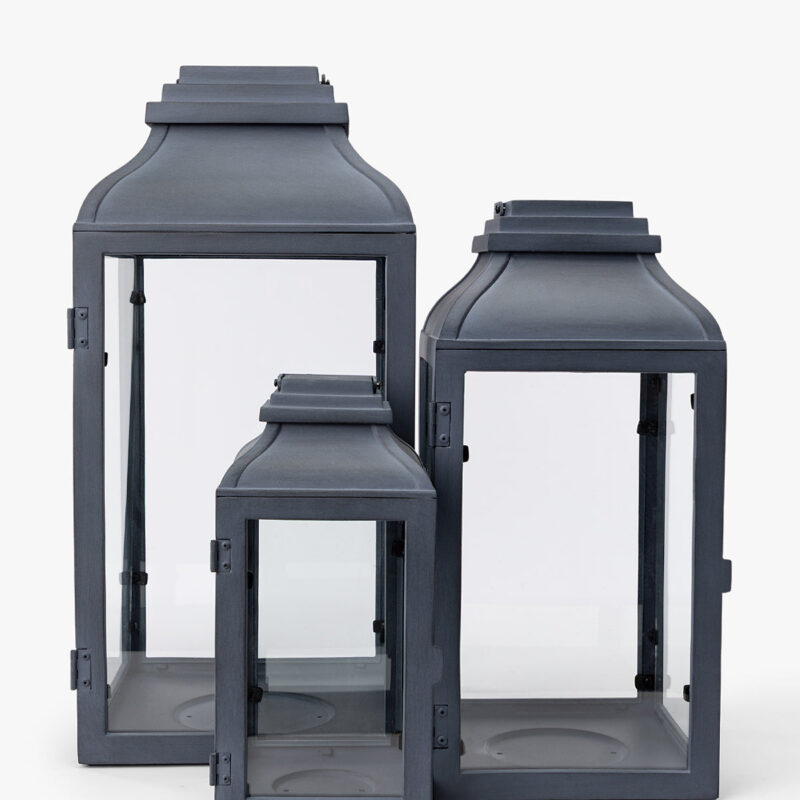 SHOP THE ITEM →
Hartwell Indoor/Outdoor Lantern McGee & Co
$358.00 -
 SHOP THE ITEM →
Bistro Tile Stoneware 24k Gold Accent Garden Hook Anthropologie
$20.00 -
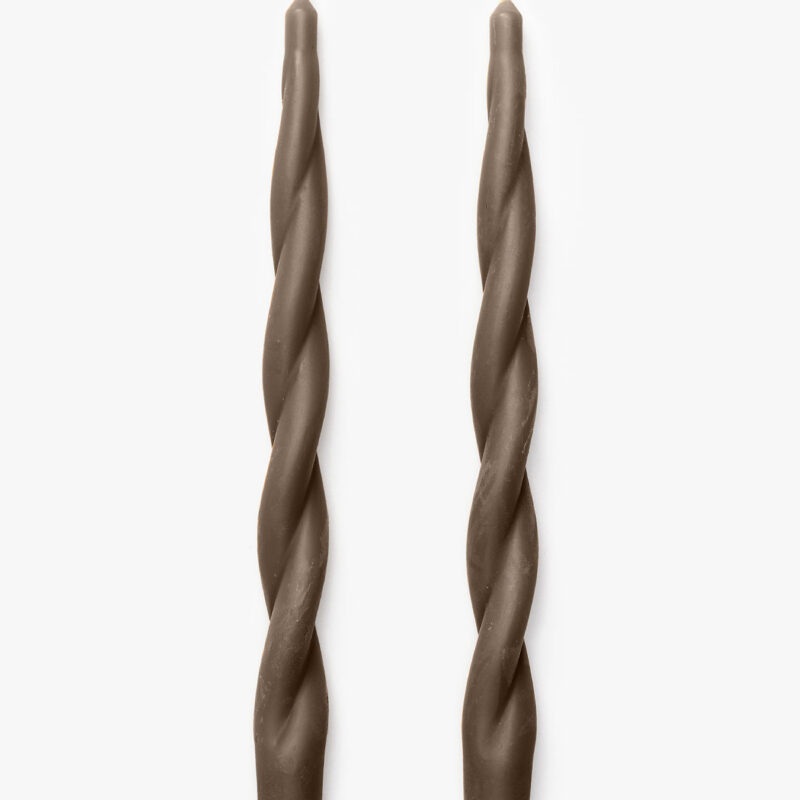 SHOP THE ITEM →
Brown Twisted Taper Candles (Set of 2) McGee & Co
$22.00 -
 SHOP THE ITEM →
Wayland Hand-Knotted Wool Rug McGee & Co
$846.00 -
 SHOP THE ITEM →
Maeve Brynne Cotton Percale Stripe Tie Printed Duvet
$178.00 -
 SHOP THE ITEM →
Coralie Striped Lumbar Pillow Cover
$89.50 -
 SHOP THE ITEM →
Sand Ric Rac Tie Brocks Dress
$228.00 -
 SHOP THE ITEM →
Abstract Alps Como Dress
$298.00 -
 SHOP THE ITEM →
Wine Pleated Sleeveless Midi Dress Moon River
$118.00 -
 SHOP THE ITEM →
VICTORIA BECKHAM – Suede Shirt
-
 SHOP THE ITEM →
Paloma Wrap Skirt in Lost At Sea Hunter bell
$445.00 -
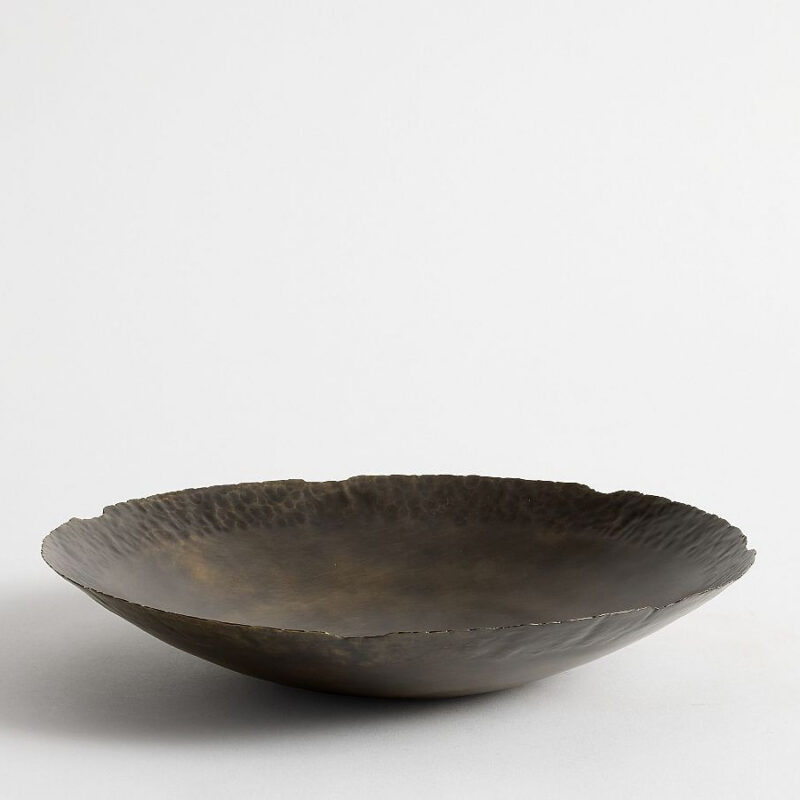 SHOP THE ITEM →
Antique Black Iron Decorative Bowl
$29.50 -
 SHOP THE ITEM →
Emilia Ceramic Collection
$79.50 -
 SHOP THE ITEM →
Le Bouquet Maxi Dress in Pink Waimari
$595.00 -
 SHOP THE ITEM →
LoveShackFancy Pink Damask Floral Mackenzie Backpack
$69.50 -
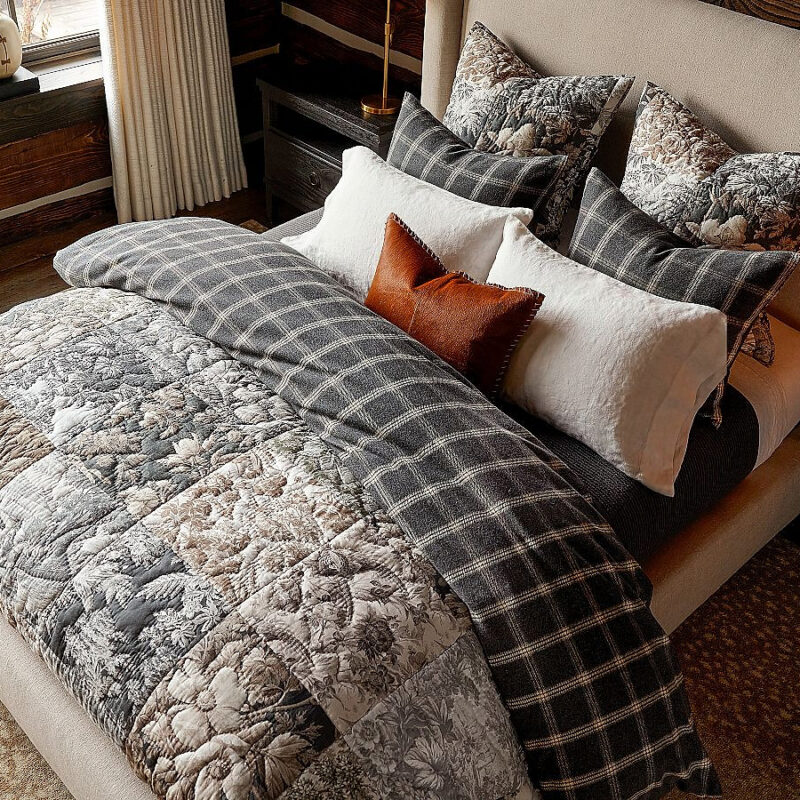 SHOP THE ITEM →
Cordelia Toile Reversible Quilt
$349.00 -
 SHOP THE ITEM →
Lydia Palampore Embroidered Quilt
$349.00 -
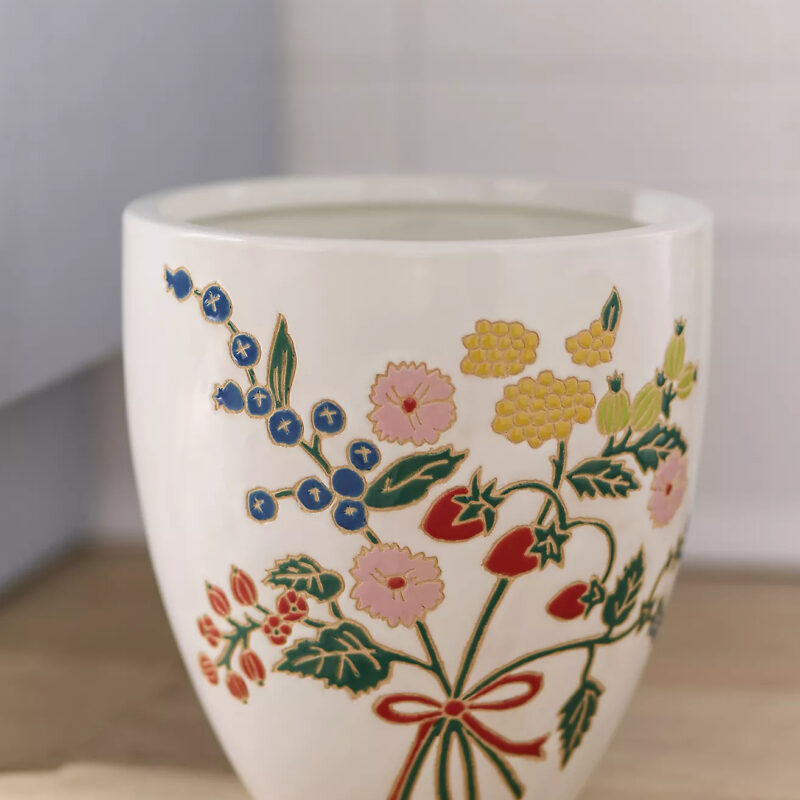 SHOP THE ITEM →
Hand-Painted Ceramic Waste Bin
$68.00 -
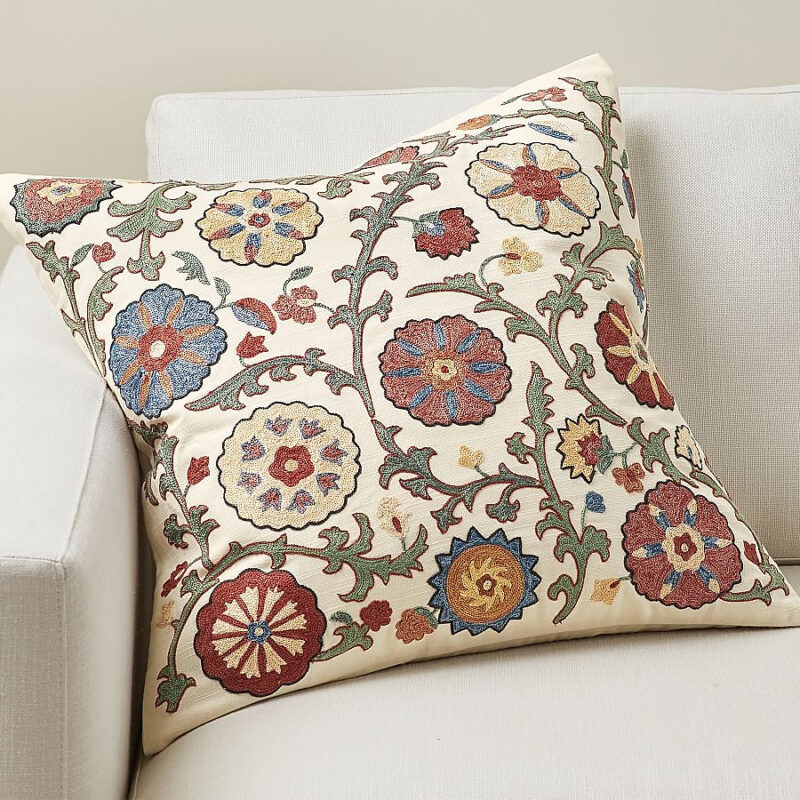 SHOP THE ITEM →
Penelope Embroidered Pillow Cover
$79.50 -
 SHOP THE ITEM →
The Annie Cowgirl Boot – Ombre suede | Tecovas
-
 SHOP THE ITEM →
Blue Flower Cereal Bowl Carolina Irving & Daughters
$40.00 -
 SHOP THE ITEM →
The Pioneer Woman Agatha 12-Piece Stoneware Dinnerware Set, Green
-
 SHOP THE ITEM →
LoveShackFancy Wicker Swivel Outdoor Lounge Chair
-
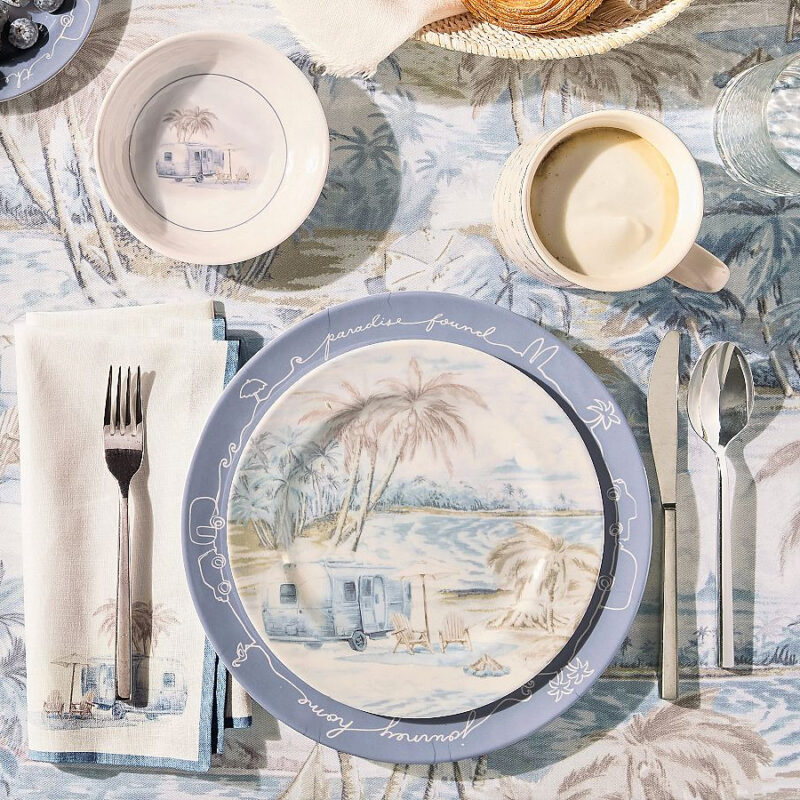 SHOP THE ITEM →
Airstream Outdoor Melamine Dinnerware Collection
-
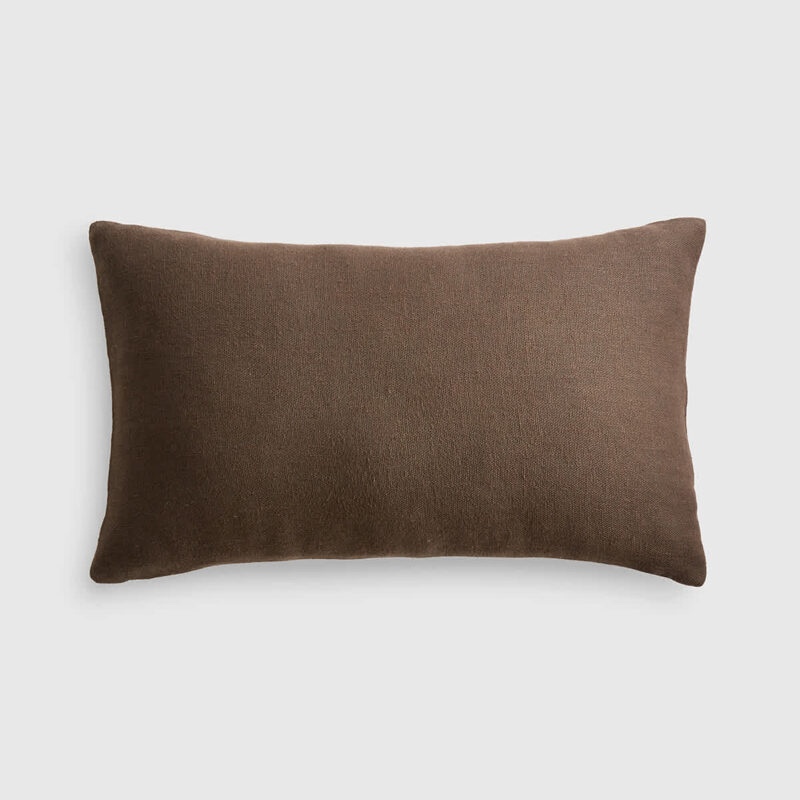 SHOP THE ITEM →
Reversible Linen Bamboo Pillow Cover Quince
-
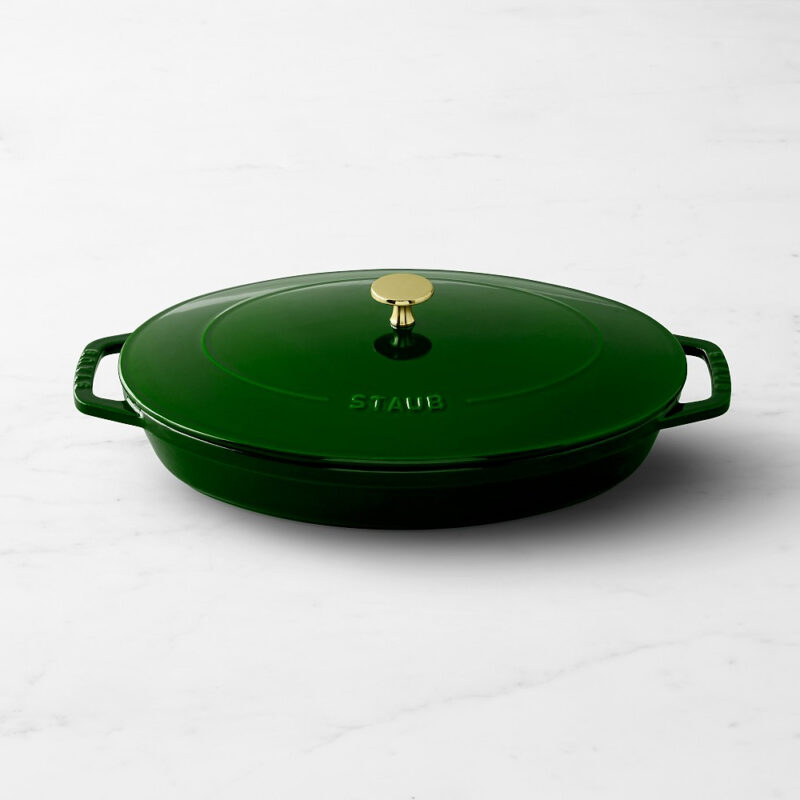 SHOP THE ITEM →
Staub Enameled Cast Iron Oval Gratin with Lid, 2.25 Qt. Staub Basil with Brass
-
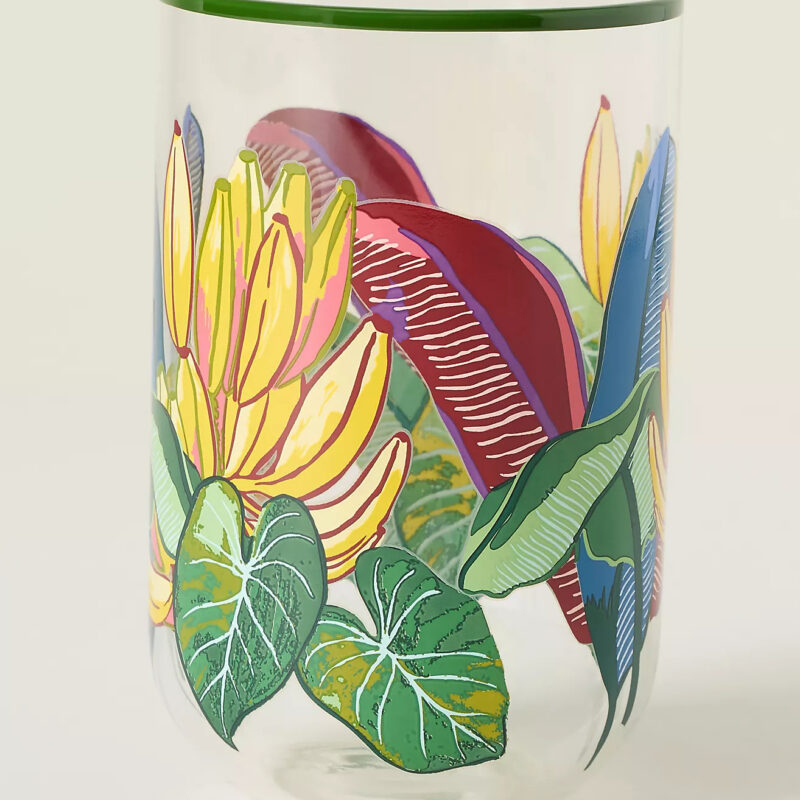 SHOP THE ITEM →
Farm Rio x Anthropologie Juice Glass
-
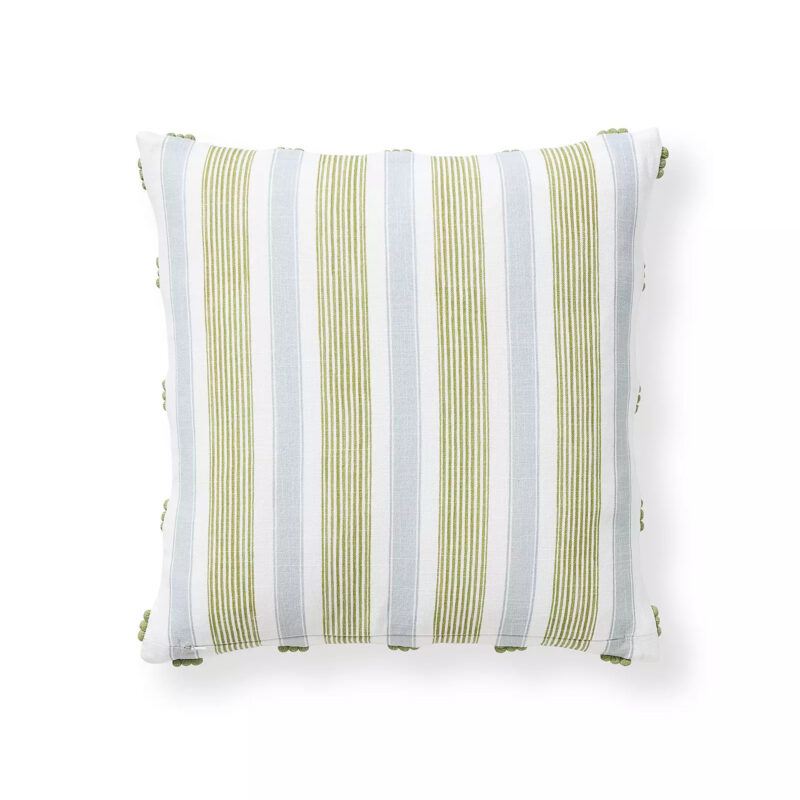 SHOP THE ITEM →
Sapri Pillow Cover
-
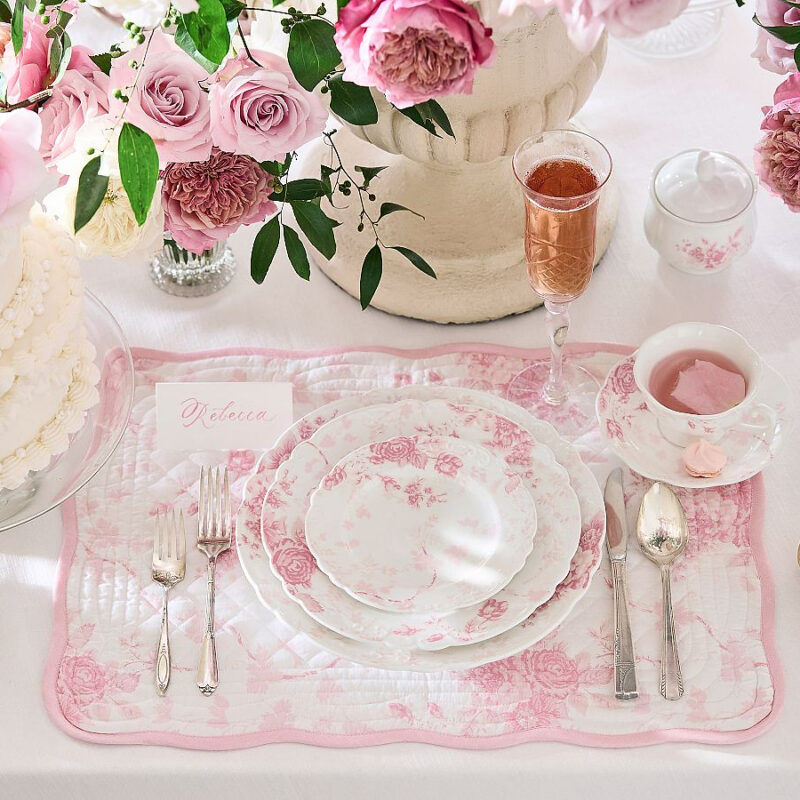 SHOP THE ITEM →
Love Shack Fancy Rose 12-Piece Dinnerware Set
-
 SHOP THE ITEM →
LoveShackFancyTufted Swivel Vanity Chair
You Might Also Enjoy
- Understanding Women’s Longevity: Insights from Health Research
- I Asked a Pediatrician If My Family’s Eating Habits Were Ruining My Kids’ Health — Here’s What He Said
- Comprehensive Guide to Eye Health for Women: Tips & Insights
- Pottery Barn’s Timeless Vases: Iconic Shapes To Up Your Home’s Elegance
- Netflix’s Little House on the Prairie Reboot Is the Family Show We’ve Been Missing