


This article may include affiliate links. We may earn a small commission if you shop through them.
Growing up in Chile, your clothes were always carefully, made to last, handed down to cousins or family or neighbors when they no longer fit. The idea of throwing something away after two washes would have felt almost disrespectful. I even have some of my old clothes from when I was a toddler!
That cultural instinct is a big part of why this guest was important to share.
The Señora Edit
Discover the home, beauty, fashion, and wellness finds our readers are loving most this week.
Shop This Week’s Bestsellers →Vale Siegrist is an Argentinian-born, Austin-based mom and founder of Circular Club — a membership-based kids’ clothing club built on the exact same belief I grew up with right near her homeland: that well-made things deserve a longer life. When she sent me this piece about a new study on lead in children’s fast-fashion clothing, I had to share it with our community of señoras – particularly those who are moms.
I’ll let Vale take it from here.
 I’ll be honest: before I had my daughter, I didn’t think much about what was in the fabric of a onesie. I thought about the color, the print, whether it had snaps at the bottom (non-negotiable), and whether it would photograph well. That was basically it.
Then she was born, and somewhere between the third blowout and the fourth size change before she hit six months, I started paying a lot more attention to what was actually going on with kids’ clothing. Not just the waste of it, which is staggering I must say, but what these clothes are actually made of and what goes into producing them.
So when a study came out this past April from researchers at Marian University (presented at an American Chemical Society meeting) showing that every single children’s shirt they tested from fast-fashion and discount retailers exceeded U.S. federal safety limits for lead, I was not entirely surprised. But I was still unsettled in that way where you wish you’d been wrong to worry.
Every shirt. All eleven of them. Over the 100 parts-per-million federal limit. And brighter colors, your reds, your yellows, tended to be worse, because manufacturers apparently use lead acetate as a cheap way to help dyes bond to fabric and stay vibrant. The researchers also ran simulations showing that if a child chews or mouths the fabric, which, as any parent knows, is basically a baby’s full-time job, the lead exposure could exceed FDA daily ingestion limits.
I’m not sharing this to make anyone panic about what their kid wore last Tuesday. Motherhood already comes loaded with enough guilt and second-guessing, and piling on isn’t the point. But I do think parents deserve to actually know what’s out there so they can make their own calls.
That’s always been my thing: give people the information and let them decide.
I’ll be honest: before I had my daughter, I didn’t think much about what was in the fabric of a onesie. I thought about the color, the print, whether it had snaps at the bottom (non-negotiable), and whether it would photograph well. That was basically it.
Then she was born, and somewhere between the third blowout and the fourth size change before she hit six months, I started paying a lot more attention to what was actually going on with kids’ clothing. Not just the waste of it, which is staggering I must say, but what these clothes are actually made of and what goes into producing them.
So when a study came out this past April from researchers at Marian University (presented at an American Chemical Society meeting) showing that every single children’s shirt they tested from fast-fashion and discount retailers exceeded U.S. federal safety limits for lead, I was not entirely surprised. But I was still unsettled in that way where you wish you’d been wrong to worry.
Every shirt. All eleven of them. Over the 100 parts-per-million federal limit. And brighter colors, your reds, your yellows, tended to be worse, because manufacturers apparently use lead acetate as a cheap way to help dyes bond to fabric and stay vibrant. The researchers also ran simulations showing that if a child chews or mouths the fabric, which, as any parent knows, is basically a baby’s full-time job, the lead exposure could exceed FDA daily ingestion limits.
I’m not sharing this to make anyone panic about what their kid wore last Tuesday. Motherhood already comes loaded with enough guilt and second-guessing, and piling on isn’t the point. But I do think parents deserve to actually know what’s out there so they can make their own calls.
That’s always been my thing: give people the information and let them decide.
What I look for when choosing clothes for my daughter
After going deep on this stuff, both because of building Circular Club and because I’m genuinely obsessed with understanding the kids’ clothing market from every angle, here’s what’s actually changed for me. I look at what the fabric is actually made of. Natural fibers tend to go through less chemical processing than synthetic blends; that’s not a guarantee of anything, but if my daughter is going to be wearing and chewing on something for the next few months, I’d rather start there. Labels that read like a chemistry exam have started to slow me down in a way they didn’t before. I’ve gotten more careful with the really saturated, bright colors on basics, particularly anything a baby is going to have near their mouth consistently. Given what this research showed about reds and yellows specifically, I try to lean toward softer palettes for everyday wear and save the bold stuff for special occasions and photos. I pay attention to whether a brand talks about their supply chain at all. It doesn’t have to be a full sustainability manifesto, I’m not expecting perfection, but brands that are completely silent on sourcing, manufacturing, and materials give me pause. The ones doing things thoughtfully tend to want to tell you about it. And I’ve genuinely shifted toward thinking about how long a piece will stay in use, not just in my daughter’s closet, but overall. I’ve noticed the clothes that hold up, the ones that still look good after a hundred washes and still have all their buttons, are never the ones that cost $4.99. Construction quality and material safety aren’t totally separate conversations.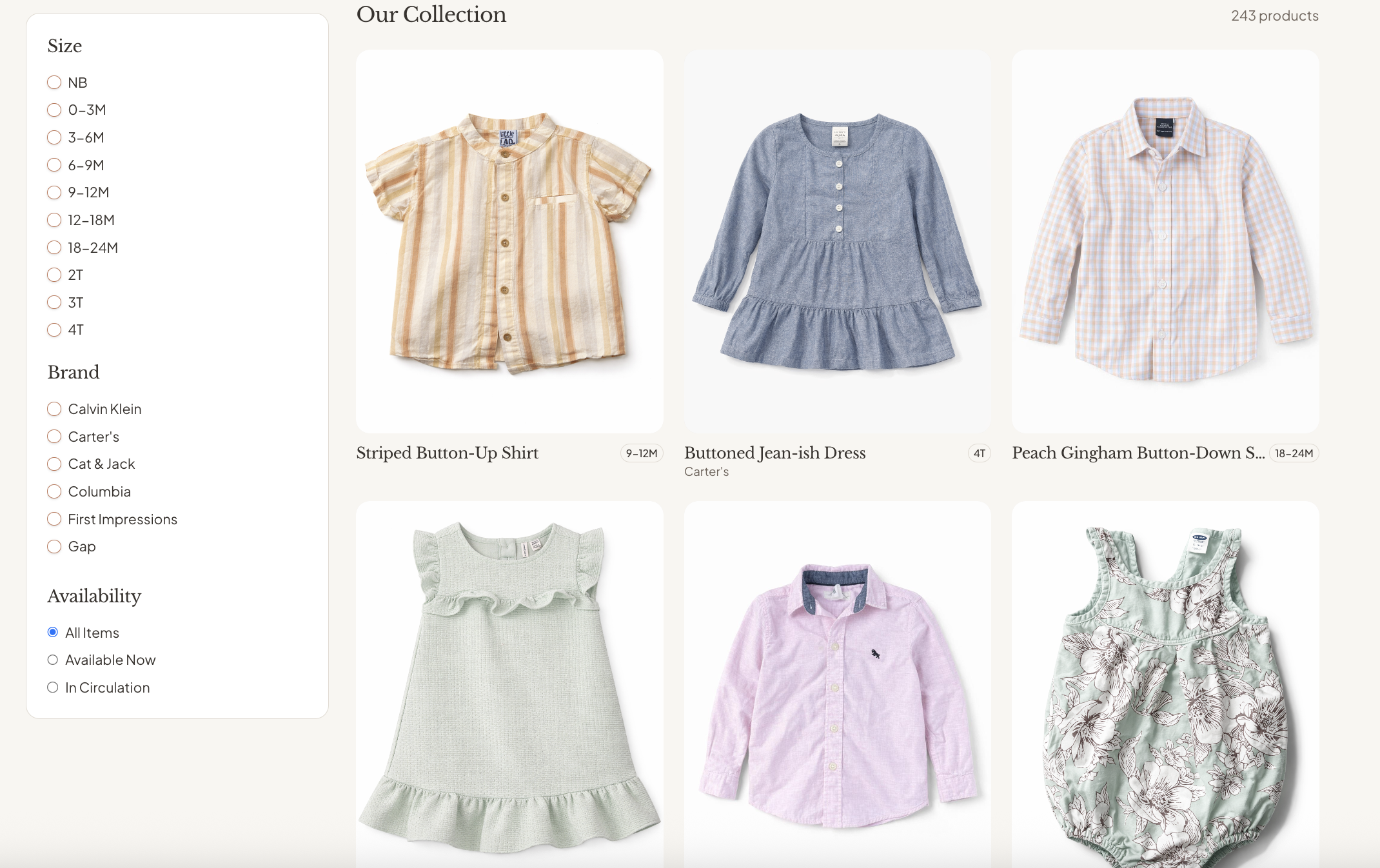 What to avoid (or at least question)
Ultra-cheap, ultra-bright basics from fast-fashion retailers. The price point exists for a reason, and that reason often involves cutting corners somewhere in the production process, sometimes literally in the dye room.
Anything that comes in a mystery assortment you didn’t choose. I know that sounds self-serving given what I do, but the logic holds regardless, when you’re not picking the pieces, you also lose the ability to ask where they came from or what’s in them. That matters now more than I used to think it did.
Clothes that feel like they were made to be worn twice and thrown away. Because they probably were, and that production philosophy doesn’t typically coexist with rigorous material safety standards.
What I wish someone had just told me upfront
The researchers behind this study made a point that stuck with me: safer dye alternatives already exist (plant-based mordants from oak bark, pomegranate peel, rosemary), but they cost more, so without pressure from consumers or regulators, manufacturers have little reason to switch. That’s always how it goes, isn’t it? The burden lands on parents to figure it out themselves while the industry waits to be pushed. I started Circular Club because I wanted to give families a way to access well-made, stylish pieces for their kids without the financial and environmental waste of the standard buy-wear-discard cycle. Part of that is sustainability in the traditional sense, keeping clothes in rotation across multiple families rather than in landfills. But part of it is also the simple fact that clothes made well enough to be worn by more than one child are, almost by definition, made with more care. Dressing your kid should feel joyful. It really should: it’s one of the genuinely fun parts of early parenthood that nobody warns you about getting attached to. I just want us to be able to do it without unknowingly handing them something that isn’t safe. We deserve that information. So do they. —– About the Author Vale Siegrist is the founder of Circular Club, a membership-based kids’ clothing club for babies and toddlers that ships nationwide. Born in Argentina and based in Austin, Texas, she’s a first-time mom building Circular while working full-time in tech, leading customer success teams and running a company in the margins of real life. Vale writes about sustainable parenting, circular fashion, and the realities of working-parent entrepreneurship. Follow her journey at @circular___club on Instagram and TikTok.Shop This Week’s Bestsellers
Discover the home, beauty, fashion, and wellness finds our readers are loving most.
Shop Bestsellers →-
 SHOP THE ITEM →
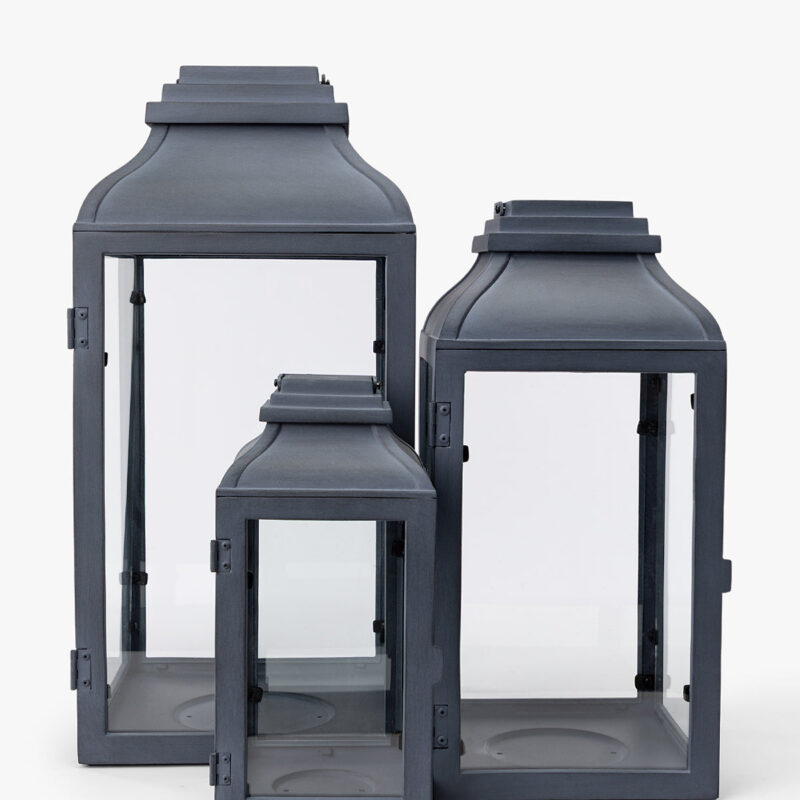
Hartwell Indoor/Outdoor Lantern McGee & Co
$358.00 -
 SHOP THE ITEM →
Bistro Tile Stoneware 24k Gold Accent Garden Hook Anthropologie
$20.00 -
 SHOP THE ITEM →
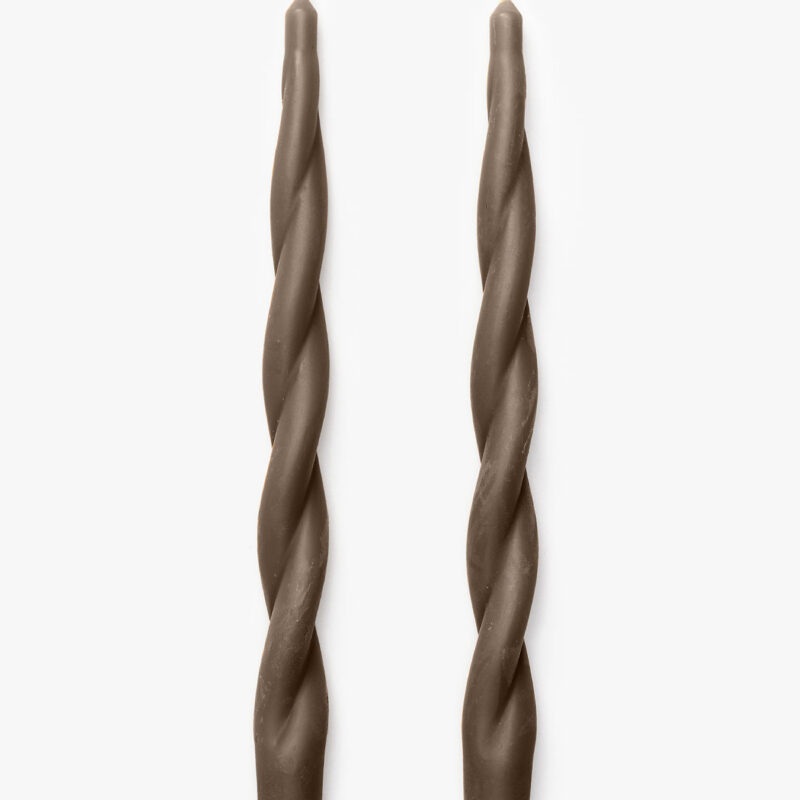
Brown Twisted Taper Candles (Set of 2) McGee & Co
$22.00 -
 SHOP THE ITEM →
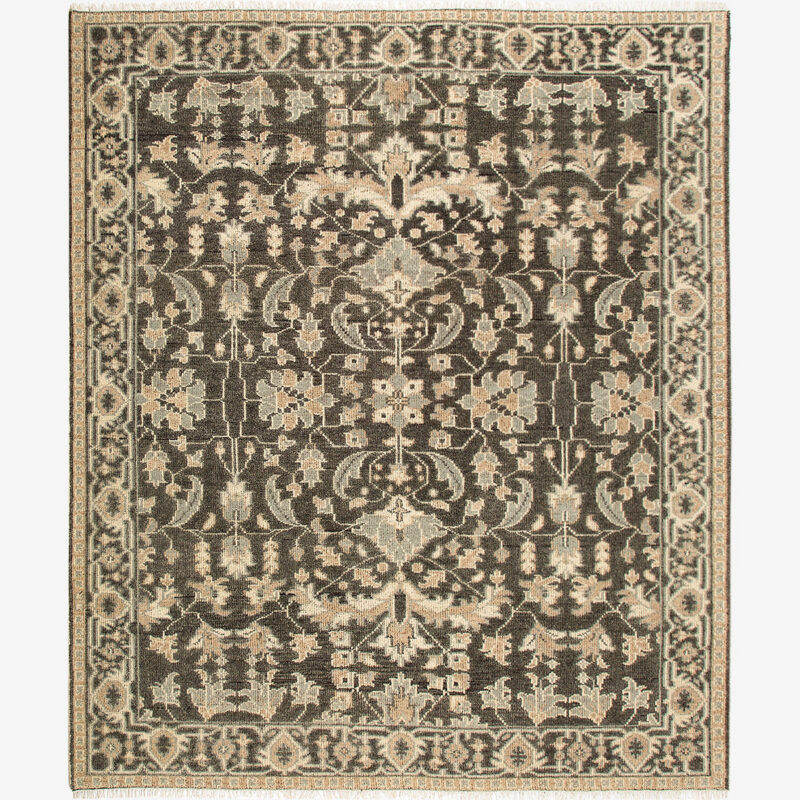
Wayland Hand-Knotted Wool Rug McGee & Co
$846.00 -
 SHOP THE ITEM →
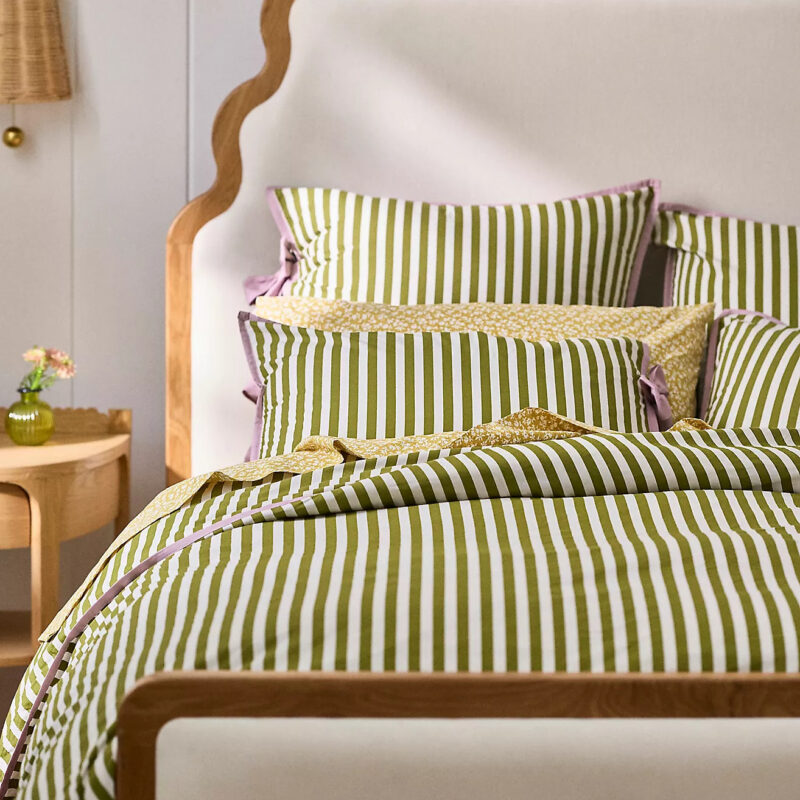
Maeve Brynne Cotton Percale Stripe Tie Printed Duvet
$178.00 -
 SHOP THE ITEM →
Coralie Striped Lumbar Pillow Cover
$89.50 -
 SHOP THE ITEM →
Sand Ric Rac Tie Brocks Dress
$228.00 -
 SHOP THE ITEM →
Abstract Alps Como Dress
$298.00 -
 SHOP THE ITEM →
Wine Pleated Sleeveless Midi Dress Moon River
$118.00 -
 SHOP THE ITEM →
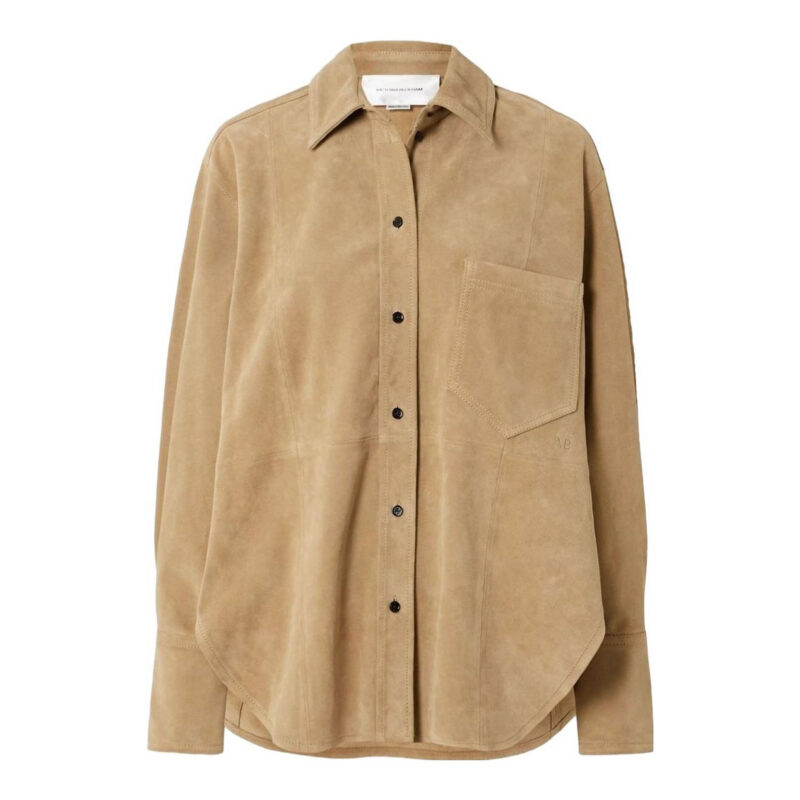
VICTORIA BECKHAM – Suede Shirt
-
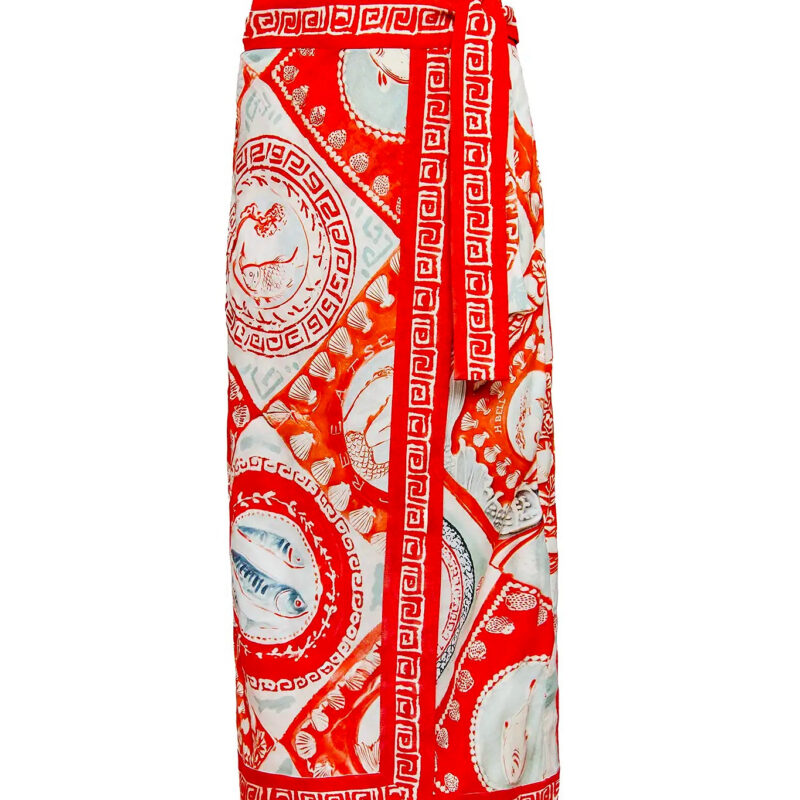 SHOP THE ITEM →
Paloma Wrap Skirt in Lost At Sea Hunter bell
$445.00 -
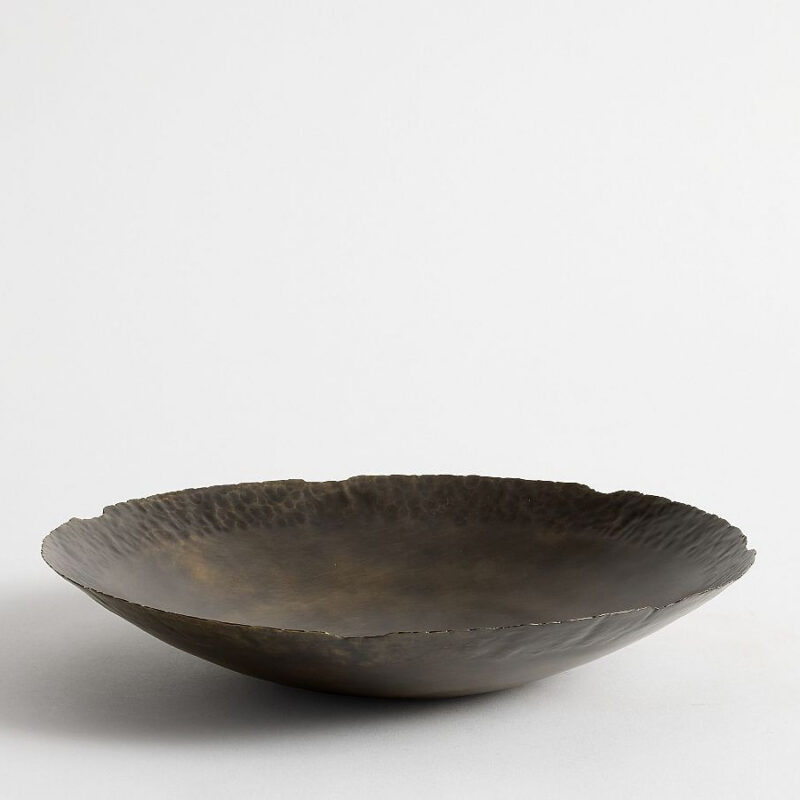 SHOP THE ITEM →
Antique Black Iron Decorative Bowl
$29.50 -
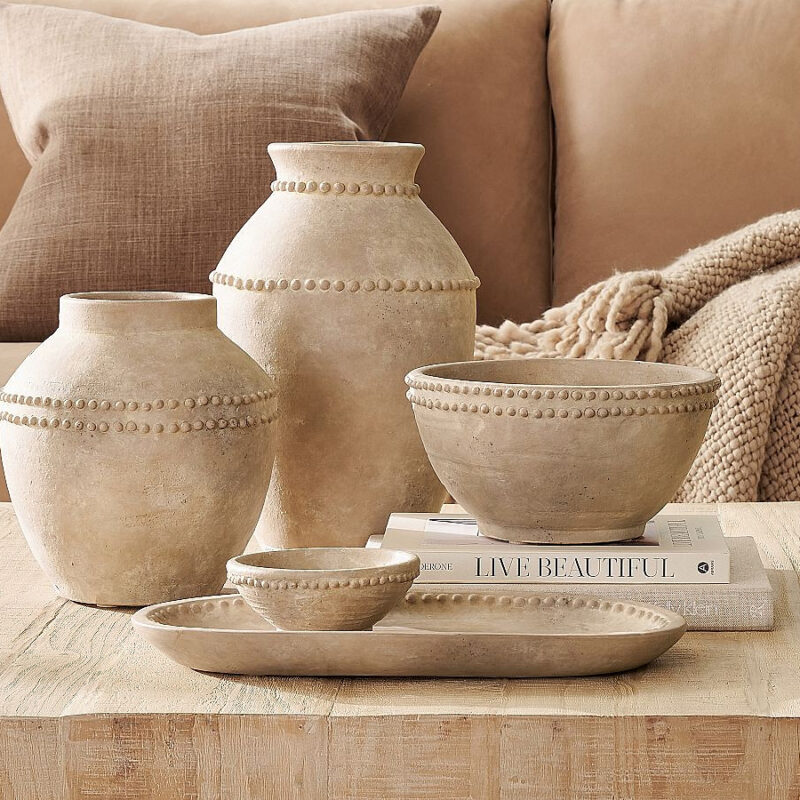 SHOP THE ITEM →
Emilia Ceramic Collection
$79.50 -
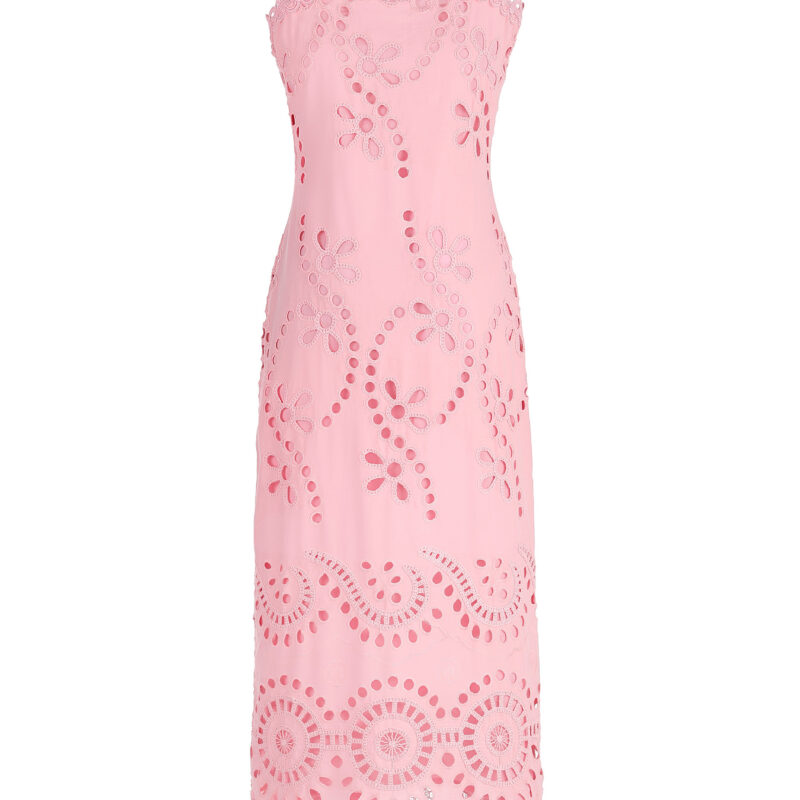 SHOP THE ITEM →
Le Bouquet Maxi Dress in Pink Waimari
$595.00 -
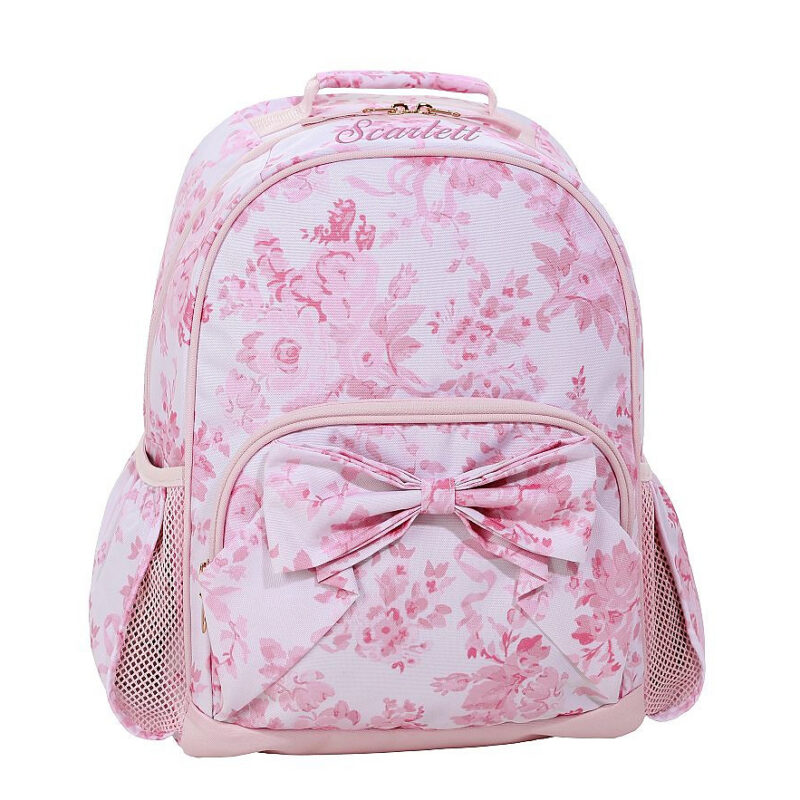 SHOP THE ITEM →
LoveShackFancy Pink Damask Floral Mackenzie Backpack
$69.50 -
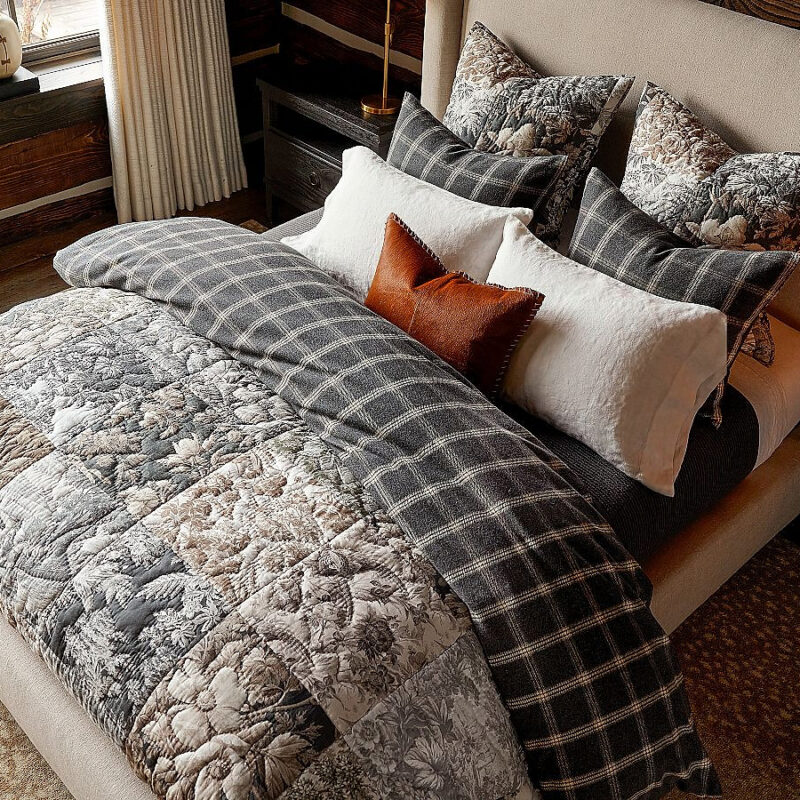 SHOP THE ITEM →
Cordelia Toile Reversible Quilt
$349.00 -
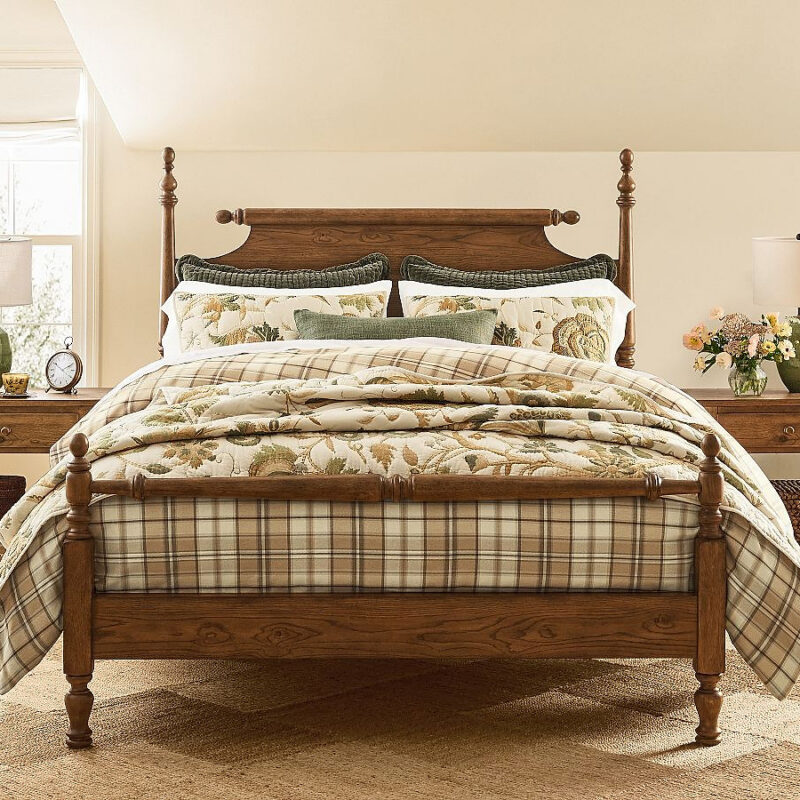 SHOP THE ITEM →
Lydia Palampore Embroidered Quilt
$349.00 -
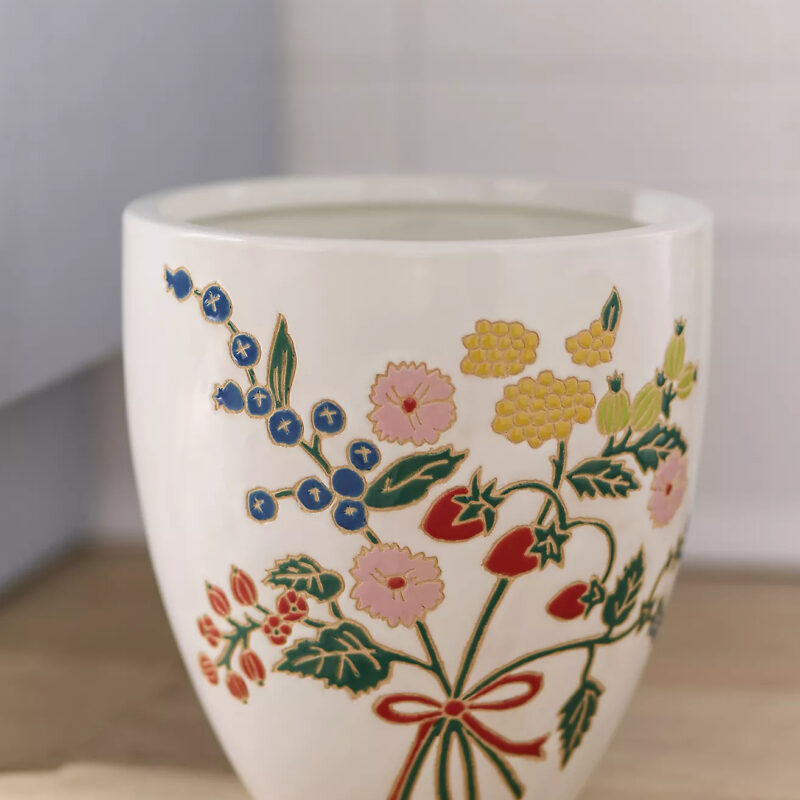 SHOP THE ITEM →
Hand-Painted Ceramic Waste Bin
$68.00 -
 SHOP THE ITEM →
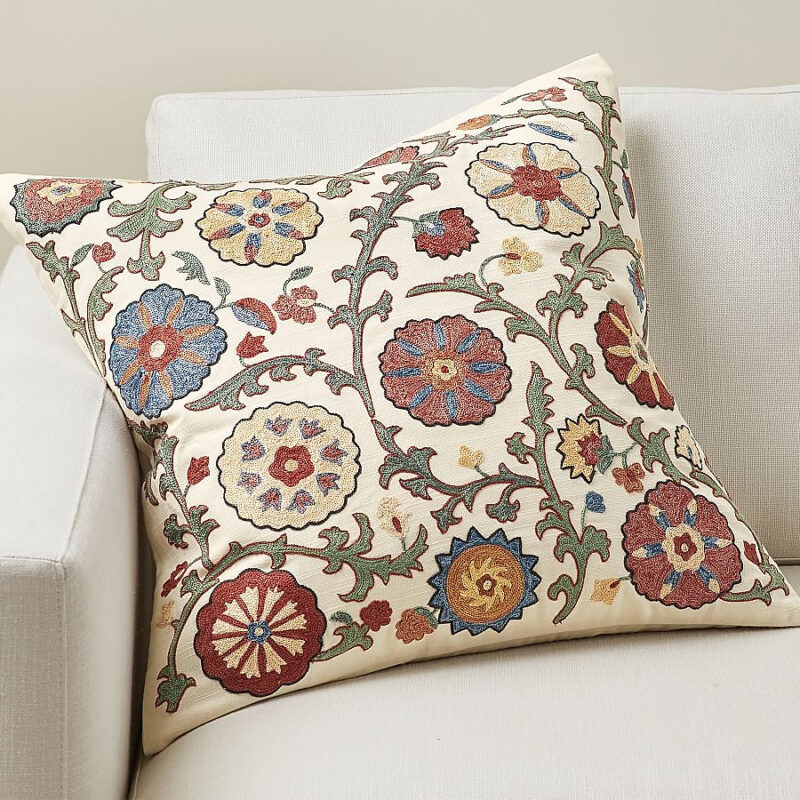
Penelope Embroidered Pillow Cover
$79.50 -
 SHOP THE ITEM →
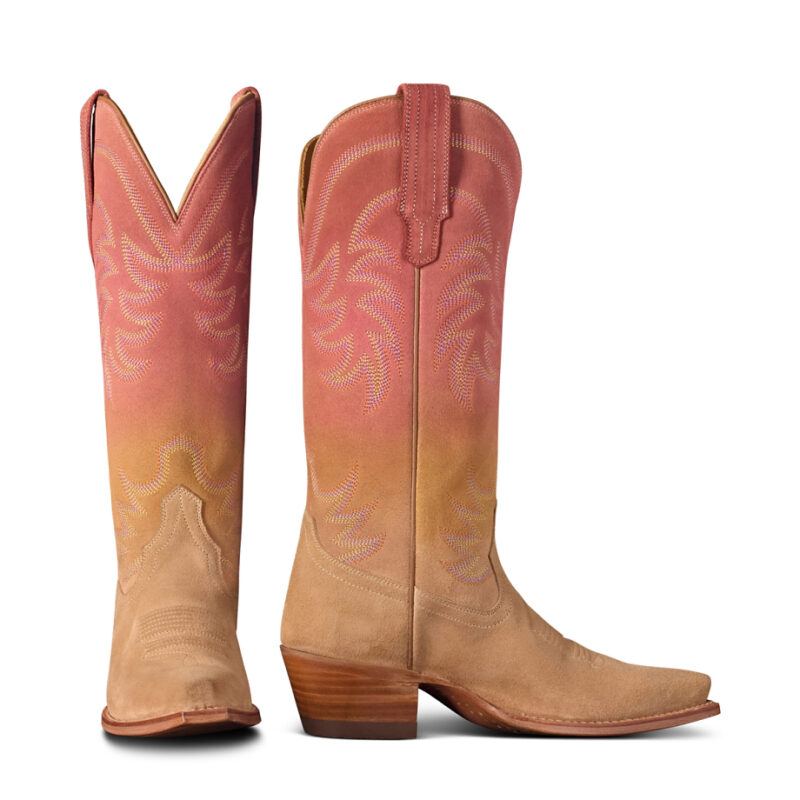
The Annie Cowgirl Boot – Ombre suede | Tecovas
-
 SHOP THE ITEM →
Blue Flower Cereal Bowl Carolina Irving & Daughters
$40.00 -
 SHOP THE ITEM →
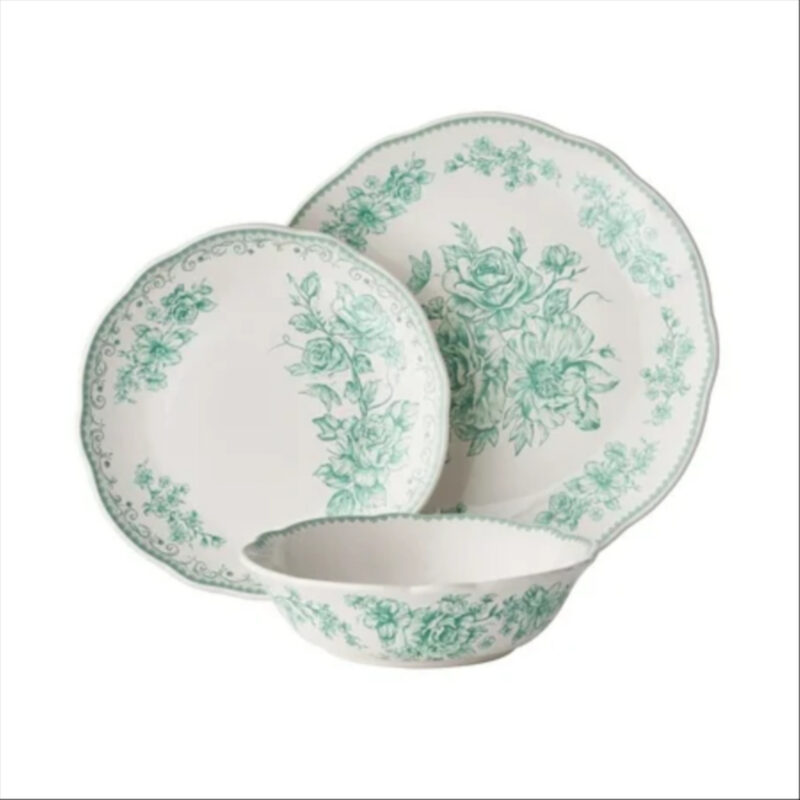
The Pioneer Woman Agatha 12-Piece Stoneware Dinnerware Set, Green
-
 SHOP THE ITEM →
LoveShackFancy Wicker Swivel Outdoor Lounge Chair
-
 SHOP THE ITEM →
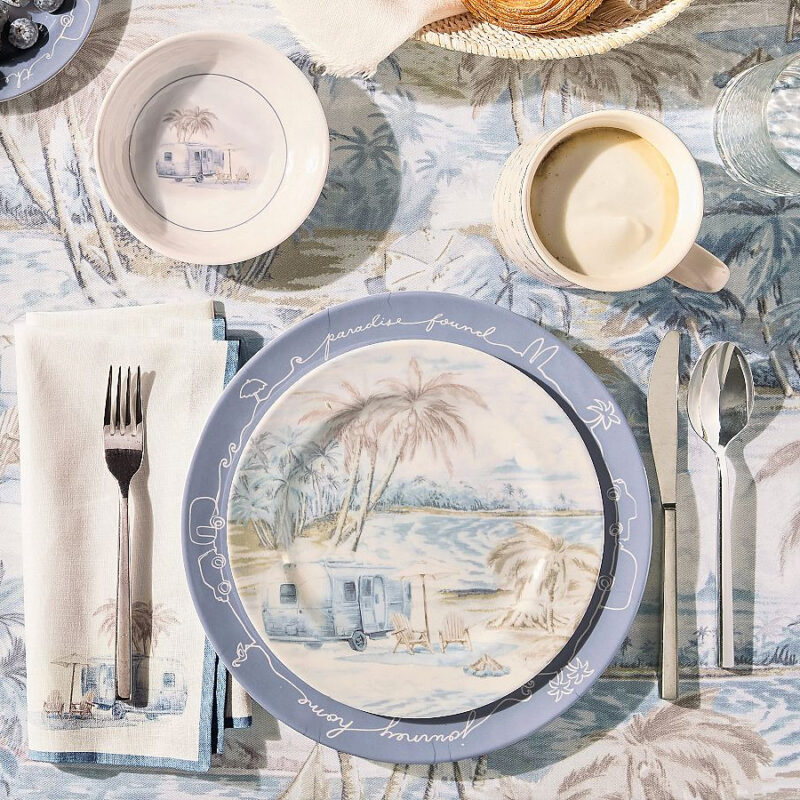
Airstream Outdoor Melamine Dinnerware Collection
-
 SHOP THE ITEM →
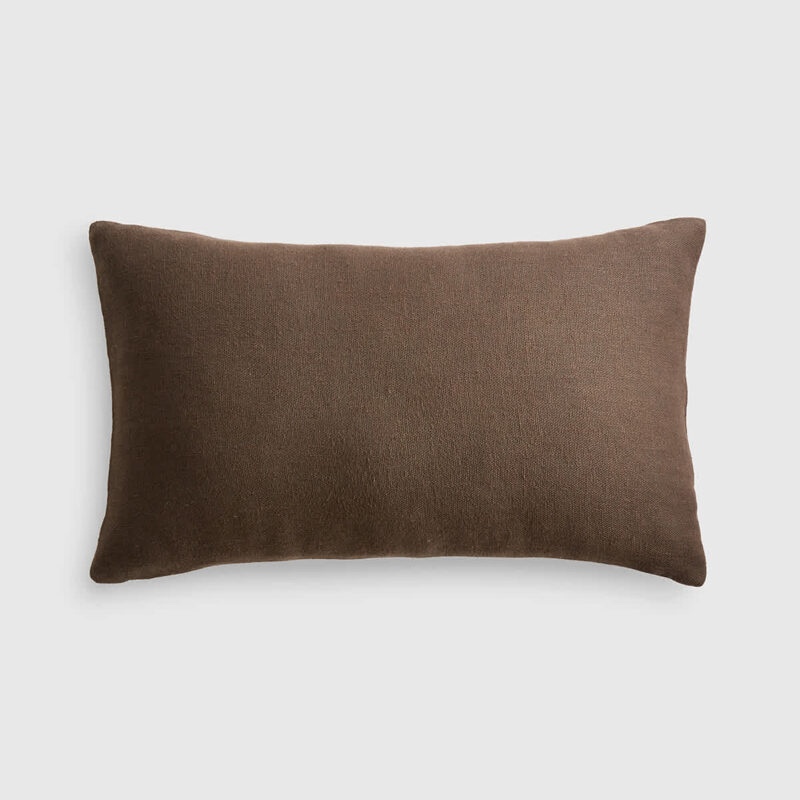
Reversible Linen Bamboo Pillow Cover Quince
-
 SHOP THE ITEM →
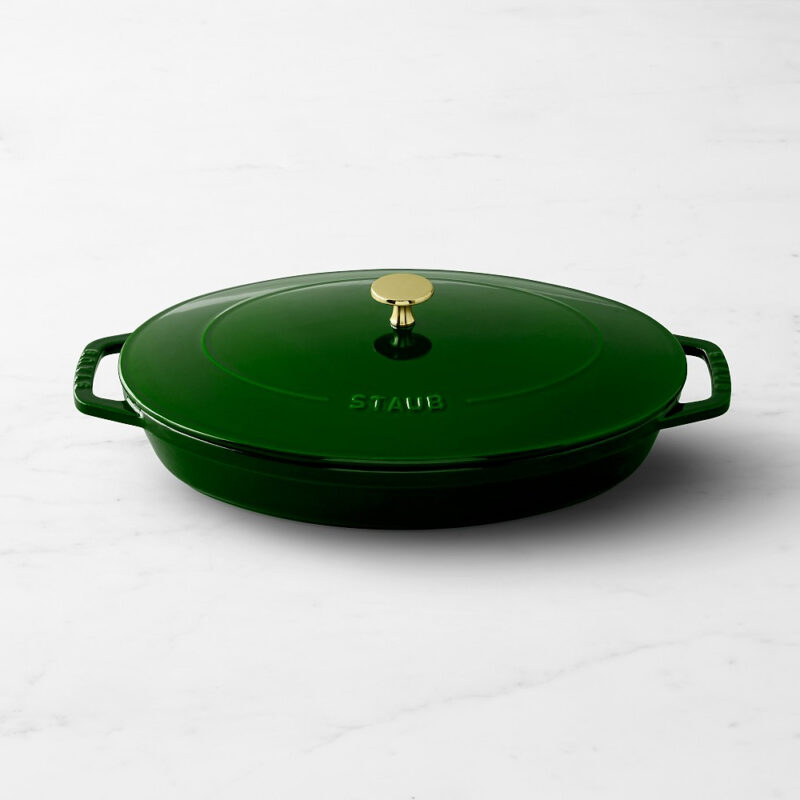
Staub Enameled Cast Iron Oval Gratin with Lid, 2.25 Qt. Staub Basil with Brass
-
 SHOP THE ITEM →
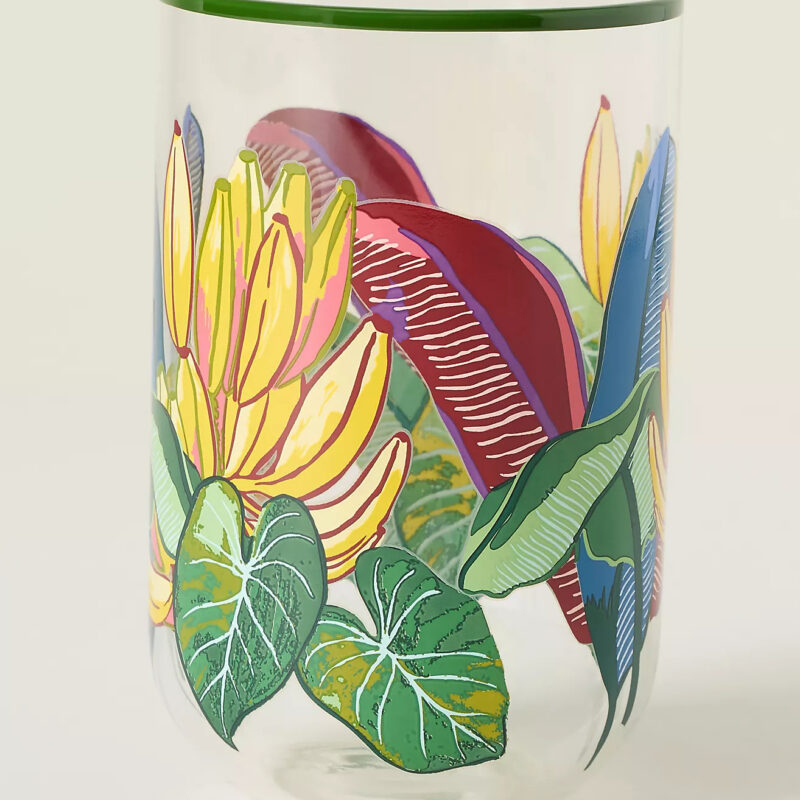
Farm Rio x Anthropologie Juice Glass
-
 SHOP THE ITEM →
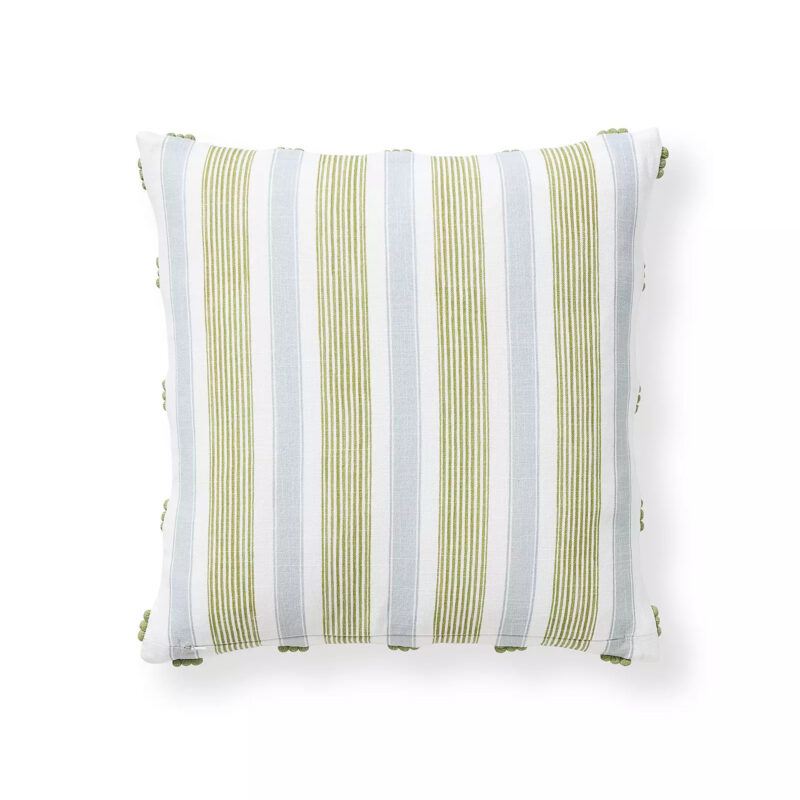
Sapri Pillow Cover
-
 SHOP THE ITEM →
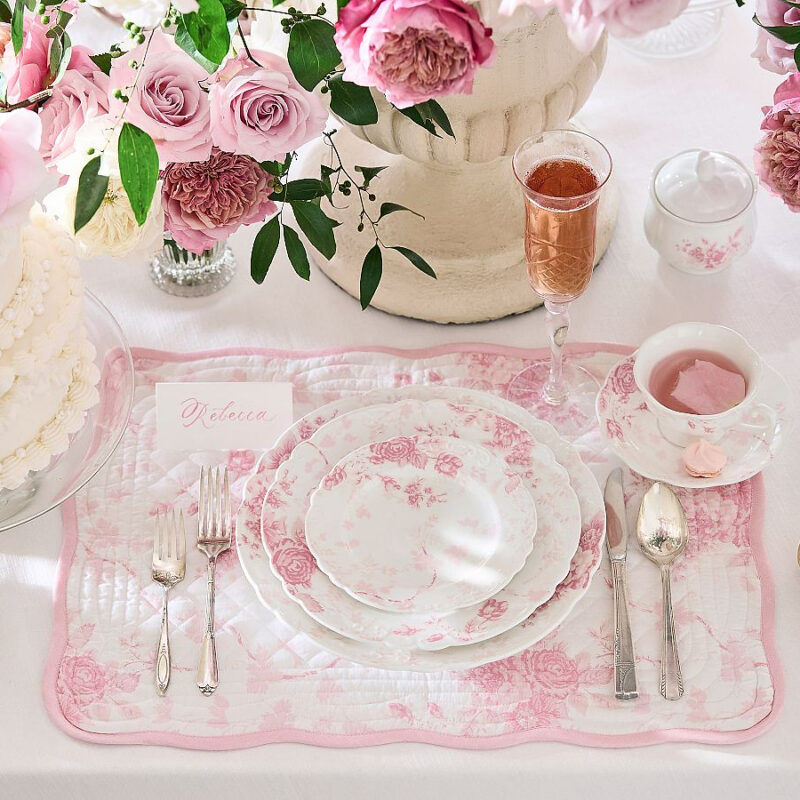
Love Shack Fancy Rose 12-Piece Dinnerware Set
-
 SHOP THE ITEM →
LoveShackFancyTufted Swivel Vanity Chair
You Might Also Enjoy
- I Asked a Pediatrician If My Family’s Eating Habits Were Ruining My Kids’ Health — Here’s What He Said
- Pottery Barn’s Timeless Vases: Iconic Shapes To Up Your Home’s Elegance
- The Best Plants for Home Decor That Make Every Room Look More Expensive
- What Actually Worked in My Señora Era Garden This Season (And What Didn’t Last Year)
- Netflix’s Little House on the Prairie Reboot Is the Family Show We’ve Been Missing