


This article may include affiliate links. We may earn a small commission if you shop through them.
As someone who has always lived by wellness and fitness trends, starting all the way back in the 2010’s, when juice detoxes were cool, and Gwyneth with her little newsletter was the Queen Mother of health.
I have made all of the mistakes: I have worked out to the point where my knees are permanently injured, I have avoided weights heavier than 3lbs and never got anywhere, and I even went through a “cleanse” and “raw food” phase. All of that changed when I hit my early 40’s, and started realizing that the basic building blocks of health and fitness were really simple. None of this wellness woo woo stuff works. It’s all extra. But first you’ve got to take care of the basic things that the doctors will tell you to do.
A Closer Look at These are the most surprising things I learned from a pricey…
It happened when, as we write about in our book, Radical Señora Era, my husband and I started having some weird health symptoms. Though my numbers were “fine” I was on my way to pre-diabetes in a few years and my hubs had arterial build up in his carotid. That era forced us to make many changes to our lives – from cutting out churros and wine and our pizza habit, to making exercise – but true exercise – part of our non-negotiables.
Part of the reason was because we are older parents of a little one, and we want to be around for a long time! My husband, thanks to his work, got an executive physical – which is a very pricey program you buy from specialty clinics run by actual doctors.
No, not YouTube doctors, or woo woo specialists or Instagram coaches with no training – actual medical doctors with medical degrees, and certified and registered nutritionists. In other words, the real deal. It’s meant to be preventative; An executive physical is a head-to-toe health assessment that crams months of appointments — bloodwork, cardiac testing, imaging, cancer screenings — into a single coordinated day or multiple days.
Originally built for time-strapped executives that used to be hundreds of thousands, it now offered by major clinics and concierge practices, usually $2,000–$5,000 out of pocket. We sort of treated the program like an educational program for the both of us so we could get a “2-for-1” special. One payment, double the fun.
The results for us have been game changing – and we haven’t been this fit or healthy since our 20’s. Back when I had knees. I have learned so much over these last few years on what I should have been doing and – more importantly – the mistakes I was making all those decades of green juice and maple syrup. Wasted time, wasted energy, wasted muscle. Stupid 00s’
Here are all the surprising things I learned: Quick disclaimer: I’m not a doctor or a nutritionist — just someone who learned a lot the hard way. This is my personal experience, not medical advice. Always check with your own doctor before changing anything about your health, diet, or fitness.
1. Detoxes didn’t work for me — especially the ones that left me hungry
Here’s what I came to believe: you can’t really “cleanse” your way to health. From what I understand, your liver and kidneys handle that around the clock on their own. Those detox teas and juice “resets” never did much for me except send me running to the bathroom and confuse a little dehydration for results. For me, the only thing they reliably emptied was my wallet.
2. Green juice is not the health food I thought it was
I drank green juice like it was a personality trait, and looking back I think I had it backwards. When you juice a vegetable, you leave behind a lot of the fiber — the part my gut seems to need most — and you’re often left with a concentrated hit of natural sugar. And when green juice became a stand-in for actual meals, that didn’t serve me either: undereating left me tired and foggy rather than lean. Then I over-ate. For me, eating the whole vegetable always felt better than drinking it.
3. Eating more protein changed things for me (yes, the eggs too)
The single change that seemed to move the needle most for me was eating more protein. I used to believe more meat would “bulk me up” — and I treated eggs like a cardiac event waiting to happen. In my experience, both worries were misplaced. More protein kept me fuller, seemed to help me hold onto muscle, and quieted the all-day snacking spiral. Eggs for breakfast are now the most boring, reliable, good-for-me thing on my plate, and I live by simple shredded beef or chicken bowls with some beans or veggies. That’s my perfect meal.
4. Lift heavier — I was scared of bulking up for no reason
This one I believed for years: that lifting weights would make me big and bulky. In my experience, that fear was completely unfounded — I got stronger and more defined, not bulky. From what I’ve read since, the “women get huge from lifting” idea is largely a myth. Pilates and yoga feel wonderful and absolutely have their place in your week, but for me, picking up something genuinely heavy is what actually changed how my body looked and felt. Pilates never did anything for me but made me feel stretched out. Yoga is also great, but it won’t lean you out. It will help your mood and your mind, and it’s excellent for mobility.
5. There is no secret — for me, it came down to whole foods
I spent years chasing hacks — saunas, gadgets, the latest “one weird trick.” What I eventually realized is that none of it replaced the boring basics. For me, nothing moved the needle like simply eating mostly whole foods and cutting back on junk and sugar. Chicken, vegetables, fruit, potatoes. Unglamorous, everything your doctor told you, but it’s what worked.
6. Cutting sugar was the change I felt the most
If there’s one thing that made the biggest difference for me, it was cutting back on added sugar — and yes, that included the honey and agave I used to tell myself were “better.” Within a few weeks I personally noticed less afternoon crashes and less tummy aches. I can’t promise you’ll feel the same, but for me the payoff was bigger than I expected for something so simple.
7. I stopped chasing the scale and focused on how my body was composed
I finally stopped letting the scale run my day. For me, weight turned out to be one of the least useful numbers — it couldn’t tell me much about what was actually changing underneath. What I started paying attention to instead was body composition: my muscle going up and my fat coming down over time. I learned I could weigh about the same and still feel like an entirely different, stronger person. Get a body composition scale like the Hume health Scale (which is HSA/FSA eligible!) or get a DEXA scan, which are like $150 and will tell you how much muscle versus bone you have. Do it yearly and compare. 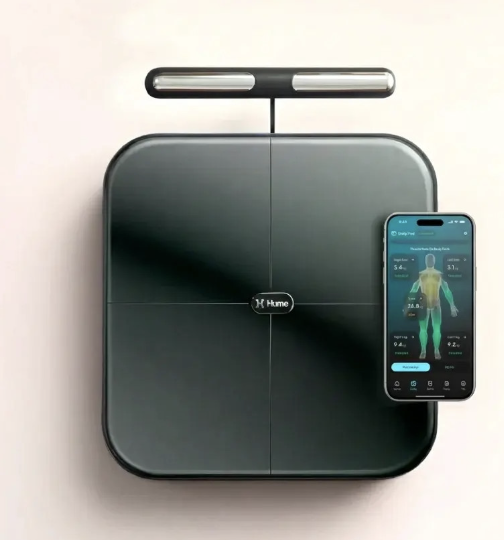
8. Getting bloodwork — and actually tracking it — was a game changer for me
I stopped guessing at my health. We live in an era where you can see real numbers in black and white, so I decided to use it. I started getting bloodwork regularly and comparing it over time instead of eyeballing how I felt — a trend across a year told me far more than any single snapshot. That’s actually how I learned my “fine” numbers were quietly heading toward pre-diabetes. For me, flying blind stopped feeling like a good option.
9. For me, working out isn’t about being hot — it’s about aging well
I don’t exercise to look a certain way anymore. I do it because I want to stay strong and mobile as I get older — to be able to keep up with my little one for as long as possible. The way I think about it, both ends of the spectrum can come with trade-offs as we age: too little muscle can leave you more fragile, and carrying too much extra weight is associated with health risks down the road like diabetes, which can completely decrease your quality of life and set you on a very bad aging path. I’m not a doctor and I won’t pretend to know the science cold — I just know I want to land somewhere strong and capable in the middle. And it doesn’t take much for me: thirty minutes, three or four days a week. It is not hard! It’s hard to start, but once you get going you won’t want to stop because working out will put you in the best mood imaginable.
10. Sleep turned out to matter more than I expected
Sleep was the one I dismissed the longest, and it ended up being foundational for me. When I don’t sleep well, everything else seems to fall apart — I’m hungrier, crankier, weaker in my workouts, and reaching for sugar by mid-afternoon. Pay attention next time you’ve had a rough night and notice how the day tilts. At least in my experience, you can’t out-train or out-eat a body that never gets to rest. BONUS: Listen to the professionals – MD’s, Registered Dietitians, Licensed Dietitians, Certified Nutrition Specialist, and more. Avoid AI scams and Instagram doctors, which are usually just ploys to get you to click to monetize whatever product they’re selling. Then, when you have all of these down, by all means start adding the supplements, the saunas, the cold plunges, and all of the things you love.
Shop This Week’s Bestsellers
Discover the home, beauty, fashion, and wellness finds our readers are loving most.
Shop Bestsellers →-
 SHOP THE ITEM →
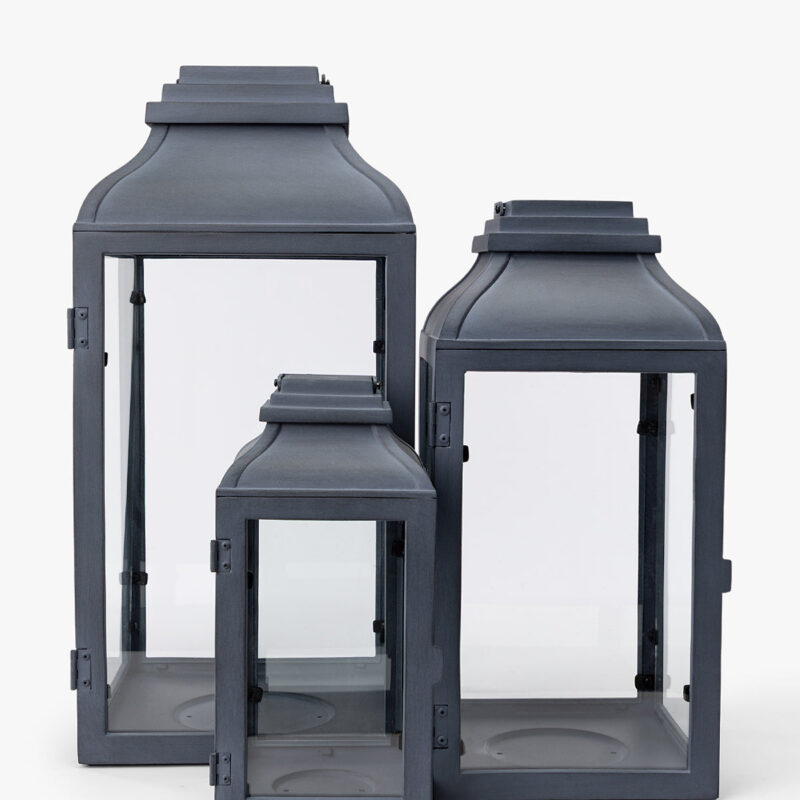
Hartwell Indoor/Outdoor Lantern McGee & Co
$358.00 -
 SHOP THE ITEM →
Bistro Tile Stoneware 24k Gold Accent Garden Hook Anthropologie
$20.00 -
 SHOP THE ITEM →
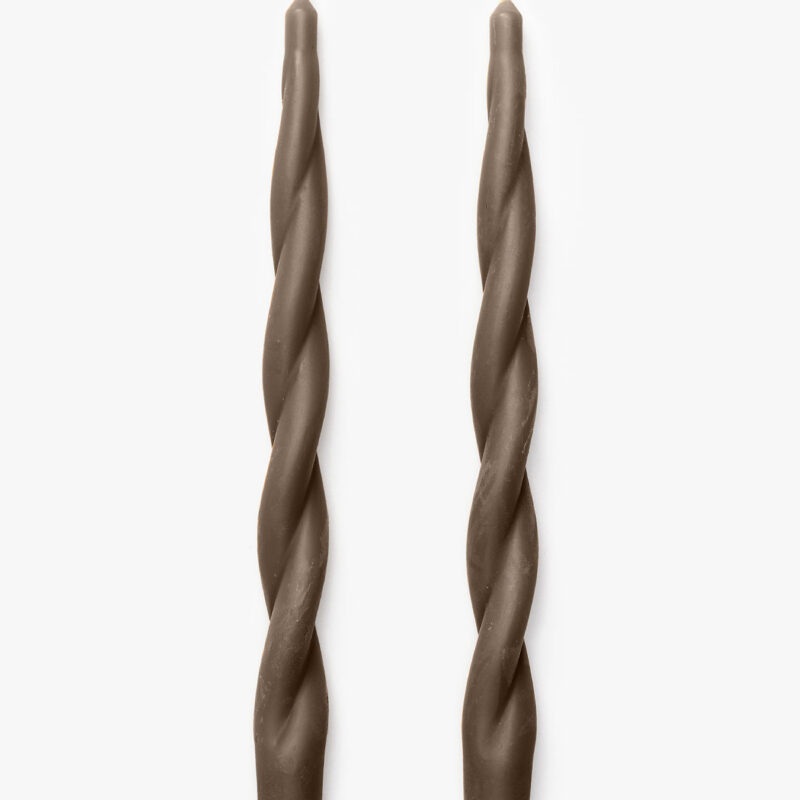
Brown Twisted Taper Candles (Set of 2) McGee & Co
$22.00 -
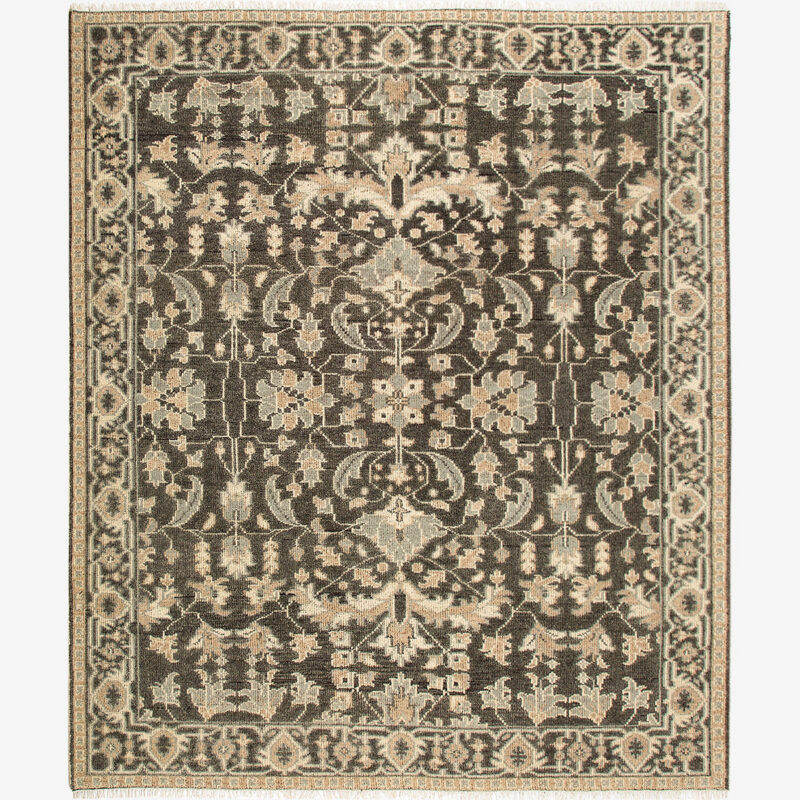 SHOP THE ITEM →
Wayland Hand-Knotted Wool Rug McGee & Co
$846.00 -
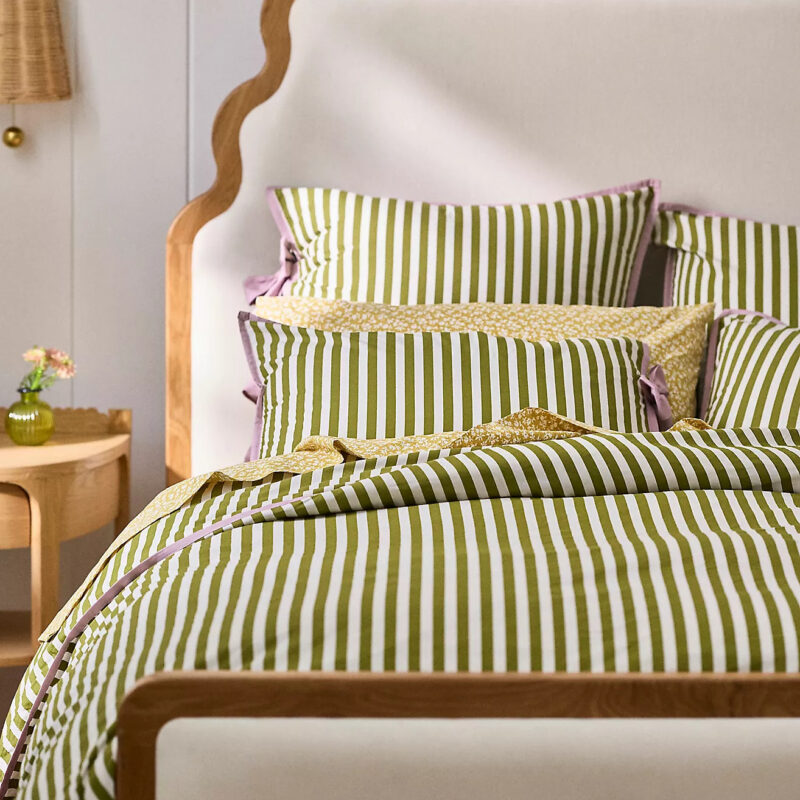 SHOP THE ITEM →
Maeve Brynne Cotton Percale Stripe Tie Printed Duvet
$178.00 -
 SHOP THE ITEM →
Coralie Striped Lumbar Pillow Cover
$89.50 -
 SHOP THE ITEM →
Sand Ric Rac Tie Brocks Dress
$228.00 -
 SHOP THE ITEM →
Abstract Alps Como Dress
$298.00 -
 SHOP THE ITEM →
Wine Pleated Sleeveless Midi Dress Moon River
$118.00 -
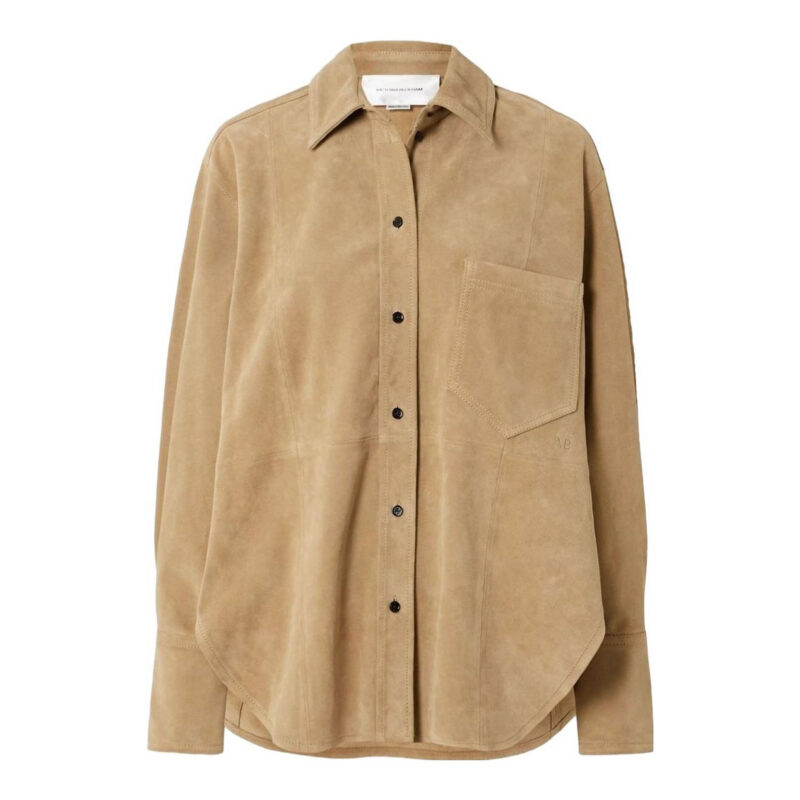 SHOP THE ITEM →
VICTORIA BECKHAM – Suede Shirt
-
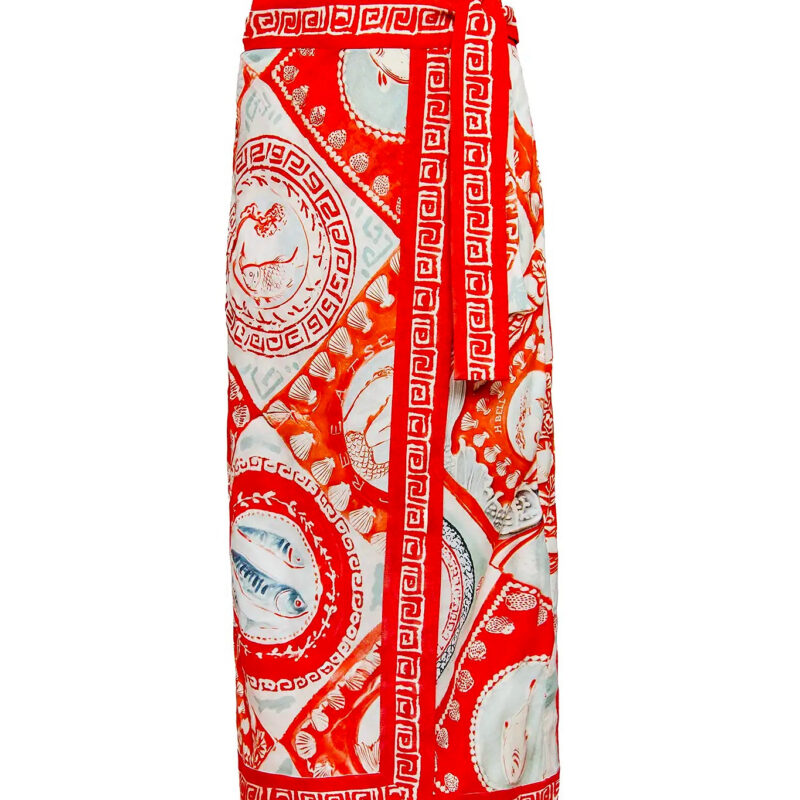 SHOP THE ITEM →
Paloma Wrap Skirt in Lost At Sea Hunter bell
$445.00 -
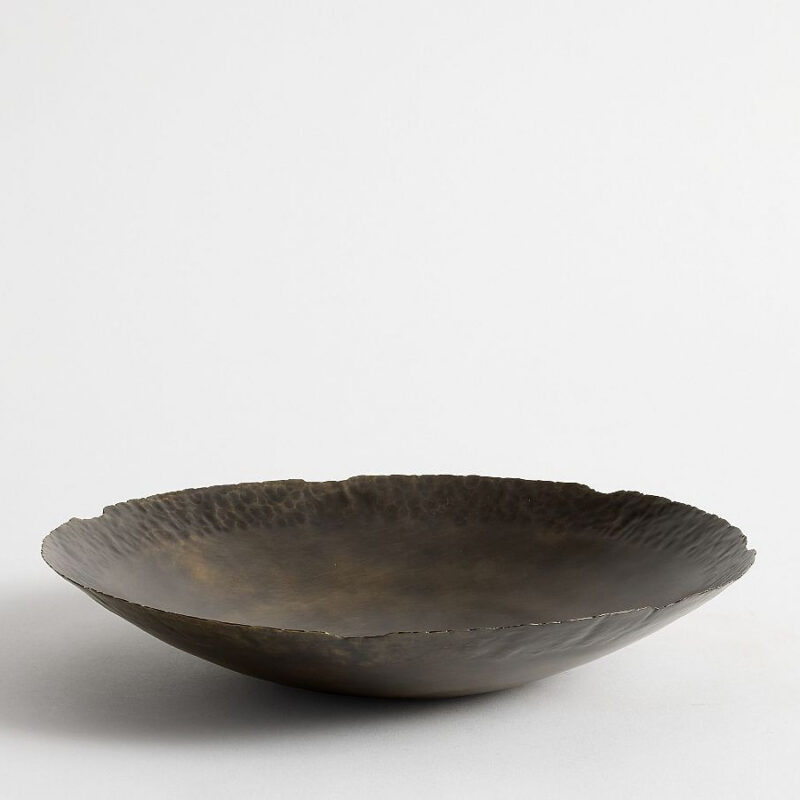 SHOP THE ITEM →
Antique Black Iron Decorative Bowl
$29.50 -
 SHOP THE ITEM →
Emilia Ceramic Collection
$79.50 -
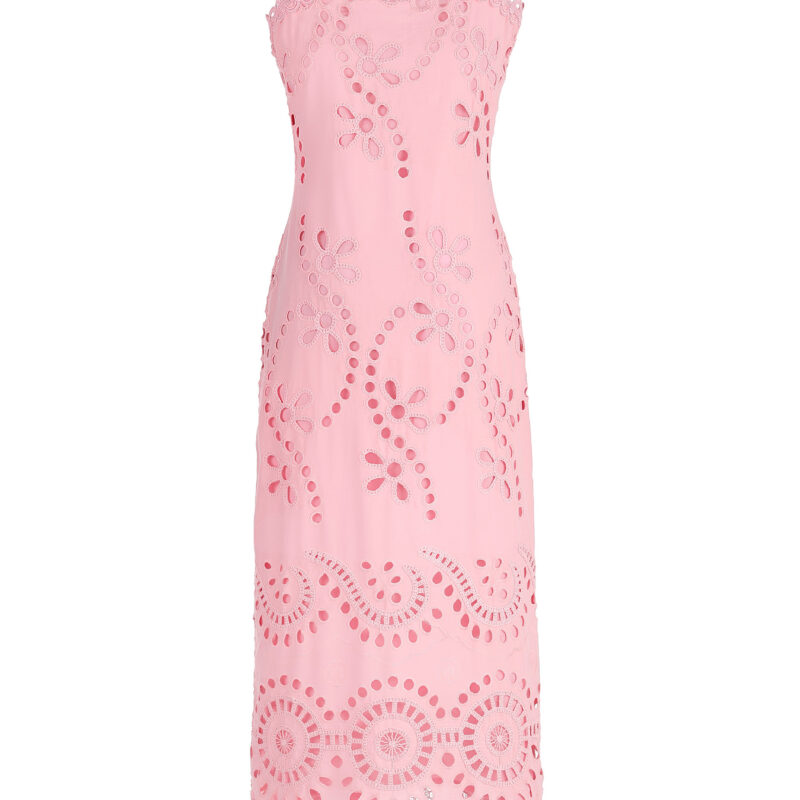 SHOP THE ITEM →
Le Bouquet Maxi Dress in Pink Waimari
$595.00 -
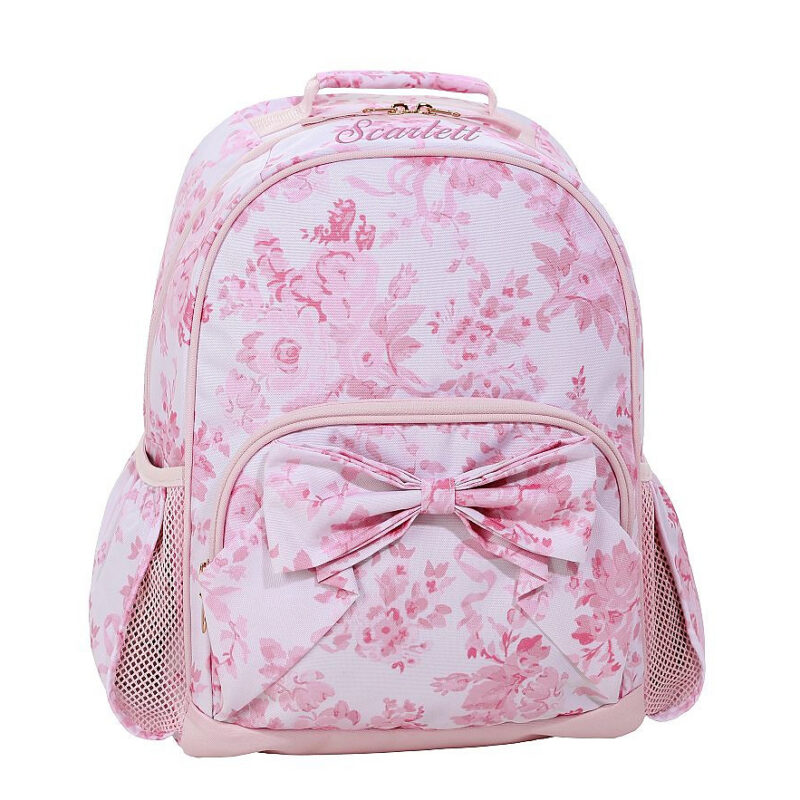 SHOP THE ITEM →
LoveShackFancy Pink Damask Floral Mackenzie Backpack
$69.50 -
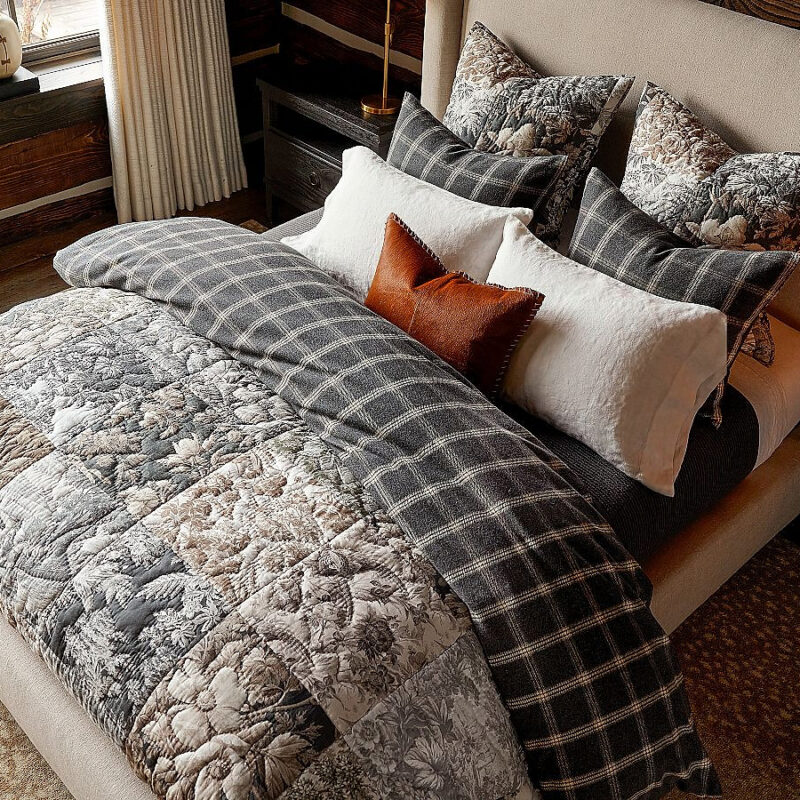 SHOP THE ITEM →
Cordelia Toile Reversible Quilt
$349.00 -
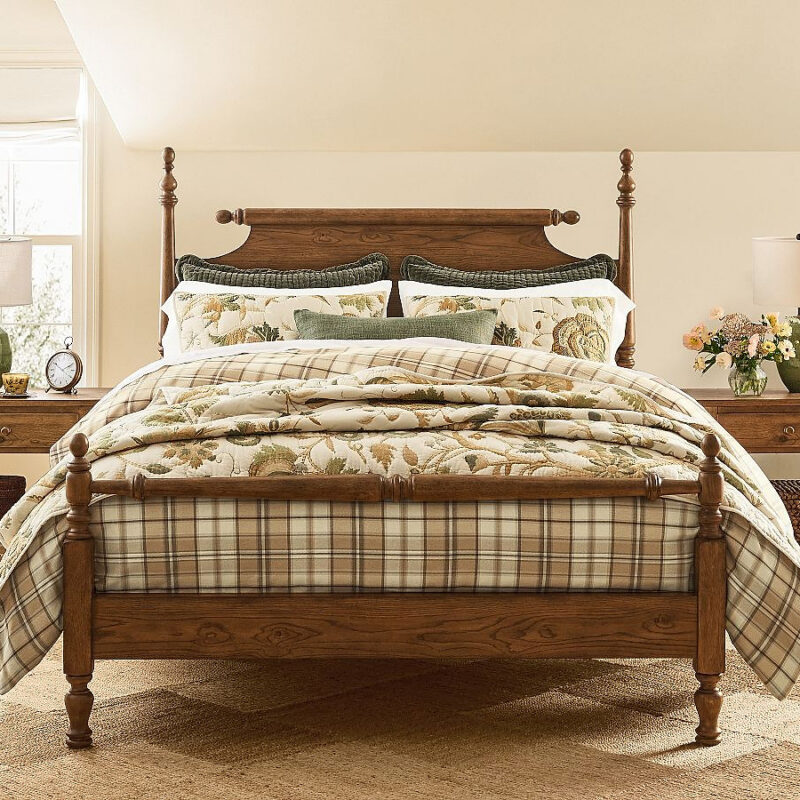 SHOP THE ITEM →
Lydia Palampore Embroidered Quilt
$349.00 -
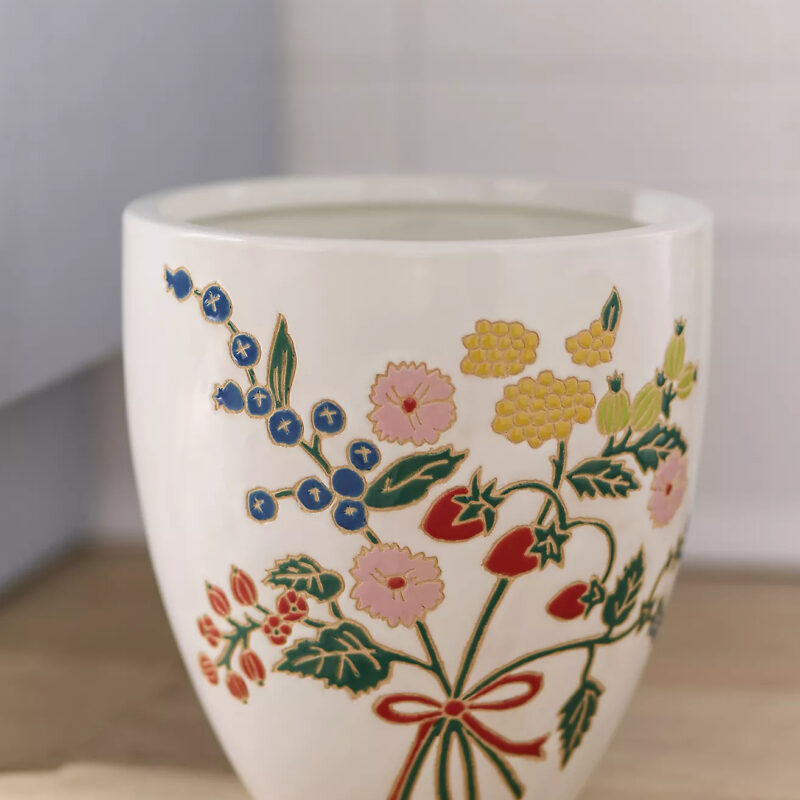 SHOP THE ITEM →
Hand-Painted Ceramic Waste Bin
$68.00 -
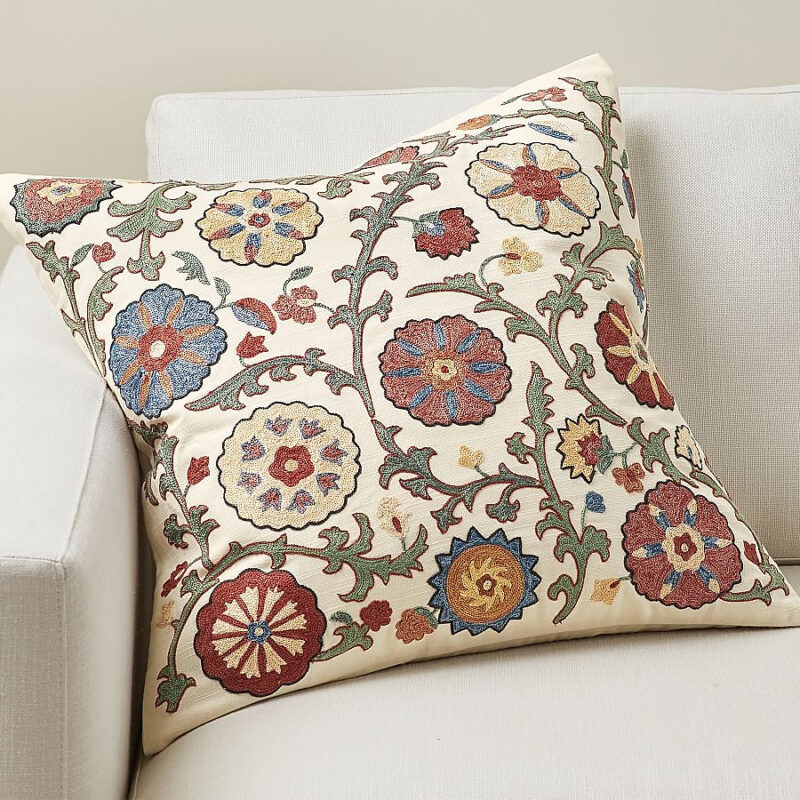 SHOP THE ITEM →
Penelope Embroidered Pillow Cover
$79.50 -
 SHOP THE ITEM →
The Annie Cowgirl Boot – Ombre suede | Tecovas
-
 SHOP THE ITEM →
Blue Flower Cereal Bowl Carolina Irving & Daughters
$40.00 -
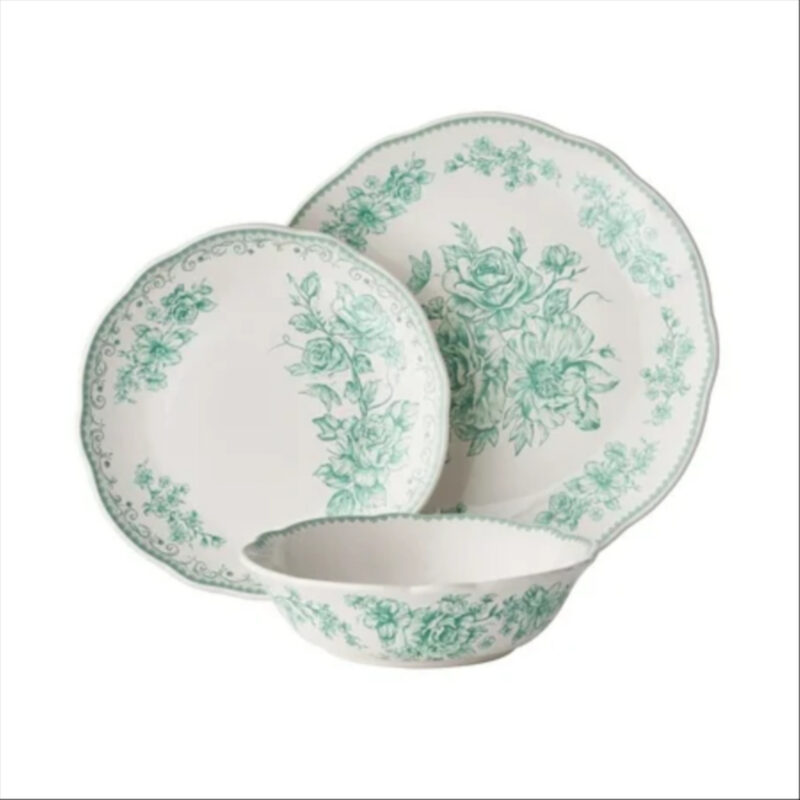 SHOP THE ITEM →
The Pioneer Woman Agatha 12-Piece Stoneware Dinnerware Set, Green
-
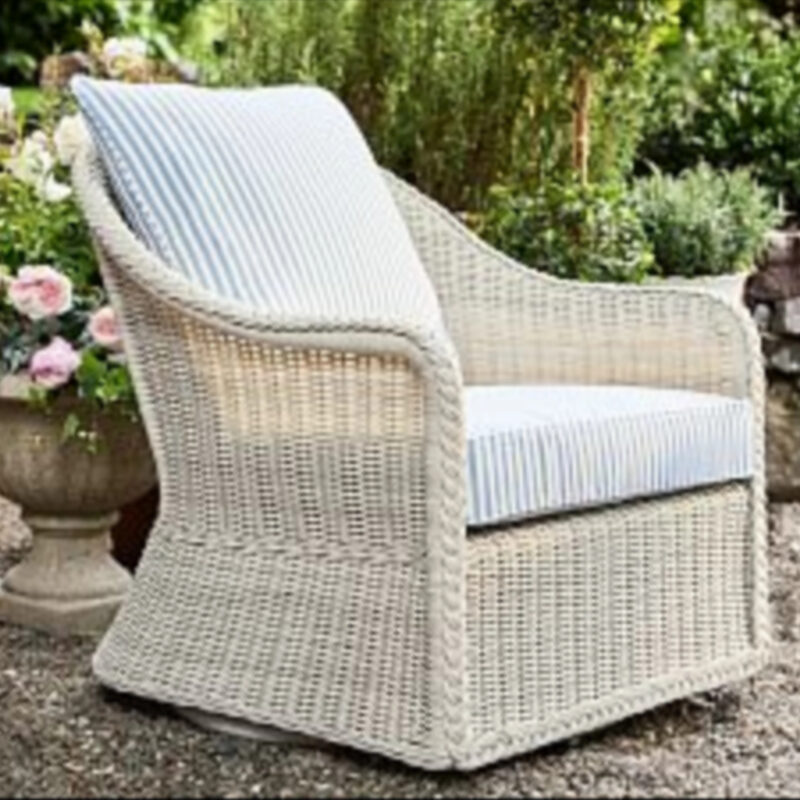 SHOP THE ITEM →
LoveShackFancy Wicker Swivel Outdoor Lounge Chair
-
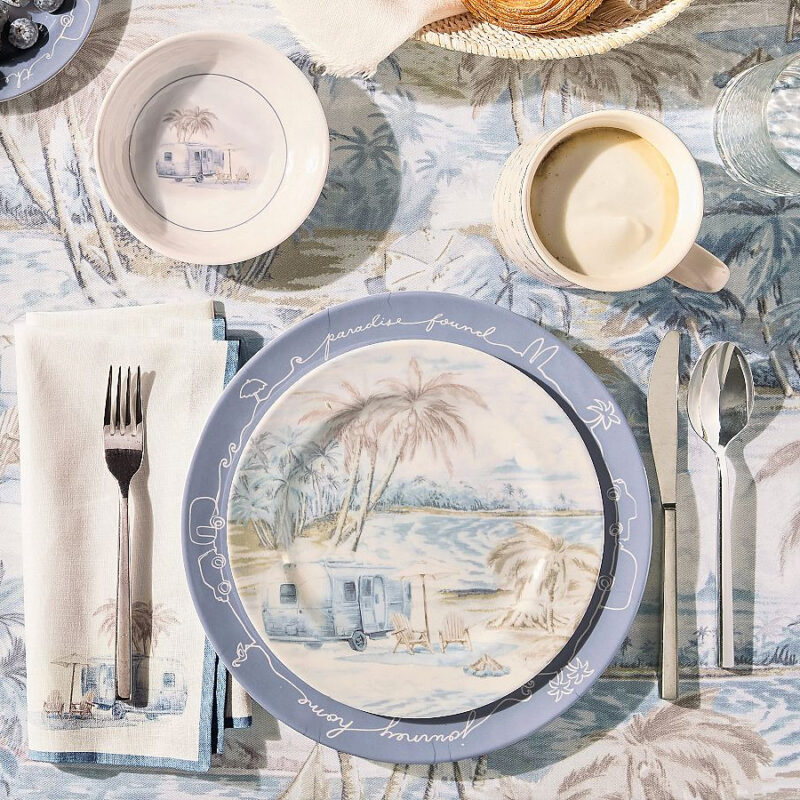 SHOP THE ITEM →
Airstream Outdoor Melamine Dinnerware Collection
-
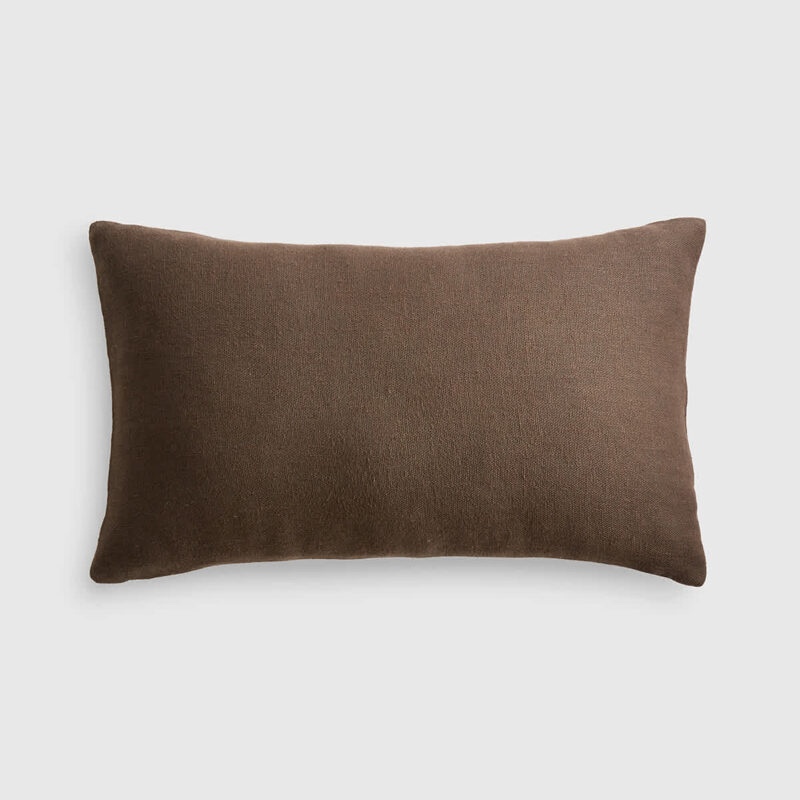 SHOP THE ITEM →
Reversible Linen Bamboo Pillow Cover Quince
-
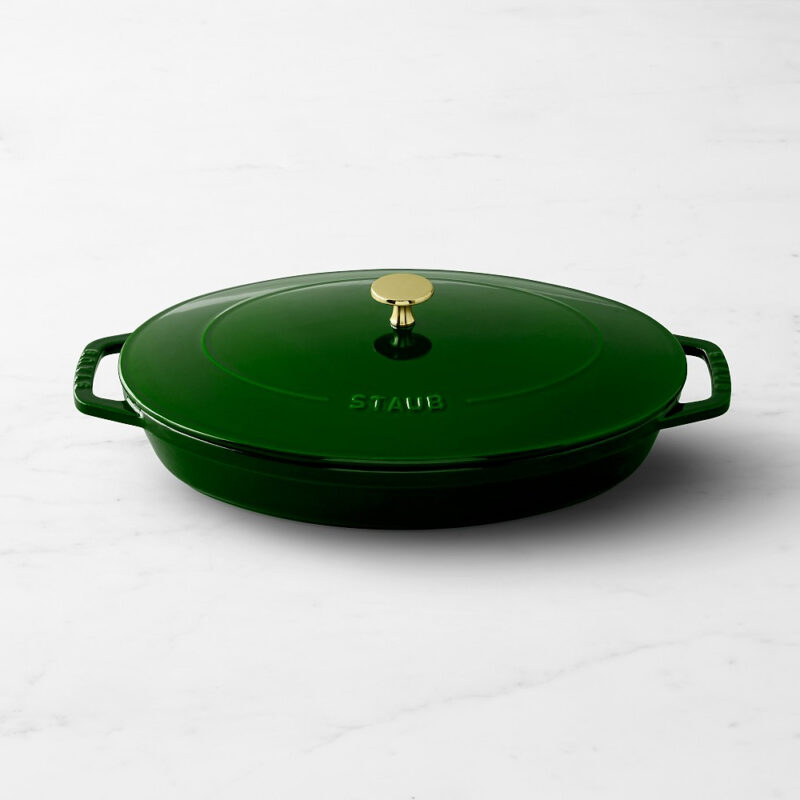 SHOP THE ITEM →
Staub Enameled Cast Iron Oval Gratin with Lid, 2.25 Qt. Staub Basil with Brass
-
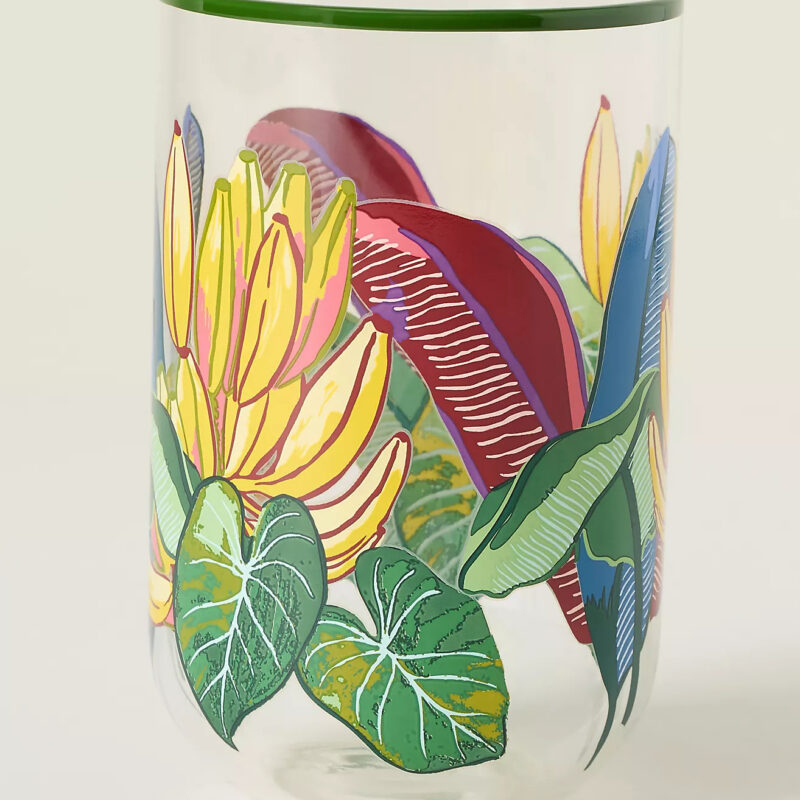 SHOP THE ITEM →
Farm Rio x Anthropologie Juice Glass
-
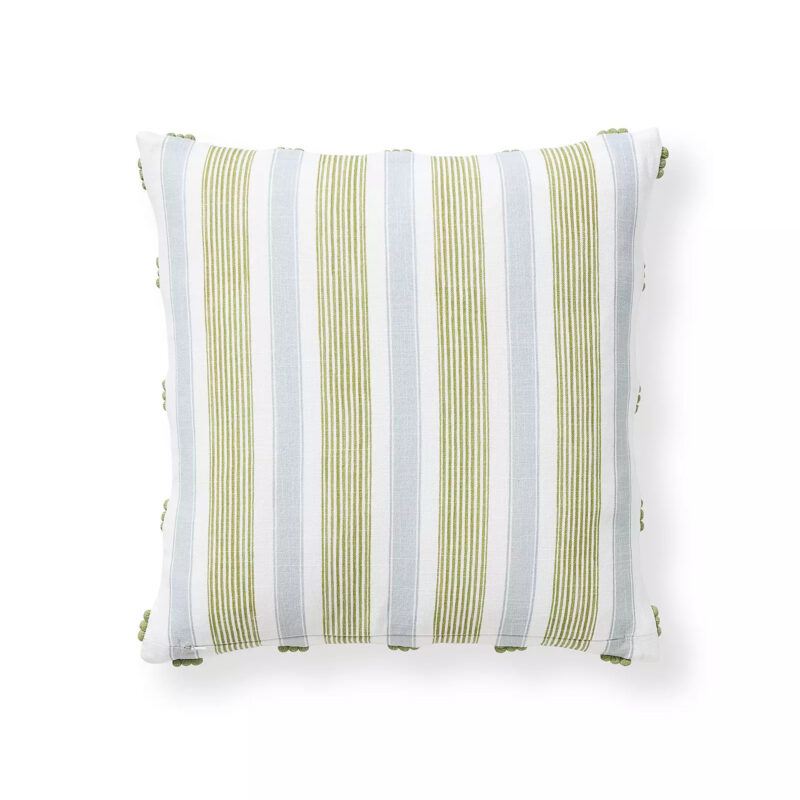 SHOP THE ITEM →
Sapri Pillow Cover
-
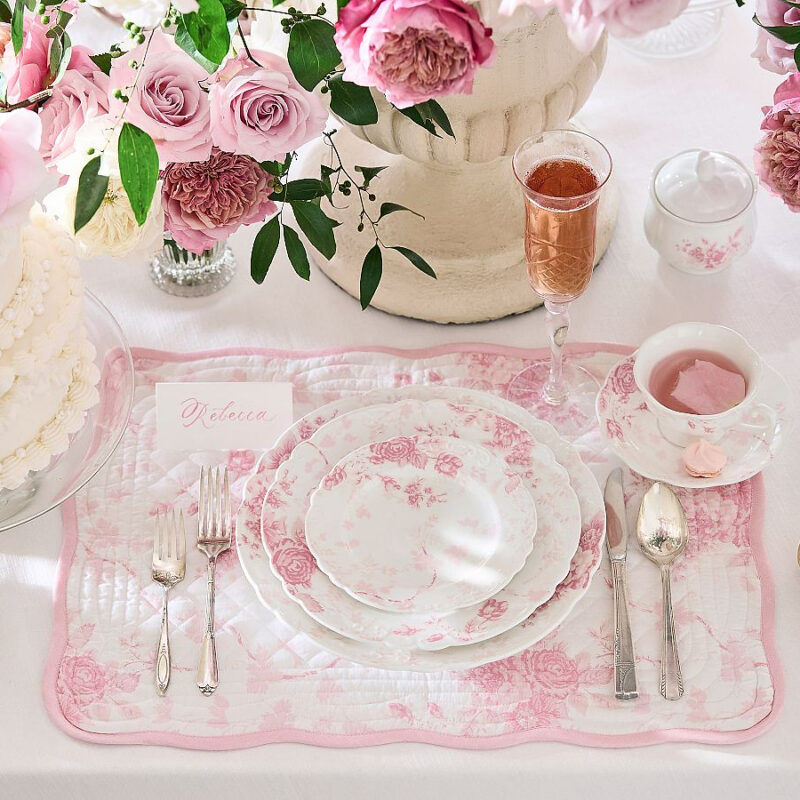 SHOP THE ITEM →
Love Shack Fancy Rose 12-Piece Dinnerware Set
-
 SHOP THE ITEM →
LoveShackFancyTufted Swivel Vanity Chair
You Might Also Enjoy
- I Asked a Pediatrician If My Family’s Eating Habits Were Ruining My Kids’ Health — Here’s What He Said
- You Don’t Need a Big Garden to Grow Your Own Food — We found the perfect seed kit for you!
- The Best Rugs for Home Decor, According to Someone Who’s Replaced a Lot of Bad Ones
- 25 Things to Let Go of for a Calm, Clutter-Free Home
- Wine Country Aesthetic Is Eating — Here’s How to Get It at Home