




This article may include affiliate links. We may earn a small commission if you shop through them.
Summers are exciting because you get to travel, kids are out of school, and it’s legit gorgeous outside. But they’re also particularly hard for parents. You don’t want kids to sit in front of the TV all day long (like we did growing up, hehhhh!) and you don’t want to pay $47,000 for summer programs—but you truly want them to have an enriching, fun, happy time off before they start the next school year. So what do you do? We are a few weeks into summer so far, and I have already realized that some tricks work for me and my family—while others have absolutely flopped. So I’ve gathered together some tips and tricks that I think you’ll find useful, whether you’re a tired mom, a woman navigating a new life, or a retired señora baddie taking care of grandkids.1. Make a loose plan—but expect it to go south
I created activity plans based on some very fun Instagram reels consisting of advanced, elaborate mud kitchens turned into fairy potion stations, color-sorting activities, and all kinds of educational fun. You know the type: the moms who somehow have twelve sensory bins ready before breakfast. Reality? We ended up just playing with mud, and she got bored after 20 minutes. The biggest lesson I’ve learned this summer is that flexibility is your superpower. Kids don’t always follow the script. Sometimes the activity you spent two hours preparing lasts five minutes, while a cardboard box keeps them occupied all afternoon. Create a loose structure for the day, have a few ideas in your back pocket, and then let go of perfection. Some of our best summer memories have come from completely unplanned moments. Now, we have a list of activities and ingredients she can play with when the timing is right.2. If you can afford it, put them in some type of camp
I was tempted to keep my daughter home with me all day because I miss her during the school year and wanted to create all kinds of educational experiences myself. But the truth is, some type of camp can be incredibly beneficial for both kids and parents. One of the biggest reasons is helping prevent the “summer slide”—the learning loss that can happen when kids spend months away from academic activities. Studies have shown that children can lose some of the reading and math skills they worked so hard to build during the school year if they don’t continue practicing over the summer. A camp doesn’t have to be fancy or expensive. Even a few hours a day or a couple of weeks throughout the summer can provide structure, socialization, and opportunities to learn new skills. And if camp isn’t in the budget, there are so many affordable alternatives. Online platforms like Outschool offer classes starting at just a few dollars. Kids can learn Spanish like their abuela, explore STEM topics, take art classes, practice writing, or even join book clubs. Sometimes one engaging class a week is enough to keep their minds active and curious.3. Use your public library
I cannot emphasize this enough: your local library is probably one of the most underrated resources in your community. Before becoming a parent, I thought libraries were mostly about checking out books. I was very wrong. Our local library hosts puppet shows, science demonstrations, arts and crafts, face painting events, story times, scavenger hunts, and family activities all summer long. I was genuinely blown away by how much they offered—for free. Beyond the events, libraries help children build a positive relationship with reading. There’s something magical about letting kids choose their own books and feel ownership over what they’re reading. Plus, while they’re browsing, you might even get a few minutes to yourself to explore new releases, pick up a novel, or reconnect with your own love of reading.4. Take advantage of free reading programs
Your local library probably has a summer reading program, and if it does, sign up. Ours allows kids to track the books they read and earn prizes along the way. They can spin a prize wheel, collect stickers, and win small rewards for reaching reading goals. It has somehow transformed reading from “something mom wants me to do” into a personal mission. Another great option is the annual summer reading program at Barnes & Noble. Kids can often earn a free book by completing a reading journal and meeting the program requirements. It’s simple, motivating, and gives children something to work toward. The best part? These programs create excitement around reading without making it feel like homework. That’s a win for everyone.5. Get an annual membership to something
If your family enjoys outings, an annual membership can quickly become one of the best investments you make all year. Sometimes one year’s worth of membership even costs the price of one ticket! It’s a no brainer. Museums, botanical gardens, zoos, aquariums, museums, and science centers often offer memberships that pay for themselves after just one or two visits. Even better, many participate in reciprocal programs, meaning your membership may grant free or discounted admission to dozens of other locations around the country. This year, I purchased a museum membership in New England because I loved visiting. What I didn’t realize was that it came with reciprocal benefits that opened the door to museums and attractions in other cities as well. When you’re comparing memberships, do a little math. If the membership costs about the same as two family visits, it’s probably worth considering. You’ll have a built-in activity ready whenever boredom strikes, and you’ll feel less pressure to “get your money’s worth” every time you go. Things to Avoid
Having too many expectations
Things will go sideways. The outing will get canceled. Someone will have a meltdown. The activity you planned all week will be ignored in favor of a random stick found outside. That’s normal. The more flexibility you build into your expectations, the more you’ll be able to enjoy the moments that actually happen instead of mourning the ones that didn’t.Too much TV
Listen, many of us practically grew up on television, and we turned out okay. (but I also only had 3 channels to pick from in South America at the time so it was….different). That said, summer offers opportunities that screens can’t always provide. Outdoor play, reading, creativity, social interaction, and boredom itself all help kids develop important skills. That doesn’t mean TV is the enemy. Sometimes you need to answer emails, make dinner, or simply rest. There is nothing wrong with that! But I have learned to use it intentionally. Consider introducing Spanish-language shows, documentaries, nature programs, or even some of the classic shows you loved growing up. Teenaged Mutant Ninja Turtles anyone?! Balance is the goal—not perfection.Staying indoors all day
Have you ever noticed how everyone’s mood improves after spending some time outside? Fresh air, sunshine, movement, and a change of scenery can work wonders for both kids and adults. Even if it’s just a walk around the block, a visit to a playground, or eating lunch outside, getting out of the house helps break up the day and reduce that restless summer energy. I hate the thought of leaving my house sometimes but it’s an instant pick-me-up when I do.Avoiding all school work
Summer should absolutely feel different from school. But a little bit of learning goes a long way. Fifteen minutes of reading, practicing math facts, writing in a journal, learning a new language, or working on a skill each day can help children maintain their progress and feel more confident when they return to school in the fall. The key is consistency, not intensity.Packing every minute of your schedule
Thanks to social media, many of us feel pressure to become the perfect summer mom. Every day is supposed to include a craft, a sensory activity, an educational lesson, an outdoor adventure, and a healthy homemade snack shaped like a butterfly. It’s exhausting. Kids don’t need a summer packed from sunrise to sunset. They need connection, play, rest, and room to be themselves. Take a little bit of inspiration from everywhere, ignore the pressure, and create a summer that works for your family—not someone else’s Instagram feed.Shop This Week’s Bestsellers
Discover the home, beauty, fashion, and wellness finds our readers are loving most.
Shop Bestsellers →-
 SHOP THE ITEM →
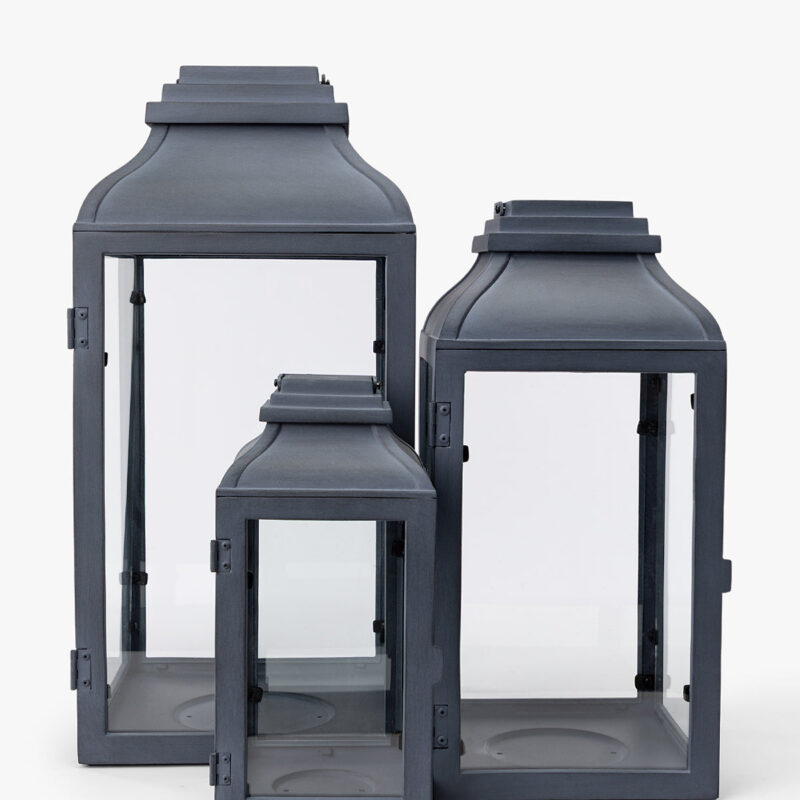
Hartwell Indoor/Outdoor Lantern McGee & Co
$358.00 -
 SHOP THE ITEM →
Bistro Tile Stoneware 24k Gold Accent Garden Hook Anthropologie
$20.00 -
 SHOP THE ITEM →
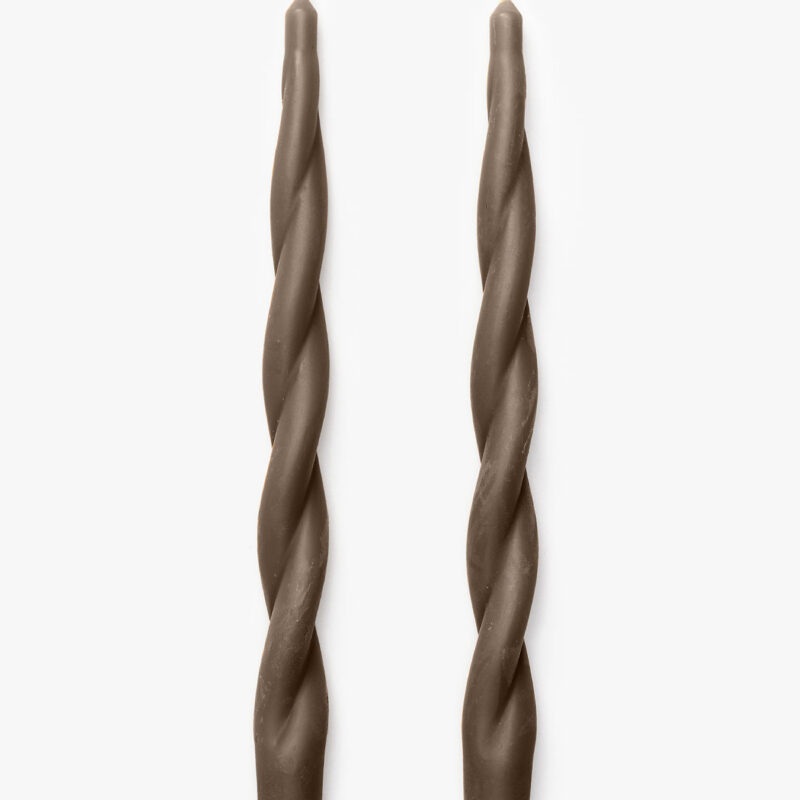
Brown Twisted Taper Candles (Set of 2) McGee & Co
$22.00 -
 SHOP THE ITEM →
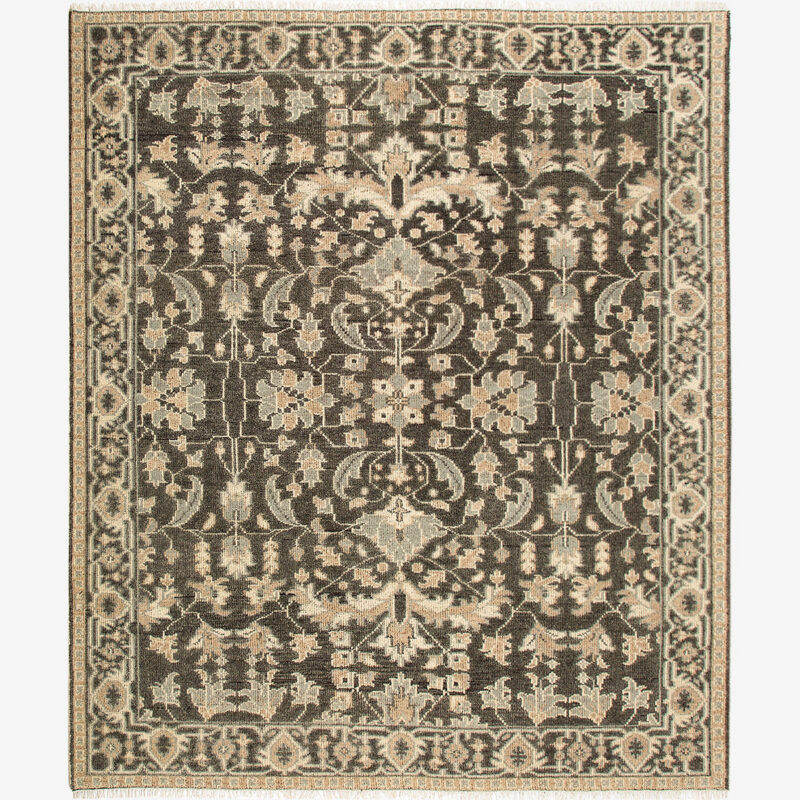
Wayland Hand-Knotted Wool Rug McGee & Co
$846.00 -
 SHOP THE ITEM →
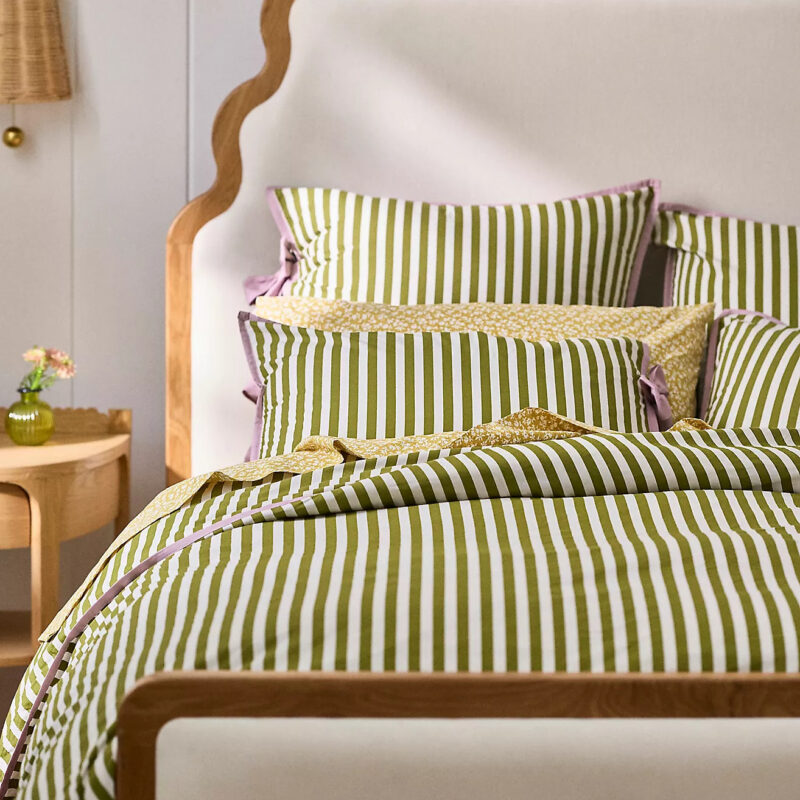
Maeve Brynne Cotton Percale Stripe Tie Printed Duvet
$178.00 -
 SHOP THE ITEM →
Coralie Striped Lumbar Pillow Cover
$89.50 -
 SHOP THE ITEM →
Sand Ric Rac Tie Brocks Dress
$228.00 -
 SHOP THE ITEM →
Abstract Alps Como Dress
$298.00 -
 SHOP THE ITEM →
Wine Pleated Sleeveless Midi Dress Moon River
$118.00 -
 SHOP THE ITEM →
VICTORIA BECKHAM – Suede Shirt
-
 SHOP THE ITEM →
Paloma Wrap Skirt in Lost At Sea Hunter bell
$445.00 -
 SHOP THE ITEM →
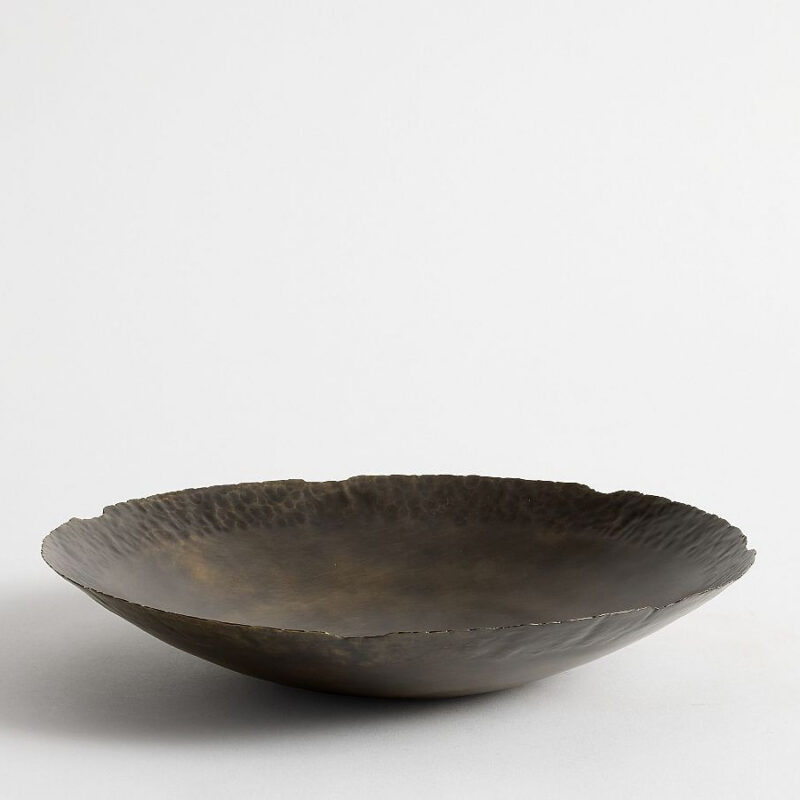
Antique Black Iron Decorative Bowl
$29.50 -
 SHOP THE ITEM →
Emilia Ceramic Collection
$79.50 -
 SHOP THE ITEM →
Le Bouquet Maxi Dress in Pink Waimari
$595.00 -
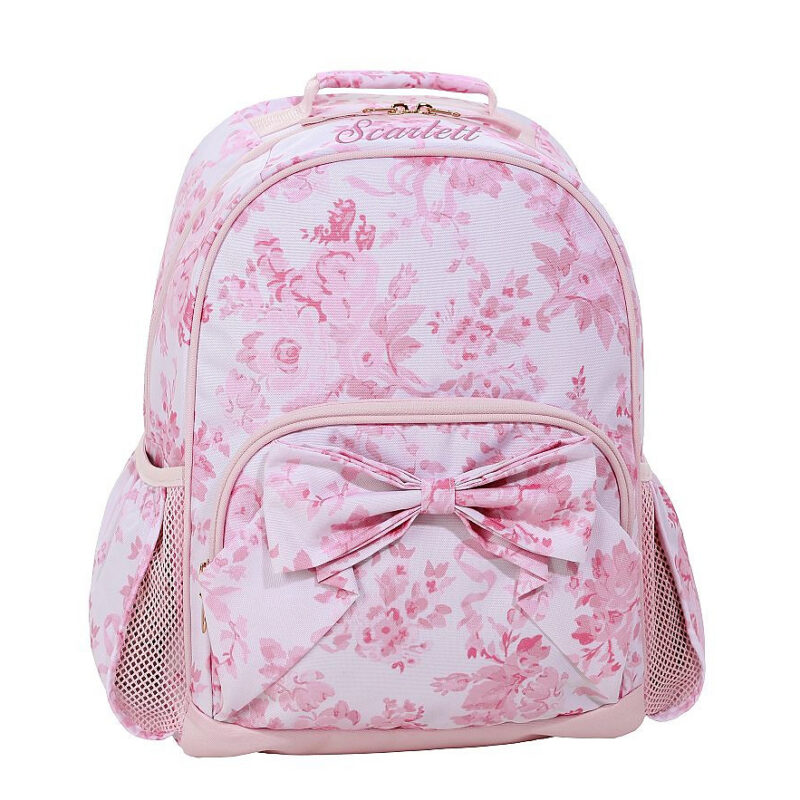 SHOP THE ITEM →
LoveShackFancy Pink Damask Floral Mackenzie Backpack
$69.50 -
 SHOP THE ITEM →
Cordelia Toile Reversible Quilt
$349.00 -
 SHOP THE ITEM →
Lydia Palampore Embroidered Quilt
$349.00 -
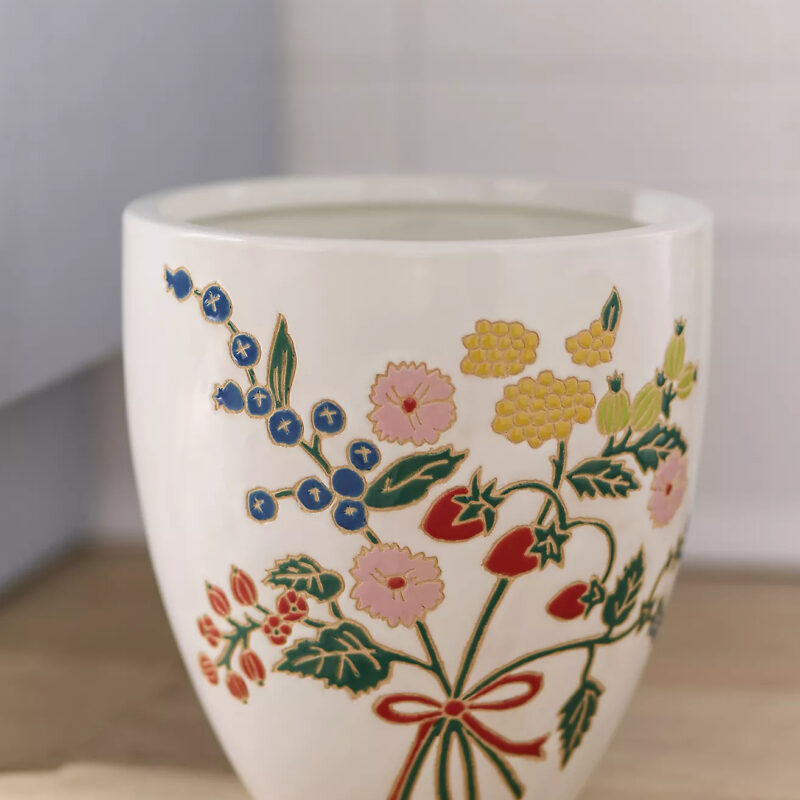 SHOP THE ITEM →
Hand-Painted Ceramic Waste Bin
$68.00 -
 SHOP THE ITEM →
Penelope Embroidered Pillow Cover
$79.50 -
 SHOP THE ITEM →
The Annie Cowgirl Boot – Ombre suede | Tecovas
-
 SHOP THE ITEM →
Blue Flower Cereal Bowl Carolina Irving & Daughters
$40.00 -
 SHOP THE ITEM →
The Pioneer Woman Agatha 12-Piece Stoneware Dinnerware Set, Green
-
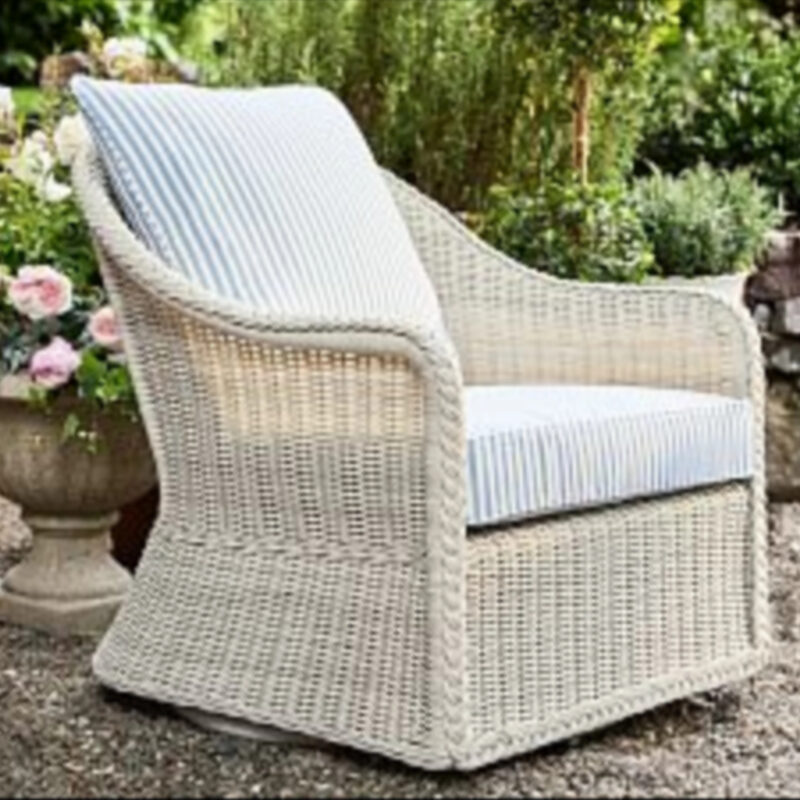 SHOP THE ITEM →
LoveShackFancy Wicker Swivel Outdoor Lounge Chair
-
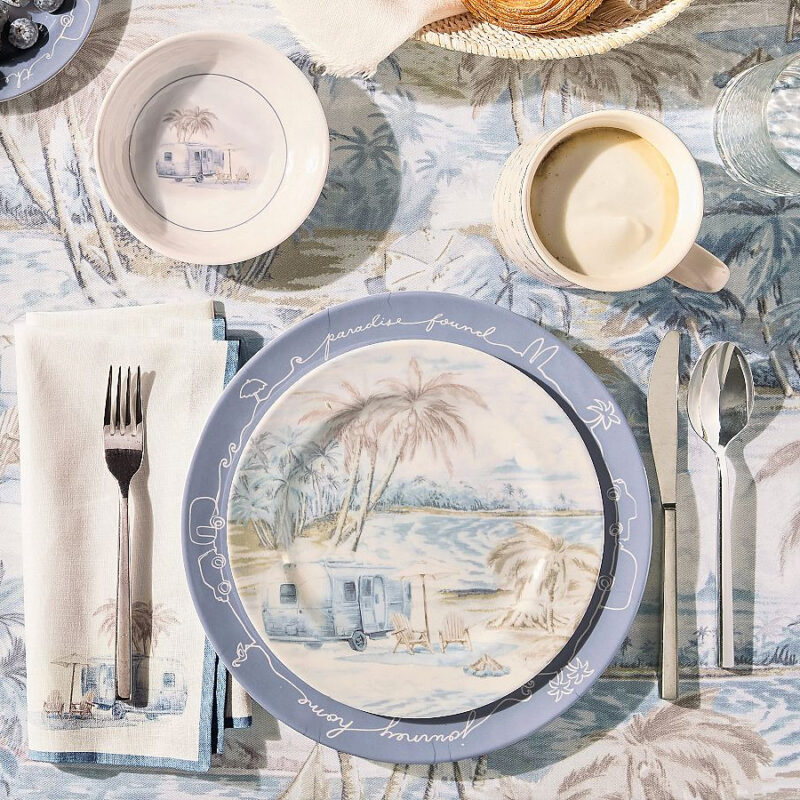 SHOP THE ITEM →
Airstream Outdoor Melamine Dinnerware Collection
-
 SHOP THE ITEM →
Reversible Linen Bamboo Pillow Cover Quince
-
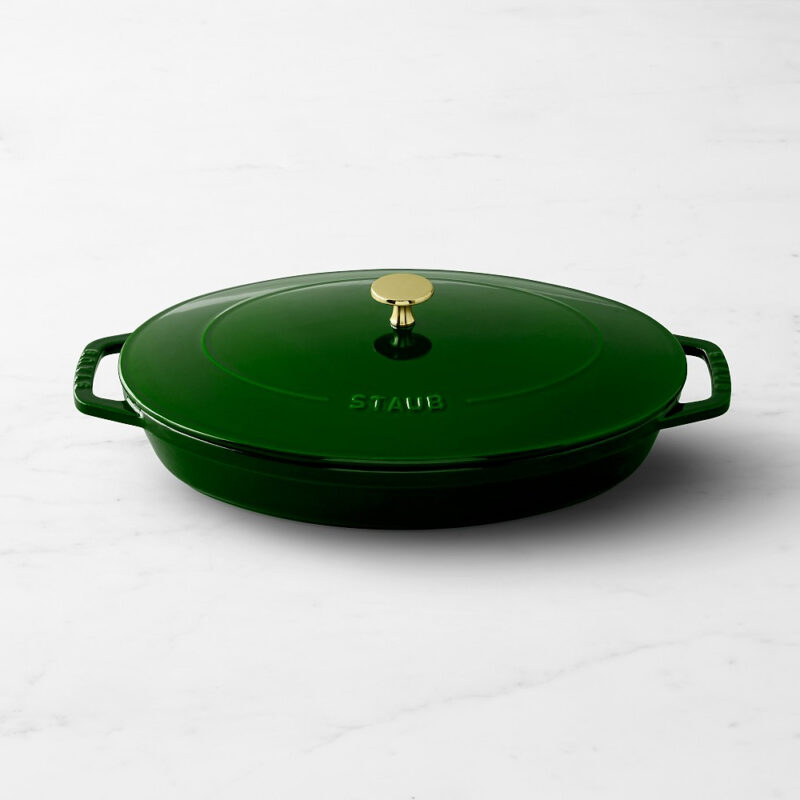 SHOP THE ITEM →
Staub Enameled Cast Iron Oval Gratin with Lid, 2.25 Qt. Staub Basil with Brass
-
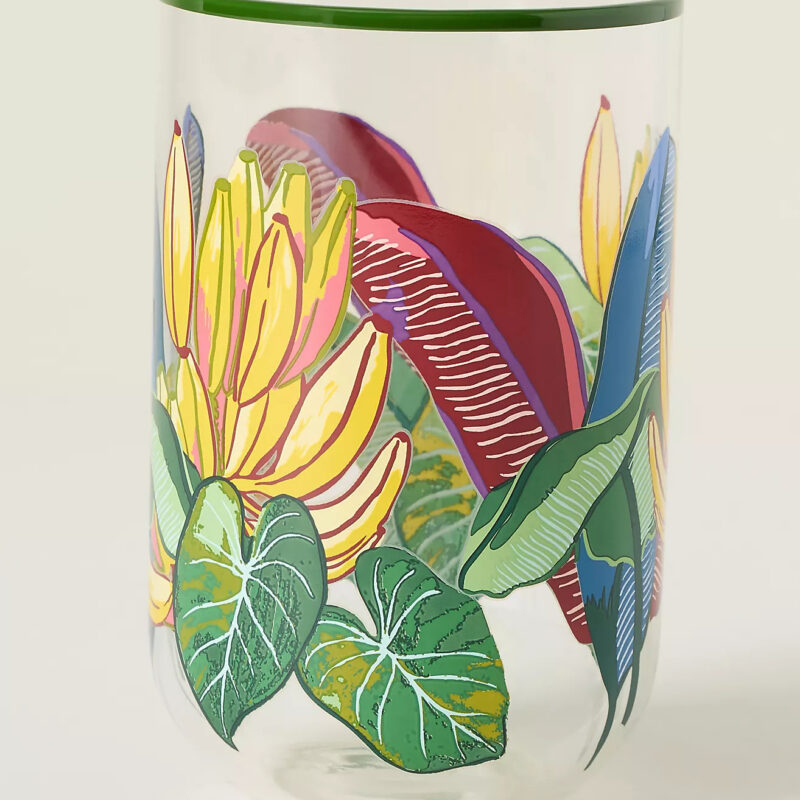 SHOP THE ITEM →
Farm Rio x Anthropologie Juice Glass
-
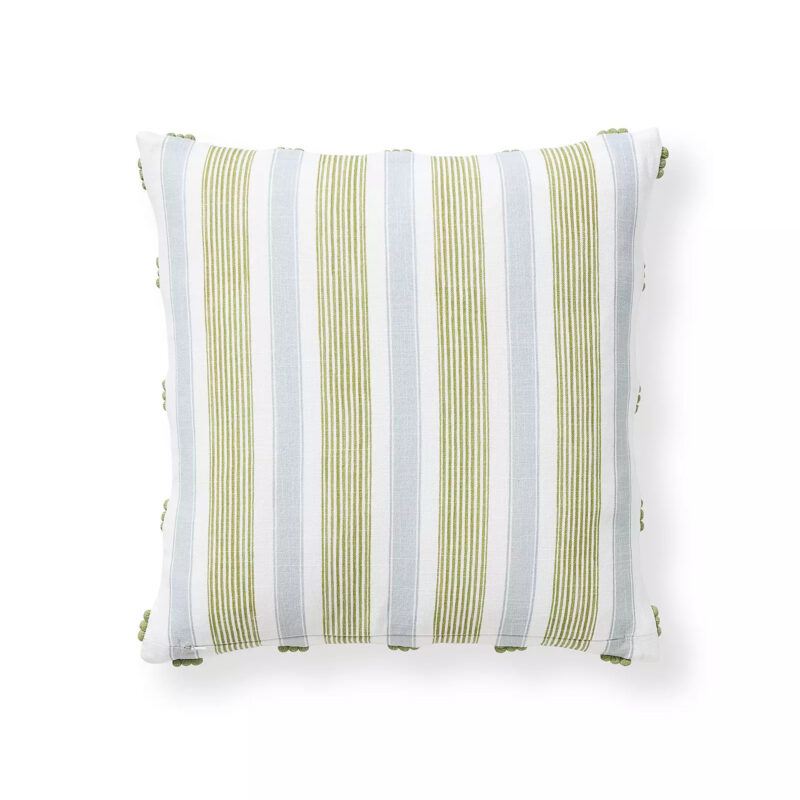 SHOP THE ITEM →
Sapri Pillow Cover
-
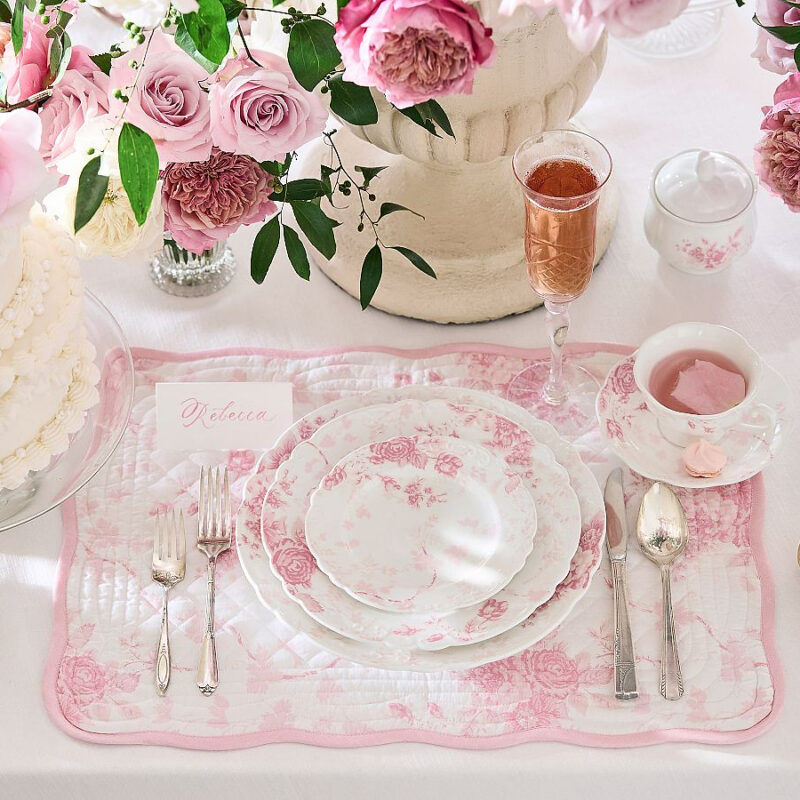 SHOP THE ITEM →
Love Shack Fancy Rose 12-Piece Dinnerware Set
-
 SHOP THE ITEM →
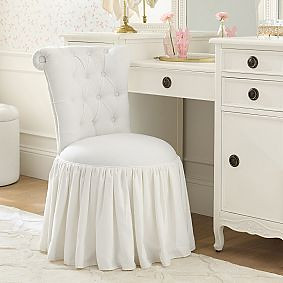
LoveShackFancyTufted Swivel Vanity Chair
You Might Also Enjoy
- I Asked a Pediatrician If My Family’s Eating Habits Were Ruining My Kids’ Health — Here’s What He Said
- The Best Rugs for Home Decor, According to Someone Who’s Replaced a Lot of Bad Ones
- Señora Travel: Rhode Island Travel Guide – The Best of Providence and Newport, For Every Budget
- The Best Plants for Home Decor That Make Every Room Look More Expensive
- Here’s how we’re having the most 90s “señora summer” ever: and you can too