




This article may include affiliate links. We may earn a small commission if you shop through them.
(I’m in SoCal, and in zone 9b)
What Worked in My Zone 9b Garden
I have talked about my garden fails in our book, Radical Señora Era, but it hasn’t quite been as bad as last year, and this year. I started this season with two full seed trays, a lot of optimism, and absolutely zero respect for Southern California’s weather patterns. They all died. Every single one.
The Señora Edit
Discover the home, beauty, fashion, and wellness finds our readers are loving most this week.
Shop This Week’s Bestsellers →So I did what any reasonable person does: panic-bought seedlings and seeds from a local nursery and neighbors who sell seedlings, planted them straight into the beds, and crossed my fingers. But surprise! they’re thriving. Which genuinely shocked me. Turns out sometimes buying the shortcut is just the smarter move.
Here’s everything that’s actually working this season, what I had to learn the hard way, and the lessons I wish someone had told me before I killed my first two trays.
The Strawberry and Lettuce Beds
This is where I’m most proud right now. The lettuce is doing beautifully and the strawberries are actually producing, which feels like a miracle after last year’s complete failure.
The turning point was getting my strawberry plants from a woman in my community who basically runs a nursery out of her backyard. Her plants are incredible — but more importantly, she told me the real secret to strawberries. Not just any fertilizer. Worm castings.
So I dug out my old worm farm, which I had massively failed at before, and started it up again. Here’s what I’ve figured out about worm farms: the first week is everything. You have to go out there every single day, check on them, get them established. After that first week you can ease up — feed them every few days and let them do their thing. But that initial attention is non-negotiable. However, you must never forget them. Just dont bug them.
The Strawberry Vertical Garden
I also have a vertical garden setup for strawberries and lettuce, and the biggest lesson here was purely practical: pull it close to your house. I mean it. If it’s tucked away in a corner of your yard, you will forget to water it. When it’s right by your back or front door, you check on it every morning without even thinking about it. Mine is steps from my door, where I sit in the morning to do a little laptop work with tecito in hand, and I genuinely look forward to walking past it now. That proximity also gives it a little protection from the harshest afternoon sun, which is a bonus. Note that I have the Greenstalk which is this one.
The watering trick that changed everything for me was hand watering from the top in addition to whatever system you have set up. More work in the beginning, but the plants establish so much better. I also double water sometimes because strawberries need A LOT of water.
The Herb Bed
Okay, so herbs. Everyone says herbs are easy. Herbs are a great starting point. Herbs are foolproof. They are not. My chamomile didn’t make it. A few other things struggled before they found their footing. What is doing well: hollyhock, oregano, dill, and lemon verbena. Mint lives in its own pot, outside the main bed, on purpose — because mint will take over everything if you let it.
The herb bed taught me that “easy” plants still need attention, especially in those first few weeks when everything is getting established.
@senora.era Tell me how yours is going?! I’ve been working on this thing for months! Check out my blog post in the link in bio for my current hacks, what’s been working and what hasn’t #gardentok #señoralife #planttok #latinaplantmom
♬ original sound – Señora Era®
Lessons I Learned the Hard Way
These are the things I wish I’d known at the start of the season — or that I knew but didn’t take seriously enough.
Start your worm farm now, or at least get worm castings. Don’t wait. Worm castings are genuinely one of the best things you can do for your soil, and if you want to do it yourself, the farm needs time to get going.
Get a shade cloth — and be willing to use it and remove it. Some plants need protection from full sun, especially when they’re young or during a heat spike. But too much shade at the wrong time can stall growth. Pay attention to how your specific plants are responding and adjust. You may have to pull them back one week, and put them back on another. It really depends!
Go out there every single morning or evening. This is the one I’ve had to learn repeatedly. In previous years I would set everything up, feel very accomplished, and then kind of… drift. And I’d lose plants that could have been saved with five minutes of attention. Gardens reward daily presence more than any amount of equipment.
Take critters seriously — and then take them more seriously. I’m talking three to four layers of protection: physical barriers, critter spray, whatever it takes for your specific situation. Don’t find out the hard way that one layer wasn’t enough. Use garlic and onions – get the garlic seeds, which are created for planting (not the grocery store ones) and plant them in every single garden bed. Why? Critters HATE the smell. And you’ll end the season with loads of garlic and onion.
Buy from your community, not just nurseries. The woman I got my strawberry plants from charged me far less than any nursery and her plants were healthier for organic strawberries too (nurseries rarely have organic ones). Seeds and seedlings travel through neighborhoods all the time — ask around, check local groups, connect with people who garden near you. It cuts costs significantly and you often get better quality plants that are already adapted to your local conditions. Here, sine I live in the country there is even a little sourdough and egg booth where a family sells their homemade seedlings.
Water extra in the first few weeks, even if you have a system. Drip irrigation and timers are great. They are not a substitute for hand watering during the establishment period. Get out there and give your new plants extra water by hand for the first few weeks, then let your system take over.
Herbs are not as easy as they look. I said it. Plan accordingly.
The Bigger Lesson
I killed my seed trays. I failed at worm farming last year. I’ve lost plants to critters, to forgetting to water, to setting it and almost forgetting it too many times.
And this season things are actually growing. Not because I suddenly became a master gardener — but because I started showing up every day, asking better questions, and getting help from people who actually knew what they were doing.
Entonces, ponte las pilas!Start where you are. Get the worm castings. Pull the vertical garden closer to your house. Go outside in the morning.
Remember we may get commission if you click on any of these links.Shop This Week’s Bestsellers
Discover the home, beauty, fashion, and wellness finds our readers are loving most.
Shop Bestsellers →-
 SHOP THE ITEM →
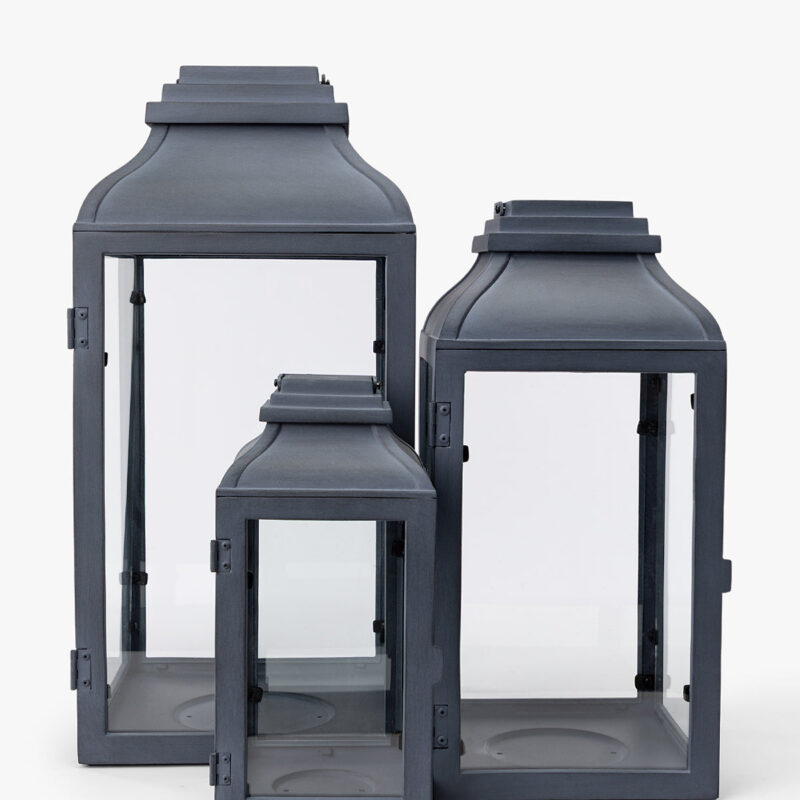
Hartwell Indoor/Outdoor Lantern McGee & Co
$358.00 -
 SHOP THE ITEM →
Bistro Tile Stoneware 24k Gold Accent Garden Hook Anthropologie
$20.00 -
 SHOP THE ITEM →
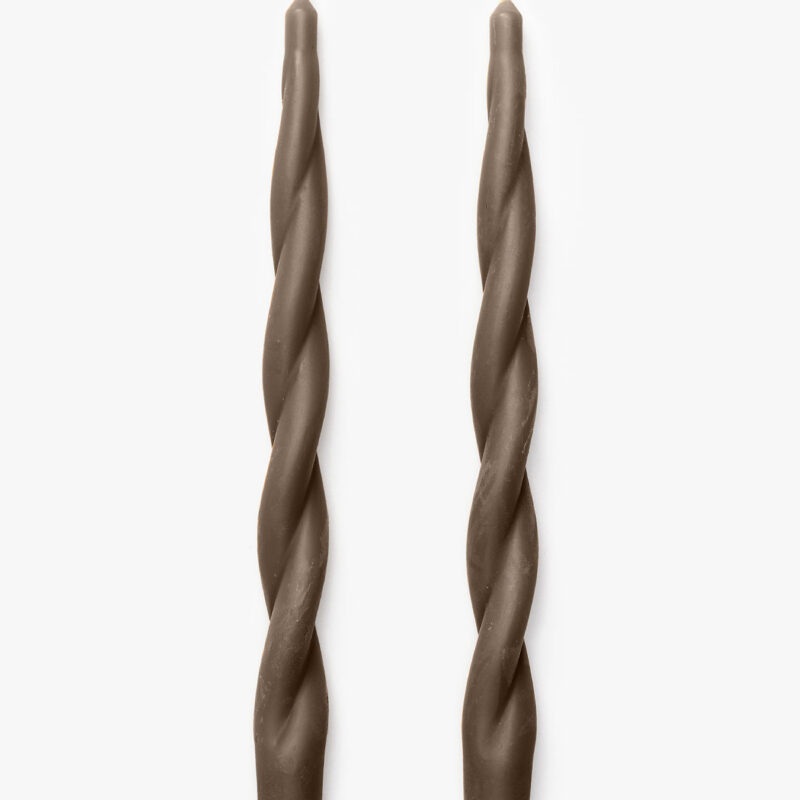
Brown Twisted Taper Candles (Set of 2) McGee & Co
$22.00 -
 SHOP THE ITEM →
Wayland Hand-Knotted Wool Rug McGee & Co
$846.00 -
 SHOP THE ITEM →
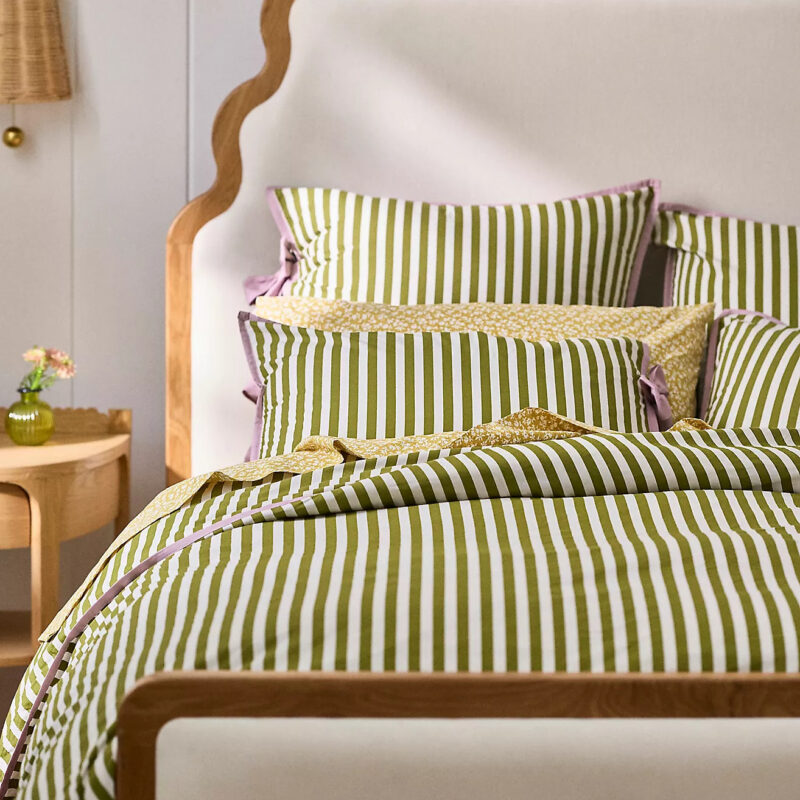
Maeve Brynne Cotton Percale Stripe Tie Printed Duvet
$178.00 -
 SHOP THE ITEM →
Coralie Striped Lumbar Pillow Cover
$89.50 -
 SHOP THE ITEM →
Sand Ric Rac Tie Brocks Dress
$228.00 -
 SHOP THE ITEM →
Abstract Alps Como Dress
$298.00 -
 SHOP THE ITEM →
Wine Pleated Sleeveless Midi Dress Moon River
$118.00 -
 SHOP THE ITEM →
VICTORIA BECKHAM – Suede Shirt
-
 SHOP THE ITEM →
Paloma Wrap Skirt in Lost At Sea Hunter bell
$445.00 -
 SHOP THE ITEM →
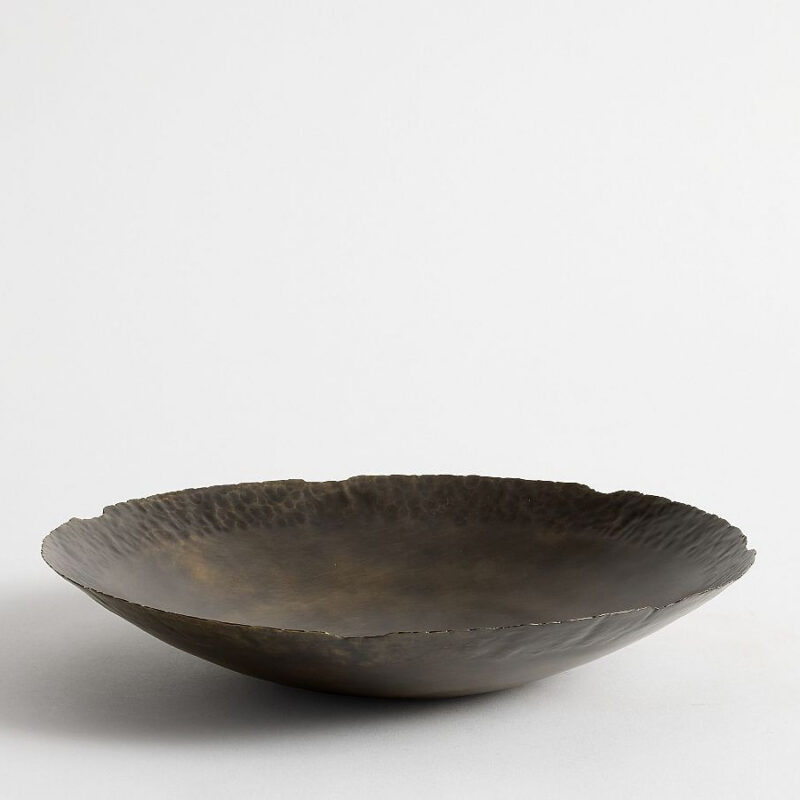
Antique Black Iron Decorative Bowl
$29.50 -
 SHOP THE ITEM →
Emilia Ceramic Collection
$79.50 -
 SHOP THE ITEM →
Le Bouquet Maxi Dress in Pink Waimari
$595.00 -
 SHOP THE ITEM →
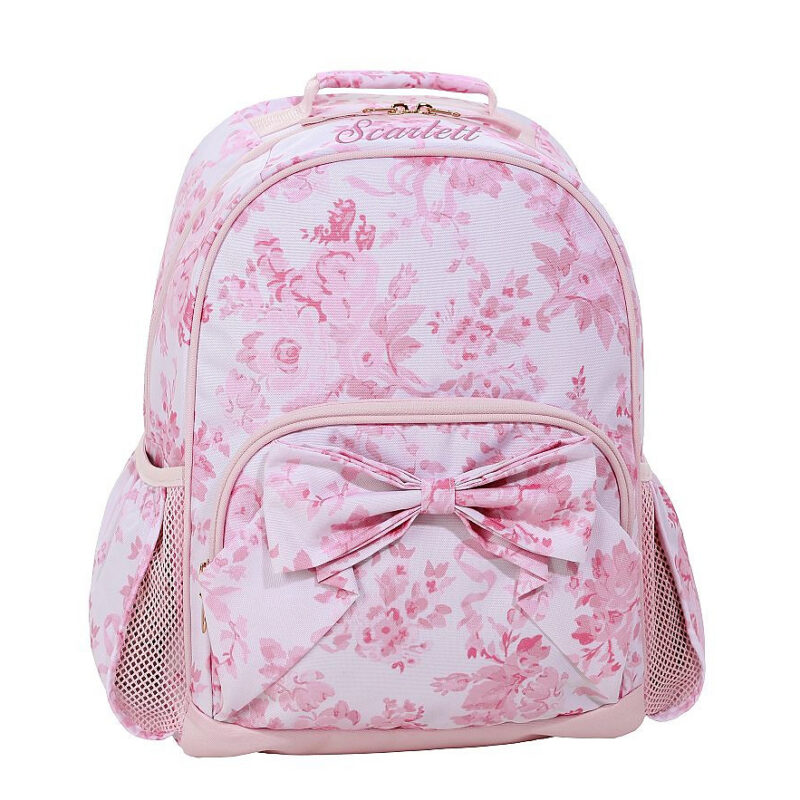
LoveShackFancy Pink Damask Floral Mackenzie Backpack
$69.50 -
 SHOP THE ITEM →
Cordelia Toile Reversible Quilt
$349.00 -
 SHOP THE ITEM →
Lydia Palampore Embroidered Quilt
$349.00 -
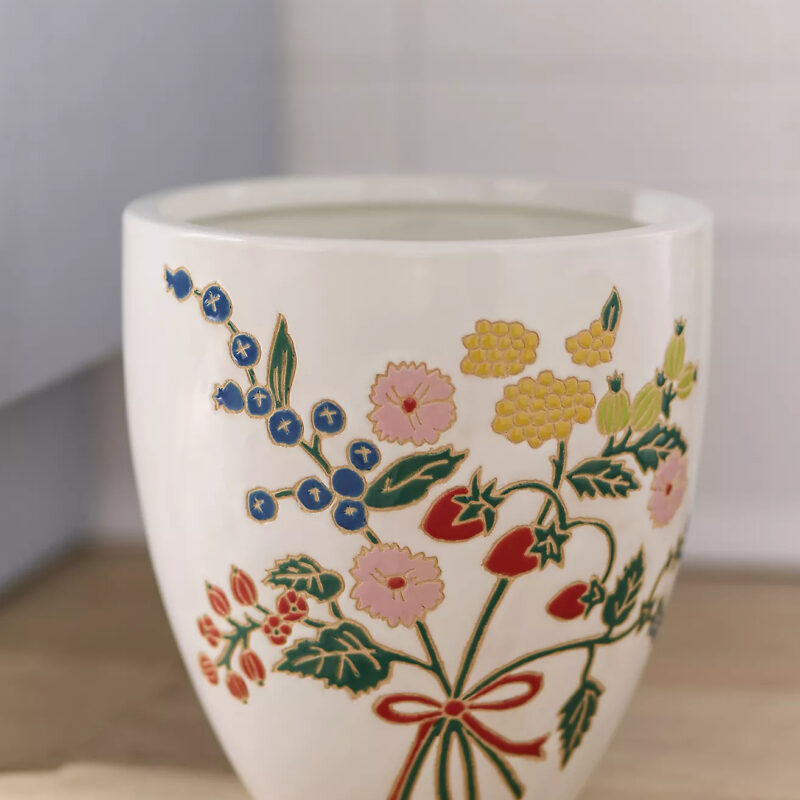 SHOP THE ITEM →
Hand-Painted Ceramic Waste Bin
$68.00 -
 SHOP THE ITEM →
Penelope Embroidered Pillow Cover
$79.50 -
 SHOP THE ITEM →
The Annie Cowgirl Boot – Ombre suede | Tecovas
-
 SHOP THE ITEM →
Blue Flower Cereal Bowl Carolina Irving & Daughters
$40.00 -
 SHOP THE ITEM →
The Pioneer Woman Agatha 12-Piece Stoneware Dinnerware Set, Green
-
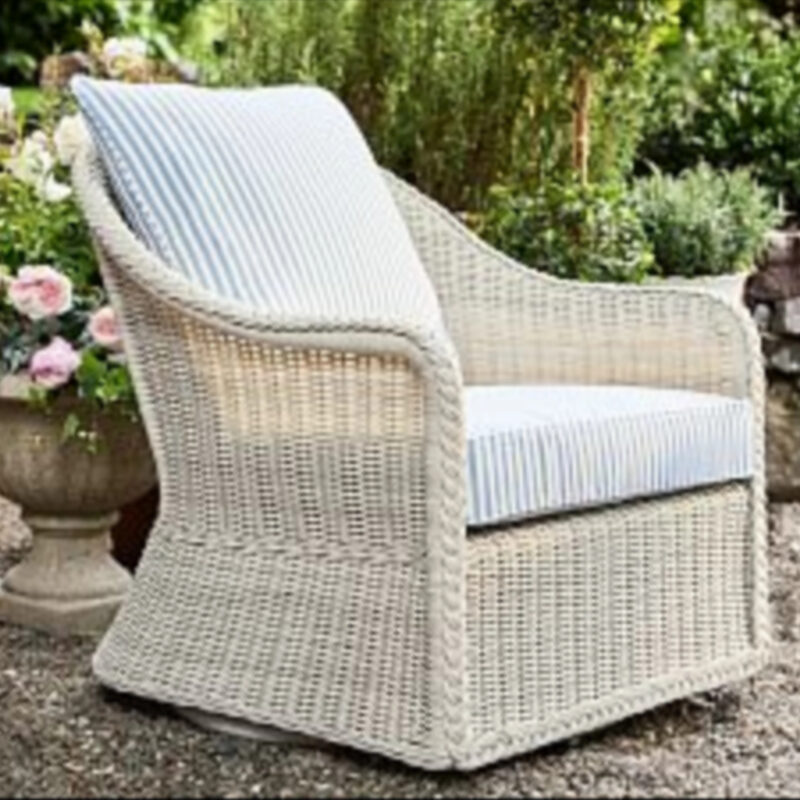 SHOP THE ITEM →
LoveShackFancy Wicker Swivel Outdoor Lounge Chair
-
 SHOP THE ITEM →
Airstream Outdoor Melamine Dinnerware Collection
-
 SHOP THE ITEM →
Reversible Linen Bamboo Pillow Cover Quince
-
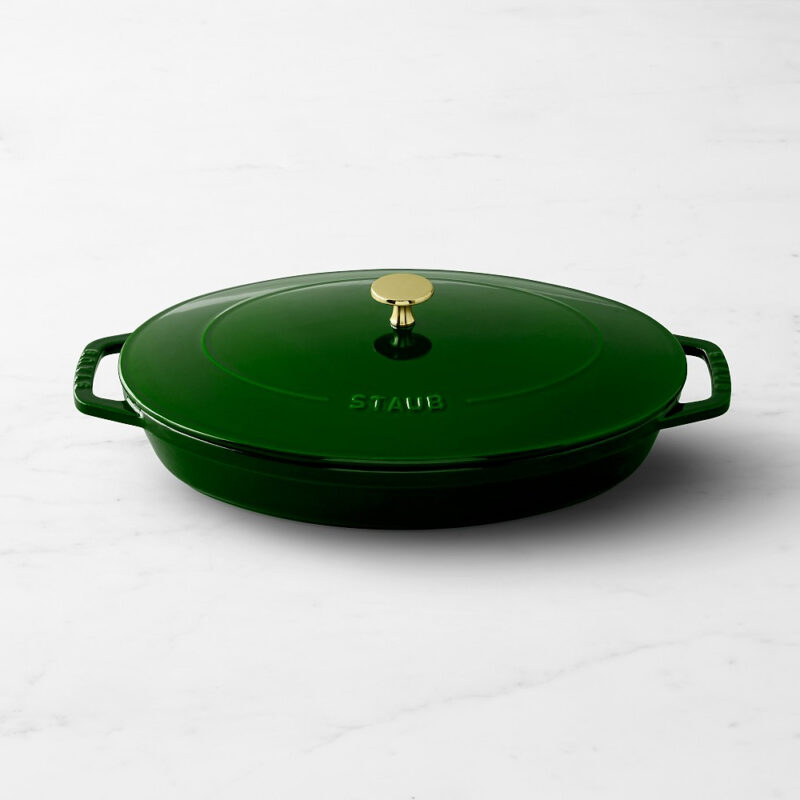 SHOP THE ITEM →
Staub Enameled Cast Iron Oval Gratin with Lid, 2.25 Qt. Staub Basil with Brass
-
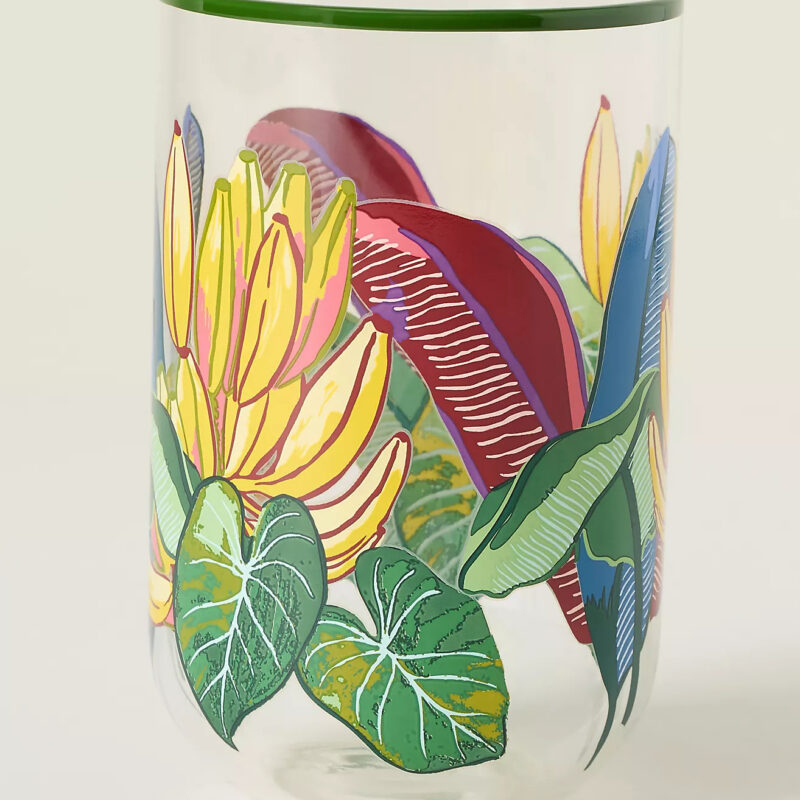 SHOP THE ITEM →
Farm Rio x Anthropologie Juice Glass
-
 SHOP THE ITEM →
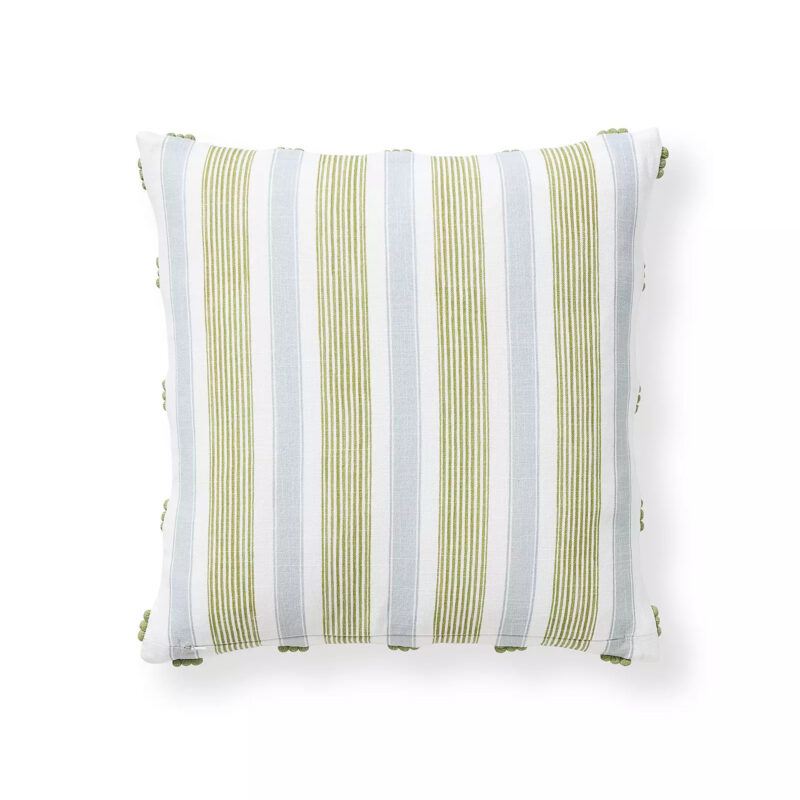
Sapri Pillow Cover
-
 SHOP THE ITEM →
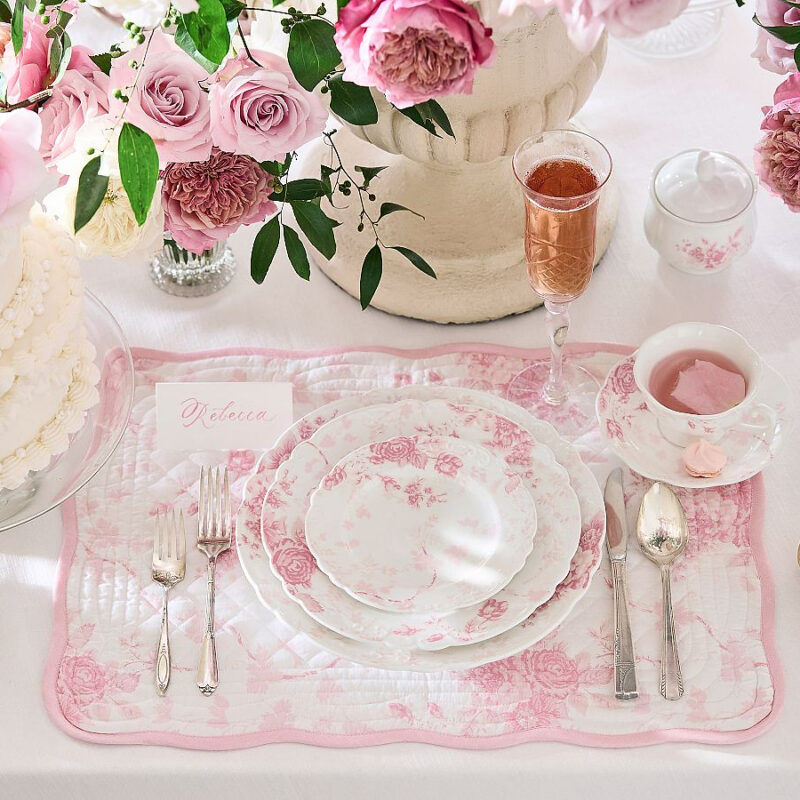
Love Shack Fancy Rose 12-Piece Dinnerware Set
-
 SHOP THE ITEM →
LoveShackFancyTufted Swivel Vanity Chair
You Might Also Enjoy
- I Asked a Pediatrician If My Family’s Eating Habits Were Ruining My Kids’ Health — Here’s What He Said
- You Don’t Need a Big Garden to Grow Your Own Food — We found the perfect seed kit for you!
- The Cozy Bedroom Aesthetic Is Everywhere Right Now — Here’s How to Actually Live In It
- The Bedroom Sofa Is the New Accent Chair — Here’s What Actually Fits
- Want to start a garden but live in an apartment? Here’s how to start