







This article may include affiliate links. We may earn a small commission if you shop through them.
Here’s how to start your own veggie garden…
This post contains affiliate links. If you choose to shop through them, we may earn a small commission at no extra cost to you. Thank you for supporting our work.
Having your own veggie garden is possibly the most satisfying thing you’ll ever have. Why? It’s exciting to plant, soothing to do the work, and satisfying to see the fruits of your labor. Not to mention being able to go out back and harvest zucchinis, tomatoes, artichokes, fruit, and more is incredibly useful – it saves you money, it helps you be ready for anything (think of all the food recalls at the market!) and the veggies just taste that much better. What’s more, each season you’ll have fun new tasks to carry out. It’s a great habit to develop that also gives you the most incredible benefits.
I can honestly say starting my own garden has been one of the most powerful things I have done in my life.
The Señora Edit
Discover the home, beauty, fashion, and wellness finds our readers are loving most this week.
If it seems overwhelming, the trick is to split it up into mini projects that you can handle more easily, especially if you work long hours. Then, designate specific times when you’ll only focus on your garden. For example, every Saturday morning, or maybe evenings after work. That way you always have something to look forward to when you get home from work, no matter how crappy your day is.
-
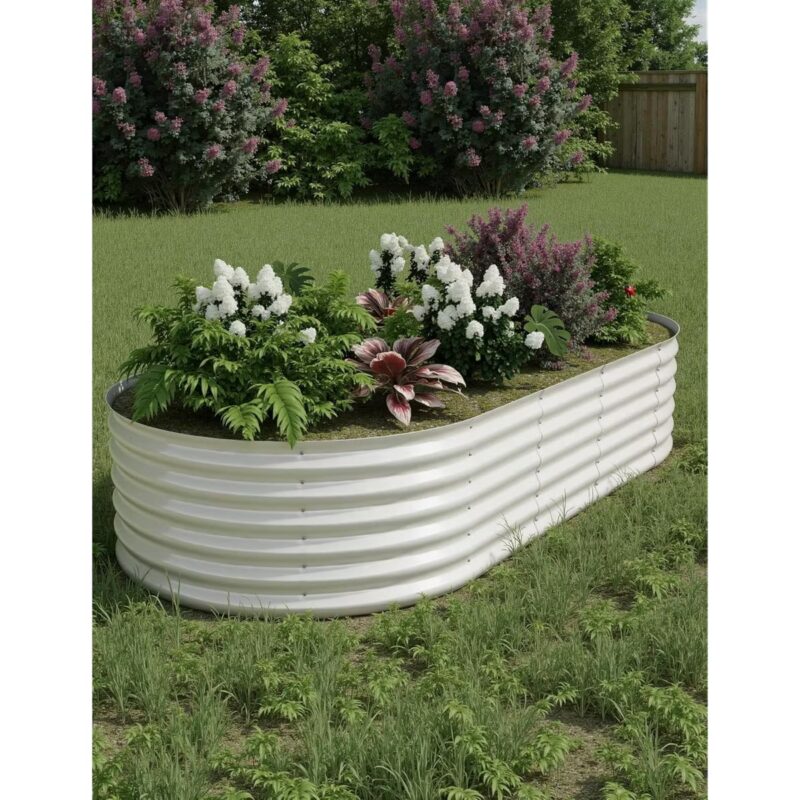 SHOP THE ITEM →
2-Pack Raised Garden Bed, 8FT
-
 SHOP THE ITEM →
3pc Garden Tote – Navy
-
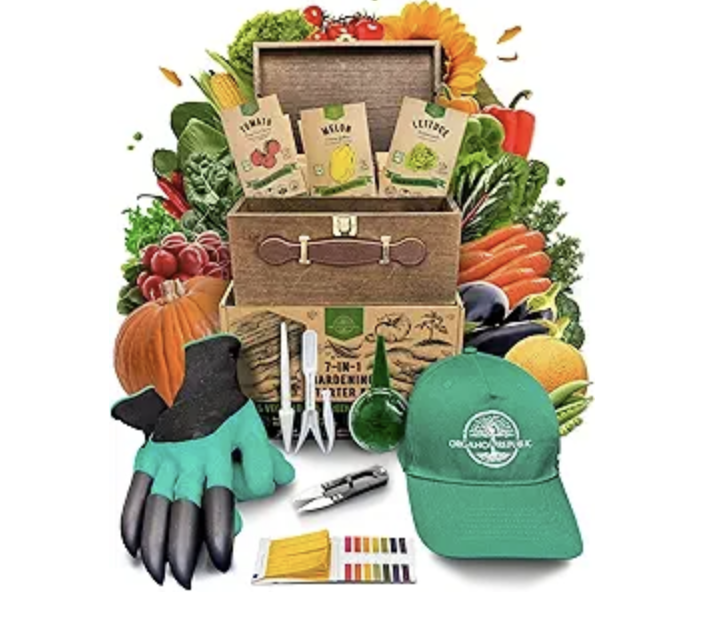 SHOP THE ITEM →
75 Vegetable & Greens Seed Set
-
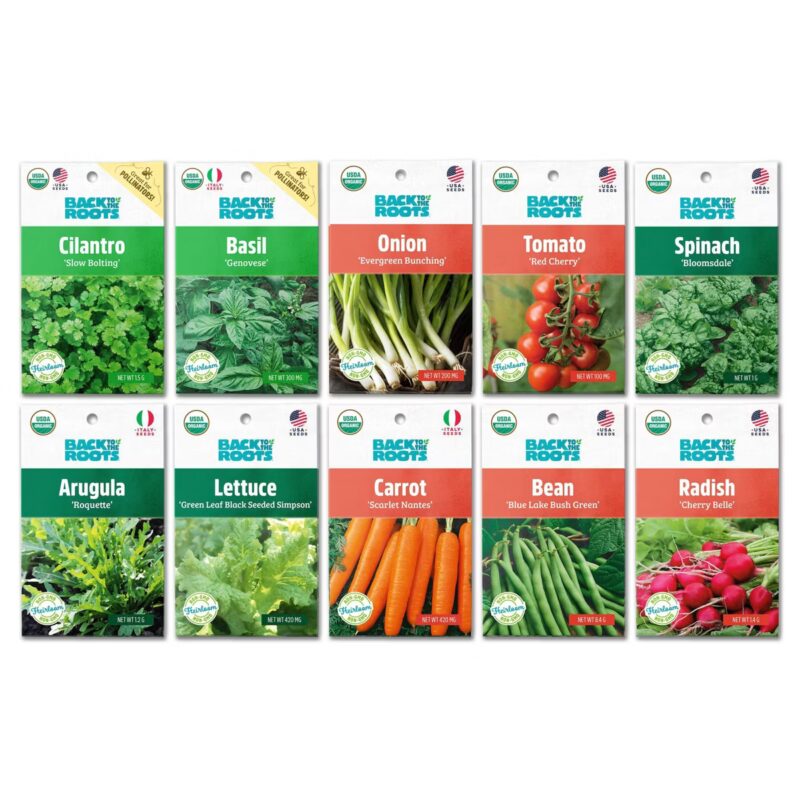 SHOP THE ITEM →
Back to the Roots 10-Pack Organic Seeds
-
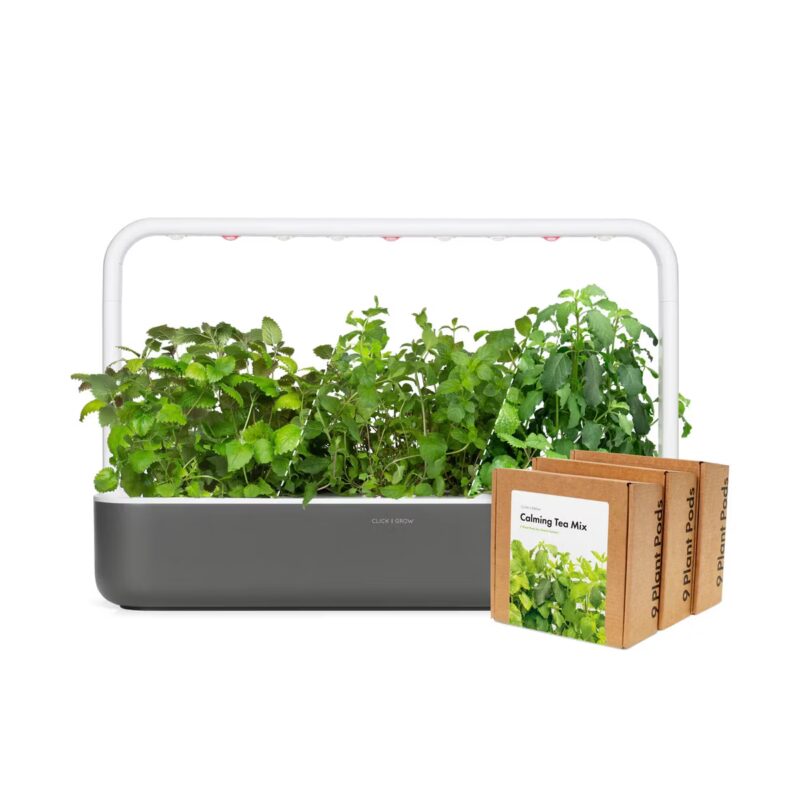 SHOP THE ITEM →
Click & Grow Indoor Herbal Garden Kit
-
 SHOP THE ITEM →
Garden Pack Seeds Pouch – 50 Varieties
-
 SHOP THE ITEM →
Garden Pack “Grow Your Own” Seed Box
-
 SHOP THE ITEM →
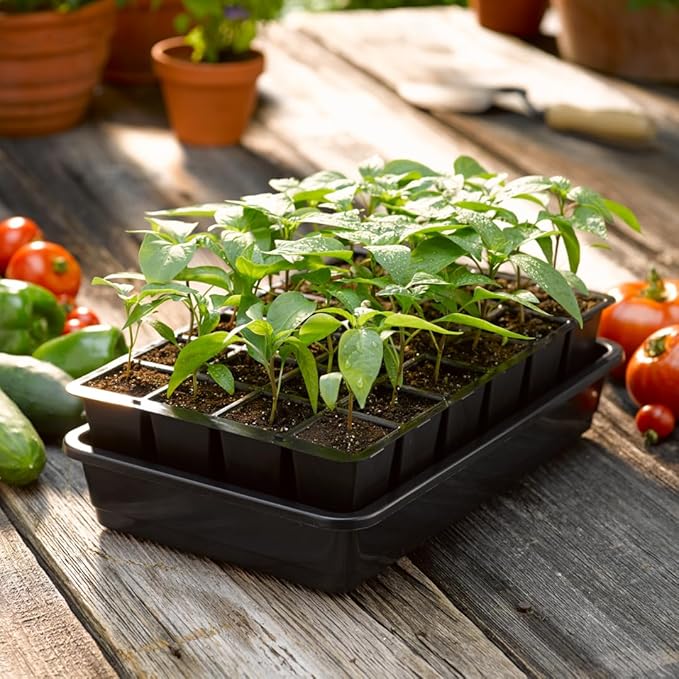
Gardener’s Supply Seed Starter Trays
-
 SHOP THE ITEM →
Garrett Wade Everyday Garden Set
-
 SHOP THE ITEM →
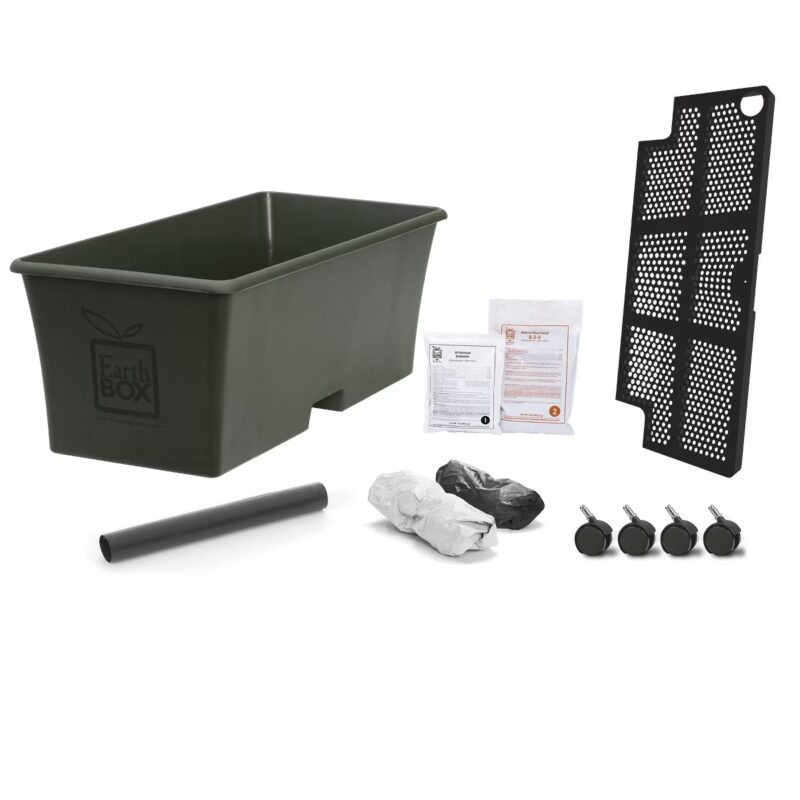
Novelty EarthBox Beginner Kit
-
 SHOP THE ITEM →
Picnic Time 5pc Garden Tool Set with Seat
-
 SHOP THE ITEM →
Pottery Barn Cedar 8-Pocket Herb Garden Bed
-
 SHOP THE ITEM →
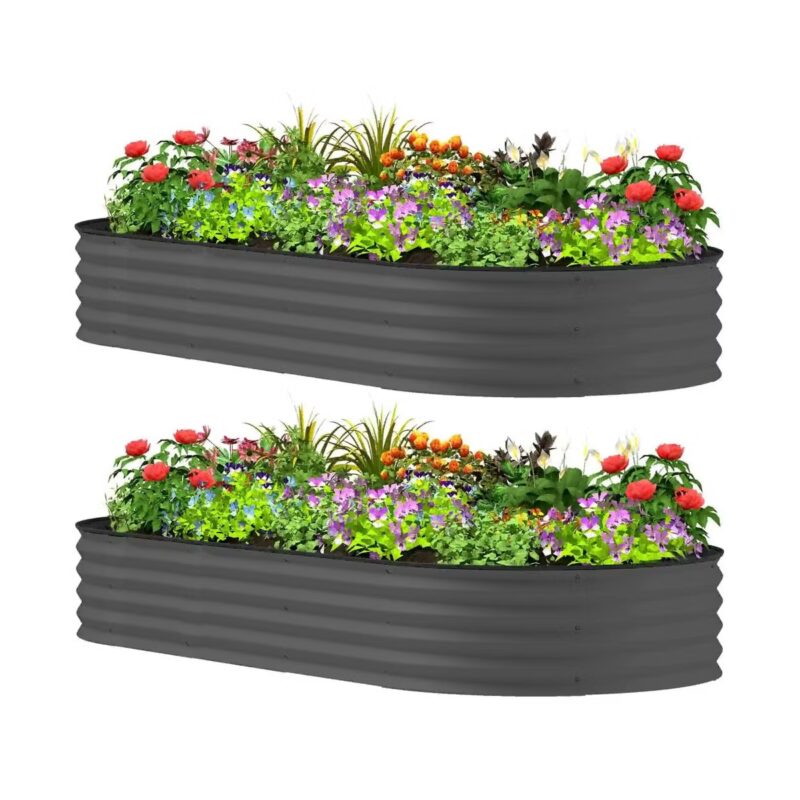
Resenkos Patio Planting Bed – Metal
-
 SHOP THE ITEM →
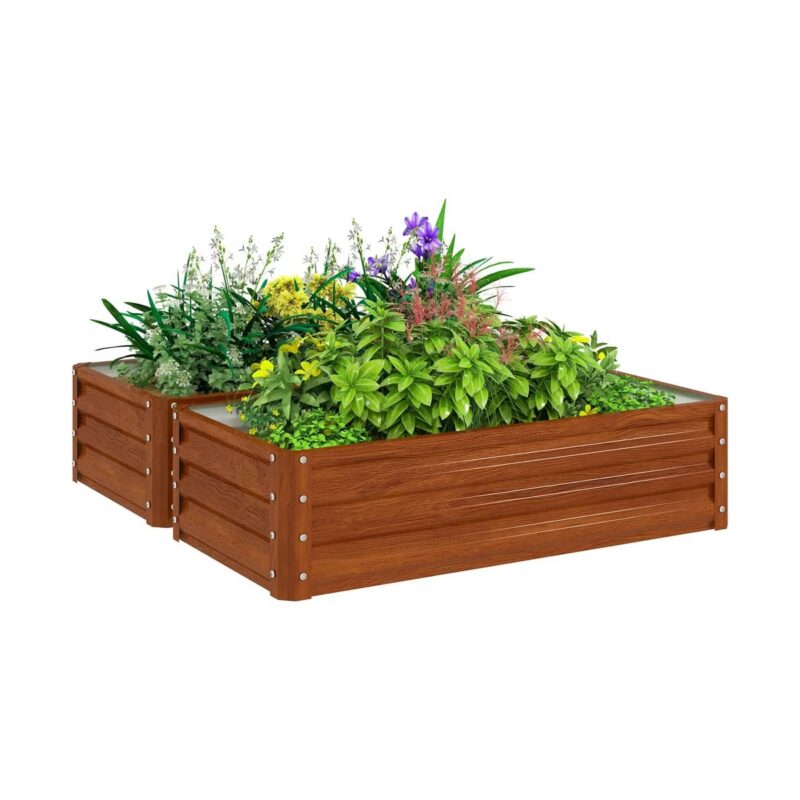
Resenkos Patio Planting Bed – Wood
-
 SHOP THE ITEM →
Sophie Conran Tool Bag & Essentials
-
 SHOP THE ITEM →
Sophie Conran Ultimate Garden Tool Set
-
 SHOP THE ITEM →
Terrain Seed Saving Kit
-
 SHOP THE ITEM →
Williams Sonoma Ultimate Gardening Set
-
SHOP THE ITEM →
2-Pack Raised Garden Bed, 8FT
-
SHOP THE ITEM →
3pc Garden Tote – Navy
-
SHOP THE ITEM →
75 Vegetable & Greens Seed Set
-
SHOP THE ITEM →
Back to the Roots 10-Pack Organic Seeds
-
SHOP THE ITEM →
Click & Grow Indoor Herbal Garden Kit
-
SHOP THE ITEM →
Garden Pack Seeds Pouch – 50 Varieties
-
SHOP THE ITEM →
Garden Pack “Grow Your Own” Seed Box
-
SHOP THE ITEM →
Gardener’s Supply Seed Starter Trays
-
SHOP THE ITEM →
Garrett Wade Everyday Garden Set
-
SHOP THE ITEM →
Novelty EarthBox Beginner Kit
-
SHOP THE ITEM →
Picnic Time 5pc Garden Tool Set with Seat
-
SHOP THE ITEM →
Pottery Barn Cedar 8-Pocket Herb Garden Bed
-
SHOP THE ITEM →
Resenkos Patio Planting Bed – Metal
-
SHOP THE ITEM →
Resenkos Patio Planting Bed – Wood
-
SHOP THE ITEM →
Sophie Conran Tool Bag & Essentials
-
SHOP THE ITEM →
Sophie Conran Ultimate Garden Tool Set
-
SHOP THE ITEM →
Terrain Seed Saving Kit
-
SHOP THE ITEM →
Williams Sonoma Ultimate Gardening Set
Looking for more gardening finds? Explore our full Gardening Gift Guide →
Need a little gifting inspiration? Browse our favorite holiday gifts for everyday joy →

Shop This Week’s Bestsellers
Discover the home, beauty, fashion, and wellness finds our readers are loving most.
Shop Bestsellers →-
 Shop the Item
Quince | Women’s 14K Gold Lab Grown Diamond Solitaire Studs in White Gold
$498.00 -
 Shop the Item
The Arden Crewneck Sweater in 100% Cotton
$98.00 -
 Shop the Item
Pottery Barn Kravet Folly Scenic Stoneware Dinnerware Collection
$49.50 -
 Shop the Item
Pumpkin To Talk About Needlepoint Pillow
$98.00 -
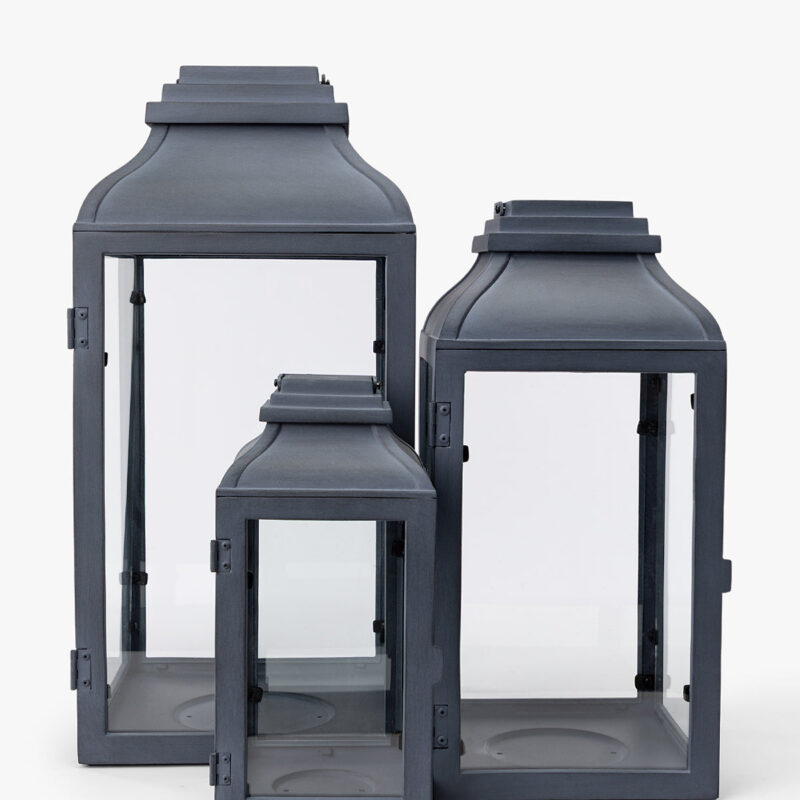 SHOP THE ITEM →
Hartwell Indoor/Outdoor Lantern McGee & Co
$358.00 -
 SHOP THE ITEM →
Bistro Tile Stoneware 24k Gold Accent Garden Hook Anthropologie
$20.00 -
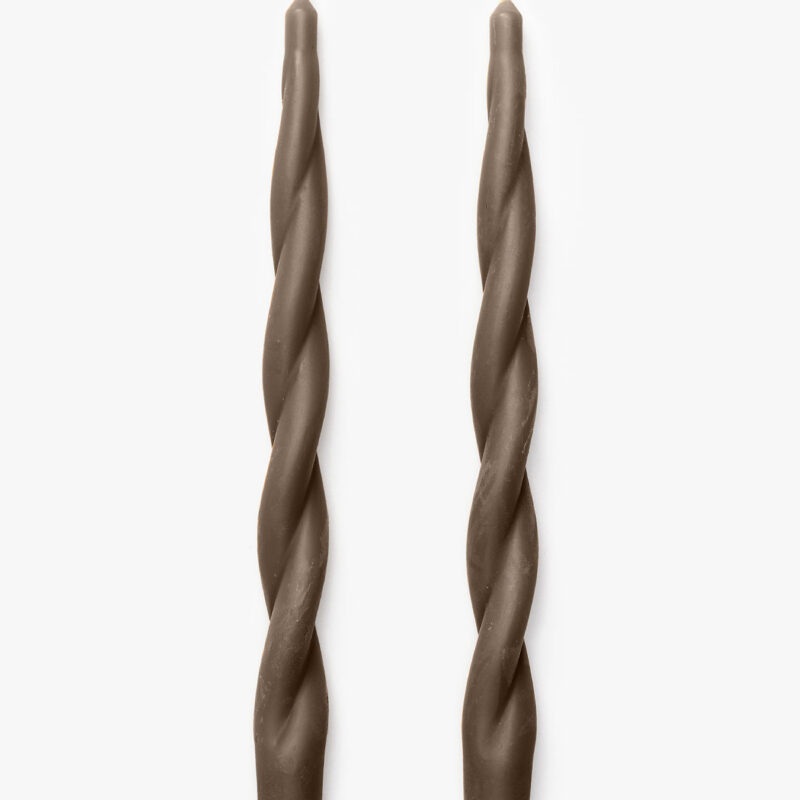 SHOP THE ITEM →
Brown Twisted Taper Candles (Set of 2) McGee & Co
$22.00 -
 SHOP THE ITEM →
Wayland Hand-Knotted Wool Rug McGee & Co
$846.00 -
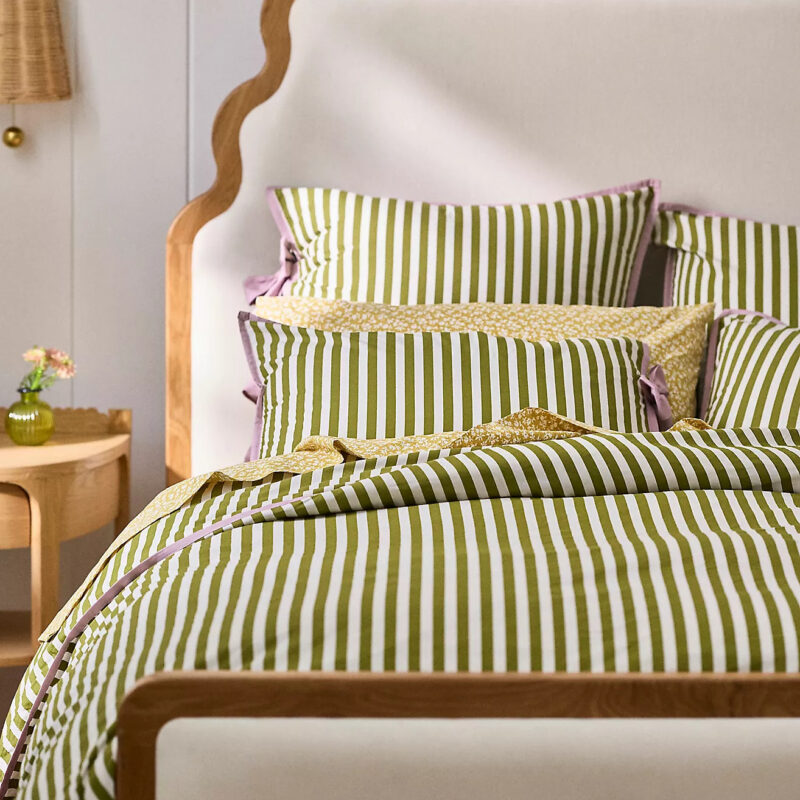 SHOP THE ITEM →
Maeve Brynne Cotton Percale Stripe Tie Printed Duvet
$178.00 -
 SHOP THE ITEM →
Coralie Striped Lumbar Pillow Cover
$89.50 -
 SHOP THE ITEM →
Sand Ric Rac Tie Brocks Dress
$228.00 -
 SHOP THE ITEM →
Abstract Alps Como Dress
$298.00 -
 SHOP THE ITEM →
Wine Pleated Sleeveless Midi Dress Moon River
$118.00 -
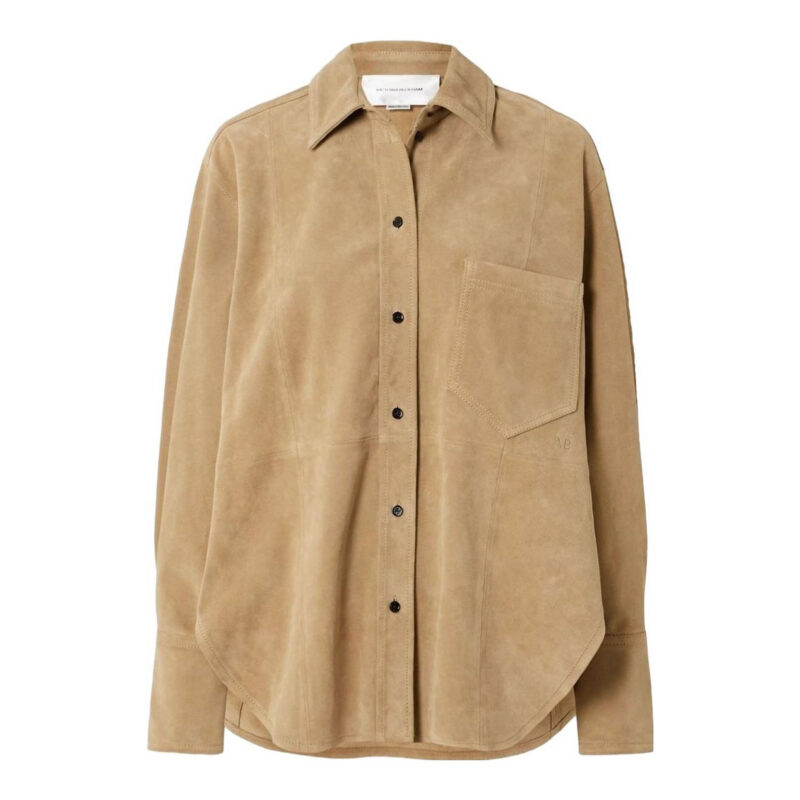 SHOP THE ITEM →
VICTORIA BECKHAM – Suede Shirt
-
 SHOP THE ITEM →
Paloma Wrap Skirt in Lost At Sea Hunter bell
$445.00 -
 SHOP THE ITEM →
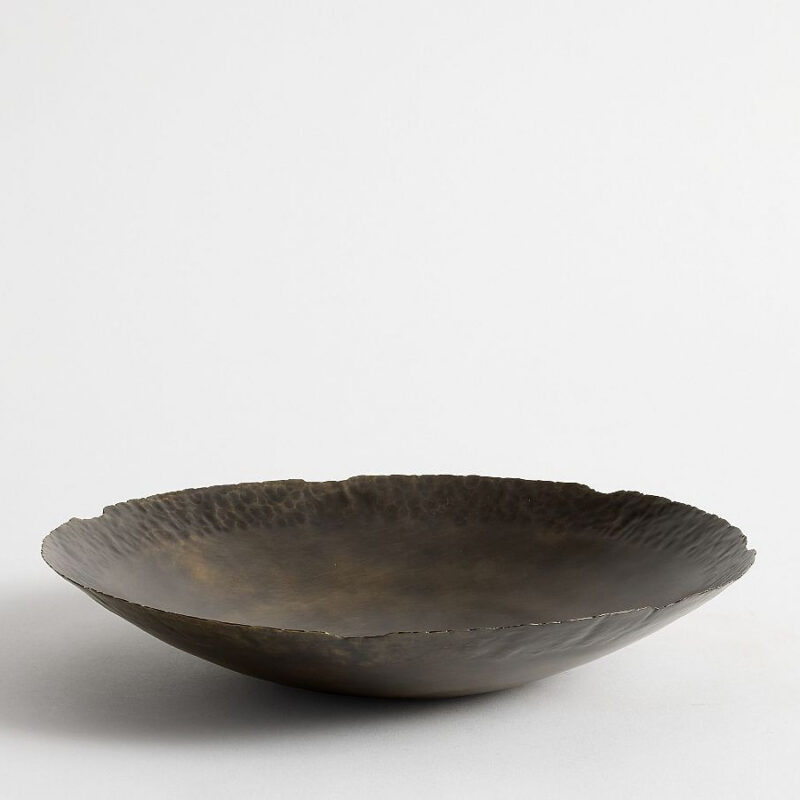
Antique Black Iron Decorative Bowl
$29.50 -
 SHOP THE ITEM →
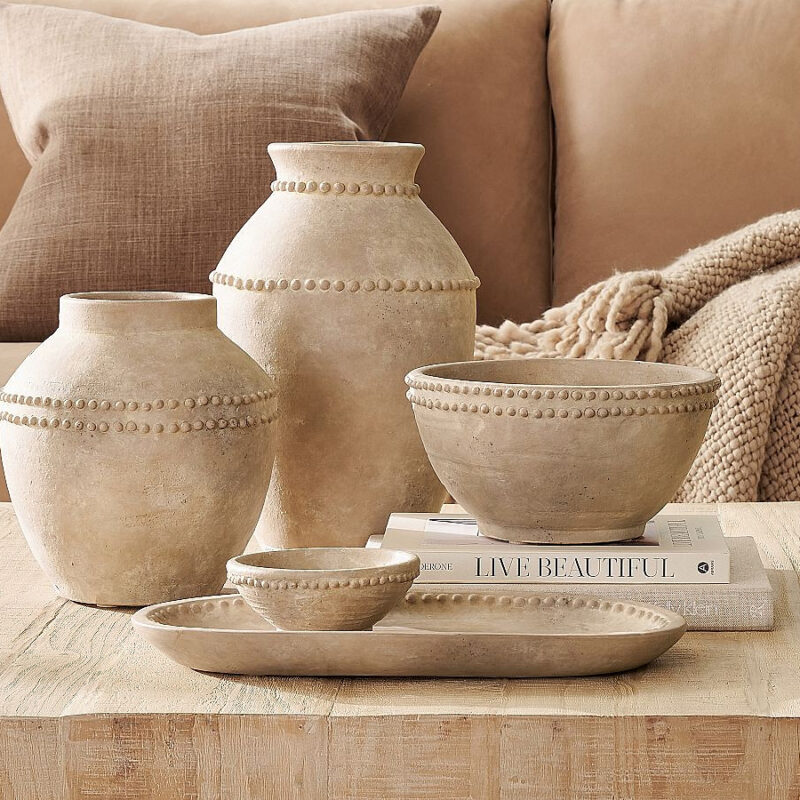
Emilia Ceramic Collection
$79.50 -
 SHOP THE ITEM →
Le Bouquet Maxi Dress in Pink Waimari
$595.00 -
 SHOP THE ITEM →
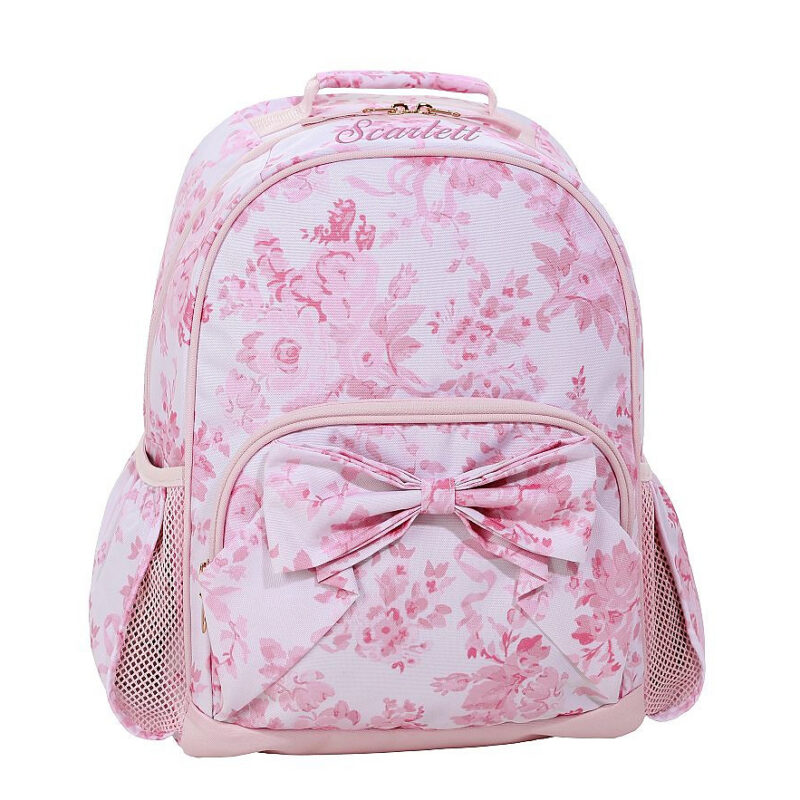
LoveShackFancy Pink Damask Floral Mackenzie Backpack
$69.50 -
 SHOP THE ITEM →
Cordelia Toile Reversible Quilt
$349.00 -
 SHOP THE ITEM →
Lydia Palampore Embroidered Quilt
$349.00 -
 SHOP THE ITEM →
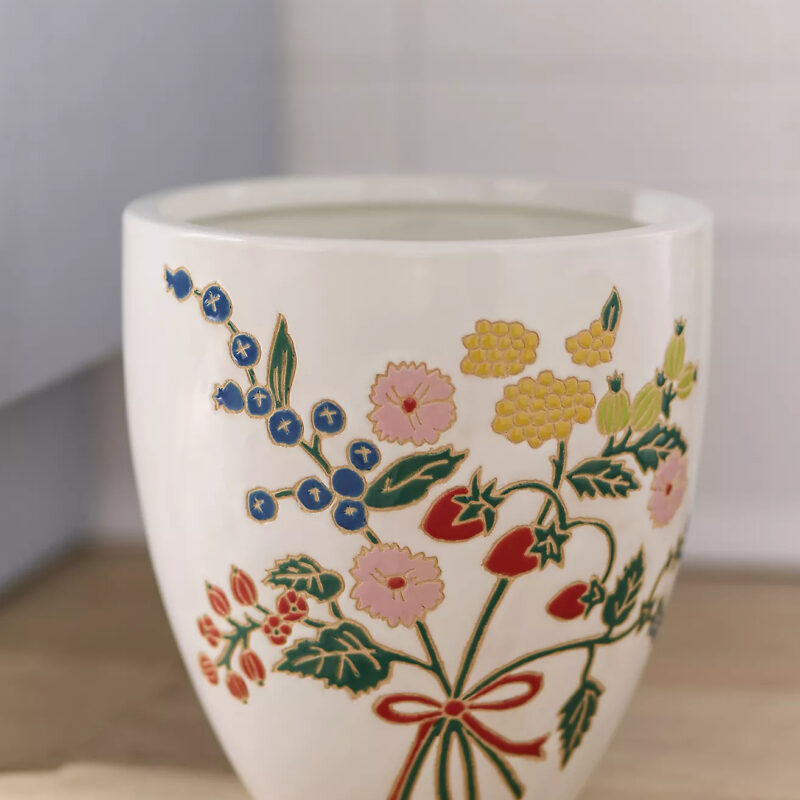
Hand-Painted Ceramic Waste Bin
$68.00 -
 SHOP THE ITEM →
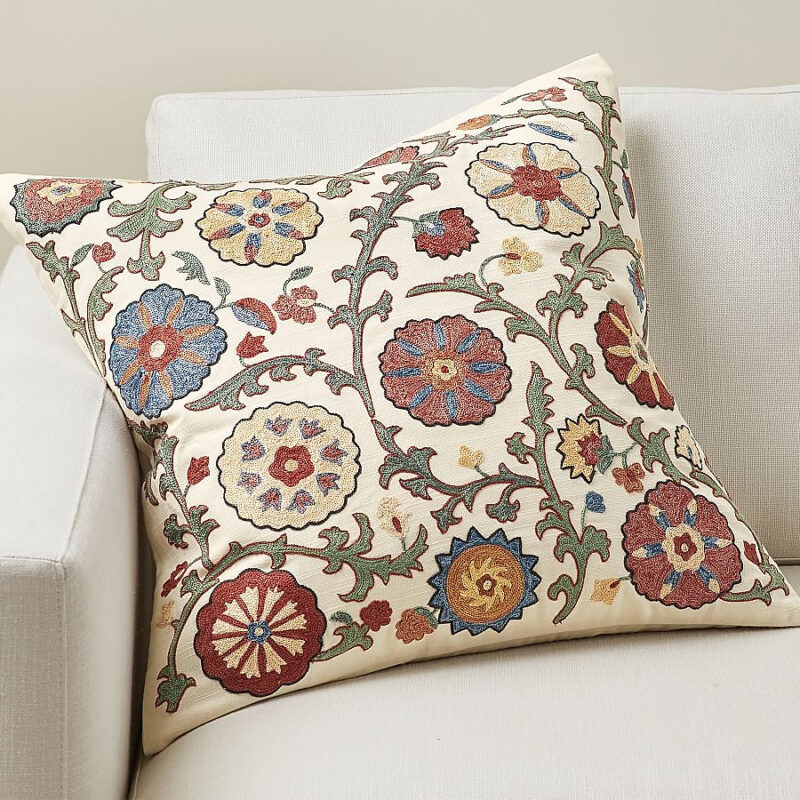
Penelope Embroidered Pillow Cover
$79.50 -
 SHOP THE ITEM →
The Annie Cowgirl Boot – Ombre suede | Tecovas
-
 SHOP THE ITEM →
Blue Flower Cereal Bowl Carolina Irving & Daughters
$40.00 -
 SHOP THE ITEM →
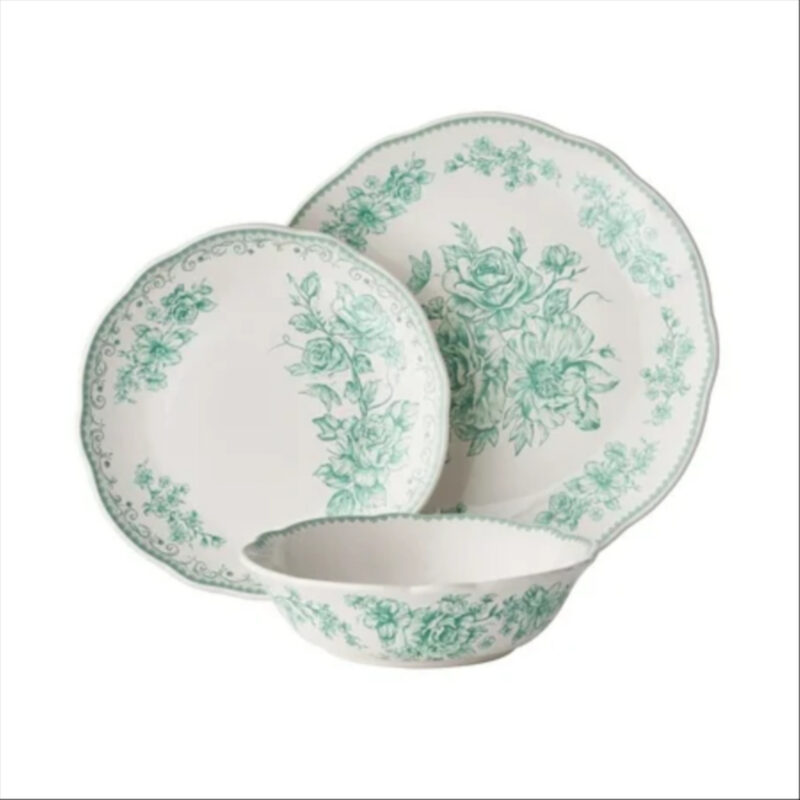
The Pioneer Woman Agatha 12-Piece Stoneware Dinnerware Set, Green
-
 SHOP THE ITEM →
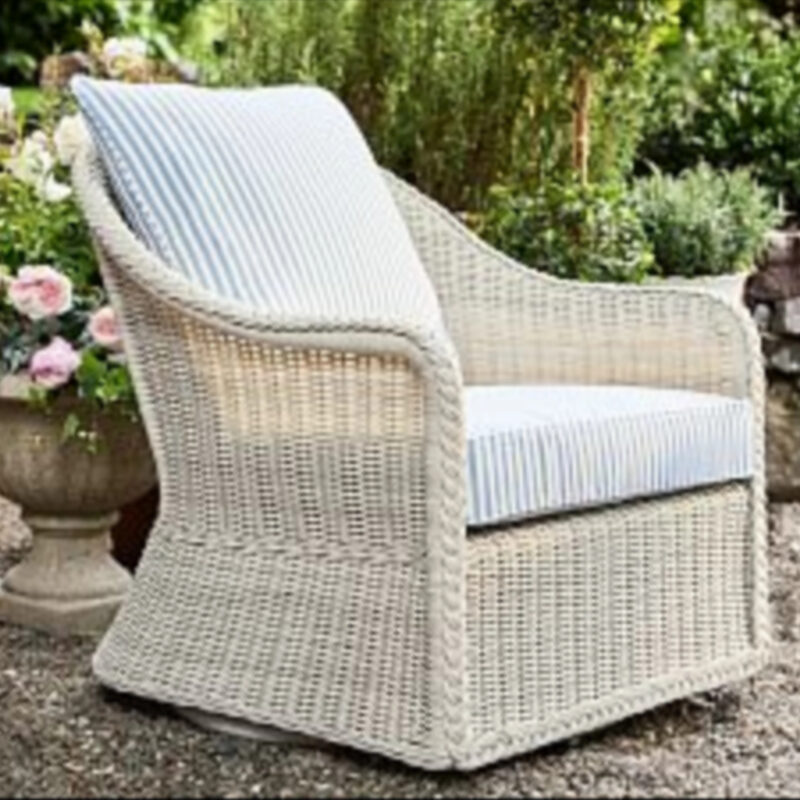
LoveShackFancy Wicker Swivel Outdoor Lounge Chair
-
 SHOP THE ITEM →
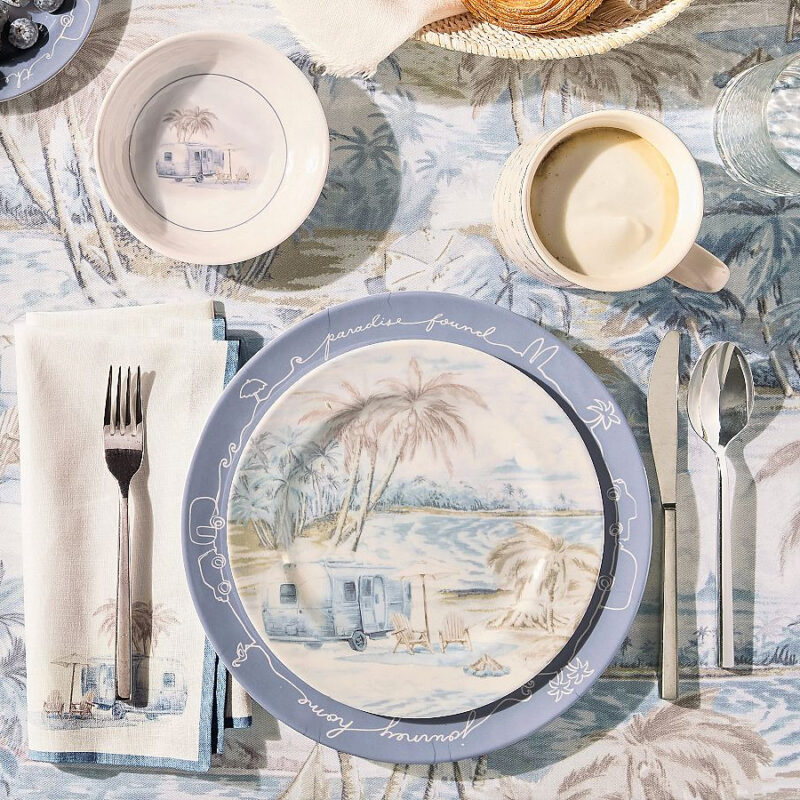
Airstream Outdoor Melamine Dinnerware Collection
-
 SHOP THE ITEM →
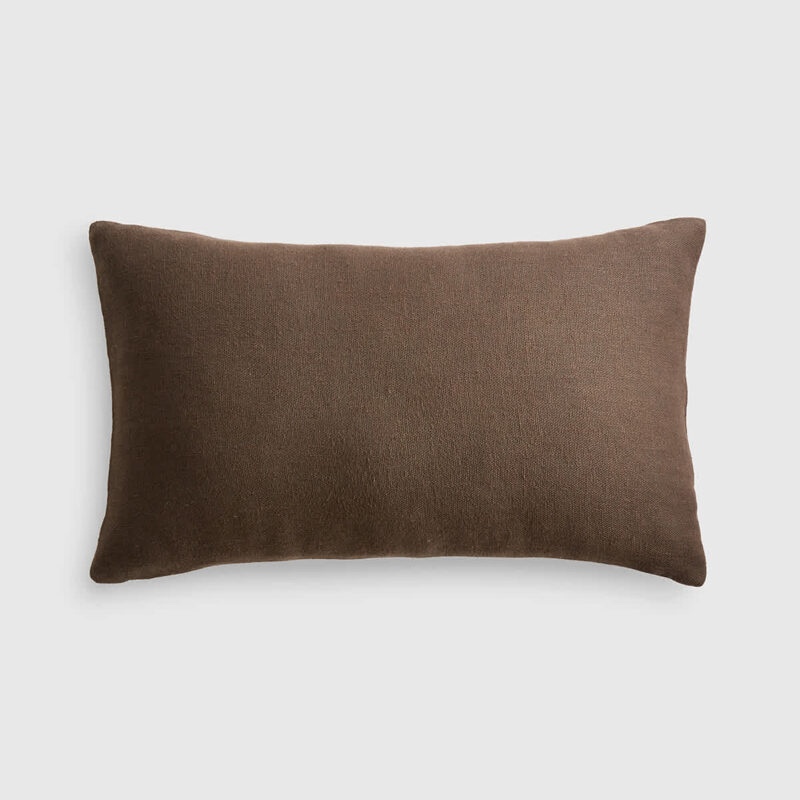
Reversible Linen Bamboo Pillow Cover Quince
-
 SHOP THE ITEM →
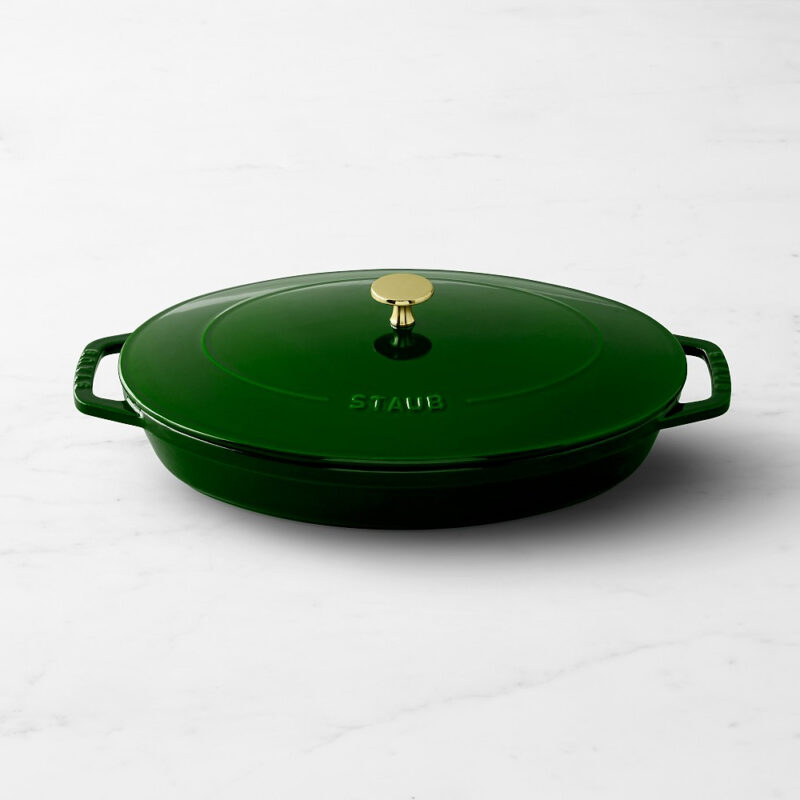
Staub Enameled Cast Iron Oval Gratin with Lid, 2.25 Qt. Staub Basil with Brass