Saffron Uses: From Harvesting to Culinary Delights Explained
This article may include affiliate links. We may earn a small commission if you shop through them.
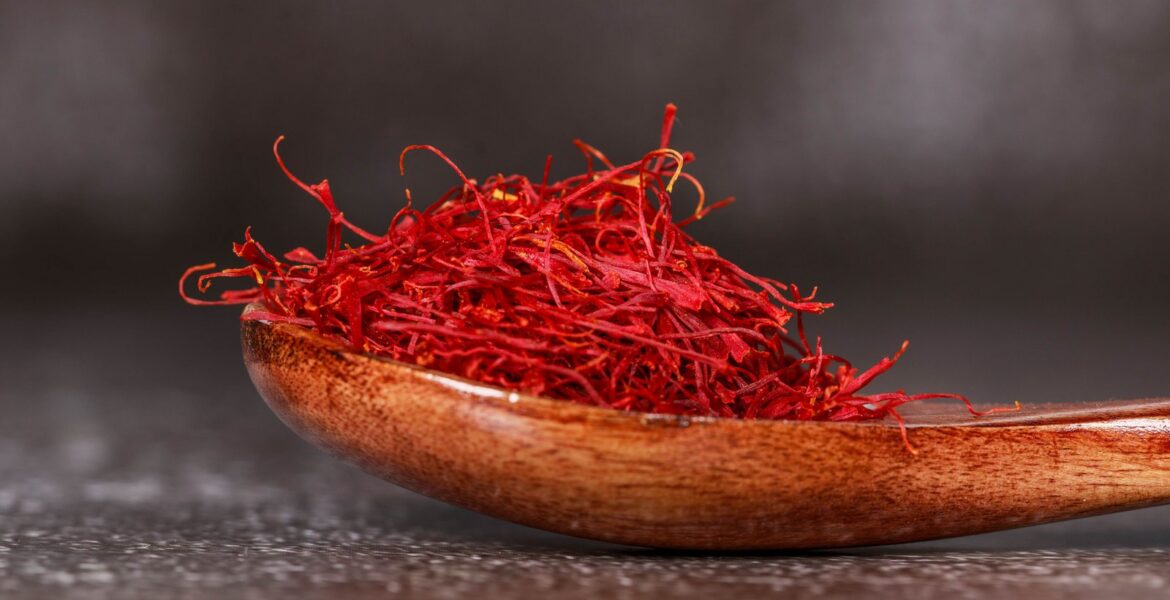
The low, golden sun casts long shadows over the intricate rows of purple crocus flowers, each bloom cradling three delicate red threads: saffron. In this field in La Mancha, Spain, the labor-intensive process of saffron harvesting begins. Workers gather at dawn, well aware of the value of those slender filaments that, once dried, will become the world’s most expensive spice. These vibrant threads are the heart of saffron uses, a cornerstone in culinary and cultural traditions across continents. From ancient times to the modern kitchen, saffron’s journey is as rich and colorful as its scarlet hue.
The Epic History of Saffron
Saffron’s story spans over 3,000 years, gracing the courts of ancient Persia where it was prized not only for its culinary magic but also for its medicinal properties and as a dye. Ancient texts, including those from Hippocrates, mention saffron’s benefits, highlighting its role in early medicine. This fragrant spice traveled to India, becoming integral to Ayurvedic treatments, and reached Europe, arriving in Spain with the Moors in the 8th century.
The Señora Edit
Discover the home, beauty, fashion, and wellness finds our readers are loving most this week.
In these regions, saffron cultivation became an art. The crocus sativus plant requires specific climate conditions—hot dry summers and cold winters—to thrive, making regions like Iran, Kashmir, and the Spanish plateau ideal for saffron harvesting. The intricate cultivation process and the spice’s historical significance contribute to its high price and revered status in culinary and cultural applications worldwide.
The Art of Harvesting Saffron
The harvesting of saffron is meticulous, demanding patience and precision. Each autumn, fields of crocus sativus burst into bloom, and harvesting must begin immediately. Flowers are picked by hand before sunrise to prevent wilting, ensuring the saffron threads retain their potent aroma and color. This is no small feat—each crocus yields only three threads of saffron, and it takes about 150,000 flowers to produce a single kilogram of the spice.
Once collected, the labor-intensive process of separating the stigmas begins. These threads are then dried, a crucial step affecting the final flavor profile. The drying process must be conducted carefully to preserve the spice’s distinct qualities. This painstaking method is reflected in the saffron price, mirroring the immense labor involved in bringing this spice from field to table.
Saffron’s Culinary Magic
Saffron’s culinary uses are as varied as the cultures that embrace it. Known for its unique flavor—a combination of floral, earthy, and slightly sweet notes—saffron is a key ingredient in many iconic dishes. In Spain, saffron is indispensable in paella, lending its golden hue and distinctive taste. In Italy, it transforms risotto alla Milanese into a luxurious saffron-infused delight. Indian cuisine celebrates saffron in its biryanis and kormas, where it complements the rich flavors of spices like cardamom and cloves.
In desserts, saffron shines with its subtle floral notes. Persian saffron ice cream, or bastani, features the spice’s gentle aroma. Swedish saffron buns, lussekatter, are a festive treat during the winter holidays. These recipes showcase saffron’s versatility, enhancing both savory and sweet dishes with its unparalleled aroma and color.
The Health Benefits of Saffron
Beyond its culinary charm, saffron is celebrated for its health benefits, a reputation that dates back to ancient times. Modern science supports many of these claims, with studies suggesting that saffron may aid in mood enhancement, thanks to its high levels of antioxidants and compounds like crocin and safranal, which are believed to improve serotonin levels in the brain. Additionally, saffron extract has shown potential in aiding weight loss and combating inflammation.
Research is ongoing into saffron’s potential role in supporting eye health, with preliminary studies suggesting it could slow the progression of age-related macular degeneration. While saffron’s medicinal uses require further exploration, its potential health benefits add another layer to this spice’s multifaceted appeal.
Mastering Saffron in Your Kitchen
Using saffron in cooking requires a gentle hand and a bit of knowledge. To extract the maximum flavor and color, soak the threads in a small amount of warm water, milk, or broth for about 20 to 30 minutes. This liquid can then be added to dishes, ensuring even distribution of saffron’s properties.
When incorporating saffron into recipes, precision is key. A small pinch is often sufficient, as its potent flavor can easily overpower other ingredients. Saffron’s uses in cooking range from adding depth to seafood dishes and stews to enriching the aroma of baked goods and desserts. Understanding how to use saffron effectively can elevate a simple dish to culinary sophistication.
Common Saffron Uses
Recommended Preparation
Ideal Pairings
Paella
Soak threads in warm broth
Seafood, chicken
Risotto
Infuse in stock
Parmesan, white wine
Biryani
Soak in milk
Basmati rice, cardamom
Desserts
Steep in warm water
Vanilla, almonds
Preserving Saffron’s Quality
Proper saffron storage is crucial to maintaining its quality and potency. Saffron should be kept in an airtight container, away from light and moisture, which can degrade its flavor and color. Ideally, store saffron threads in a cool, dark cupboard. When stored correctly, saffron can retain its properties for up to two years, though it’s always best to use fresh saffron to fully appreciate its aromatic qualities.
Quality is paramount when selecting saffron. The finest threads are deep red with a slightly bitter taste. Avoid saffron that appears pale or has yellow threads mixed in, as this often indicates inferior quality or adulteration. The price often reflects its quality, but investing in high-grade saffron ensures that you are getting the most out of this remarkable spice.
FAQs about Saffron
How do I know if my saffron is real?
Real saffron threads are deep red with a slight yellow-orange hue at the tips. Authentic saffron will have a distinct aroma and a slightly bitter taste. A simple test is to soak a few threads in water; if the color changes immediately, it may be artificial. Genuine saffron takes some time to release its color and aroma.
Can I use a saffron substitute in recipes?
While there are no perfect saffron substitutes, turmeric or safflower can mimic saffron’s color but not its flavor. For dishes where saffron’s unique aroma is crucial, these substitutes may not provide the same result. It’s best to use real saffron whenever possible.
What is the difference between saffron threads and saffron powder?
Saffron threads are the whole stigmas of the crocus flower, while saffron powder is these threads ground into a fine powder. Threads are preferred for their superior flavor and because they are less likely to be adulterated. If using powder, ensure it is pure saffron with no additives.
The Timeless Allure of Saffron
The journey of saffron from crocus to spice jar is a testament to its enduring allure and versatility. Whether gracing a simple dish or elevating a gourmet creation, saffron extends far beyond its culinary applications, touching on cultural, historical, and health aspects that deepen our appreciation of this precious spice. As we continue to explore saffron, its vibrant threads will undoubtedly remain woven into the fabric of kitchens across the world, offering a touch of the extraordinary with every pinch.
Shop This Week’s Bestsellers
Discover the home, beauty, fashion, and wellness finds our readers are loving most.



 Shop the Item
 Shop the Item
 Shop the Item
 Shop the Item
 Shop the Item
 Shop the Item
 Shop the Item
 Shop the Item
 Shop the Item
 Shop the Item
 Shop the Item
 Shop the Item
 Shop the Item
 Shop the Item
 Shop the Item
 Shop the Item
 Shop the Item
 Shop the Item
 Shop the Item
 Shop the Item
 Shop the Item
 Shop the Item
 Shop the Item
 Shop the Item
 Shop the Item
 Shop the Item
 Shop the Item
 Shop the Item
 Shop the Item
 Shop the Item