





This article may include affiliate links. We may earn a small commission if you shop through them.
This post summarizes findings from a recent scientific statement and general research — it isn’t personal medical advice. If you have a heart condition or specific concerns about caffeine, that’s worth a conversation with your doctor.
I have a love/hate relationship with coffee. Okay, more like love/love. But I always worry that it makes me anxious, and also I wonder what it does to my heart in the long run. Is coffee bad for your heart health? Does it help during workouts? Should I make the full time switch to my now favorite Blue Cloud Matcha?
Luckly, we may have an answer.
On July 20, the American Heart Association published a new scientific statement in Circulation, its flagship journal, reviewing everything currently known about caffeine and heart health. The short version: coffee has a better reputation now.
What the Report Actually Says
The AHA’s conclusion is that up to 400mg of caffeine a day — about 4 cups of coffee a day, give or take depending on your brew — is safe for most healthy adults. Not just safe, either. Moderate coffee drinkers showed a lower risk of heart failure, coronary heart disease, stroke, and atrial fibrillation compared to people who don’t drink coffee at all.
That’s a real reversal from the old “caffeine is hard on your heart” assumption a lot of us grew up with. The relationship between coffee and heart disease turns out to run the opposite direction for most people.
But What About the Palpitations?
This is the part almost nobody’s heart doesn’t secretly wonder about — that little flutter after an iced coffee on an empty stomach. It’s also, unsurprisingly, one of the most-searched coffee questions out there.
The AHA statement addresses this directly. How caffeine affects the heart isn’t uniform — in people with existing hypertension, caffeine can cause a short-term blood pressure spike. But in people with otherwise healthy blood pressure, one to three cups was linked to a slightly higher short-term risk of developing hypertension, while drinking more than three cups a day was linked to lower risk. Confusing, yes — but the takeaway is that occasional palpitations from a cup of coffee aren’t, on their own, a sign of caffeine heart arrhythmia in most healthy people. If palpitations are frequent, persistent, or paired with other symptoms, that’s still a conversation for your doctor, not your search bar.
The Actual Villain: Energy Drinks
Here’s the twist the AHA statement makes clear — it’s not coffee that raises real concern, it’s energy drinks and energy shots. Those can carry three to four times more caffeine per ounce than brewed coffee, often with added sugar and stimulant blends that coffee simply doesn’t have. The AHA specifically flagged energy drinks as linked to elevated blood pressure and irregular heart rhythms, even in healthy people under 30. So if there’s a caffeine source worth side-eyeing, it’s not what’s in your favorite mug.
Where This Lands for the Rest of Us
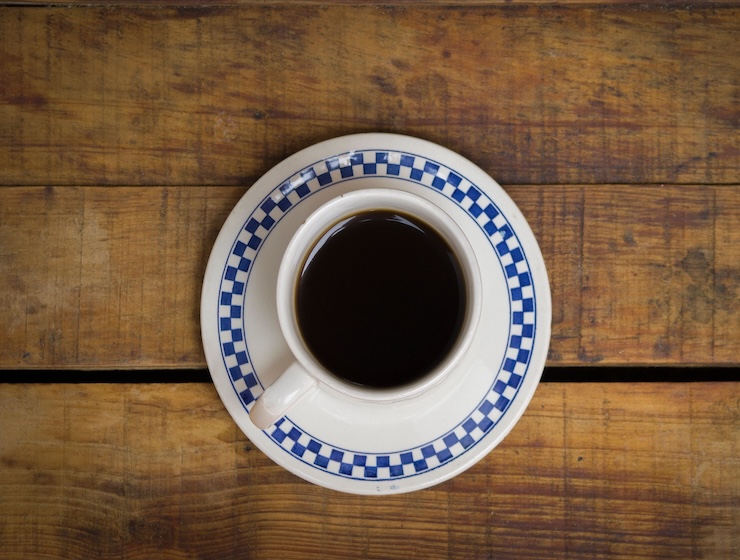
There’s something almost old-fashioned about this outcome — coffee, taken the ordinary way, in an ordinary cup, turning out to be fine after all. It’s easy to draw a line from this to the kind of coffee ritual that’s less about caffeine and more about the pause it creates — the few minutes after a meal that turns into a real sobremesa, or the second cup that gives you a reason to sit a little longer before the day picks back up.
FAQ
How much coffee is good for you?
Per the AHA’s new statement, up to 400mg of caffeine daily — roughly four 8-ounce cups of brewed coffee — is considered safe for most healthy adults, with some cardiovascular benefit associated with moderate intake.
Is tea good for the heart?
Tea wasn’t the focus of this particular statement, but it’s generally grouped with coffee as a lower-caffeine, antioxidant-containing option that most research treats favorably for heart health.
You Might Also Enjoy
- Homemade Blueberry Latte: My Favorite Summer Drink Costs Less Than a Coffee Shop Drink
- Why I’m Shifting From Routine to Rhythm for My Mental Health
- Understanding Women’s Longevity: Insights from Health Research
- These are the most surprising things I learned from a pricey health program (we tried it so you don’t have to)
- Hosting Without Stress: Simple Strategies for Effortless Gatherings