

This article may include affiliate links. We may earn a small commission if you shop through them.
There’s a stat floating around from a University of Houston study that should make everyone anxious: middle-aged women have the highest alcohol-related breast cancer risk of any age group — and the lowest awareness of it.
Not because we’re careless, but because the research wasn’t really out there when we were younger. Breast cancer prevention messaging has historically centered on screenings and genetics, not what’s in our glass after work on a Wednesday night.
The Señora Edit
Discover the home, beauty, fashion, and wellness finds our readers are loving most this week.
Shop This Week’s Bestsellers →Here’s what the science actually says: alcohol raises breast cancer risk in a dose-dependent way, meaning it accumulates over time with total consumption — not based on one rough week. A 2026 meta-analysis of more than 2.5 million women confirmed that any alcohol use was associated with increased breast cancer incidence, and that risk climbed progressively with more drinking.
And unfortunately the idea that wine is “healthy” was just a marketing ploy.For years, we were told a glass of red wine was practically a health food — good for your heart, full of antioxidants, basically a supplement you could enjoy. That story came from a 1980s observation called the “French Paradox,” which noted that French people had low rates of heart disease despite rich diets. Red wine got the credit. Resveratrol — an antioxidant in grape skins — became the star ingredient.
The problem: the amount of resveratrol in a glass of wine is about 2mg. Studies that showed any actual benefit used 150–500mg in supplement form. And a meta-analysis of 42 studies covering nearly 3 million participants found no meaningful cancer protection from red wine at all. The French Paradox itself didn’t hold up either — France’s heart disease rates were in line with the rest of Europe.
@oncology.nutrition.rd Replying to @Barpeisa no alcohol is best when it comes to reducing cancer risk! #cancerpatient #oncologist #oncologista #breastcancerprevention #breastcancerjourney #lungcancerawareness #breastcancerwarrior #breastcancerwalk #coloncancer #lungcancer #braincancer #lymphoma #cancerfree#cancerwarrior#cancerfighter #oncology #breastcancersurvivor #cancerresearch #chemotherapy #chemo #cancerexercise #cancercoach#humorbeatscancer #breastcancersucks #breastcancerresearch #breastcancerwarriors #coloncancerawareness #tnbc #bloodcancer #livercancer
♬ original sound – Nichole | Cancer Dietitian
If you want to do something with it:
Cut back, not out (if all-or-nothing isn’t your thing). Cumulative exposure is what drives risk, so even modest reductions matter over time.
Find the real reset ritual. The wine-as-self-care narrative is a marketing story, and it is not a wellness prescription. The “wine mom” videos are problematic. Tea, movement, sleep (or mushrooms or CBD!), and an actual conversation with a friend do the same job without the tradeoff.
Bring it up at your next appointment. If you have other breast cancer risk factors, this is a very important thing to discuss with your doctor. They can give you guidance and risk factor.
You deserve accurate information about your own body.
Shop This Week’s Bestsellers
Discover the home, beauty, fashion, and wellness finds our readers are loving most.
Shop Bestsellers →-
 Shop the Item
Bistro Tile Stoneware 24k Gold Accent Garden Hook Anthropologie
$20.00 -
 Shop the Item
Coralie Striped Lumbar Pillow Cover
$89.50 -
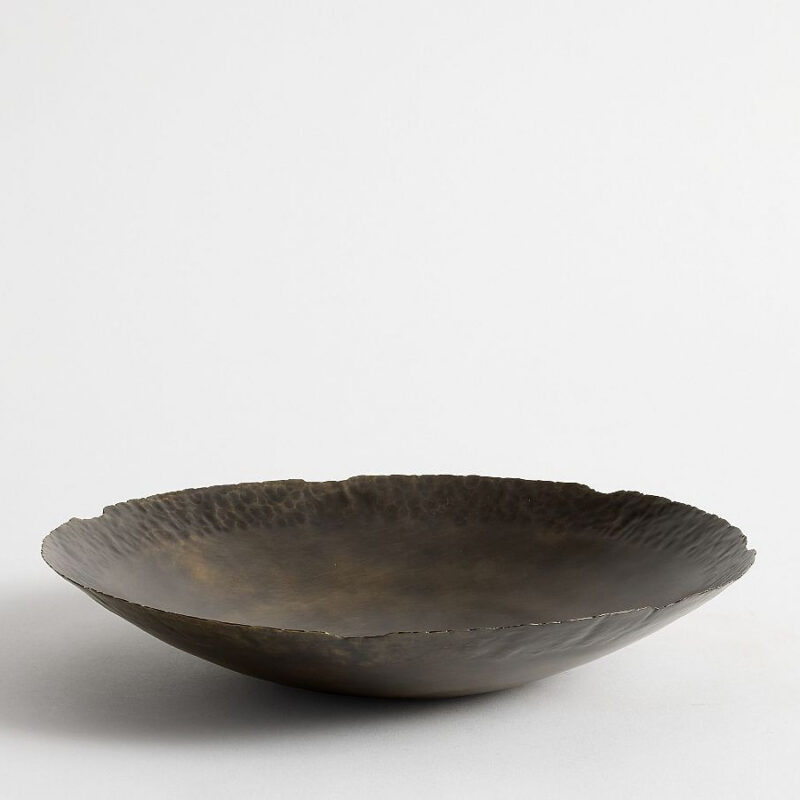 Shop the Item
Antique Black Iron Decorative Bowl
$29.50 -
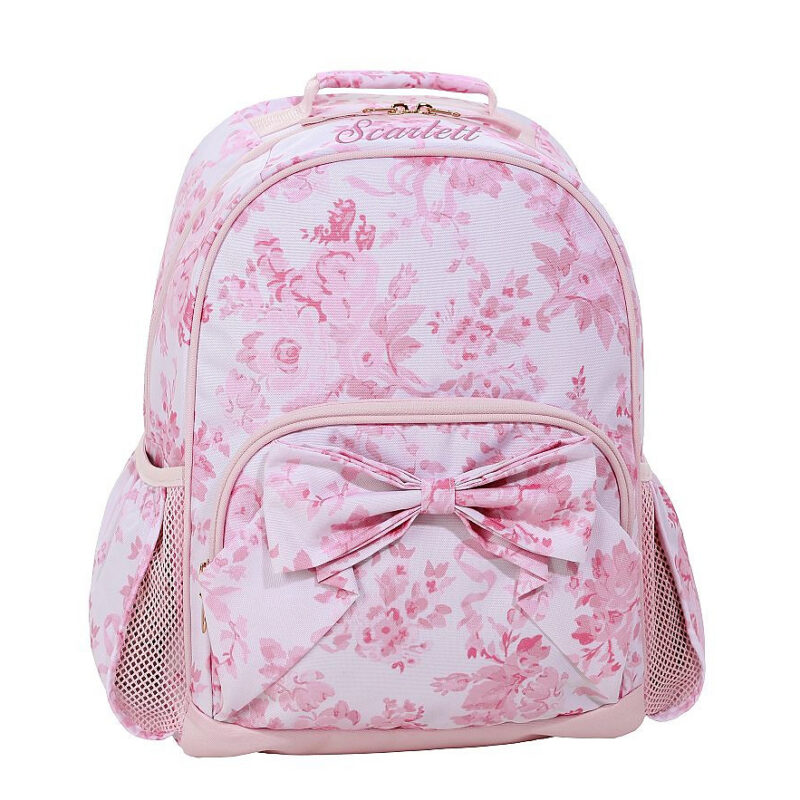 Shop the Item
LoveShackFancy Pink Damask Floral Mackenzie Backpack
$69.50 -
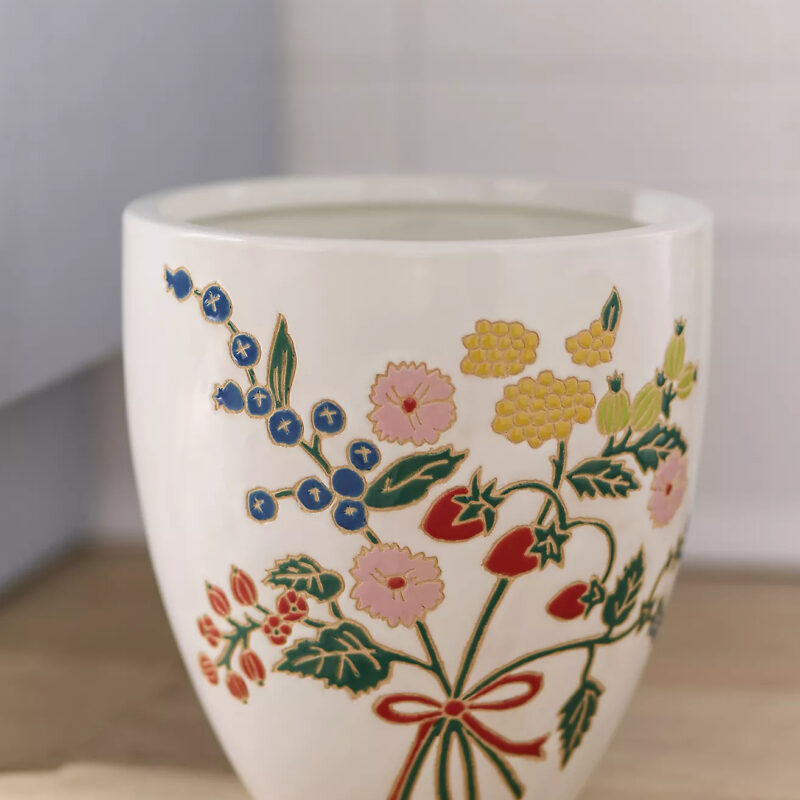 Shop the Item
Hand-Painted Ceramic Waste Bin
$68.00 -
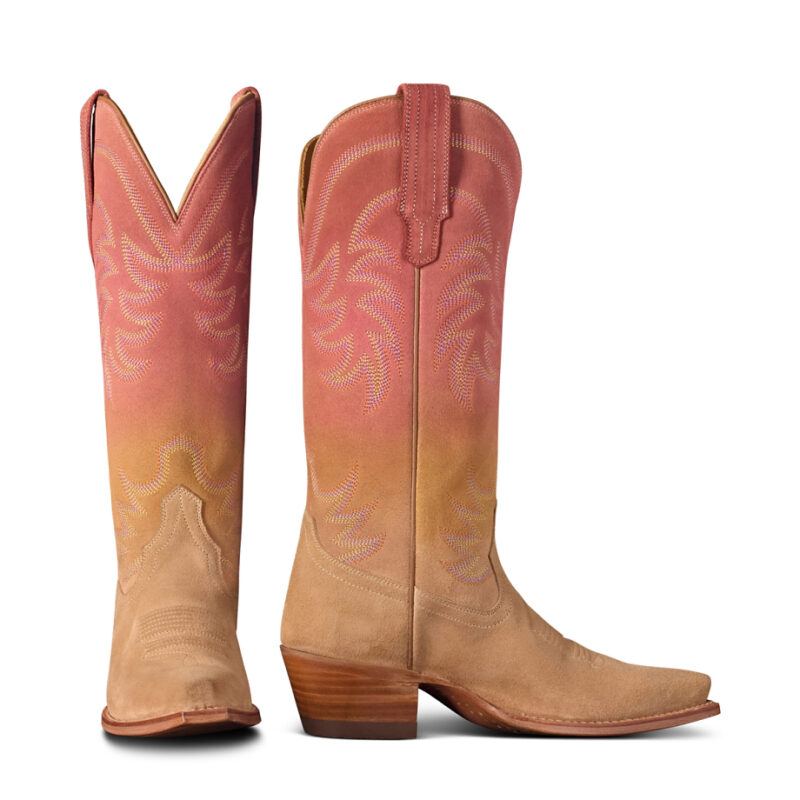 Shop the Item
The Annie Cowgirl Boot – Ombre suede | Tecovas
-
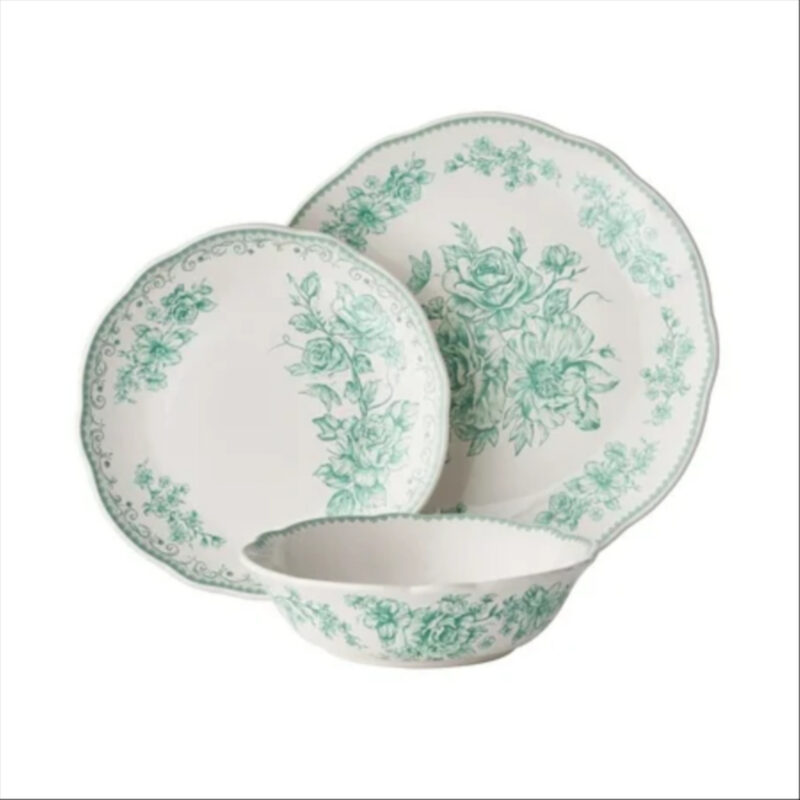 Shop the Item
The Pioneer Woman Agatha 12-Piece Stoneware Dinnerware Set, Green
-
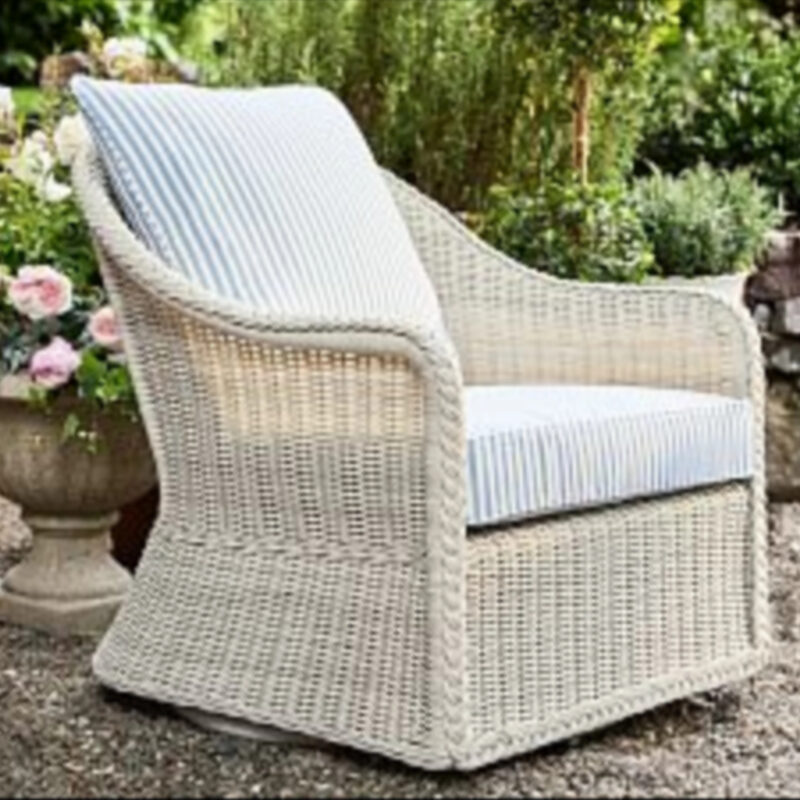 Shop the Item
LoveShackFancy Wicker Swivel Outdoor Lounge Chair
-
 Shop the Item
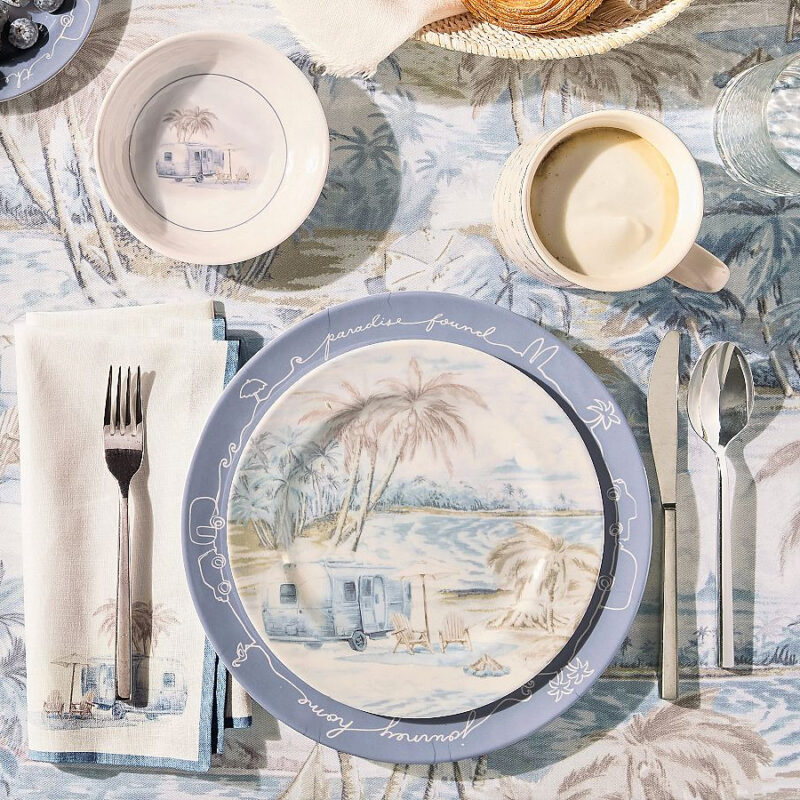
Airstream Outdoor Melamine Dinnerware Collection
-
 Shop the Item
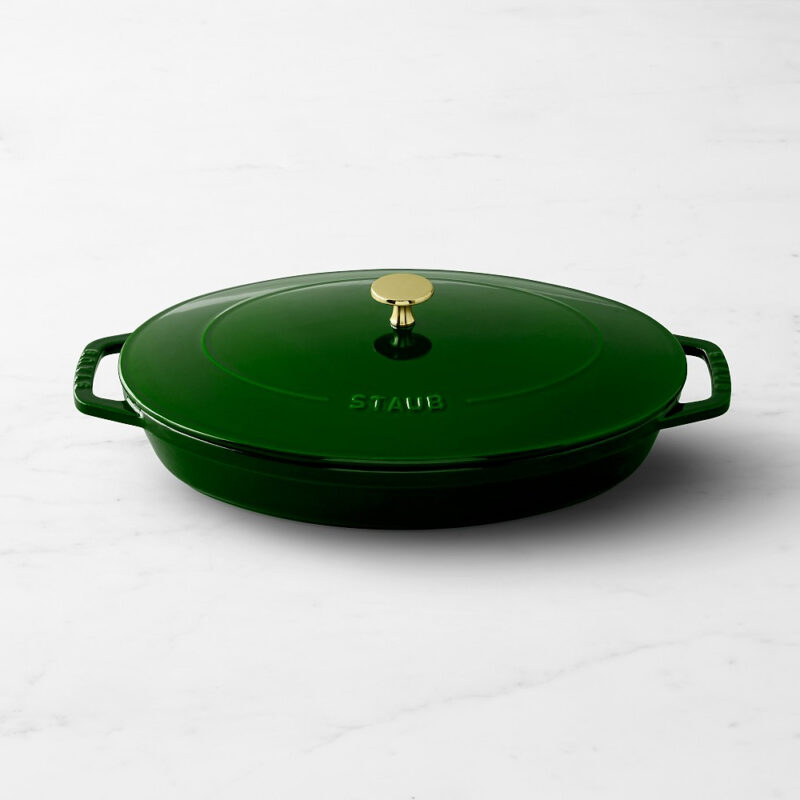
Staub Enameled Cast Iron Oval Gratin with Lid, 2.25 Qt. Staub Basil with Brass
-
 Shop the Item
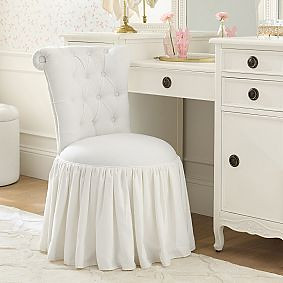
LoveShackFancyTufted Swivel Vanity Chair
-
 Shop the Item
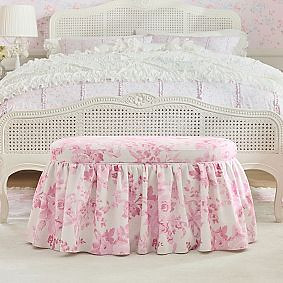
LoveShackFancy Skirted Oval Storage Bench (33.5")
-
 Shop the Item
Granada Sham
-
 Shop the Item
Monique Lhuillier Garden Trellis Appetizer Plates – Set of 4
-
 Shop the Item
Kravet Arboretum Stoneware Dinnerware Sets
-
 Shop the Item
Jenny Martinez 16-pc. Stoneware Dinnerware Set, One Size, Blue
-
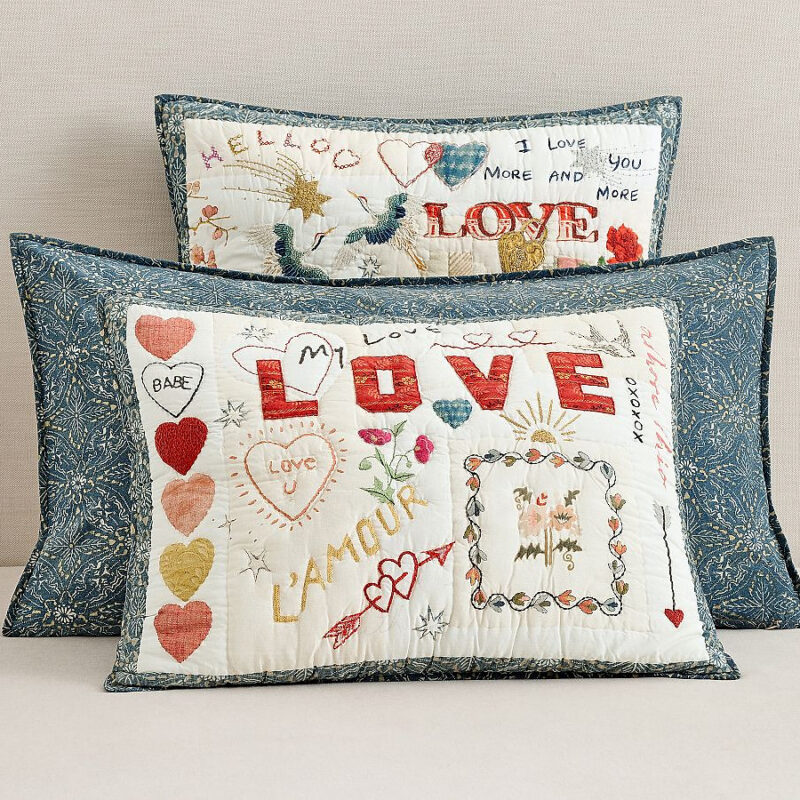 Shop the Item
Devin Embroidered Love Quilted Sham
$69.00 -
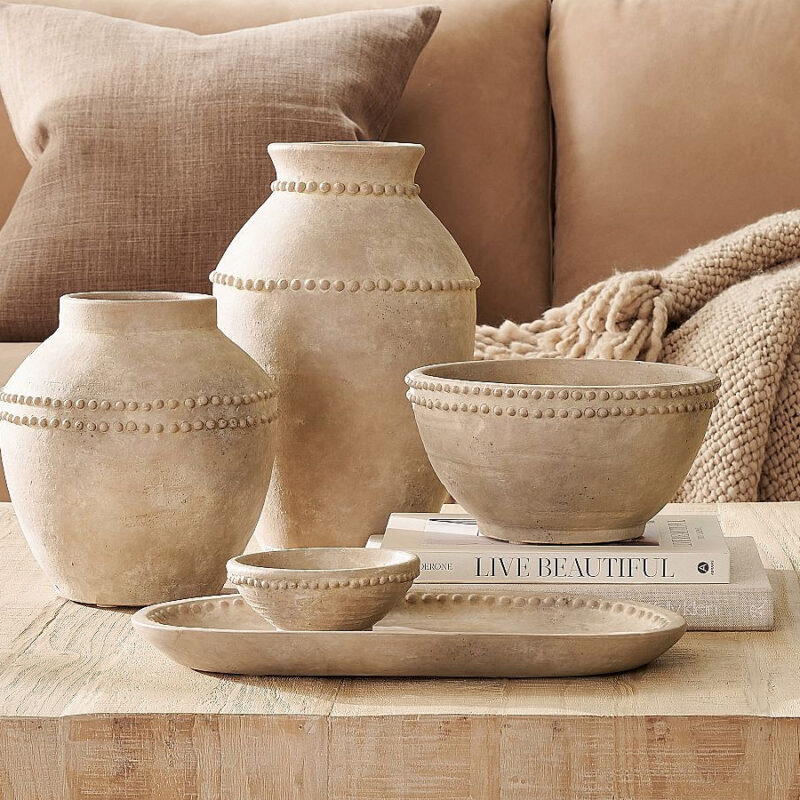 Shop the Item
Emilia Ceramic Collection
-
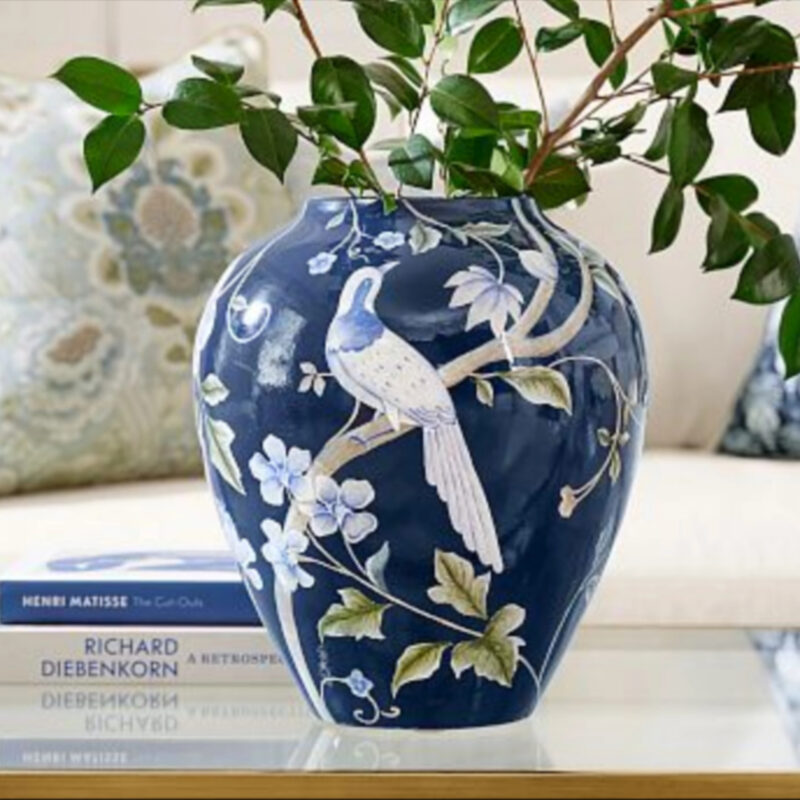 Shop the Item
Kravet Meadowlark Hand-Painted Vase
-
 Shop the Item
Kravet Rosehill Stoneware Pitcher
-
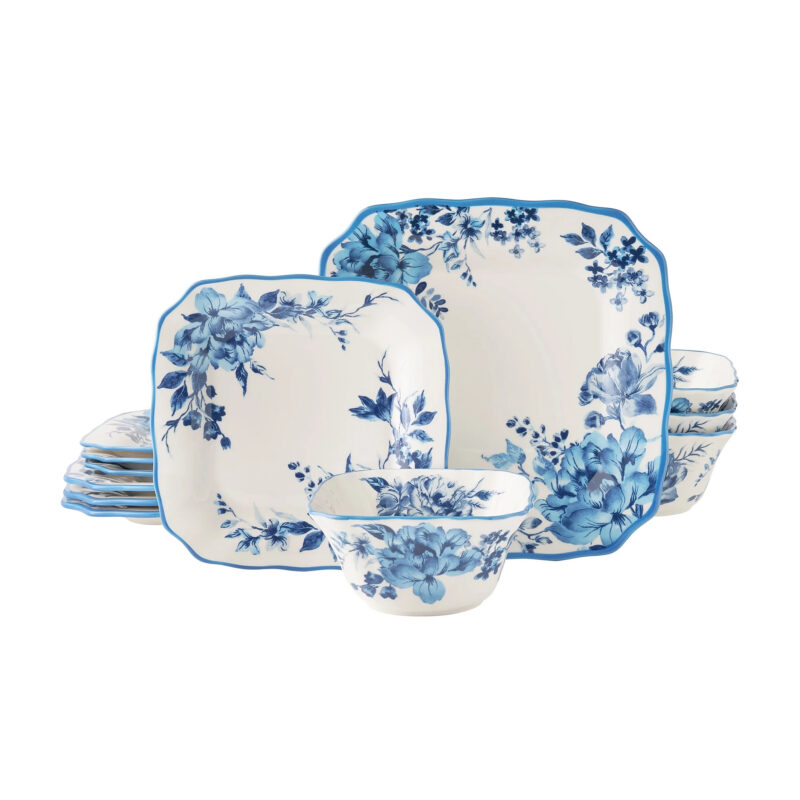 Shop the Item
The Pioneer Woman Delilah 12-Piece Stoneware Dinnerware Set, Blue – Walmart.com
-
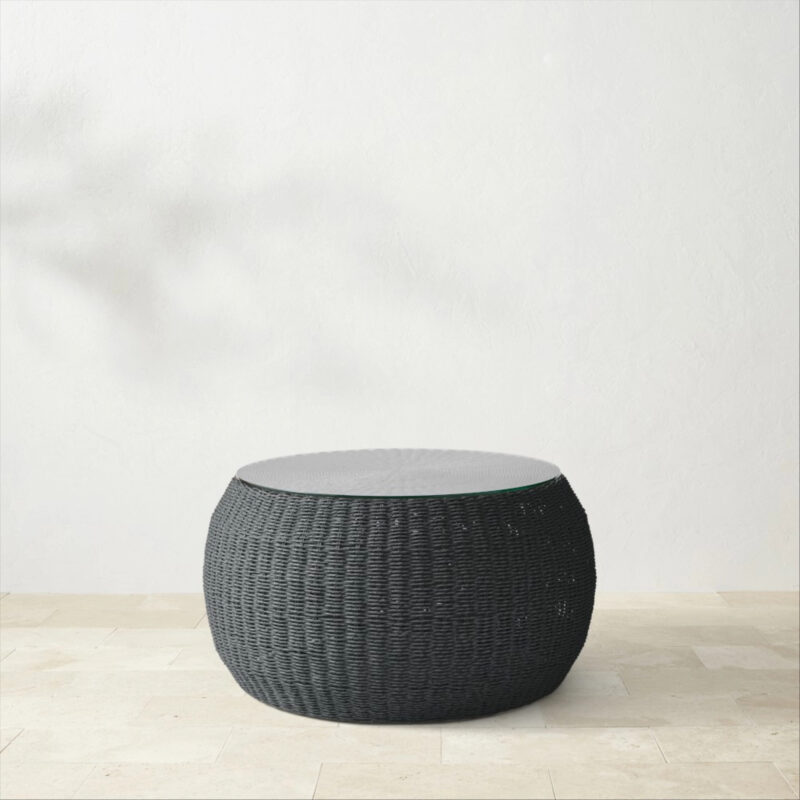 Shop the Item
Anders Outdoor Coffee Table (30"), Black
-
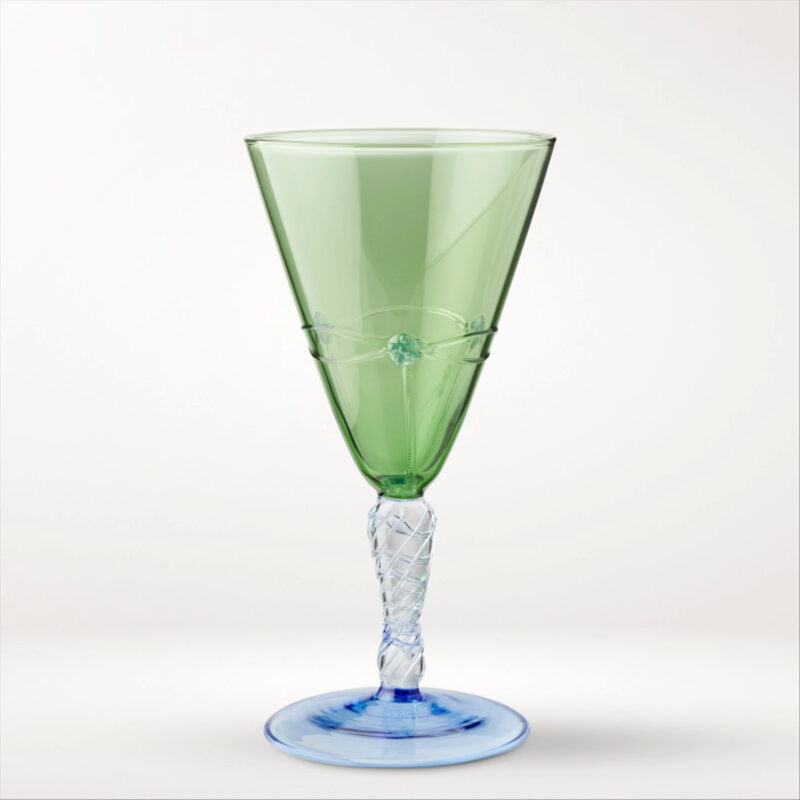 Shop the Item
Famille Rose Goblets, 10-oz
-
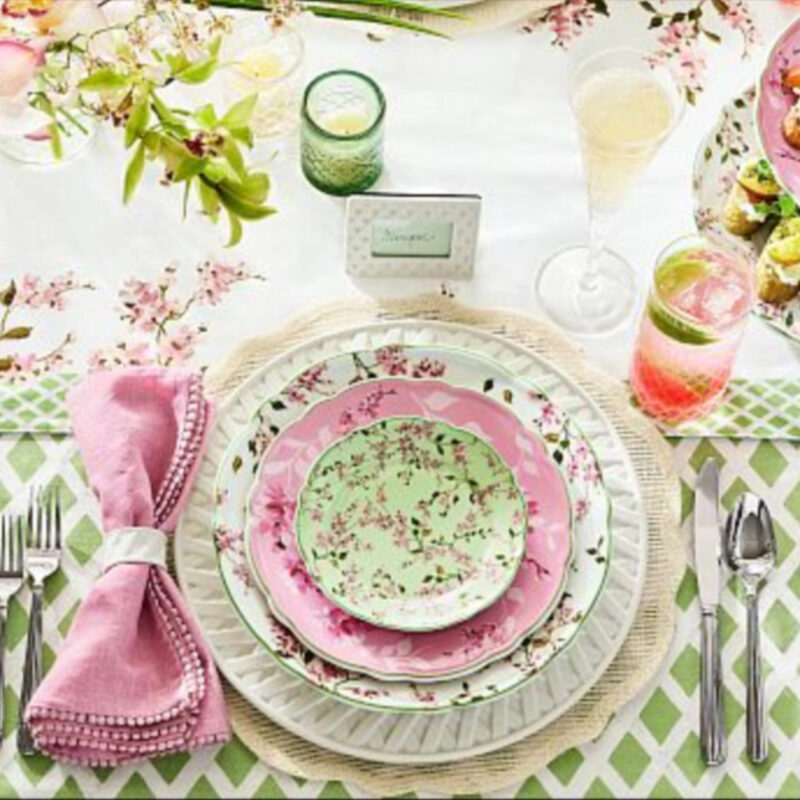 Shop the Item
Pottery Barn Monique Lhuillier Garden Trellis Appetizer Plates – Set of 4
$79.00 -
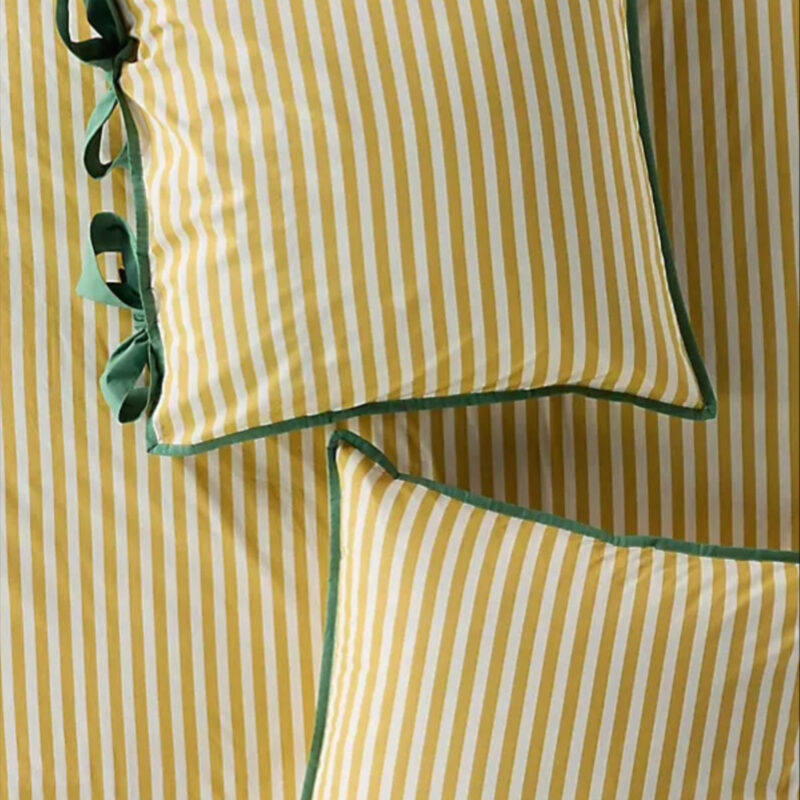 Shop the Item
Maeve by Anthropologie Brynne Cotton Percale Stripe Tie Printed Euro Sham
-
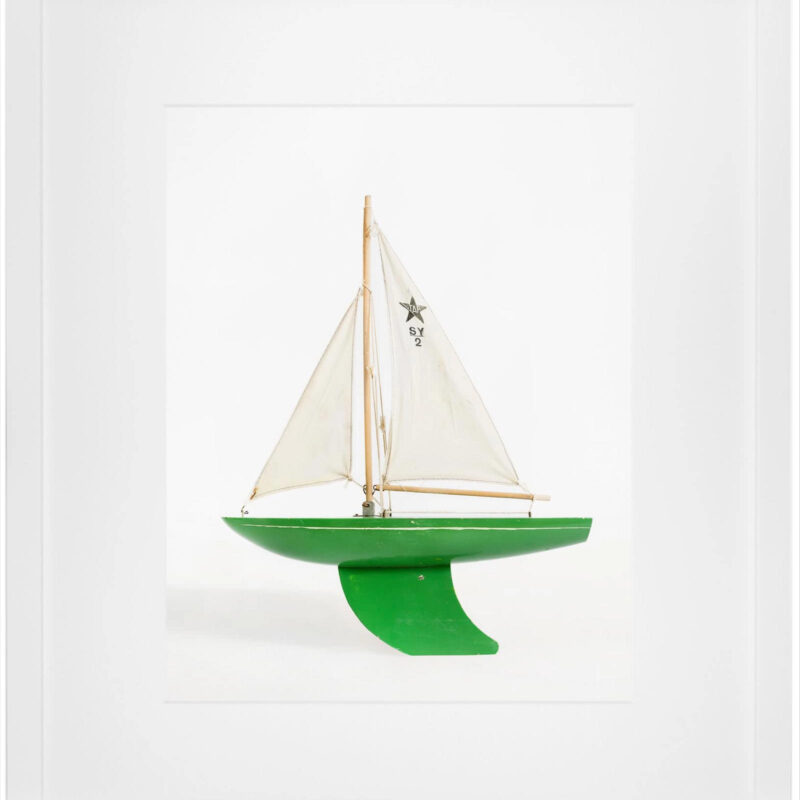 Shop the Item
Serena & Lily Green Boat by Leslee Mitchell
-
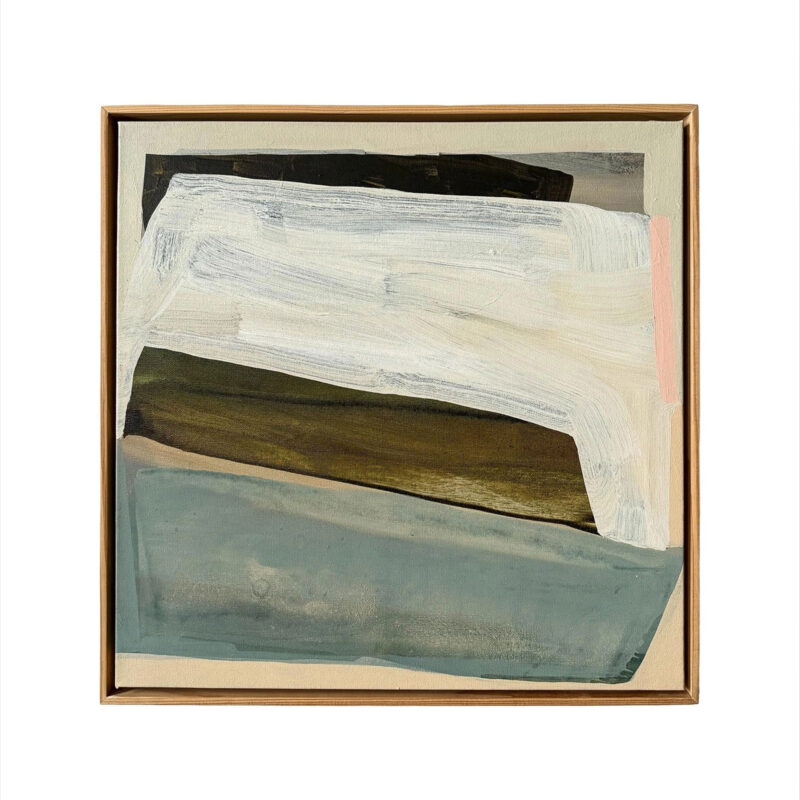 Shop the Item
Serena & Lily Emerald Island by Gina Gaetz
-
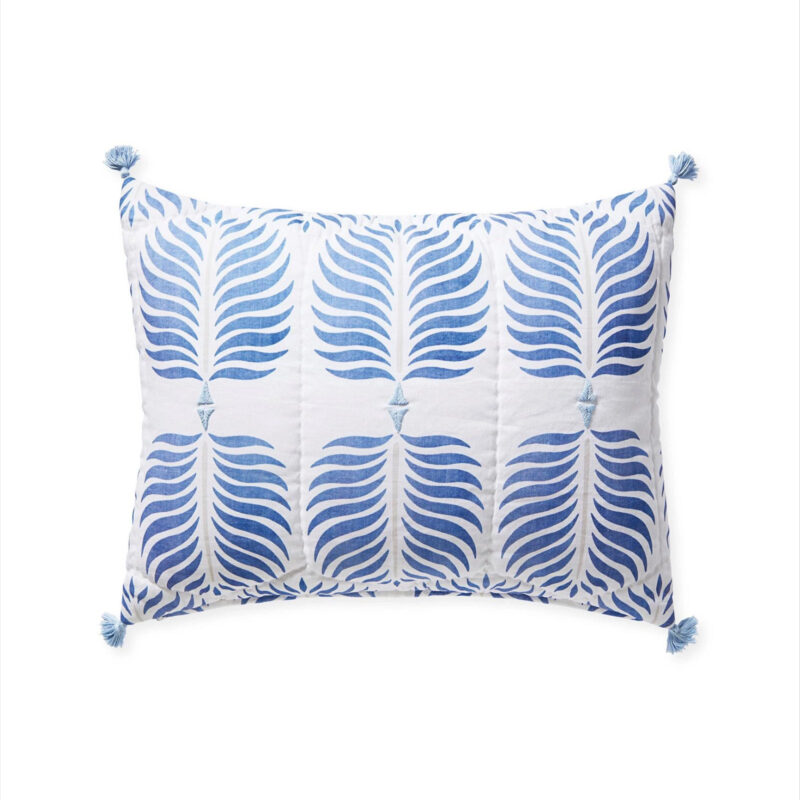 Shop the Item
Serena & Lily Granada Sham
-
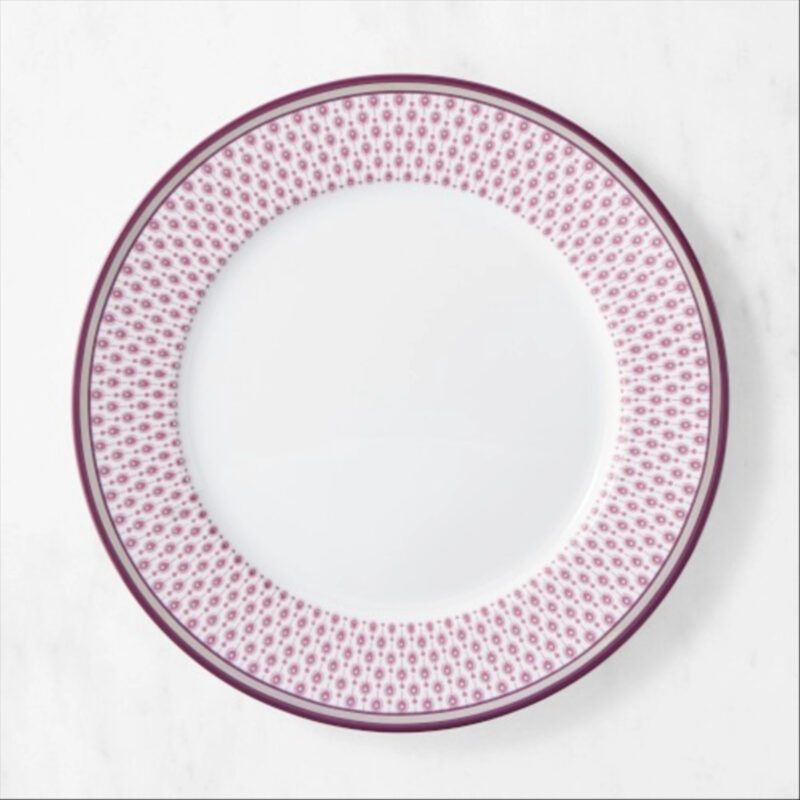 Shop the Item
Williams Sonoma Williams Sonoma Regal Dinner Plates, Set of 8, Berry
-
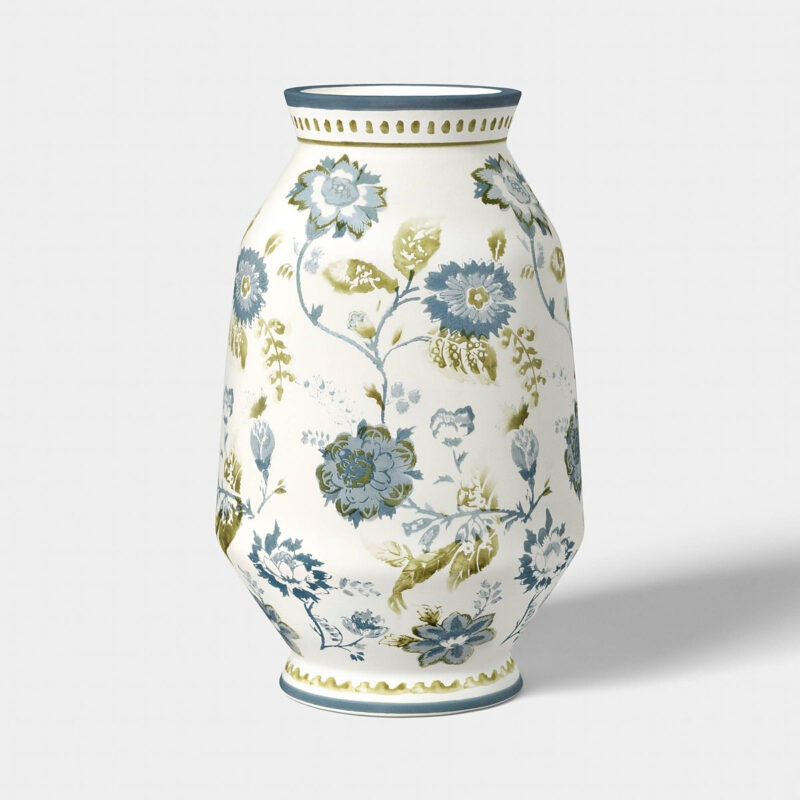 Shop the Item
Tall Floral Painted Ceramic Vase Blue/Green – Threshold™
You Might Also Enjoy
- The Coziest Gift You Can Make at Home: Rosemary Body Butter
- How to Make Your Own Nut Butter at Home (All You Need Is an Oven & a Food Processor)
- 15 MacKenzie-Childs Teapots That Make Your Kitchen Feel Magical
- How to Make Your Home Look Like an Interior Designer Did It (Without Hiring One)
- How to Make Everything Around You Beautiful