This research around drinking should make you stop and pause
This article may include affiliate links. We may earn a small commission if you shop through them.
There’s a stat floating around from a University of Houston study that should make everyone anxious: middle-aged women have the highest alcohol-related breast cancer risk of any age group — and the lowest awareness of it.
Not because we’re careless, but because the research wasn’t really out there when we were younger. Breast cancer prevention messaging has historically centered on screenings and genetics, not what’s in our glass after work on a Wednesday night.
A Closer Look at This research around drinking should make you stop and pause
The Señora Edit
Discover the home, beauty, fashion, and wellness finds our readers are loving most this week.
Here’s what the science actually says: alcohol raises breast cancer risk in a dose-dependent way, meaning it accumulates over time with total consumption — not based on one rough week. A 2026 meta-analysis of more than 2.5 million women confirmed that any alcohol use was associated with increased breast cancer incidence, and that risk climbed progressively with more drinking.
And unfortunately the idea that wine is “healthy” was just a marketing ploy.
For years, we were told a glass of red wine was practically a health food — good for your heart, full of antioxidants, basically a supplement you could enjoy. That story came from a 1980s observation called the “French Paradox,” which noted that French people had low rates of heart disease despite rich diets. Red wine got the credit. Resveratrol — an antioxidant in grape skins — became the star ingredient.
The problem: the amount of resveratrol in a glass of wine is about 2mg. Studies that showed any actual benefit used 150–500mg in supplement form. And a meta-analysis of 42 studies covering nearly 3 million participants found no meaningful cancer protection from red wine at all. The French Paradox itself didn’t hold up either — France’s heart disease rates were in line with the rest of Europe.
Cut back, not out (if all-or-nothing isn’t your thing). Cumulative exposure is what drives risk, so even modest reductions matter over time.
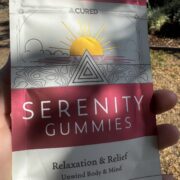
Find the real reset ritual. The wine-as-self-care narrative is a marketing story, and it is not a wellness prescription. The “wine mom” videos are problematic. Tea, movement, sleep (or mushrooms or CBD!), and an actual conversation with a friend do the same job without the tradeoff.
Bring it up at your next appointment. If you have other breast cancer risk factors, this is a very important thing to discuss with your doctor. They can give you guidance and risk factor.
You deserve accurate information about your own body.
Shop This Week’s Bestsellers
Discover the home, beauty, fashion, and wellness finds our readers are loving most.





 Shop the Item
 Shop the Item
 Shop the Item
 Shop the Item
 Shop the Item
 SHOP THE ITEM →
 SHOP THE ITEM →
 SHOP THE ITEM →
 SHOP THE ITEM →
 SHOP THE ITEM →
 SHOP THE ITEM →
 SHOP THE ITEM →
 SHOP THE ITEM →
 SHOP THE ITEM →
 SHOP THE ITEM →
 SHOP THE ITEM →
 SHOP THE ITEM →
 SHOP THE ITEM →
 SHOP THE ITEM →
 SHOP THE ITEM →
 SHOP THE ITEM →
 SHOP THE ITEM →
 SHOP THE ITEM →
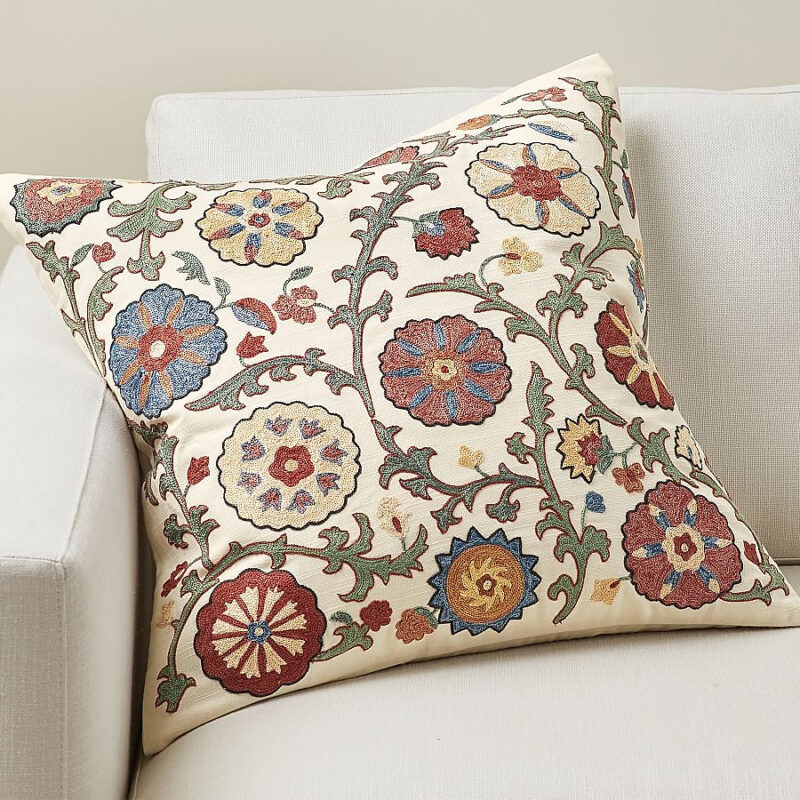 SHOP THE ITEM →
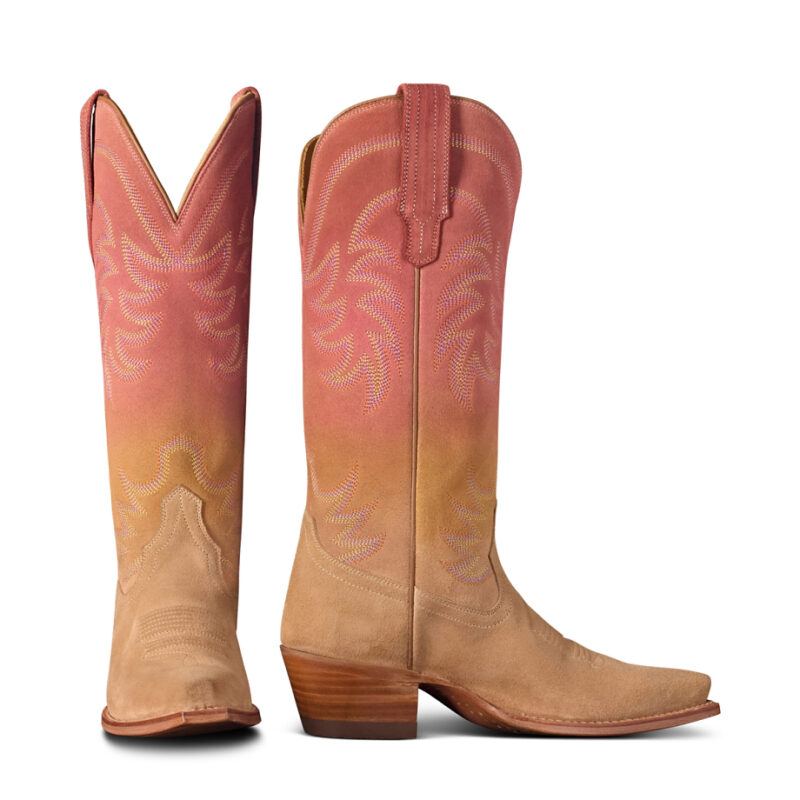 SHOP THE ITEM →
 SHOP THE ITEM →
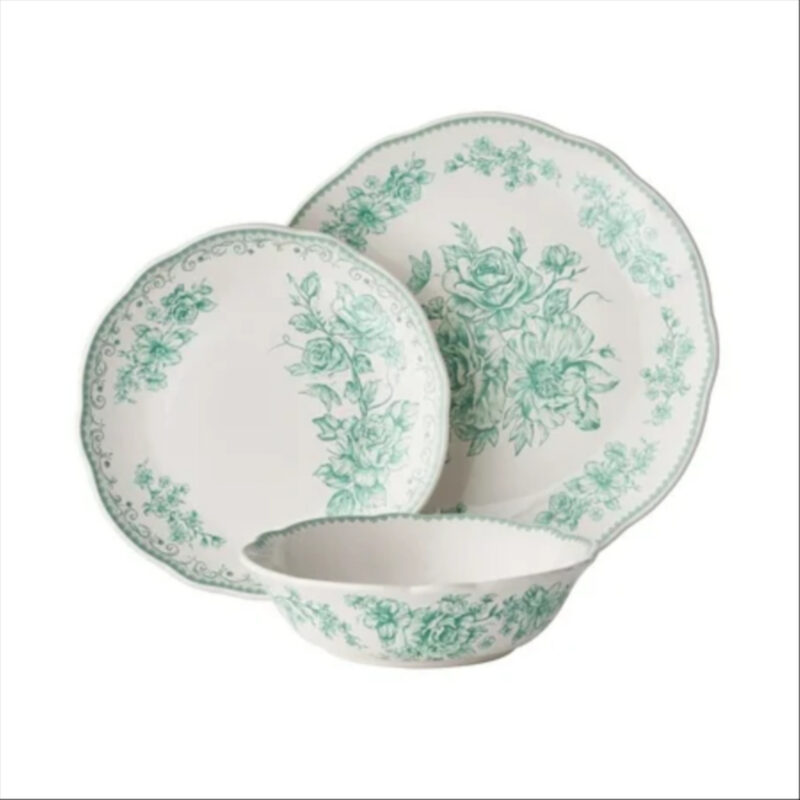 SHOP THE ITEM →
 SHOP THE ITEM →
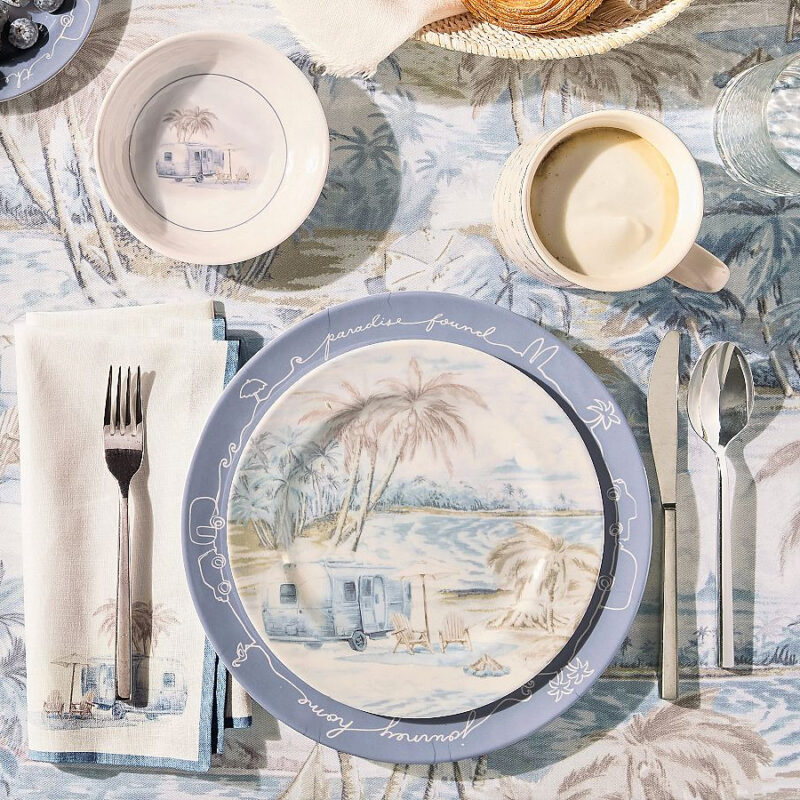 SHOP THE ITEM →
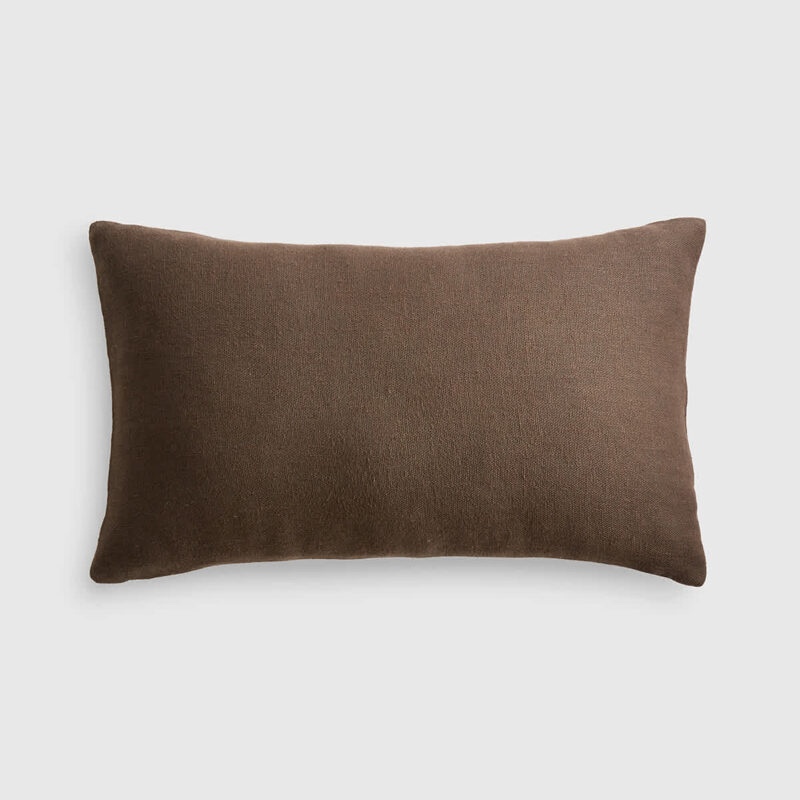 SHOP THE ITEM →