



This article may include affiliate links. We may earn a small commission if you shop through them.
Somewhere along the way, “anti-aging” became the default language of skincare — like the goal was to completely rid ourselves of the concept of “aging”.
But for Señoras focused on their skin as they move through their 30’s, 40s, 50s, and beyond, that framing has never quite fit. We’re literally not trying to look like we did at 25 because, you know, that’s impossible. It’s kind of the way elders in our families thought of aging – they knew they couldn’t turn back to the clock and so they just didn’t stress about it.
In our eras, we’re essentially just trying to keep the skin we have now strong, hydrated, and working the way it’s supposed to.
That shift in thinking has a name: skin longevity. To understand what it actually means — and what’s worth your time, money, and counter space — we asked three skincare experts the same six questions. Here’s what they had to say.
Meet the Experts
Expert 1: Paula Brezavscek, PA-C founder of Azala Skin Clinic in Miami, FL.
Expert 2: Dr. Morgana Colombo, MD
Expert 3: Natia Rufolo, FNP, NP-C founder of INJX BY NATAesthetics
Q: What does “skin longevity” actually mean — and how is it different from anti-aging?
Paula Brezavscek: “Skin longevity is really about keeping your skin healthy, strong and functioning well for as long as possible. Aging is inevitable. The goal isn’t to stop it, but to help the skin age well by protecting collagen, maintaining a healthy skin barrier, preventing unnecessary damage and supporting the skin’s ability to repair itself.”
Dr. Morgana Colombo: “The goal isn’t to have 25-year-old skin at 50. The goal is to have the healthiest, most resilient version of your skin at every age.” She points to the skin barrier, collagen and elastin, pigment regulation, and antioxidant defenses as the real markers to track — not just what shows up in the mirror.
Natia Rufolo: “Skin longevity is more about prevention, protecting the skin you have now, slowing cumulative damage, and supporting the biological processes that keep skin healthy over the long term to help the skin age as well as possible.”
The through-line: skin longevity isn’t about reversal. It’s maintenance, done consistently, over decades.
Q: What are the daily habits that actually move the needle?
All three experts landed in nearly the same place, and none of it involves a 10-step routine.
Sunscreen, every day, no exceptions. Rufolo calls it “probably the most important long-term habit,” and Dr. Colombo puts a number on why: UV exposure “contributes to 80% of visible signs of skin aging.” Her advice for anyone who treats sunscreen as optional: “Don’t use your makeup as sunscreen. Use your sunscreen as makeup.”
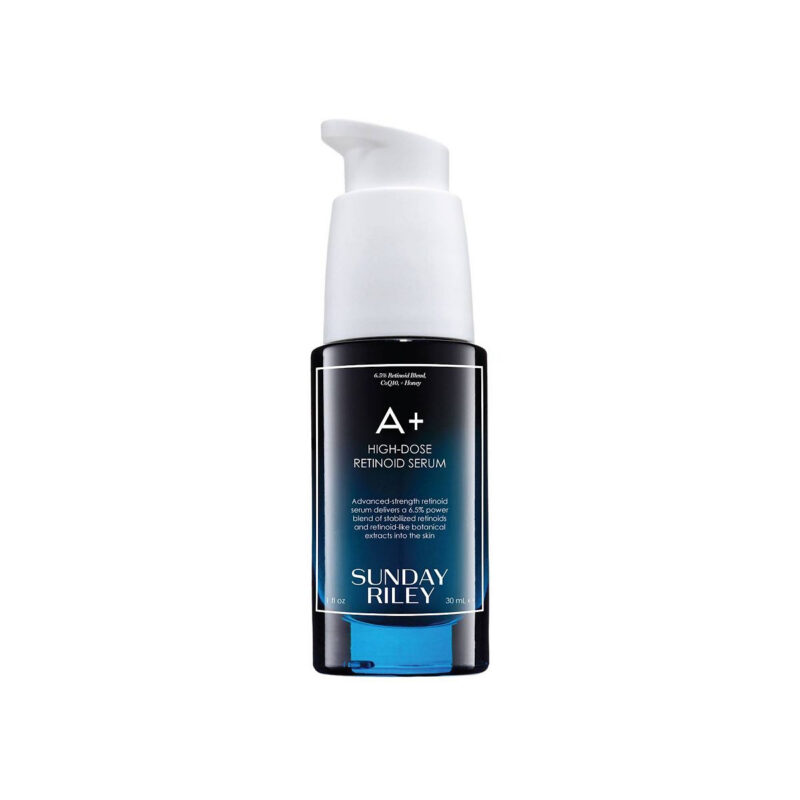
A retinoid, if your skin tolerates one. Brezavscek notes retinoids have “decades of research behind them” for supporting collagen production and cell turnover. Dr. Colombo flags a real barrier for women in perimenopause and menopause — irritation — and points to HPR (hydroxypinacolone retinoate) as a gentler over-the-counter option with strong results.
Protect the skin barrier before you try to fix anything else. Gentle cleansing, consistent moisturizing, and going easy on actives. As Brezavscek puts it: “Don’t overload your skin with too many active ingredients.”
Don’t ignore the rest of your life. Sleep, protein, not smoking, and — per Dr. Colombo — managing chronic stress, which drives what she calls “inflammaging”: low-grade inflammation that works directly against skin longevity.
Q: What’s the most overrated skincare step people spend money on?
The answer here was unanimous, and it cuts against a lot of what skincare marketing pushes.
Rufolo: “One of the most overrated habits in skincare is constantly changing products to chase the next trend.”
Dr. Colombo: “I’d say constantly chasing the newest ‘miracle’ serum or trending ingredient. People can end up with ten expensive products while neglecting sunscreen, a retinoid and their skin barrier — the things with some of the strongest evidence behind them.”
Brezavscek: “I think complicated, multi-step routines are overrated. More products do not necessarily equal better skin, and sometimes they do the opposite.”
Their shared advice: a well-formulated, four-to-five-product routine you’ll actually stick with outperforms a 12-step routine you won’t.
Q: When does a good at-home routine stop being enough?
Skincare has a ceiling — and knowing where it is matters, especially if you’re weighing whether an in-office treatment is worth it.
Brezavscek: “If you’re trying to significantly improve skin laxity, deeper wrinkles, established sun damage, acne scarring, vascular changes or loss of facial volume, that’s usually when in-office treatments become necessary.”
Dr. Colombo frames it structurally: “Your face is a three-dimensional dynamic structure. It’s not just skin. There’s fat, muscles, retaining ligaments, bones underneath the skin. Skincare does not address all those factors.” Her rule of thumb: “Skincare improves the skin. Procedures can change the architecture underneath it.”
Rufolo: “I always tell patients that skincare and treatments should complement each other. Treatments can create changes that skincare alone may not be able to achieve, but maintaining those results still depends heavily on what someone does at home.”
For anyone dealing with melasma or stubborn pigmentation specifically — a concern that comes up often for deeper, warmer skin tones, including many Latina skin tones — this is usually the point where a topical routine needs backup from in-office care to see real change.
Q: What’s one preventive move people wait too long to start?
Every expert gave the same answer, without hesitation: sunscreen, starting in your 20s and 30s.
Dr. Colombo: “People often start thinking seriously about sun protection after they see brown spots and wrinkles, but much of the UV damage responsible for those changes accumulated years earlier.”
Rufolo: “Your 20s and 30s are a great time to start thinking about collagen preservation rather than waiting until significant collagen loss becomes visible.”
Brezavscek: “You don’t need aggressive treatments or an elaborate routine just because you’ve turned 25. You need consistency and good habits that you can maintain for decades.”
If you’re past your 20s and 30s, none of the experts frame this as a missed window — just a reason to start today instead of after the next milestone birthday.
Q: What’s a mistake that’s quietly damaging the skin barrier?
Over-exfoliation, by a landslide — and it’s something we all aggressively started doing in our teens while shopping for those tubs of apricot scrubs.
Rufolo: “Many people don’t realize there is a difference between physical and chemical exfoliation. They may be using several products that already contain chemical exfoliants without recognizing them as exfoliating products, and then physically exfoliating on top of that. It can add up very quickly.”
Dr. Colombo: “An irritated barrier isn’t healthy skin… more inflammation is not more efficacy. You need to nurture your skin biology, not fight it.”
Brezavscek: “Chronic irritation and inflammation are not signs that your skincare is ‘working.’ If your skin constantly feels tight, burns when you apply products, looks unusually red or is peeling excessively, your barrier may be compromised.”
Their collective advice, if your skin is telling you something’s off: simplify first. Don’t add another product to fix what over-treating caused.
Strip away the branding, and skin longevity comes down to a short list: sunscreen daily, a tolerated retinoid, a protected barrier, and a life outside your routine that supports your skin instead of working against it. Everything else — the serums, the 10-step routines, the chase for the next ingredient — is optional. What actually works rarely changes with the seasons.
Shop the Full Selection
All the pieces featured in this article — scroll to explore.
-
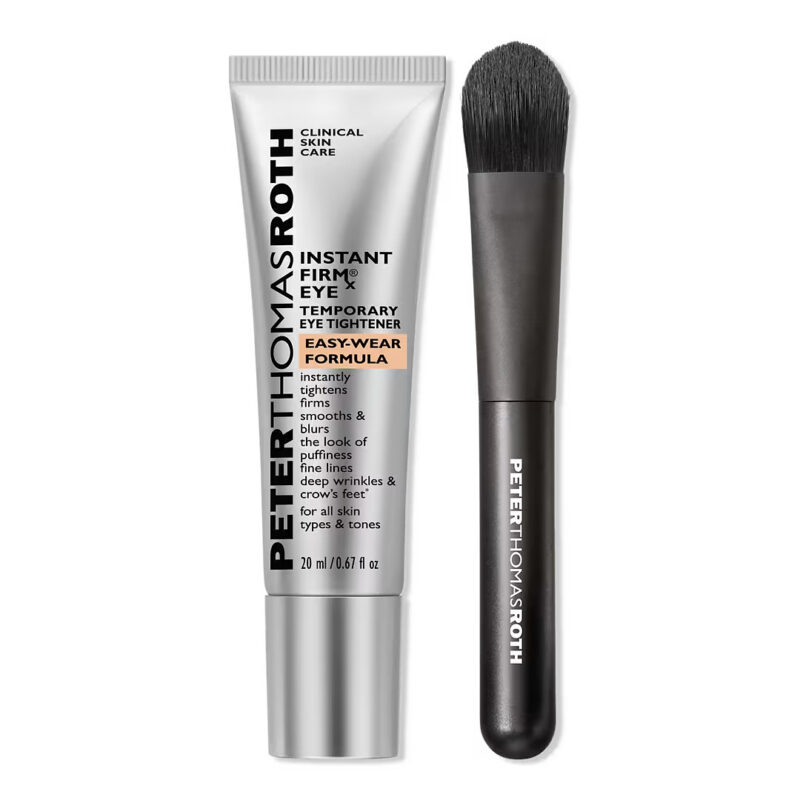 SHOP THE ITEM →
Instant FIRMx Eye Temporary Eye Tightener Easy-Wear Formula
-
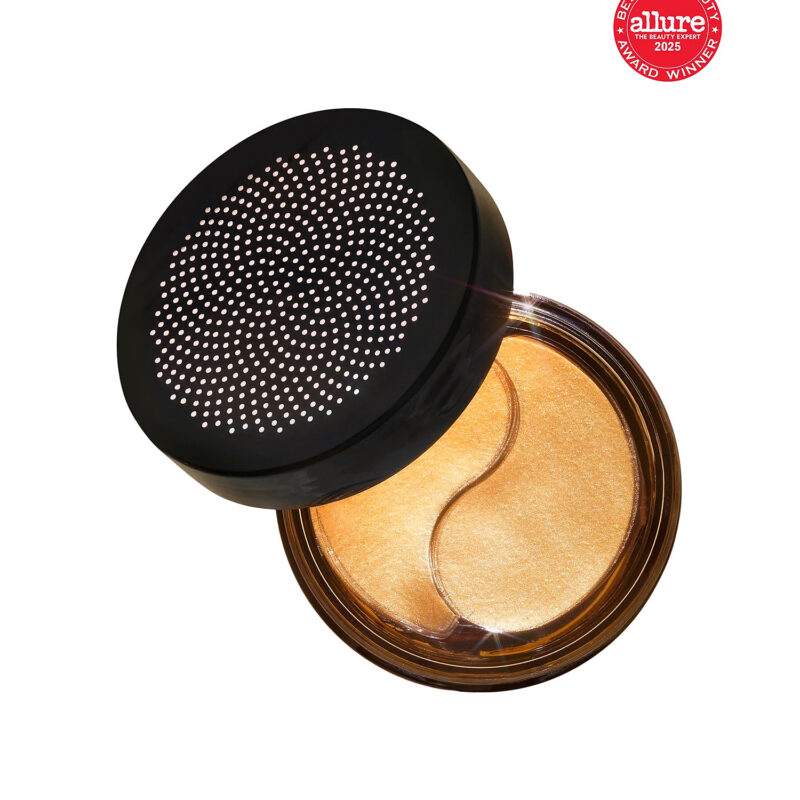 SHOP THE ITEM →
Chebula Multi-Corrective Eye Patches
-
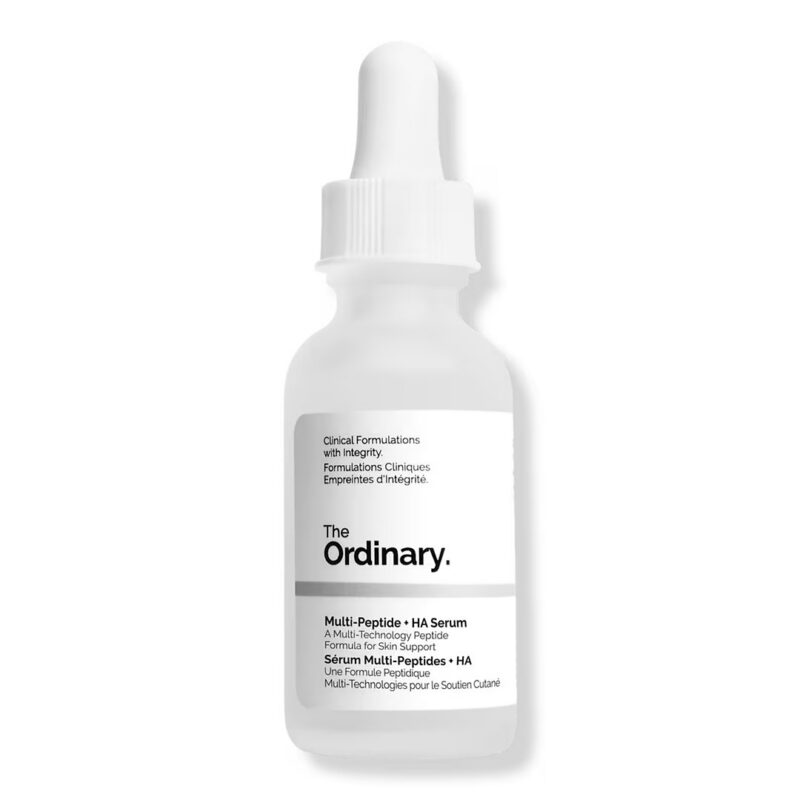 SHOP THE ITEM →
Multi-Peptide + Hyaluronic Acid Serum for Firmness and Elasticity
-
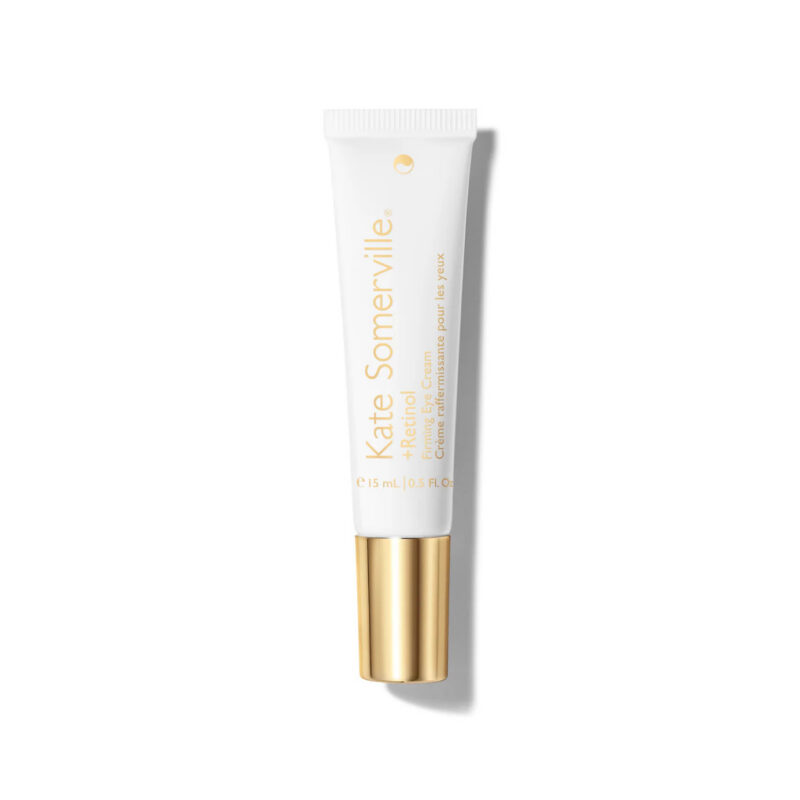 SHOP THE ITEM →
+Retinol Firming Eye Wrinkle Cream | Kate Somerville
-
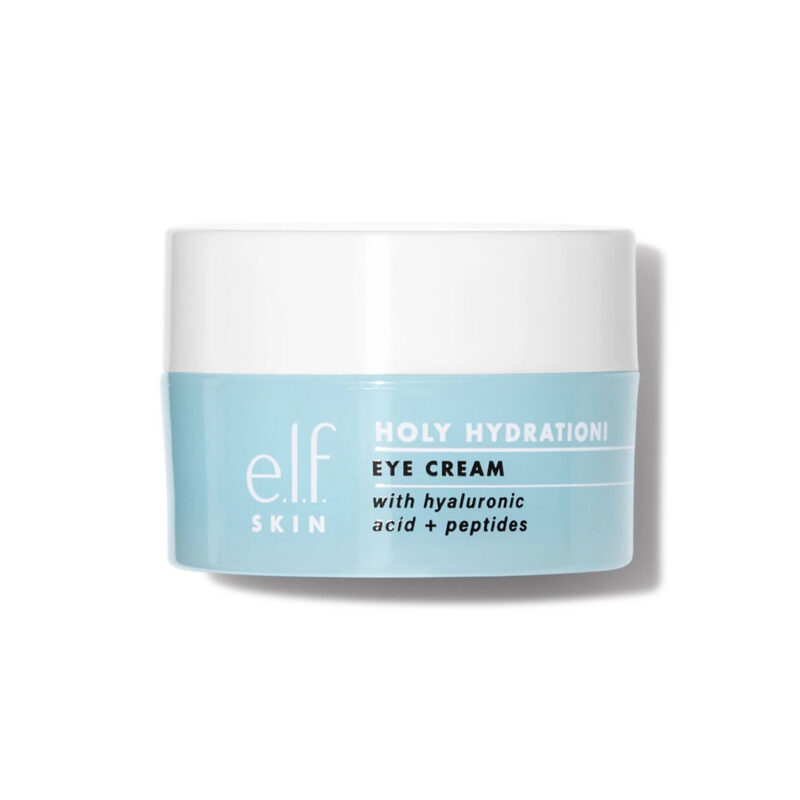 SHOP THE ITEM →
Holy Hydration! Hydrating Eye Cream | e.l.f. Cosmetics
$10.00 -
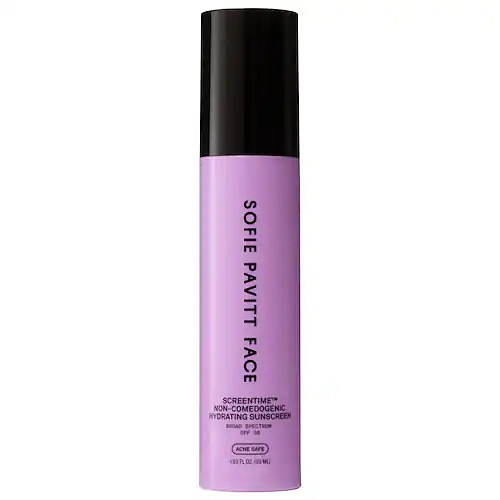 SHOP THE ITEM →
Screentime Non-Comedogenic Hydrating Sunscreen SPF 30
$38.00 -
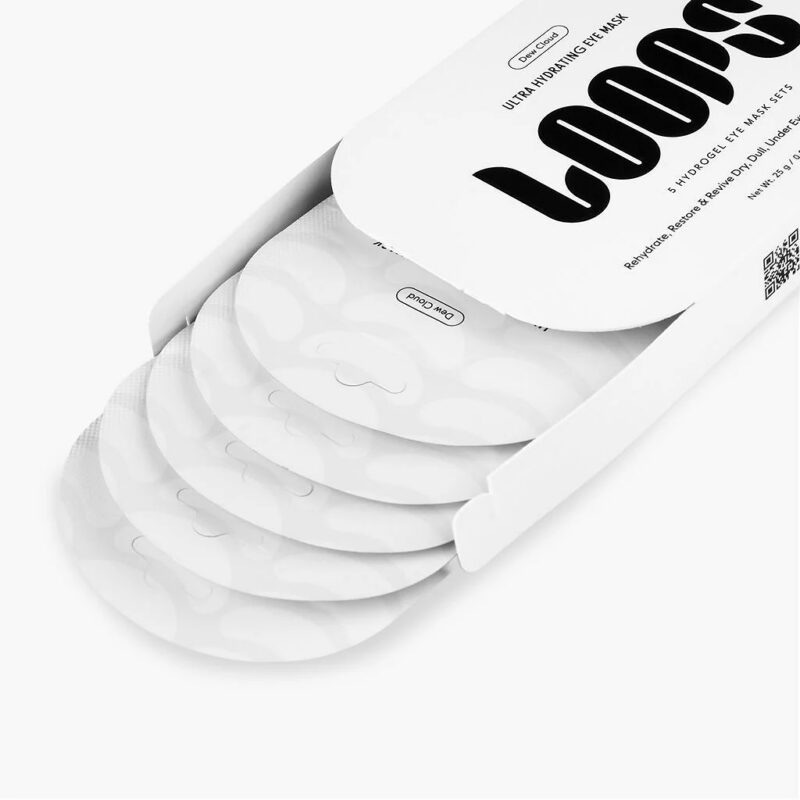 SHOP THE ITEM →
Dew Cloud Eye Mask
$25.00 -
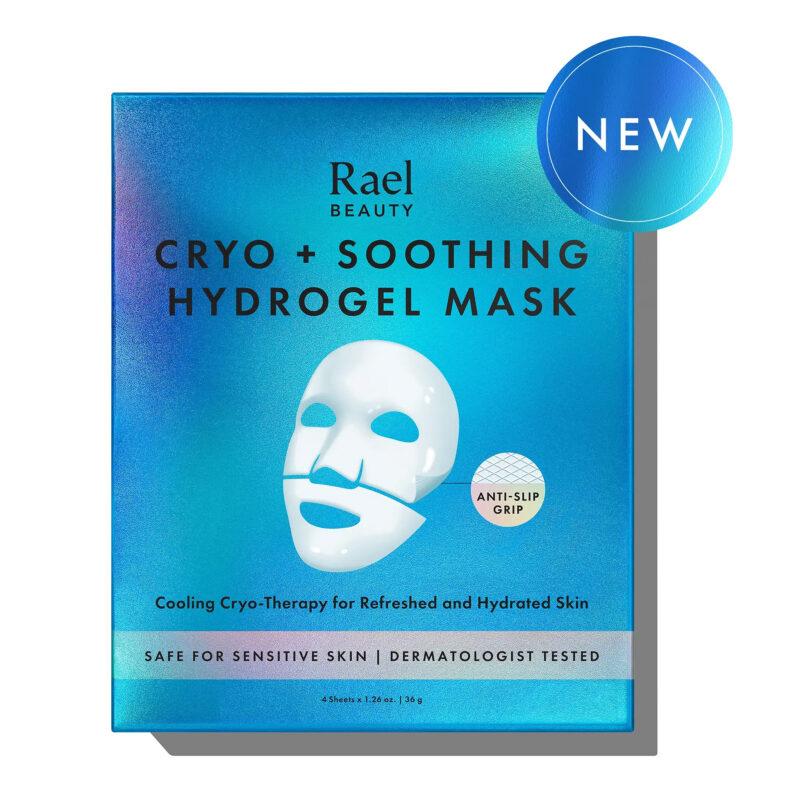 SHOP THE ITEM →
Cryo + Soothing Hydrogel Sheet Mask | Rael
$18.99 -
 SHOP THE ITEM →
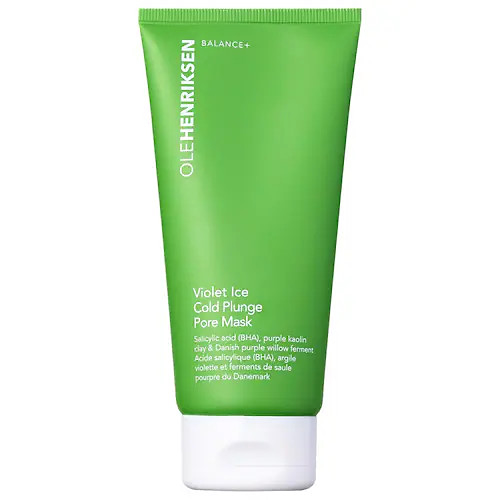
Violet Ice Cold Plunge Pore Clay Mask
$42.00 -
 SHOP THE ITEM →
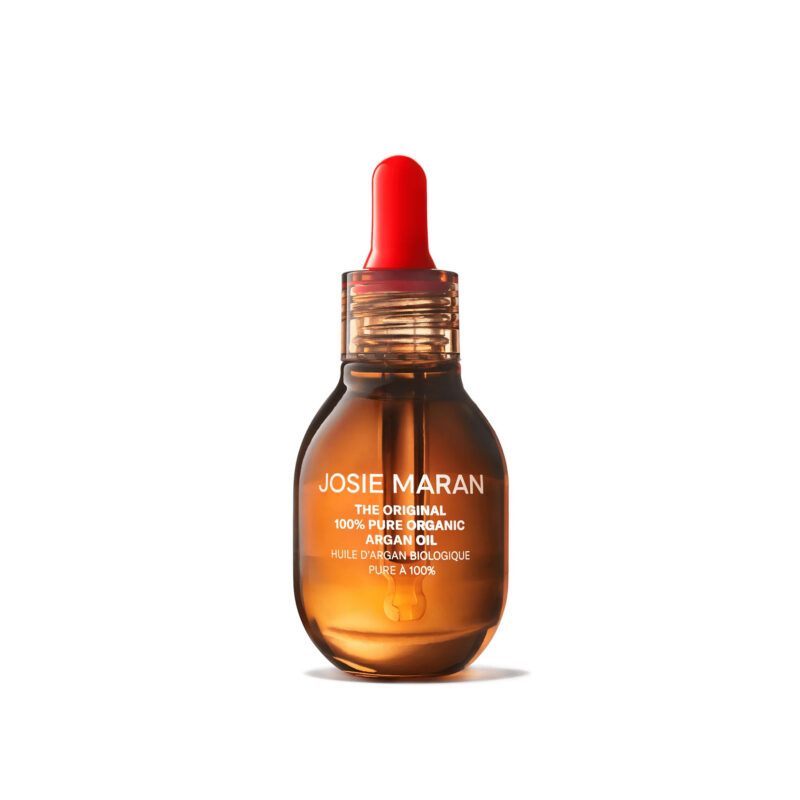
The Original 100% Pure Organic Argan Oil Travel – JOSIE MARAN
$39.00 -
 SHOP THE ITEM →
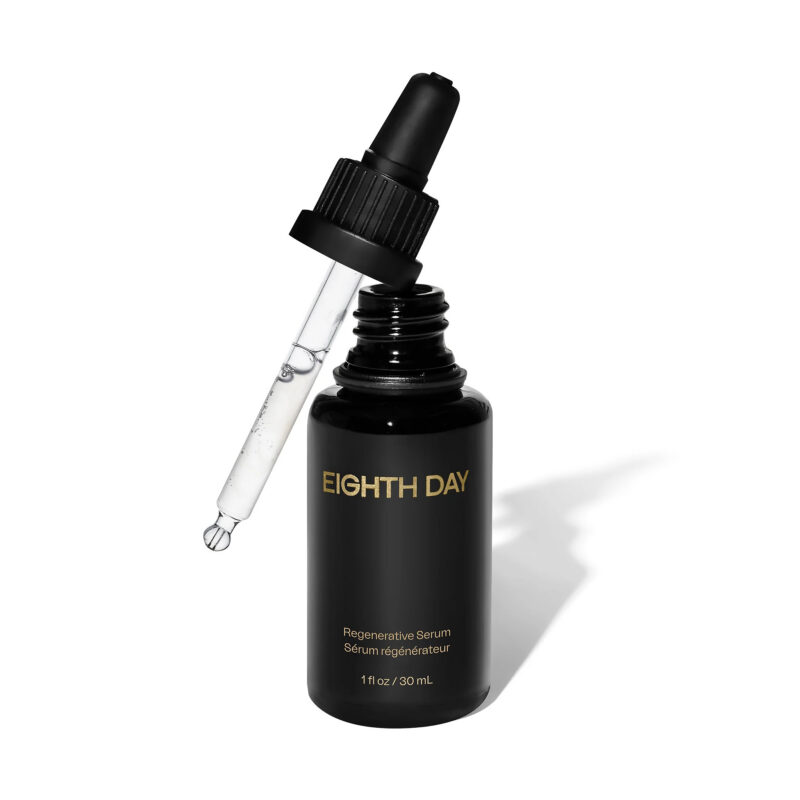
The Regenerative Serum | Eighth Day Skincare
$195.00 -
 SHOP THE ITEM →
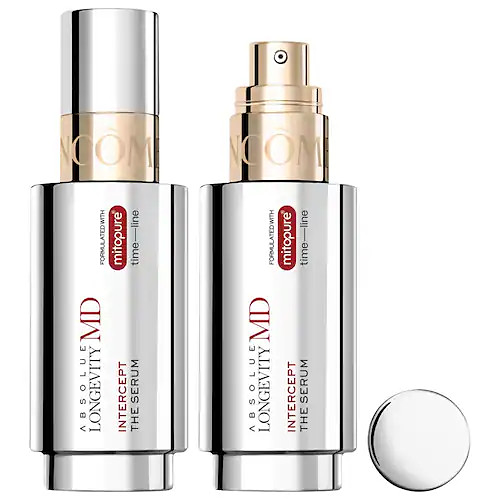
Absolue Longevity MD Intercept Face Serum for Mid-Age
$175.00 -
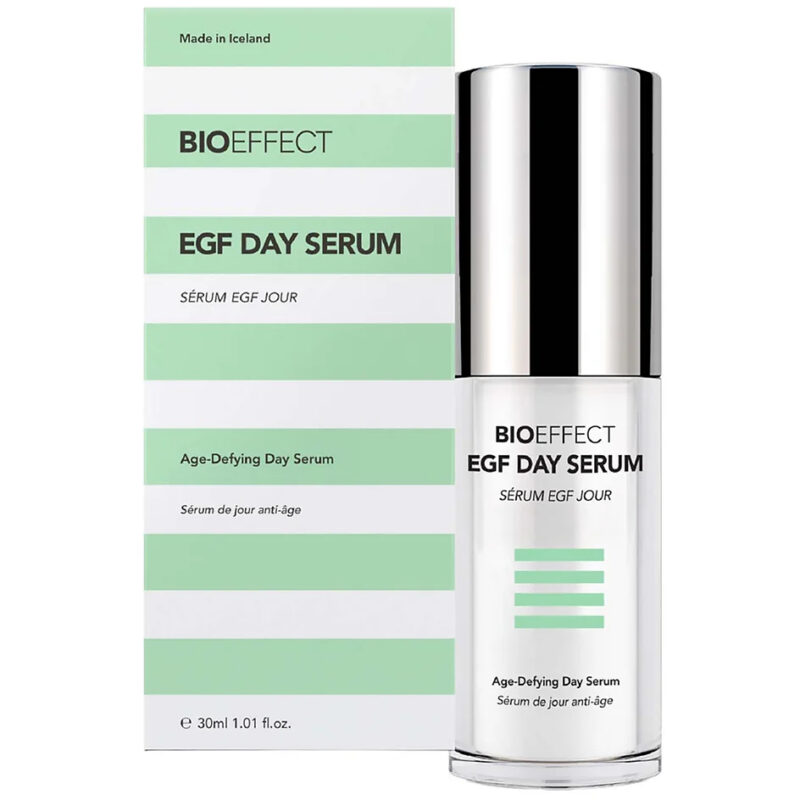 SHOP THE ITEM →
BIOEFFECT EGF Day Serum 30ml
$165.00 -
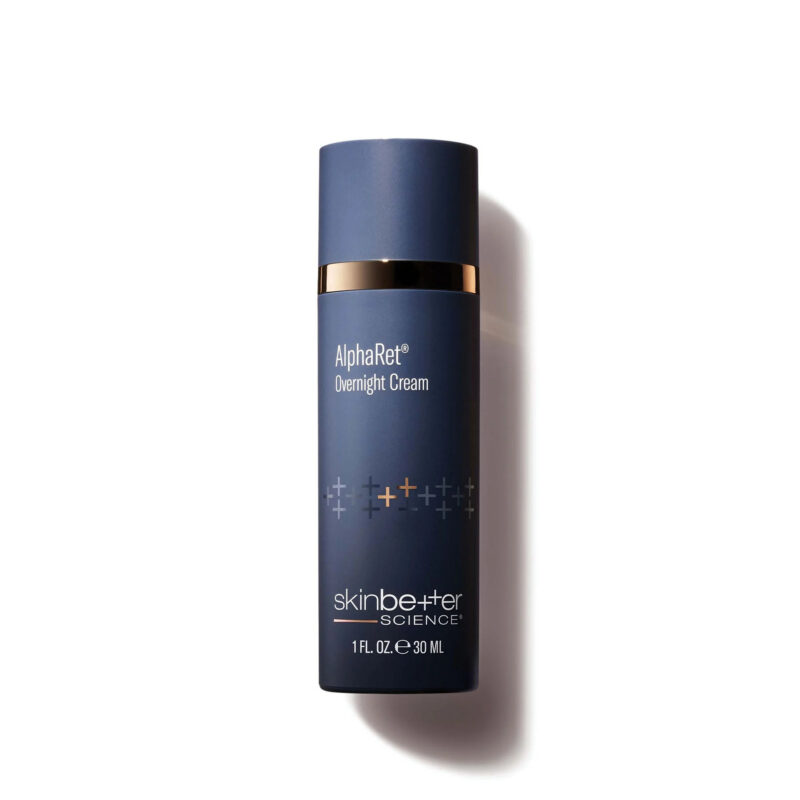 SHOP THE ITEM →
AlphaRet Overnight Cream| Anti-Aging Skincare| skinbetter science
$145.00 -
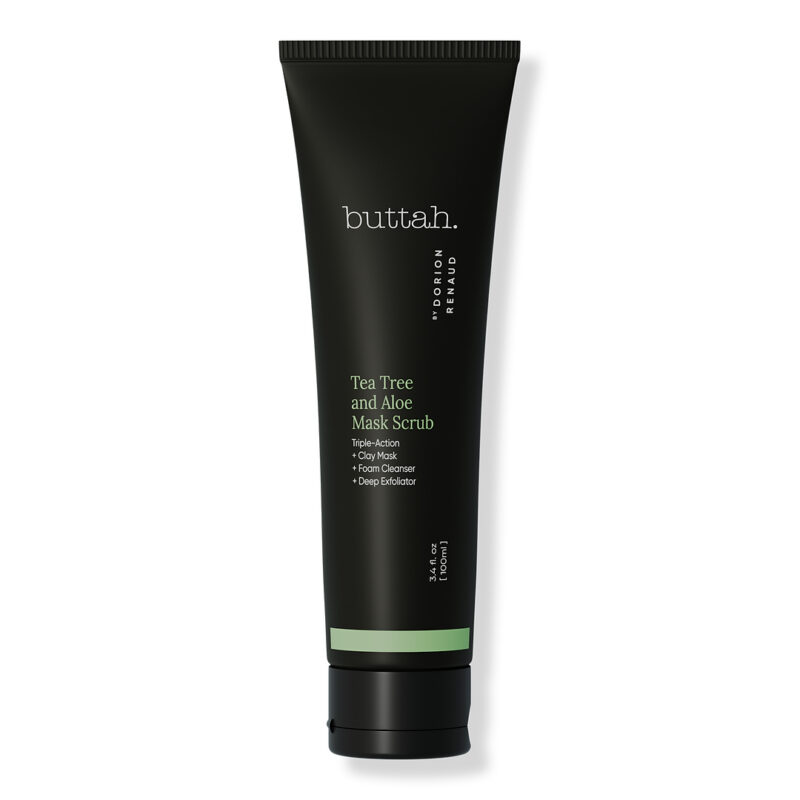 SHOP THE ITEM →
Tea Tree Exfoliating Scrub
$24.00 -
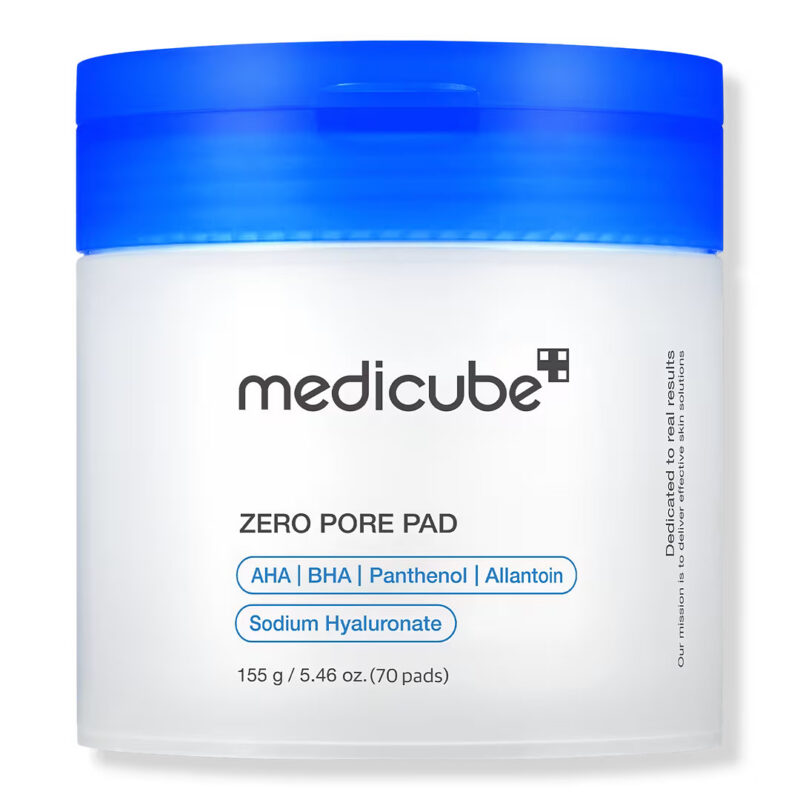 SHOP THE ITEM →
Zero Pore Pad
$21.00 -
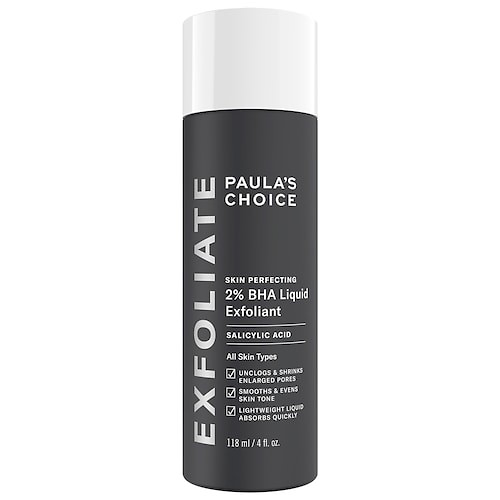 SHOP THE ITEM →
Skin Perfecting 2% BHA Exfoliating Toner for Clear Skin
$37.00 -
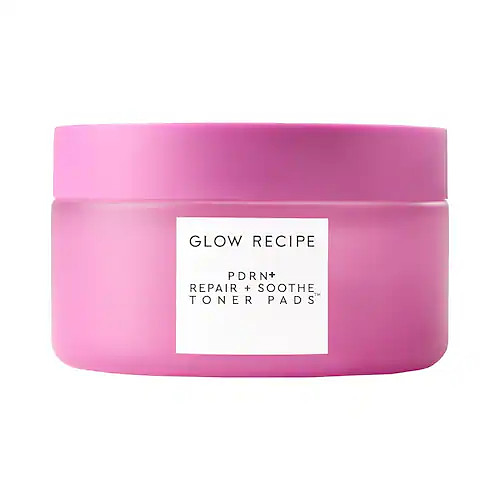 SHOP THE ITEM →
PDRN Repair + Soothe Korean Prickly Pear Toner Pads for Skin Barrier Repair
$30.00 -
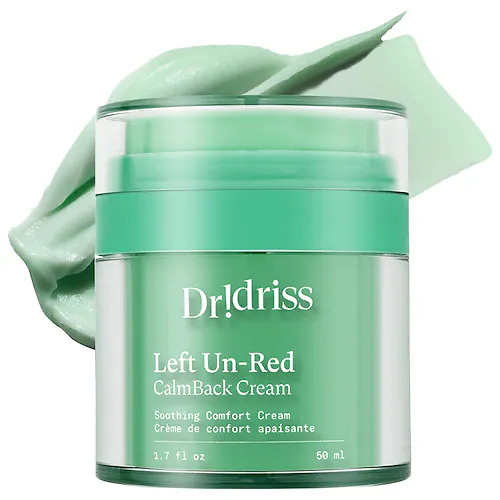 SHOP THE ITEM →
Left Un-Red CalmBack Nightly Rescue Face Cream for Redness and Disrupted Skin Barrier
$58.00 -
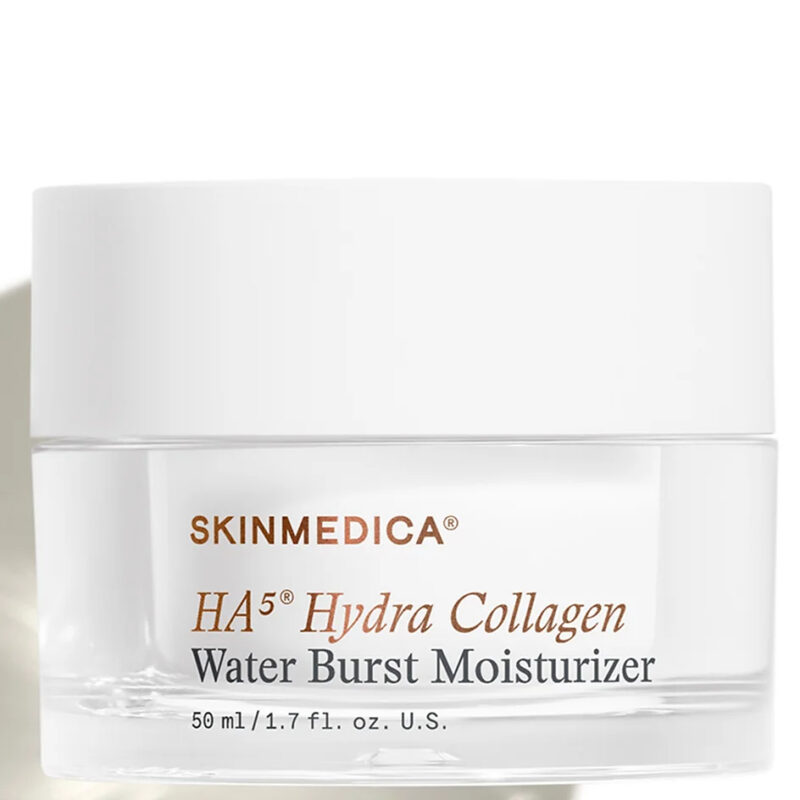 SHOP THE ITEM →
SkinMedica HA5 Hydra Collagen Water Burst Moisturizer (1.7 fl. oz.)
$78.00 -
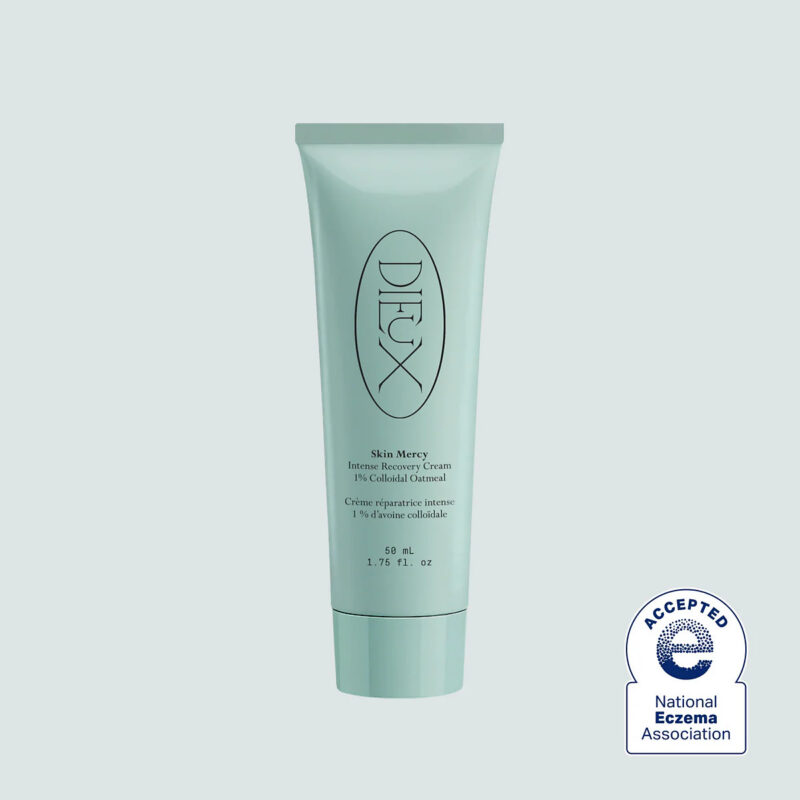 SHOP THE ITEM →
Skin Mercy Recovery Cream | Dieux Skin
$38.00 -
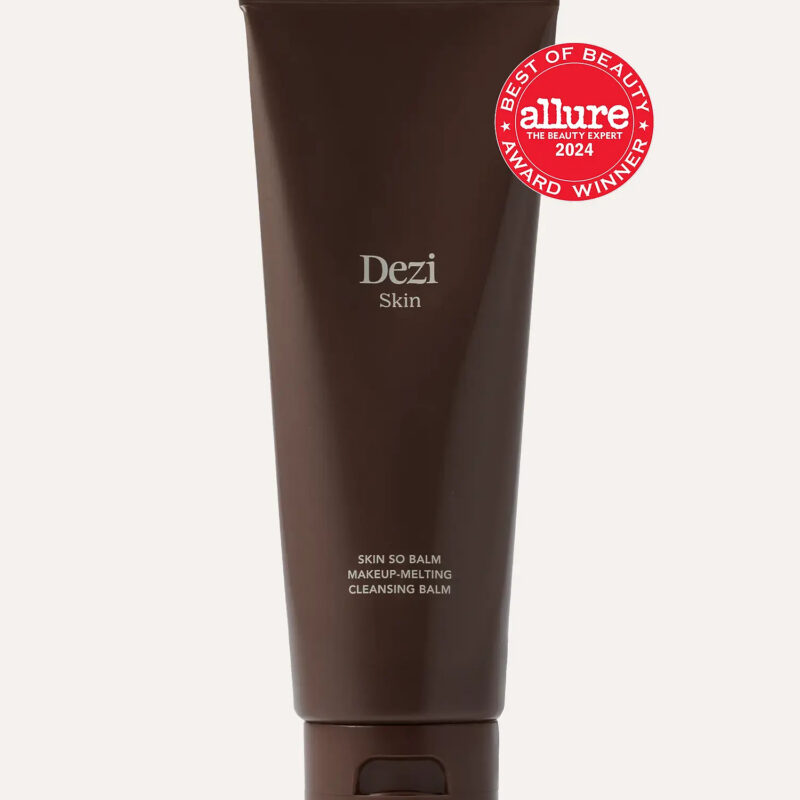 SHOP THE ITEM →
Skin So Balm – Makeup Melting Cleansing Balm
$20.00 -
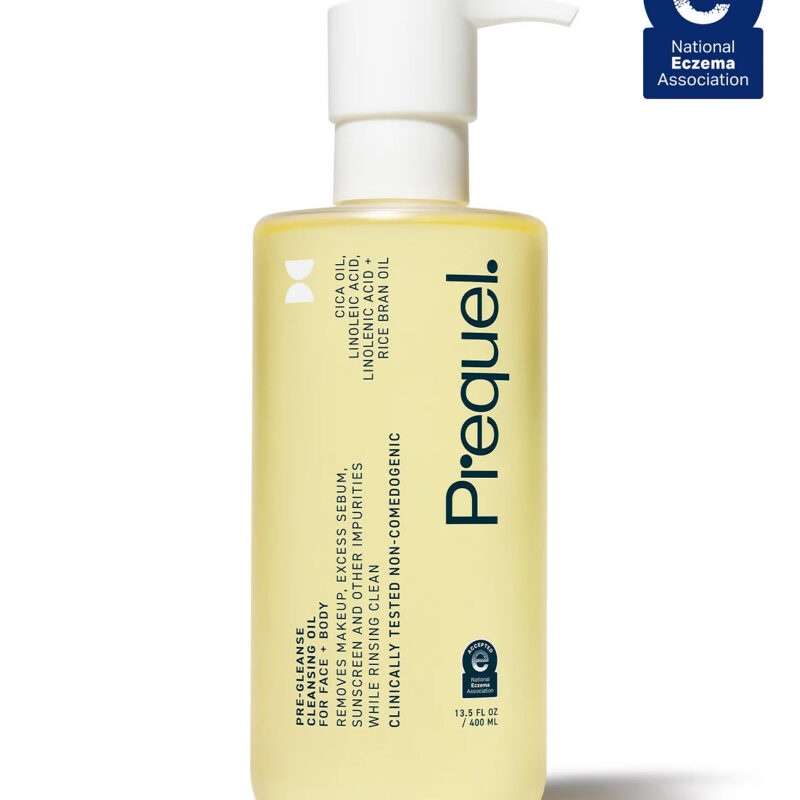 SHOP THE ITEM →
PRE-GLEANSE
$20.00 -
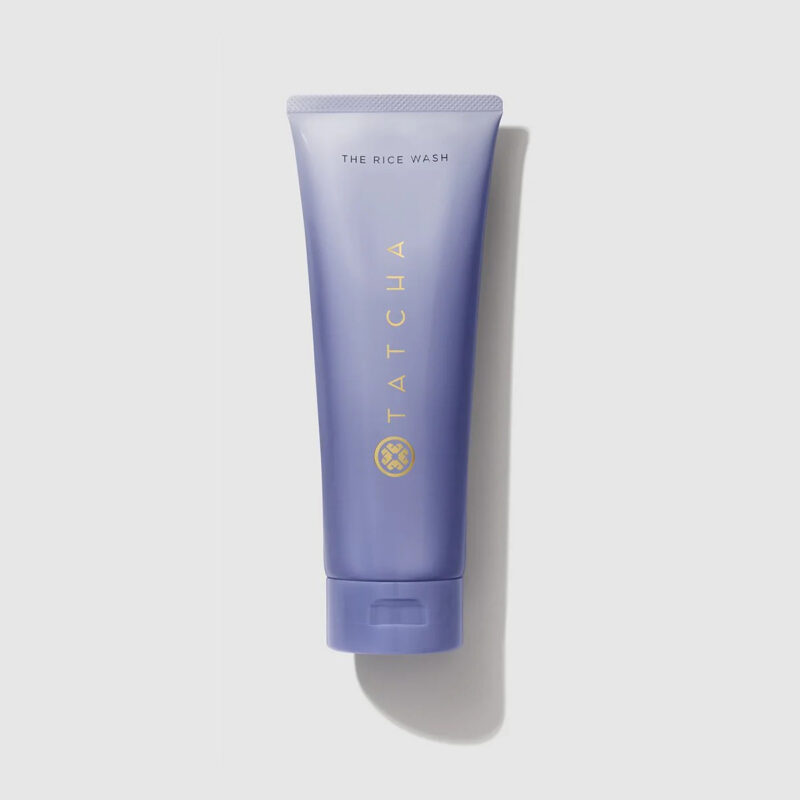 SHOP THE ITEM →
The Rice Wash
$19.00 -
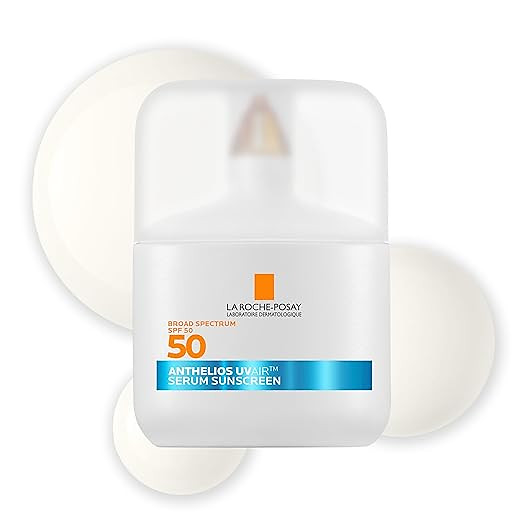 SHOP THE ITEM →
La Roche-Posay Anthelios UVAir Sunscreen Serum SPF 50 for Sensitive Skin, with Niacinamide, Hyalu…
$39.99 -
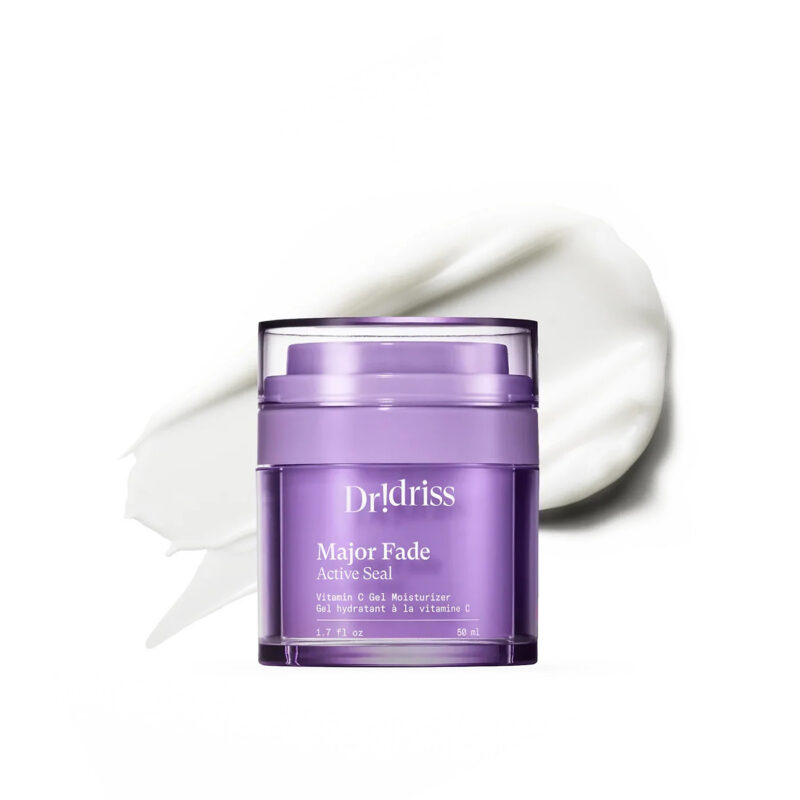 SHOP THE ITEM →
Major Fade Active Seal Vitamin C + Glutathione Moisturizer for Dark Spots & Hyperpigmentation
$58.00 -
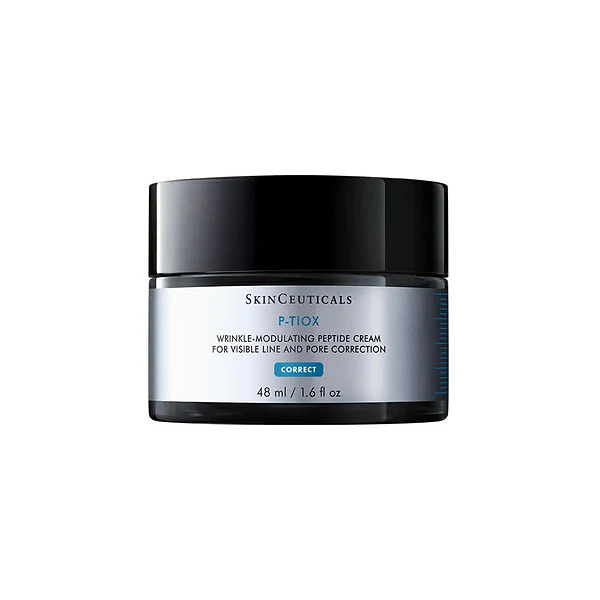 SHOP THE ITEM →
P-TIOX Wrinkle-Modulating Peptide Cream – SkinCeuticals
$150.00 -
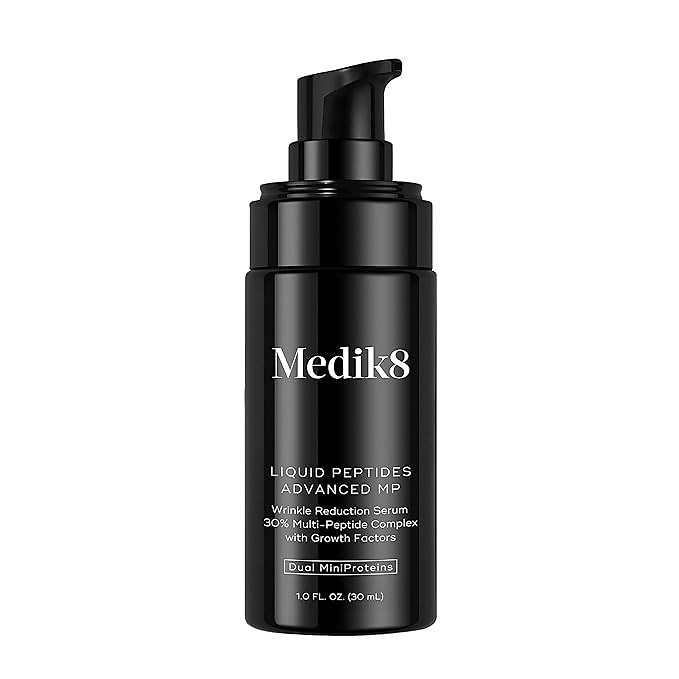 SHOP THE ITEM →
Medik8 Liquid Peptides Advanced MP – Peptide Serum – Face Serum for Wrinkle Reduction – Hydrating…
$4.40 -
 SHOP THE ITEM →
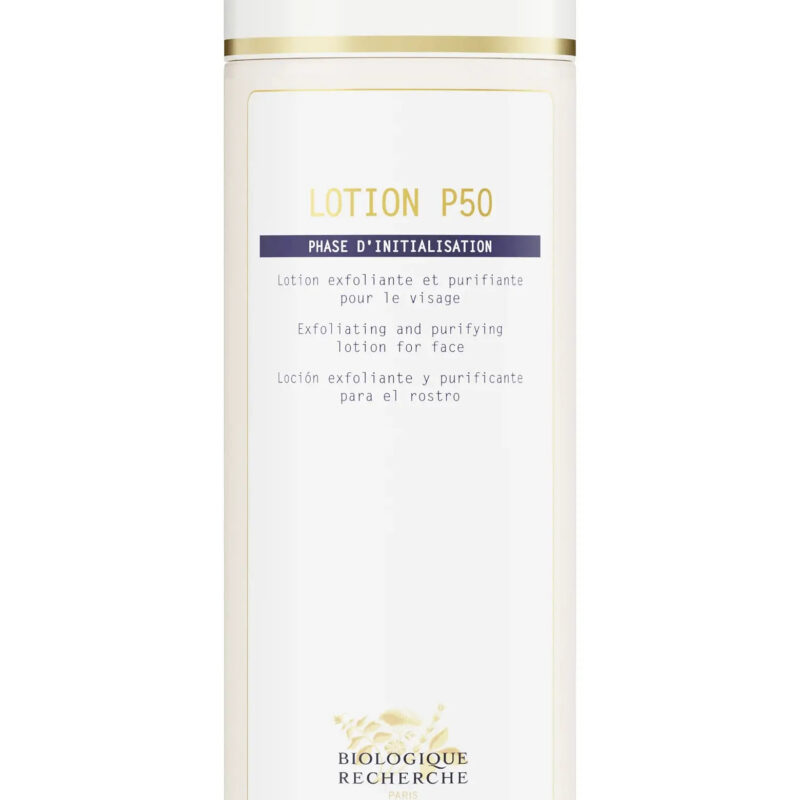
Biologique Recherche Lotion P50 Exfoliating Toner (Women) | Nordstrom
$45.00 -
 SHOP THE ITEM →
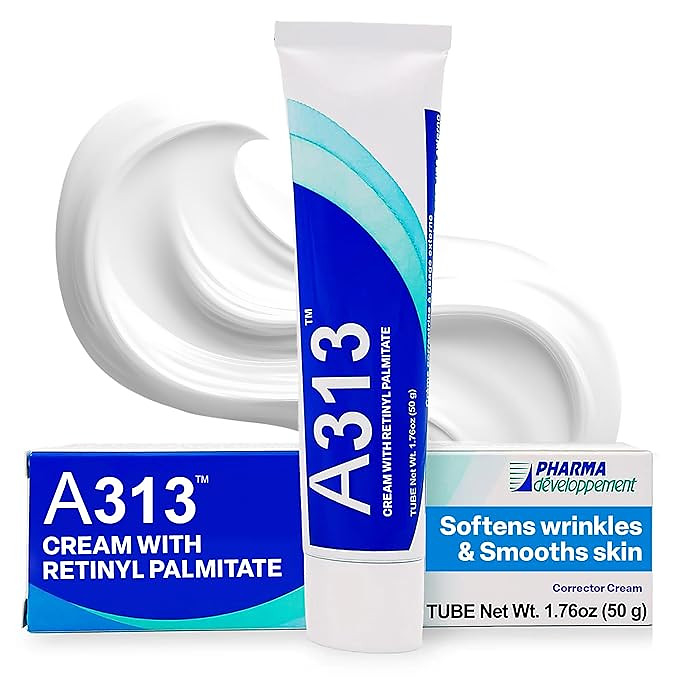
A313 Vitamin A Pommade (Ointment) 200,000 IU – French Dermatological Night Treatment – Rich O…
$44.00 -
 SHOP THE ITEM →
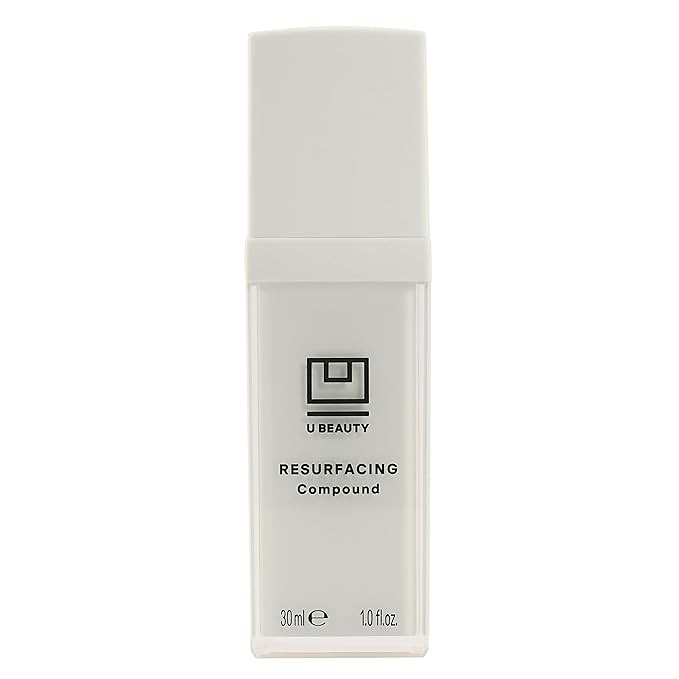
U Beauty Resurfacing Compound Serum – Renew & Illuminate Face Serum – Advanced 8-in-1 Formula wit…
$4.40 -
 SHOP THE ITEM →
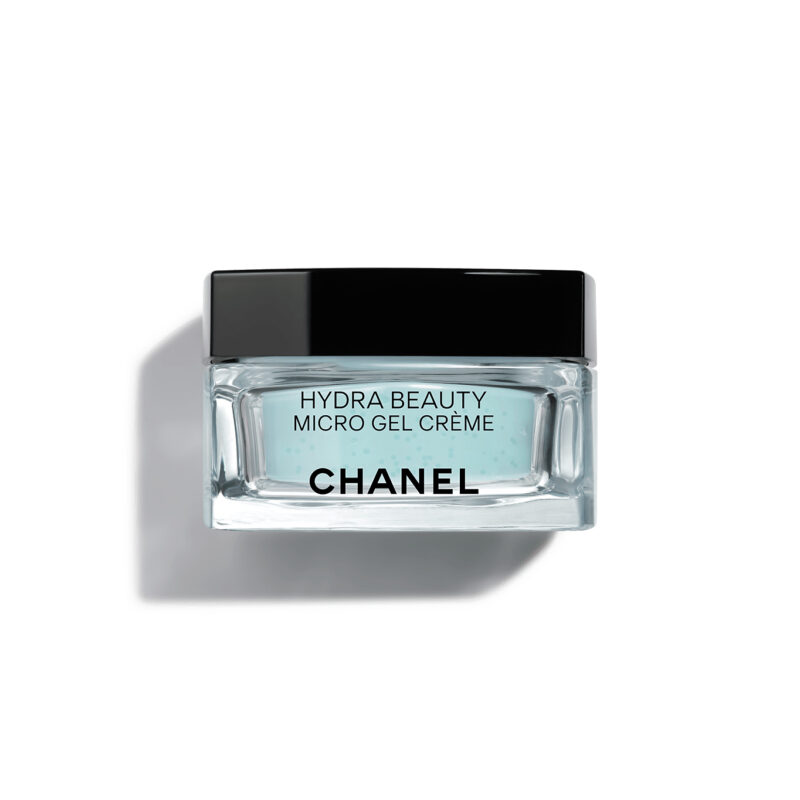
HYDRA BEAUTY MICRO GEL CRÈME Fortifying Replenishing Hydration | CHANEL
$110.00 -
 SHOP THE ITEM →
Sunday Riley A+ High-Dose Retinoid Serum – 1 fl oz – Ulta Beauty: Smoothing, Anti-Aging, Paraben-…
$85.00 -
 SHOP THE ITEM →
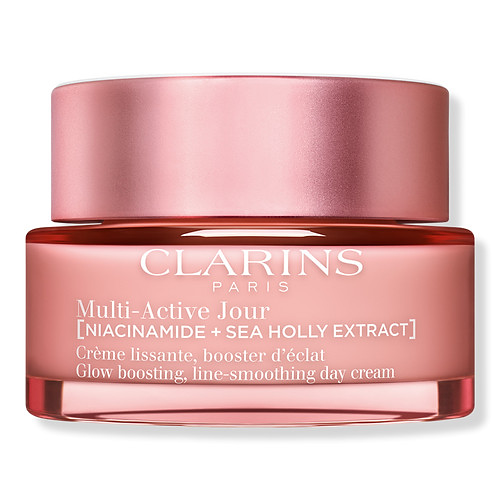
Multi-Active Day Moisturizer for Lines and Glow with Niacinamide
$62.00 -
 SHOP THE ITEM →
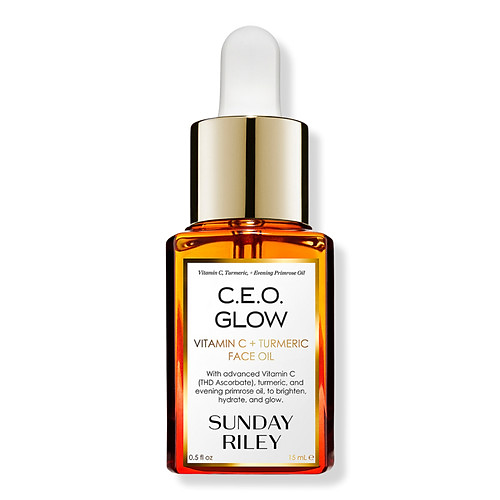
C.E.O. Glow Vitamin C and Turmeric Face Oil
$40.00 -
 SHOP THE ITEM →
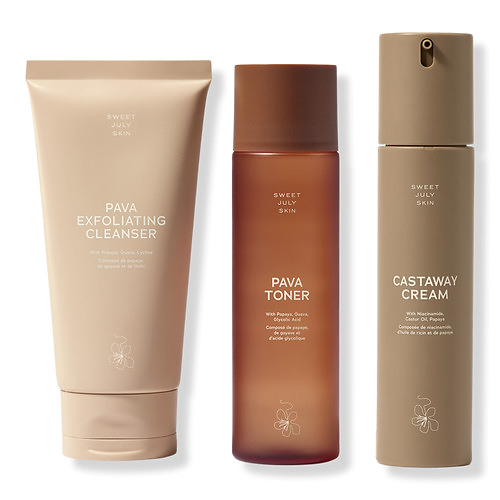
Vacation Skin Starter Set
$78.00 -
 SHOP THE ITEM →
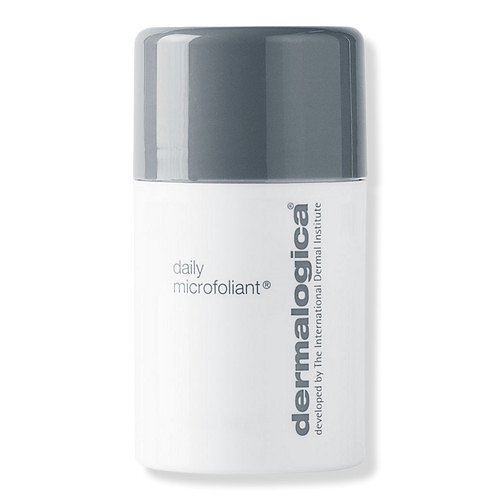
Daily Microfoliant Exfoliator
$19.50 -
 SHOP THE ITEM →
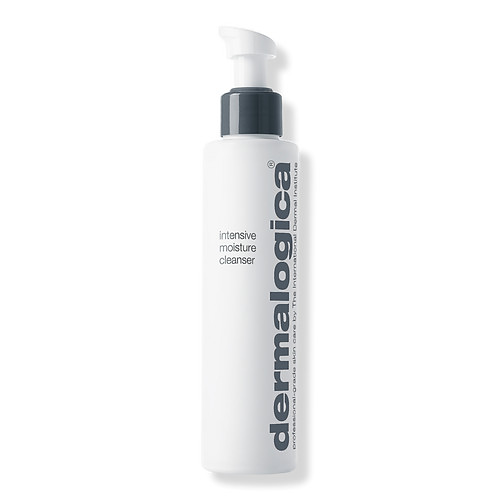
Intensive Moisture Cleanser
$49.00 -
 SHOP THE ITEM →
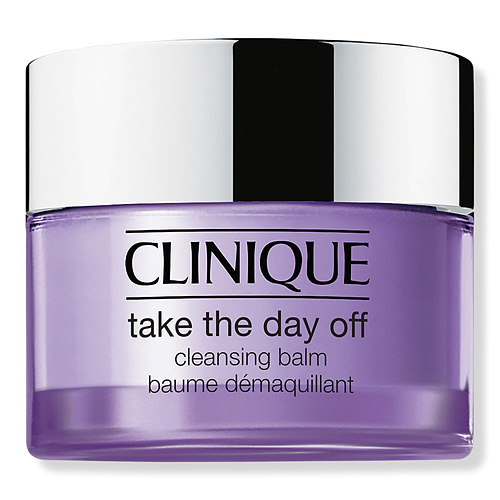
Take The Day Off Cleansing Balm Makeup Remover
$15.00 -
 SHOP THE ITEM →
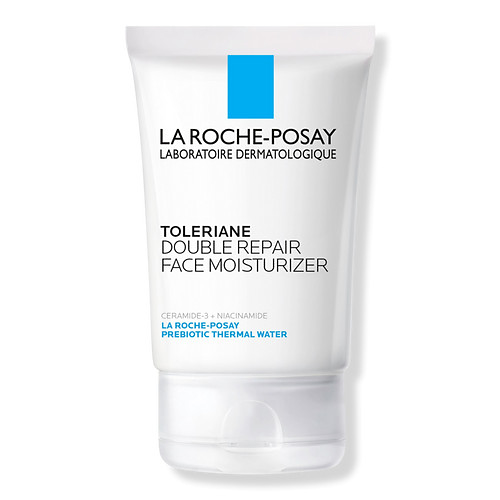
Toleriane Double Repair Face Moisturizer with Niacinamide
$12.99
You Might Also Enjoy
- Unlocking the Secrets to Sleep: How It Influences Women’s Health and Longevity
- Understanding Women’s Longevity: Insights from Health Research
- 25 Things to Let Go of for a Calm, Clutter-Free Home
- Did The Cashier Call Your A Señora? Don’t get mad, take the señora quiz
- Luxury Home Decor That Actually Looks Expensive (Without the Price Tag)