






This article may include affiliate links. We may earn a small commission if you shop through them.
Photo: daniela elena tentis
There is a moment, somewhere between the third bite of grilled fish and a second pour of wine, when you understand why researchers have spent decades studying the way people eat around the Mediterranean Sea. It is not a diet in the modern sense — no macros to calculate, no foods to fear, no Wednesday weigh-ins. It is a way of living that has sustained some of the longest-lived, healthiest populations on earth, and the science backing it up is among the most robust in nutritional research.
Here is what the research actually shows — and how to bring this way of eating into your own kitchen, wherever you live.
The Señora Edit
Discover the home, beauty, fashion, and wellness finds our readers are loving most this week.
Shop This Week’s Bestsellers →What the Mediterranean Diet Actually Is
The Mediterranean diet is not a single cuisine. It draws from the traditional eating patterns of more than twenty countries bordering the Mediterranean Sea — southern Italy, Greece, Spain, southern France, Morocco, Turkey, Lebanon — and what they share matters more than where they differ.
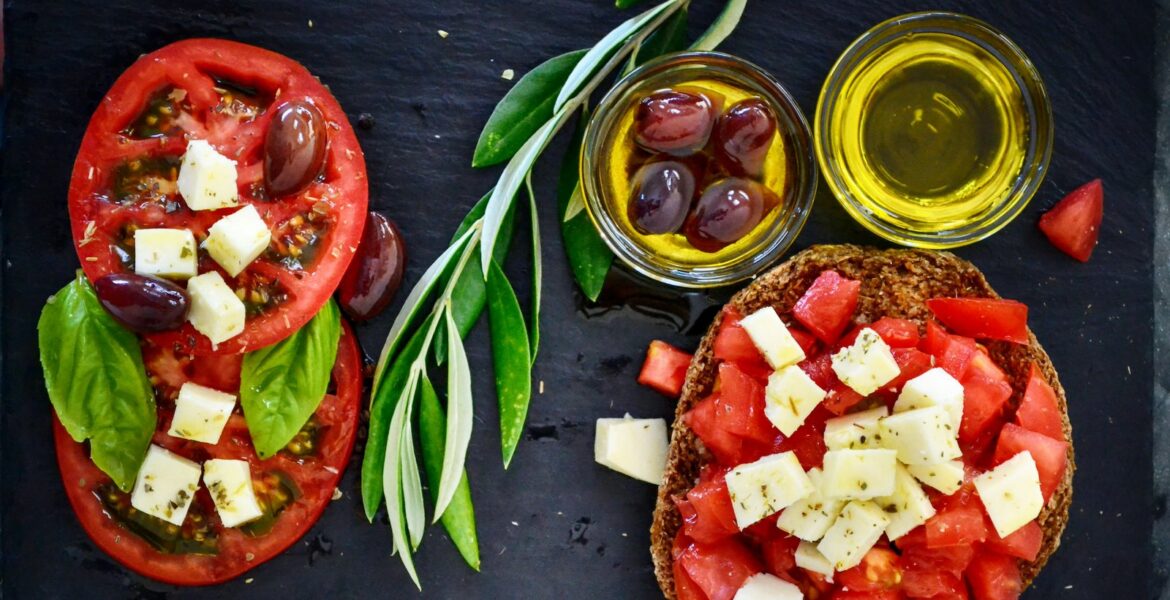
The foundation is almost entirely plant-based: vegetables, fruits, whole grains, legumes, nuts, and seeds eaten abundantly, at every meal. Olive oil is the primary fat — used generously for cooking, drizzling, and finishing. Fish and seafood appear several times a week. Poultry, eggs, and dairy (mainly yogurt and aged cheese) are eaten in moderate amounts. Red meat appears occasionally, as a flavoring or a special occasion meal, not a daily centerpiece. Wine, when consumed, is enjoyed in moderation with food.
What is equally important, and often overlooked by Americans adopting the diet, is the surrounding culture: meals eaten slowly, with others, without screens. Seasonal and local ingredients. An afternoon rest. A walk after dinner. The research suggests these habits are not incidental — they are part of why it works.
The Research That Changed How Doctors Think About Diet
For decades, the dominant nutritional advice was to reduce fat — all fat. The Mediterranean diet, rich in olive oil and nuts, ran directly counter to that guidance. What changed the conversation was a landmark clinical trial called PREDIMED.
The PREDIMED study (Prevención con Dieta Mediterránea) enrolled over 7,400 participants across Spain, all of them at high cardiovascular risk. Participants were randomly assigned to one of three groups: a Mediterranean diet supplemented with extra-virgin olive oil, a Mediterranean diet supplemented with nuts, or a low-fat control diet. The trial was stopped early — after nearly five years — because the results were so clear. Those following the Mediterranean diet had a 30 percent lower risk of major cardiovascular events, including heart attack and stroke, compared to the control group. The findings were published in the New England Journal of Medicine in 2013 and became one of the most cited nutrition studies in history.
Earlier evidence came from the Lyon Diet Heart Study, a French trial from the 1990s that followed heart attack survivors. Those assigned to a Mediterranean-style diet had a 72 percent reduction in cardiac death and nonfatal heart attack over four years compared to those eating a standard Western diet — a difference so striking that this trial was also stopped early on ethical grounds, because withholding the diet from the control group no longer seemed justifiable.
Together, these trials moved the Mediterranean diet from folk wisdom to clinical recommendation. It has since been ranked the number one overall diet by U.S. News and World Report for seven consecutive years — not because of hype, but because the evidence base is unusually strong.
What It Does for Your Heart
The cardiovascular benefits of the Mediterranean diet come from multiple directions at once, which is part of why it outperforms diets that target only one mechanism.
Olive oil is the centerpiece. Extra-virgin olive oil is rich in oleic acid, a monounsaturated fat that raises HDL (good) cholesterol while lowering LDL (bad) cholesterol. But what makes it genuinely remarkable is its polyphenol content — particularly oleocanthal, a compound that inhibits the same inflammatory enzymes as ibuprofen, and oleuropein, linked to lower blood pressure. These effects are not theoretical; they show up in bloodwork and in long-term outcome studies.
The omega-3 fatty acids from fish — particularly EPA and DHA found in fatty fish like sardines, mackerel, anchovies, and salmon — reduce triglycerides, lower inflammation, and decrease the risk of dangerous heart arrhythmias. The legumes and whole grains provide soluble fiber, which binds to cholesterol in the digestive tract and carries it out of the body. The fruits and vegetables contribute potassium, which helps regulate blood pressure, and a broad spectrum of antioxidants that protect arterial walls from oxidative damage.
No single food is responsible for the effect. The diet works because all of these components work together.
Brain Health and Cognitive Protection
Some of the most compelling emerging research concerns what the Mediterranean diet does for the brain over time.
Several large observational studies have found that people who closely follow a Mediterranean eating pattern show slower rates of cognitive decline as they age and have a meaningfully lower risk of developing Alzheimer’s disease. A hybrid version of the diet — the MIND diet, developed at Rush University Medical Center — was specifically designed to maximize neuroprotective effects. A study of over 900 older adults found that those with the highest MIND diet adherence had cognitive abilities equivalent to someone 7.5 years younger than those with the lowest adherence.
Researchers believe several mechanisms are at work. The anti-inflammatory compounds in olive oil and leafy greens help reduce neuroinflammation, which is implicated in Alzheimer’s progression. The omega-3 fatty acids from fish support the structural integrity of brain cell membranes. The B vitamins in whole grains and legumes help control homocysteine, an amino acid that at high levels is associated with brain shrinkage and cognitive decline. And the antioxidants throughout the diet — from berries, dark leafy greens, and olive oil — protect neurons from oxidative stress.
The evidence is not yet strong enough to say the Mediterranean diet prevents Alzheimer’s with certainty — this is still an active area of research. But it is strong enough that many neurologists now routinely recommend it to patients concerned about cognitive aging.
Blood Sugar, Weight, and Metabolic Health
The Mediterranean diet was not designed as a weight-loss diet, but it consistently performs well in studies comparing it to other eating patterns for long-term weight management. The reasons make intuitive sense: the diet is high in fiber and healthy fat, both of which slow digestion and promote sustained satiety. It is low in refined carbohydrates and added sugar. It naturally discourages the ultra-processed foods that drive overeating.
For blood sugar, the evidence is also favorable. Multiple studies have found that the Mediterranean diet improves insulin sensitivity and reduces fasting blood glucose levels. A large 2020 review found that it significantly lowered the risk of developing type 2 diabetes — by about 19 percent — compared to control diets. For people already living with type 2 diabetes, it has been shown to reduce HbA1c levels and, in some studies, reduce the need for diabetes medication.
The mechanism here is partly about what the diet contains and partly about what it replaces. When refined carbohydrates and processed foods are displaced by whole grains, legumes, and vegetables, blood sugar response is naturally more stable.
The Anti-Inflammatory Foundation
Chronic low-grade inflammation is now understood to be a driver of most of the major diseases of aging: heart disease, type 2 diabetes, Alzheimer’s, certain cancers, autoimmune conditions. The Mediterranean diet is, at its core, a powerfully anti-inflammatory way of eating.
Olive oil polyphenols, omega-3 fatty acids, the anthocyanins in berries, the quercetin in onions and apples, the resveratrol in red wine, the fiber that feeds anti-inflammatory gut bacteria — every major component of the diet contributes to reducing the inflammatory markers that circulate in the blood and damage tissues over decades.
People with inflammatory conditions — rheumatoid arthritis, inflammatory bowel disease, psoriasis — frequently report that their symptoms improve when they shift toward Mediterranean eating. The research supports this: several studies have found reduced levels of C-reactive protein and interleukin-6 (key inflammatory markers) in people who follow the diet consistently.
How to Actually Eat This Way
The Mediterranean diet does not require expensive specialty foods or a move to Sicily. It requires a shift in proportion and priority — what occupies the center of the plate, and how often.
Start with olive oil. Replace butter, vegetable oil, and cooking sprays with extra-virgin olive oil. Use it freely — for sautéing vegetables, drizzling over salads, finishing soups. Do not be afraid of the fat; this is a foundational part of how the diet works.
Make vegetables the main event. At least half your plate, at every meal. Not as a side, not as a garnish — as the point. Roasted, braised, raw, marinated. Season them well, cook them in olive oil, and let them be interesting.
Eat fish twice a week. Sardines, anchovies, and mackerel are the most affordable and also among the richest in omega-3s. Salmon is excellent. Even canned fish — sardines packed in olive oil, good tuna — counts and is far easier to incorporate than most people think.
Rely on legumes. Chickpeas, white beans, lentils, and cannellini beans are pantry staples throughout the Mediterranean region for a reason — they are filling, affordable, anti-inflammatory, high in fiber and protein, and genuinely delicious when cooked well. A pot of white beans braised with olive oil, rosemary, and garlic is one of the simplest and best things you can eat.
Switch to whole grains. Sourdough bread (real, long-fermented sourdough), farro, barley, bulgur, and whole grain pasta instead of refined white versions. These digest more slowly and carry far more nutritional value.
Eat fruit for dessert. A bowl of stone fruit in summer, sliced oranges with a drizzle of honey in winter, figs with a piece of aged cheese. Not every night requires baking.
Reduce red meat to once a week or less. When you do eat it, treat it as a flavor rather than the centerpiece — a small amount of prosciutto with melon, a bolognese stretched with lentils.
Slow down. Eat at a table. Make meals social when possible. The Mediterranean diet was never eaten in a car or in front of a laptop, and part of its benefit — both physiological and psychological — comes from the pace and attention that surrounds it.
FAQs About the Mediterranean Diet
Is the Mediterranean Diet suitable for vegetarians or vegans?
Very much so. The diet is already predominantly plant-based; fish and dairy are moderate additions, not requirements. Vegetarians following the Mediterranean pattern can get complete protein and omega-3s from legumes, nuts, seeds, and eggs. Vegans can supplement with algae-derived omega-3s (the original source that fish accumulate from) and ensure they are getting enough B12, iron, and calcium through food or supplementation.
Does it actually help with weight loss?
It often does, though that is not its primary design. Because the diet is high in fiber, healthy fat, and protein from legumes and fish, most people naturally eat less without counting anything. The research shows it performs comparably or better than low-fat diets for long-term weight maintenance — and people are far more likely to stick with it because the food is genuinely satisfying.
Do I have to drink wine?
No. Moderate red wine consumption is traditional in parts of the Mediterranean, and some research does associate it with cardiovascular benefit — but the evidence is mixed enough that no doctor recommends starting to drink for health reasons. If you drink wine and enjoy it, moderate consumption with food is fine. If you do not drink, the rest of the diet delivers its benefits without it.
How quickly will I see results?
Some markers — fasting blood sugar, blood pressure, inflammatory markers — can shift within a few weeks of consistent eating. Others, like cardiovascular risk and cognitive protection, build over years. The PREDIMED trial showed significant risk reduction after an average of five years. Think of this less as a short-term protocol and more as a lifelong pattern of eating that compounds over time.
What does a typical Mediterranean day of eating look like?
Breakfast might be Greek yogurt with a handful of walnuts and a drizzle of honey, or sourdough toast with olive oil and sliced tomato. Lunch is often the largest meal — a large salad with chickpeas, cucumber, olive oil, and feta; a bowl of lentil soup with crusty bread; or grilled fish with roasted vegetables. Dinner is lighter: a plate of white beans with wilted greens, or an omelet with whatever vegetables are on hand. A piece of fruit, some cheese, a small square of dark chocolate. A glass of wine, if you like. No hunger, no deprivation.
The Mediterranean diet endures not because it is trendy but because it is genuinely good — both in the scientific sense and in the sense that matters most at the table. The research is among the most consistent and compelling in all of nutrition science. The food is delicious. And the way of life it represents — unhurried, social, seasonal, rooted in pleasure as much as health — is one many of us are quietly hungry for.
Shop This Week’s Bestsellers
Discover the home, beauty, fashion, and wellness finds our readers are loving most.
Shop Bestsellers →-
 Shop the Item
Bistro Tile Stoneware 24k Gold Accent Garden Hook Anthropologie
$20.00 -
 Shop the Item
Coralie Striped Lumbar Pillow Cover
$89.50 -
 Shop the Item
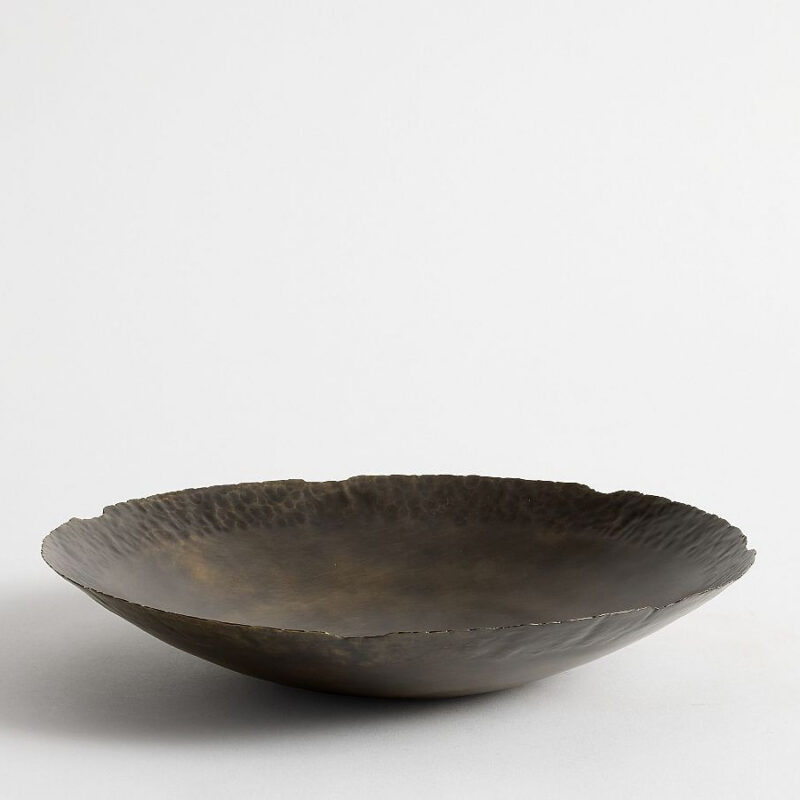
Antique Black Iron Decorative Bowl
$29.50 -
 Shop the Item
LoveShackFancy Pink Damask Floral Mackenzie Backpack
$69.50 -
 Shop the Item
Gear-Up Pink Palm Puff Lavender Backpack and Lunch Box Bundle, Set of 2
$119.00 -
 Shop the Item
Gear-Up Pink Palm Puff Backpack, Large
$39.50 -
 Shop the Item
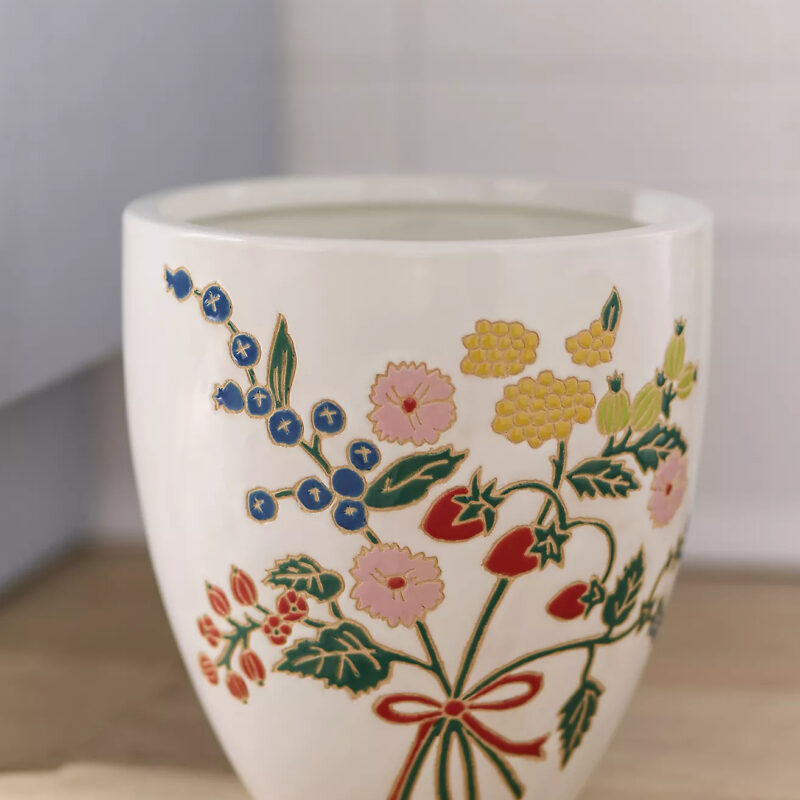
Hand-Painted Ceramic Waste Bin
$68.00 -
 Shop the Item
The Annie Cowgirl Boot – Ombre suede | Tecovas
-
 Shop the Item
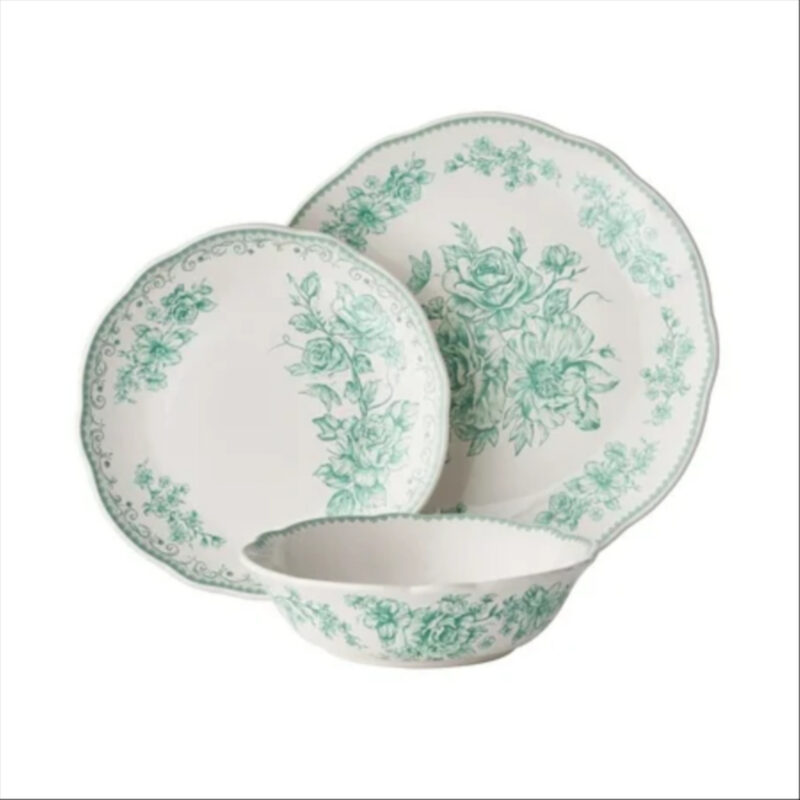
The Pioneer Woman Agatha 12-Piece Stoneware Dinnerware Set, Green
-
 Shop the Item
LoveShackFancy Wicker Swivel Outdoor Lounge Chair
-
 Shop the Item
Airstream Outdoor Melamine Dinnerware Collection
-
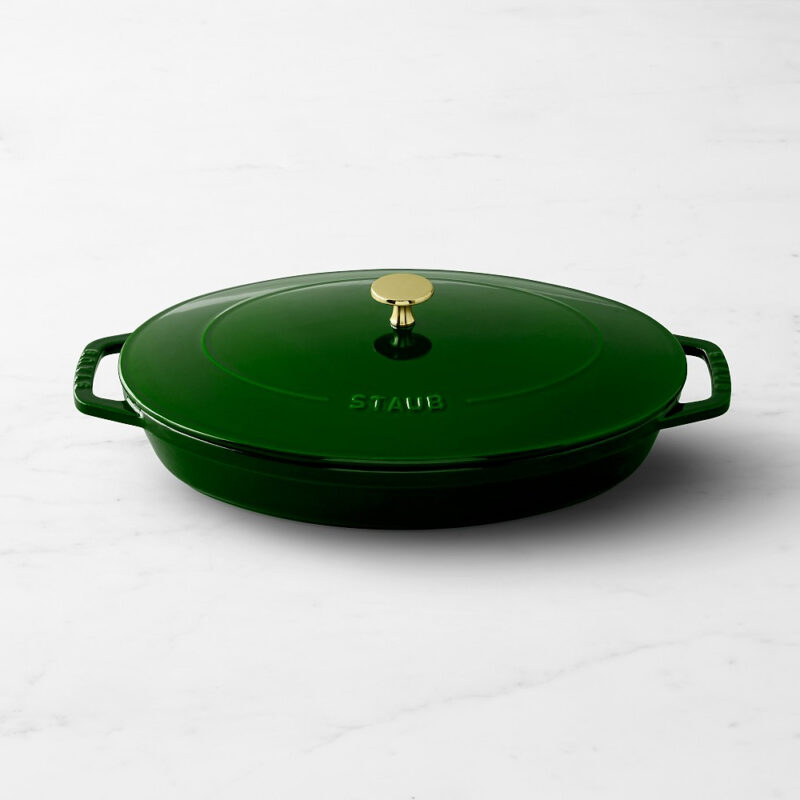 Shop the Item
Staub Enameled Cast Iron Oval Gratin with Lid, 2.25 Qt. Staub Basil with Brass
-
 Shop the Item
LoveShackFancyTufted Swivel Vanity Chair
-
 Shop the Item
LoveShackFancy Skirted Oval Storage Bench (33.5")
-
 Shop the Item
Granada Sham
-
 Shop the Item
Monique Lhuillier Garden Trellis Appetizer Plates – Set of 4
-
 Shop the Item
Kravet Arboretum Stoneware Dinnerware Sets
-
 Shop the Item
Jenny Martinez 16-pc. Stoneware Dinnerware Set, One Size, Blue
-
 Shop the Item
Devin Embroidered Love Quilted Sham
$69.00 -
 Shop the Item
Emilia Ceramic Collection
-
 Shop the Item
Kravet Meadowlark Hand-Painted Vase
-
 Shop the Item
Kravet Rosehill Stoneware Pitcher
-
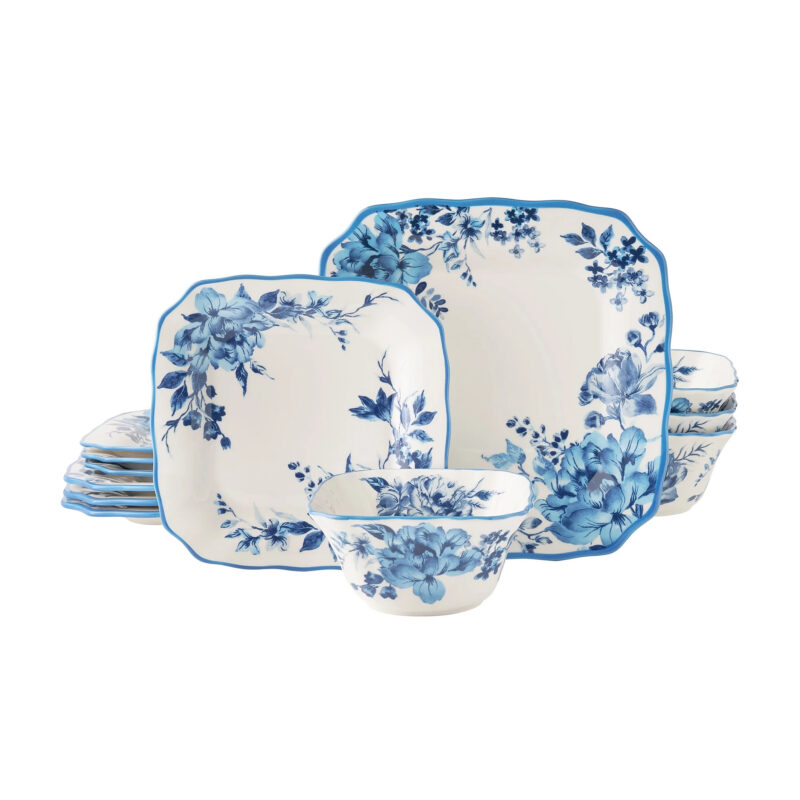 Shop the Item
The Pioneer Woman Delilah 12-Piece Stoneware Dinnerware Set, Blue – Walmart.com
-
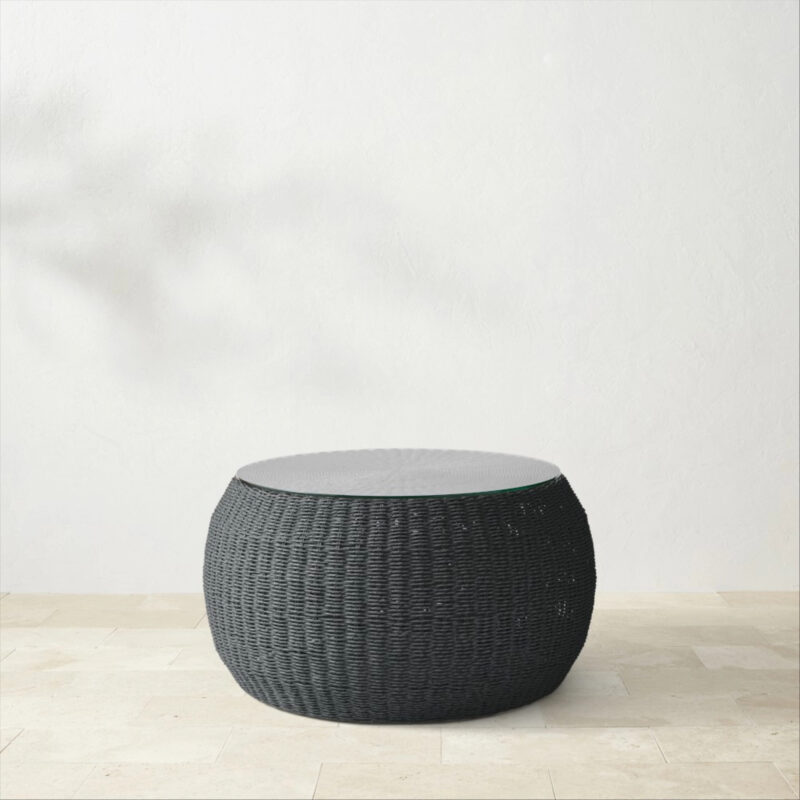 Shop the Item
Anders Outdoor Coffee Table (30"), Black
-
 Shop the Item
Famille Rose Goblets, 10-oz
-
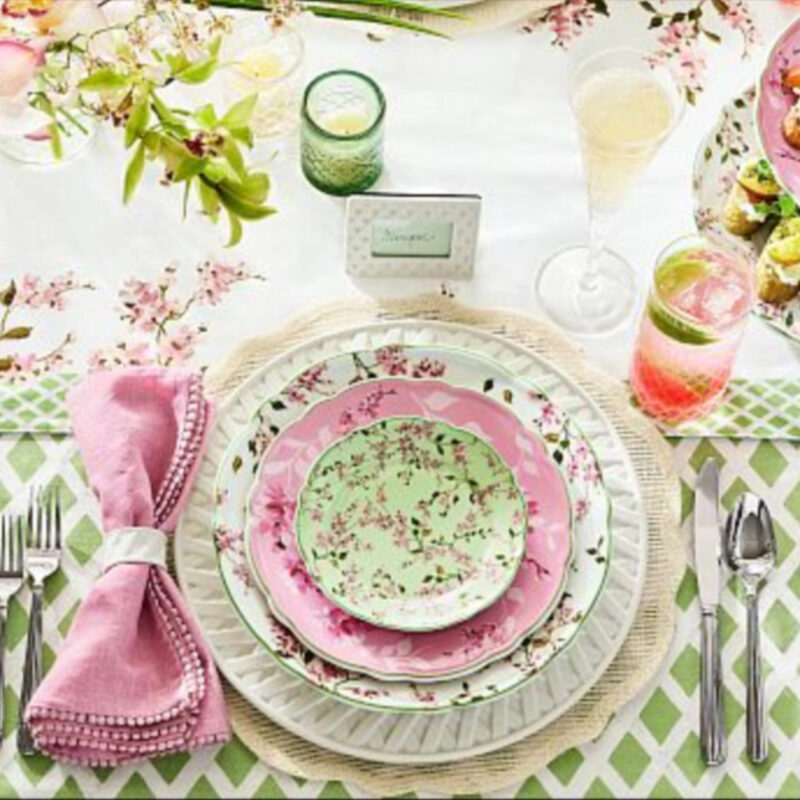 Shop the Item
Pottery Barn Monique Lhuillier Garden Trellis Appetizer Plates – Set of 4
$79.00 -
 Shop the Item
Maeve by Anthropologie Brynne Cotton Percale Stripe Tie Printed Euro Sham
-
 Shop the Item
Serena & Lily Green Boat by Leslee Mitchell
-
 Shop the Item
Serena & Lily Emerald Island by Gina Gaetz
-
 Shop the Item
Serena & Lily Granada Sham
You Might Also Enjoy
- The Coziest Gift You Can Make at Home: Rosemary Body Butter
- I Asked a Pediatrician If My Family’s Eating Habits Were Ruining My Kids’ Health — Here’s What He Said
- The Best Plants for Home Decor That Make Every Room Look More Expensive
- How to Make Your Own Nut Butter at Home (All You Need Is an Oven & a Food Processor)
- How to Style a Garden-Inspired Home: Kravet, Serena & Lily & Puebla Collection