






This article may include affiliate links. We may earn a small commission if you shop through them.
Expert Perspective: This article features a conversation with Dr. Sue Hwang, radiation oncologist and author. The views shared are her professional opinions and personal experiences — they are not endorsements by Señora Era and do not constitute medical advice. Always verify health claims with a licensed healthcare professional before following any recommendations.
Disclosure & Disclaimer: We earn affiliate commissions from links on this page, which helps fund our site. These are products we personally selected and tested. Individual results vary. We are not medical professionals and these recommendations are not medical advice. Consult a healthcare provider before using any product, especially if you have allergies, sensitivities, or existing health conditions. Full disclosure →
What happens when a radiation oncologist is diagnosed with breast cancer?
Dr. Sue Hwang, radiation oncologist and author of From Both Sides of the Curtain, spent years guiding women through their wellness journeys before she was hit with some difficult news of her own: “The ultrasound showed five masses in your breast… And there’s a lymph node that looks a little abnormal.”
Within hours, she went from being Dr. Hwang, a confident and booming radiation oncologist, to Sue, a scared patient.
After embarking on her own transformative health experience, she has come out the other side stronger and more in tune with what it takes to take care of our bodies during times of great stress.
Here, she shares her hard-won wisdom on energy conservation, preventive care as self-care, and building sustainable routines that honor the body’s innate intelligence.

When your body asked you to slow down, what daily rituals helped you honor its needs while still showing up for what mattered most?
For me, it was about getting radically clear on my priorities—my children’s well-being and my work—and protecting those with fierce boundaries. Both require tremendous energy even on the best days, so when my body was asking for deep rest and restoration, I had to master the art of saying no. The beautiful thing that emerged was a community care ecosystem. My friends organized a meal train that nourished my whole family. My children stepped into new levels of capability and connection, keeping our home humming. My partners at work held space for me in the most generous way, offering to see patients whenever I needed to honor my body’s call for rest. The hardest part? Learning to receive. As someone who thrives on independence, accepting help felt vulnerable. But I came to understand that receiving support with grace is its own form of strength—and it allows others the gift of giving.What would you tell women to set up proactively—not just physically, but energetically—when preparing for a major life transition or health reset?
I transformed my bedroom into a true sanctuary—a recovery cocoon. The game-changer was bringing in a recliner, which became my healing throne during those early weeks when sleeping flat wasn’t possible. I created a little wellness station on my nightstand: filtered water, nourishing snacks, healing supplements, and yes, the TV remote—because rest includes joy and distraction when you need it. I also stocked up on what I call ‘dignity essentials’—loose, front-closing clothing that honored my body’s new needs, and self-care staples like dry shampoo and cleansing wipes that helped me maintain a sense of myself during the most vulnerable moments. These aren’t luxuries; they’re tools for preserving your autonomy and self-recognition during transformation.You’ve said that recovery isn’t a race. How do you read your body’s signals now to know when to embrace restorative rest versus energizing movement?
I’ve developed this beautiful intimacy with my body’s language. There are physical cues—waking up truly depleted after a demanding day and poor sleep tells me to move slowly and gently that day. But waking up with mild tiredness after deep, restorative sleep? That’s my body saying it has the reserves to meet the day with energy. The emotional and mental signals are equally important. Feeling overwhelmed, irritable, or scattered? Time to clear my calendar and create breathing room. But that productive kind of anxious energy—the one that coexists with clarity and motivation? That’s when I lean in and trust my capacity to move forward.
Your body went through an abrupt hormonal shift. What lifestyle alchemy helped you not just survive but thrive through this transition?
The most profound symptoms—the deep fatigue, brain fog, physical weakness, the hot flashes and weight shifts—all demanded that I completely reimagine my relationship with daily living. What emerged was a holistic wellness practice built on non-negotiable pillars. Sleep became sacred—seven to eight hours, prioritized above almost everything else. I actually started finding joy in early bedtimes rather than late nights out. Movement shifted from ‘if I have time’ to essential medicine—at least five times weekly. My plate transformed into a celebration of whole foods, fiber-rich abundance, and minimal processing. I also reconsidered my relationship with alcohol, moving it from regular ritual to rare occasion. And perhaps most radically, I learned to cherish stillness—what I call the art of productive nothingness. These aren’t restrictions; they’re love notes to my body, helping me not just survive but flourish through this major transition. “Preventive care isn’t about searching for something wrong—it’s about investing in your future independence. It’s choosing to be the one in control, rather than letting your body dictate the terms.”As both a survivor and a physician, what are your absolute non-negotiables for protecting your vitality in a regular week?
Three pillars hold everything else up: seven to eight hours of quality sleep nightly, movement at least five times per week, and carefully curated work boundaries. To honor these, I’ve become masterful at the word ‘no.’ Before my health journey, I said yes constantly—not wanting to seem difficult or uncooperative. But now I understand at a cellular level that my time and energy are finite and precious. Saying no isn’t selfish—it’s the most essential form of self-preservation, both mentally and physically. Every no to something misaligned is a yes to my well-being.How can women reframe preventive care not as something to fear but as a powerful act of self-love and autonomy?
I invite women to see preventive care not as a hunt for what’s wrong, but as an investment in future freedom and independence. It’s fundamentally about shifting from a reactive state—where your body controls you—to a proactive one, where you’re the architect of your own wellness. Think about the oxygen mask demonstration on airplanes. They always tell you to secure your own mask before helping others, because if you can’t breathe, you can’t be of service. Similarly, if women skip preventive care, eventually they won’t be healthy enough to show up for their families, their work, their purpose. Routine screenings, annual check-ups, body literacy—these aren’t obligations or sources of anxiety. They’re radical acts of self-care that ensure you remain vital, present, and empowered for all the people and purposes that need you most. They’re how you stay in the driver’s seat of your own life.Shop This Week’s Bestsellers
Discover the home, beauty, fashion, and wellness finds our readers are loving most.
Shop Bestsellers →-
 Shop the Item
Boden Women’s Swing Box Short Trench in Natural
$320.00 -
 Shop the Item
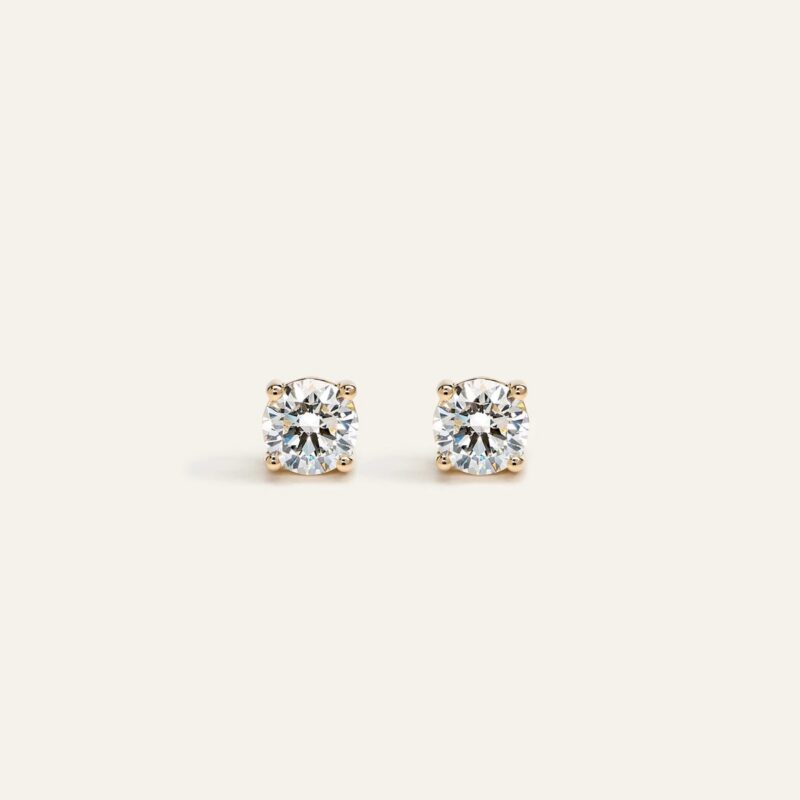
Quince | Women’s 14K Gold Lab Grown Diamond Solitaire Studs in White Gold
$498.00 -
 Shop the Item
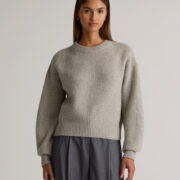
The Arden Crewneck Sweater in 100% Cotton
$98.00 -
 Shop the Item
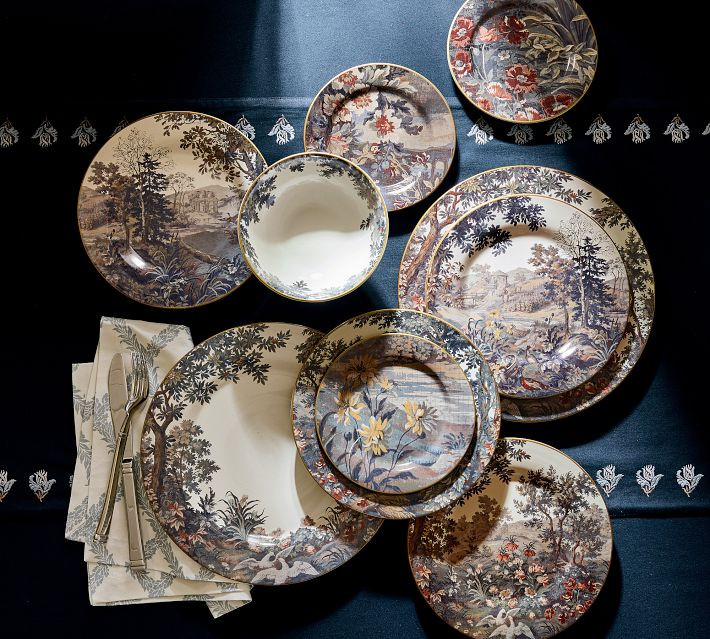
Pottery Barn Kravet Folly Scenic Stoneware Dinnerware Collection
$49.50 -
 Shop the Item
Pumpkin To Talk About Needlepoint Pillow
$98.00 -
 SHOP THE ITEM →
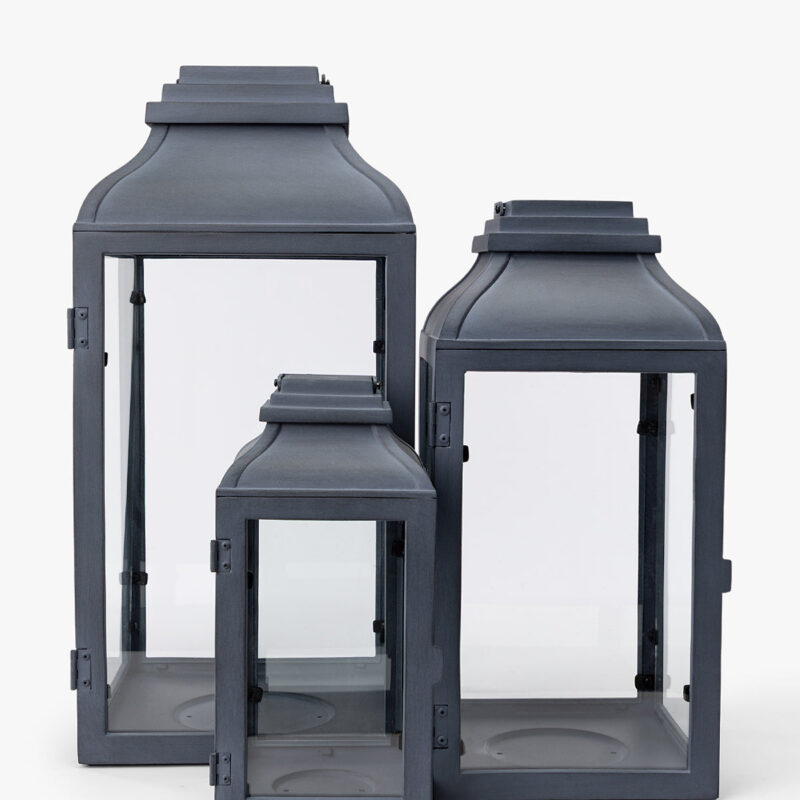
Hartwell Indoor/Outdoor Lantern McGee & Co
$358.00 -
 SHOP THE ITEM →
Bistro Tile Stoneware 24k Gold Accent Garden Hook Anthropologie
$20.00 -
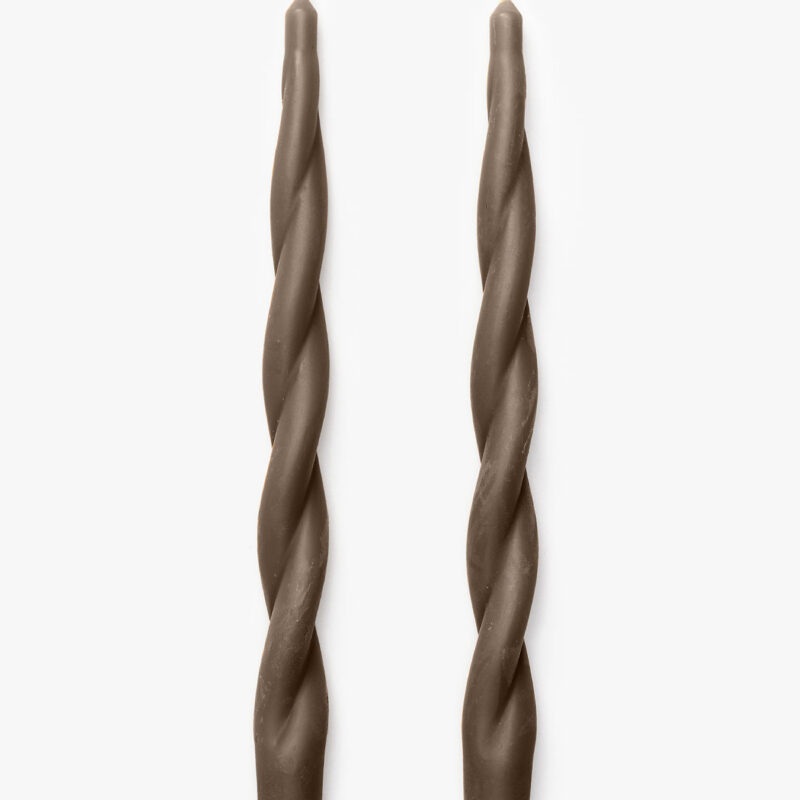 SHOP THE ITEM →
Brown Twisted Taper Candles (Set of 2) McGee & Co
$22.00 -
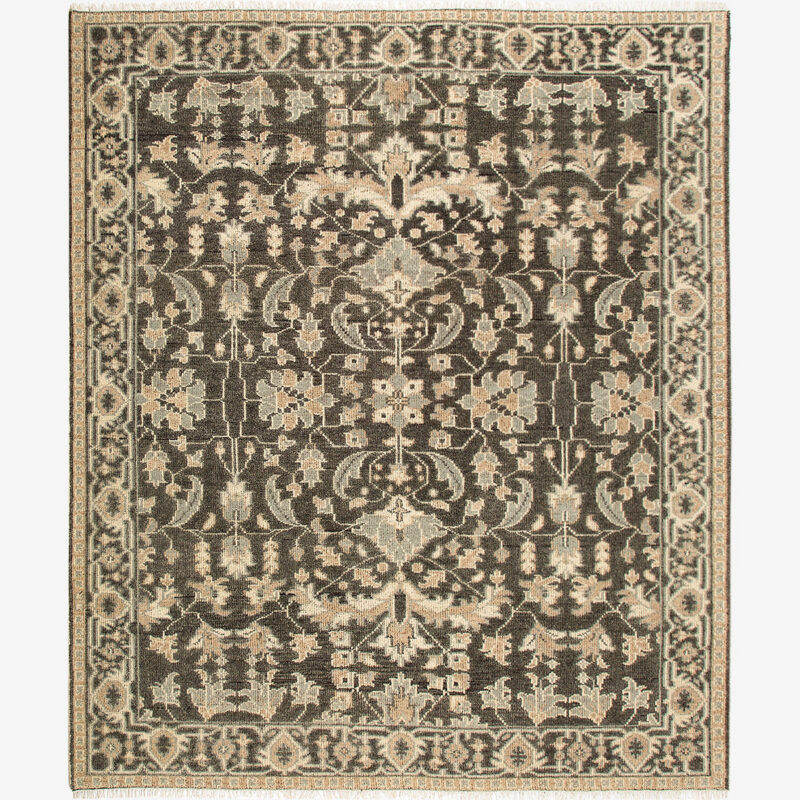 SHOP THE ITEM →
Wayland Hand-Knotted Wool Rug McGee & Co
$846.00 -
 SHOP THE ITEM →
Maeve Brynne Cotton Percale Stripe Tie Printed Duvet
$178.00 -
 SHOP THE ITEM →
Coralie Striped Lumbar Pillow Cover
$89.50 -
 SHOP THE ITEM →
Sand Ric Rac Tie Brocks Dress
$228.00 -
 SHOP THE ITEM →
Abstract Alps Como Dress
$298.00 -
 SHOP THE ITEM →
Wine Pleated Sleeveless Midi Dress Moon River
$118.00 -
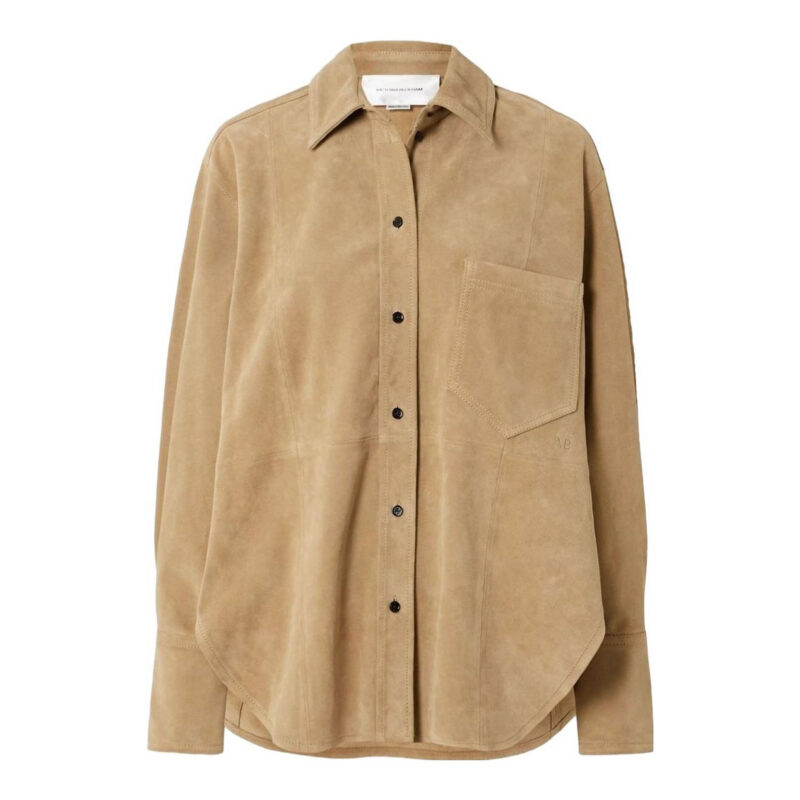 SHOP THE ITEM →
VICTORIA BECKHAM – Suede Shirt
-
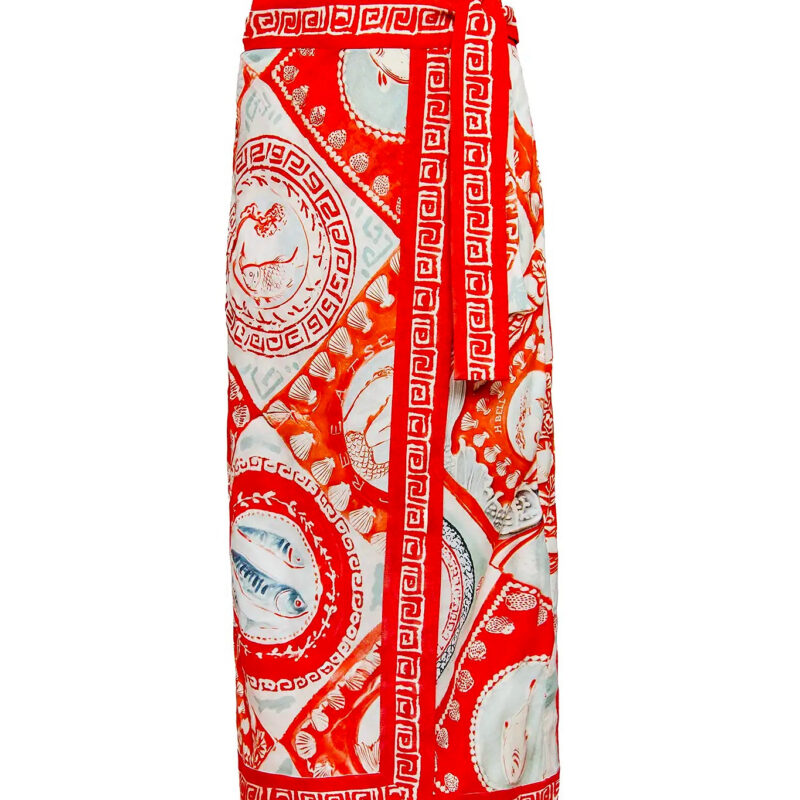 SHOP THE ITEM →
Paloma Wrap Skirt in Lost At Sea Hunter bell
$445.00 -
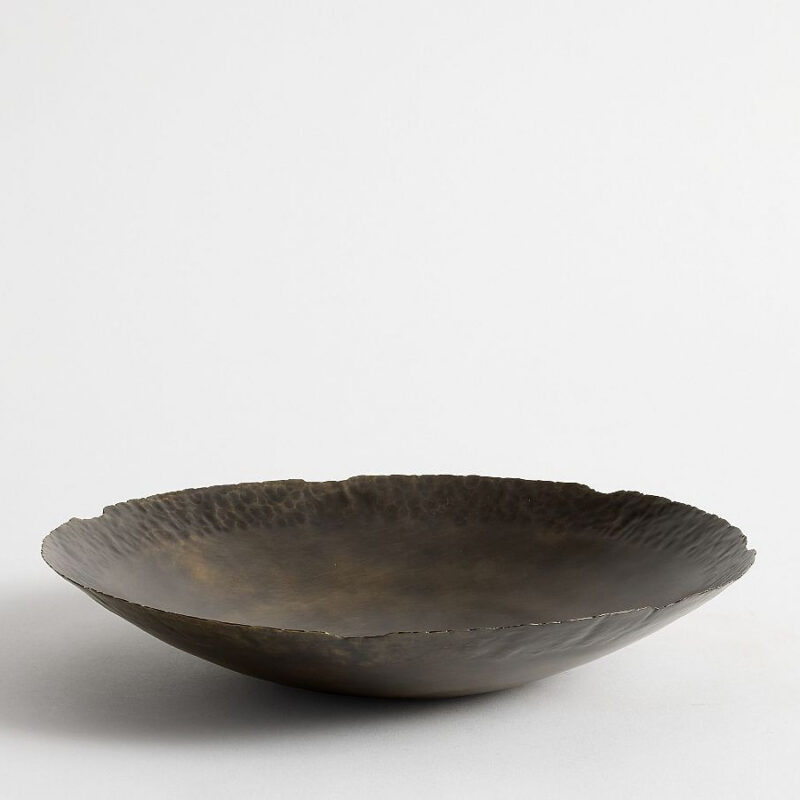 SHOP THE ITEM →
Antique Black Iron Decorative Bowl
$29.50 -
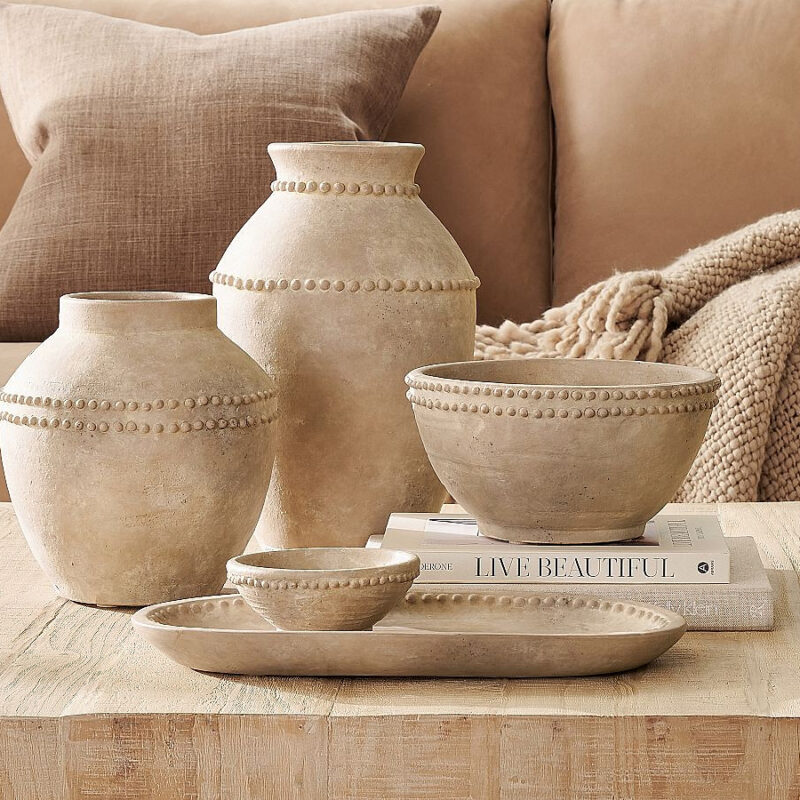 SHOP THE ITEM →
Emilia Ceramic Collection
$79.50 -
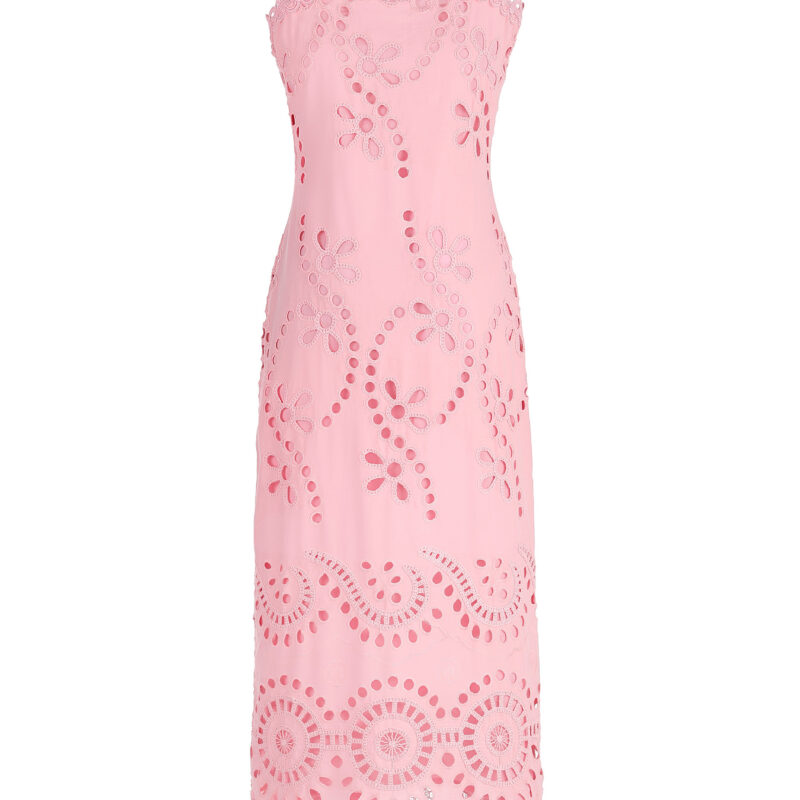 SHOP THE ITEM →
Le Bouquet Maxi Dress in Pink Waimari
$595.00 -
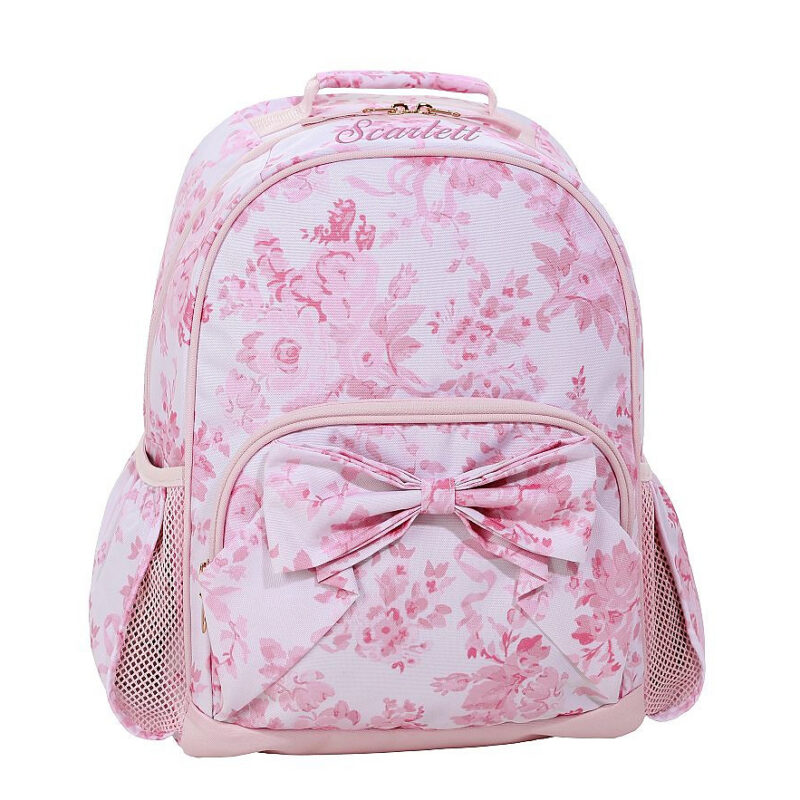 SHOP THE ITEM →
LoveShackFancy Pink Damask Floral Mackenzie Backpack
$69.50 -
 SHOP THE ITEM →
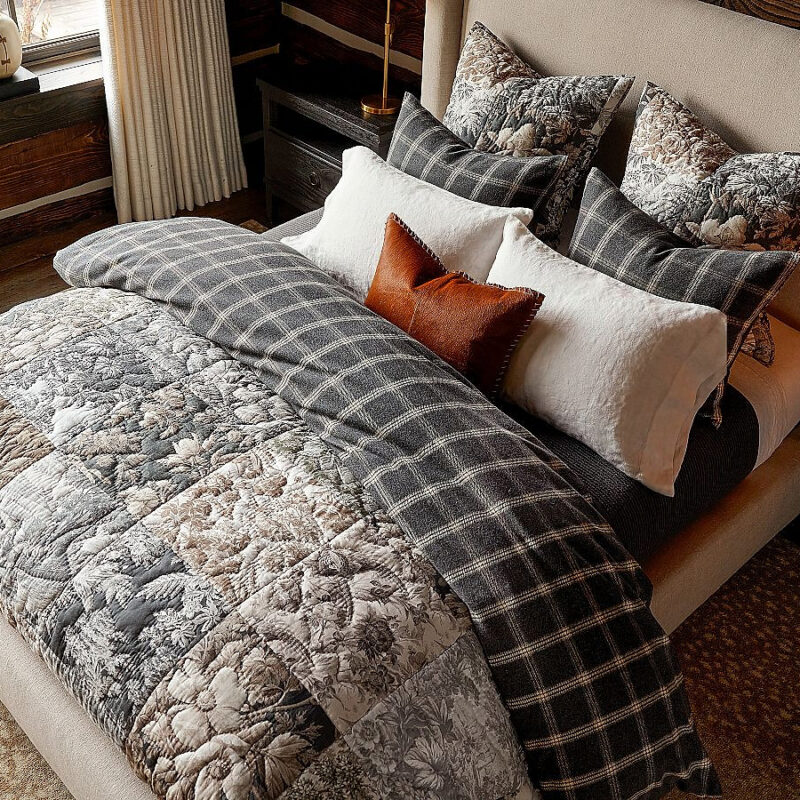
Cordelia Toile Reversible Quilt
$349.00 -
 SHOP THE ITEM →
Lydia Palampore Embroidered Quilt
$349.00 -
 SHOP THE ITEM →
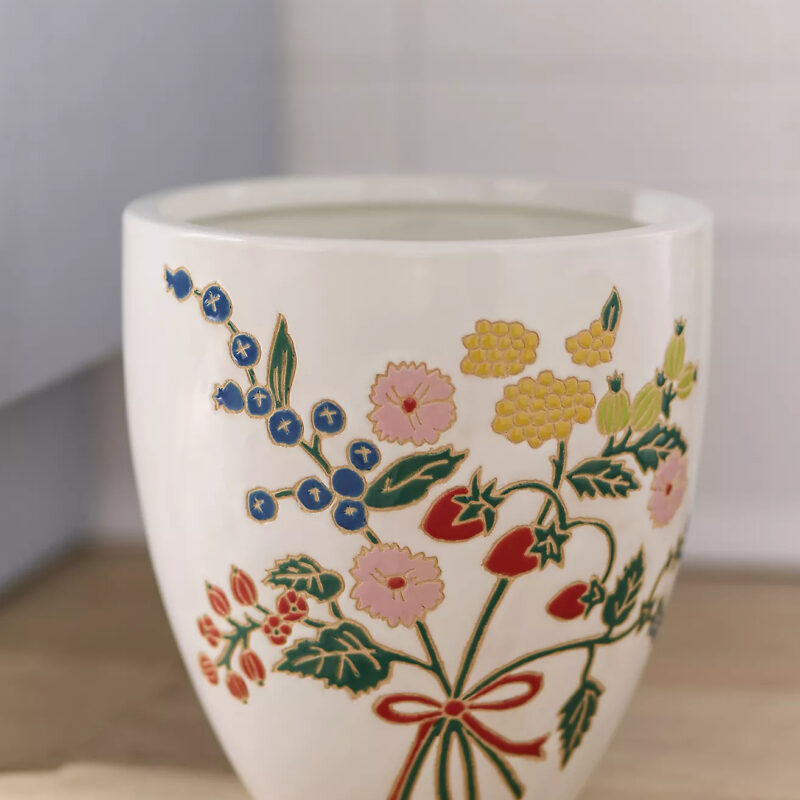
Hand-Painted Ceramic Waste Bin
$68.00 -
 SHOP THE ITEM →
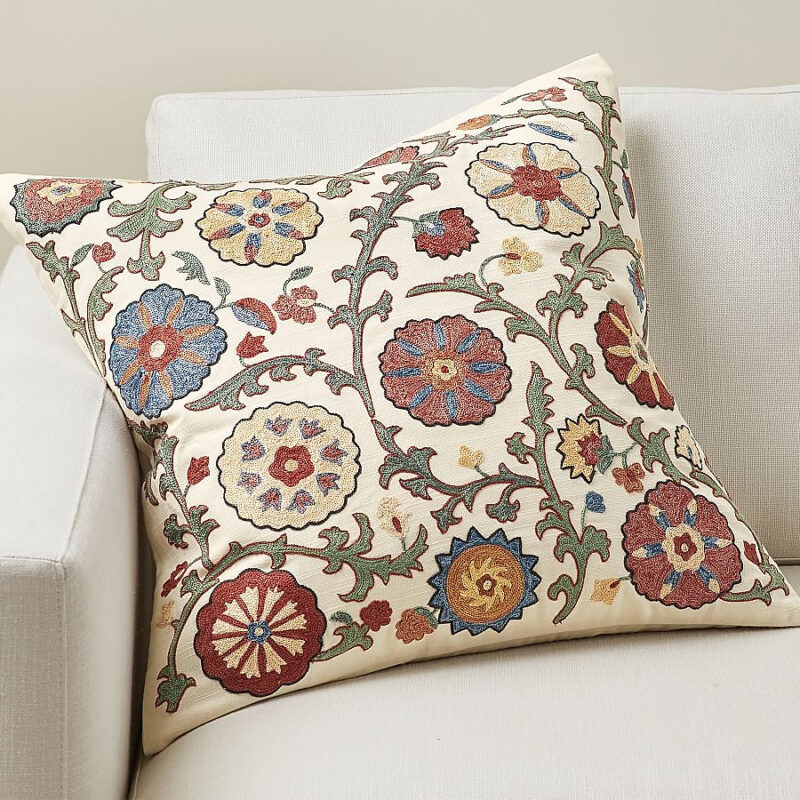
Penelope Embroidered Pillow Cover
$79.50 -
 SHOP THE ITEM →
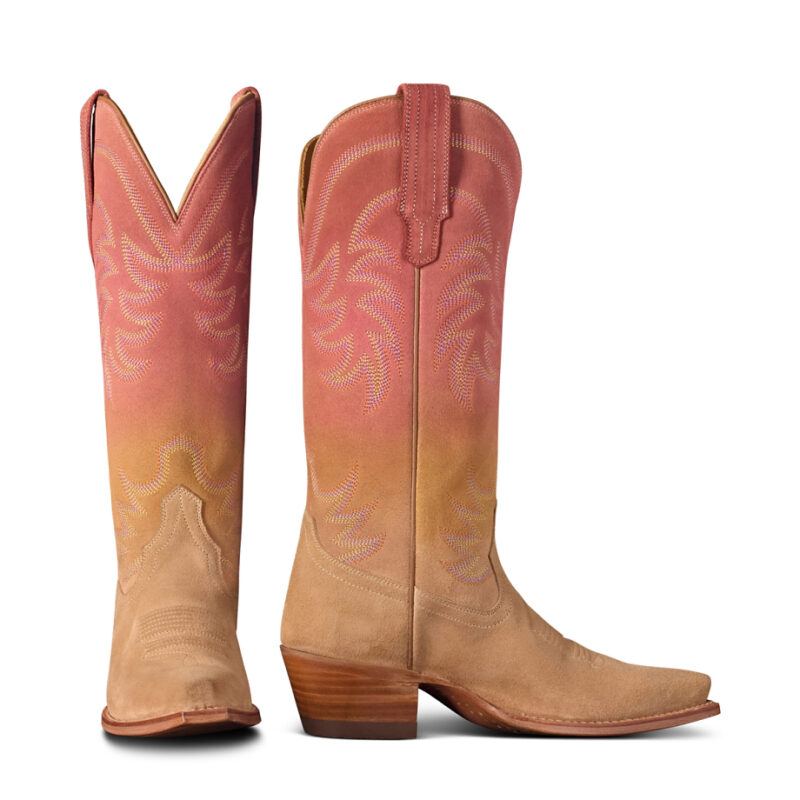
The Annie Cowgirl Boot – Ombre suede | Tecovas
-
 SHOP THE ITEM →
Blue Flower Cereal Bowl Carolina Irving & Daughters
$40.00 -
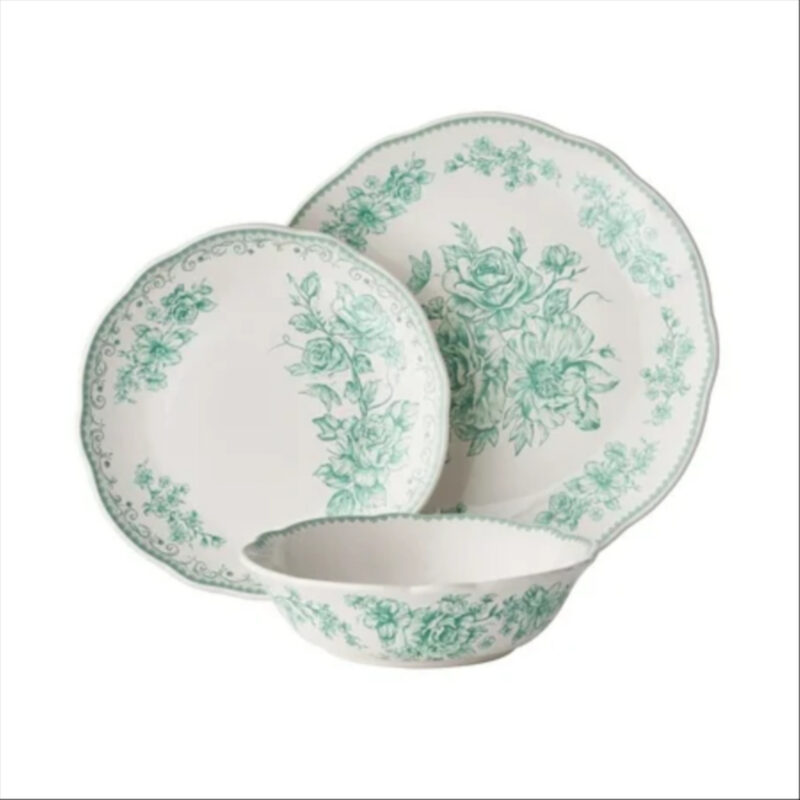 SHOP THE ITEM →
The Pioneer Woman Agatha 12-Piece Stoneware Dinnerware Set, Green
-
 SHOP THE ITEM →
LoveShackFancy Wicker Swivel Outdoor Lounge Chair
-
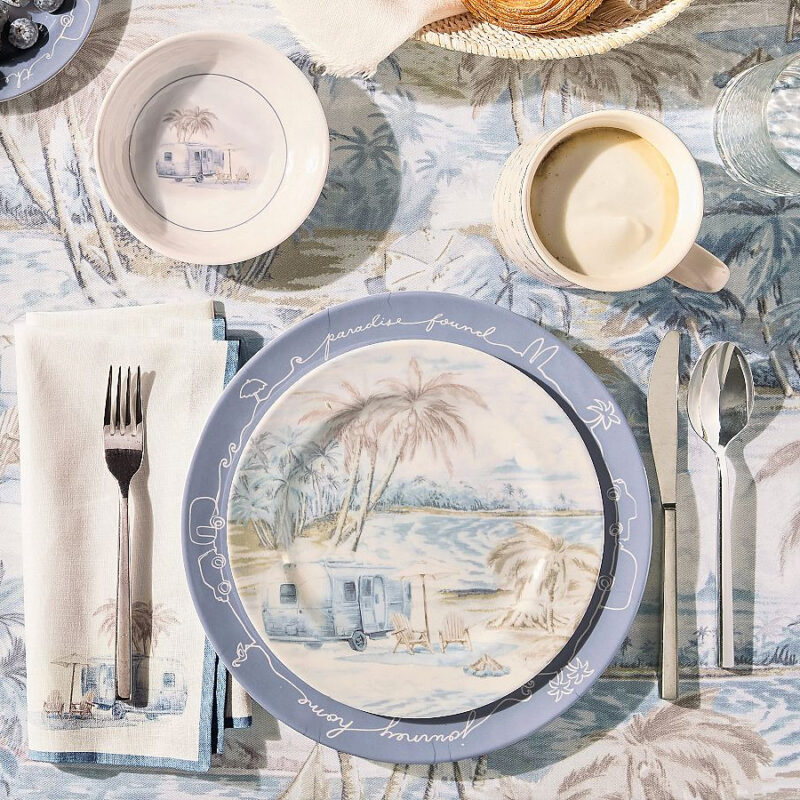 SHOP THE ITEM →
Airstream Outdoor Melamine Dinnerware Collection
-
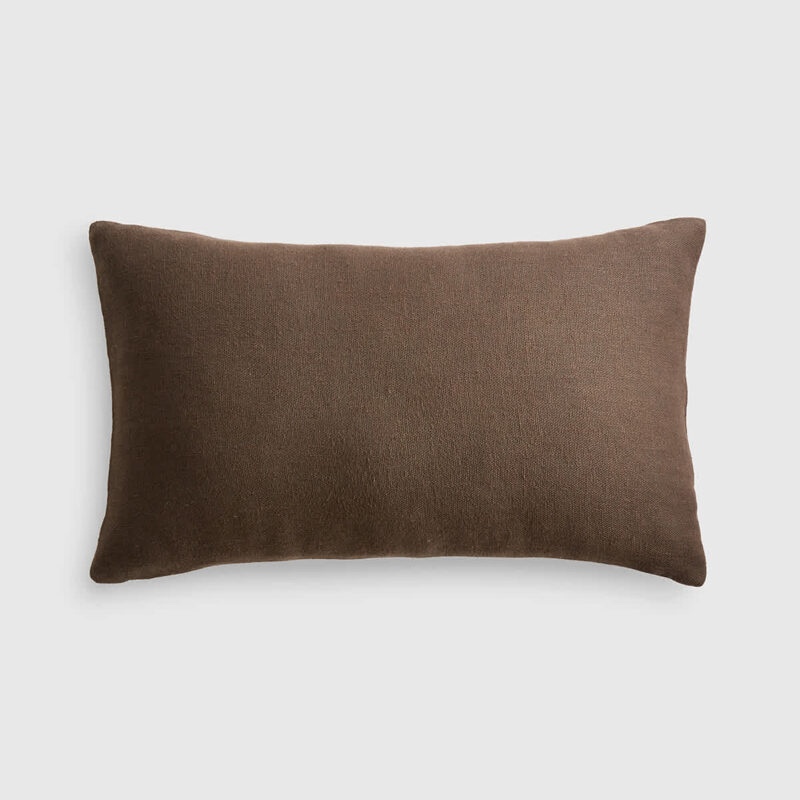 SHOP THE ITEM →
Reversible Linen Bamboo Pillow Cover Quince