





This article may include affiliate links. We may earn a small commission if you shop through them.
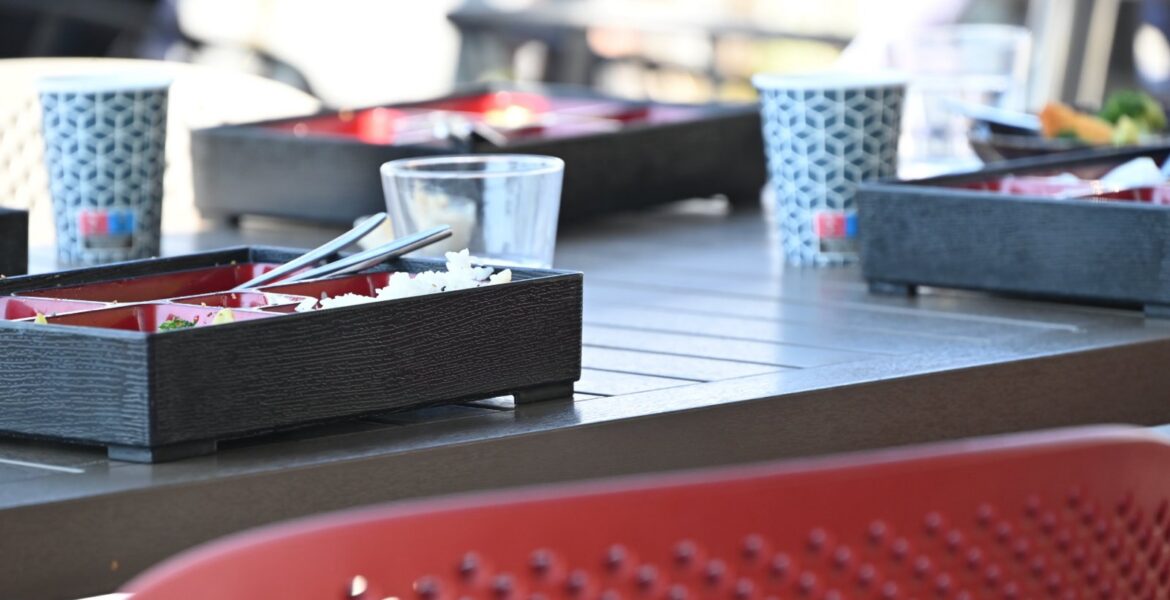
Photo: Kati Tuomaala
In the bustling heart of Tokyo, where skyscrapers cast long shadows over historic temples, a chef stands before his canvas—a simple wooden board. His movements are precise, deliberate, a dance honed through years of discipline. His tools, gleaming in the light, are extensions of his hands, crafting art from the freshest fish, the most pristine rice. This is sushi preparation, elevated to a near-sacred ritual. As the sushi is formed, so too is a bridge between tradition and innovation, a connection now resonating across the globe, influencing modern cuisine profoundly.
Harmony on a Plate
Japanese cuisine is rooted in harmony, respect for nature, and the pursuit of perfection. Central to this is shun, the idea of seasonality. Chefs use ingredients at their peak freshness, reflecting nature’s cyclical beauty. This not only enhances flavors but respects the environment, a principle gaining traction worldwide amid sustainability concerns.
The Señora Edit
Discover the home, beauty, fashion, and wellness finds our readers are loving most this week.
Shop This Week’s Bestsellers →The meticulous attention to detail in Japanese cooking—whether slicing sashimi or brewing matcha—reflects a cultural ethos of craftsmanship known as takumi. This dedication to mastery inspires chefs globally, encouraging them to refine techniques and elevate dishes beyond sustenance to artistry.
Techniques Transforming Global Kitchens
One significant technique from Japan transforming global kitchens is the art of umami enhancement. Discovered over a century ago by chemist Kikunae Ikeda, umami is the fifth taste, alongside sweet, sour, bitter, and salty. It enriches dishes through ingredients like miso, seaweed, and fermented products. Chefs worldwide now incorporate these elements to create dishes with a deeper, more complex flavor profile.
Japanese knife skills, emphasizing precision and respect for ingredients, have captivated chefs across continents. This approach ensures flavors and textures are preserved, resulting in dishes that are visually stunning and delectable. Many Western chefs, inspired by this philosophy, invest in high-quality knives and dedicate time to mastering these skills.
Ikejime: Precision at the Source
Long before a fish reaches the cutting board, its quality is determined by how it’s handled at the moment of catch. Ikejime is a centuries-old Japanese method of dispatching fish with a swift spike to the brain, followed by severing the spinal cord, which prevents the release of lactic acid and stress hormones that would otherwise toughen the flesh and dull its flavor. The result is fish that stays firmer, cleaner-tasting, and fresher for far longer than conventionally caught seafood.
What was once a niche practice reserved for Japan’s top sushi counters has become a point of pride at high-end restaurants and fish markets in New York, Los Angeles, and beyond, where chefs now specify ikejime-processed fish by name on their menus. For diners, it’s a quiet but telling signal: the same obsessive care Japanese chefs bring to the plate begins well before the kitchen, with how an ingredient is treated at its very source.
Dashi: The Foundation of Flavor
Dashi, a simple broth made from kombu (kelp) and bonito flakes, is a cornerstone of Japanese cuisine now influencing chefs worldwide. Its subtle, umami-rich flavor offers a desirable alternative to robust Western stocks and broths. Chefs experiment with dashi to create lighter, nuanced dishes that allow the natural flavors of ingredients to shine.
Incorporating dashi into Western cuisine has led to new dishes that blend culinary traditions, such as dashi-braised meats or dashi-infused sauces. This fusion showcases how traditional Japanese practices can adapt to contemporary tastes and techniques, creating a dialogue between cultures that enriches the global food landscape.
Presentation: Beyond the Visual Feast
The Japanese art of food presentation, known as moritsuke, treats the arrangement of food as an extension of the dining experience. Every element on the plate serves a purpose, contributing to a harmonious balance of color, texture, and form. This approach has inspired chefs worldwide to see plating as an integral part of their craft.
In many high-end Western restaurants, dishes are not just delicious but thoughtfully arranged to create a narrative on the plate. Chefs use this to engage diners, inviting them to experience the meal as a work of art. This emphasis on presentation elevates the dining experience and challenges chefs to innovate and push culinary creativity.
Fermentation: Ancient Techniques, Modern Applications
Fermentation, a traditional Japanese technique, has found new life in modern cuisine. Ingredients such as soy sauce, miso, and sake are staples in Japanese diets, each demonstrating fermentation’s power to transform and preserve foods. This process enhances flavors and introduces unique taste dimensions sought after in contemporary cooking.
Chefs around the world are exploring fermentation to create distinctive flavors. From kimchi-inspired dishes to fermented grain breads, this ancient technique broadens the possibilities of taste and texture in international kitchens. The popularity of fermented foods aligns with consumer demand for natural and healthful ingredients, blending tradition with modern wellness trends.
Cross-Border Hybridization: Franco-Japonais and Itameshi
As Japanese technique spread beyond its borders, it didn’t just influence existing cuisines—it gave rise to entirely new ones. Franco-Japonais pairs the precision and seasonality of Japanese cooking with classic French technique and sauce work, while Itameshi (a portmanteau of “Italian” and “meshi,” the Japanese word for meal) folds dashi, miso, and delicate knife work into pasta and risotto. Both categories keep the Japanese emphasis on ingredient integrity and restraint, while borrowing freely from their host cuisine’s ingredients and structure.
These hybrid styles have become some of the most sought-after reservations in cities like Paris, London, and New York, proof that Japanese culinary philosophy travels well precisely because it’s a mindset as much as a technique. Rather than diluting either tradition, the fusion tends to sharpen both—French sauces gain clarity and depth from dashi, while Italian pastas take on a lighter, more umami-forward finish.
The Role of Kaiseki in Modern Dining
Kaiseki, Japan’s haute cuisine, is a multi-course dining experience embodying balance, seasonality, and refinement. Each course complements the others, creating a culinary journey both cohesive and diverse. The kaiseki tradition inspires chefs globally to rethink tasting menus, emphasizing progression and harmony in their offerings.
In cities like New York and Paris, high-end restaurants adopt kaiseki elements, crafting menus that guide diners through a curated sequence of dishes. This approach not only enhances the dining experience but also allows chefs to showcase their versatility and creativity, offering patrons a deeper understanding of their culinary philosophy.
The Global Rise of Omakase
Omakase, meaning “I’ll leave it up to you,” hands full control of the meal to the chef, who curates each course in real time based on what’s freshest that day. What began as an intimate, counter-seat sushi tradition has become a global phenomenon, with omakase-style tasting menus now appearing across cuisines far beyond Japanese food.
High-end venues worldwide have taken the omakase framework and layered in their own techniques—some pairing traditional Japanese courses with molecular gastronomy touches like liquid nitrogen and foams, others building entirely plant-based omakase menus. The common thread is trust: diners surrender the menu to the chef’s judgment, and in return get a meal shaped by seasonality, spontaneity, and a level of personal attention that a fixed menu simply can’t replicate.
Japanese Aesthetics: Wabi-Sabi and Minimalism in Cuisine
The Japanese aesthetic principles of wabi-sabi and minimalism have found their way into modern culinary practices. Wabi-sabi, embracing the beauty of imperfection and transience, encourages chefs to appreciate natural variations in ingredients, while minimalism promotes doing more with less, focusing on quality over quantity.
This philosophy resonates with the movement towards simplicity and sustainability in the culinary world. Chefs increasingly opt for minimalist presentations that emphasize the purity and integrity of each ingredient. This approach challenges chefs to innovate with fewer elements and aligns with consumer trends towards cleaner, sustainable eating.
Table: Key Japanese Culinary Concepts and Their Global Influence
| Japanese Concept | Description | Global Influence |
|---|---|---|
| Umami | The fifth taste, enhancing savory flavors | Incorporation into diverse cuisines for depth of flavor |
| Dashi | Umami-rich broth from kombu and bonito | Used in light, nuanced Western dishes |
| Moritsuke | Art of food presentation | Inspires elaborate plating techniques |
| Fermentation | Transformation of ingredients through microbial processes | Adopted for unique flavors and health benefits |
| Kaiseki | Multi-course Japanese dining | Influences structured tasting menus globally |
Frequently Asked Questions
What is umami, and how is it used in cooking?
Umami is one of the five basic tastes, characterized by its savory and brothy quality. It enhances flavors and is found in ingredients like tomatoes, aged cheese, and soy sauce. In cooking, umami deepens the flavor profile of dishes, making them more satisfying and complex.
How do Japanese knife skills differ from Western techniques?
Japanese knife skills emphasize precision and respect for the ingredient. The focus is on creating clean cuts that preserve the texture and flavor of the food. Japanese knives are often lighter and sharper, allowing for more delicate work compared to many Western knives, which are designed for durability and versatility.
What is the significance of seasonality in Japanese cuisine?
Seasonality, or shun, is central to Japanese cuisine, emphasizing the use of ingredients at their peak freshness. This enhances natural flavors and aligns with cultural practices that celebrate nature’s cycles. Seasonality ensures dishes are flavorful and sustainable, reducing the environmental impact of sourcing ingredients.
What makes kaiseki different from other dining experiences?
Kaiseki is a traditional Japanese multi-course meal prioritizing harmony, seasonality, and progression. Unlike other dining experiences focusing on individual dishes, kaiseki presents a cohesive culinary journey, with each course designed to complement and enhance the others. This creates a balanced and immersive dining experience that is both refined and culturally rich.
The convergence of Japanese culinary traditions with modern gastronomy reveals valuable lessons in simplicity, precision, and respect for nature. The global embrace of Japanese techniques and philosophies enriches the culinary world and fosters a deeper appreciation for the artistry and mindfulness that define Japanese cuisine. In this cross-cultural exchange, we find a continuous evolution that promises to inspire chefs and delight diners for generations to come.
Shop This Week’s Bestsellers
Discover the home, beauty, fashion, and wellness finds our readers are loving most.
Shop Bestsellers →-
 Shop the Item
Bistro Tile Stoneware 24k Gold Accent Garden Hook Anthropologie
$20.00 -
 Shop the Item
Coralie Striped Lumbar Pillow Cover
$89.50 -
 Shop the Item
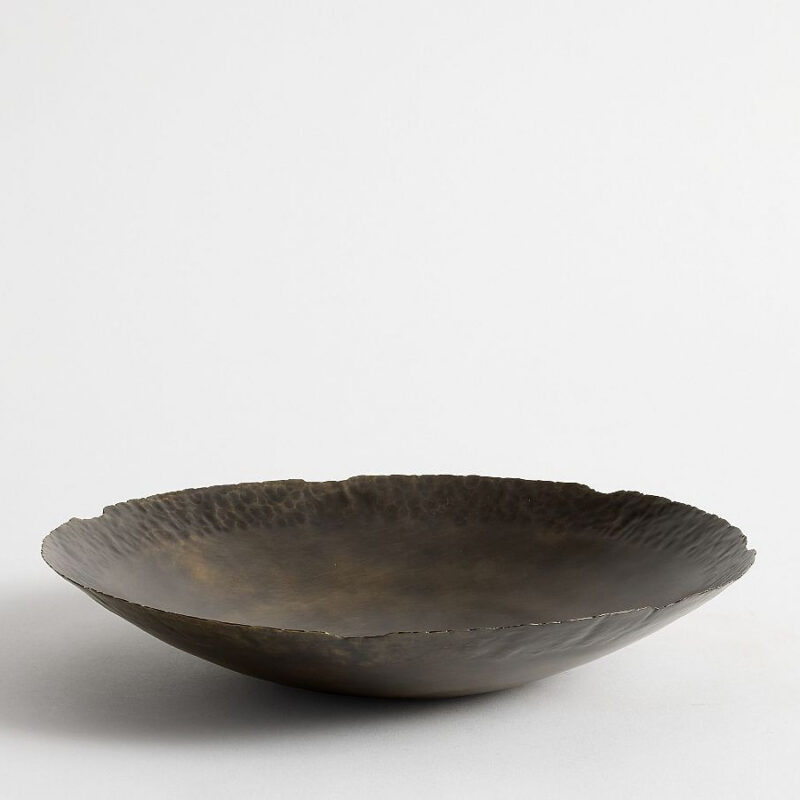
Antique Black Iron Decorative Bowl
$29.50 -
 Shop the Item
LoveShackFancy Pink Damask Floral Mackenzie Backpack
$69.50 -
 Shop the Item
Gear-Up Pink Palm Puff Lavender Backpack and Lunch Box Bundle, Set of 2
$119.00 -
 Shop the Item
Gear-Up Pink Palm Puff Backpack, Large
$39.50 -
 Shop the Item
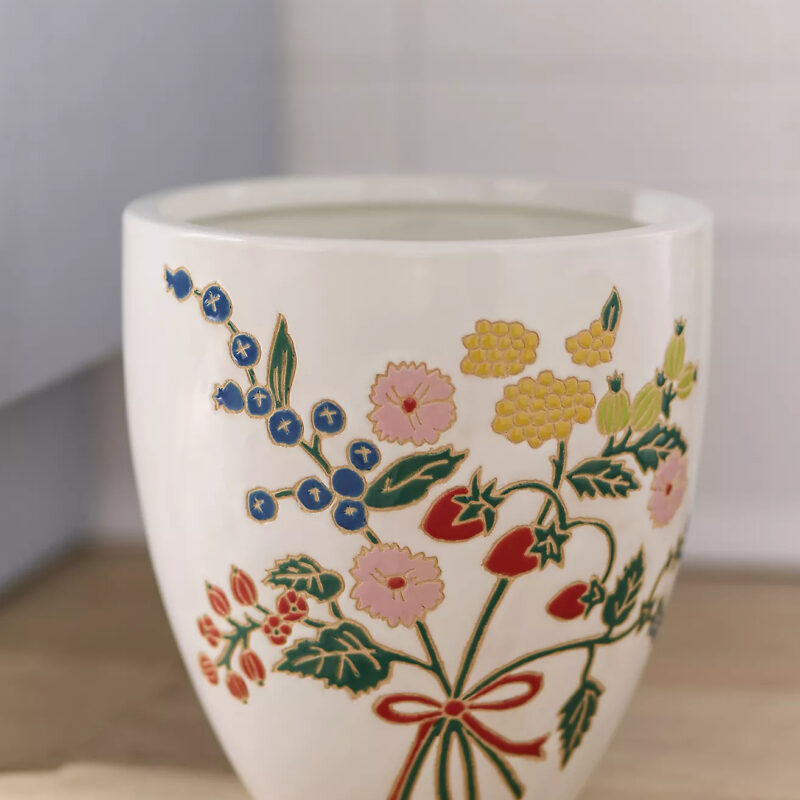
Hand-Painted Ceramic Waste Bin
$68.00 -
 Shop the Item
The Annie Cowgirl Boot – Ombre suede | Tecovas
-
 Shop the Item
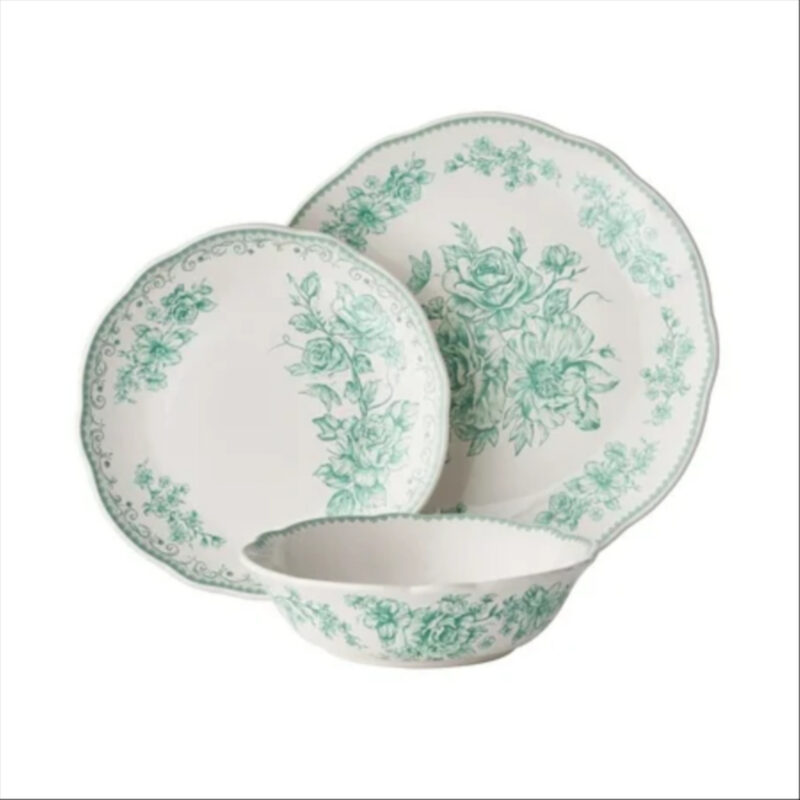
The Pioneer Woman Agatha 12-Piece Stoneware Dinnerware Set, Green
-
 Shop the Item
LoveShackFancy Wicker Swivel Outdoor Lounge Chair
-
 Shop the Item
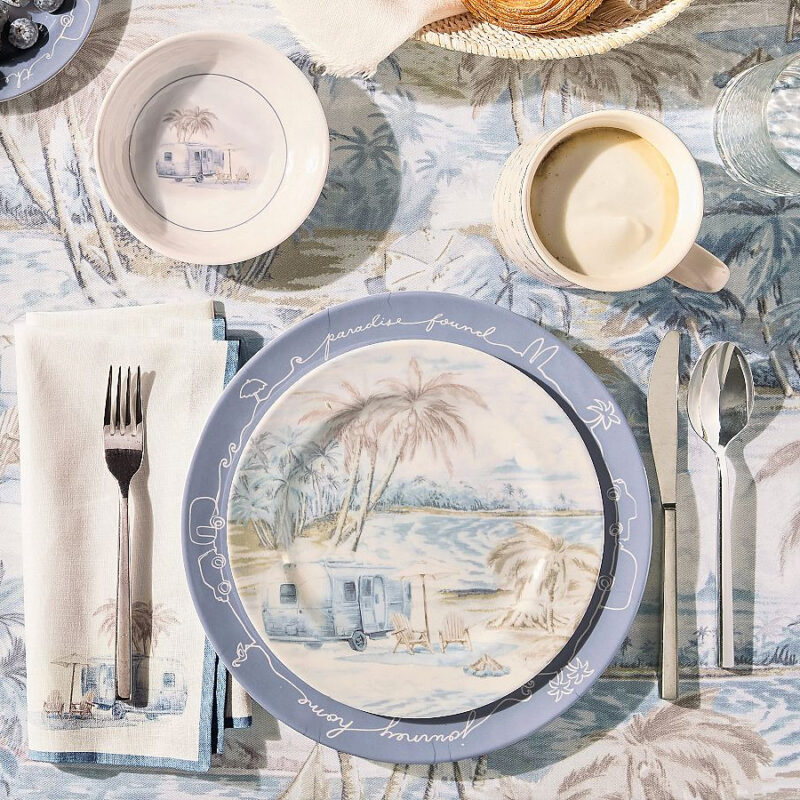
Airstream Outdoor Melamine Dinnerware Collection
-
 Shop the Item
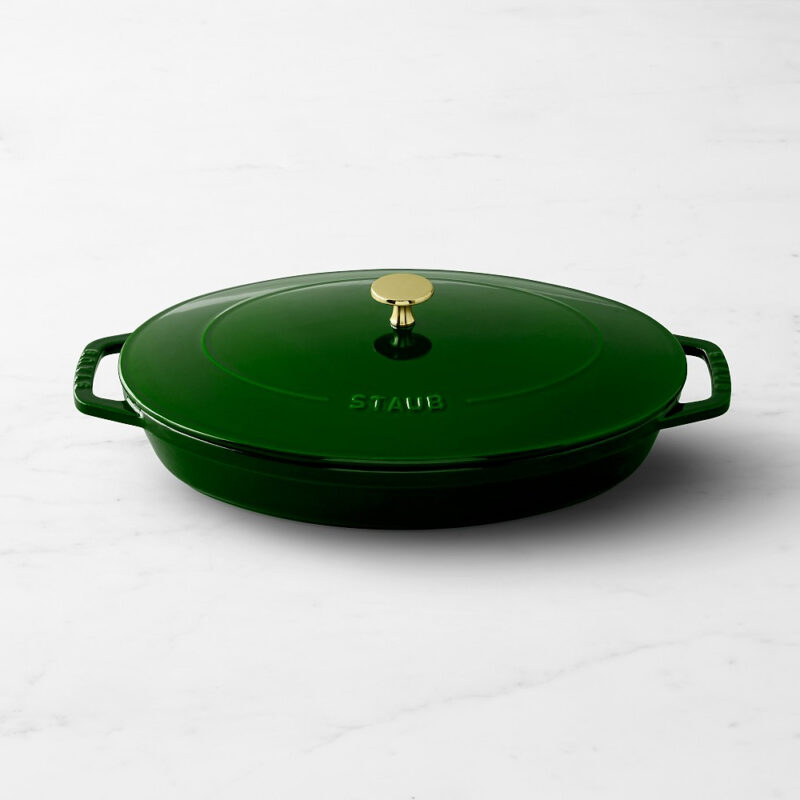
Staub Enameled Cast Iron Oval Gratin with Lid, 2.25 Qt. Staub Basil with Brass
-
 Shop the Item
LoveShackFancyTufted Swivel Vanity Chair
-
 Shop the Item
LoveShackFancy Skirted Oval Storage Bench (33.5")
-
 Shop the Item
Granada Sham
-
 Shop the Item
Monique Lhuillier Garden Trellis Appetizer Plates – Set of 4
-
 Shop the Item
Kravet Arboretum Stoneware Dinnerware Sets
-
 Shop the Item
Jenny Martinez 16-pc. Stoneware Dinnerware Set, One Size, Blue
-
 Shop the Item
Devin Embroidered Love Quilted Sham
$69.00 -
 Shop the Item
Emilia Ceramic Collection
-
 Shop the Item
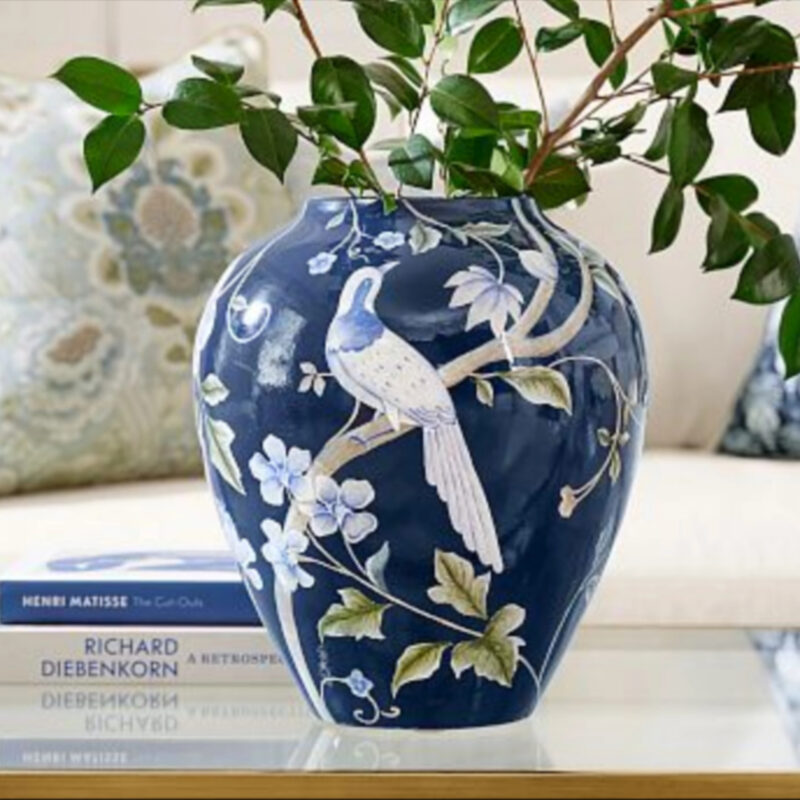
Kravet Meadowlark Hand-Painted Vase
-
 Shop the Item
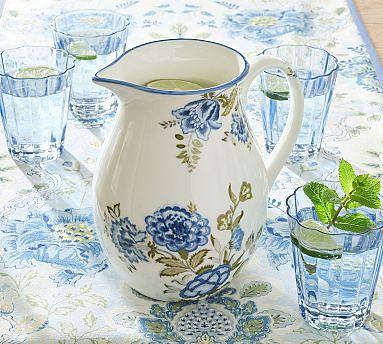
Kravet Rosehill Stoneware Pitcher
-
 Shop the Item
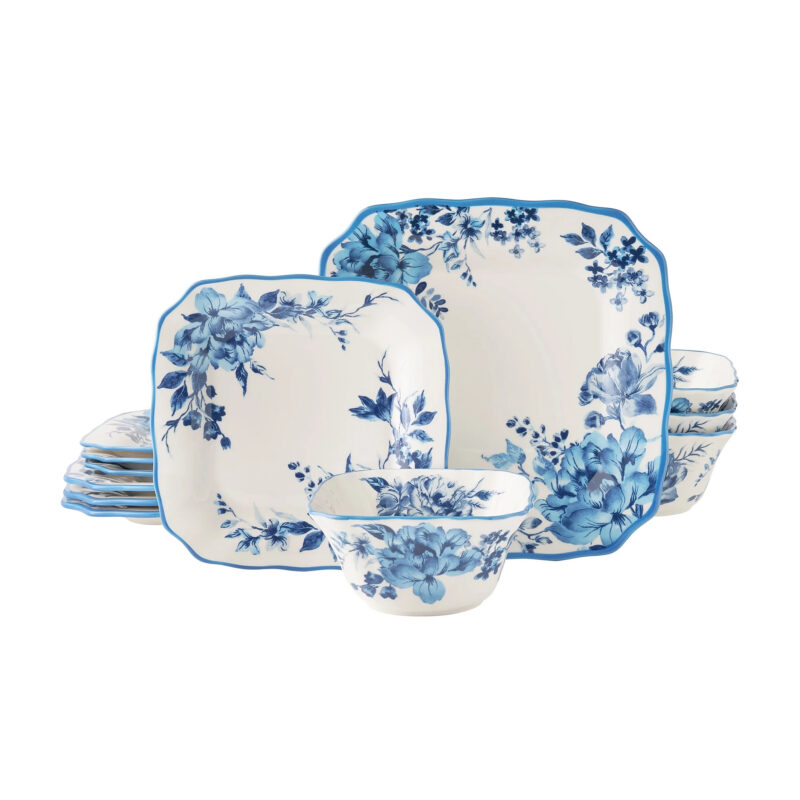
The Pioneer Woman Delilah 12-Piece Stoneware Dinnerware Set, Blue – Walmart.com
-
 Shop the Item
Anders Outdoor Coffee Table (30"), Black
-
 Shop the Item
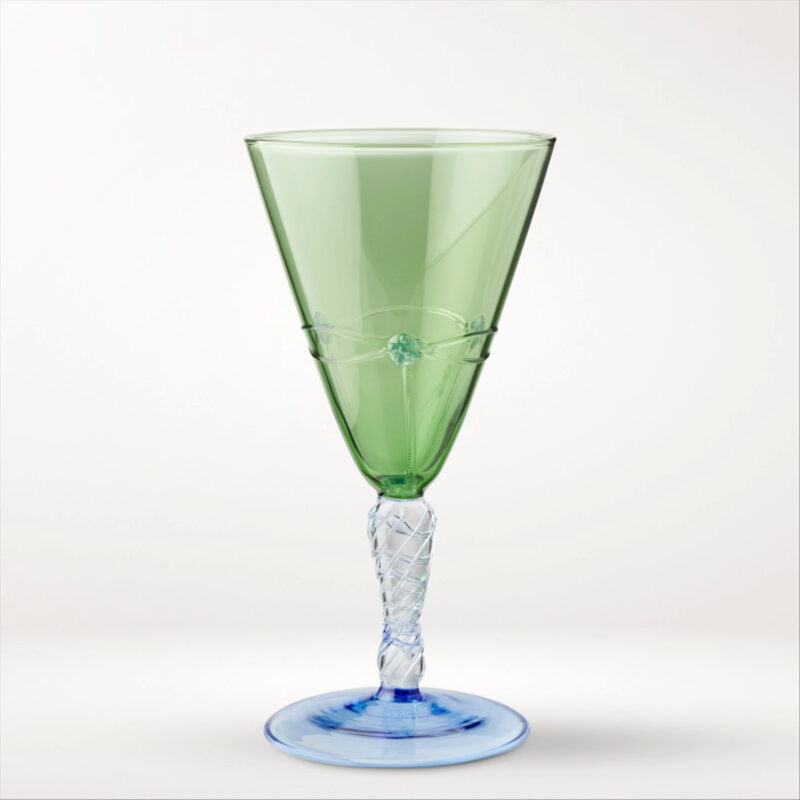
Famille Rose Goblets, 10-oz
-
 Shop the Item
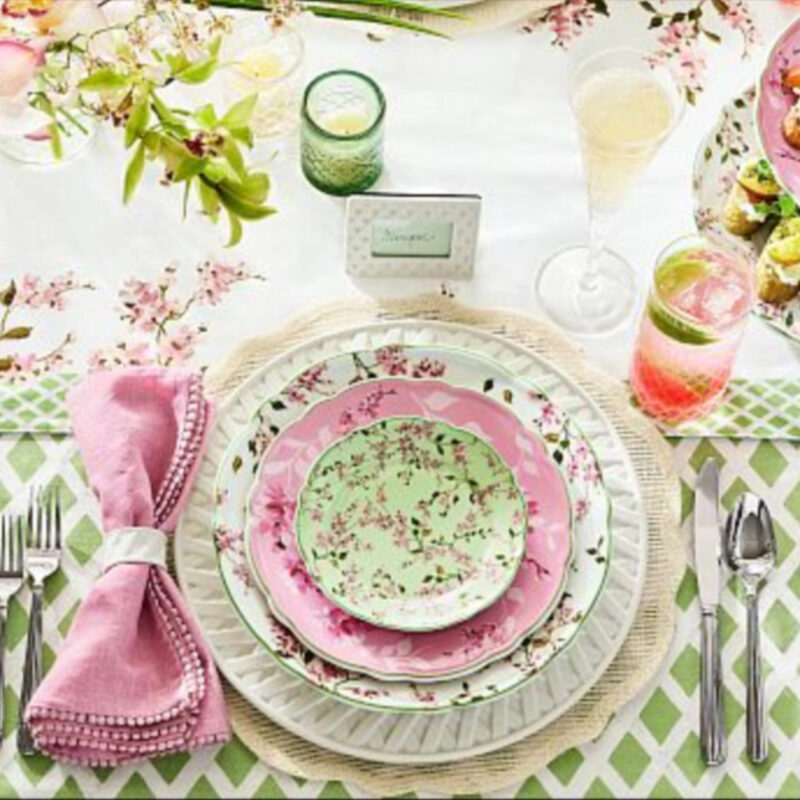
Pottery Barn Monique Lhuillier Garden Trellis Appetizer Plates – Set of 4
$79.00 -
 Shop the Item
Maeve by Anthropologie Brynne Cotton Percale Stripe Tie Printed Euro Sham
-
 Shop the Item
Serena & Lily Green Boat by Leslee Mitchell
-
 Shop the Item
Serena & Lily Emerald Island by Gina Gaetz
-
 Shop the Item
Serena & Lily Granada Sham
You Might Also Enjoy
- I Asked a Pediatrician If My Family’s Eating Habits Were Ruining My Kids’ Health — Here’s What He Said
- How to Style a Garden-Inspired Home: Kravet, Serena & Lily & Puebla Collection
- How to Host a Self-Care Party at Home
- Wine Country Aesthetic Is Eating — Here’s How to Get It at Home
- Hosting Without Stress: Simple Strategies for Effortless Gatherings