




This article may include affiliate links. We may earn a small commission if you shop through them.
Photo: hi room
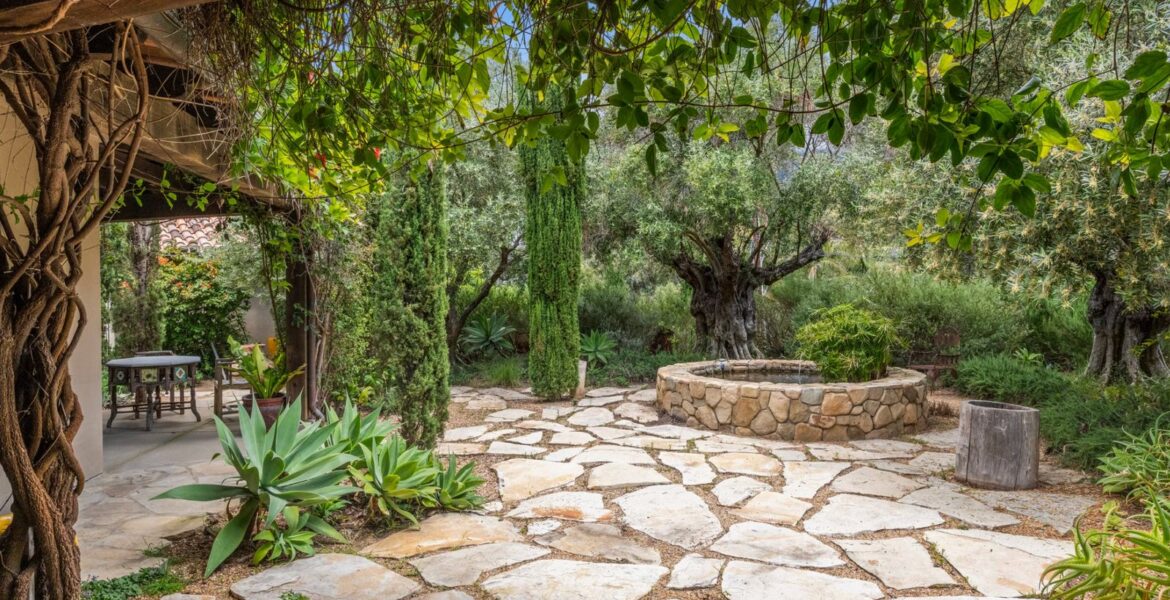
The early morning light casts a dance of light and shadow in the Mediterranean courtyard. Olive branches sway gently, creating intricate patterns on the terracotta tiles below. The air is rich with the scent of jasmine and citrus, while a central fountain’s trickle provides a rhythmic counterpoint to birdsong. This serene setting is more than a backdrop for daily life; it’s a space steeped in history, echoing centuries of architectural evolution and cultural significance.
Tracing the Roots of Mediterranean Courtyards
To understand the origins of the Mediterranean courtyard, we journey back thousands of years to the ancient civilizations encircling the Mediterranean Sea. The courtyard, or atrium, was a hallmark in the homes of Greeks, Romans, and later, Byzantine societies. Originally a utilitarian space, it provided ventilation and daylight to interior rooms. The Greeks referred to these spaces as “peristyles,” open courtyards surrounded by columns. Centrally located, they served as gathering spots for family activities and religious ceremonies.
The Señora Edit
Discover the home, beauty, fashion, and wellness finds our readers are loving most this week.
Shop This Week’s Bestsellers →The Romans expanded on the Greek model, adding water features like fountains and basins. These were decorative and functional, collecting rainwater. The atrium became a symbol of wealth and status, with the wealthiest homes boasting expansive courtyards adorned with mosaics and sculptures. These spaces impressed visitors and offered a respite from urban life’s busyness.
In the Byzantine era, courtyards evolved further, reflecting a blend of classical Roman, early Christian, and local architectural influences. The Byzantine courtyard often featured arcaded porticos and served domestic and religious purposes, symbolizing a connection between the earthly and the divine.
Islamic Influence on Courtyard Design
The spread of Islam in the 7th century introduced new influences to Mediterranean courtyard design. Islamic architects embraced and enriched the concept, creating spaces that were functional and deeply symbolic. The traditional Islamic courtyard, or “sahn,” is a central open-air space within a mosque, often surrounded by arcades with a central fountain or pool for ritual ablutions.
In residential architecture, these courtyards became private sanctuaries, offering shade and privacy. Adorned with geometric tilework, lush gardens, and water features, they reflected the Islamic vision of paradise as a garden. The Alhambra in Granada, Spain, showcases this influence with intricately carved stucco, muqarnas (stalactite vaulting), and lush plantings that create a magical interplay of light and space.
These courtyards extend beyond aesthetics, embodying a philosophy of living that values harmony with nature, privacy, and communal life. The design encourages a seamless flow between indoor and outdoor spaces, fostering connections between family members and their environment.
Renaissance to Modern: Evolution of Courtyards in Europe
During the Renaissance, Mediterranean courtyards transformed again. The revival of classical antiquity led architects to incorporate larger, more elaborate courtyards into European mansions and palaces. These spaces expressed humanism and grandeur, emphasizing symmetry, proportion, and formal gardens.
In Italy, the cortile became a central feature of Renaissance palazzi, with loggias providing elegant transitions between the interior and the courtyard. Architects like Andrea Palladio and Giulio Romano designed courtyards that were formal yet inviting, often featuring fountains, statuary, and meticulously planned gardens. The Palazzo Strozzi in Florence exemplifies this era’s grandeur with its harmonious proportions and restrained decoration.
As Renaissance ideals spread across Europe, courtyards became architectural staples in France, Spain, and beyond. In France, the “cour d’honneur” of a château served as a grand entry space, often flanked by symmetrical wings. The Château de Chambord, with its elaborate stonework and expansive “cour d’honneur,” demonstrates the French adaptation of the courtyard concept.
Modern Mediterranean Courtyards: Tradition Meets Innovation
In contemporary architecture, the Mediterranean courtyard has been reimagined to fit modern lifestyles while retaining its historical essence. Architects today draw inspiration from traditional elements, such as natural materials and water features, while incorporating innovative design approaches to enhance functionality and sustainability.
Modern courtyards often extend living spaces, blurring the lines between indoors and outdoors. They facilitate natural ventilation and light, reducing reliance on artificial climate control. The use of drought-resistant plants, solar energy, and sustainable materials reflects a growing awareness of environmental responsibility.
In regions like California and Australia, where Mediterranean climates prevail, these courtyards provide a perfect setting for outdoor living. Equipped with outdoor kitchens, fire pits, and seating areas, they are ideal for entertaining and relaxation. The focus is on adaptable spaces that cater to contemporary living needs while celebrating the enduring appeal of the Mediterranean aesthetic.
Rich Tapestry of Cultures in Courtyard Design
The cultural significance of Mediterranean courtyards is as diverse as the regions they inhabit. In Spain, the patios of Córdoba are renowned for vibrant displays of potted plants and flowers. Each year, the Festival of the Patios celebrates this tradition, inviting visitors to explore the city’s hidden courtyards.
In Greece, courtyards serve as communal spaces where families gather for meals and celebrations. The architecture focuses on simplicity and functionality, with whitewashed walls and blue accents mirroring the sea and sky. These spaces maximize shade and airflow, providing a cool refuge from summer heat.
Moroccan riads, traditional houses built around a central courtyard, are another example of the cultural significance of these spaces. The courtyard, often featuring intricate tilework and lush greenery, is a private oasis in bustling medinas. The design emphasizes seclusion and tranquility, offering a retreat from the outside world.
Key Elements of Mediterranean Courtyard Design
While Mediterranean courtyards vary widely in style and execution, certain elements are commonly found across the region. Water features are both decorative and practical, providing a cooling effect in hot climates. Fountains, pools, and reflecting ponds capture the movement of light and create a sense of calm.
Natural materials such as stone, wood, and terracotta are integral to the aesthetic. These materials age gracefully, adding character and warmth to the space. Plants play a crucial role in courtyard design, with species chosen for their ability to thrive in Mediterranean climates. Olive trees, lavender, citrus trees, and climbing vines add texture and fragrance.
Color is another important factor, with earth tones and muted hues providing a backdrop for the vibrant greens of the foliage. Accents of blue, yellow, or red may be introduced through tiles, pottery, or textiles, adding visual interest and reflecting the cultural heritage of the region.
| Element | Description |
|---|---|
| Water Features | Fountains, pools, and reflecting ponds that provide cooling and aesthetic appeal. |
| Natural Materials | Stone, wood, and terracotta used for flooring, walls, and decorative elements. |
| Plantings | Olive trees, citrus, lavender, and climbing vines for texture and fragrance. |
| Color Palette | Earth tones with accents of blue, yellow, or red in tiles and textiles. |
How to Design Your Own Mediterranean Courtyard
A Mediterranean courtyard merges indoor and outdoor living by combining natural, sun-aged textures like gravel or terracotta pavers, lush structural plants like olive trees, and cozy seating. These spaces often feature colorful, patterned tile accents, stucco walls, and a central water feature for a relaxed, serene, and villa-like atmosphere. If you want to bring this look home, focus on these actionable, localized elements.
1. Underfoot Materials
Skip water-intensive lawns and opt for warm-toned pea gravel, rustic flagstone pavers, or authentic pebble mosaics. These materials stay cool underfoot and provide excellent drainage, echoing the sun-baked hardscaping found throughout the Mediterranean. Watch: Create a DIY Pea Gravel Patio — YouTube · This Old House
2. Focal Points & Hardscaping
Install a colorful, hand-painted tiled fountain or a tiered stone basin to create a soothing trickle of water that anchors the space. Pair it with wrought-iron furniture and soft, plush cushions for a relaxed seating area nearby. Watch: Backyard Mediterranean Fountain with Stone Accents — YouTube · The Rustic Planters
3. Architectural Plants
Use sculptural trees like potted olives or multi-stemmed figs as living centerpieces. Layer in drought-tolerant greens like rosemary, boxwood, and lavender, and soften walls with climbing vines like star jasmine or bougainvillea. Watch: How to Repot an Olive Tree — YouTube · Paramount Plants and Gardens
4. Simple, Relaxed Furniture
Furniture should feel like a natural extension of the landscape rather than a bulky interruption. Choose lightweight, natural materials like wrought iron, distressed teak, cane, or rattan, and accessorize with breathable, weather-resistant textiles in sun-bleached, earthy colors like sage green, terracotta, and soft sand. Watch: 7 Different Types of Vintage Wrought Iron Patio Furniture — YouTube · Jacqueline Rare Antique
5. Warm Lighting
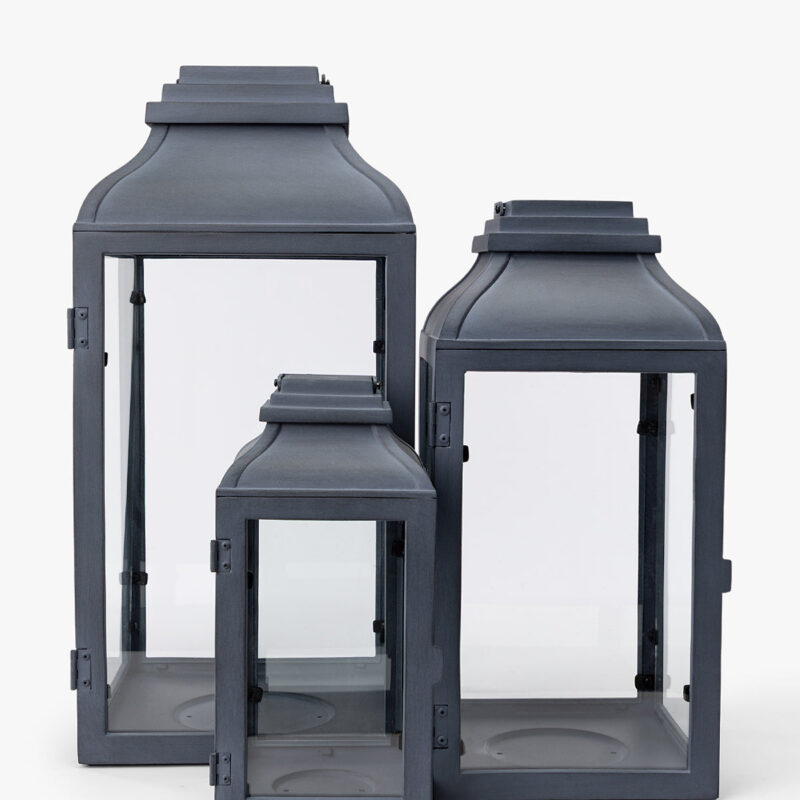
Courtyards are designed to be lived in during cool evenings. Avoid harsh overhead lights in favor of a layered, dimensional glow using warm, low-voltage uplighting, string lights woven into plants, and wall sconces. Group distressed metal or glass lanterns with candles around seating areas for a warm, welcoming finish. Watch: How to Install Outdoor String Lights — YouTube · how2q
For more inspiration, explore layout ideas on Houseplans.com or browse a full board of visual ideas on Pinterest: Mediterranean Courtyard Ideas.
FAQs About Mediterranean Courtyards
What are the main functions of a Mediterranean courtyard?
Mediterranean courtyards serve multiple functions, including providing light and ventilation to surrounding rooms, serving as communal gathering spaces, and offering a private outdoor retreat. They are often designed to facilitate natural cooling and create a seamless transition between indoor and outdoor spaces.
How do Mediterranean courtyards contribute to environmental sustainability?
By utilizing natural ventilation and lighting, Mediterranean courtyards reduce the need for artificial climate control and lighting. The use of drought-resistant plants and sustainable materials further enhances their environmental sustainability, making them well-suited to regions with similar climates.
What are common features of a Mediterranean courtyard?
Common features include water elements like fountains and pools, natural materials such as stone and terracotta, and a selection of plants adapted to the climate. The design typically incorporates earth tones and vibrant accents, creating a harmonious and inviting environment.
How can I incorporate Mediterranean courtyard elements into my home?
Incorporating Mediterranean courtyard elements into your home can be achieved by using natural materials for flooring and walls, adding water features, and selecting plants suitable for your climate. Consider using a color palette of earth tones with vibrant accents to reflect the traditional aesthetic.
What are some examples of famous Mediterranean courtyards?
Famous examples include the courtyards of the Alhambra in Spain, the patios of Córdoba, and the riads of Morocco. These spaces are renowned for their intricate designs, harmonious proportions, and cultural significance.
The enduring allure of the Mediterranean courtyard lies in its ability to adapt to changing times while retaining its connection to history and culture. As we continue to seek harmony between our living spaces and the natural world, these courtyards offer a timeless model of architectural beauty and functionality. Whether nestled within the walls of an ancient palace or reimagined in a modern home, the Mediterranean courtyard remains a testament to the enduring appeal of thoughtful design.
Shop This Week’s Bestsellers
Discover the home, beauty, fashion, and wellness finds our readers are loving most.
Shop Bestsellers →-
 SHOP THE ITEM →
Hartwell Indoor/Outdoor Lantern McGee & Co
$358.00 -
 SHOP THE ITEM →
Bistro Tile Stoneware 24k Gold Accent Garden Hook Anthropologie
$20.00 -
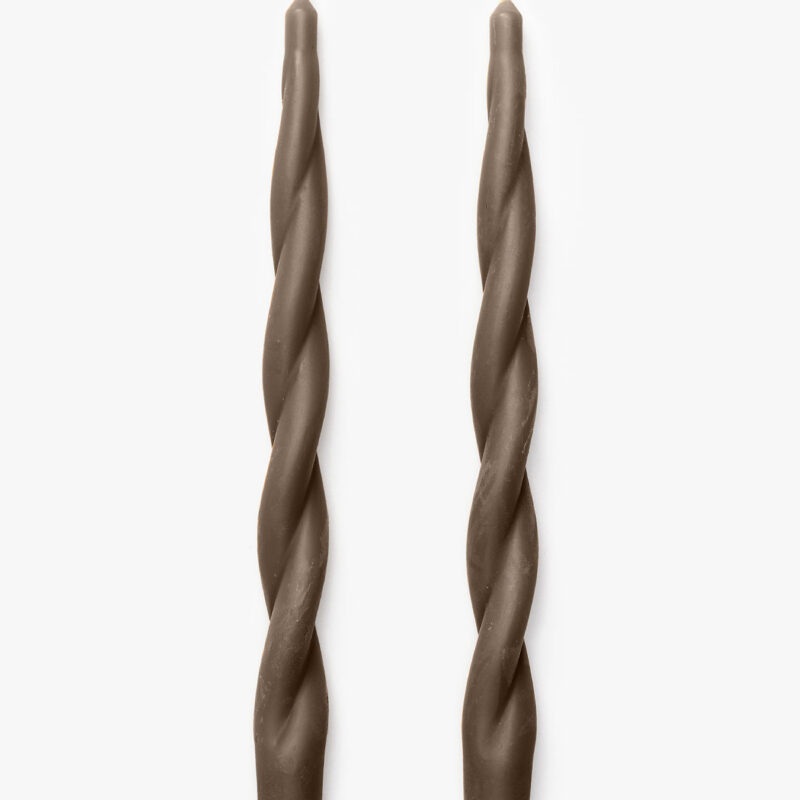 SHOP THE ITEM →
Brown Twisted Taper Candles (Set of 2) McGee & Co
$22.00 -
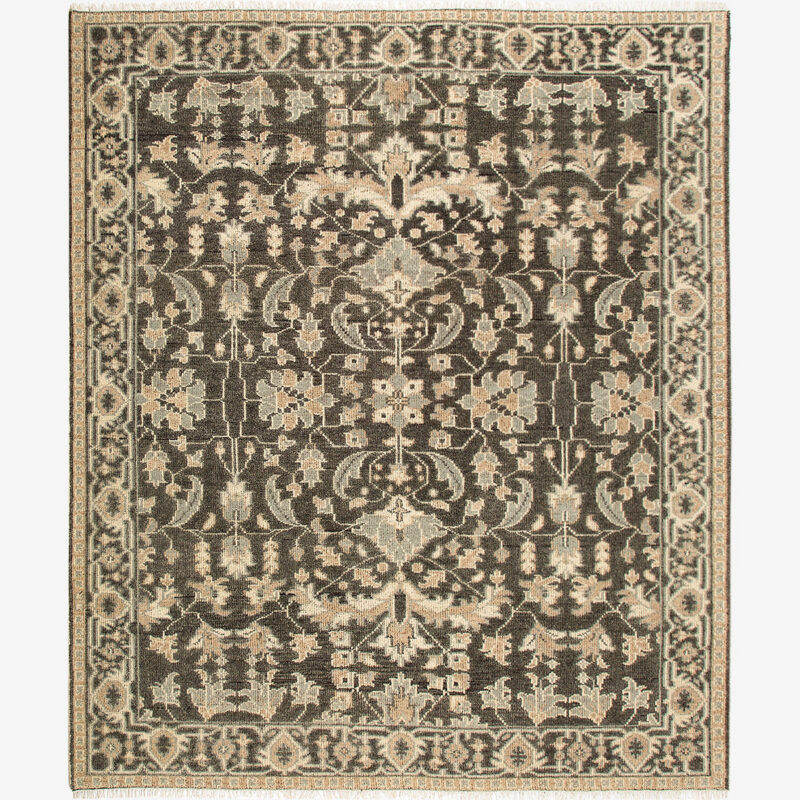 SHOP THE ITEM →
Wayland Hand-Knotted Wool Rug McGee & Co
$846.00 -
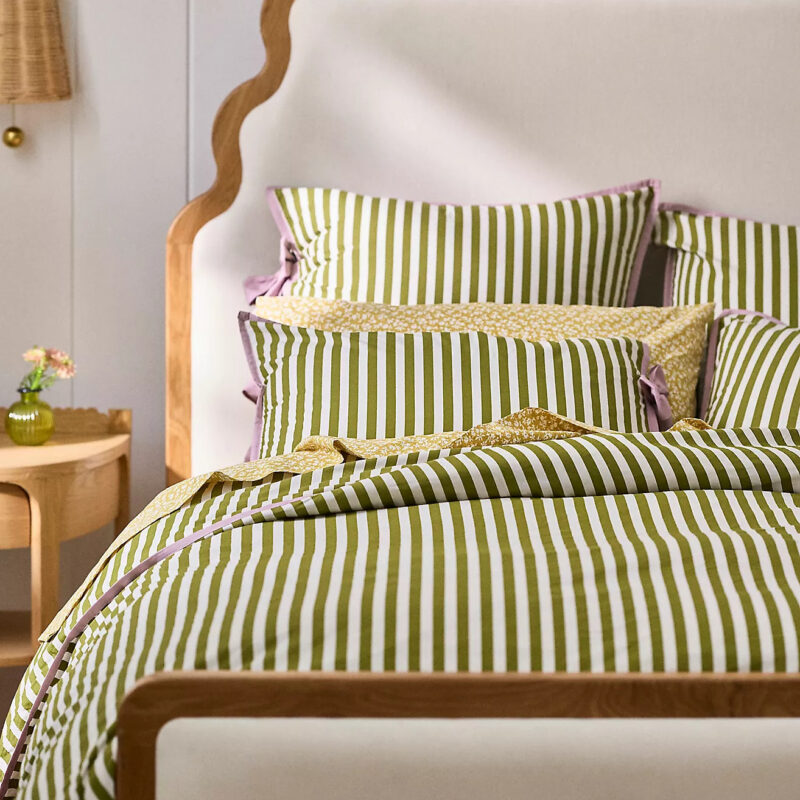 SHOP THE ITEM →
Maeve Brynne Cotton Percale Stripe Tie Printed Duvet
$178.00 -
 SHOP THE ITEM →
Coralie Striped Lumbar Pillow Cover
$89.50 -
 SHOP THE ITEM →
Sand Ric Rac Tie Brocks Dress
$228.00 -
 SHOP THE ITEM →
Abstract Alps Como Dress
$298.00 -
 SHOP THE ITEM →
Wine Pleated Sleeveless Midi Dress Moon River
$118.00 -
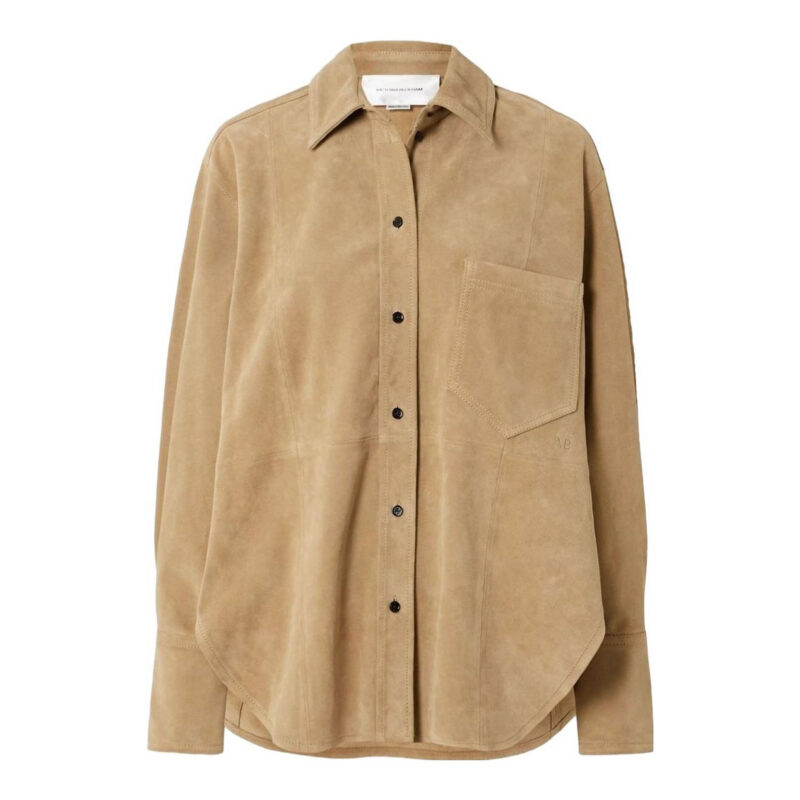 SHOP THE ITEM →
VICTORIA BECKHAM – Suede Shirt
-
 SHOP THE ITEM →
Paloma Wrap Skirt in Lost At Sea Hunter bell
$445.00 -
 SHOP THE ITEM →
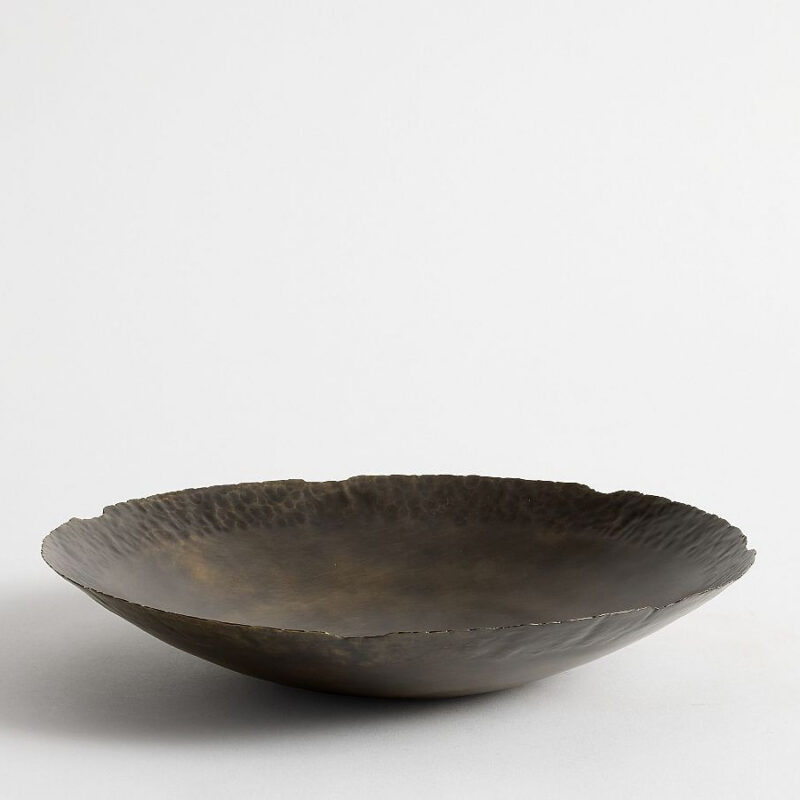
Antique Black Iron Decorative Bowl
$29.50 -
 SHOP THE ITEM →
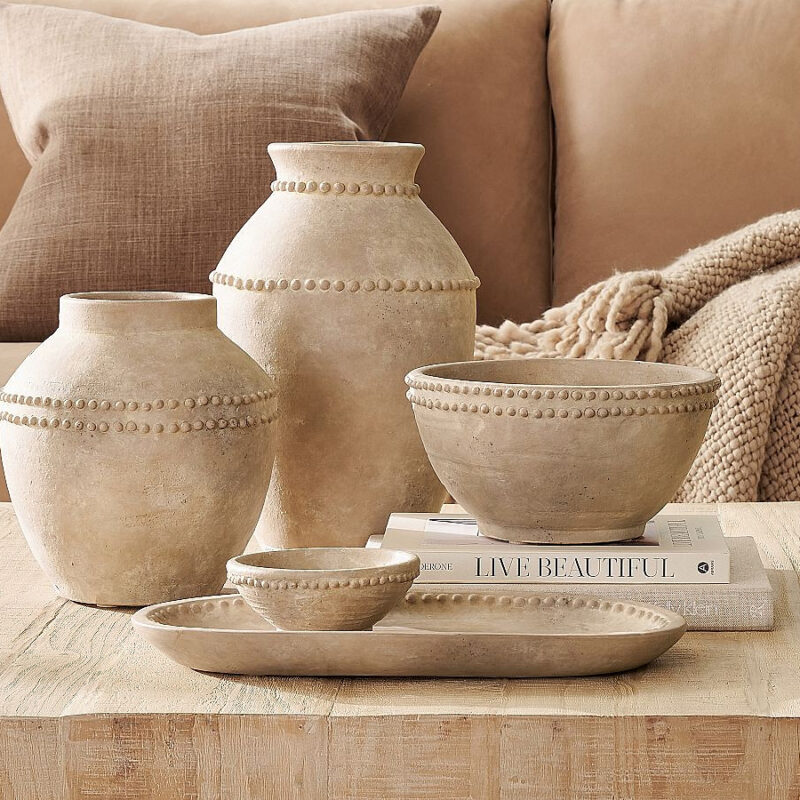
Emilia Ceramic Collection
$79.50 -
 SHOP THE ITEM →
Le Bouquet Maxi Dress in Pink Waimari
$595.00 -
 SHOP THE ITEM →
LoveShackFancy Pink Damask Floral Mackenzie Backpack
$69.50 -
 SHOP THE ITEM →
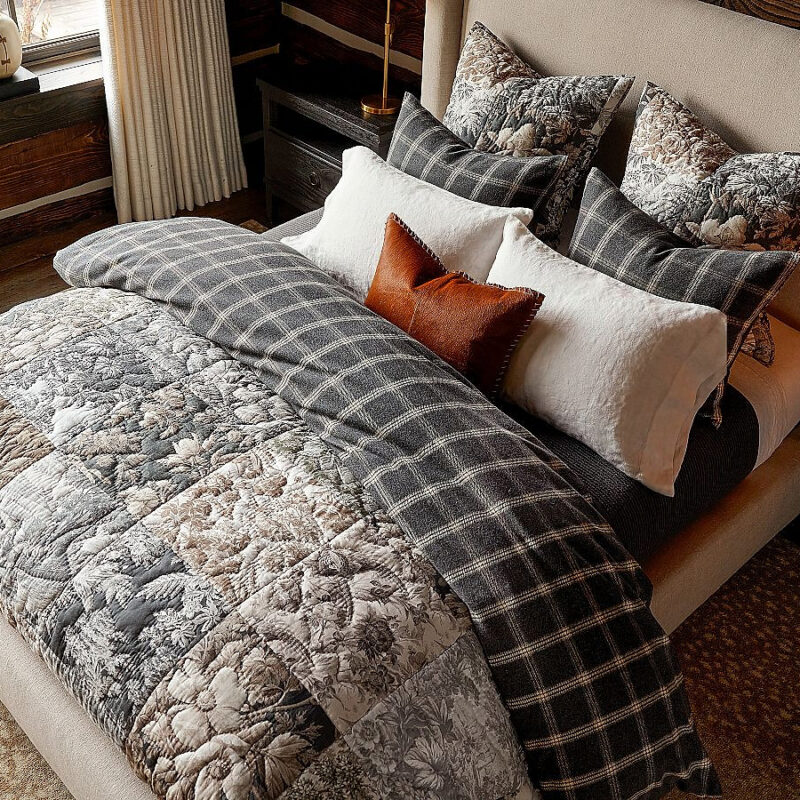
Cordelia Toile Reversible Quilt
$349.00 -
 SHOP THE ITEM →
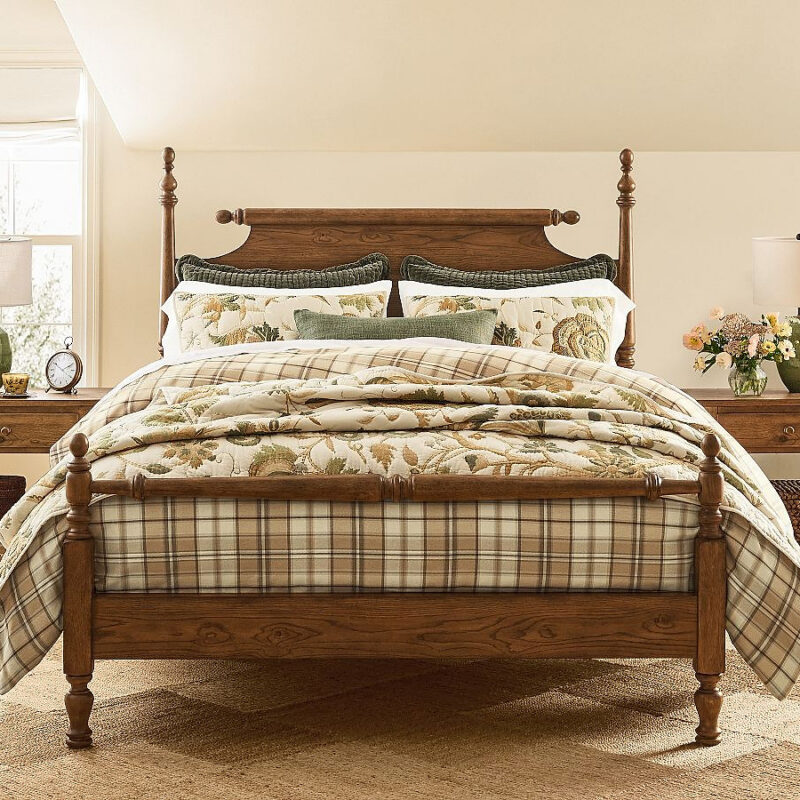
Lydia Palampore Embroidered Quilt
$349.00 -
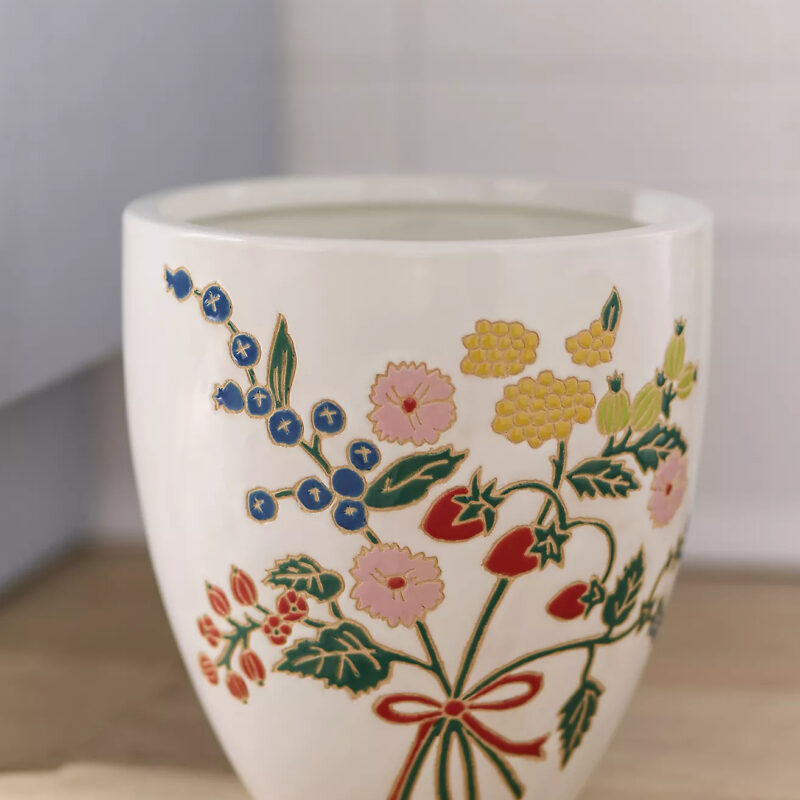 SHOP THE ITEM →
Hand-Painted Ceramic Waste Bin
$68.00 -
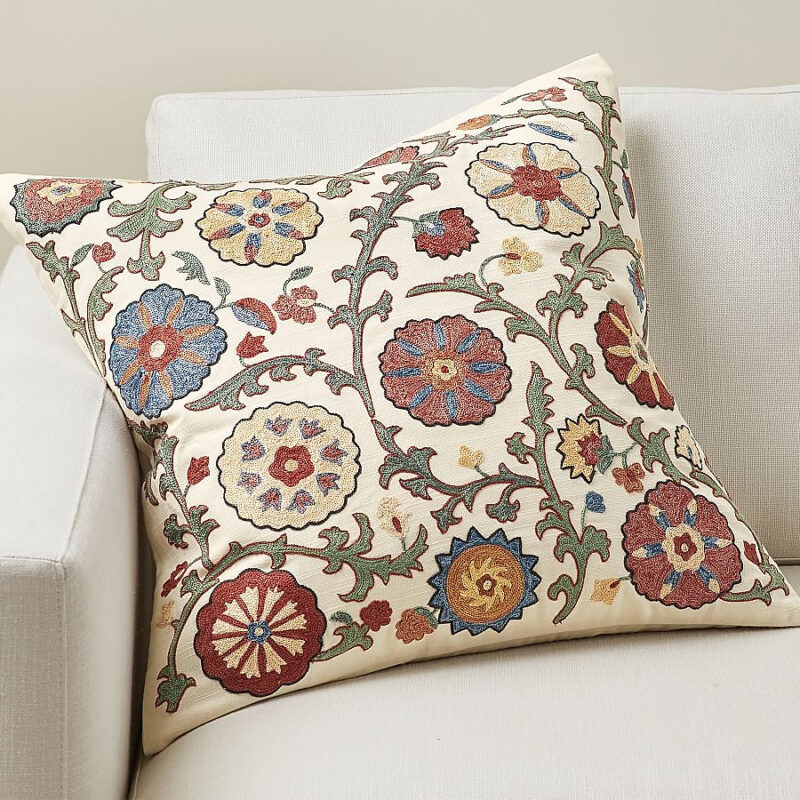 SHOP THE ITEM →
Penelope Embroidered Pillow Cover
$79.50 -
 SHOP THE ITEM →
The Annie Cowgirl Boot – Ombre suede | Tecovas
-
 SHOP THE ITEM →
Blue Flower Cereal Bowl Carolina Irving & Daughters
$40.00 -
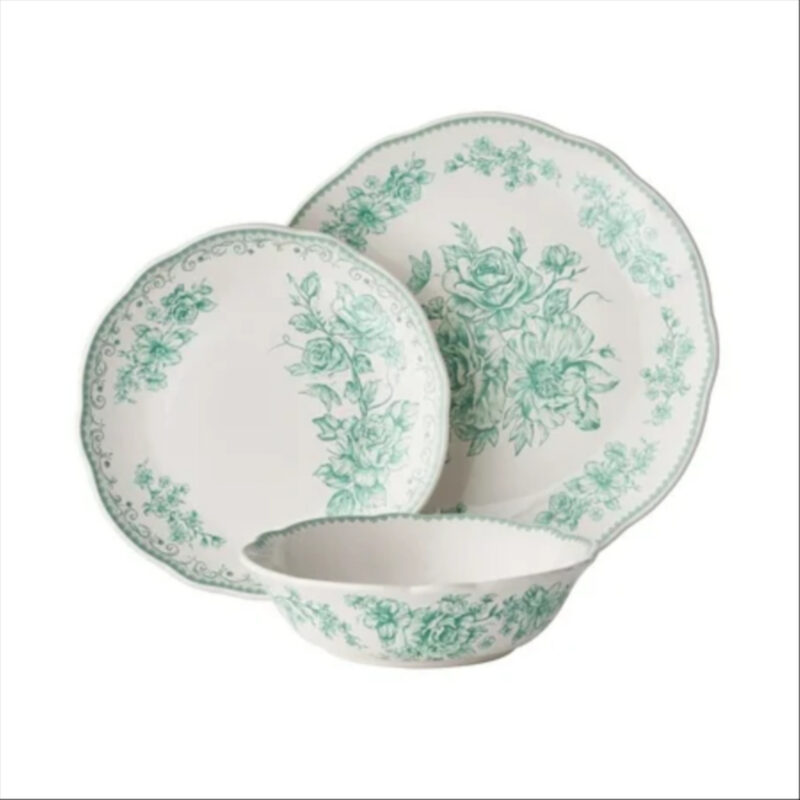 SHOP THE ITEM →
The Pioneer Woman Agatha 12-Piece Stoneware Dinnerware Set, Green
-
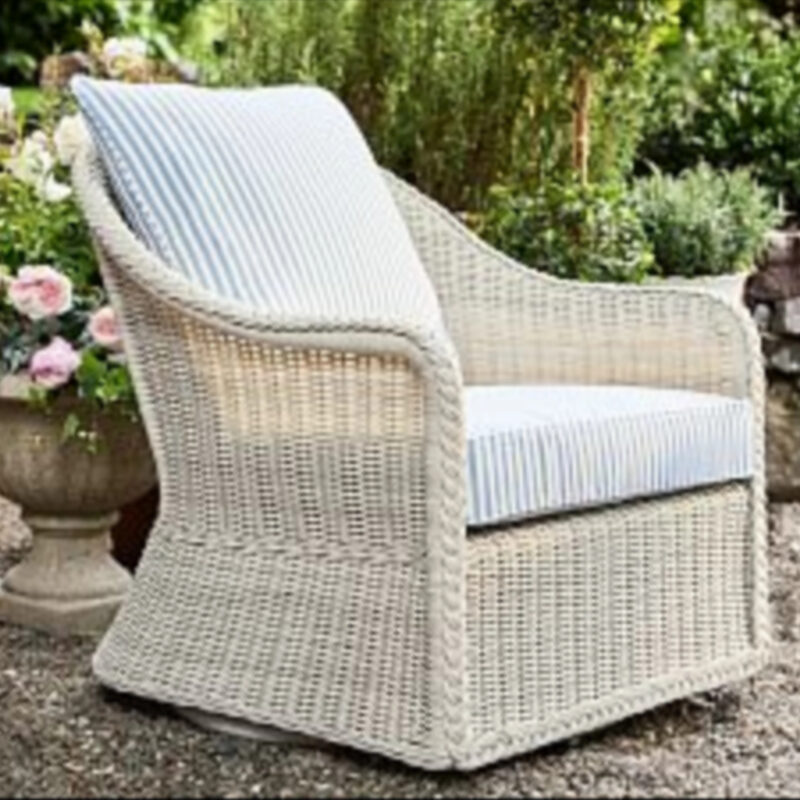 SHOP THE ITEM →
LoveShackFancy Wicker Swivel Outdoor Lounge Chair
-
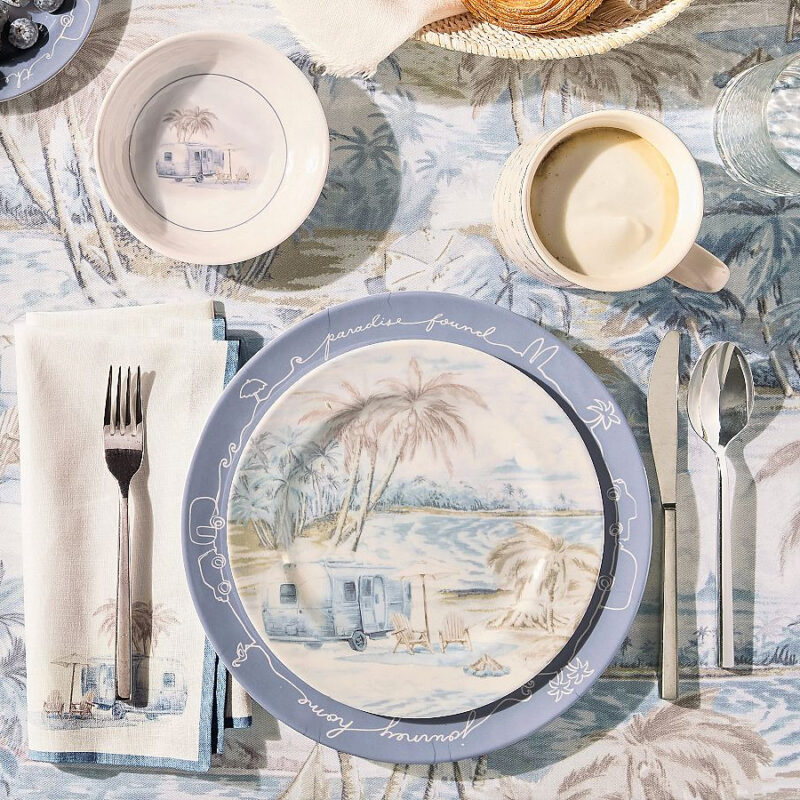 SHOP THE ITEM →
Airstream Outdoor Melamine Dinnerware Collection
-
 SHOP THE ITEM →
Reversible Linen Bamboo Pillow Cover Quince
-
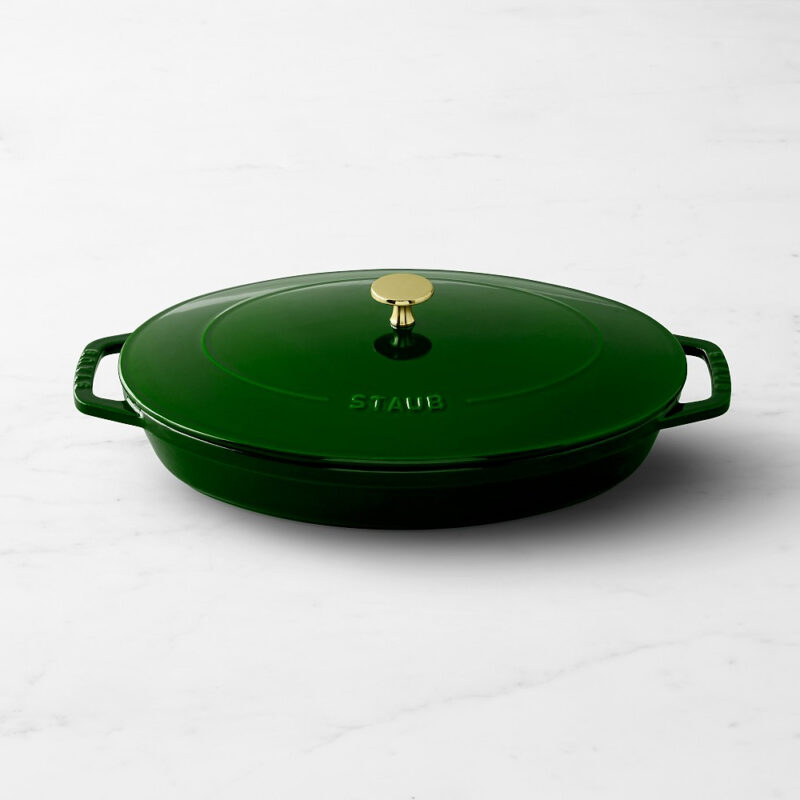 SHOP THE ITEM →
Staub Enameled Cast Iron Oval Gratin with Lid, 2.25 Qt. Staub Basil with Brass
-
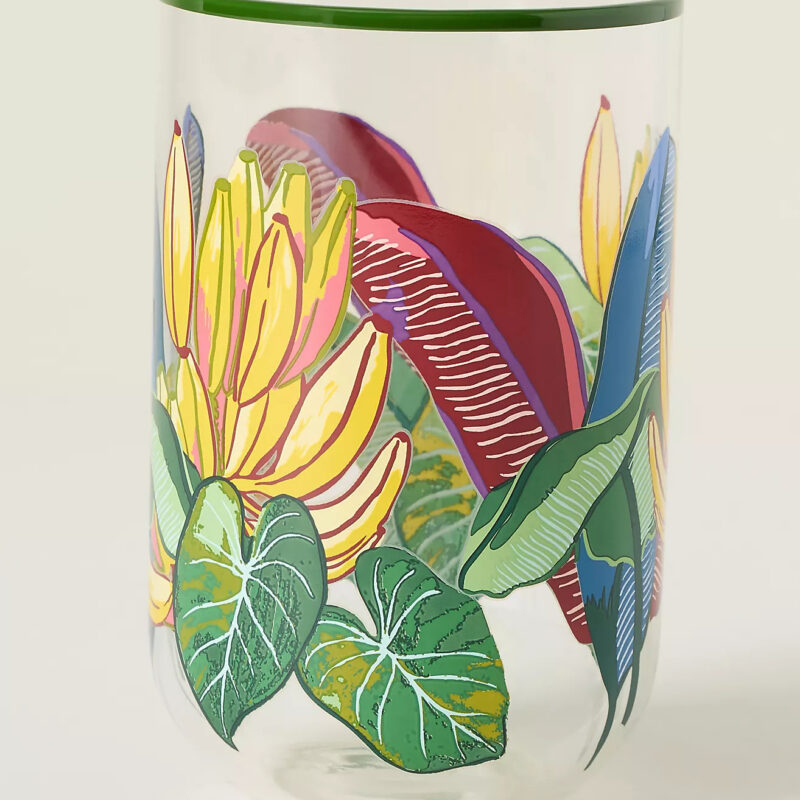 SHOP THE ITEM →
Farm Rio x Anthropologie Juice Glass
-
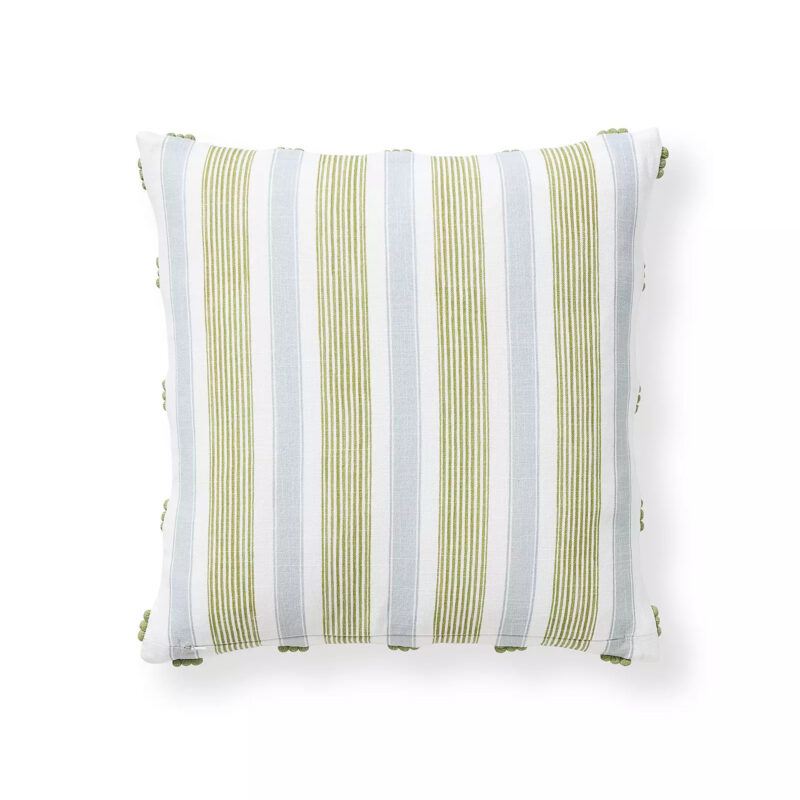 SHOP THE ITEM →
Sapri Pillow Cover
-
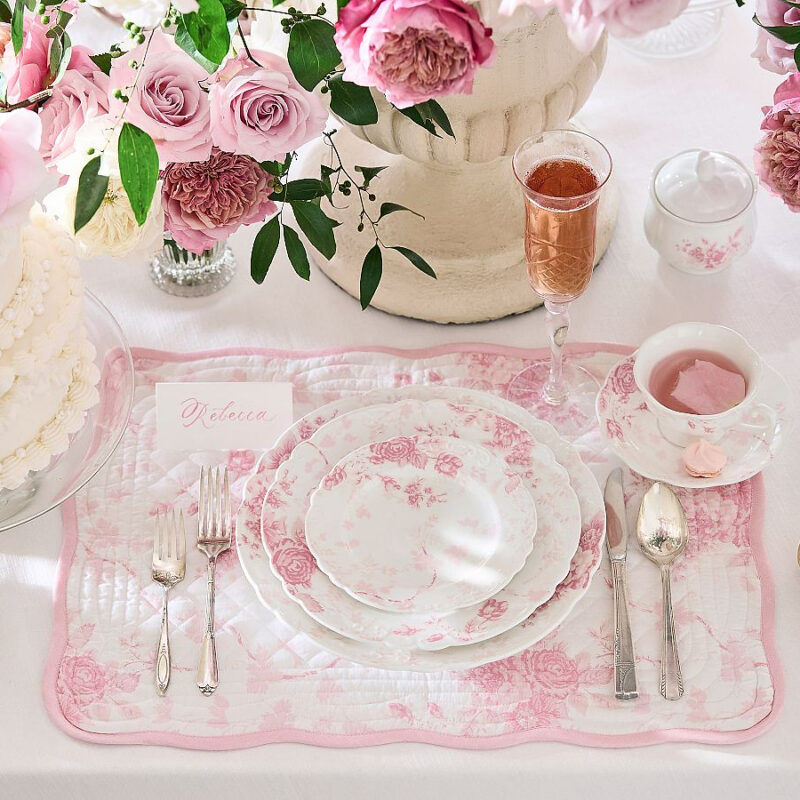 SHOP THE ITEM →
Love Shack Fancy Rose 12-Piece Dinnerware Set
-
 SHOP THE ITEM →
LoveShackFancyTufted Swivel Vanity Chair
You Might Also Enjoy
- Timeless Beauty: Vintage Wall Art for Collected, Calm Spaces
- Blue Mind Living: How the Ocean Has Shaped Our Family’s Rituals & Calm
- How to Style a Garden-Inspired Home: Kravet, Serena & Lily & Puebla Collection
- You Don’t Need a Big Garden to Grow Your Own Food — We found the perfect seed kit for you!
- The Best Plants for Home Decor That Make Every Room Look More Expensive