





This article may include affiliate links. We may earn a small commission if you shop through them.
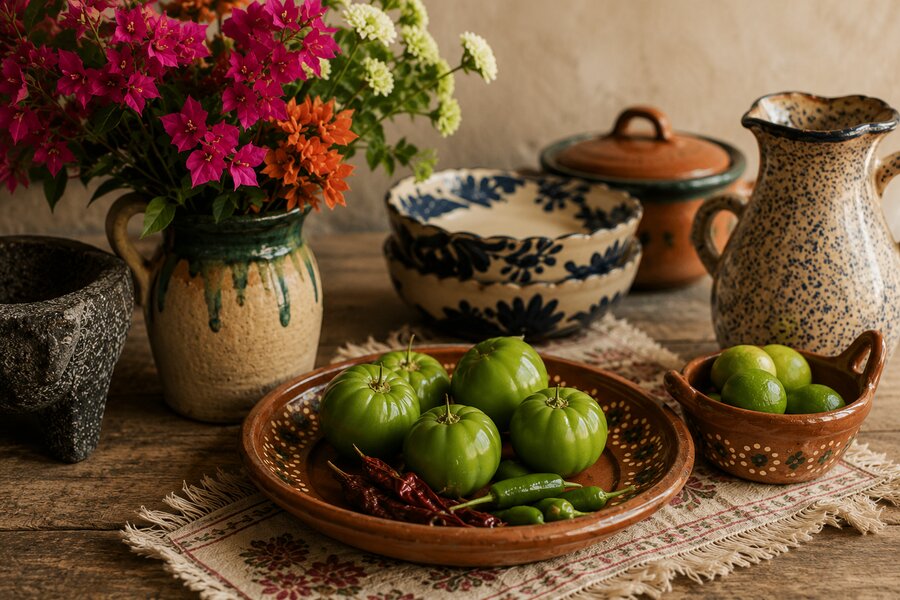
The aroma of roasted chiles fills the kitchen, mingling with the sharp scent of freshly squeezed lime. Nearby, a symphony of sizzling and bubbling plays as vibrant tomatoes, avocados, and cilantro create a colorful mosaic on the cutting board. This is the heart of Mexican cooking — a rich tapestry of flavors and textures that cookbooks strive to preserve and celebrate.
The Vibrant World of Mexican Cuisine
Mexican cuisine is a dynamic blend of indigenous ingredients and time-honored techniques, enriched by centuries of cultural exchange. Each dish tells a story of its people, landscape, and history. From the intricate moles of Oaxaca to the seafood ceviches of the Yucatán Peninsula, Mexican food is diverse and deeply rooted in regional traditions. These dishes connect modern kitchens to ancient civilizations, each carrying a narrative of its own.
The Señora Edit
Discover the home, beauty, fashion, and wellness finds our readers are loving most this week.
Shop This Week’s Bestsellers →Cookbooks like “Mexico: The Cookbook” by Margarita Carrillo Arronte serve as comprehensive guides, showcasing over 700 authentic recipes. This tome is a tribute to the country’s culinary diversity, capturing traditional dishes and offering insights into their origins and cultural significance. Arronte’s detailed recipes and vibrant photography bring readers into the heart of Mexican kitchens.
Building Your Mexican Cookbook Collection
Creating a Mexican cookbook collection is like crafting a personalized culinary adventure through Mexico’s regions. A well-rounded collection should include both classical and contemporary perspectives, offering insights into traditional techniques while embracing modern innovations. Here are essential titles that every home cook can appreciate, each contributing uniquely to a deeper understanding of Mexican cuisine.
Must-Have Mexican Cookbooks
1. “Mexico: The Cookbook” by Margarita Carrillo Arronte: This book is a comprehensive resource covering the breadth of traditional Mexican cooking. Arronte, a prominent chef and culinary ambassador, curates a collection that spans every region, providing a detailed overview of Mexico’s culinary landscape.
2. “Nopalito: A Mexican Kitchen” by Gonzalo Guzmán: This cookbook explores Mexico’s vibrant flavors through the lens of the Bay Area’s celebrated Nopalito restaurant. Guzmán offers recipes that balance authenticity with accessibility, making it easier for home cooks to recreate dishes like carnitas and totopos with chile de arbol salsa.
3. “The Essential Cuisines of Mexico” by Diana Kennedy: Known as the Julia Child of Mexican cuisine, Kennedy’s authoritative work compiles recipes from her earlier books, focusing on the authenticity and precision that define her style. Her detailed instructions and cultural insights make this book indispensable for serious cooks.
4. “Tu Casa Mi Casa: Mexican Recipes for the Home Cook” by Enrique Olvera: Renowned chef Enrique Olvera brings his signature approach to the home kitchen, offering recipes that highlight simplicity and flavor. This book invites exploration of Mexican dishes through a contemporary lens, emphasizing seasonal ingredients and straightforward techniques.
5. “Oaxaca: Home Cooking from the Heart of Mexico” by Bricia Lopez: A celebration of Oaxacan food, this book is both a love letter to Lopez’s heritage and a guide to replicating its flavors. With recipes for dishes like tlayudas and mole negro, it captures the vibrant spirit and traditions of Oaxaca.
The Diversity of Regional Mexican Cuisine
Mexican cuisine is defined by its regional variations, each offering a unique culinary identity. Understanding these differences is crucial for mastering Mexican cooking.
The northern region is known for its meat-centric dishes, often featuring beef and goat, reflecting ranching traditions. In contrast, the southern regions, like Oaxaca and Chiapas, are celebrated for their moles and corn-based dishes, rooted in indigenous culinary practices. Coastal areas, such as Baja California and the Yucatán Peninsula, focus on seafood, with fresh ceviches and grilled fish playing starring roles. Each region contributes distinct flavors to the national cuisine, making Mexican food as diverse as it is flavorful.
Cookbooks like “Oaxaca al Gusto” by Diana Kennedy and “Yucatán: Recipes from a Culinary Expedition” by David Sterling offer in-depth explorations of these regions, providing context and recipes that honor regional traditions. These books serve as both recipe collections and cultural guides, offering a deeper appreciation of the factors shaping each region’s cuisine.
The Key Ingredients in Mexican Cooking
Ingredients are the cornerstone of Mexican cooking, with many recipes relying on staples that define the cuisine’s character. Corn, beans, and chiles appear in various forms across countless dishes, complemented by a diverse array of herbs, spices, and proteins, each contributing to the complexity and depth of Mexican flavors.
Chiles, in particular, play a pivotal role, with varieties like jalapeños, poblanos, and habaneros offering different levels of heat and flavor profiles. Fresh herbs such as cilantro and epazote add brightness and aroma, while spices like cumin and cinnamon provide warmth and depth. Proteins, including pork, chicken, and seafood, are often marinated or slow-cooked to develop rich, layered flavors.
For home cooks, understanding and sourcing these ingredients is essential for authentic Mexican cooking. Many cookbooks include sections dedicated to ingredient selection and preparation, offering guidance on what to look for and how to use them effectively. For example, “The Art of Mexican Cooking” by Diana Kennedy provides detailed descriptions of essential ingredients, complete with tips on where to find them and how to incorporate them into dishes.
Your Guide to Mexican Cookbooks
| Cookbook | Focus | Author | Ideal For |
|---|---|---|---|
| “Mexico: The Cookbook” | Traditional Recipes | Margarita Carrillo Arronte | Comprehensive Overview |
| “Nopalito: A Mexican Kitchen” | Contemporary Bay Area | Gonzalo Guzmán | Modern Interpretations |
| “The Essential Cuisines of Mexico” | Authenticity | Diana Kennedy | Serious Cooks |
| “Tu Casa Mi Casa” | Home Cooking | Enrique Olvera | Simple Techniques |
| “Oaxaca: Home Cooking” | Oaxacan Cuisine | Bricia Lopez | Regional Specialties |
Maximizing Your Mexican Cookbooks
Owning a collection of Mexican cookbooks is just the beginning; using them effectively can transform your cooking experience. Start by familiarizing yourself with key ingredients that are staples in Mexican cuisine. Many cookbooks provide introductory sections explaining the importance and usage of these ingredients, offering a foundational understanding before diving into recipes.
Experiment with different recipes and techniques to find what resonates with your palate. Mexican cooking often involves layering flavors, so be patient with processes that require marinating or slow cooking. These steps can significantly enhance the depth and complexity of your dishes.
Additionally, consider the seasonality of ingredients. Mexican cuisine often emphasizes fresh produce, so sourcing ingredients during their peak season can elevate the quality of your dishes. Many cookbooks include notes on seasonality, helping you make informed decisions about when to prepare certain recipes.
FAQs About Mexican Cookbooks
What should I look for in a good Mexican cookbook?
A quality Mexican cookbook should offer authenticity, detailed instructions, and cultural context. Look for books that provide background on the origins of recipes and include clear, step-by-step guidance. It’s also helpful if the cookbook features a glossary of ingredients and techniques.
Are there cookbooks that focus on vegetarian Mexican recipes?
Yes, several cookbooks focus on plant-based Mexican cuisine. “The Mexican Vegetarian Cookbook” by Margarita Carrillo Arronte is an excellent resource, offering a wide array of vegetarian recipes that celebrate traditional flavors while accommodating plant-based diets.
How can I find authentic Mexican ingredients?
Many cities have specialty markets or grocery stores that carry authentic Mexican ingredients. Online retailers also offer a wide selection, making it easier to source items like dried chiles, masa harina, and various spices. Cookbooks often provide recommendations for sourcing ingredients, both locally and online.
Why is regional specificity important in Mexican cookbooks?
Regional specificity is crucial because Mexican cuisine is highly diverse, with each region offering unique culinary traditions. Understanding these regional differences allows you to appreciate the full spectrum of flavors and techniques that characterize Mexican cooking, enriching your culinary repertoire.
Can I adapt traditional recipes to modern cooking methods?
Yes, many traditional recipes can be adapted to modern cooking methods without sacrificing authenticity. For example, slow cookers or pressure cookers can be used to replicate the slow braising techniques traditionally used in Mexican cooking. Cookbooks often include tips for adapting recipes to suit contemporary kitchens.
Conclusion: Bringing Mexican Flavors to Your Kitchen
The world of Mexican cuisine is vast and inviting, offering a wealth of flavors, techniques, and traditions to explore. By curating a thoughtful collection of cookbooks, you can embark on a culinary adventure that brings the vibrant essence of Mexico into your home. Whether you’re drawn to the robust, earthy flavors of regional moles or the fresh, citrusy notes of ceviche, these cookbooks provide the keys to unlocking the secrets of authentic Mexican cooking. As you experiment and discover, you’ll find not just recipes, but a deeper connection to the rich cultural heritage that defines this beloved cuisine.
Shop This Week’s Bestsellers
Discover the home, beauty, fashion, and wellness finds our readers are loving most.
Shop Bestsellers →-
 SHOP THE ITEM →
Hartwell Indoor/Outdoor Lantern McGee & Co
$358.00 -
 SHOP THE ITEM →
Bistro Tile Stoneware 24k Gold Accent Garden Hook Anthropologie
$20.00 -
 SHOP THE ITEM →
Brown Twisted Taper Candles (Set of 2) McGee & Co
$22.00 -
 SHOP THE ITEM →
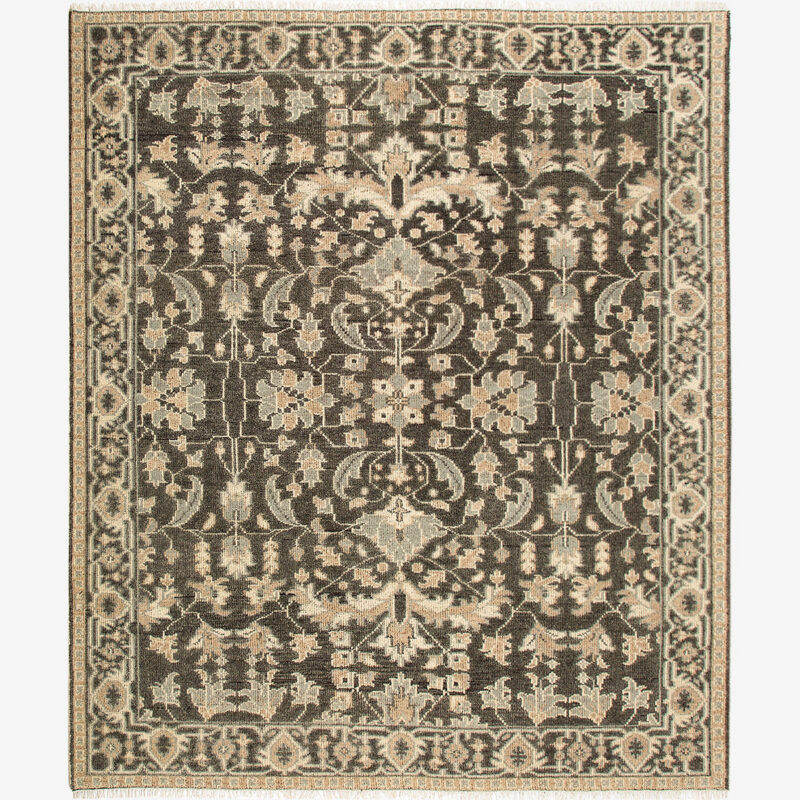
Wayland Hand-Knotted Wool Rug McGee & Co
$846.00 -
 SHOP THE ITEM →
Maeve Brynne Cotton Percale Stripe Tie Printed Duvet
$178.00 -
 SHOP THE ITEM →
Coralie Striped Lumbar Pillow Cover
$89.50 -
 SHOP THE ITEM →
Sand Ric Rac Tie Brocks Dress
$228.00 -
 SHOP THE ITEM →
Abstract Alps Como Dress
$298.00 -
 SHOP THE ITEM →
Wine Pleated Sleeveless Midi Dress Moon River
$118.00 -
 SHOP THE ITEM →
VICTORIA BECKHAM – Suede Shirt
-
 SHOP THE ITEM →
Paloma Wrap Skirt in Lost At Sea Hunter bell
$445.00 -
 SHOP THE ITEM →
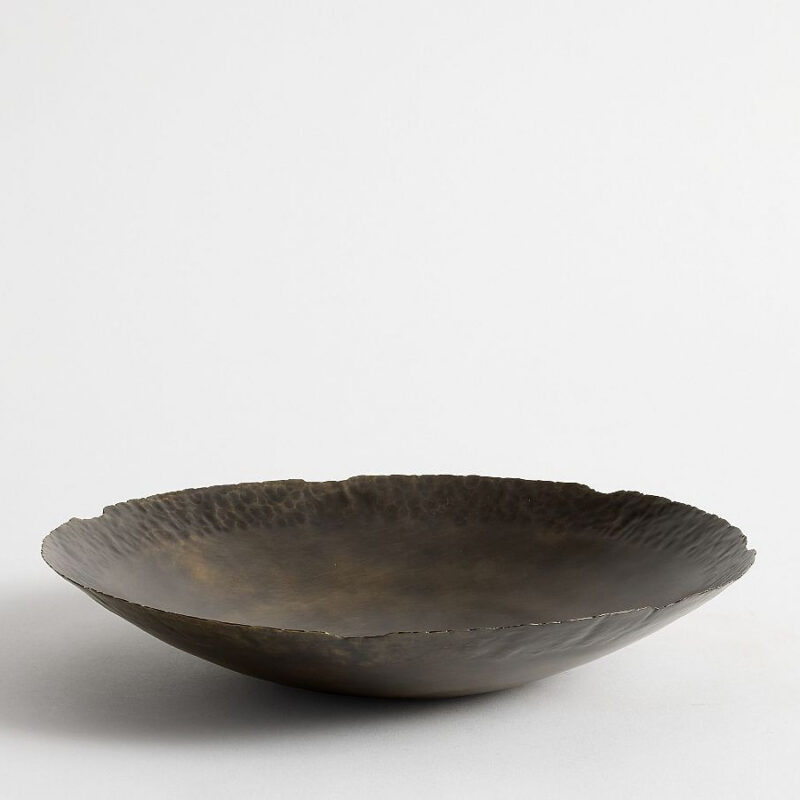
Antique Black Iron Decorative Bowl
$29.50 -
 SHOP THE ITEM →
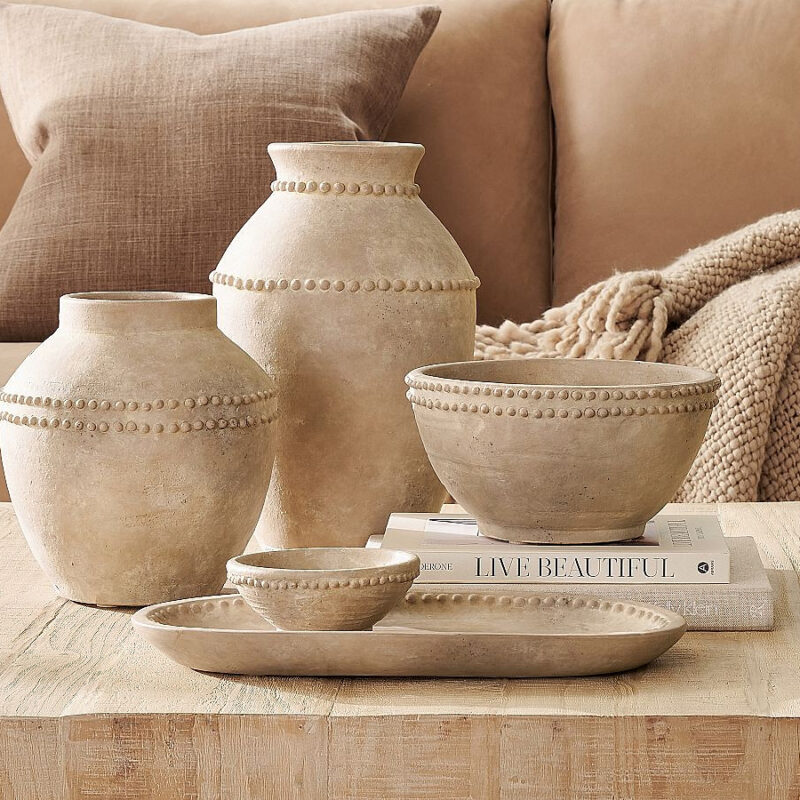
Emilia Ceramic Collection
$79.50 -
 SHOP THE ITEM →
Le Bouquet Maxi Dress in Pink Waimari
$595.00 -
 SHOP THE ITEM →
LoveShackFancy Pink Damask Floral Mackenzie Backpack
$69.50 -
 SHOP THE ITEM →
Cordelia Toile Reversible Quilt
$349.00 -
 SHOP THE ITEM →
Lydia Palampore Embroidered Quilt
$349.00 -
 SHOP THE ITEM →
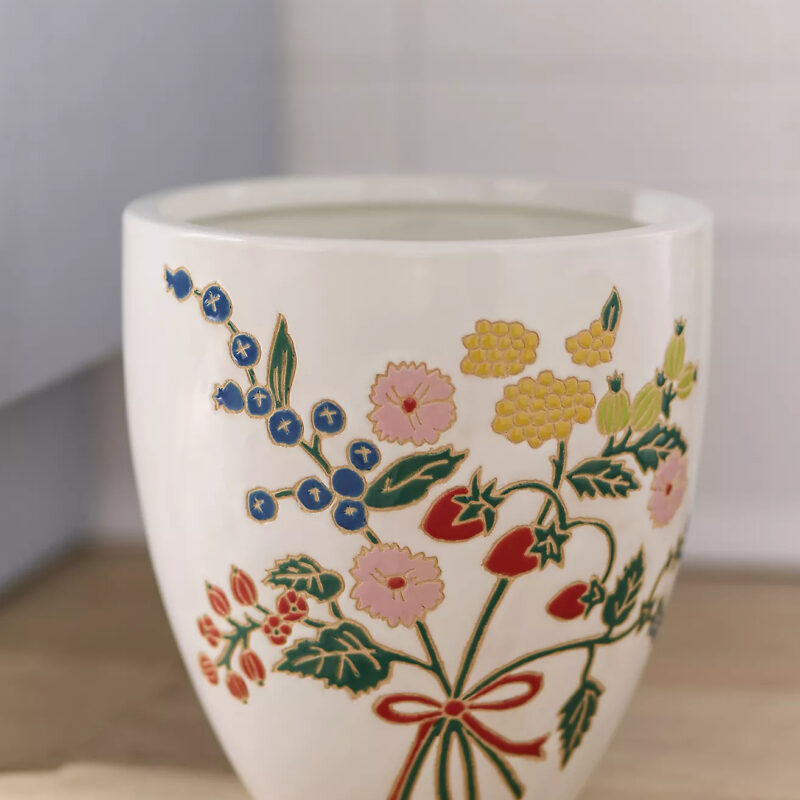
Hand-Painted Ceramic Waste Bin
$68.00 -
 SHOP THE ITEM →
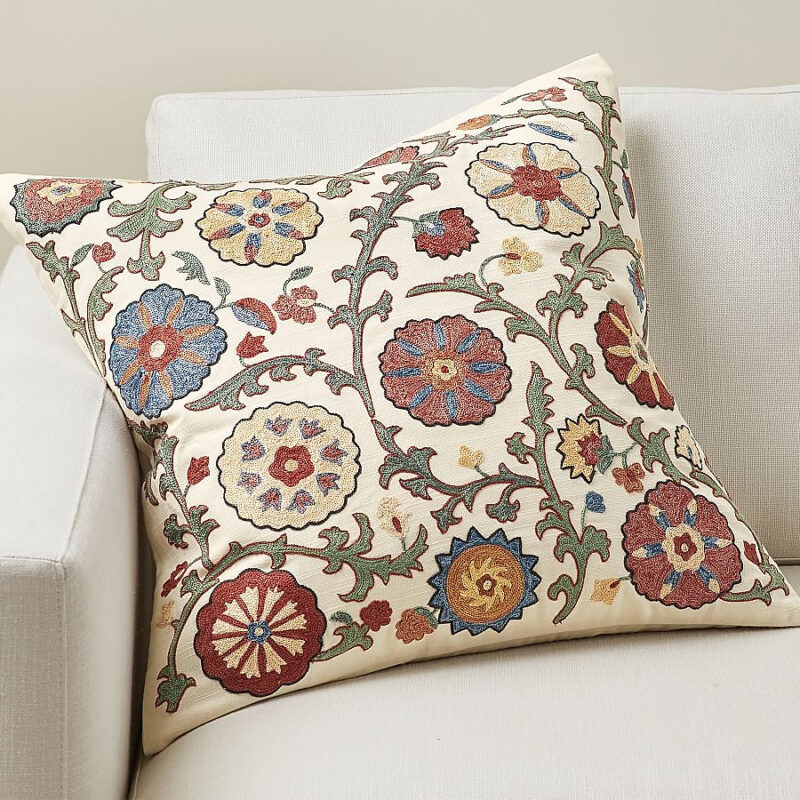
Penelope Embroidered Pillow Cover
$79.50 -
 SHOP THE ITEM →
The Annie Cowgirl Boot – Ombre suede | Tecovas
-
 SHOP THE ITEM →
Blue Flower Cereal Bowl Carolina Irving & Daughters
$40.00 -
 SHOP THE ITEM →
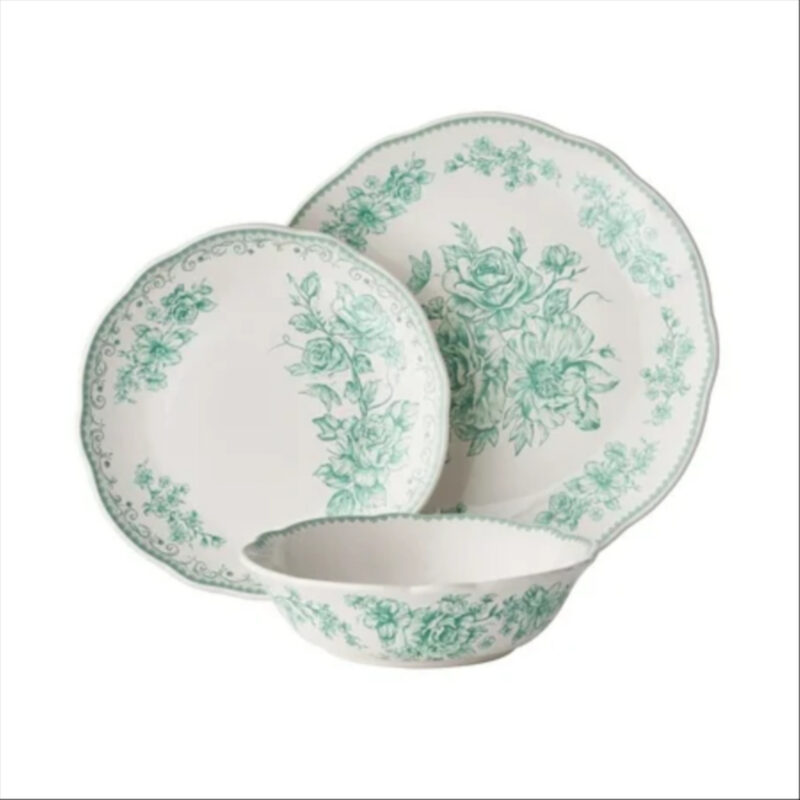
The Pioneer Woman Agatha 12-Piece Stoneware Dinnerware Set, Green
-
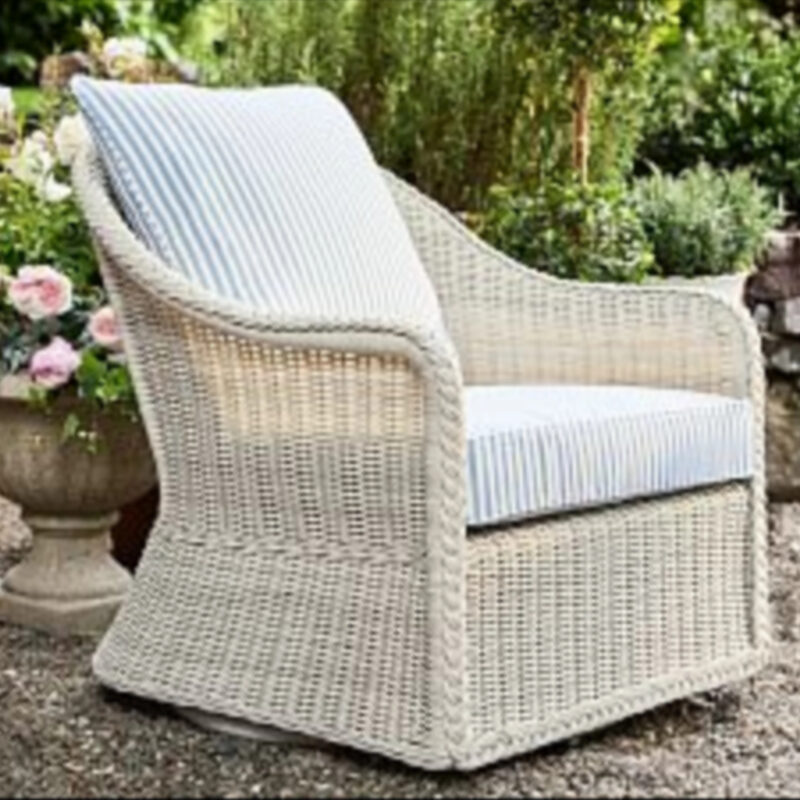 SHOP THE ITEM →
LoveShackFancy Wicker Swivel Outdoor Lounge Chair
-
 SHOP THE ITEM →
Airstream Outdoor Melamine Dinnerware Collection
-
 SHOP THE ITEM →
Reversible Linen Bamboo Pillow Cover Quince
-
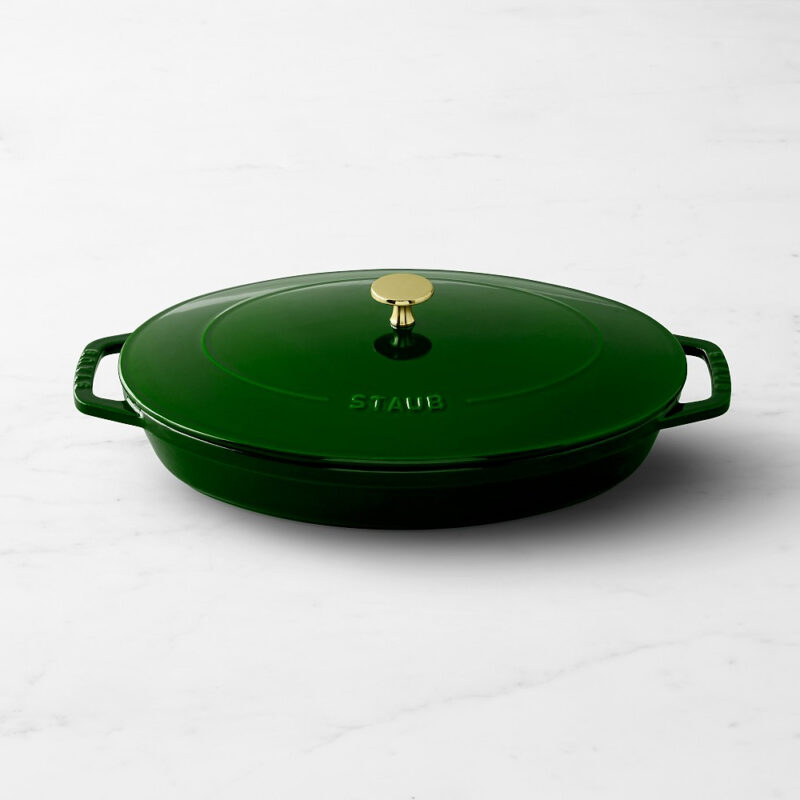 SHOP THE ITEM →
Staub Enameled Cast Iron Oval Gratin with Lid, 2.25 Qt. Staub Basil with Brass
-
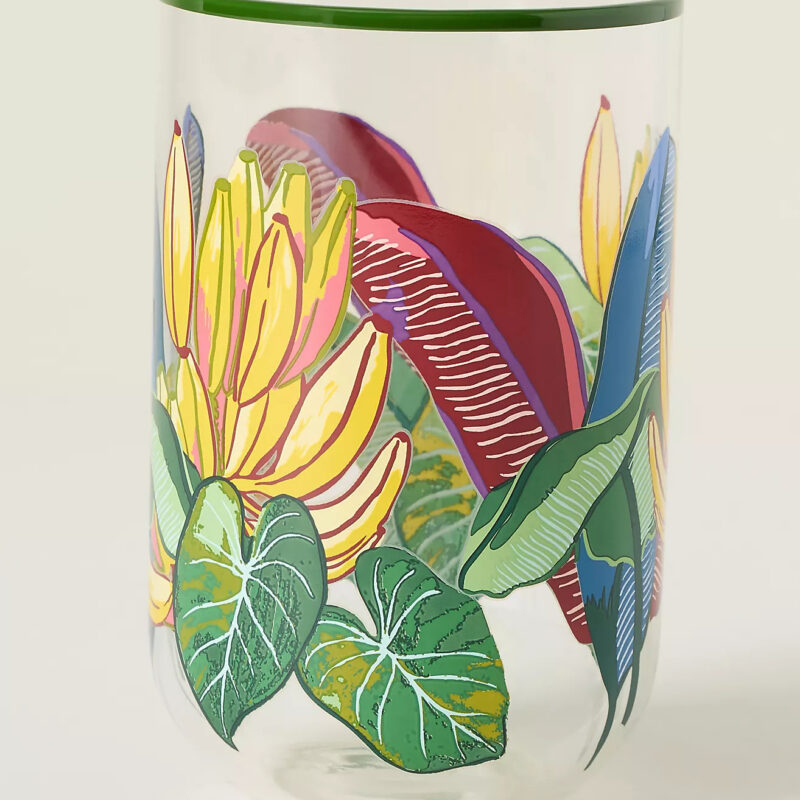 SHOP THE ITEM →
Farm Rio x Anthropologie Juice Glass
-
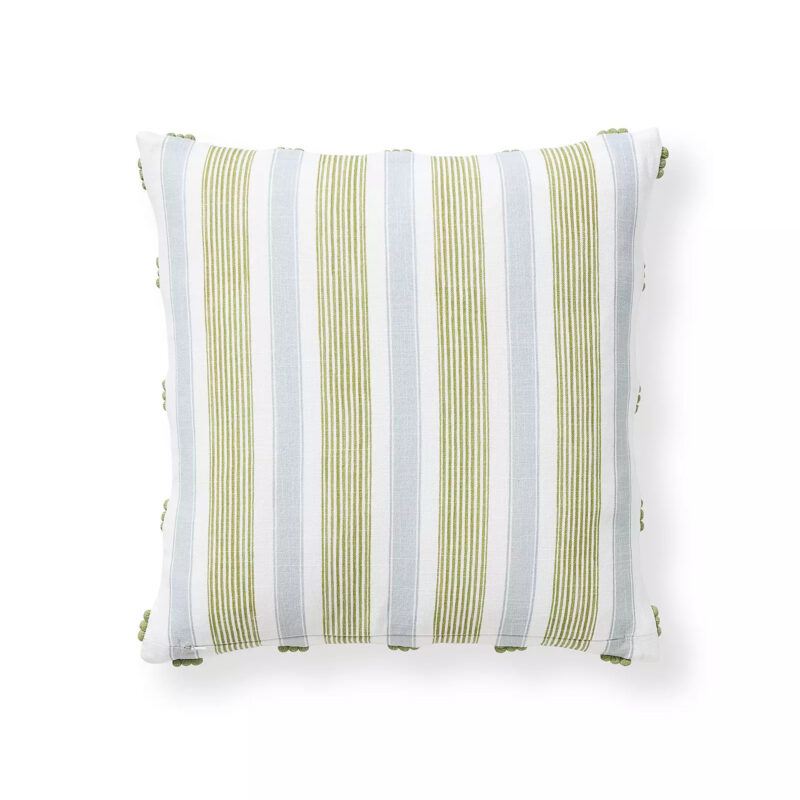 SHOP THE ITEM →
Sapri Pillow Cover
-
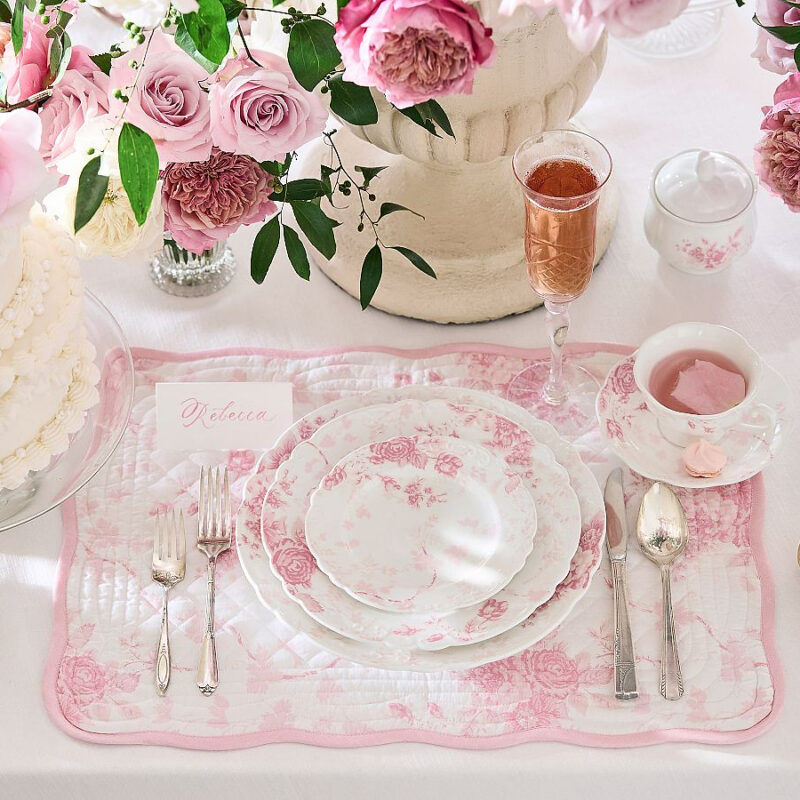 SHOP THE ITEM →
Love Shack Fancy Rose 12-Piece Dinnerware Set
-
 SHOP THE ITEM →
LoveShackFancyTufted Swivel Vanity Chair
You Might Also Enjoy
- How to Style a Garden-Inspired Home: Kravet, Serena & Lily & Puebla Collection
- The Brandon Maxwell x Pottery Barn Collection, Where Fashion’s Americana Finds a Home
- Seasonal Transitions and Home Energy: A Thoughtful Guide
- 10-Step Guide to Creating a 2026 Slow Living Vision Board That Literally Worked For Us
- Why the Shark Luxe Collection Is the Home Upgrade We Didn’t Know We Needed