





This article may include affiliate links. We may earn a small commission if you shop through them.
Thoughtful Textiles for Everyday Living
In a world that often feels fast-paced and fleeting, there is quiet comfort in surrounding ourselves with materials that feel timeless and grounding. Thoughtful textiles—crafted from natural fibers, rich with texture, and rooted in sustainability—have a way of transforming the spaces we inhabit and the routines we treasure. They are more than just functional; they tell stories, connect us to heritage, and invite us to slow down. Whether it’s the linen napkin you unfold at dinner or the wool throw draped over your favorite chair, these fabrics bring intention and beauty to everyday life.
Natural Materials That Feel Grounded
When choosing textiles for your home, materials matter. Natural fibers not only feel better against the skin but also age gracefully, becoming softer and more beautiful as the years go by. Here are some timeless options to consider:
The Señora Edit
Discover the home, beauty, fashion, and wellness finds our readers are loving most this week.
Shop This Week’s Bestsellers →Linen: The Quiet Elegance of Everyday
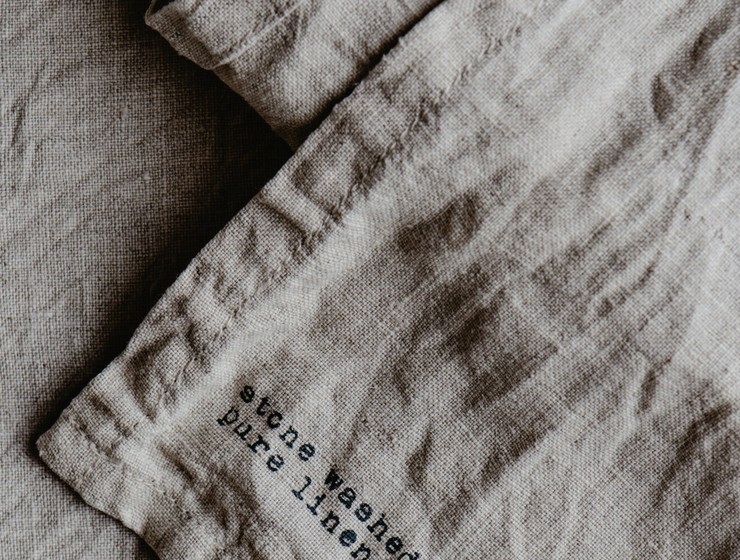
Linen, woven from the fibers of the flax plant, is known for its breathability, durability, and understated elegance. Its slightly textured surface feels warm in the winter and cool in the summer, making it a versatile choice for everything from bedding to tablecloths. Look for stonewashed linen for a softer, lived-in feel that only improves with time.
Cotton: Familiar and Dependable
Cotton is a staple in most homes for good reason. Organic cotton, in particular, offers a natural alternative free of harsh chemicals. From crisp percale sheets to handwoven kitchen towels, cotton brings a sense of comfort and practicality that fits seamlessly into daily life.
Wool: Warmth and Texture
Wool, with its natural insulating properties, is perfect for cooler months. Look for wool throws or rugs made from sustainable sources, such as merino wool or alpaca. These pieces add a layer of texture and warmth that feels grounding on chilly mornings or quiet evenings at home.
Hemp: Resilient and Sustainable
Hemp is a durable, eco-friendly option that has been used for centuries. Its fibers create strong, long-lasting fabrics that work beautifully for upholstery, cushions, or even curtains. Hemp’s natural resistance to wear and tear makes it an investment worth considering.
Textiles That Tell a Story
Part of what makes a textile feel meaningful is its origin. Seek out pieces that carry a sense of history or heritage. Handwoven fabrics, for example, often reflect regional traditions and craftsmanship. Supporting artisans who create these works not only brings beauty to your home but also sustains traditional practices.
Block-Printed Fabrics
Block-printing, an age-old technique, creates patterns that feel both organic and intentional. Look for table linens or cushions adorned with these intricate designs to add a touch of artistry to your spaces.
Handwoven Rugs
Rugs woven by skilled artisans offer a tactile connection to the process of their creation. Whether it’s a Turkish kilim or a Peruvian wool rug, these pieces carry with them a sense of place and tradition.
Vintage Textiles
Incorporating vintage fabrics, like kantha quilts or antique lace, can bring a sense of history and uniqueness to your home. These pieces often carry the marks of their previous lives, making them even more special.
Sustainability in Textiles
Thoughtful living extends to the materials we bring into our homes. Choosing sustainable textiles means considering how they are made, the environmental impact of their production, and their lifespan. Look for certifications like GOTS (Global Organic Textile Standard) or Fair Trade labels to ensure your choices align with your values.
Upcycled and Recycled Fabrics
Some companies are creating beautiful textiles from recycled fibers, giving new life to materials that might otherwise go to waste. These options combine sustainability with innovation.
Natural Dye Processes
Fabrics dyed with natural pigments, such as indigo or plant-based dyes, not only avoid harsh chemicals but also result in colors that feel soft and earthy. These dyes often fade gently over time, adding to their charm.
Tips for Thoughtful Care
To make the most of your textiles, care for them with intention. Gentle washing, air drying, and proper storage can prolong their life and maintain their beauty. Consider mending or repurposing worn fabrics rather than discarding them—they may find new life as a patchwork quilt or a set of cleaning cloths.
Closing Thoughts
The textiles we choose for our homes are more than just functional objects. They are part of the rhythm of our days—the napkin that catches crumbs during breakfast, the blanket that warms us during quiet evenings, the curtains that filter morning light. By selecting materials that feel thoughtful and grounded, we create spaces that reflect who we are and what we value. In the end, these simple pieces have the power to turn ordinary moments into something a little more meaningful.
FAQ
What are the benefits of natural textiles?
Natural textiles, such as linen, cotton, wool, and hemp, are breathable, durable, and often more sustainable than synthetic alternatives. They age beautifully and bring warmth and texture to your home.
How do I care for natural fabrics?
Always check the care instructions specific to each material. Generally, washing in cool water, air drying, and avoiding harsh detergents will help maintain their quality. For delicate items, consider hand washing or dry cleaning.
Where can I find sustainable textiles?
Look for brands that prioritize organic materials, fair trade practices, or artisan-made goods. Certifications like GOTS or OEKO-TEX can also indicate sustainable and ethical production.
Shop This Week’s Bestsellers
Discover the home, beauty, fashion, and wellness finds our readers are loving most.
Shop Bestsellers →-
 Shop the Item
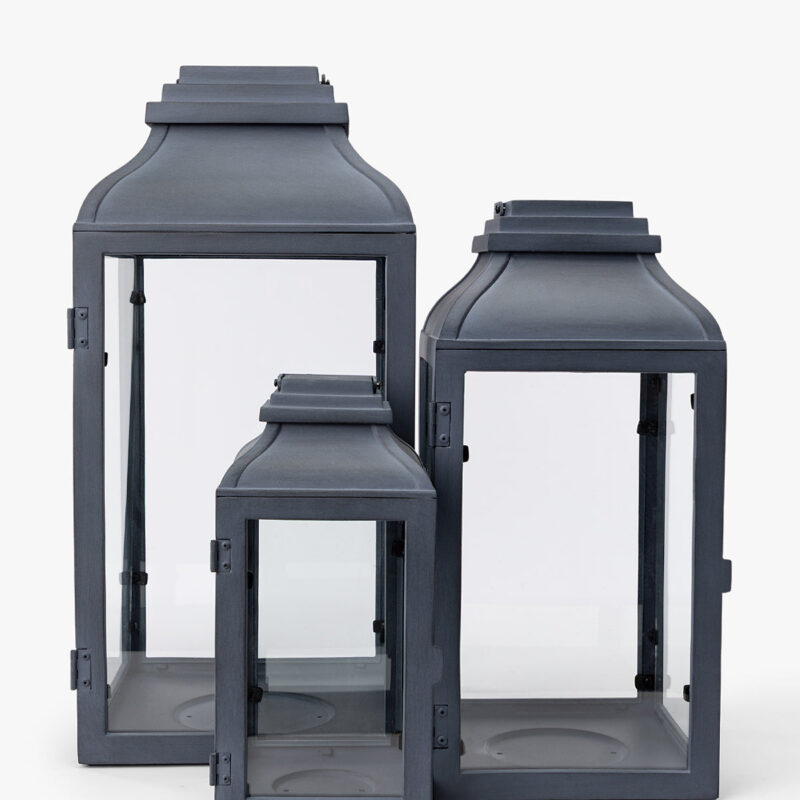
Hartwell Indoor/Outdoor Lantern McGee & Co
$358.00 -
 Shop the Item
Bistro Tile Stoneware 24k Gold Accent Garden Hook Anthropologie
$20.00 -
 Shop the Item
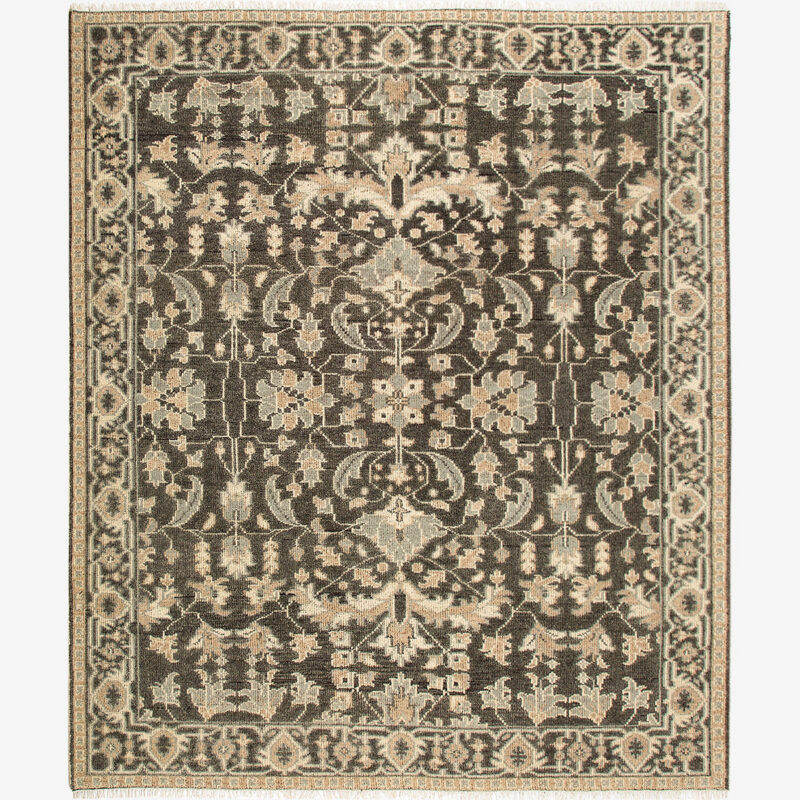
Wayland Hand-Knotted Wool Rug McGee & Co
$846.00 -
 Shop the Item
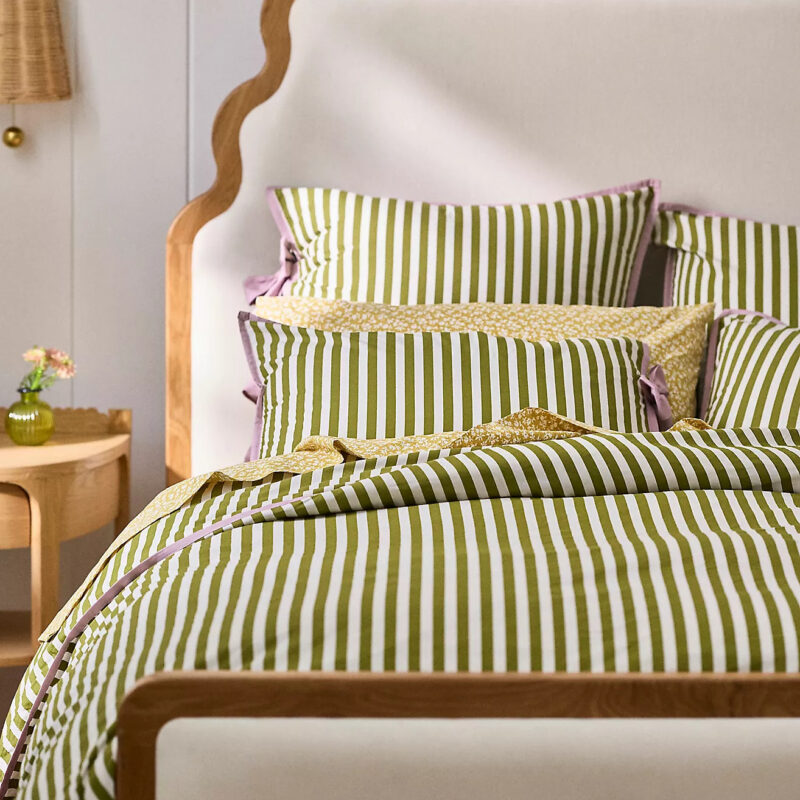
Maeve Brynne Cotton Percale Stripe Tie Printed Duvet
$178.00 -
 Shop the Item
Coralie Striped Lumbar Pillow Cover
$89.50 -
 Shop the Item
Sand Ric Rac Tie Brocks Dress
$228.00 -
 Shop the Item
Abstract Alps Como Dress
$298.00 -
 Shop the Item
Wine Pleated Sleeveless Midi Dress Moon River
$118.00 -
 Shop the Item
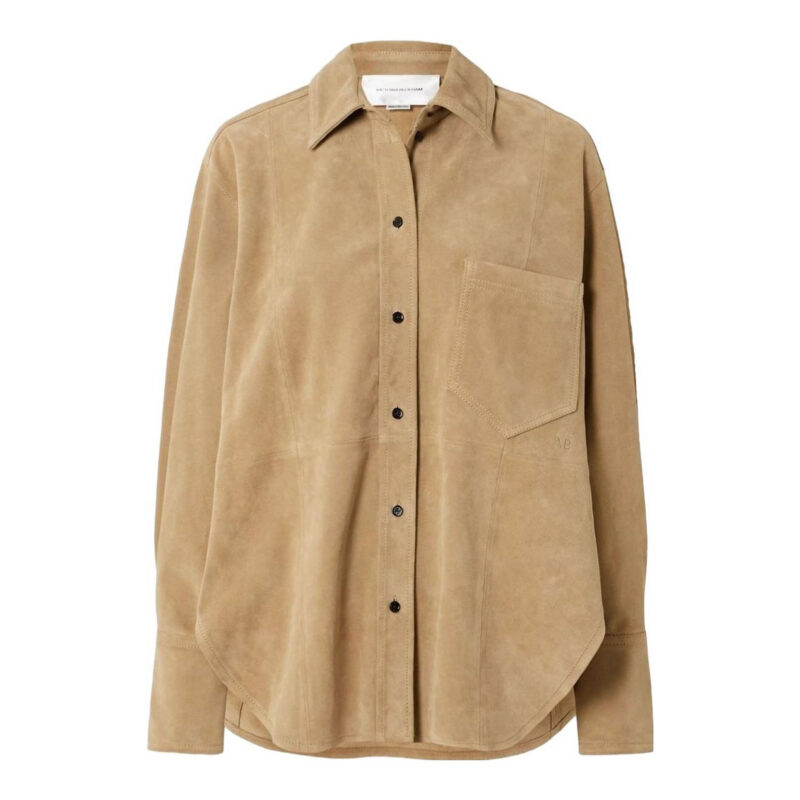
VICTORIA BECKHAM – Suede Shirt
-
 Shop the Item
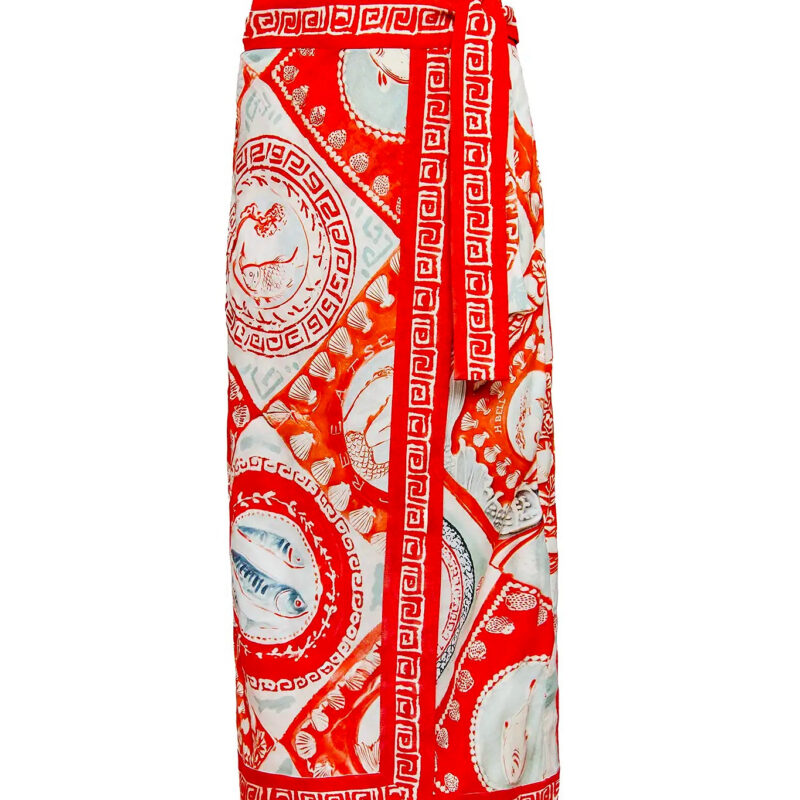
Paloma Wrap Skirt in Lost At Sea Hunter bell
$445.00 -
 Shop the Item
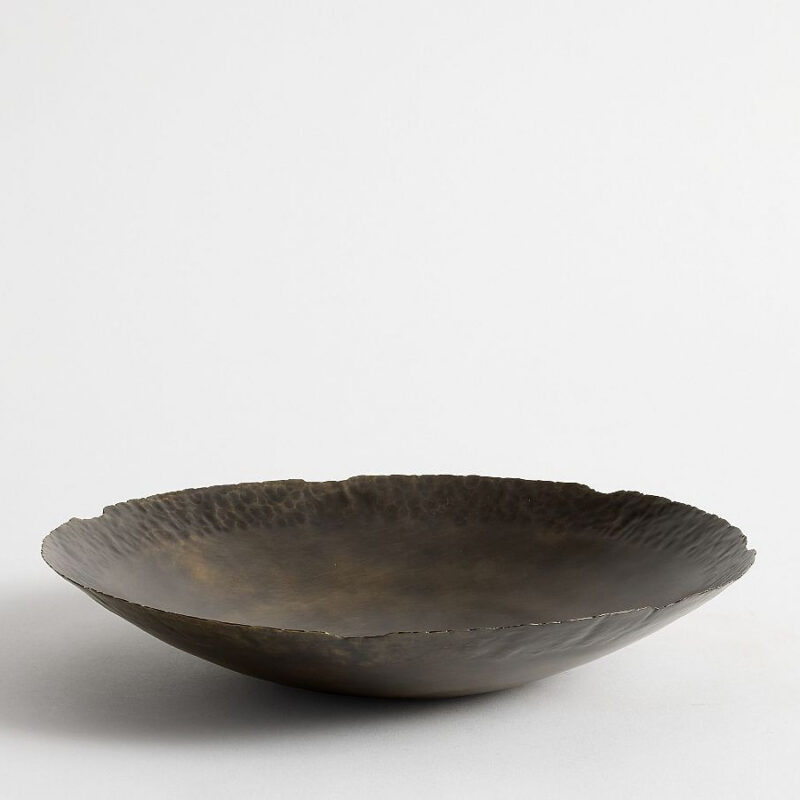
Antique Black Iron Decorative Bowl
$29.50 -
 Shop the Item
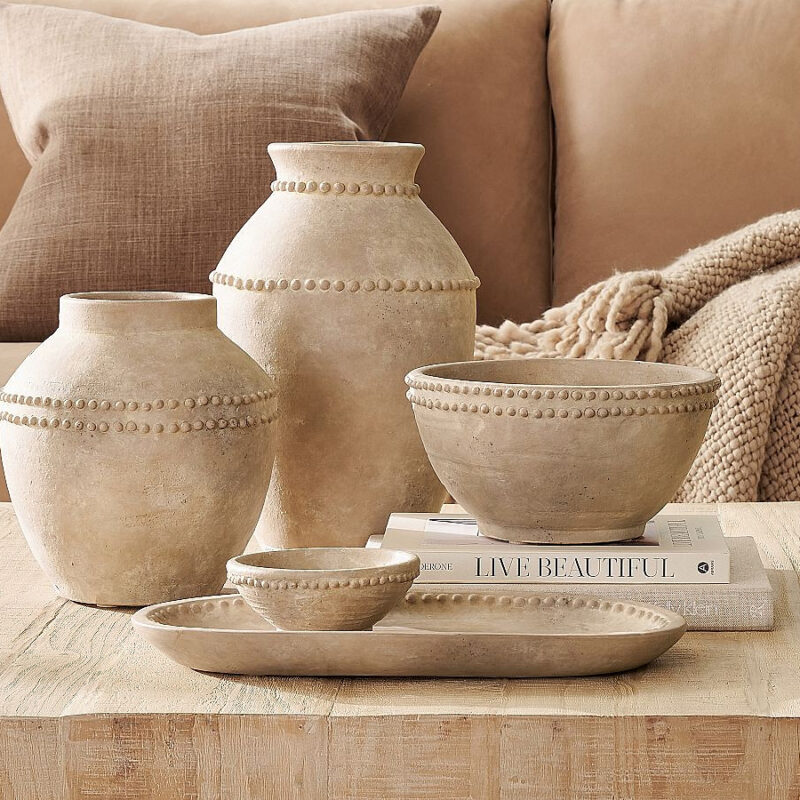
Emilia Ceramic Collection
$79.50 -
 Shop the Item
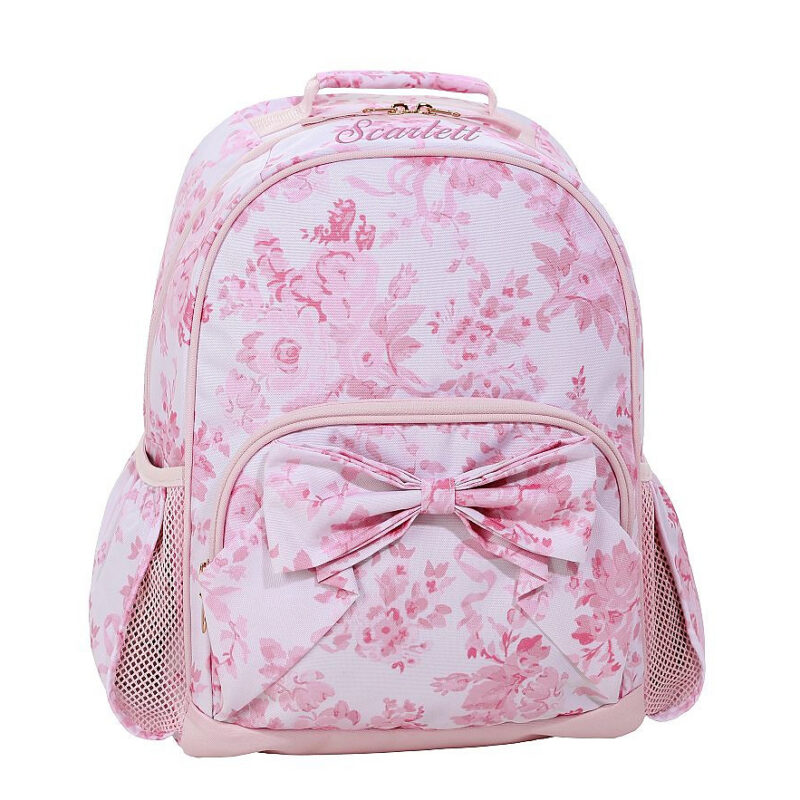
LoveShackFancy Pink Damask Floral Mackenzie Backpack
$69.50 -
 Shop the Item
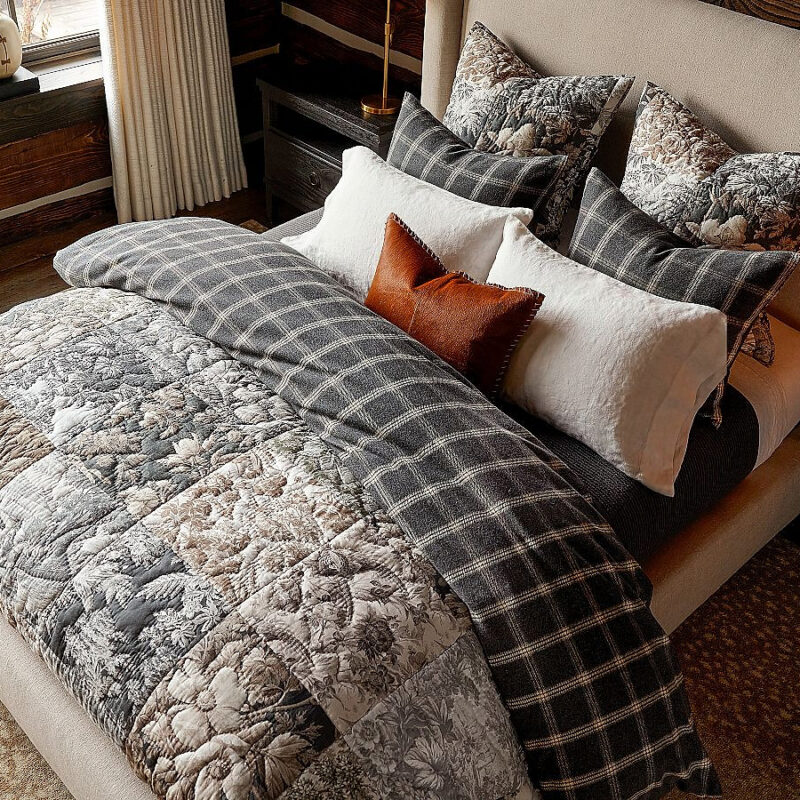
Cordelia Toile Reversible Quilt
$349.00 -
 Shop the Item
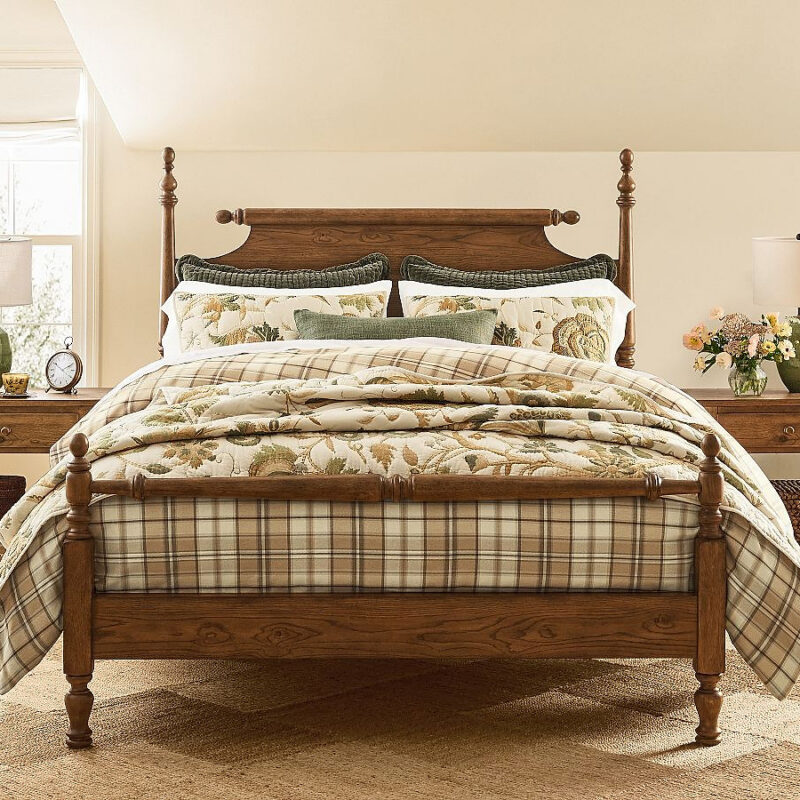
Lydia Palampore Embroidered Quilt
$349.00 -
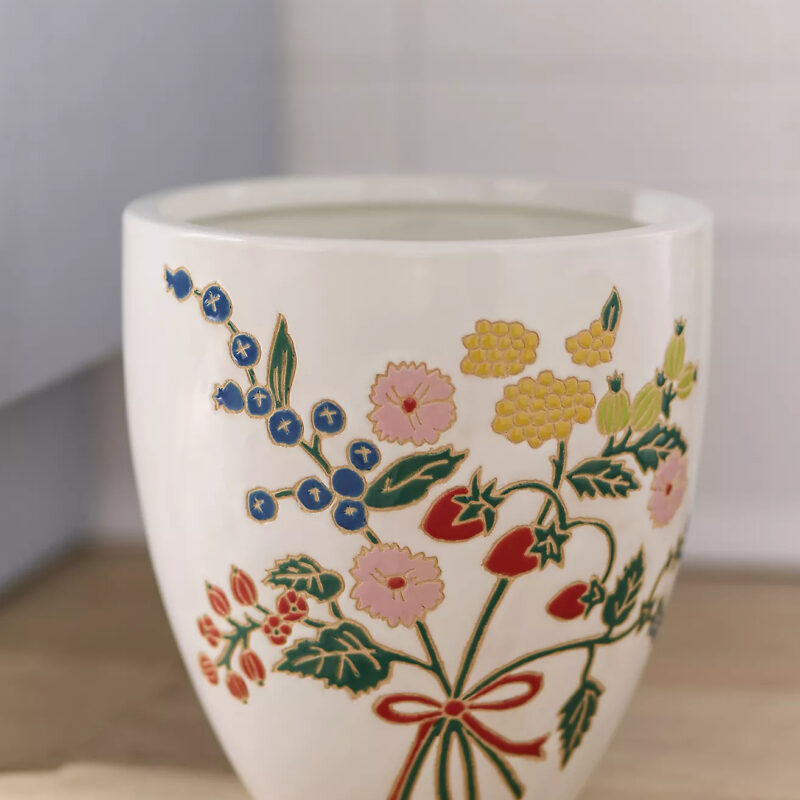 Shop the Item
Hand-Painted Ceramic Waste Bin
$68.00 -
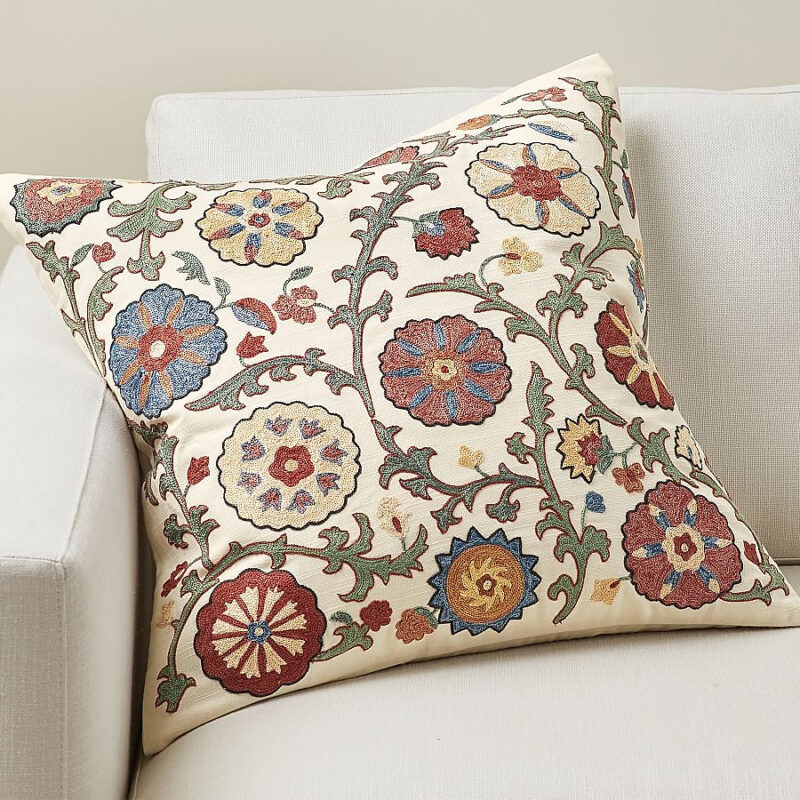 Shop the Item
Penelope Embroidered Pillow Cover
$79.50 -
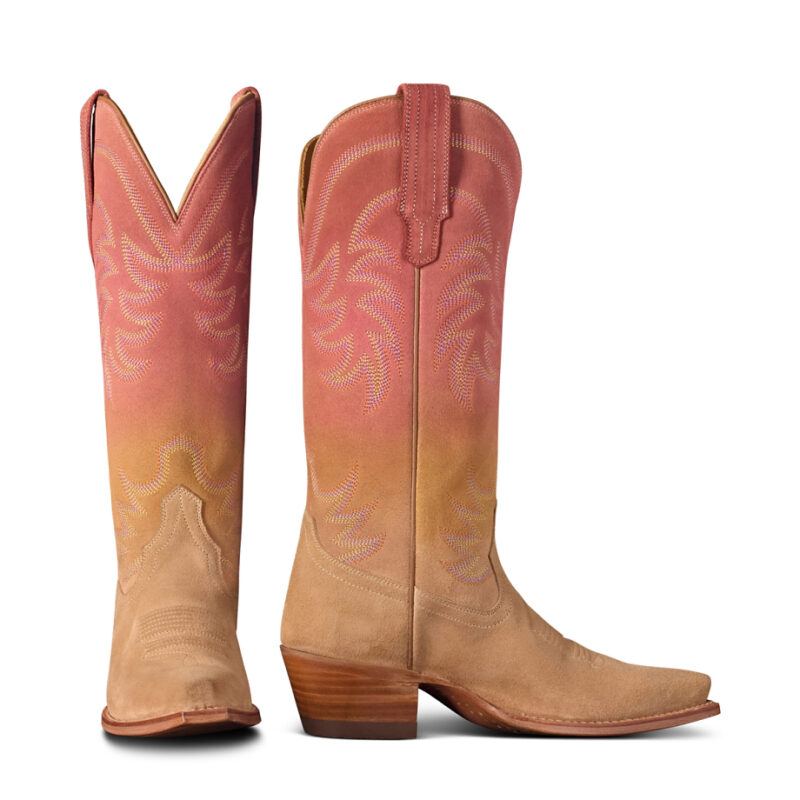 Shop the Item
The Annie Cowgirl Boot – Ombre suede | Tecovas
-
 Shop the Item
Blue Flower Cereal Bowl Carolina Irving & Daughters
$40.00 -
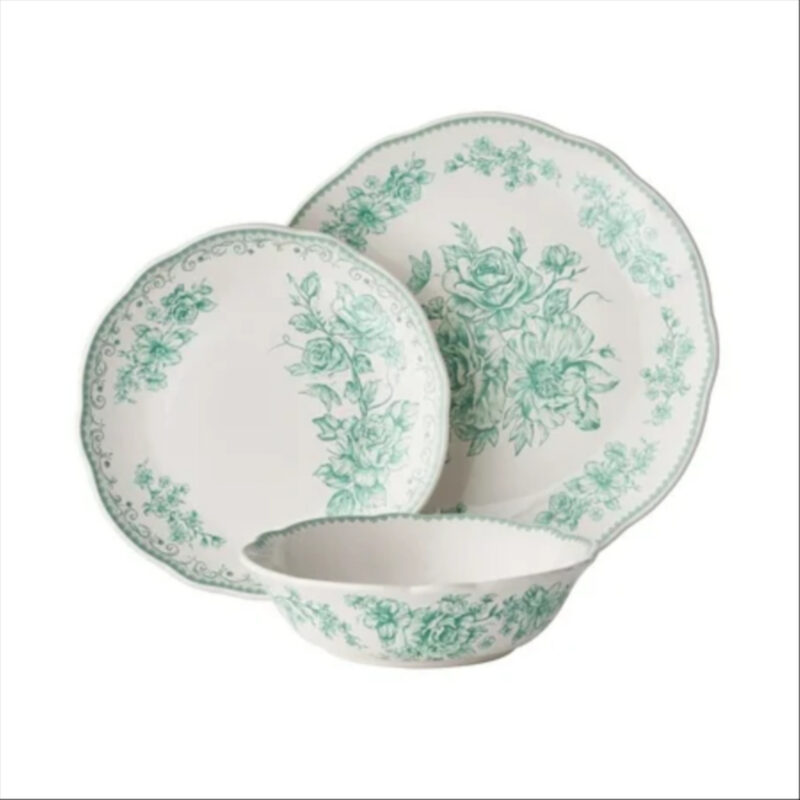 Shop the Item
The Pioneer Woman Agatha 12-Piece Stoneware Dinnerware Set, Green
-
 Shop the Item
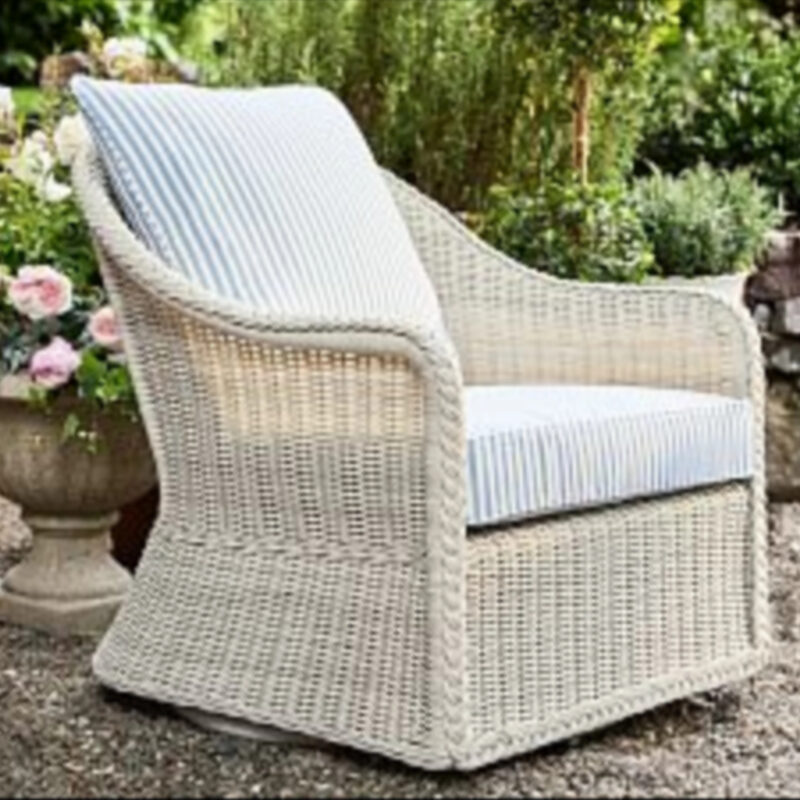
LoveShackFancy Wicker Swivel Outdoor Lounge Chair
-
 Shop the Item
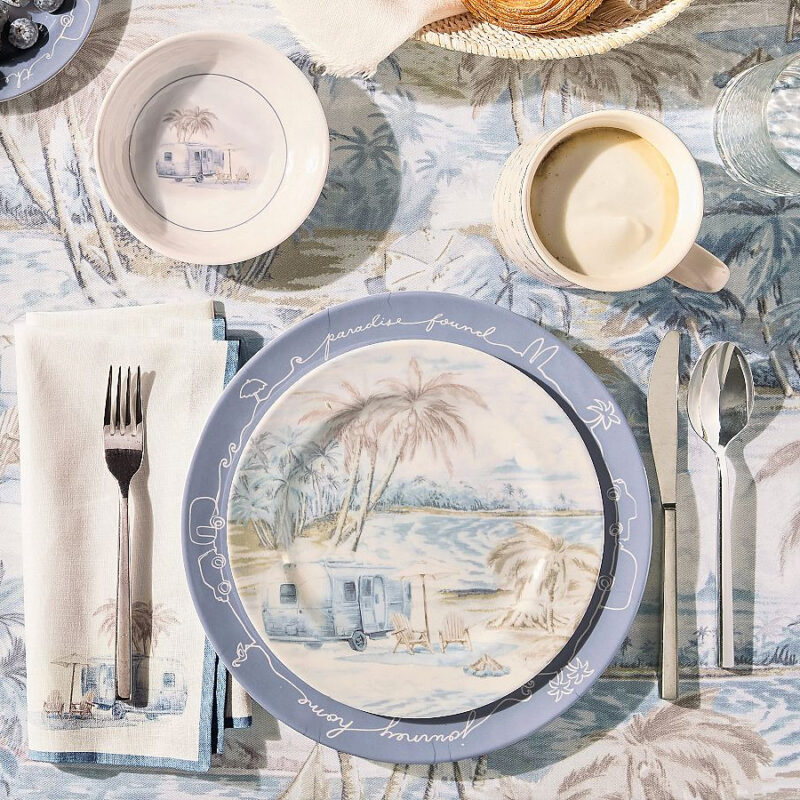
Airstream Outdoor Melamine Dinnerware Collection
-
 Shop the Item
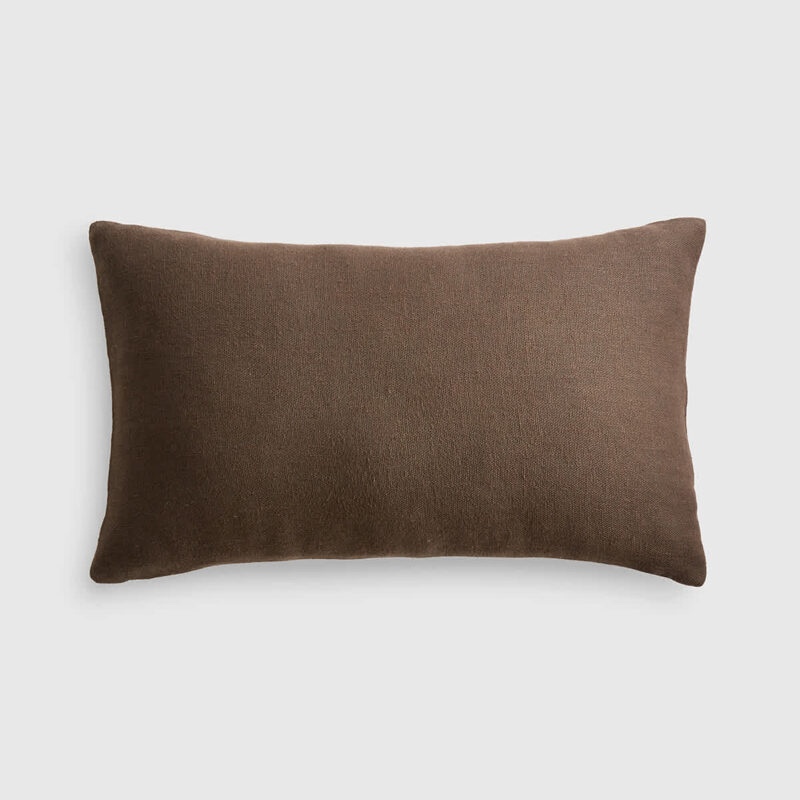
Reversible Linen Bamboo Pillow Cover Quince
-
 Shop the Item
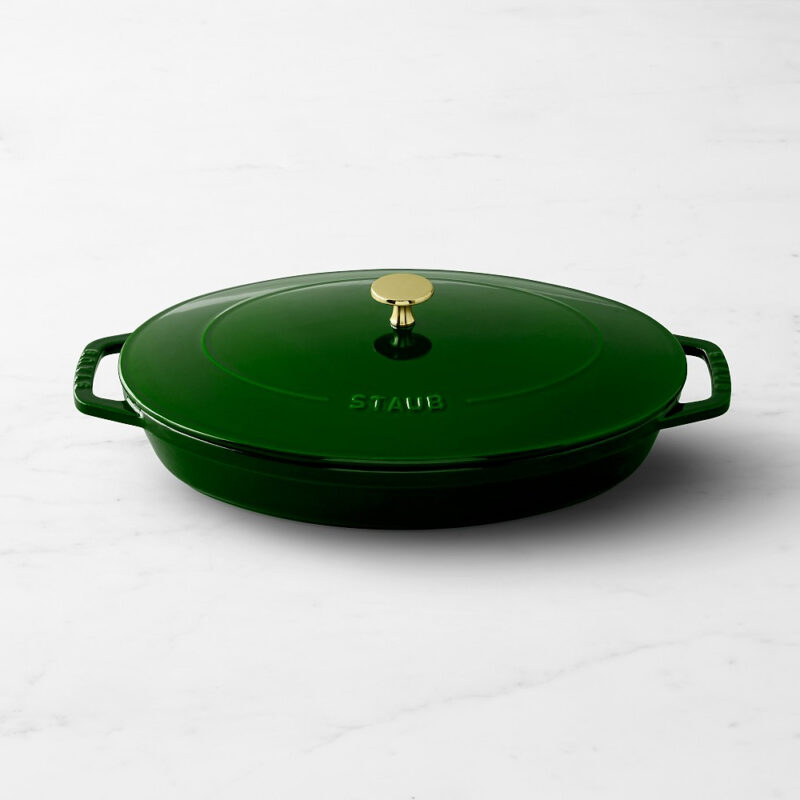
Staub Enameled Cast Iron Oval Gratin with Lid, 2.25 Qt. Staub Basil with Brass
-
 Shop the Item
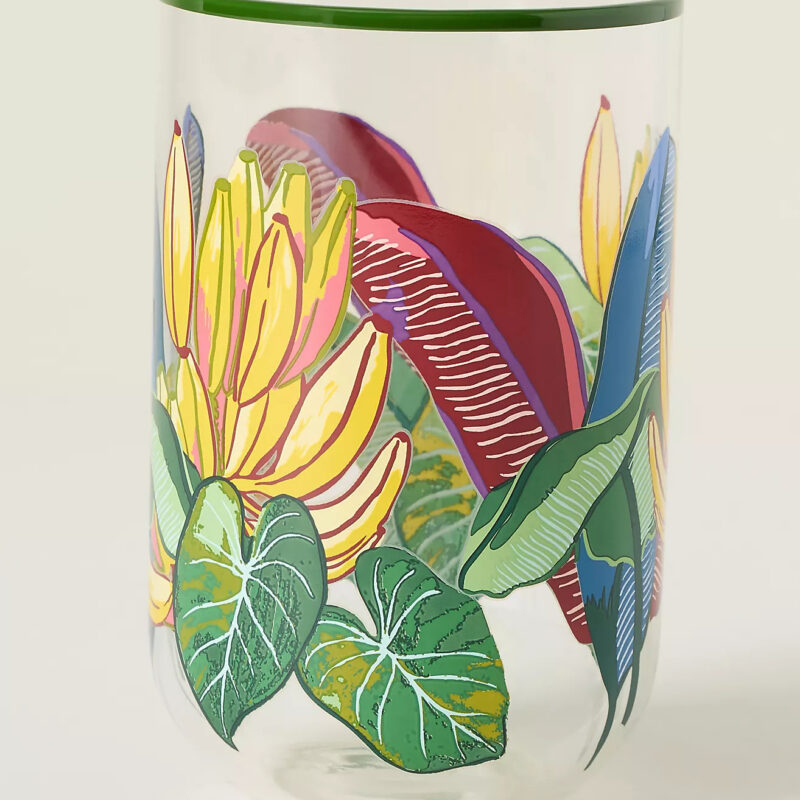
Farm Rio x Anthropologie Juice Glass
-
 Shop the Item
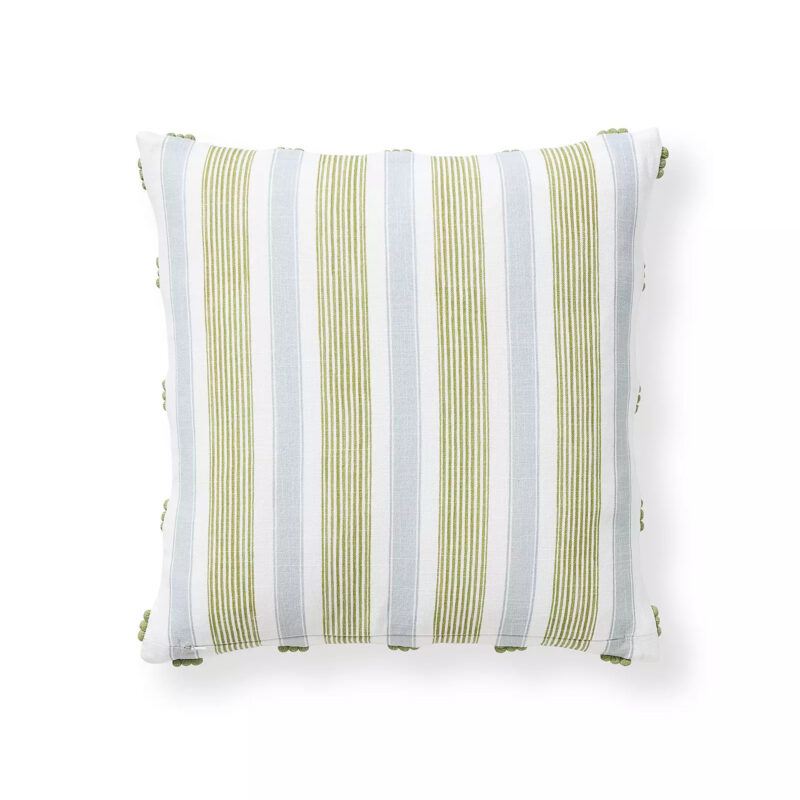
Sapri Pillow Cover
-
 Shop the Item
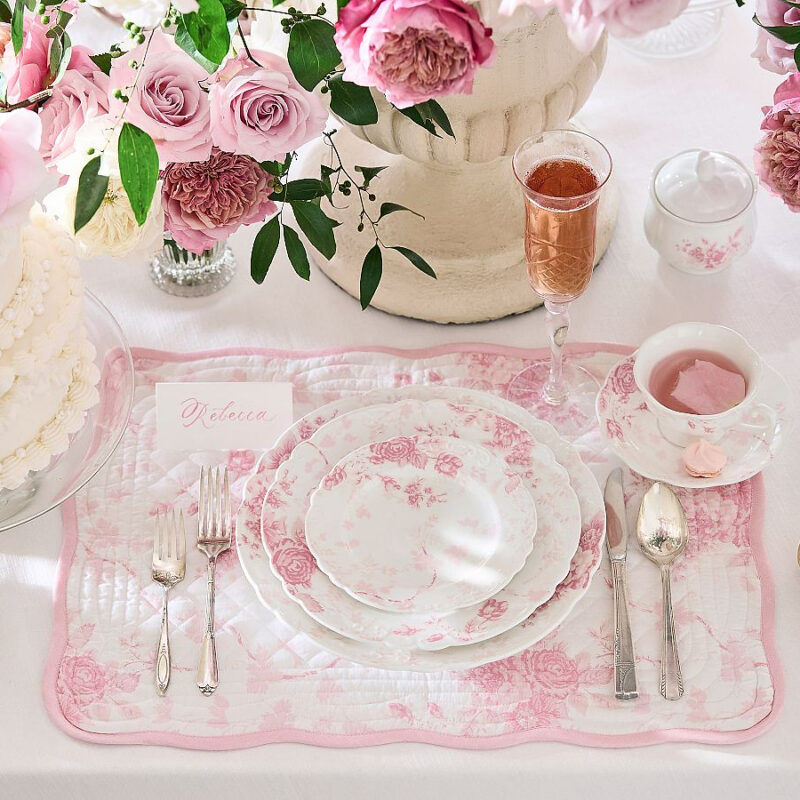
Love Shack Fancy Rose 12-Piece Dinnerware Set
-
 Shop the Item
LoveShackFancyTufted Swivel Vanity Chair
-
 Shop the Item
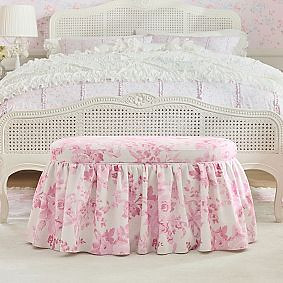
LoveShackFancy Skirted Oval Storage Bench (33.5")
-
 Shop the Item
Granada Sham
You Might Also Enjoy