




This article may include affiliate links. We may earn a small commission if you shop through them.
In our book, Radical Señora Era, we talk about how small, gentle habits can improve your daily life, your health, and give you a little bit of joy. I talk about when my husband and I cut back considerably (he completely stopped and I only drink 1-2 glasses of wine per month). During the pandemic, like everybody else, we were drinking a few glasses of wine on most nights, to accompany some delectable churros we started making from a churro-at-home kit (because why not). At 40, that was not doing our cholesterol or heart health (or my genetic pre-diabetes risk!) any favors. It was when my husband went for an executive physical we both realized that there there is no “safe” level of alcohol. Zero. Alcohol is now nearly non-existent in our home. But nothing would prepare me for how good I’d feel. The fatigue, the fog, the slow mornings, the random indigestion – gone. And when my bloodwork came back, everything that had been creeping in the wrong direction was back in range. A small change made a giant difference. This was a revelation that I think a lot of people go through in their late 30’s to early 40s – that the negatives of alcohol start to outweigh any positives (which were, nearly zero). The buzz you felt at 25 after those mimosas stop “buzzing” after 38. Instead you just get cranky and catch a headache. The negatives of increased risk of cancer? Not worth an evening glass after work. Drinking became the universal reward system for our generation but we have to change that. In fact, Gen X is the “drinkiest” generation (I just made that word up because I am an Xennial). In the 1990s, about 44% of college students were binge drinkers. By 2022 that figure had dropped to 29%, a 34% decrease from the Gen X college era to today. Meaning today’s youths are drinking less than we were at that age.
A recent report highlighted by the The National Law Review found that even “moderate” alcohol consumption is now officially linked to accelerated brain aging and significant volume loss.
Did we know the risks of alcohol back then? Mostly, no. I remember thinking about the breast cancer risk while drinking a glass of wine in my 30’s and then pushing it out of mind. Do people know what the risks of alcohol are now?
More than half of American adults (53%) do not know that alcohol increases cancer risk, according to a study published in JAMA Oncology in October 2025. And drinkers specifically were 76% more likely to believe alcohol has no effect on cancer risk at all.
We were the generation that drank the most and knew the least about the risks. And while researchers are careful not to point to any single cause, it’s hard to ignore that early-onset cancer rates are rising fastest in Gen X and Millennials — in exactly the cancers the WHO has linked to alcohol.
Here’s what nobody told you during your keg stands: the research linking alcohol to cancer has existed since the late 1980s but there were few people sounding the alarm back then.
I recently spoke with Dr. John E. Lewis, founder of Dr. Lewis Nutrition, and Associate Professor at the University of Miami Miller School of Medicine. to understand what decades of drinking actually does — and whether it’s too late to undo any of it.
Drinking became the universal reward system for our generation but we have to change that. In fact, Gen X is the “drinkiest” generation (I just made that word up because I am an Xennial). In the 1990s, about 44% of college students were binge drinkers. By 2022 that figure had dropped to 29%, a 34% decrease from the Gen X college era to today. Meaning today’s youths are drinking less than we were at that age.
A recent report highlighted by the The National Law Review found that even “moderate” alcohol consumption is now officially linked to accelerated brain aging and significant volume loss.
Did we know the risks of alcohol back then? Mostly, no. I remember thinking about the breast cancer risk while drinking a glass of wine in my 30’s and then pushing it out of mind. Do people know what the risks of alcohol are now?
More than half of American adults (53%) do not know that alcohol increases cancer risk, according to a study published in JAMA Oncology in October 2025. And drinkers specifically were 76% more likely to believe alcohol has no effect on cancer risk at all.
We were the generation that drank the most and knew the least about the risks. And while researchers are careful not to point to any single cause, it’s hard to ignore that early-onset cancer rates are rising fastest in Gen X and Millennials — in exactly the cancers the WHO has linked to alcohol.
Here’s what nobody told you during your keg stands: the research linking alcohol to cancer has existed since the late 1980s but there were few people sounding the alarm back then.
I recently spoke with Dr. John E. Lewis, founder of Dr. Lewis Nutrition, and Associate Professor at the University of Miami Miller School of Medicine. to understand what decades of drinking actually does — and whether it’s too late to undo any of it.
 We grew up hearing that a glass of red wine was actually good for us — what changed, and what does the latest research actually say?
The problem with that recommendation is that it was based more on a new, sexy way to justify wine drinking from a so-called health promoting benefit, rather than much actual scientific evidence. The polyphenol resveratrol became widely known as an antioxidant, anti-inflammatory, and having other beneficial effects, and it just so happens that it is found in red wine. The wine (alcohol) industry took the opportunity to flaunt that with little intellectual honesty. Their messaging made it sound like red wine was the ONLY source of resveratrol, but in reality quite a few foods, e.g., red grapes, blueberries, peanuts, and chocolate, among others, also contain resveratrol. Second, a regular 5 ounce glass of red wine contains no more than about 1 mg of resveratrol. However, studies evaluating the health effects of resveratrol as a dietary supplement use anywhere between 150 and 500 mg/day! Do you know how many glasses of red wine you would have to drink per day to get the lowest amount of studied resveratrol? Third, resveratrol in red wine and food is very poorly absorbed and has very low bioavailability, meaning that not much of it gets into the bloodstream and what little of it does is not in a ery potent form. In summary, the alcohol industry’s message about drinking red wine for resveratrol’s health promoting benefits is totally bogus. Thus, the science about resveratrol did not change, but smart people started asking the right questions about why is it considered “healthy” to drink red wine. You cannot drink enough red wine to get a benefit out of the primary health-promoting component of it!
• What is alcohol specifically doing to the brain over time, and at what point does drinking become a real concern?
Alcohol is a known neurotoxin, meaning that it has the capacity to kill neurons, thus having significant volumetric impacts on both the gray and white matter areas of the brain. Alcohol’s metabolite, acetaldehyde, is even more neurotoxic, causing additional brain damage. The microglia, the brain’s immune cells, are also irregularly stimulated by alcohol, which further damages the neurons. The bottom line is that drinking alcohol is neurotoxic! Moderate drinking likely becomes a concern after years, and certainly decades, of consistent daily intake.
• Many of us did the keg parties, and the college drinking at parties and then the social decade. Did we do irreversible damage? and if someone decides to cut back or stop drinking in their 30’s or 40s, how quickly can the brain start to recover?
Yes, binge drinking is common among younger people, particularly college students. If that only lasted for a few years, then it is not necessarily causative of permanent brain injury. However, the key in permanency appears to reside in long-term, consistent intake, even if minimal, and this is where damage may occur that never heals. If someone has been consistently drinking for a couple of decades, and then decides in middle age that a change needs to be made, abstinence appears to be the only certain way to stop the continued damage. Just “cutting back” might not be sufficient enough to prevent more damage after so many years of consistent drinking. Some research suggests that with total abstinence, damage can be reversed within 90 days, so it takes some patience and more importantly it takes compliance with giving up alcohol.
For a woman in her 40s who still loves a glass or two of wine every day, what is the most honest advice you can give her about protecting her brain health long term?
If a woman is drinking that much every day, then I would encourage her to go from 1-2 per day to 1-2 per month at most. She is not only repeatedly damaging various parts of her brain, increasing her risk of eventual cognitive issues, but she is also increasing her risk of breast cancer. I would get her to evaluate her priorities and try to find other habits or choices to replace her desire for that much wine every day.
********************
We spent decades drinking without knowing the risks. We don’t have to spend the next decades the same way. That’s the whole point of a señora era; you get to do things well this time around.
About Dr. John Lewis:
We grew up hearing that a glass of red wine was actually good for us — what changed, and what does the latest research actually say?
The problem with that recommendation is that it was based more on a new, sexy way to justify wine drinking from a so-called health promoting benefit, rather than much actual scientific evidence. The polyphenol resveratrol became widely known as an antioxidant, anti-inflammatory, and having other beneficial effects, and it just so happens that it is found in red wine. The wine (alcohol) industry took the opportunity to flaunt that with little intellectual honesty. Their messaging made it sound like red wine was the ONLY source of resveratrol, but in reality quite a few foods, e.g., red grapes, blueberries, peanuts, and chocolate, among others, also contain resveratrol. Second, a regular 5 ounce glass of red wine contains no more than about 1 mg of resveratrol. However, studies evaluating the health effects of resveratrol as a dietary supplement use anywhere between 150 and 500 mg/day! Do you know how many glasses of red wine you would have to drink per day to get the lowest amount of studied resveratrol? Third, resveratrol in red wine and food is very poorly absorbed and has very low bioavailability, meaning that not much of it gets into the bloodstream and what little of it does is not in a ery potent form. In summary, the alcohol industry’s message about drinking red wine for resveratrol’s health promoting benefits is totally bogus. Thus, the science about resveratrol did not change, but smart people started asking the right questions about why is it considered “healthy” to drink red wine. You cannot drink enough red wine to get a benefit out of the primary health-promoting component of it!
• What is alcohol specifically doing to the brain over time, and at what point does drinking become a real concern?
Alcohol is a known neurotoxin, meaning that it has the capacity to kill neurons, thus having significant volumetric impacts on both the gray and white matter areas of the brain. Alcohol’s metabolite, acetaldehyde, is even more neurotoxic, causing additional brain damage. The microglia, the brain’s immune cells, are also irregularly stimulated by alcohol, which further damages the neurons. The bottom line is that drinking alcohol is neurotoxic! Moderate drinking likely becomes a concern after years, and certainly decades, of consistent daily intake.
• Many of us did the keg parties, and the college drinking at parties and then the social decade. Did we do irreversible damage? and if someone decides to cut back or stop drinking in their 30’s or 40s, how quickly can the brain start to recover?
Yes, binge drinking is common among younger people, particularly college students. If that only lasted for a few years, then it is not necessarily causative of permanent brain injury. However, the key in permanency appears to reside in long-term, consistent intake, even if minimal, and this is where damage may occur that never heals. If someone has been consistently drinking for a couple of decades, and then decides in middle age that a change needs to be made, abstinence appears to be the only certain way to stop the continued damage. Just “cutting back” might not be sufficient enough to prevent more damage after so many years of consistent drinking. Some research suggests that with total abstinence, damage can be reversed within 90 days, so it takes some patience and more importantly it takes compliance with giving up alcohol.
For a woman in her 40s who still loves a glass or two of wine every day, what is the most honest advice you can give her about protecting her brain health long term?
If a woman is drinking that much every day, then I would encourage her to go from 1-2 per day to 1-2 per month at most. She is not only repeatedly damaging various parts of her brain, increasing her risk of eventual cognitive issues, but she is also increasing her risk of breast cancer. I would get her to evaluate her priorities and try to find other habits or choices to replace her desire for that much wine every day.
********************
We spent decades drinking without knowing the risks. We don’t have to spend the next decades the same way. That’s the whole point of a señora era; you get to do things well this time around.
About Dr. John Lewis:
 John E. Lewis, Ph.D. is the Founder and President of Dr Lewis Nutrition® and past full-time Associate Professor in the Department of Psychiatry and Behavioral Sciences and now Voluntary Associate Professor in the Department of Family Medicine and Community Health at the University of Miami Miller School of Medicine. He is also a Diplomate, Faculty Member, and Advisor of the Medical Wellness Association. He has been the principal investigator of over 30 different studies in his research career. During that time, he either directly raised or indirectly supported raising over $23 million in grants, gifts, and contracts for research studies and clinical trials and educational programs for medical students.
Shop This Week’s Bestsellers
Discover the home, beauty, fashion, and wellness finds our readers are loving most.
Shop Bestsellers →-
 Shop the Item
Boden Women’s Swing Box Short Trench in Natural
$320.00 -
 Shop the Item
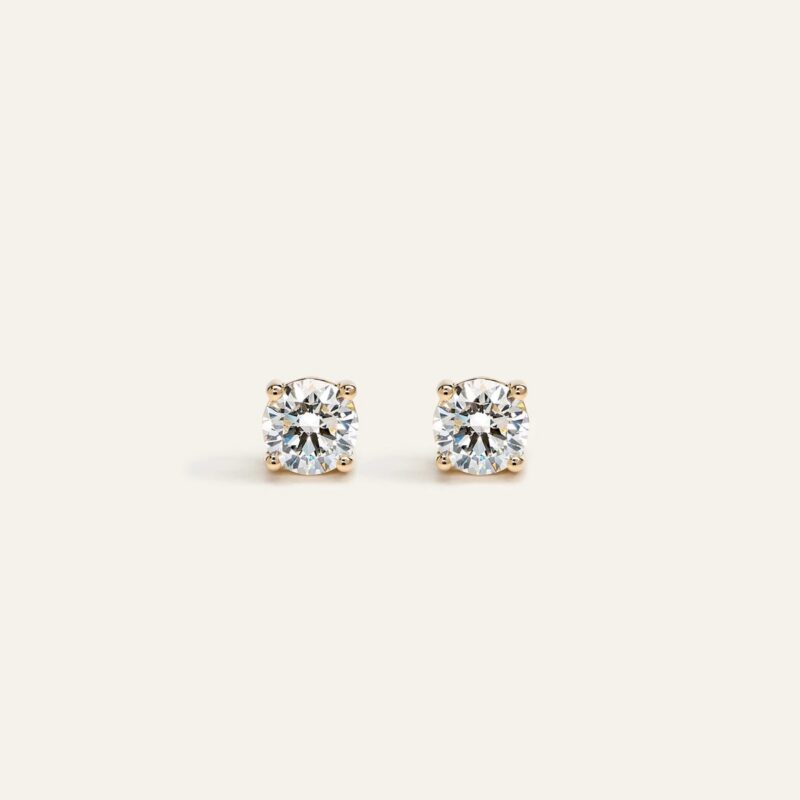
Quince | Women’s 14K Gold Lab Grown Diamond Solitaire Studs in White Gold
$498.00 -
 Shop the Item
The Arden Crewneck Sweater in 100% Cotton
$98.00 -
 Shop the Item
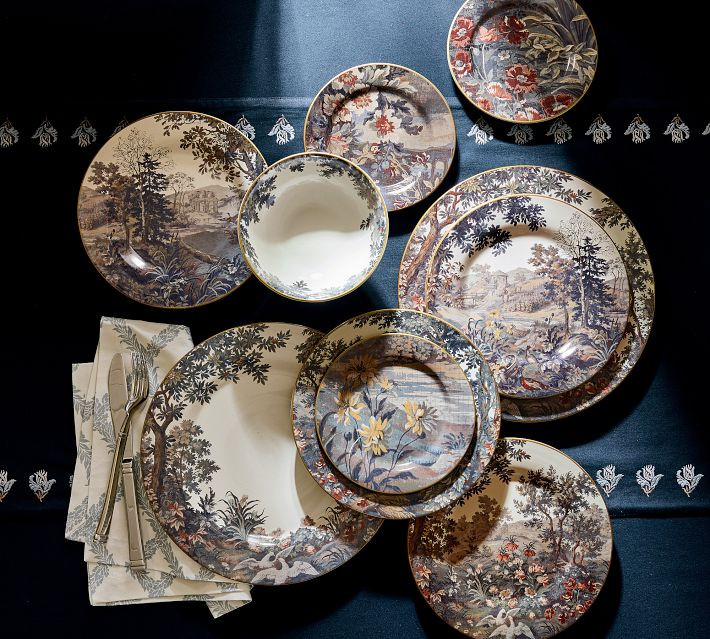
Pottery Barn Kravet Folly Scenic Stoneware Dinnerware Collection
$49.50 -
 Shop the Item
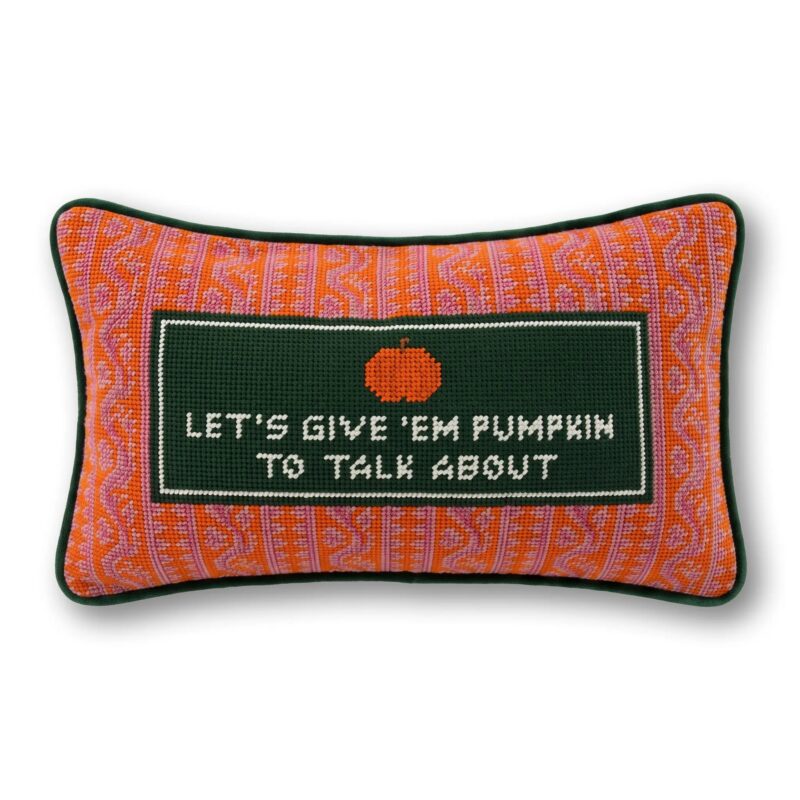
Pumpkin To Talk About Needlepoint Pillow
$98.00 -
 SHOP THE ITEM →
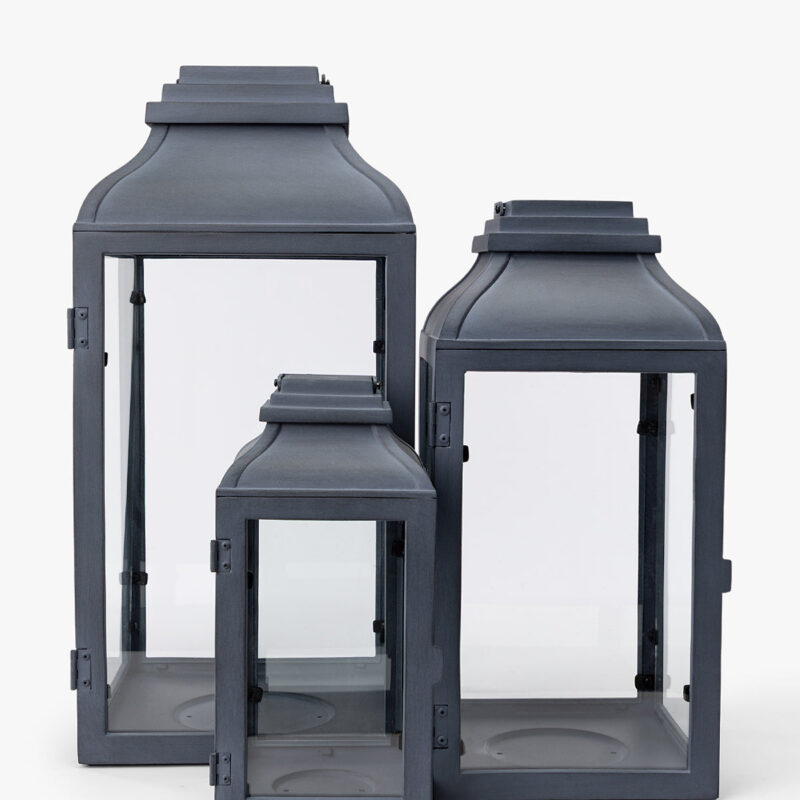
Hartwell Indoor/Outdoor Lantern McGee & Co
$358.00 -
 SHOP THE ITEM →
Bistro Tile Stoneware 24k Gold Accent Garden Hook Anthropologie
$20.00 -
 SHOP THE ITEM →
Brown Twisted Taper Candles (Set of 2) McGee & Co
$22.00 -
 SHOP THE ITEM →
Wayland Hand-Knotted Wool Rug McGee & Co
$846.00 -
 SHOP THE ITEM →
Maeve Brynne Cotton Percale Stripe Tie Printed Duvet
$178.00 -
 SHOP THE ITEM →
Coralie Striped Lumbar Pillow Cover
$89.50 -
 SHOP THE ITEM →
Sand Ric Rac Tie Brocks Dress
$228.00 -
 SHOP THE ITEM →
Abstract Alps Como Dress
$298.00 -
 SHOP THE ITEM →
Wine Pleated Sleeveless Midi Dress Moon River
$118.00 -
 SHOP THE ITEM →
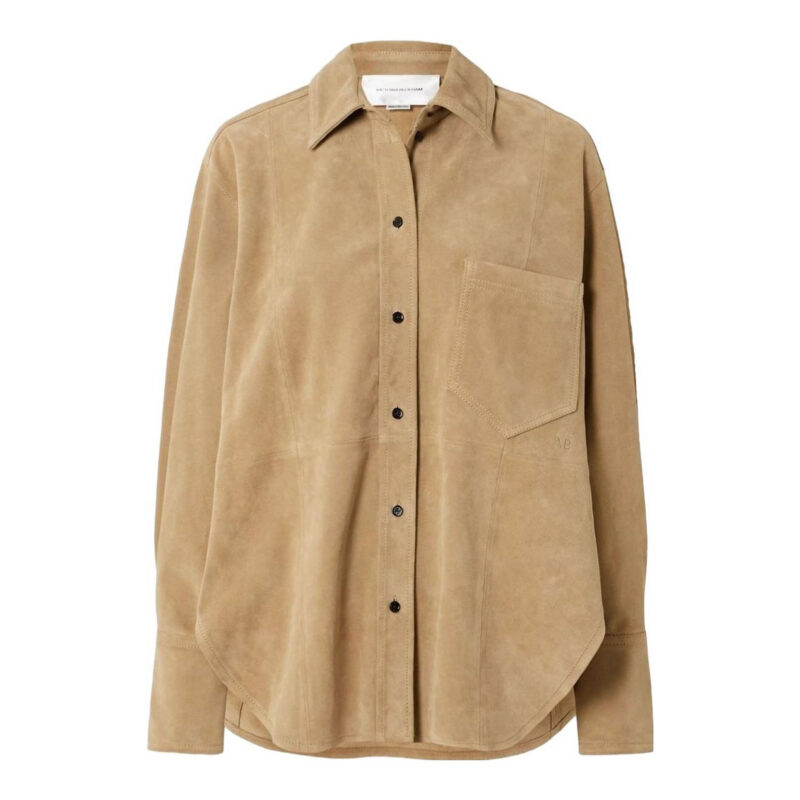
VICTORIA BECKHAM – Suede Shirt
-
 SHOP THE ITEM →
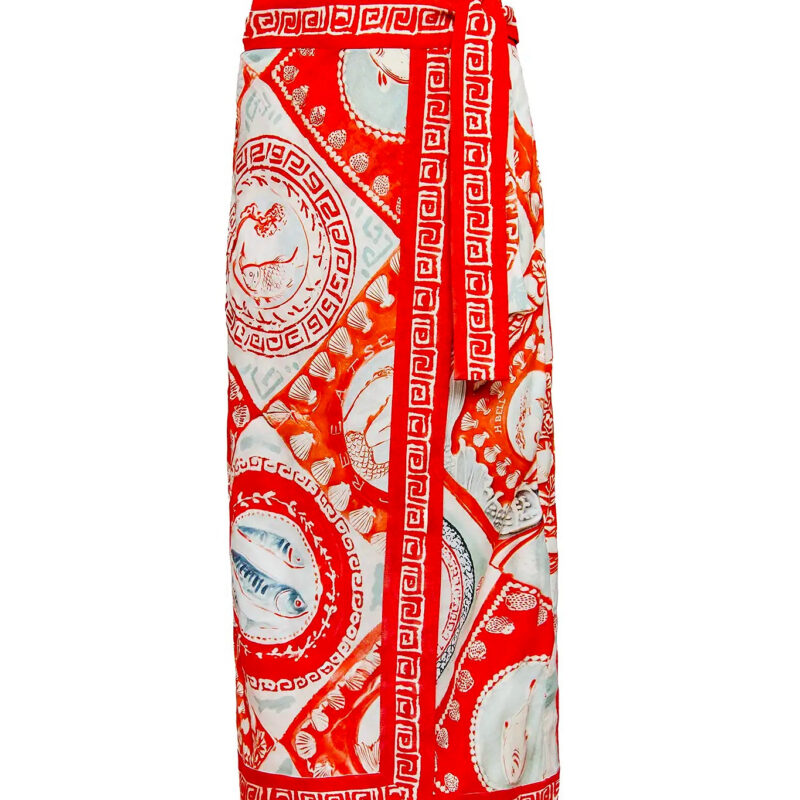
Paloma Wrap Skirt in Lost At Sea Hunter bell
$445.00 -
 SHOP THE ITEM →
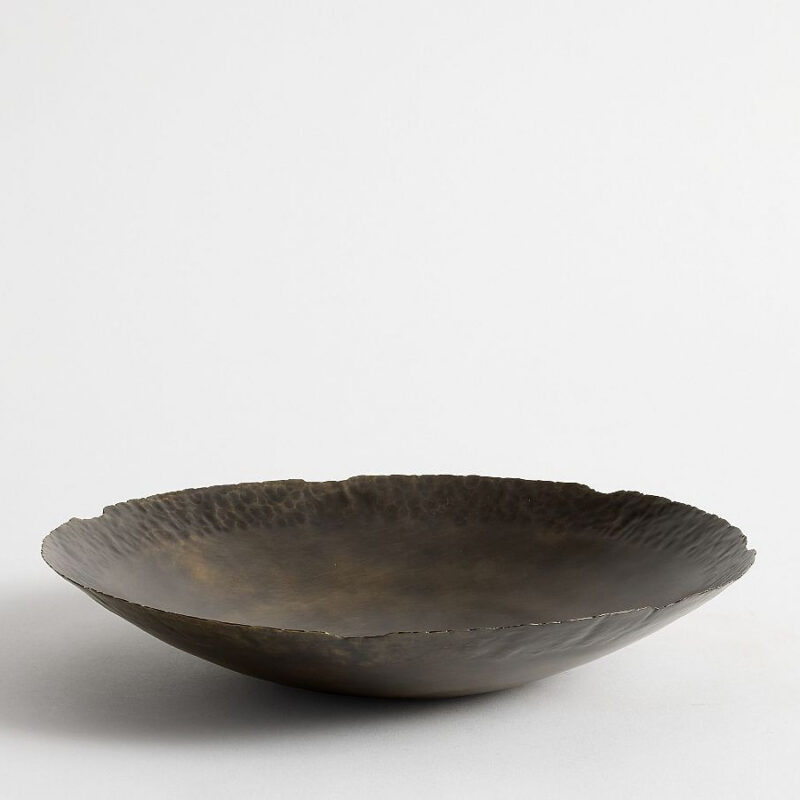
Antique Black Iron Decorative Bowl
$29.50 -
 SHOP THE ITEM →
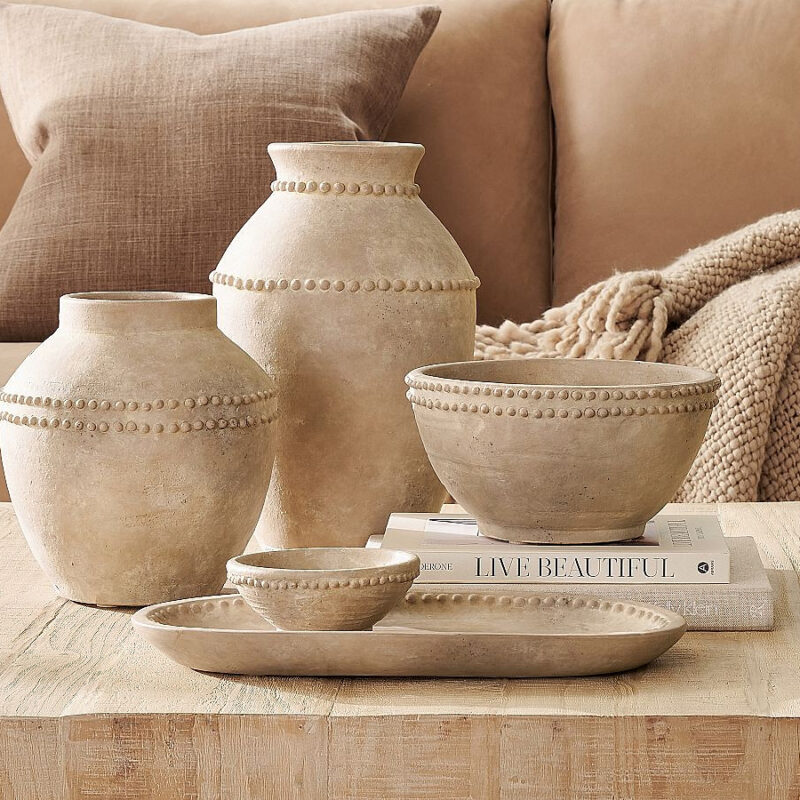
Emilia Ceramic Collection
$79.50 -
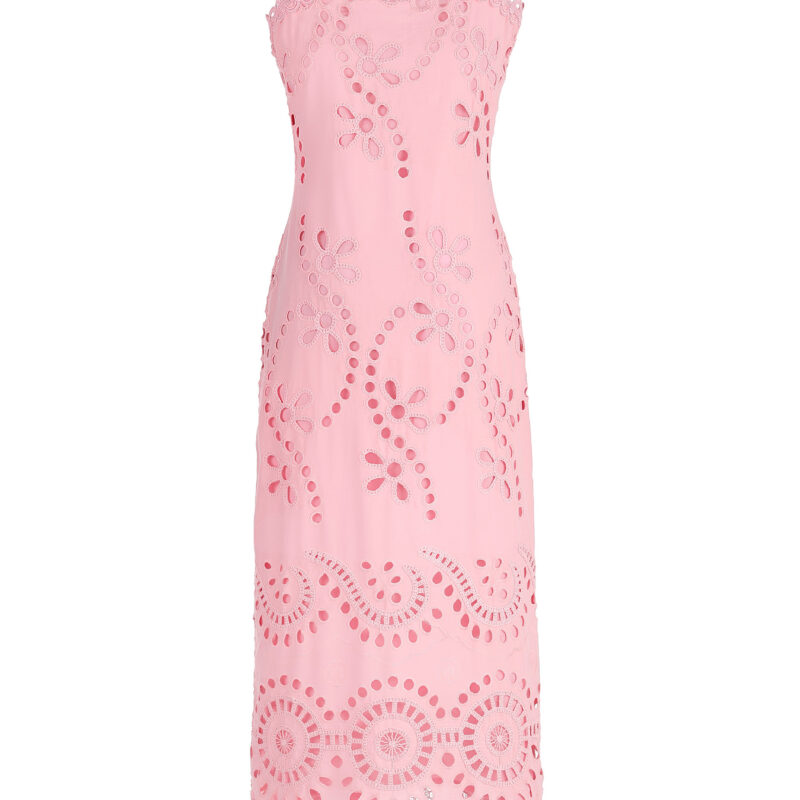 SHOP THE ITEM →
Le Bouquet Maxi Dress in Pink Waimari
$595.00 -
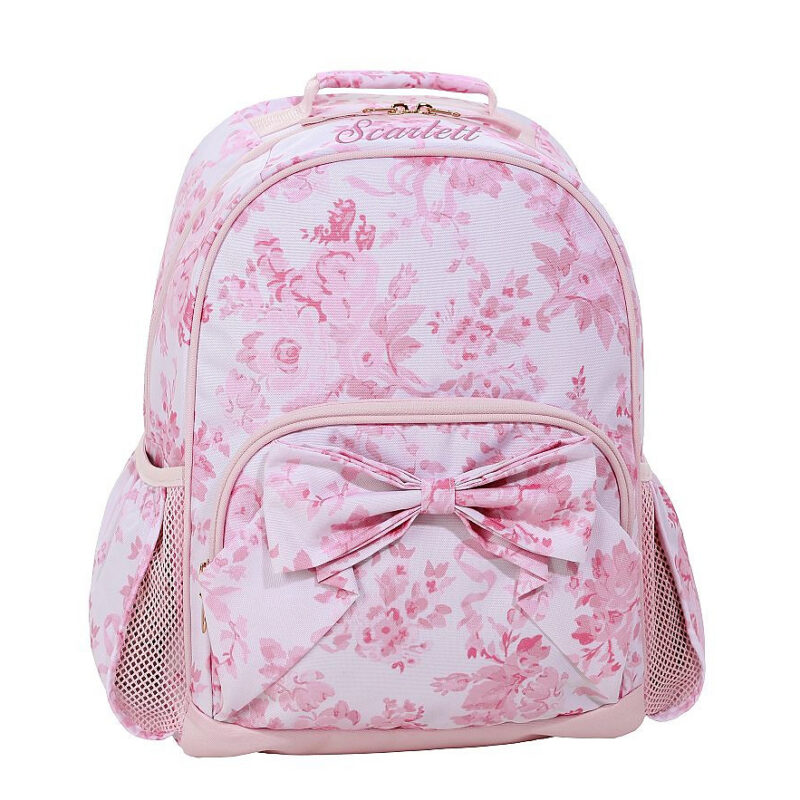 SHOP THE ITEM →
LoveShackFancy Pink Damask Floral Mackenzie Backpack
$69.50 -
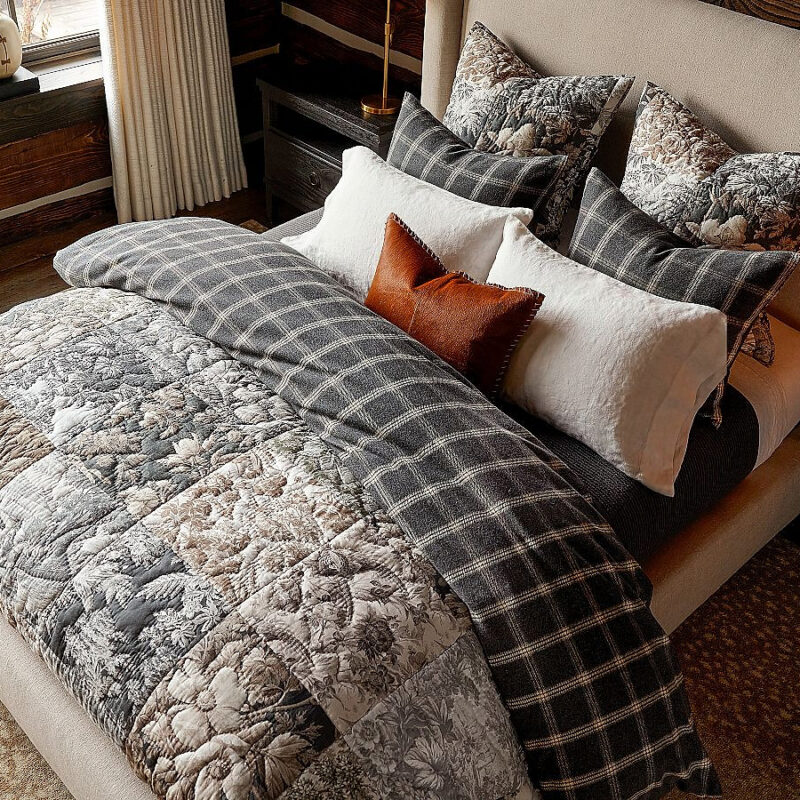 SHOP THE ITEM →
Cordelia Toile Reversible Quilt
$349.00 -
 SHOP THE ITEM →
Lydia Palampore Embroidered Quilt
$349.00 -
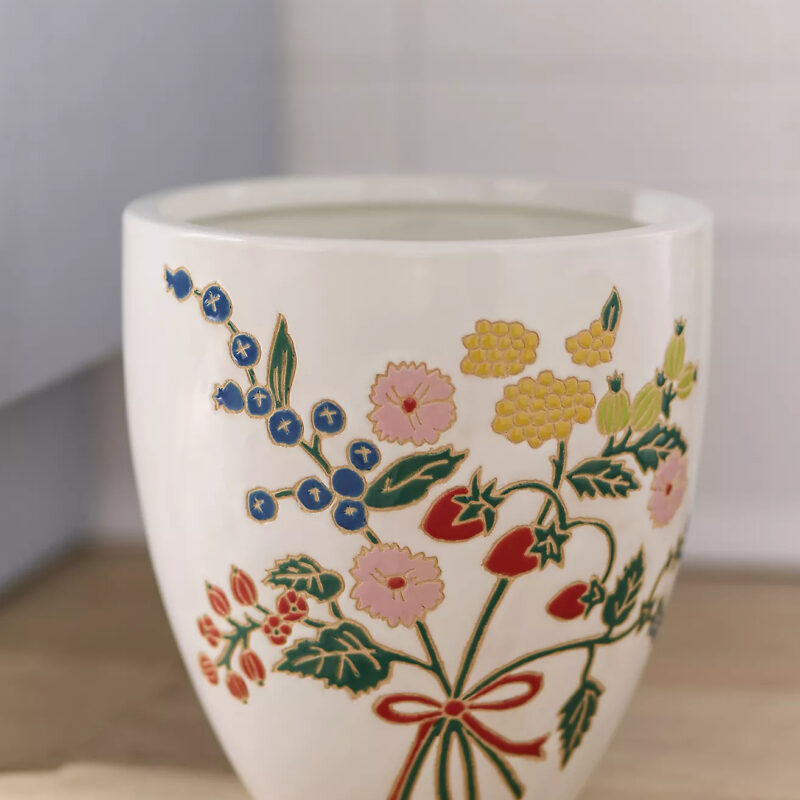 SHOP THE ITEM →
Hand-Painted Ceramic Waste Bin
$68.00 -
 SHOP THE ITEM →
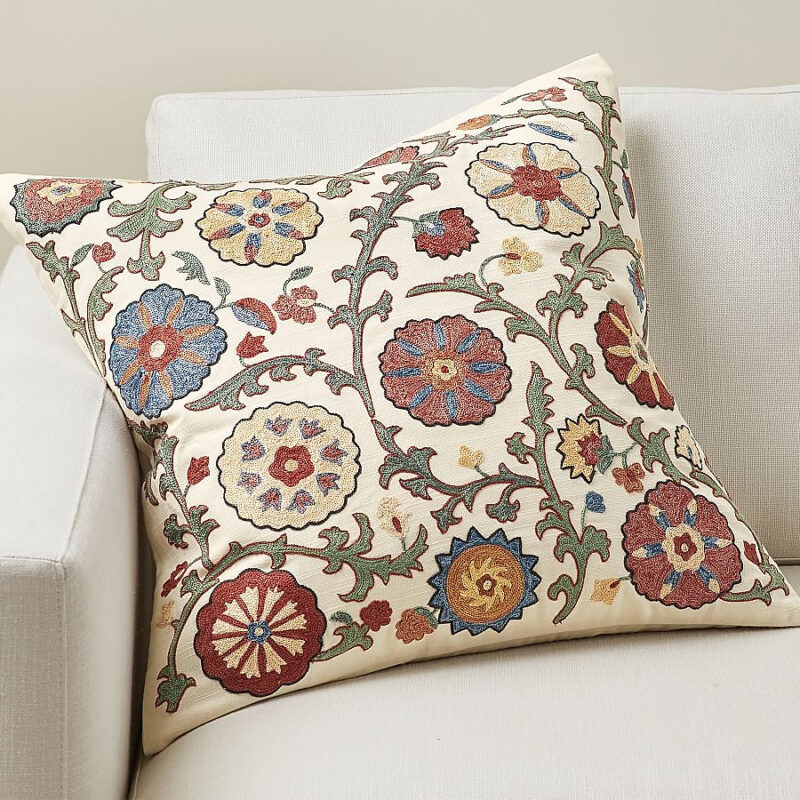
Penelope Embroidered Pillow Cover
$79.50 -
 SHOP THE ITEM →
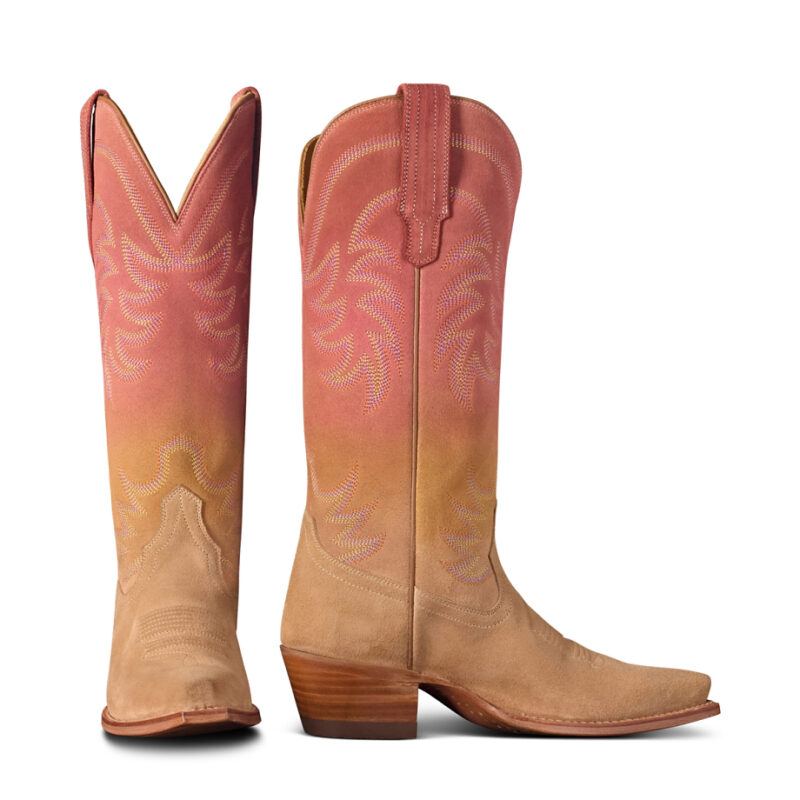
The Annie Cowgirl Boot – Ombre suede | Tecovas
-
 SHOP THE ITEM →
Blue Flower Cereal Bowl Carolina Irving & Daughters
$40.00 -
 SHOP THE ITEM →
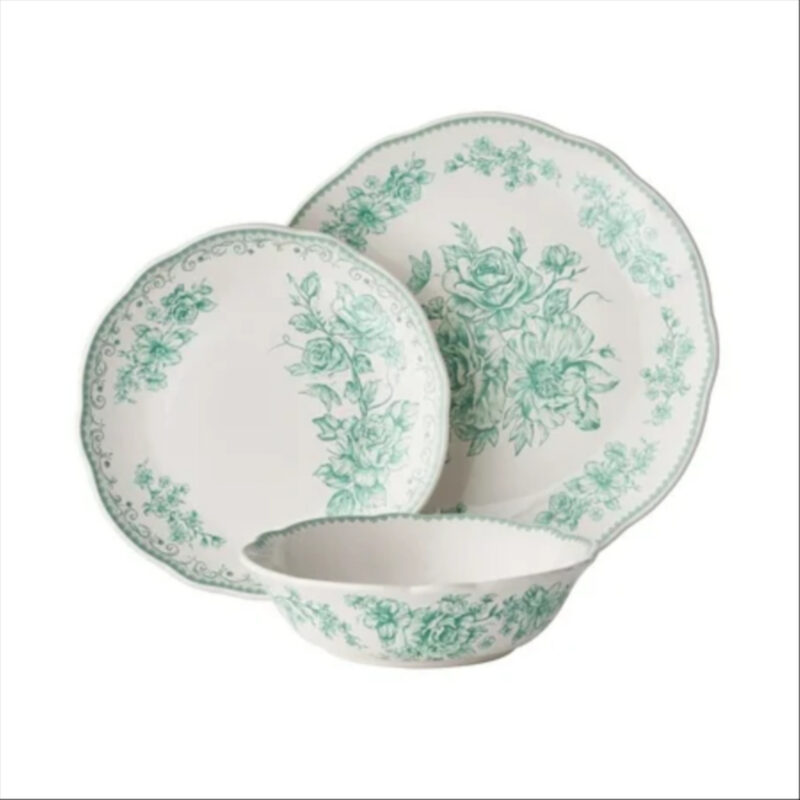
The Pioneer Woman Agatha 12-Piece Stoneware Dinnerware Set, Green
-
 SHOP THE ITEM →
LoveShackFancy Wicker Swivel Outdoor Lounge Chair
-
 SHOP THE ITEM →
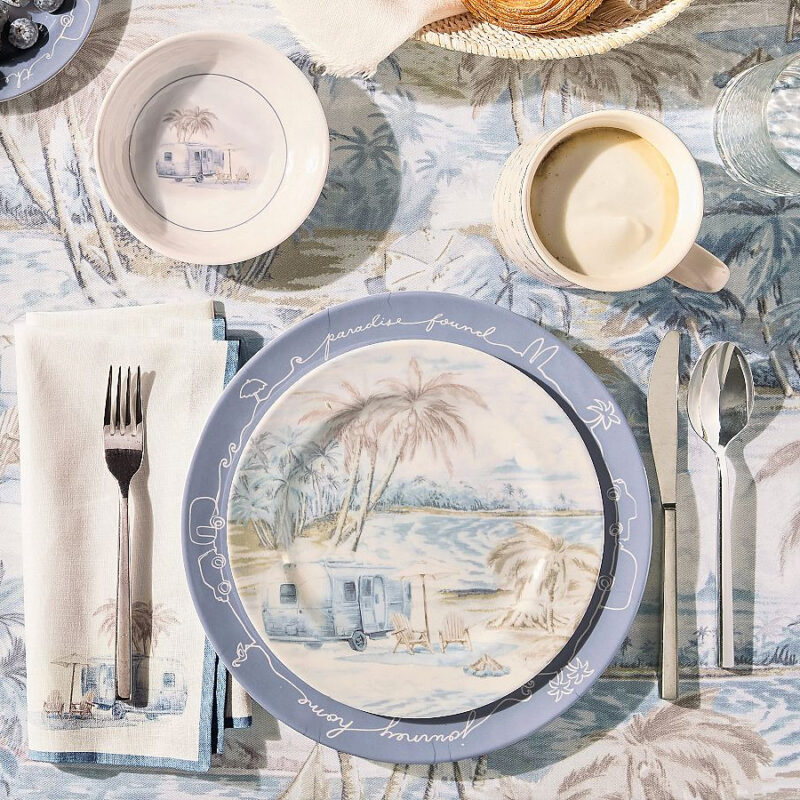
Airstream Outdoor Melamine Dinnerware Collection
-
 SHOP THE ITEM →
Reversible Linen Bamboo Pillow Cover Quince
You Might Also Enjoy
A Closer Look at The Wine Lies They Sold Us In Our Youth
- I Asked a Pediatrician If My Family’s Eating Habits Were Ruining My Kids’ Health — Here’s What He Said
- Blue Mind Living: How the Ocean Has Shaped Our Family’s Rituals & Calm
- Wine Country Aesthetic Is Eating — Here’s How to Get It at Home
- Clutter-Free Casita: Reset Your Space and Free Your Mind
- 25 Things to Let Go of for a Calm, Clutter-Free Home