







This article may include affiliate links. We may earn a small commission if you shop through them.
The Art of Reflection: How to Start a Journal You’ll Treasure There’s a certain stillness that comes with putting pen to paper, a natural pause in the rhythm of life that allows us to sit with our thoughts and truly listen. On an early morning, when sunlight filters softly through linen curtains, or in the quiet of evening, journaling becomes a grounding ritual. It is not simply a record of events, but a means to engage with life more fully—an elegant act of clarity in a fast-moving world. A reflective journal is not about perfection or daily obligation. It’s about cultivating space for thought, self-discovery, and a sense of timeless connection to one’s inner world. Here’s how to begin, and perhaps more importantly, how to keep a journal that becomes an enduring companion. Start with Purpose, Not Pressure Before you open a notebook or select your favorite pen, take a moment to ask yourself why you are drawn to journaling. Is it to create a sense of calm luxury in your mornings? To sort through thoughts that feel scattered? Or perhaps to preserve a record of your days for years to come? Understanding your intention—not as a rigid goal but as a guiding light—gives your journaling practice a natural foundation. Letting go of the need to write daily or produce something profound can also help. Reflective journaling, at its core, is about creating a ritual that suits you. Even just a few minutes a week is enough to plant the seeds of an enduring habit. Begin softly, without self-judgment, and let the rhythm build over time. Choose Tools That Inspire Ritual A journal worthy of your thoughts doesn’t have to be ornate, but the process of choosing your tools is part of establishing an intentional routine. Whether bound in warm, natural materials like leather or crafted with heritage-inspired details, select a journal that invites touch and feels timeless in your hands. Pair it with a pen that glides smoothly, offering a sense of quiet confidence as you write. The tools matter not because they need to be luxurious, but because they should reflect the care you’re giving this practice. Keep your tools in a space that encourages daily or weekly use—a nightstand, a favorite chair by the window, or even a serene corner of your desk. By associating your journal with comfort and calm, you create a physical reminder of the joy this ritual can bring. Create a Soft Structure for Writing Blank pages can feel daunting if approached without a sense of direction. Establishing a gentle framework for your entries can make journaling less overwhelming and more intuitive. Think of this as a ritual of soft structure that evolves with your needs. Try opening your entries with a single sentence that captures how you feel in the moment. Follow this with prompts to guide your thoughts, such as: “What brought me joy today? What challenges did I face? What am I grateful for?” These recurring questions offer a natural flow while allowing space for deeper reflection. Over time, as you grow more comfortable, you can let structure blend seamlessly into spontaneity. Embrace Timeless Themes and Inspirations Rather than solely chronicling the routine facts of your day, let your journal explore themes that feel meaningful and enduring. Write about the small beauty you notice in your surroundings—light falling across a table, the scent of the air after rain—or moments of connection with loved ones. These details, collected over time, become a personal archive of richness and perspective. You might also borrow inspiration from nature, the changing seasons, or works of art that speak to you. Reflective journaling is an opportunity to weave your inner and outer worlds together, creating something deeply personal yet inherently timeless. Establish a Closing Ritual Journaling, much like any ritual, benefits from a thoughtful conclusion. Before closing your notebook, consider adding a phrase, affirmation, or simple intention that leaves you feeling grounded. Classic choices include “I trust the process” or “This is enough for today.” These small gestures bring a sense of completion and reinforce the quiet confidence that your practice is serving you well. If time allows, take a moment to reread a sentence or two from your entry. This act of revisiting your words—with curiosity rather than critique—can remind you of the quiet luxury of self-reflection. A Closing Thought The beauty of reflective journaling lies in its permanence and its imperfection. With no finish line to cross, it becomes an ongoing journey of intention, natural rhythms, and soft moments of discovery. Once you begin, it is not something you ever truly finish—it is a ritual to return to, like a favorite chair or a walk along a familiar path. Let it be both anchor and compass, a timeless record of your ever-unfolding story.Shop This Week’s Bestsellers
Discover the home, beauty, fashion, and wellness finds our readers are loving most.
Shop Bestsellers →-
 Shop the Item
Boden Women’s Swing Box Short Trench in Natural
$320.00 -
 Shop the Item
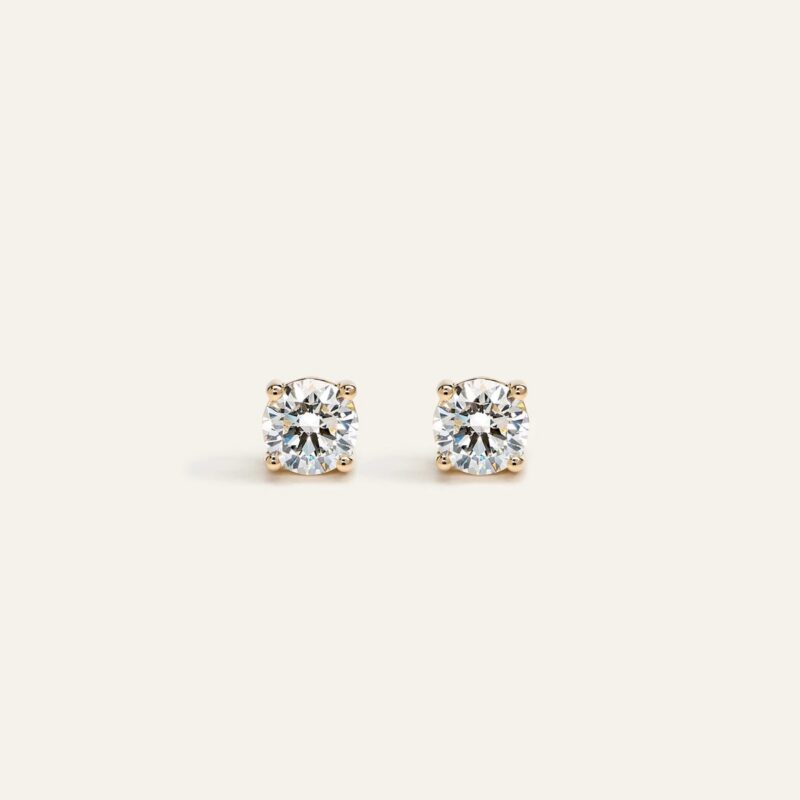
Quince | Women’s 14K Gold Lab Grown Diamond Solitaire Studs in White Gold
$498.00 -
 Shop the Item
The Arden Crewneck Sweater in 100% Cotton
$98.00 -
 Shop the Item
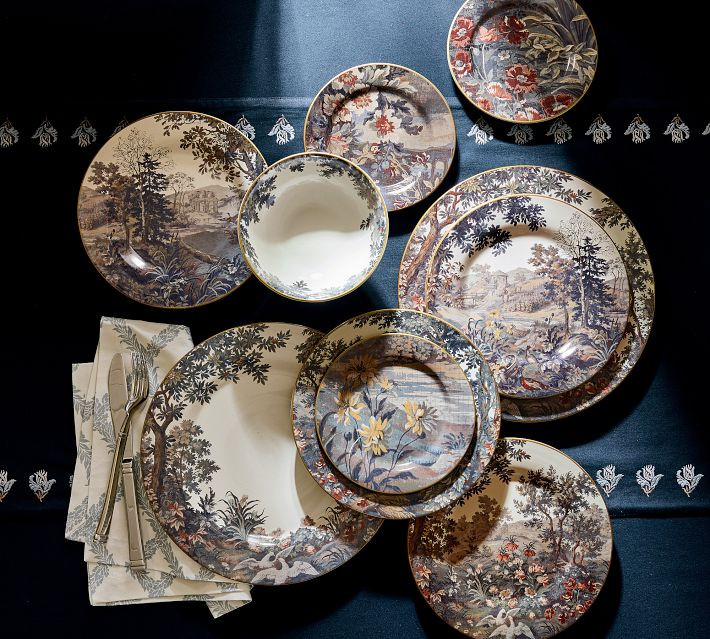
Pottery Barn Kravet Folly Scenic Stoneware Dinnerware Collection
$49.50 -
 Shop the Item
Pumpkin To Talk About Needlepoint Pillow
$98.00 -
 SHOP THE ITEM →
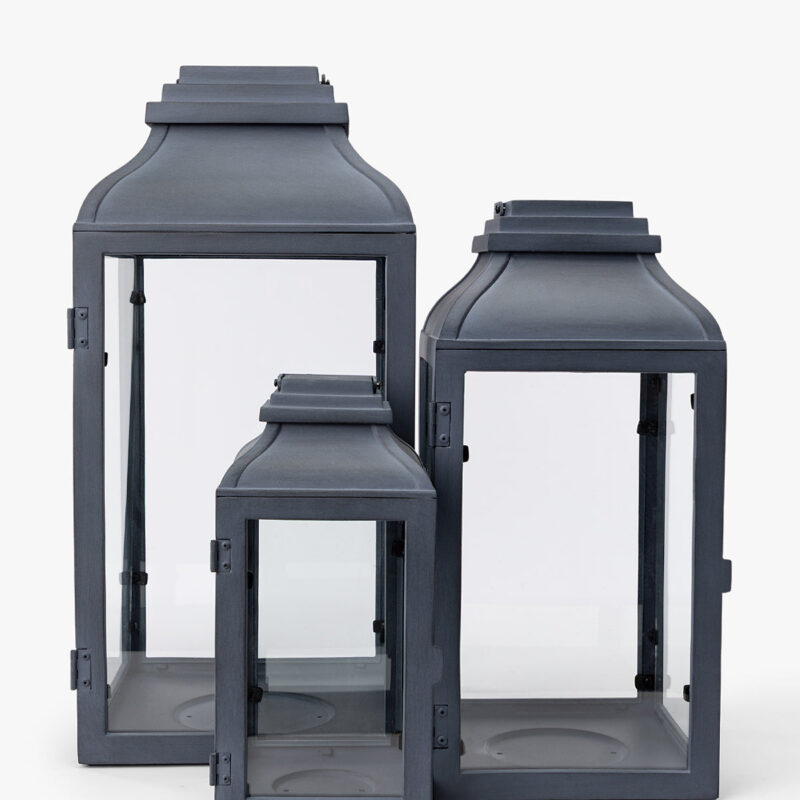
Hartwell Indoor/Outdoor Lantern McGee & Co
$358.00 -
 SHOP THE ITEM →
Bistro Tile Stoneware 24k Gold Accent Garden Hook Anthropologie
$20.00 -
 SHOP THE ITEM →
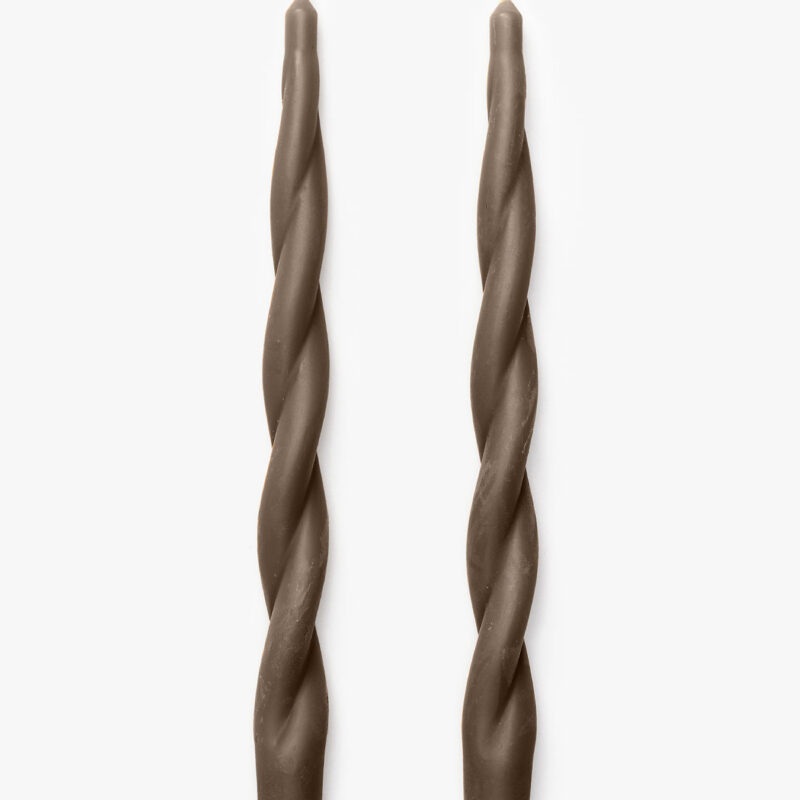
Brown Twisted Taper Candles (Set of 2) McGee & Co
$22.00 -
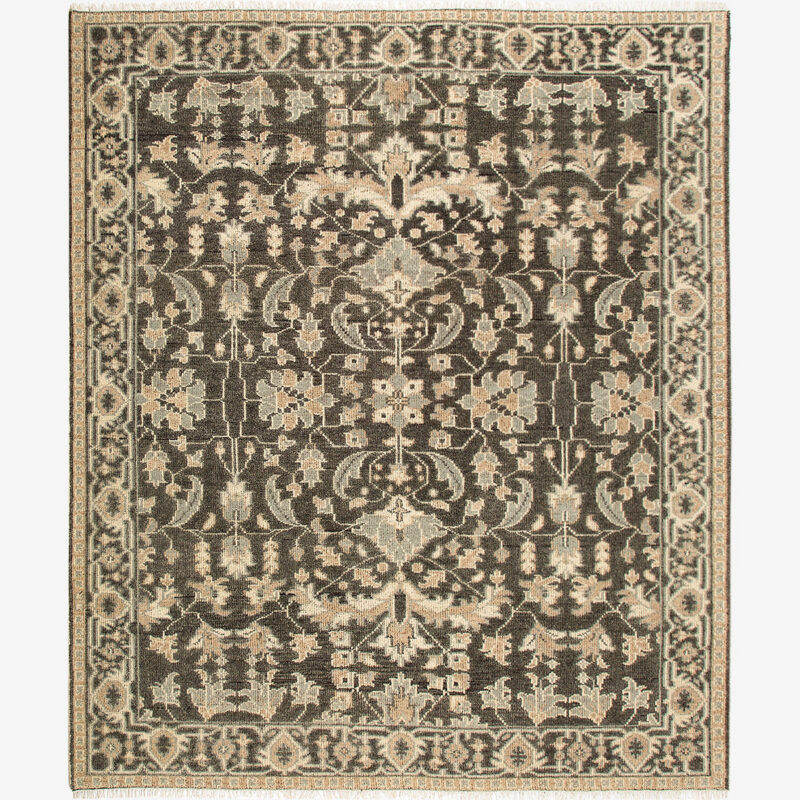 SHOP THE ITEM →
Wayland Hand-Knotted Wool Rug McGee & Co
$846.00 -
 SHOP THE ITEM →
Maeve Brynne Cotton Percale Stripe Tie Printed Duvet
$178.00 -
 SHOP THE ITEM →
Coralie Striped Lumbar Pillow Cover
$89.50 -
 SHOP THE ITEM →
Sand Ric Rac Tie Brocks Dress
$228.00 -
 SHOP THE ITEM →
Abstract Alps Como Dress
$298.00 -
 SHOP THE ITEM →
Wine Pleated Sleeveless Midi Dress Moon River
$118.00 -
 SHOP THE ITEM →
VICTORIA BECKHAM – Suede Shirt
-
 SHOP THE ITEM →
Paloma Wrap Skirt in Lost At Sea Hunter bell
$445.00 -
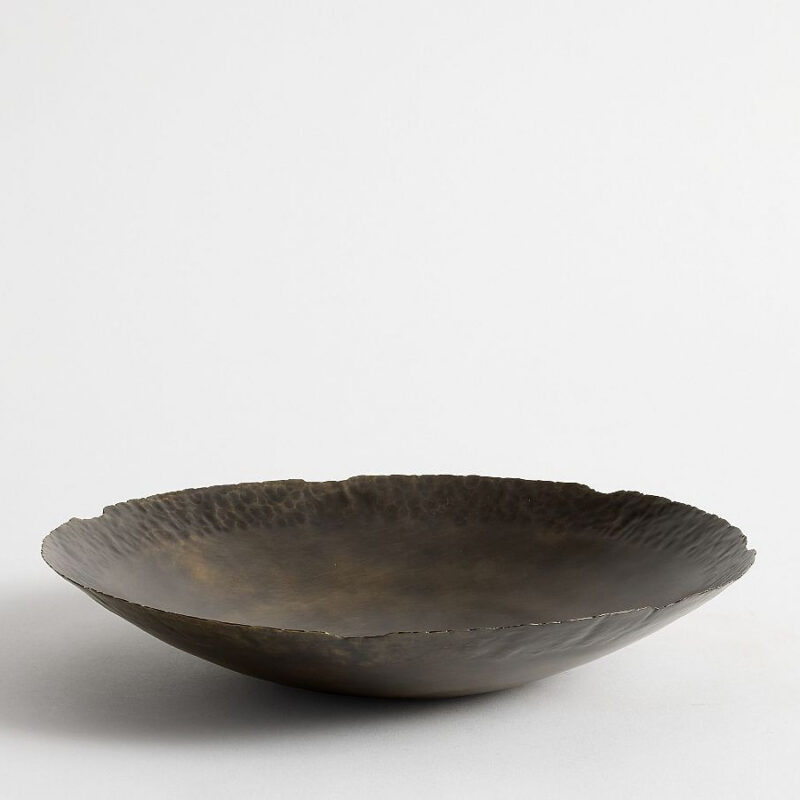 SHOP THE ITEM →
Antique Black Iron Decorative Bowl
$29.50 -
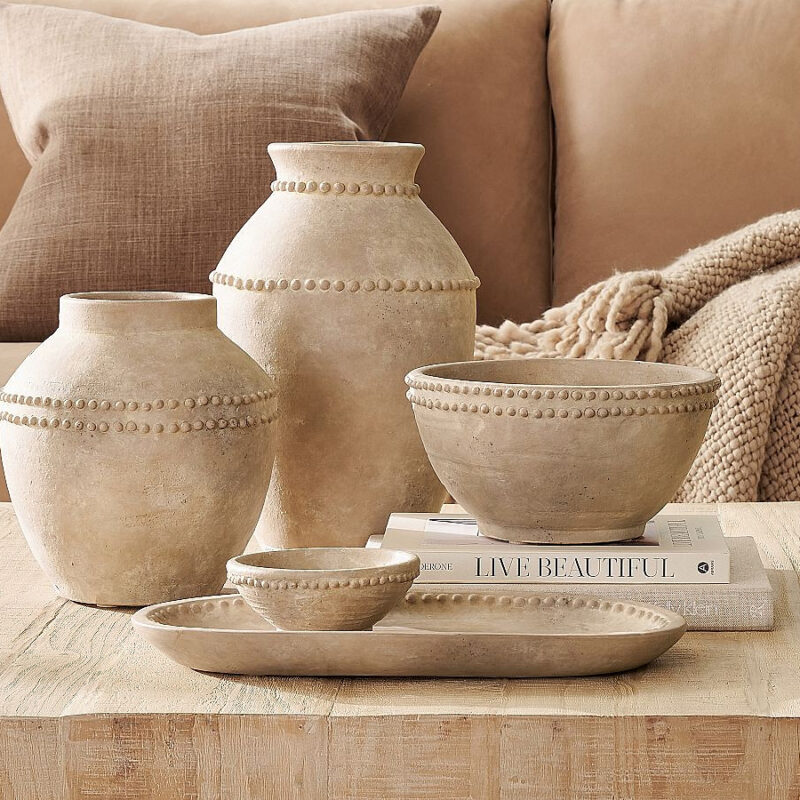 SHOP THE ITEM →
Emilia Ceramic Collection
$79.50 -
 SHOP THE ITEM →
Le Bouquet Maxi Dress in Pink Waimari
$595.00 -
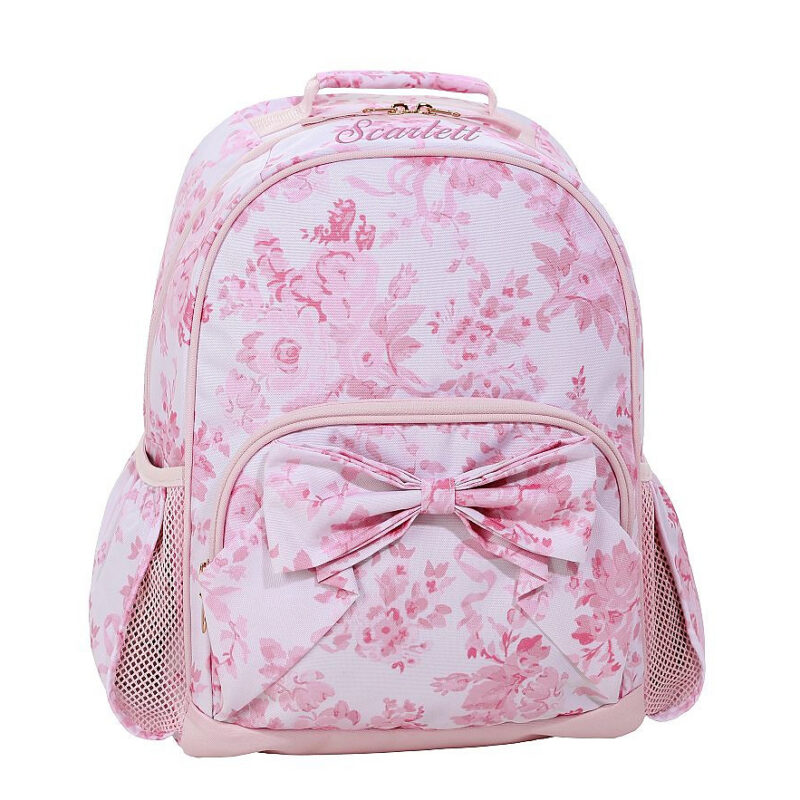 SHOP THE ITEM →
LoveShackFancy Pink Damask Floral Mackenzie Backpack
$69.50 -
 SHOP THE ITEM →
Cordelia Toile Reversible Quilt
$349.00 -
 SHOP THE ITEM →
Lydia Palampore Embroidered Quilt
$349.00 -
 SHOP THE ITEM →
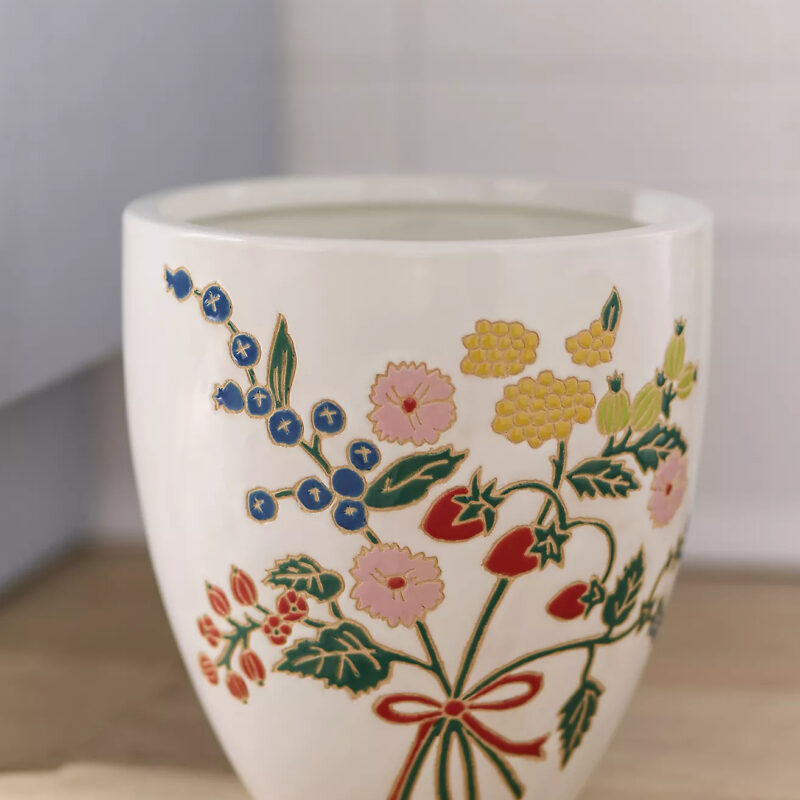
Hand-Painted Ceramic Waste Bin
$68.00 -
 SHOP THE ITEM →
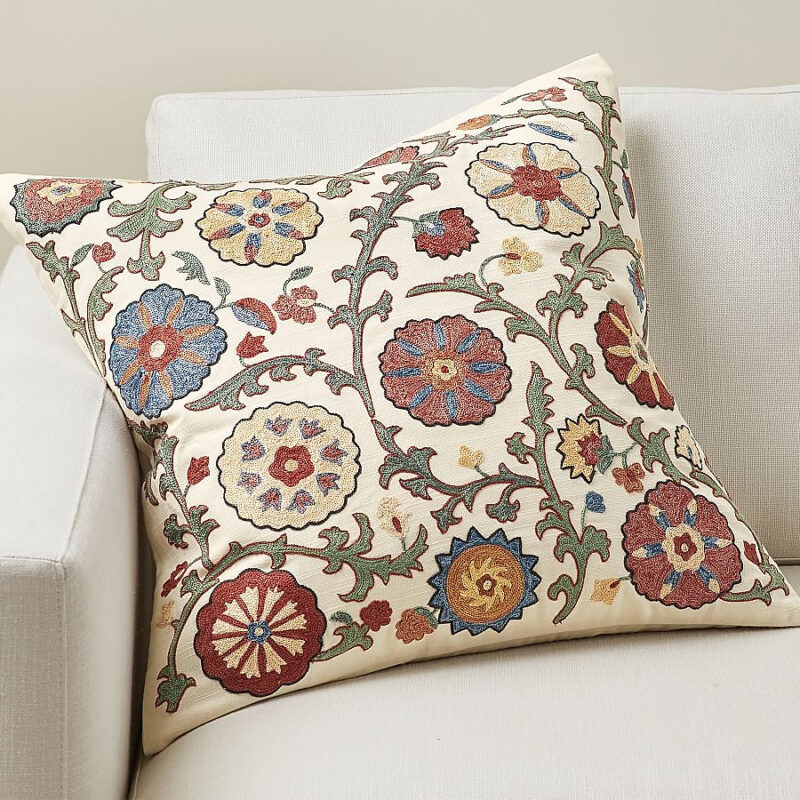
Penelope Embroidered Pillow Cover
$79.50 -
 SHOP THE ITEM →
The Annie Cowgirl Boot – Ombre suede | Tecovas
-
 SHOP THE ITEM →
Blue Flower Cereal Bowl Carolina Irving & Daughters
$40.00 -
 SHOP THE ITEM →
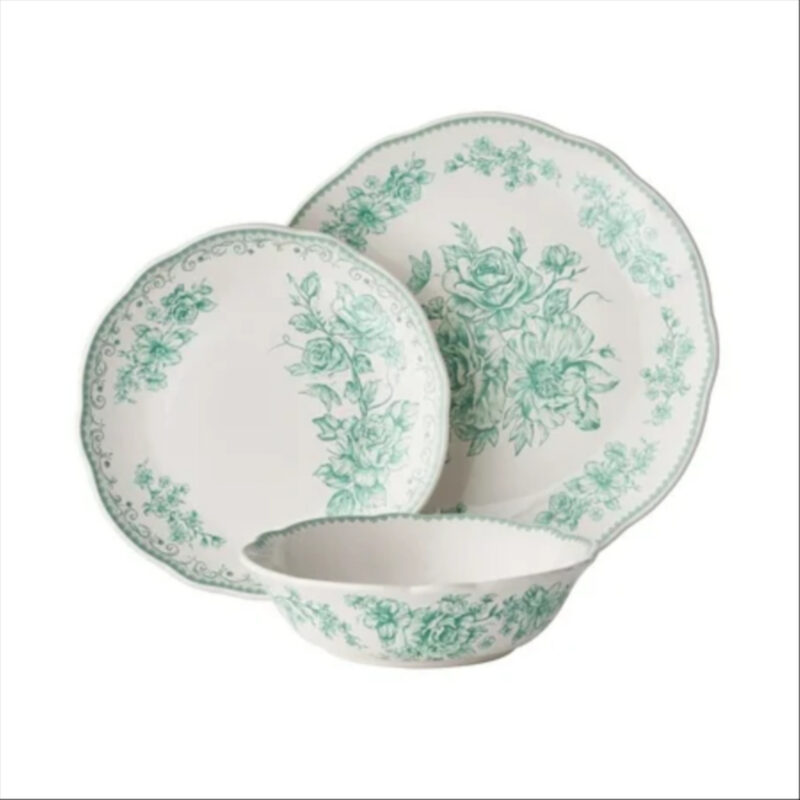
The Pioneer Woman Agatha 12-Piece Stoneware Dinnerware Set, Green
-
 SHOP THE ITEM →
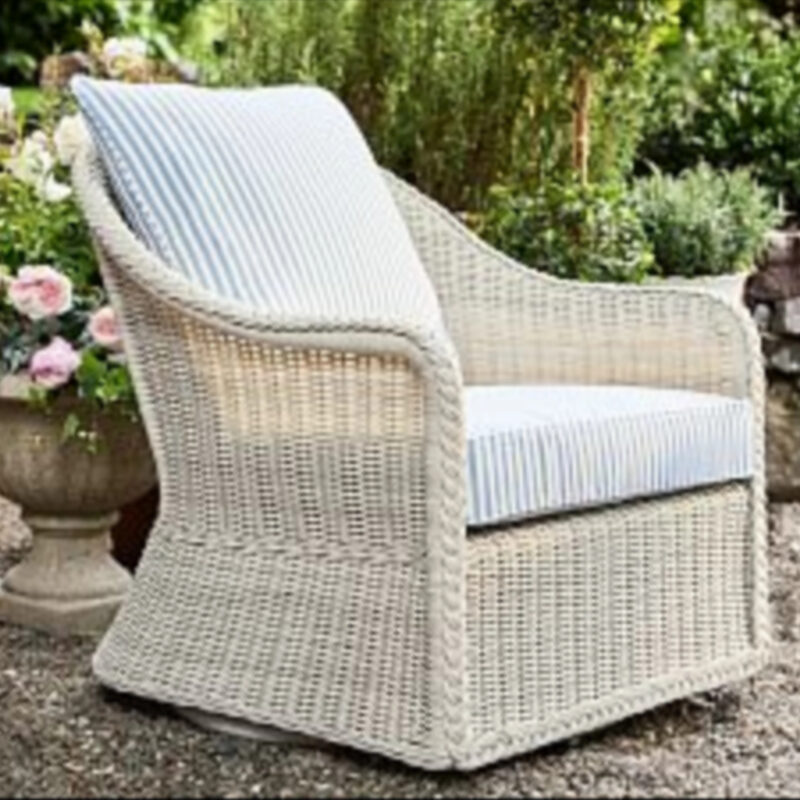
LoveShackFancy Wicker Swivel Outdoor Lounge Chair
-
 SHOP THE ITEM →
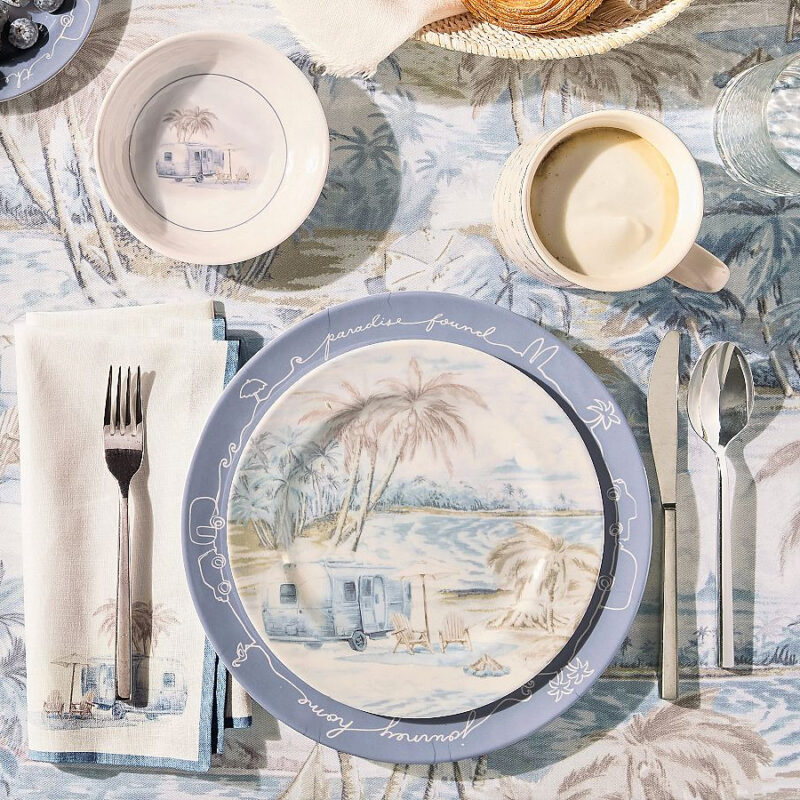
Airstream Outdoor Melamine Dinnerware Collection
-
 SHOP THE ITEM →
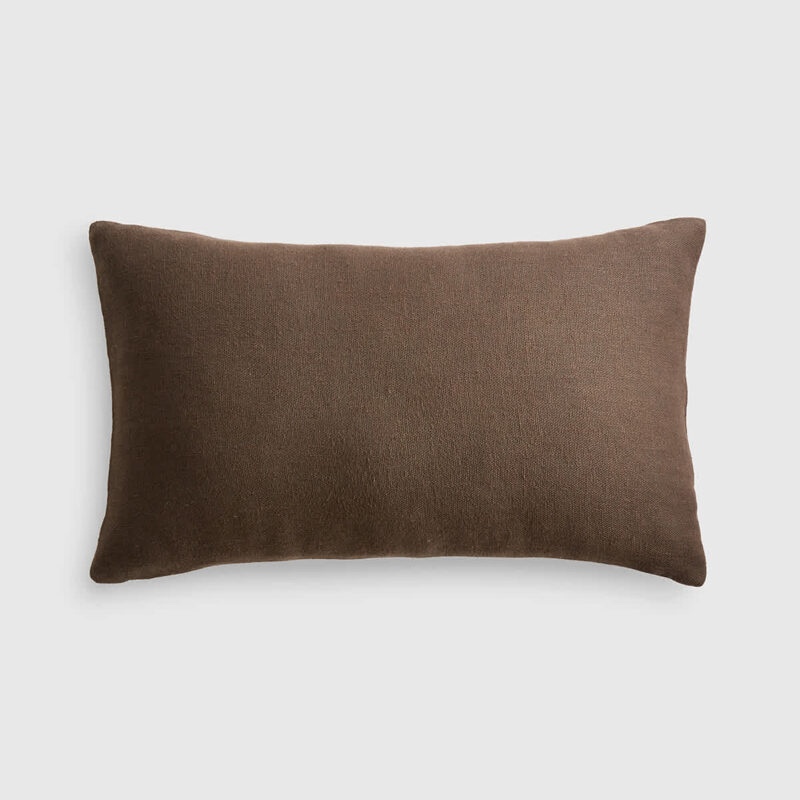
Reversible Linen Bamboo Pillow Cover Quince
You Might Also Enjoy
A Closer Look at The Art of Reflection
- Want to start a garden but live in an apartment? Here’s how to start
- Clutter-Free Casita: Reset Your Space and Free Your Mind
- The Art of Elevated Living: Why Monique Lhuillier Transcends Trend
- Quilts We Are Loving Right Now: Calm Comfort for a Collected Home
- 5 Tips on What Gadgets You Do (and Don’t) Need to Start Gardening