






This article may include affiliate links. We may earn a small commission if you shop through them.
For some mujeres in our community, the past few years have brought a new kind of exhaustion: lingering fatigue, brain fog, pain that comes and goes, and a quiet fear that your body isn’t “your body” anymore. These symptoms aren’t always explained by labs or scans, yet they feel deeply, undeniably real. According to new research, nearly half of Americans live with ongoing pain or illness that isn’t tied to structural damage or a clear diagnosis. These are often neuroplastic symptoms, which are real physical sensations generated by changes in the brain’s signaling pathways due to stress, trauma, emotions, or life overload. We sat down with David D. Clarke, MD, president of the Association for the Treatment of Neuroplastic Symptoms, to talk about why so many people – and especially women – feel this way, and how healing can begin with understanding, compassion, and science-backed tools.
Q&A With Dr. David D. Clarke
1. Why does long COVID make the body feel unfamiliar?
Dr. Clarke:
“The many symptoms attributed to or labeled as Long Covid probably have more than one cause. But for many people, their Covid infection was a ‘last straw’ added to an existing load of stress, trauma, unrecognized emotions, long-term effects of adverse childhood experiences, and other life challenges. The result is physical change (neuroplastic change) in nerve pathways in the brain, demonstrated in several studies of people with symptoms that overlap with Long Covid. This changes the way sensory signals coming from the body are processed and also changes signals sent by the brain to the body. The result is a body that no longer feels familiar and this can be exacerbated if the person’s stress level increases.”
2. What helps people feel less afraid of fluctuating symptoms?
Dr. Clarke:
“The fluctuating symptoms are a common sign of a neuroplastic condition which is good news because effective treatment is now available. Most important as a first step is to recognize that when medical diagnostic evaluation is normal, it is very likely that symptoms are being generated by neuroplastic change in the brain rather than organ disease or structural damage. People should be reassured by this that permanent damage or disability are highly unlikely even when symptoms are severe. Reducing fear about damage and disability is one of the best initial steps for people with Long Covid and by itself can reduce symptoms. Next they can focus their attention on the issues in Question 3 which will provide further healing benefit.”
The Señora Edit
Discover the home, beauty, fashion, and wellness finds our readers are loving most this week.
Shop This Week’s Bestsellers →3. How can people explore old stresses and emotions without self-blame?
Dr. Clarke:
“A person with neuroplastic symptoms (including Long Covid) resembles an Olympic weightlifter who is obliged, without being informed, to carry 50 lb more than the world record for their weight class. They are strong people but they are not fully aware of the size of the burden.
What helps people with neuroplastic symptoms most is performing an inventory of their life stresses such as the Self Assessment Quiz at www.Symptomatic.me . This involves looking at:
– Present day life stresses
– Terrifying or horrifying traumatic events, especially if linked to or triggered around the time of the beginning of the pain or illness
– Strong negative emotions that might appear only in isolated outbursts or not at all
– Adverse childhood experiences that can be anything you would never want for a child of your own
– Stressful personality traits like caring for others but neglecting yourself, heavy self-criticism, not taking time for self-care, perfectionism
– Symptoms of depression such as low energy, loss of interest in previously enjoyable activity, sleeping difficulties, and more
– Excessive worry, anxiety, vigilance, or fear out of proportion to the reasons for them
– Triggering of stress by people, situations, or events that are highly challenging because of links to past adversity
The good news is that by addressing these issues, people with Long Covid can see remarkable improvement. Here is a blog post about a research study at Harvard that showed outstanding results.”
Shop This Week’s Bestsellers
Discover the home, beauty, fashion, and wellness finds our readers are loving most.
Shop Bestsellers →-
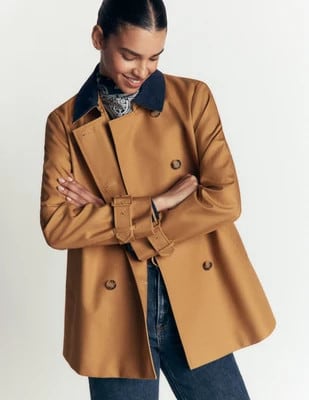 Shop the Item
Boden Women’s Swing Box Short Trench in Natural
$320.00 -
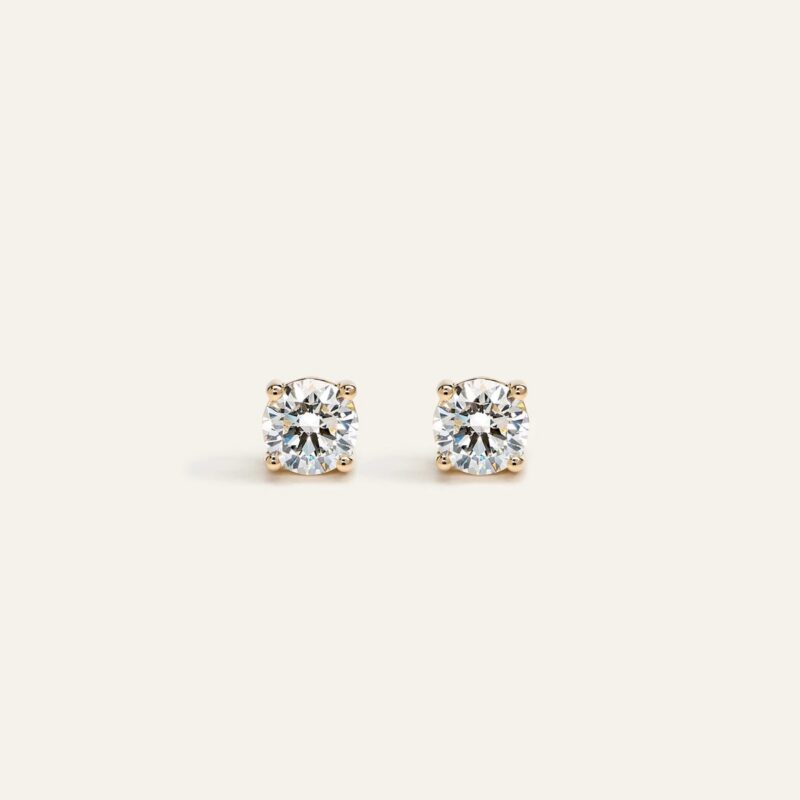 Shop the Item
Quince | Women’s 14K Gold Lab Grown Diamond Solitaire Studs in White Gold
$498.00 -
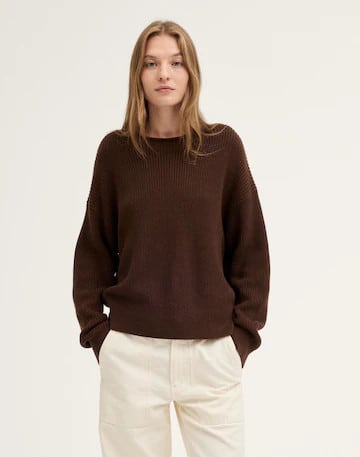 Shop the Item
The Arden Crewneck Sweater in 100% Cotton
$98.00 -
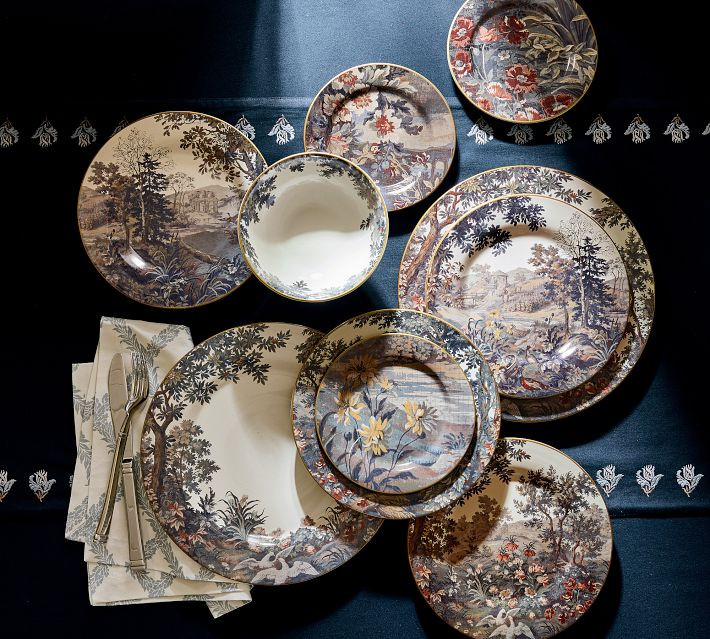 Shop the Item
Pottery Barn Kravet Folly Scenic Stoneware Dinnerware Collection
$49.50 -
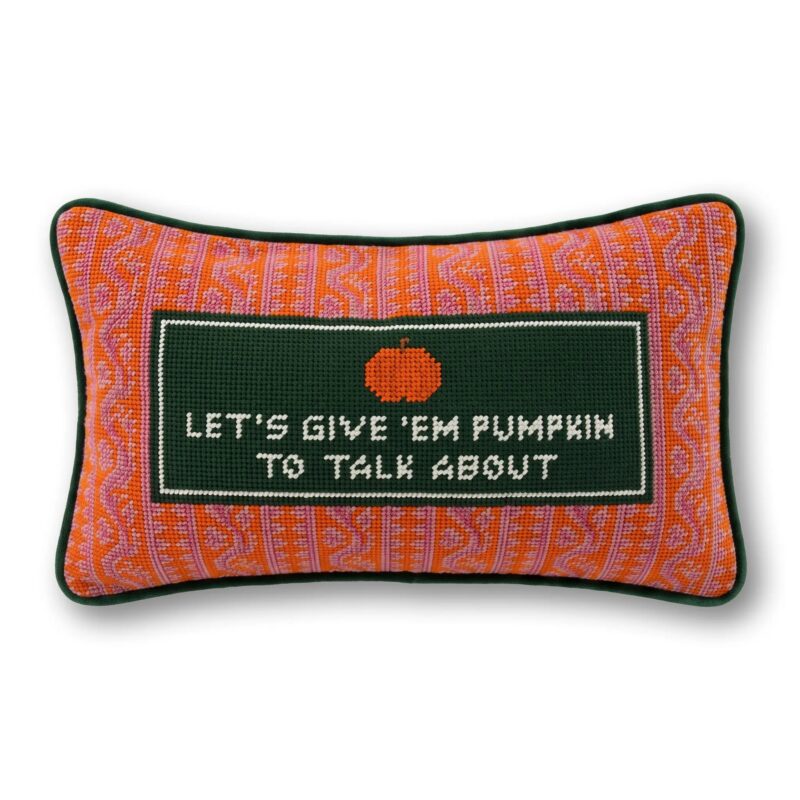 Shop the Item
Pumpkin To Talk About Needlepoint Pillow
$98.00 -
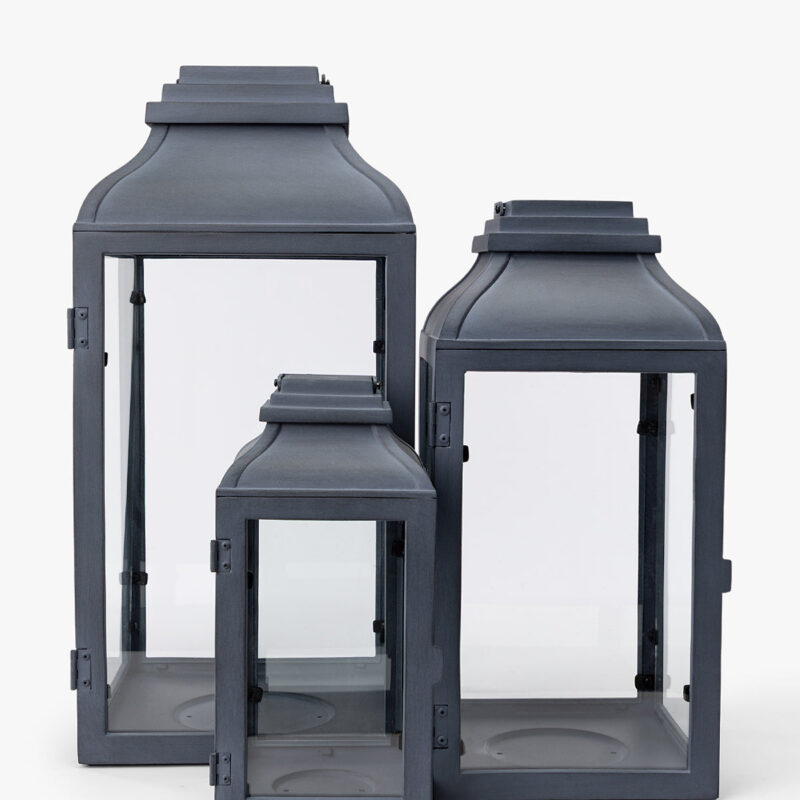 SHOP THE ITEM →
Hartwell Indoor/Outdoor Lantern McGee & Co
$358.00 -
 SHOP THE ITEM →
Bistro Tile Stoneware 24k Gold Accent Garden Hook Anthropologie
$20.00 -
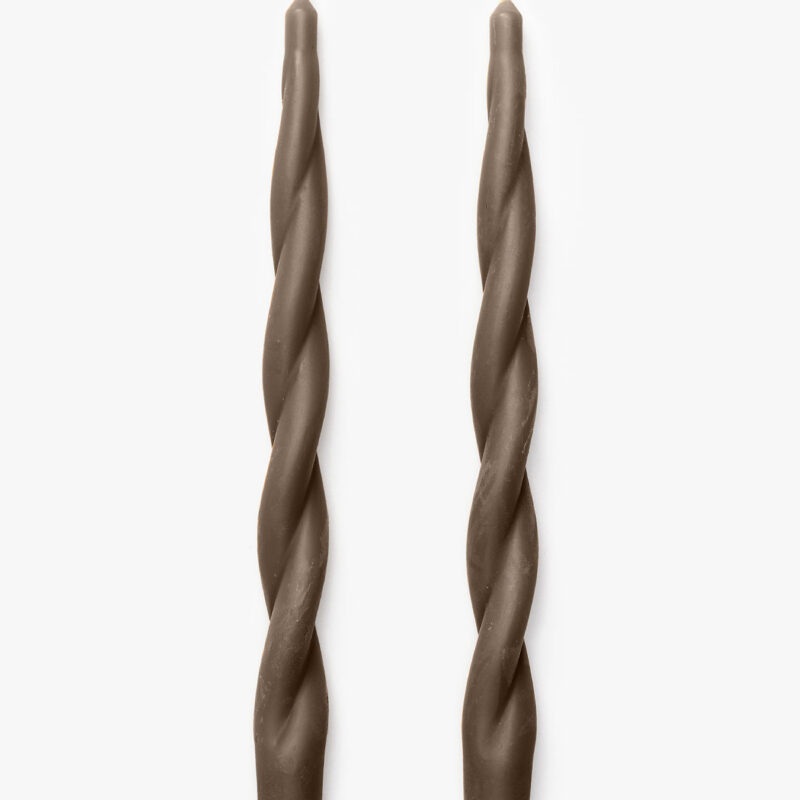 SHOP THE ITEM →
Brown Twisted Taper Candles (Set of 2) McGee & Co
$22.00 -
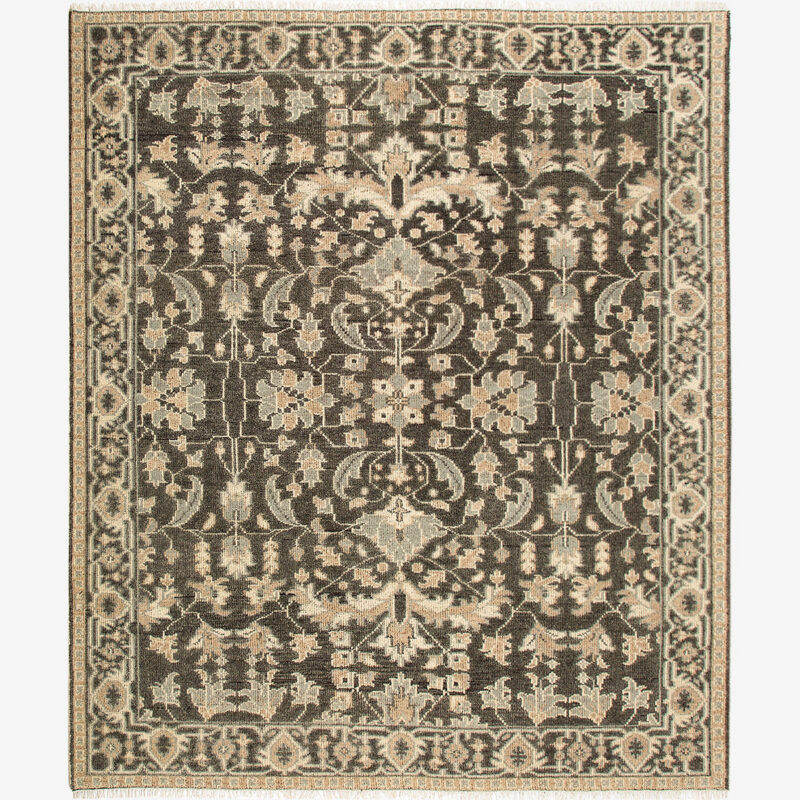 SHOP THE ITEM →
Wayland Hand-Knotted Wool Rug McGee & Co
$846.00 -
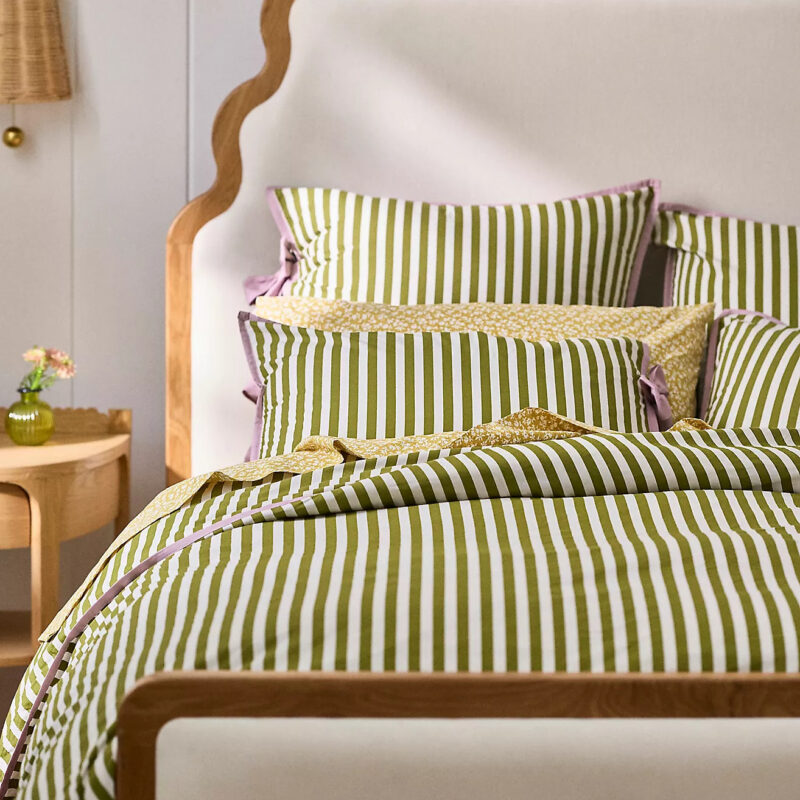 SHOP THE ITEM →
Maeve Brynne Cotton Percale Stripe Tie Printed Duvet
$178.00 -
 SHOP THE ITEM →
Coralie Striped Lumbar Pillow Cover
$89.50 -
 SHOP THE ITEM →
Sand Ric Rac Tie Brocks Dress
$228.00 -
 SHOP THE ITEM →
Abstract Alps Como Dress
$298.00 -
 SHOP THE ITEM →
Wine Pleated Sleeveless Midi Dress Moon River
$118.00 -
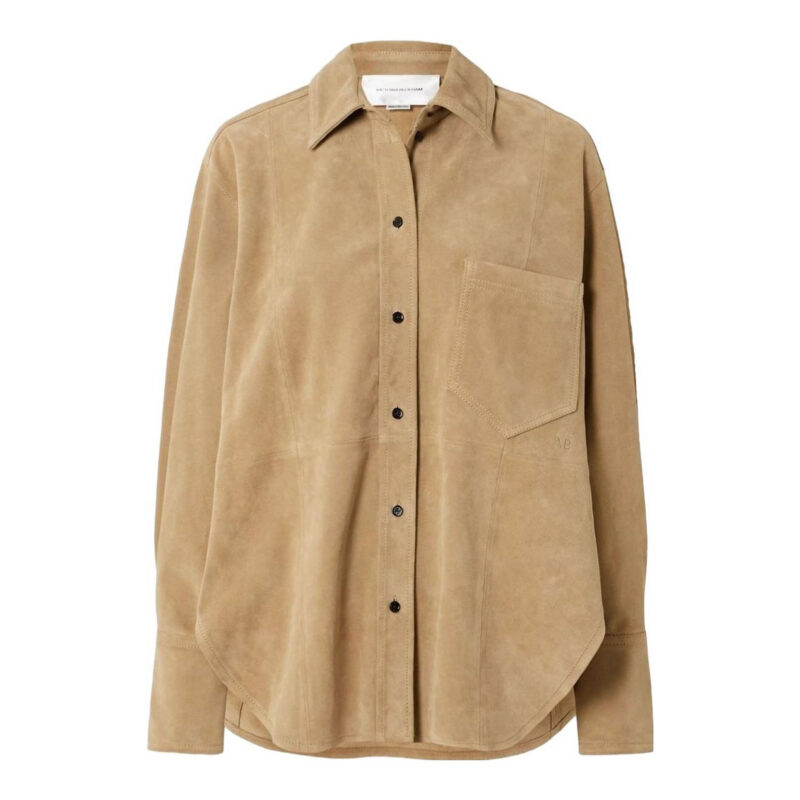 SHOP THE ITEM →
VICTORIA BECKHAM – Suede Shirt
-
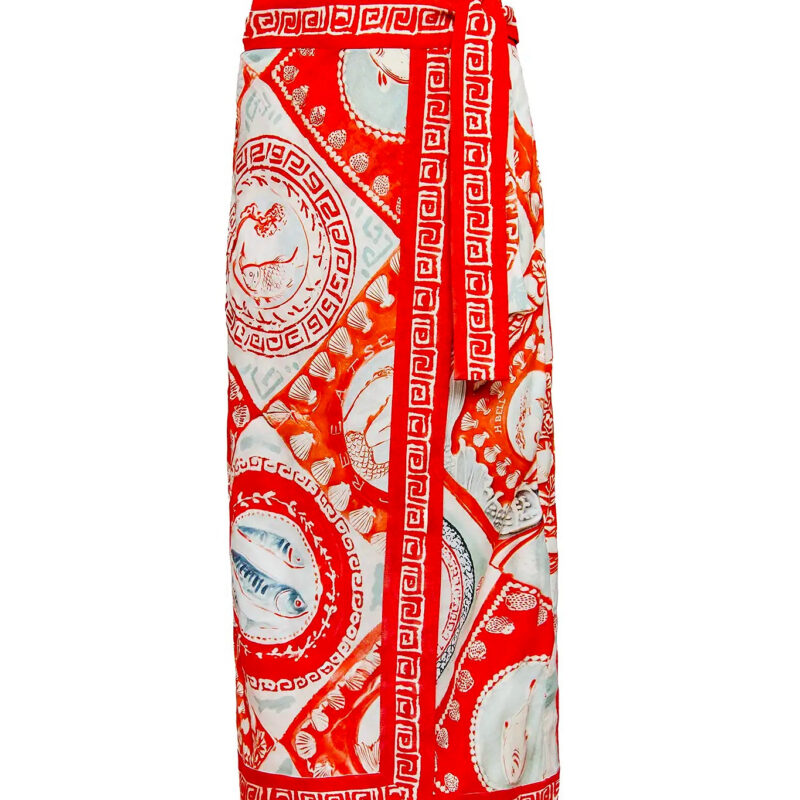 SHOP THE ITEM →
Paloma Wrap Skirt in Lost At Sea Hunter bell
$445.00 -
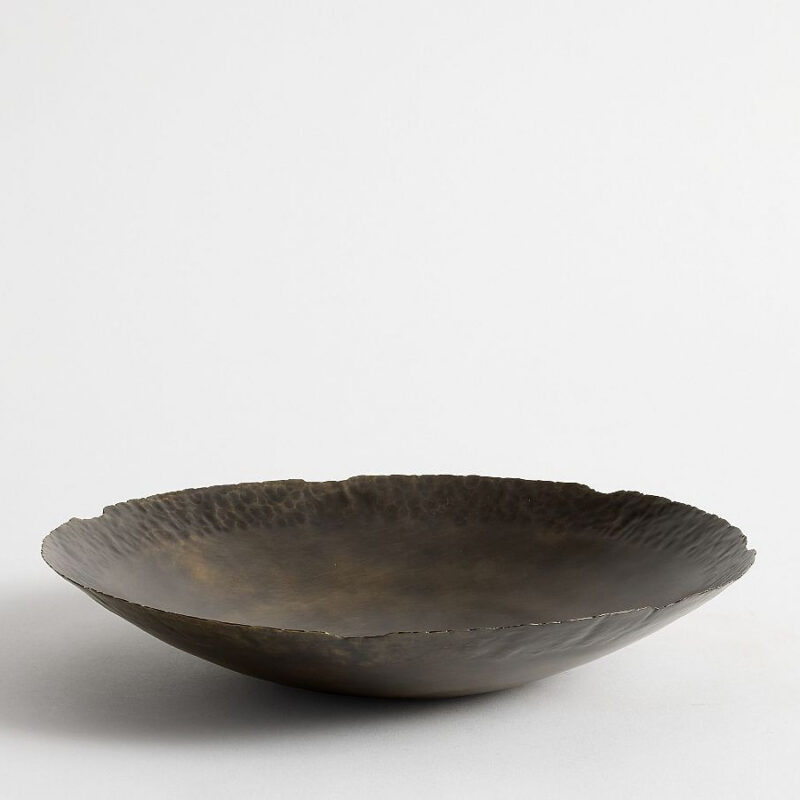 SHOP THE ITEM →
Antique Black Iron Decorative Bowl
$29.50 -
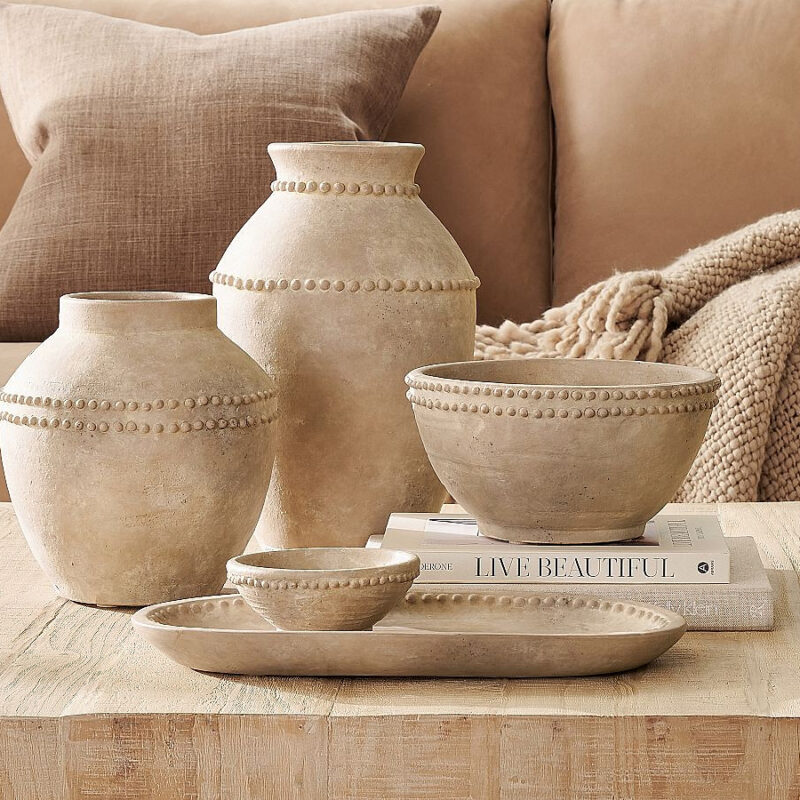 SHOP THE ITEM →
Emilia Ceramic Collection
$79.50 -
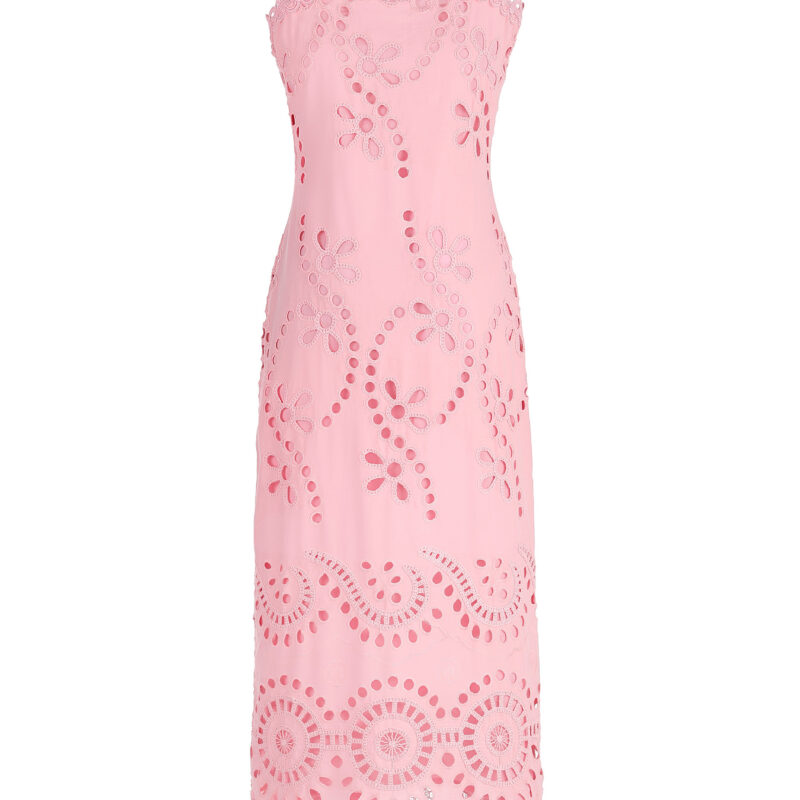 SHOP THE ITEM →
Le Bouquet Maxi Dress in Pink Waimari
$595.00 -
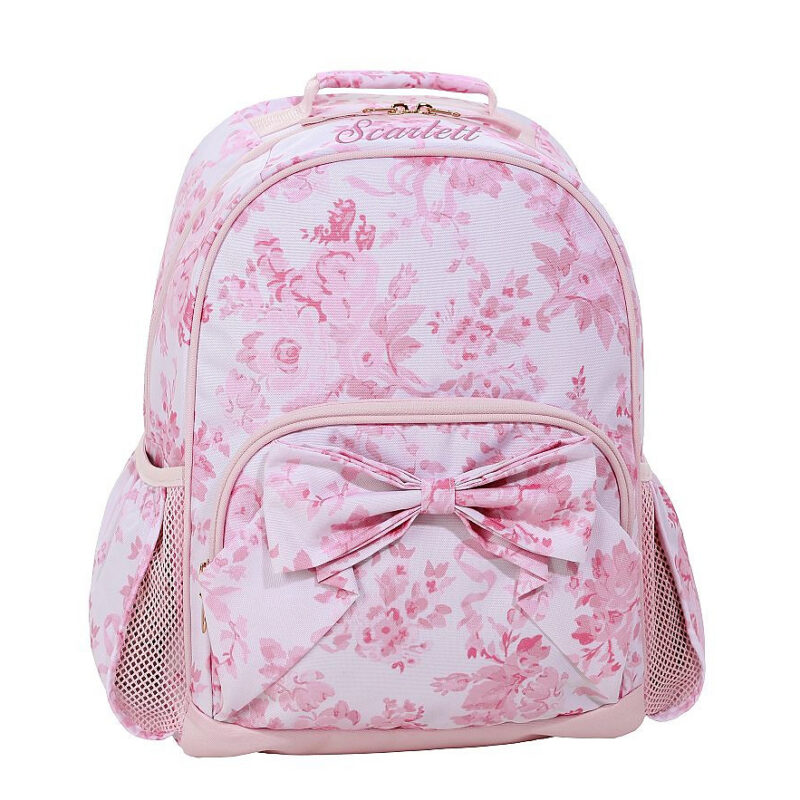 SHOP THE ITEM →
LoveShackFancy Pink Damask Floral Mackenzie Backpack
$69.50 -
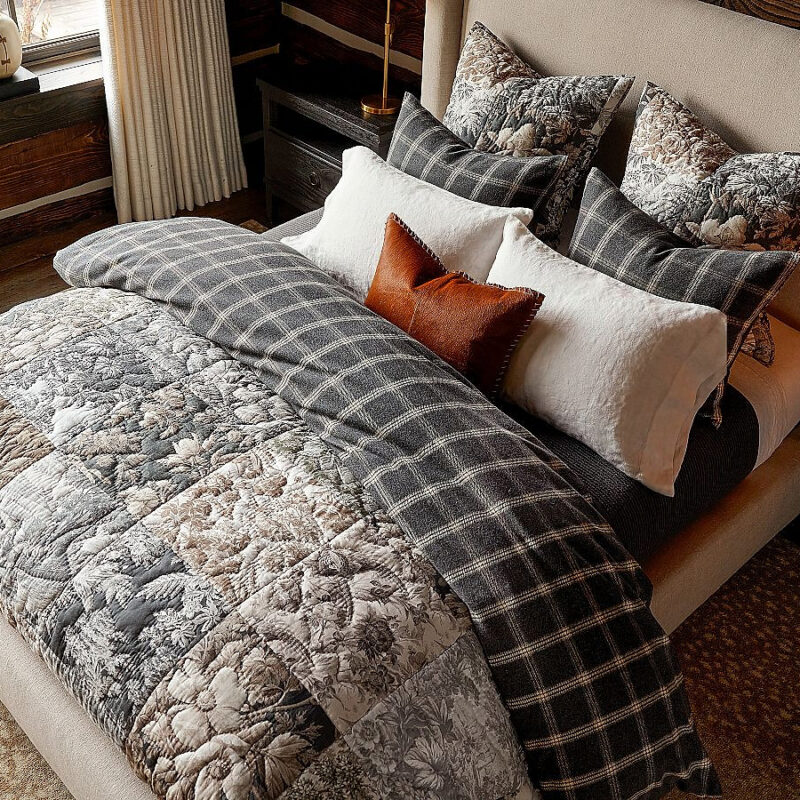 SHOP THE ITEM →
Cordelia Toile Reversible Quilt
$349.00 -
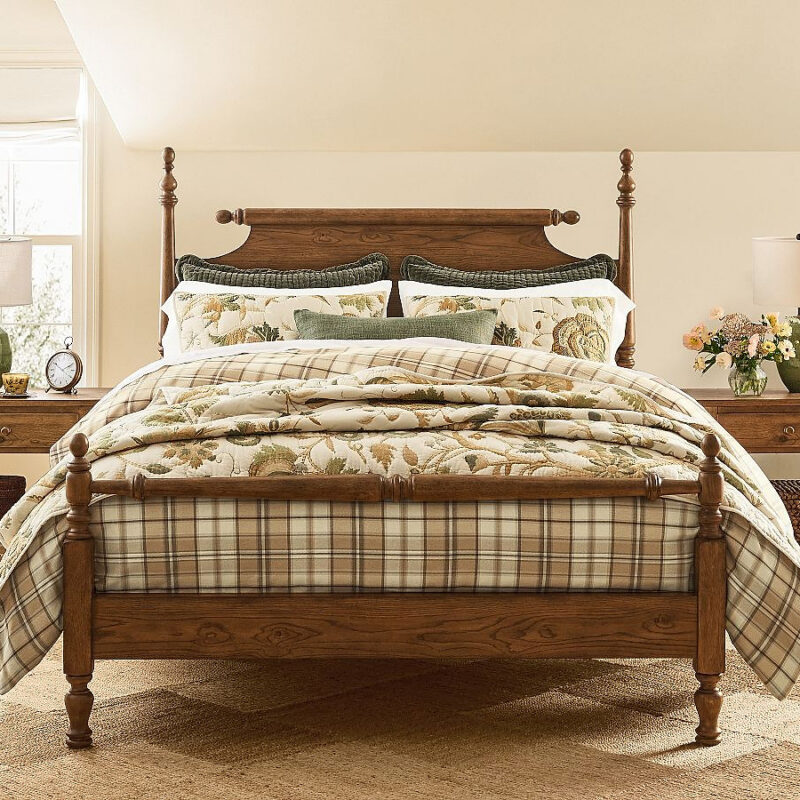 SHOP THE ITEM →
Lydia Palampore Embroidered Quilt
$349.00 -
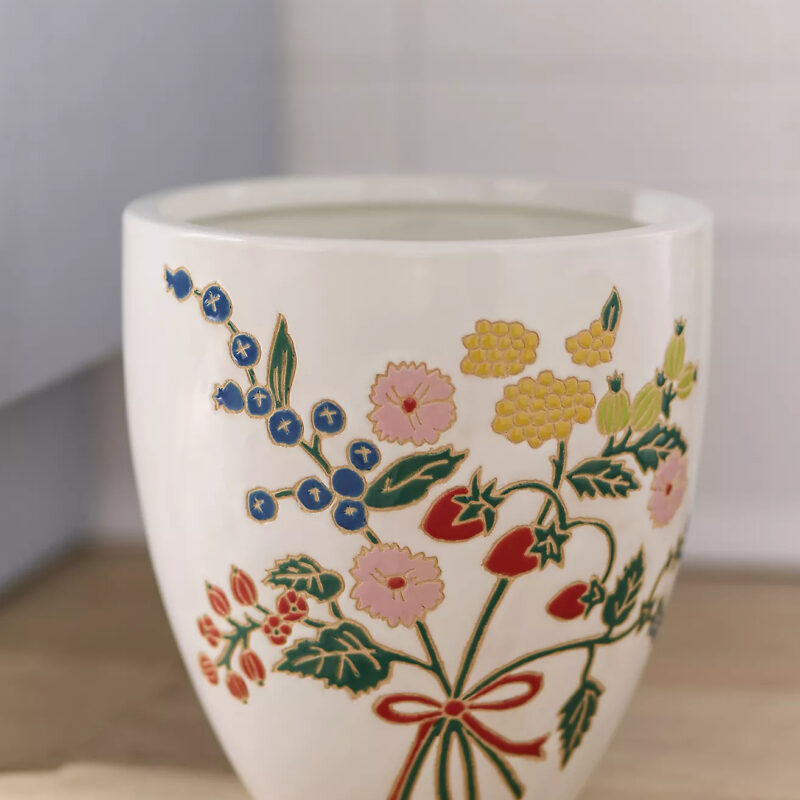 SHOP THE ITEM →
Hand-Painted Ceramic Waste Bin
$68.00 -
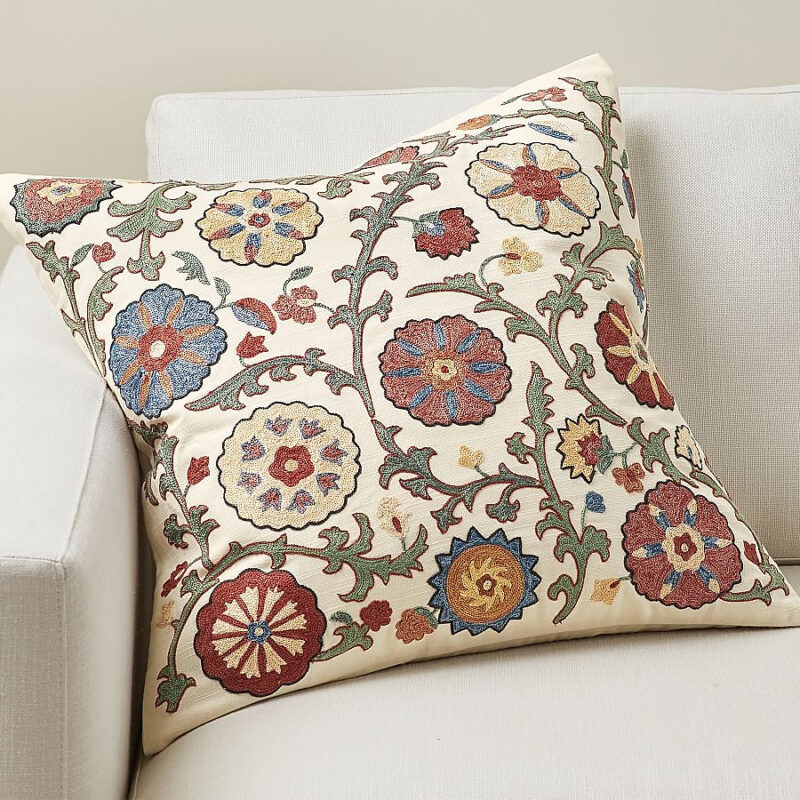 SHOP THE ITEM →
Penelope Embroidered Pillow Cover
$79.50 -
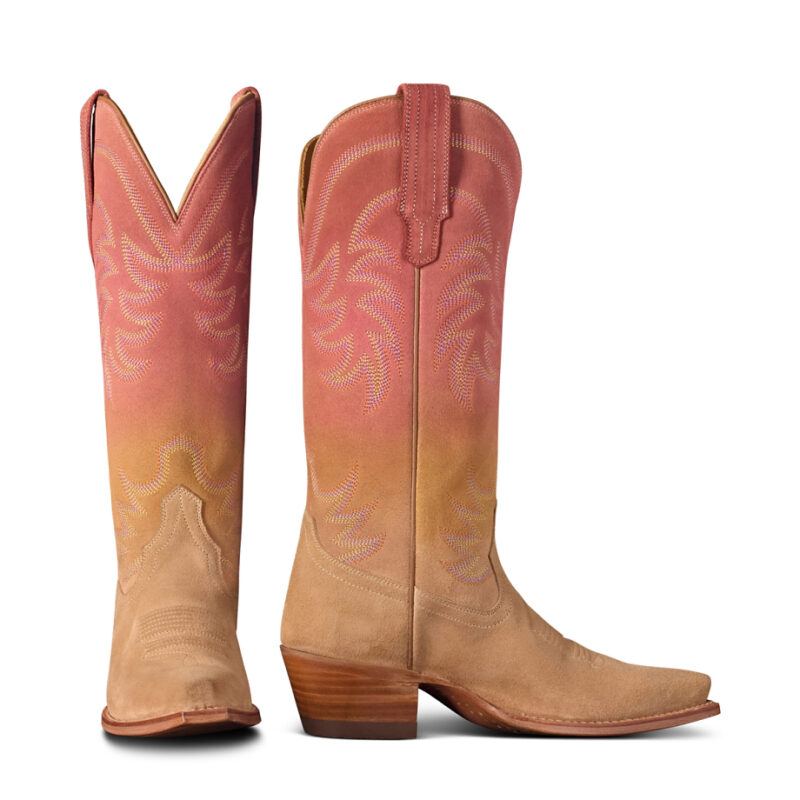 SHOP THE ITEM →
The Annie Cowgirl Boot – Ombre suede | Tecovas
-
 SHOP THE ITEM →
Blue Flower Cereal Bowl Carolina Irving & Daughters
$40.00 -
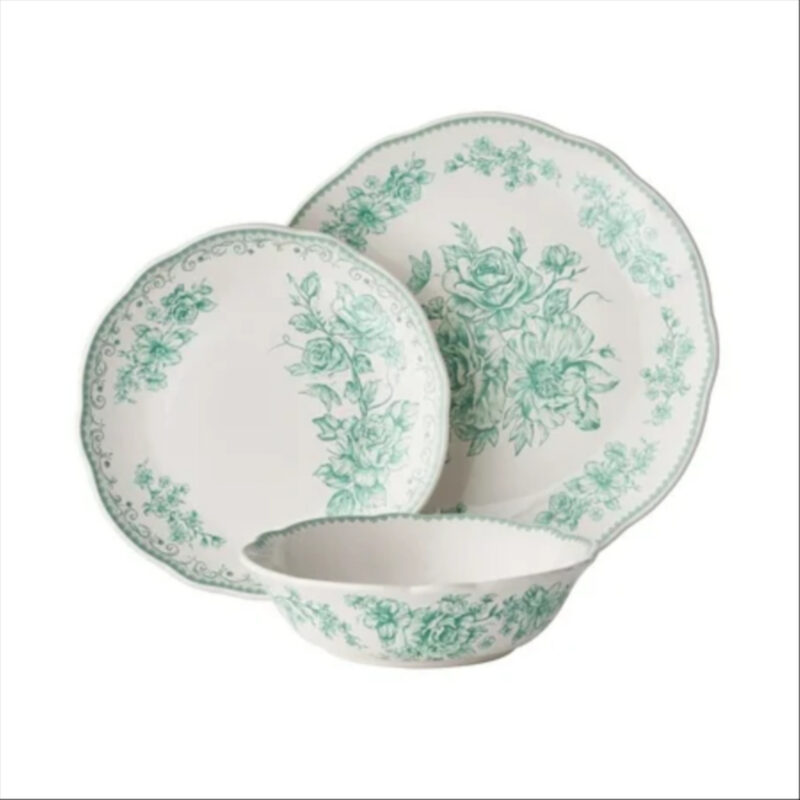 SHOP THE ITEM →
The Pioneer Woman Agatha 12-Piece Stoneware Dinnerware Set, Green
-
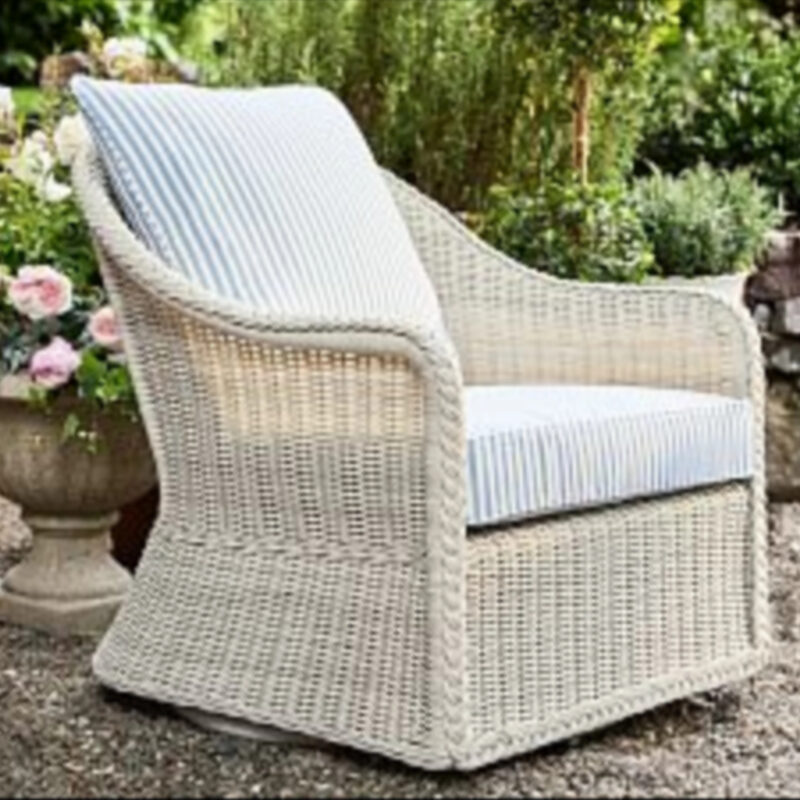 SHOP THE ITEM →
LoveShackFancy Wicker Swivel Outdoor Lounge Chair
-
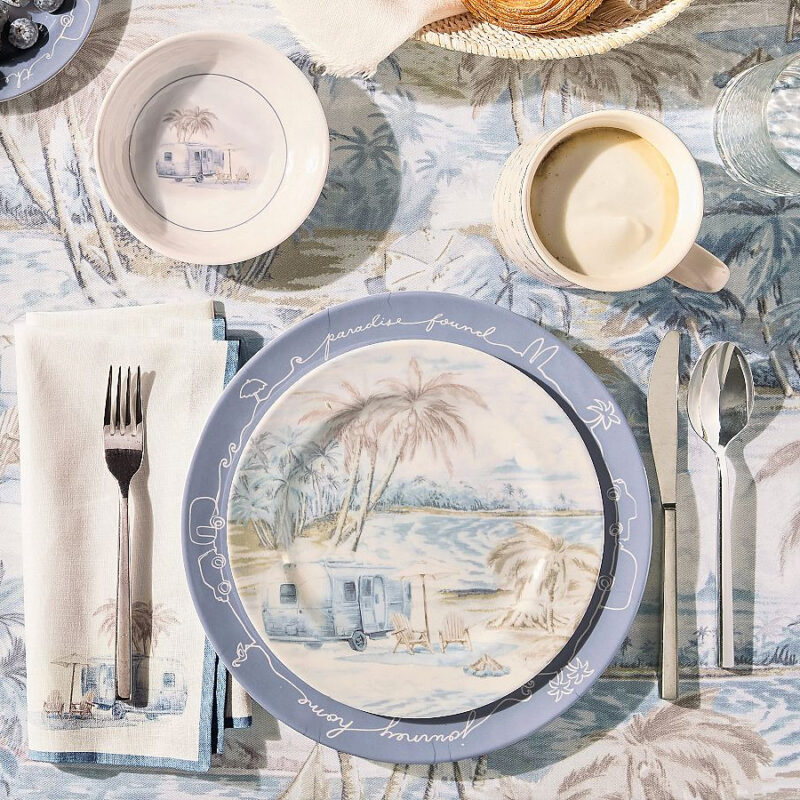 SHOP THE ITEM →
Airstream Outdoor Melamine Dinnerware Collection
-
 SHOP THE ITEM →
Reversible Linen Bamboo Pillow Cover Quince
You Might Also Enjoy
- How to Style a Garden-Inspired Home: Kravet, Serena & Lily & Puebla Collection
- Blue Mind Living: How the Ocean Has Shaped Our Family’s Rituals & Calm
- Pottery Barn & Crate & Barrel for Less: The Best Walmart Dupes You Need to Shop Now
- 25 Winter Rituals to Bring Calm, Comfort & Seasonal Joy
- Why Ultra-Processed Foods Are Everywhere Now (And How to Spot Them Without Stress)