







This article may include affiliate links. We may earn a small commission if you shop through them.
Intentional Spending for a Grounded Life
In the quiet rhythm of daily life, the way we spend our money shapes more than just our bank accounts—it reflects our values, priorities, and the life we hope to cultivate. Intentional spending is not about strict budgets or deprivation, but about approaching our finances with care, clarity, and purpose. By aligning our purchases with what truly matters to us, we create a lifestyle that feels more connected, grounded, and fulfilling.
What Is Intentional Spending?
At its heart, intentional spending is a practice of mindfulness. It’s about pausing to consider the “why” behind each purchase and asking whether it aligns with our values, needs, and long-term goals. It’s a shift away from impulsive buying and toward thoughtful choices that bring a deeper sense of satisfaction and harmony to our daily lives.
The Señora Edit
Discover the home, beauty, fashion, and wellness finds our readers are loving most this week.
Shop This Week’s Bestsellers →The Difference Between Intentional and Impulsive Spending
Impulsive spending often stems from fleeting emotions—stress, boredom, or the allure of convenience. These purchases might feel gratifying in the moment, but they often leave us feeling disconnected or cluttered. Intentional spending, on the other hand, is rooted in purpose. It prioritizes quality over quantity, experiences over excess, and the long-term over the momentary.
Steps to Align Your Spending with Your Values
1. Reflect on What Matters Most
Begin by identifying your core values. Is it family togetherness? A peaceful home? Supporting your community? When you know what’s most important to you, it becomes easier to filter your spending decisions through this lens. For example, if family time is a priority, investing in a sturdy dining table for shared meals may feel more meaningful than upgrading to the latest tech gadget.
2. Create Space Between Want and Buy
One of the simplest ways to practice intentional spending is to pause before making a purchase. For smaller items, waiting 24 hours can help you determine whether it’s a true need or an impulse. For larger purchases, give yourself even more time to reflect. This practice creates a sense of calm and clarity around your decisions.
3. Embrace Quality and Longevity
Instead of chasing trends or settling for quick fixes, consider the value of investing in items that stand the test of time. Whether it’s a well-crafted piece of furniture, a reliable kitchen tool, or a pair of shoes that will last for years, choosing quality over quantity often saves money and reduces waste in the long run.
4. Set Intentional Spending Categories
Intentional spending doesn’t mean never indulging—it’s about making room for what truly brings joy. Create a few categories where you want to focus your spending, such as travel, family celebrations, or hobbies that nourish your creativity. By allocating funds to these priorities, you’ll feel more aligned with your values and less tempted by unnecessary purchases.
How Intentional Spending Impacts Family Life
When we approach spending with intention, it creates ripple effects in our homes and relationships. Children learn the value of thoughtful choices through our example. Family finances become less stressful and more collaborative. And the things we bring into our homes—whether a new book, a cozy blanket, or fresh ingredients for a weeknight meal—carry more meaning because they’ve been chosen with care.
Fostering Gratitude
Intentional spending encourages gratitude for the things we already have. By focusing on quality over quantity, we begin to appreciate the beauty and functionality of what’s in our lives, rather than constantly seeking the next new thing.
Simple Everyday Practices for Mindful Spending
- Keep a running list of needs and wants, and revisit it regularly to prioritize.
- Shop your home first—sometimes, what you need is already there.
- Set aside dedicated time to review your finances as a family or individual, so spending feels intentional rather than reactive.
- Support local artisans, farmers, or small businesses to align your spending with community values.
Closing Thoughts
Intentional spending is a lifelong practice, one that evolves as our priorities and circumstances change. It’s not about perfection, but about progress—cultivating habits that bring us closer to the life we want to live. When we spend with intention, we nurture a deeper connection to the things we own, the moments we create, and the values we hold dear. In this way, every dollar spent becomes a step toward a more grounded and meaningful life.
FAQs About Intentional Spending
What’s the first step to practicing intentional spending?
The first step is identifying your core values and priorities. Take some time to reflect on what truly matters to you, and let these guide your spending decisions.
Does intentional spending mean I can’t treat myself?
Not at all. Intentional spending is about aligning your purchases with your values, which can absolutely include treating yourself to meaningful or joyful experiences.
How do I teach my children about intentional spending?
Model thoughtful choices in your own spending and involve your children in discussions about money. Help them understand the value of saving, prioritizing, and making purchases that align with their goals and values.
Shop This Week’s Bestsellers
Discover the home, beauty, fashion, and wellness finds our readers are loving most.
Shop Bestsellers →-
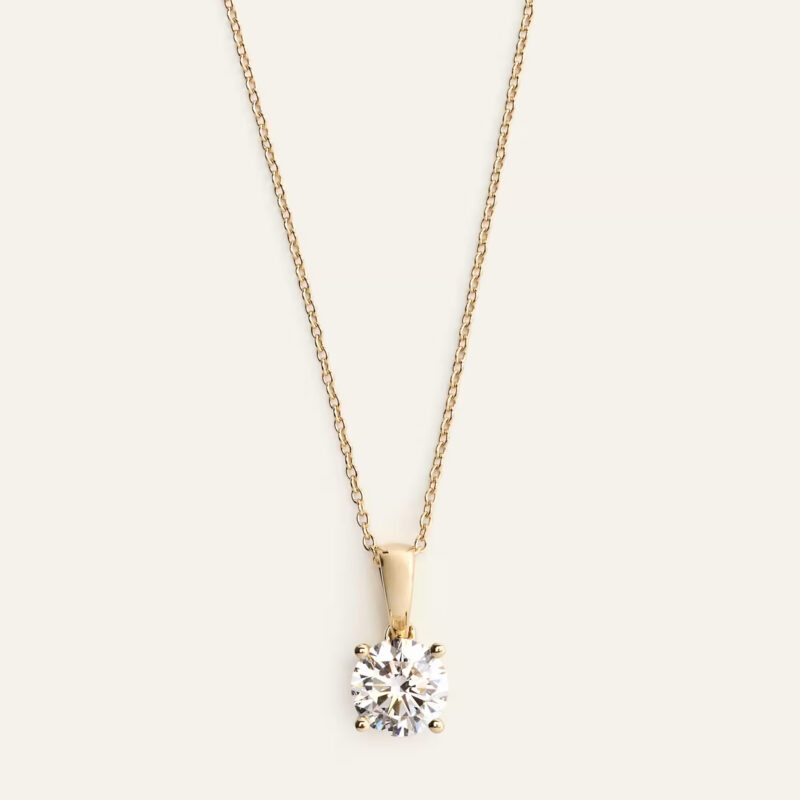 Shop the Item
14k Gold Lab Grown Diamond Solitaire Pendant – 1ct Quince Lab Diamonds
$698.00 -
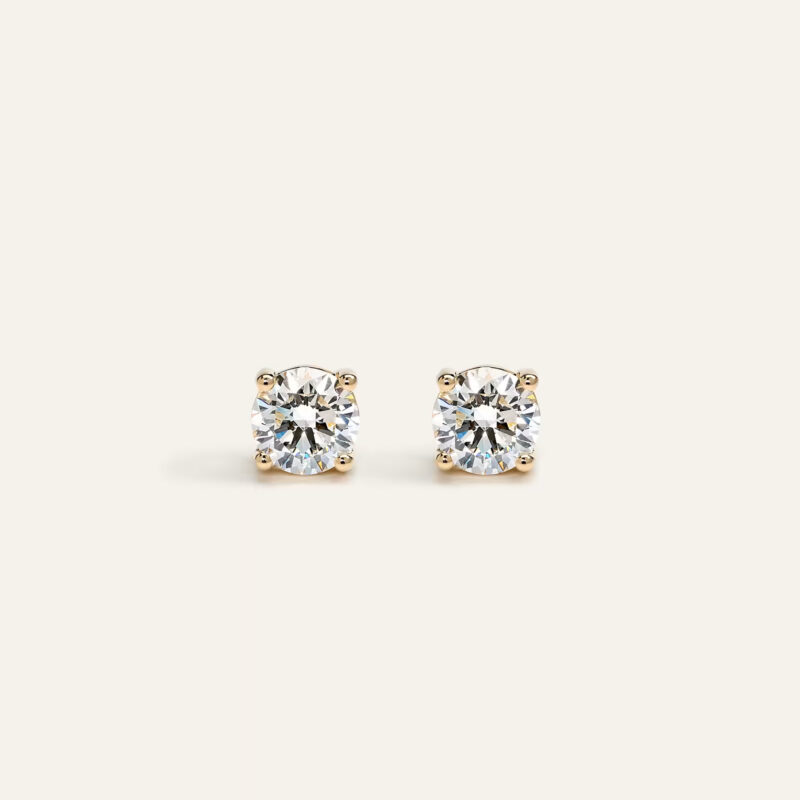 Shop the Item
14K Gold Lab Grown Diamond Four-Prong Solitaire Studs – 1.5ctw Quince Lab Diamonds
$748.00 -
 Shop the Item
Emma Linen Maxi Skirt-Navy Boden US
-
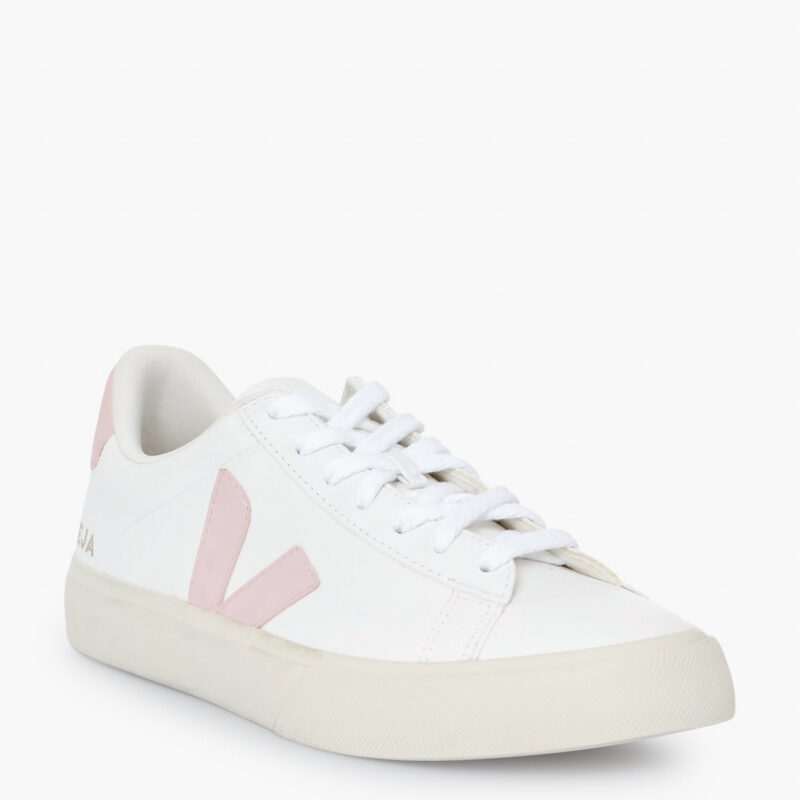 Shop the Item
Extra White Petale Campo Sneakers VEJA
$165.00 -
 Shop the Item
Natural Raffia Rosemary Ranger Hat Tuckernuck Accessories
$228.00 -
 Shop the Item
Black RB4473D Sunglasses Ray-Ban
$160.00 -
 Shop the Item
White Lace Beatrice Skirt
$198.00 -
 Shop the Item
White Rustic Slub Cotton Stallings Button Down
$148.00 -
 Shop the Item
Round Sunglasses Ray-Ban
$191.00 -
 Shop the Item
Tortoise Wayfarer Ease Sunglasses Ray-Ban
$180.00 -
 Shop the Item
The Bow Tie Caftan
$188.00 -
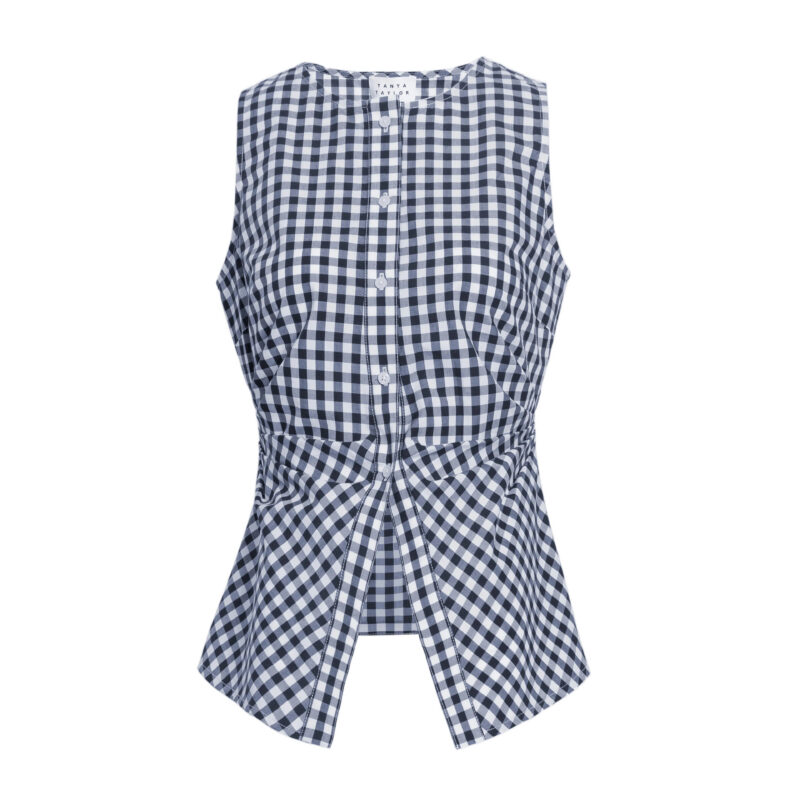 Shop the Item
Oscar Top in Maritime Blue Multi Tanya Taylor
-
 Shop the Item
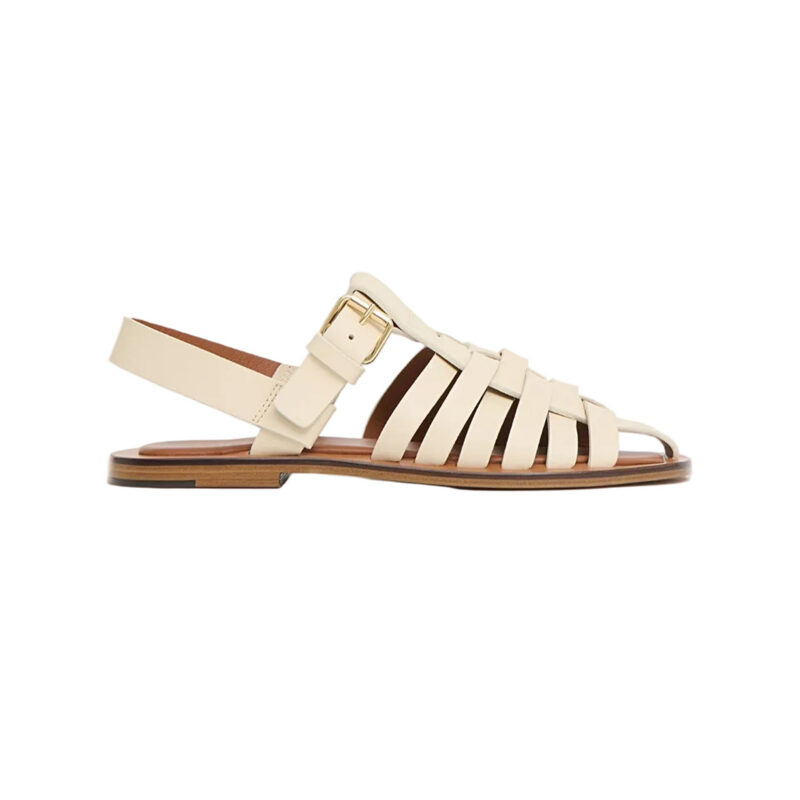
Netta Sandal in Jasmine Mansur Gavriel
-
 Shop the Item
This is My Circus Needlepoint Pillow Furbish Studio
-
 Shop the Item
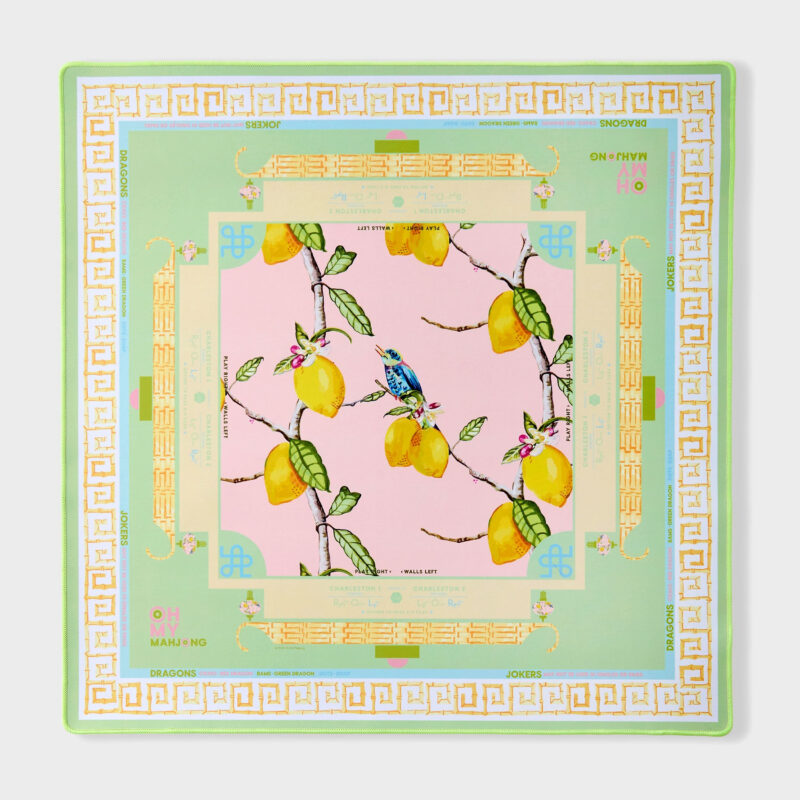
Citrus Songbird Playing Mat Oh My Mahjong
-
 Shop the Item
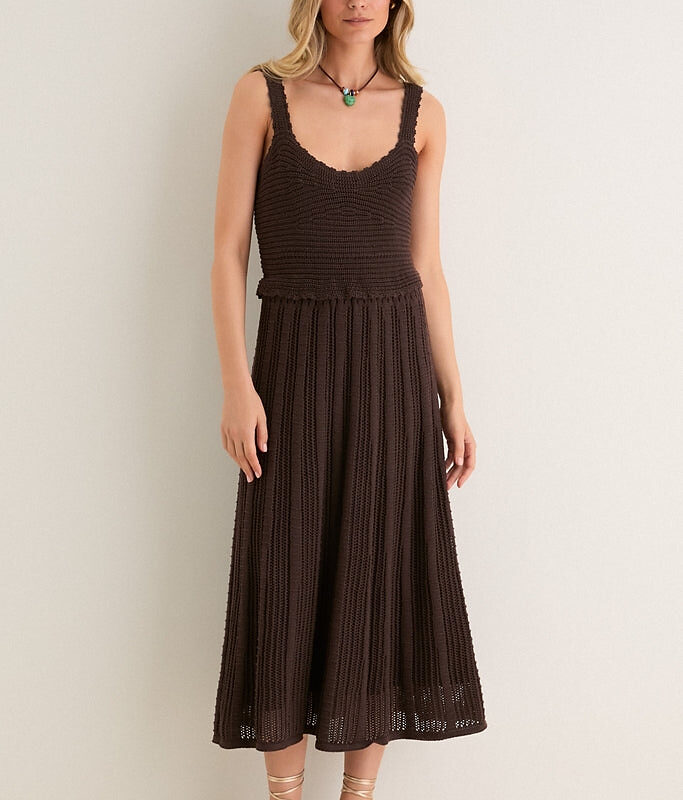
Chocolate Brown Knit Anne Midi Dress Hyacinth House
-
 Shop the Item
FARM RIO – Embroidered Palm Linen Midi Skirt Anthropologie
-
 Shop the Item
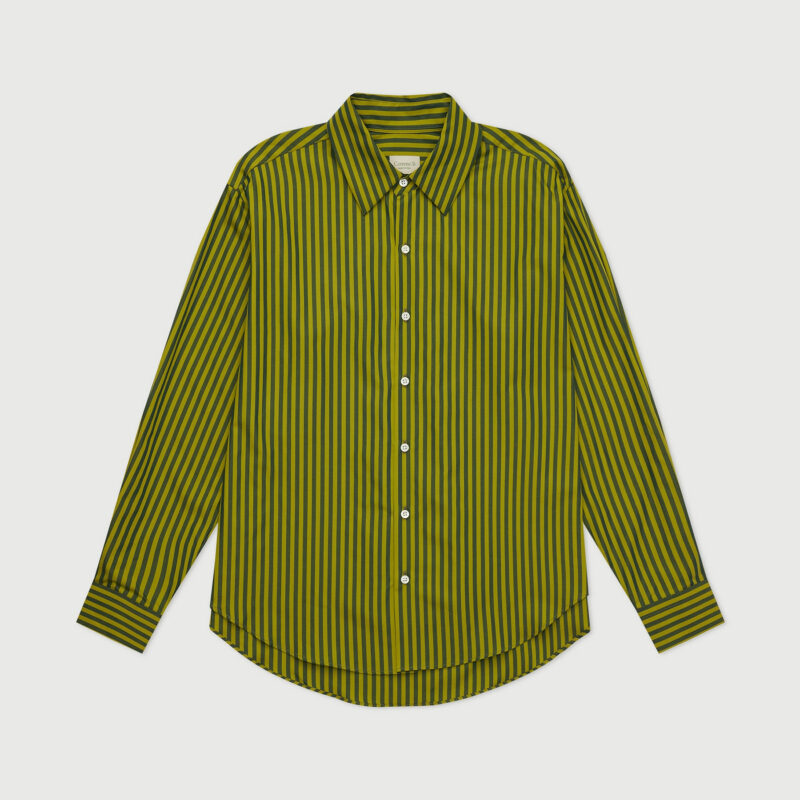
COMME SI | La Classica Shirt – Saguaro Stripe Comme Si
$295.00 -
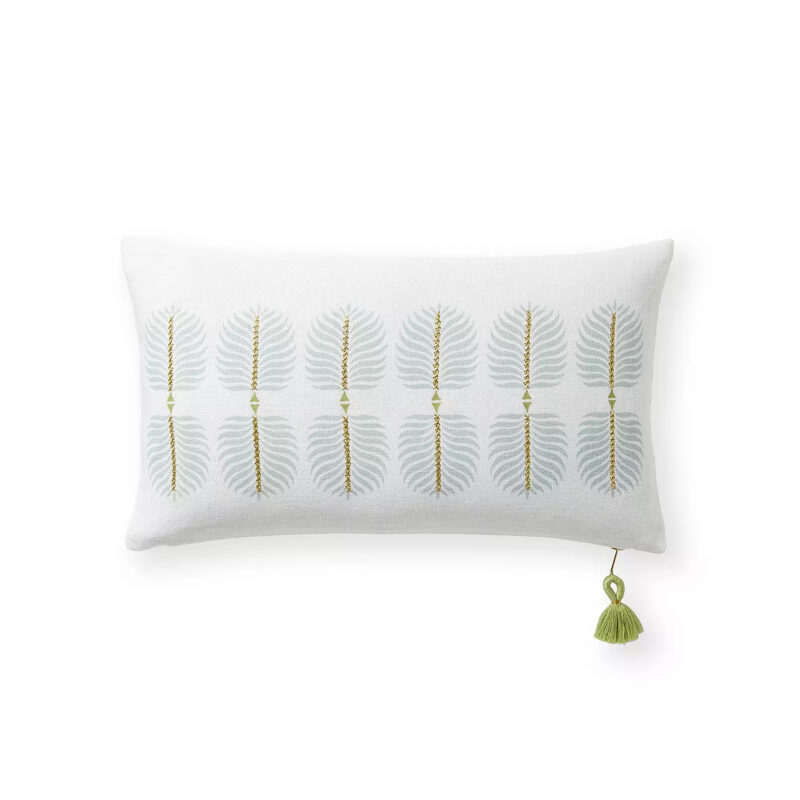 Shop the Item
Granada Pillow Cover
-
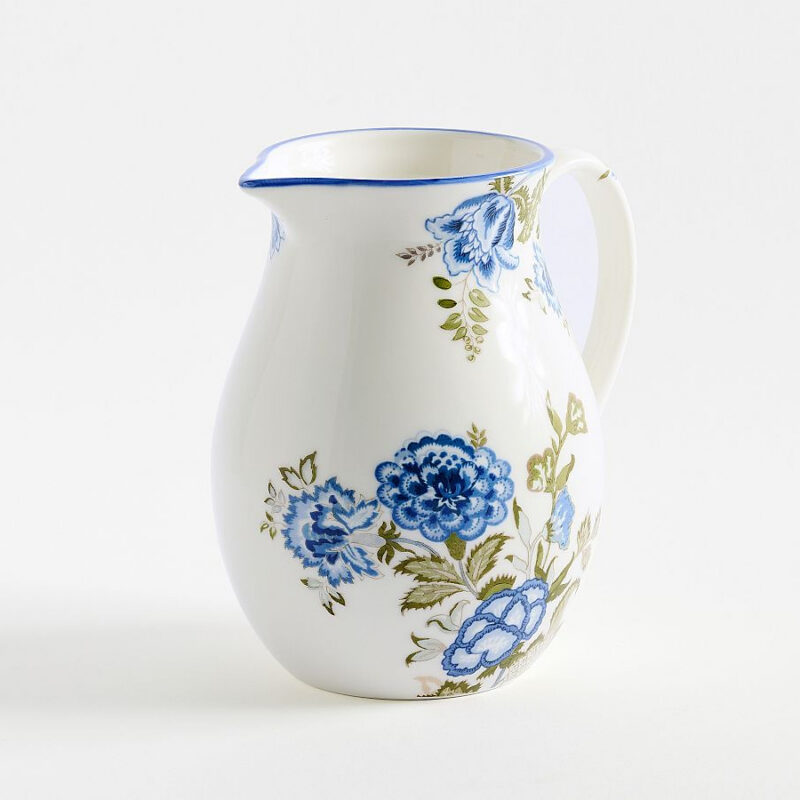 Shop the Item
Kravet Rosehill Stoneware Pitcher
-
 Shop the Item
Monique Lhuillier Garden Trellis Appetizer Plates – Set of 4
-
 Shop the Item
Kravet Arboretum Stoneware Dinnerware Sets
-
 Shop the Item
LoveShackFancy Bow Scalloped Doormat
-
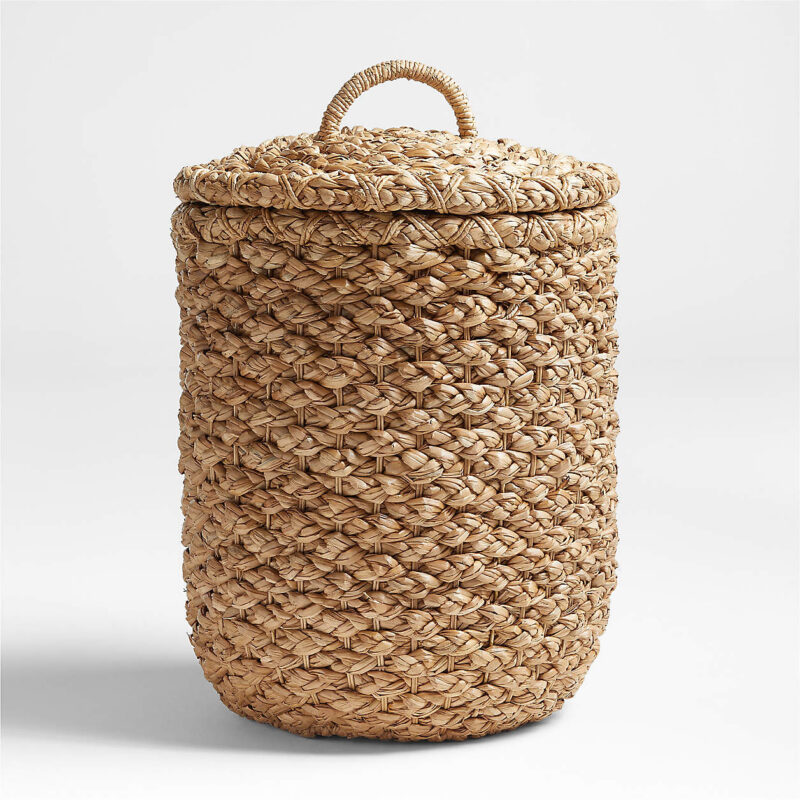 Shop the Item
Emlyn Woven Hamper with Lid + Reviews | Crate & Barrel
-
 Shop the Item
Monique Lhuillier Siena Bar Cart (37")
-
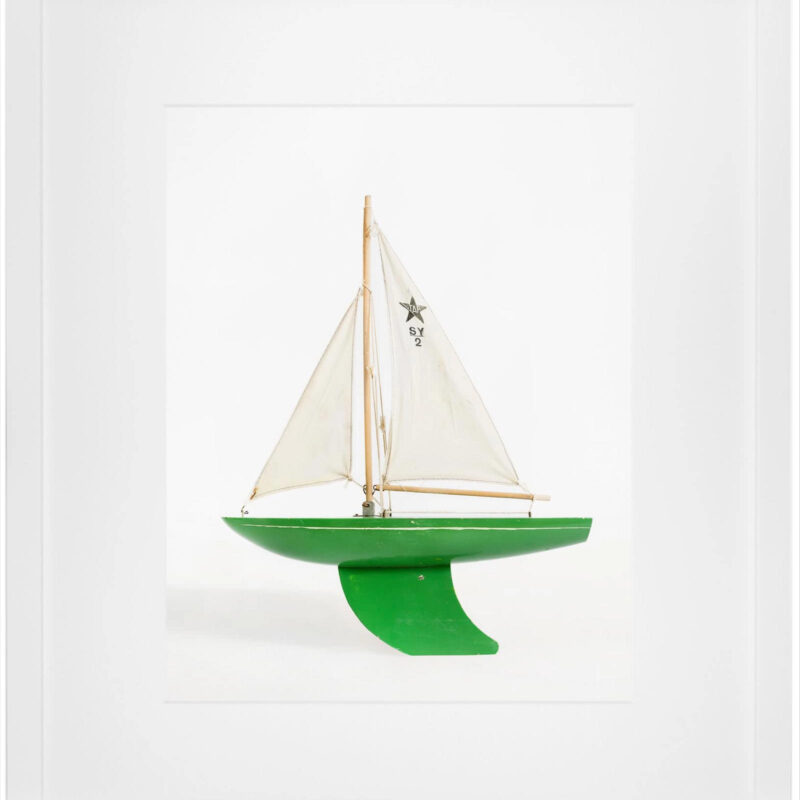 Shop the Item
Serena & Lily Green Boat by Leslee Mitchell
-
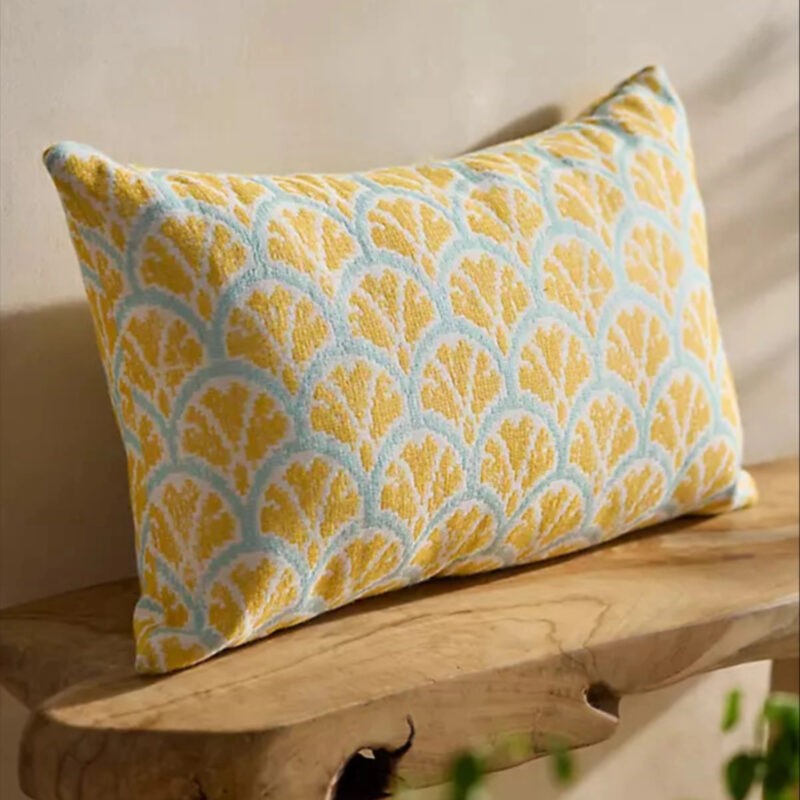 Shop the Item
Lucille Outdoor Lumbar Pillow
-
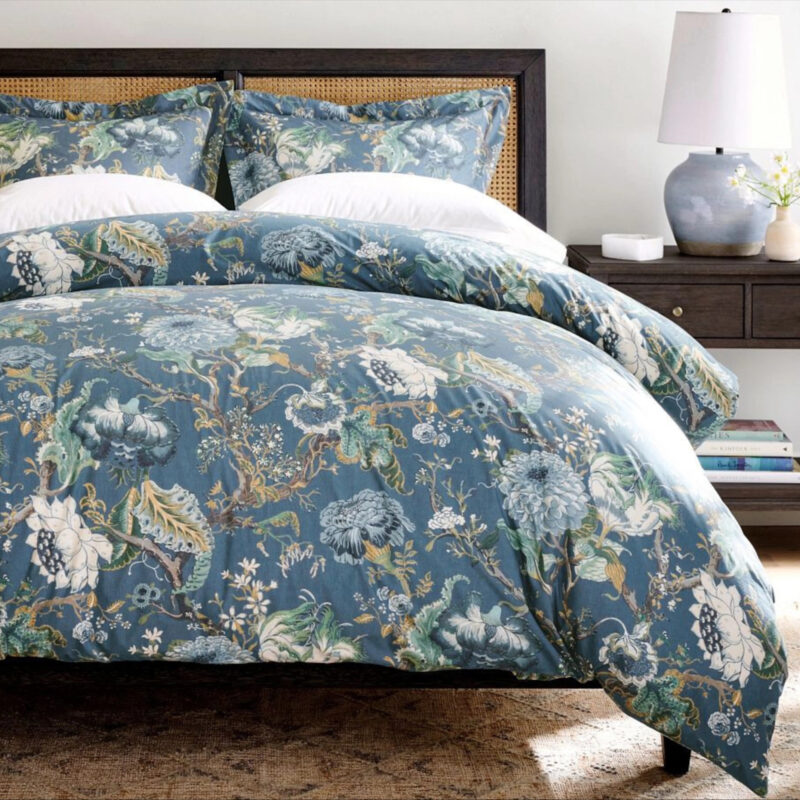 Shop the Item
Dahlia Floral Duvet, Blue, King/Cal. King
-
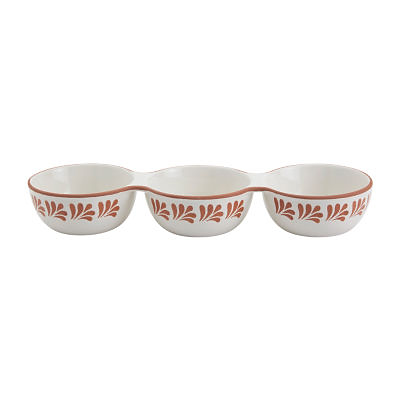 Shop the Item
Jenny Martinez 3-Section Stoneware Serving Bowl
-
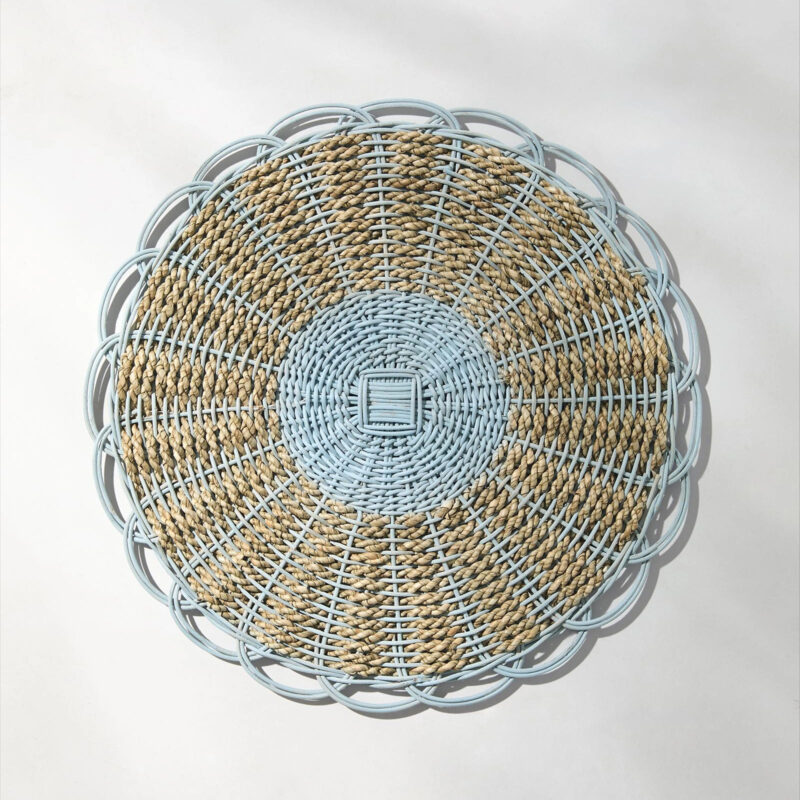 Shop the Item
Waverly Placemat (Set of 4)
You Might Also Enjoy