







This article may include affiliate links. We may earn a small commission if you shop through them.
Let me guess: you think spring — after the last frost — is when gardening officially begins. That winter is your permission slip to hibernate, binge-watch something cozy, and pretend the backyard doesn’t exist.
Yep! I used to think that too.
@senora.era
Tips from our book; how to prep your garden in the winter for the best harvest you’ve ever had! #gardentok #señoraera
♬ Doraemon(B) – Official Sound Studio
And my garden got me back big time. Spring would arrive and I’d be out there sweating, panicking, cramming in all the tasks I should’ve done months earlier.
Here’s what I finally learned after a year of doing it wrong: winter is when the smartest gardens are quietly built. Not with hustle culture energy or 14-hour weekend warriors sprints — but with slow observation, small strategic moves, and the kind of preparation that actually compounds.
If you’re in a mild-winter or Mediterranean climate (SoCal, NorCal, parts of the Southwest, the South), this is especially your superpower. Winter gardening isn’t punishment — it’s the cheat code. If you’re dealing with frozen ground and actual blizzards, just shift this timeline to early spring when the earth thaws. The philosophy stays the same.
What follows are the exact steps I take every winter — born from trial, error, mediocre harvests, dead plants I loved, and finally figuring out that less drama now means more abundance later.
Week 1: Clean Up, Look Around, Breathe
Winter is not about achieving everything on your garden Pinterest board.
It’s about actually paying attention.
I take one slow afternoon — usually with coffee that’s gone lukewarm because I keep getting distracted — and walk my garden like I’m investigating a minor mystery. I lift leaves. I check under stems. I notice what feels off, what looks tired, what’s thriving when it shouldn’t be.
This is how you catch the sneaky stuff before it becomes a full-blown crisis in April.
What I’m actually looking for:
- Aphids or other pests playing the long game
- Fungus or disease hiding in damp, forgotten corners
- Yellowing leaves (which always trigger a small spiral but are usually fixable)
Real talk: yellow leaves send people into full panic mode, but nine times out of ten it’s moisture stress — either too much water or not enough. Winter watering is an art. Your plants look like they’re sleeping, but their roots are very much awake and taking notes.
Water system check (boring but will save you):
- Walk your drip lines and hoses — look for leaks, clogs, mystery puddles
- If you’re getting heavy winter rains, switch to manual watering or you’ll drown things
- Hand-water anything that looks thirsty — your intuition is usually right
This week isn’t about fixing everything. It’s about seeing what’s there. That’s it. Give yourself permission to just notice.
Week 2: Ask the Hard Questions (Before You Plant Anything)
This is the week I make myself sit down and ask the question every gardener avoids:
Does this plant actually belong here, or did I just… vibe it into existence?
We’ve all done it. Bought a fruit tree on impulse at the farmers market. Planted something because a blogger in a totally different climate said it was “easy.” Shoved tomatoes into a spot that gets four hours of shade because we wanted it to work.
Winter is when you get honest about sun exposure, wind patterns, shade shifts, spacing, and water access — before roots dig in deep and your mistakes become permanent (and expensive).
The soil work nobody talks about
This is also when I seed cover crops in beds that looked exhausted or sad last season. Cover crops are the ultimate Señora Era move: they do the heavy lifting while you do absolutely nothing.
My favorites:
- Red clover — fixes nitrogen, looks pretty
- Winter rye — great for breaking up clay soil
- Oats — easy, fast, dies back naturally
- Hairy vetch — nitrogen powerhouse
They quietly:
- Feed your soil
- Crowd out weeds before they even try
- Prevent erosion during winter rains
- Improve soil texture so spring planting is actually pleasant
This is long-game gardening. Plant it now, chop it down in early spring, let it decompose into the bed. That’s it. Magic.
Week 3: Fix What Broke You Last Year
Every garden has its villains.
For me it’s Gophers. Always the gophers. They’ve taken out entire beds. They’ve murdered fruit trees I cried over. They are my nemesis and they know it.
Week three is when I stop pretending problems will solve themselves and actually deal with them:
- Add or repair gopher wire under vulnerable beds (yes, it’s annoying — do it anyway)
- Amend soil in areas that straight-up failed last season
- Rethink layouts so plants aren’t competing for the same resources like siblings fighting over the aux cord
This is also when I finally face my seed collection — that chaotic drawer of half-empty packets, expired dreams, and things I bought at 11 PM during a gardening TikTok spiral.
I make a ruthlessly honest list:
- What actually thrived (and do I even like eating it?)
- What flopped hard (no more sad, leggy basil — I’m done)
- What I realistically have time to grow
Then I order seeds slowly and intentionally — ideally during a winter sale, because Señora Era doesn’t mean spending recklessly. It means spending smart.
Week 4: Tools, Trees, and the Art of Strategic Cutting
This is the week that saves me from swearing in the spring.
Tools first, always:
- Fix anything broken (duct tape doesn’t count)
- Replace what’s actually dead (that rusty trowel isn’t “vintage,” it’s done)
- Sharpen what you already own — dull tools = twice the effort
Nothing murders garden momentum faster than needing one specific thing you don’t have, then spiraling into an hour-long hardware store trip where you somehow spend $80 on stuff you didn’t come for.
Then: strategic pruning (no drama required)
Winter pruning isn’t about perfection. It’s about making space for what wants to grow next.
I follow the rule of the three D’s:
- Dead — it’s not coming back, let it go
- Diseased — cut it out before it spreads
- Damaged — cracked, broken, or rubbing branches
Most plants benefit from winter pruning before they push out spring growth — but always double-check timing, especially with flowering trees. Some want to bloom first, then get their haircut.
Pruning is an act of trust. You’re literally cutting away what no longer serves, so the good stuff can thrive. Very Señora Era, if you ask me.
The Real Secret (That Nobody Posts on Instagram)
The best gardens aren’t built in a frenzy of spring panic.
They’re built in winter — quietly, thoughtfully, with dirt under your nails, a half-finished coffee nearby, and zero pressure to perform for an audience.
When spring finally arrives, you’ll feel the difference immediately:
Healthier plants. Stronger starts. Fewer crises. Way more joy.
This is the Señora Era way. Do less earlier, receive more later. Not because you’re lazy — because you’re wise.
And that’s the whole point
-
 SHOP THE ITEM →
3pc Garden Tote – Navy
-
 SHOP THE ITEM →
Canvas Garden Apron
-
 SHOP THE ITEM →
Garrett Wade Everyday Garden Set
-
 SHOP THE ITEM →
Picnic Time 5pc Garden Tool Set with Seat
-
 SHOP THE ITEM →
Sophie Conran Tool Bag & Essentials
-
 SHOP THE ITEM →
Sophie Conran Ultimate Garden Tool Set
-
 SHOP THE ITEM →
Williams Sonoma Ultimate Gardening Set
Shop This Week’s Bestsellers
Discover the home, beauty, fashion, and wellness finds our readers are loving most.
Shop Bestsellers →-
 Shop the Item
Boden Women’s Swing Box Short Trench in Natural
$320.00 -
 Shop the Item
Quince | Women’s 14K Gold Lab Grown Diamond Solitaire Studs in White Gold
$498.00 -
 Shop the Item
The Arden Crewneck Sweater in 100% Cotton
$98.00 -
 Shop the Item
Pottery Barn Kravet Folly Scenic Stoneware Dinnerware Collection
$49.50 -
 Shop the Item
Pumpkin To Talk About Needlepoint Pillow
$98.00 -
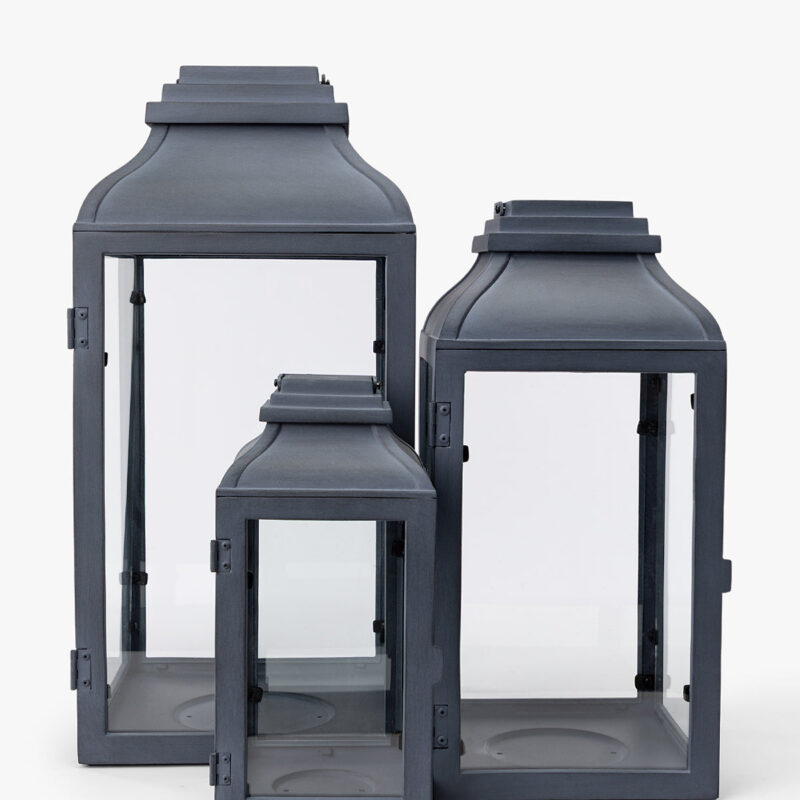 SHOP THE ITEM →
Hartwell Indoor/Outdoor Lantern McGee & Co
$358.00 -
 SHOP THE ITEM →
Bistro Tile Stoneware 24k Gold Accent Garden Hook Anthropologie
$20.00 -
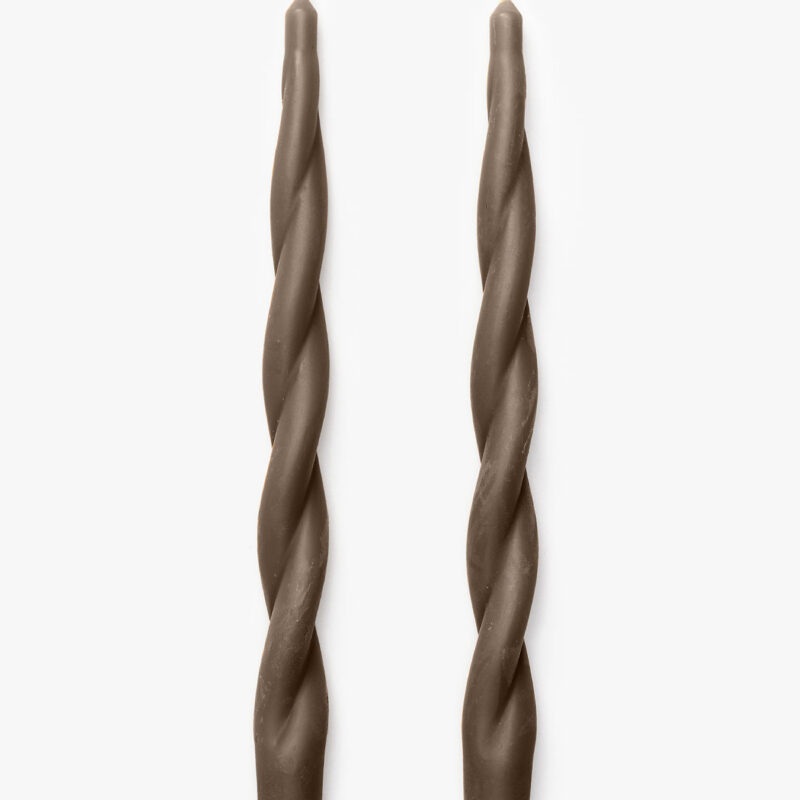 SHOP THE ITEM →
Brown Twisted Taper Candles (Set of 2) McGee & Co
$22.00 -
 SHOP THE ITEM →
Wayland Hand-Knotted Wool Rug McGee & Co
$846.00 -
 SHOP THE ITEM →
Maeve Brynne Cotton Percale Stripe Tie Printed Duvet
$178.00 -
 SHOP THE ITEM →
Coralie Striped Lumbar Pillow Cover
$89.50 -
 SHOP THE ITEM →
Sand Ric Rac Tie Brocks Dress
$228.00 -
 SHOP THE ITEM →
Abstract Alps Como Dress
$298.00 -
 SHOP THE ITEM →
Wine Pleated Sleeveless Midi Dress Moon River
$118.00 -
 SHOP THE ITEM →
VICTORIA BECKHAM – Suede Shirt
-
 SHOP THE ITEM →
Paloma Wrap Skirt in Lost At Sea Hunter bell
$445.00 -
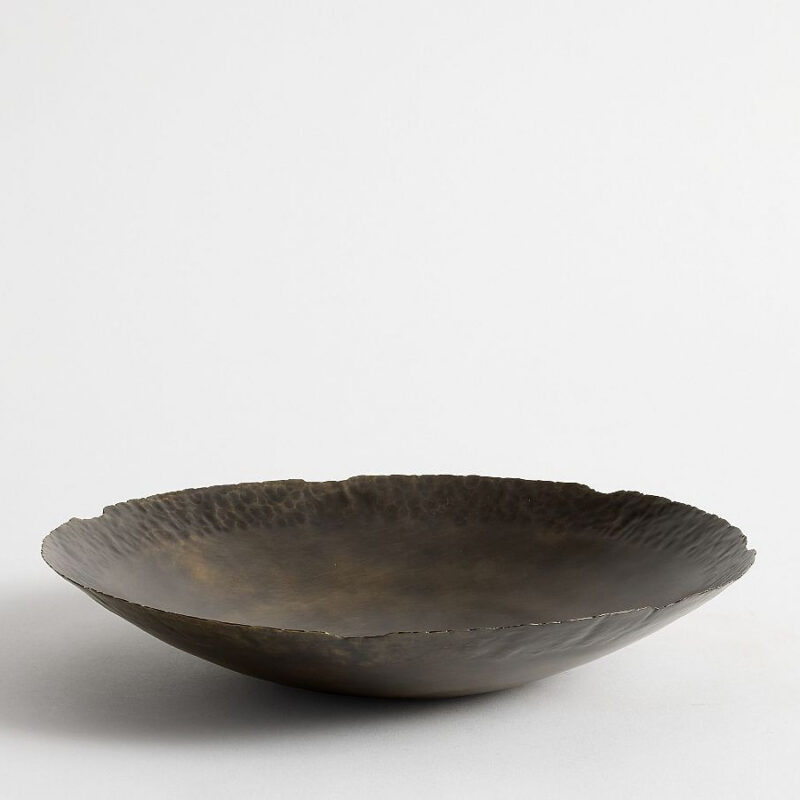 SHOP THE ITEM →
Antique Black Iron Decorative Bowl
$29.50 -
 SHOP THE ITEM →
Emilia Ceramic Collection
$79.50 -
 SHOP THE ITEM →
Le Bouquet Maxi Dress in Pink Waimari
$595.00 -
 SHOP THE ITEM →
LoveShackFancy Pink Damask Floral Mackenzie Backpack
$69.50 -
 SHOP THE ITEM →
Cordelia Toile Reversible Quilt
$349.00 -
 SHOP THE ITEM →
Lydia Palampore Embroidered Quilt
$349.00 -
 SHOP THE ITEM →
Hand-Painted Ceramic Waste Bin
$68.00 -
 SHOP THE ITEM →
Penelope Embroidered Pillow Cover
$79.50 -
 SHOP THE ITEM →
The Annie Cowgirl Boot – Ombre suede | Tecovas
-
 SHOP THE ITEM →
Blue Flower Cereal Bowl Carolina Irving & Daughters
$40.00 -
 SHOP THE ITEM →
The Pioneer Woman Agatha 12-Piece Stoneware Dinnerware Set, Green
-
 SHOP THE ITEM →
LoveShackFancy Wicker Swivel Outdoor Lounge Chair
-
 SHOP THE ITEM →
Airstream Outdoor Melamine Dinnerware Collection
-
 SHOP THE ITEM →
Reversible Linen Bamboo Pillow Cover Quince
You Might Also Enjoy
- You Don’t Need a Big Garden to Grow Your Own Food — We found the perfect seed kit for you!
- What Actually Worked in My Señora Era Garden This Season (And What Didn’t Last Year)
- Garden Apparel for Slow, Beautiful Days Outside
- 25 Winter Rituals to Bring Calm, Comfort & Seasonal Joy
- How to Style a Garden-Inspired Home: Kravet, Serena & Lily & Puebla Collection