




This article may include affiliate links. We may earn a small commission if you shop through them.
This article contains affiliate links. Purchases may earn Señora Era a commission at no extra cost to you.
Somewhere between the last decade of your life and this one, breakfast stopped being simple and it’s become sort of like a negotiation. Coffee first, food maybe, rushing out the door to drop off the kids, or to go work, or get on EST time zone conference calls, and by 10am you’re wondering why your energy fell off a cliff before your hear birds outside.
 H
Here’s the thing nobody tells you in your 20s: what worked then does not work now. Blood sugar swings hit harder. Recovery takes longer. And the breakfast habits that used to be harmless — a granola bar, a coffee-only morning, cereal standing at the counter — start showing up as the 10am crash, the afternoon fog, the “why am I so tired” text to your partner.
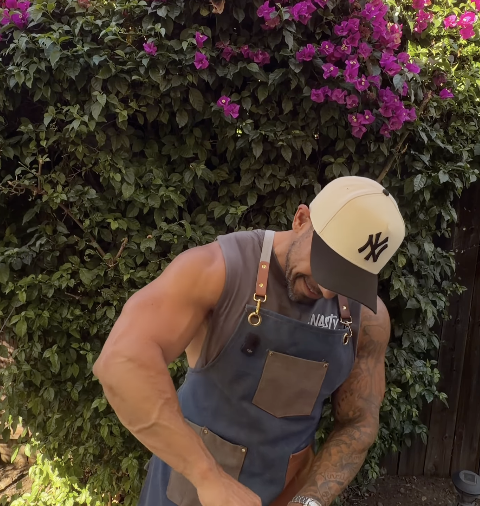
We asked Erick Spana, a competitive bodybuilder and marathon runner who’s spent years dialing in performance and recovery, what actually works for a sustainable morning. His answers lined up with something a lot of us grew up eating and quietly stopped trusting: the traditional plate our moms made with lots of protein.
He’s also got some amazing recipes on his Instagram!
RELATED: The Puebla Collection at Pottery Barn is To Die For
View this post on Instagram
The one-ingredient staples worth keeping on repeat
You don’t need a supplement stack, just a short list of real foods, done consistently.
Eggs. Straightforward protein that supports steady energy and muscle repair through the morning. Spana points out a common misconception worth retiring: “a common misconception is that eggs need to be fried in a lot of fat” — skip the excess oil and you keep a clean protein source. You can also keep it traditional and blend eggs with machaca or chorizo, combinations that have been part of Latino breakfasts for generations.
Avocado. The monounsaturated fat slows digestion, “which means the energy from your meal releases gradually instead of spiking and crashing,” Spana says — but keep the portion measured, since fat is calorie-dense.
Frijoles. Beans are, in his words, “an underrated breakfast carb: fiber, plant protein, and micronutrients in one food” — which is probably why huevos con frijoles has survived generations of breakfast tables without needing a rebrand.
Avena estilo mexicano. Oatmeal simmered with canela “delivers slow digesting complex carbs and fiber — real fuel, not a sugar spike.”
None of these need to be reinvented. They just need to show up more often than the alternative.
RELATED: Can you do “Mexican Vegan” food?
The quiet mistake in your “quick” breakfast
Cereal plus coffee feels efficient. According to Spana, it’s efficient at giving you almost nothing: “The problem with cereal is you’re getting almost no real benefit, just a sugar spike. Stack coffee on top… and now you’ve added a caffeine spike and another sugar source, with zero actual fuel coming from real food.”
Add in the fact that you’ve gone all night without replenishing fluids, and you get what he calls a fairly predictable outcome: “That combination — sugar, caffeine, dehydration, no protein — is exactly why so many people crash within two to three hours and end up with headaches or that mid-morning fog.”
The fix isn’t complicated, and it doesn’t require becoming a meal-prep influencer overnight. “The easy fix is preplanning two to three days at a time, and it doesn’t have to be complicated,” Spana says. Overnight oats with a protein source folded in, or eggs on the side, closes most of the gap.
He’s also clear that healthy doesn’t mean high-effort: “Here’s the part people get wrong — they assume healthy means time consuming or restrictive. It’s actually the opposite.” A few minutes of prep, two or three times a week, tends to save more time than it costs.
The grab-and-go options that actually hold up
For the mornings where cooking isn’t happening — and let’s be honest, most señoras have more of those mornings than not — Spana points to three make-ahead options that hold up better than most:
- Egg muffins. Baked in batches with peppers, onion, and a lean protein like turkey sausage. “Grab one or two cold or at room temp, no reheating required.”
- Overnight oats jars. Prepped three days at once with canela, a scoop of Greek yogurt for extra protein, and fresh fruit like blueberries on top — “it tastes more like a treat than a ‘health food.'”
- Frozen breakfast burritos. Eggs, whole beans, and a lean protein wrapped and frozen individually. This, he says, “solves the ‘tastes reheated’ problem people worry about, since you’re only reheating once from frozen instead of a burrito that’s been sitting in the fridge losing quality over several days.”
All three share the same backbone: protein, real ingredients, and a small amount of prep that pays off across the week.
The myth worth retiring
“The myth I wish would die,” Spana says, “is that eating healthy means eating like you’re being punished.” Plain hard-boiled eggs, tiny portions, bland everything — as if food only “counts” when it’s sad. His take: “There’s no hidden bonus for making your food look sad.”
He reframes the actual goal: “The real goal isn’t eating less, it’s eating smarter: real ingredients, prepared well, and portioned in a way that actually fuels you instead of leaving you feeling deprived.” And portion control, in his view, isn’t about restriction at all — it’s about education: “Once you understand what a real serving of protein, healthy fat, and carbs looks like, you stop guessing and start eating enough to feel satisfied without overdoing it.”
That’s where it circles back to something a lot of traditional Latino cooking already got right. “So much of our traditional Latino food already got this right,” he says, “made with real ingredients in reasonable, natural portions. The problem isn’t the recipes our grandmothers made from scratch, it’s that we’ve drifted toward prepackaged versions sold to us as ‘authentic,’ loaded with things that were never in the original dish and stripped of any real portion awareness.” His mission, as he puts it, is “resetting people back to that” — showing people the from-scratch versions and how to portion them properly, “so eating well never means giving up the food and culture you love.”
Here’s a grocery list pulling everything from Erick’s tips:
Proteins
- Eggs
- Lean turkey sausage (for egg muffins)
- Lean cut of meat or chorizo (your choice)
Produce
- Avocados
- Bell peppers (for egg muffins/burritos)
- Onion
- Fresh mango (for breakfast burritos)
- Blueberries
Pantry staples
- Whole pinto or black beans (frijoles)
- Rolled oats
- Canela (Mexican cinnamon sticks)
- Whole wheat tortillas (for burritos)
Dairy
- Milk (for avena)
- Greek yogurt
Prep supplies
- Mason jars (for overnight oats)
- Muffin tin (for egg muffins)
- Foil (for freezing burritos)
This article reflects general nutrition information and is not medical advice. If you have specific health concerns or conditions, talk to your doctor or a registered dietitian before making significant changes to your diet.
For more thoughtful nourishment options, explore our Daily Harvest Finds selections.
Guidance and quotes courtesy of Erick Spana, competitive bodybuilder and marathon runner — nueraperformance.com