




This article may include affiliate links. We may earn a small commission if you shop through them.
If you’ve caught yourself reaching for your phone the second you sit down (guilty), TikTok has a surprisingly old-fashioned fix. It’s called brain stacking, and it’s basically a pile of books, puzzles and a journal kept within arm’s reach, so the easy thing to grab is something that isn’t a screen. Here’s what the trend is, where it came from and why we think it’s one of the kinder ideas to come out of the app this year.
What Is the Brain Stacking Trend?
Brain stacking means “stacking” a few analog, mind-engaging activities and doing them back to back, usually as part of a morning or bedtime routine. A typical stack might be a novel, a Sudoku or word search book, a journal and a coloring book, often with a set number of minutes for each. Because everything is physical, the stack doubles as a literal pile on your nightstand or coffee table.
Yahoo reports that creator @mandyrulez, a self-described library lover and serial hobbyist with more than 246,000 TikTok followers, seemingly coined the term, and other creators now call her the brain stack queen. UK outlet The Tab says the term was coined on TikTok in 2026, and the trend has been building since fall, with new routines (library stacks, nighttime stacks, timed morning stacks) posted daily.
Video: TikTok/@mandyrulez
Why It Went Viral
Timing, mostly. Brain rot is part of everyday vocabulary now, and a lot of us are tired of losing whole evenings to the scroll. Brain stacking gives that feeling a name and a plan. As Yahoo points out, it’s a close cousin of last year’s “analog bag” trend, where people packed a tote with books, crosswords and knitting to reach for instead of their phones. Brain stacking simply keeps the stack at home.
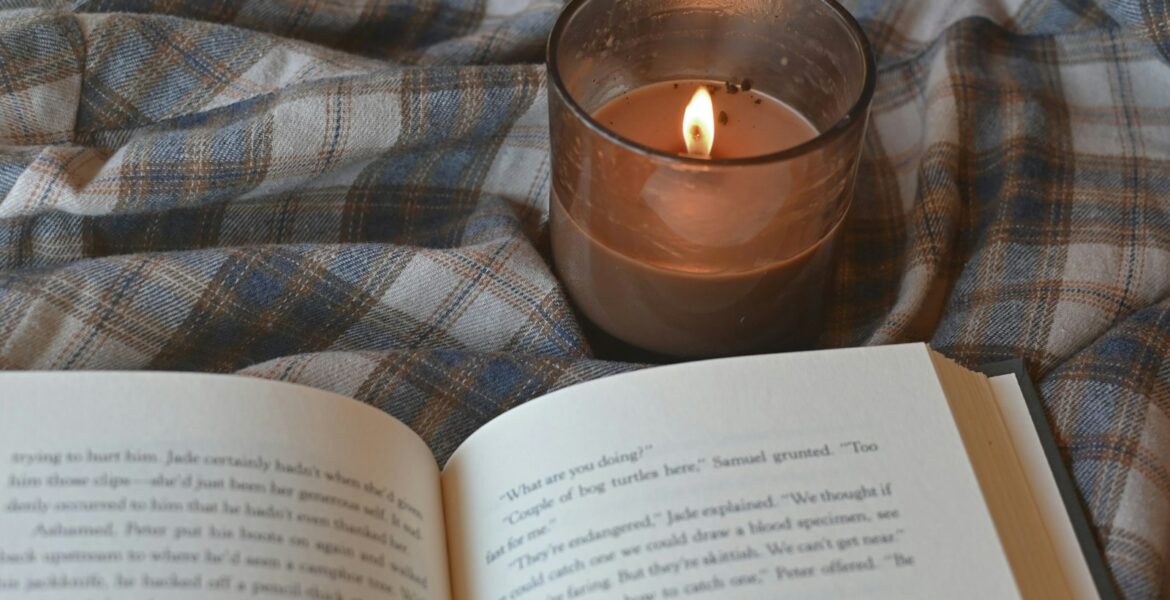
It’s also very pretty, which never hurts on TikTok. Candles, a fresh puzzle book, a nice pen and a latte make a cozy video, and that aesthetic has helped the trend spread from BookTok into wellness and lifestyle feeds. Fresh expert takes this week, including one from a Swansea University psychologist in The Conversation, have pushed it back into the headlines.
Does It Actually Work? What Experts Say
Here’s where it gets interesting. Some creators claim brain stacking boosts memory or even prevents dementia, and the experts aren’t buying the big promises. Writing in The Conversation, Irene Reppa notes that getting better at a puzzle isn’t the same as getting sharper across everyday life, and that research on brain training backs up that distinction.
But she does see real upsides: protected time for yourself, the feeling of choosing what you do, a chance to get absorbed in one thing instead of constantly switching tasks, and the plain joy of a hobby. Neuroscientist Dr. Elena Gross told The Tab that swapping evening scrolling for a physical book or journal can mean fewer distractions and less bright screen light before bed, which may help with sleep. She also offered a gentle warning we loved: “We shouldn’t turn every moment of relaxation into another productivity exercise.”
Our Take
We’re fans, with one asterisk. The heart of brain stacking (put the phone down, pick up something you enjoy) is the kind of thing our moms and grandmothers did without needing a hashtag. If a catchy name gets more of us back to crosswords and paperbacks, wonderful.
The asterisk is the shopping. Like a lot of TikTok wellness trends, this one comes with a pull to buy matching puzzle books, journals and pens before you’ve even started. You don’t need any of it. The book on your nightstand, a notebook from the junk drawer and the newspaper crossword make a perfectly good stack. And if it starts to feel like homework, it’s okay to skip a night.
How to Try It
- Start small. Dr. Gross suggests one page instead of an hour of reading, or a single sentence instead of 20 minutes of journaling.
- Pick what you already like. Reppa says there’s no evidence-based number of activities or minutes, so build your stack around enjoyment.
- Mix skills. Pair reading with writing: after a chapter, jot down what happened in your own words.
- Keep it visible. Leave the stack where your phone usually lands, like the nightstand or the arm of the couch.
- Protect your sleep. If you stack at night, stop when you’re tired, even mid-puzzle.
Video: TikTok/@hannahanniex
More From Good Era
- 60 Things to Do at Night Instead of Scrolling (Cozy, Creative and Fun Ideas)
- Why You Deserve a Cozy Reading Nook
Featured image: Unsplash. Sources: Yahoo, The Conversation, The Tab.