




This article may include affiliate links. We may earn a small commission if you shop through them.
This is probably the easiest cheese you will ever make — the kind your bisabuela might’ve eaten fresh at the rancho, still warm from the pot. Simple, humble, and impossibly satisfying.There is a kind of cooking that doesn’t require skill so much as patience — the kind your bisabuela practiced without thinking about it, because it was simply what you did when you had milk and time and hungry people waiting. Queso de campo is that kind of cooking. It’s one of the oldest, most honest foods in Latin American kitchens, and it is almost certainly the easiest cheese you will ever make.
No aging. No special equipment. No culinary degree required. Just whole milk, a little rennet, cheesecloth, and the willingness to wait.
A Closer Look at Señora Recipe
The Señora Edit
Discover the home, beauty, fashion, and wellness finds our readers are loving most this week.
Shop This Week’s Bestsellers →What Is Queso de Campo?
Queso de campo — literally “field cheese” or “ranch cheese” — is a fresh, unaged cheese made from whole milk and a coagulant, pressed lightly and eaten within days. It has no rind, no complexity to learn, no sharpness from aging. What it has is freshness — a clean, milky flavor that tastes like the place it came from.
In Mexico, Colombia, Bolivia, and across the continent, versions of this cheese have been made in home kitchens and on ranchos for generations. Different regions call it different things and make it slightly differently, but the spirit is always the same: simple ingredients, patient hands, food that connects you to something older than you are. This is the kind of cheese your bisabuela might have eaten still warm from the pot, with nothing but a tortilla and a little salt.
That’s exactly how we’re making it.
What You’ll Need
- 1.78 liters of whole milk — make sure it’s not ultra-pasteurized. Very few brands fit the bill, but a great one is Strauss in a glass bottle. Organic Valley and Alexandre Family Farm also work well depending on your region.
- Rennet — just a few squirts. Vegetable rennet works perfectly.
- Cheesecloth or a metal strainer if that’s all you have, though the flavor is softer and fresher with cheesecloth.
- Salt, to taste.
- A mold — or try these simple baskets that leave a beautiful pattern on the outside of the finished cheese.
A note on the milk: Most milk sold in American grocery stores is ultra-pasteurized — heated to a very high temperature that extends shelf life but destroys the proteins that allow milk to coagulate properly with rennet. If you use ultra-pasteurized milk, your cheese simply won’t set. Look for regular pasteurized whole milk, ideally from a local dairy or in a glass bottle. This is the one step that matters most.
Directions
1. Warm the milk Warm the milk gently to no more than 90°F. Stir slowly for a few minutes. Don’t rush this — low and slow keeps the milk from scorching and gives you a cleaner, fresher flavor in the finished cheese.
2. Add rennet and rest Add the rennet, just a few squirts. Mix gently and then leave it alone — covered — for at least one hour. This is the part that feels like magic. You walk away with liquid milk and come back to something solid and alive. Don’t peek too much. Let it set.
3. Strain the curds Once it sets, strain the curds using a cheesecloth. A fine metal strainer works in a pinch, though the flavor is softer and fresher with cheesecloth. The liquid that drains off is called whey — and don’t pour it down the drain. It’s full of protein and nutrients. Use it in place of water when making bread, add it to soup bases, blend it into smoothies, or pour it on your garden. Plants love it. Your bisabuela would not have wasted a drop.
4. Mold the cheese Mold the cheese into your basket or any small container. Small wicker baskets leave a beautiful pattern on the outside. A colander lined with cheesecloth works perfectly too. The shape matters less than you think — it’s going to taste incredible regardless.
5. Rest overnight Let it rest overnight, uncovered, so the water drains out naturally. Place it on a rack over a plate or tray to catch the liquid. This step is what gives queso de campo its firm-but-yielding texture — that quality that makes it hold together when you slice it but give softly when you eat it.
6. Salt and serve The next day, add salt to taste — and that’s it. Start with less than you think you need. Fresh cheese carries salt differently than aged cheese. Taste as you go.
To Serve
Enjoy it fresh with:
- Warm corn tortillas or slices of bread
- A drizzle of honey
- Fresh herbs or sliced jalapeños
- Or simply with a hot café de olla in the morning
It also crumbles beautifully over black beans, slices clean for a cheese board, and melts gently into scrambled eggs. However you eat it, eat it within a few days — fresh cheese lives in the present tense.
Señora Tip
If you’ve never made cheese before, this is a gentle way to start. The process asks very little of you — mostly just to wait. And in that waiting there’s something worth noticing: the rhythm of kitchens that came before yours, where food was made with calm hands and no shortcuts because the shortcut hadn’t been invented yet.
You’ll feel instantly connected to the rhythm of home kitchens across Latin America — where nothing was wasted, and food was made with calm hands and patience. That connection is part of what you’re making.

To Serve
Enjoy it fresh with:- Warm corn tortillas or slices of bread
- A drizzle of honey
- Fresh herbs or sliced jalapeños
- Or simply with a hot café de olla in the morning
Señora Tip
Shop This Week’s Bestsellers
Discover the home, beauty, fashion, and wellness finds our readers are loving most.
Shop Bestsellers →-
 SHOP THE ITEM →
Hartwell Indoor/Outdoor Lantern McGee & Co
$358.00 -
 SHOP THE ITEM →
Bistro Tile Stoneware 24k Gold Accent Garden Hook Anthropologie
$20.00 -
 SHOP THE ITEM →
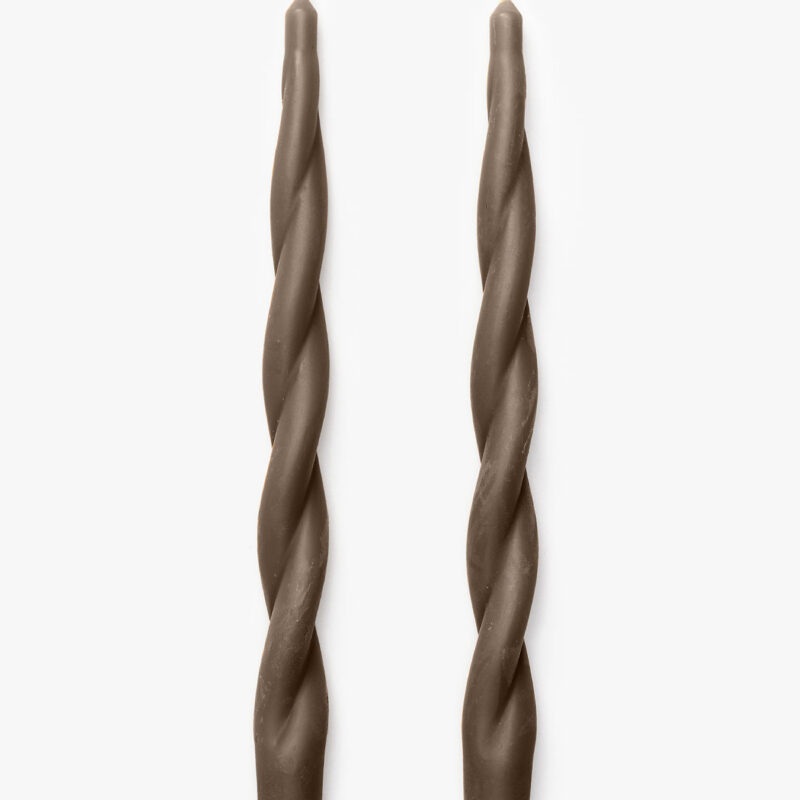
Brown Twisted Taper Candles (Set of 2) McGee & Co
$22.00 -
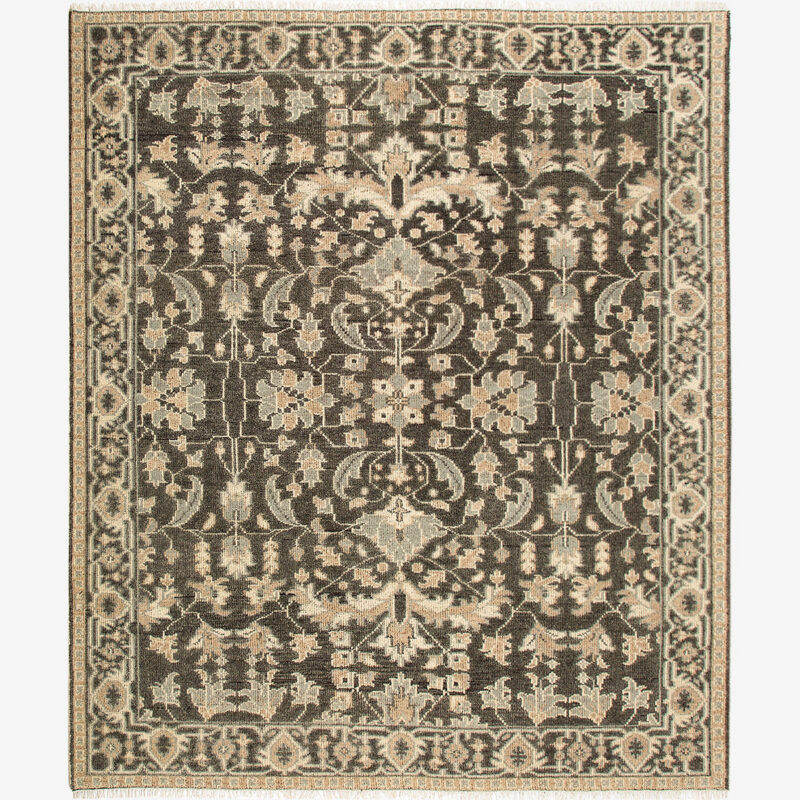 SHOP THE ITEM →
Wayland Hand-Knotted Wool Rug McGee & Co
$846.00 -
 SHOP THE ITEM →
Maeve Brynne Cotton Percale Stripe Tie Printed Duvet
$178.00 -
 SHOP THE ITEM →
Coralie Striped Lumbar Pillow Cover
$89.50 -
 SHOP THE ITEM →
Sand Ric Rac Tie Brocks Dress
$228.00 -
 SHOP THE ITEM →
Abstract Alps Como Dress
$298.00 -
 SHOP THE ITEM →
Wine Pleated Sleeveless Midi Dress Moon River
$118.00 -
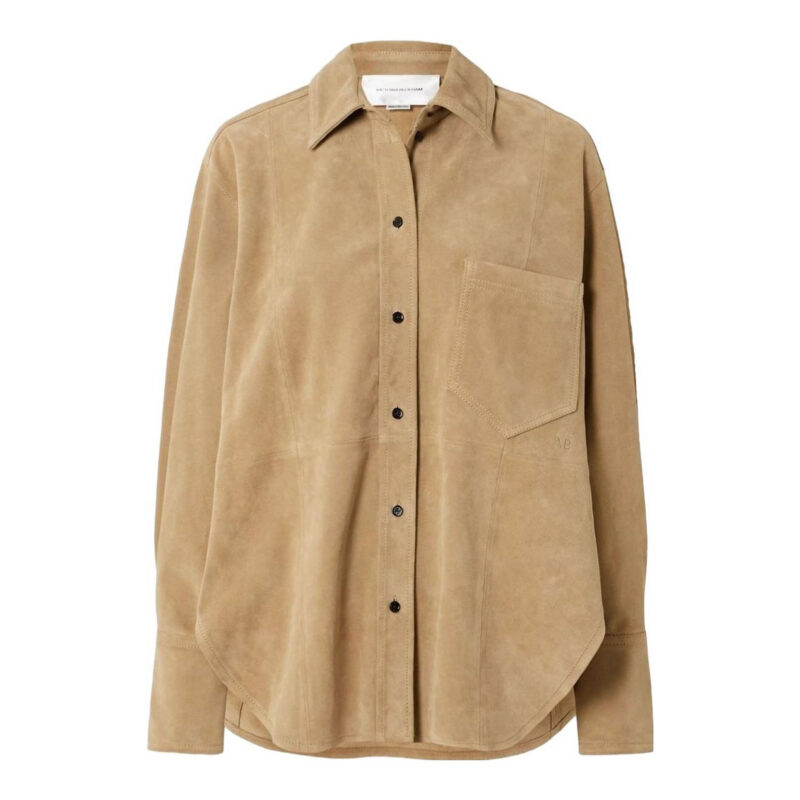 SHOP THE ITEM →
VICTORIA BECKHAM – Suede Shirt
-
 SHOP THE ITEM →
Paloma Wrap Skirt in Lost At Sea Hunter bell
$445.00 -
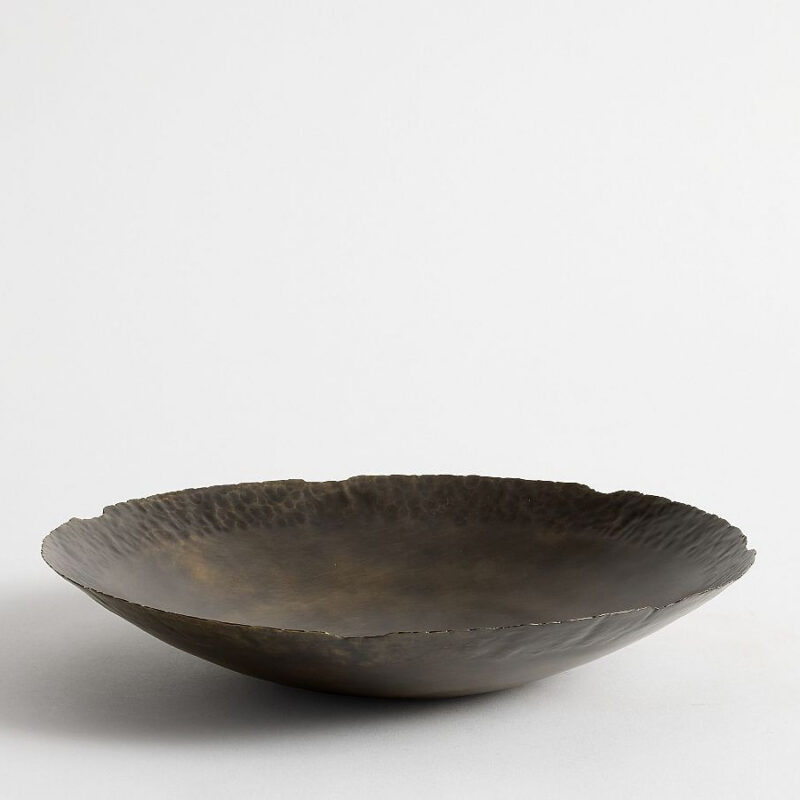 SHOP THE ITEM →
Antique Black Iron Decorative Bowl
$29.50 -
 SHOP THE ITEM →
Emilia Ceramic Collection
$79.50 -
 SHOP THE ITEM →
Le Bouquet Maxi Dress in Pink Waimari
$595.00 -
 SHOP THE ITEM →
LoveShackFancy Pink Damask Floral Mackenzie Backpack
$69.50 -
 SHOP THE ITEM →
Cordelia Toile Reversible Quilt
$349.00 -
 SHOP THE ITEM →
Lydia Palampore Embroidered Quilt
$349.00 -
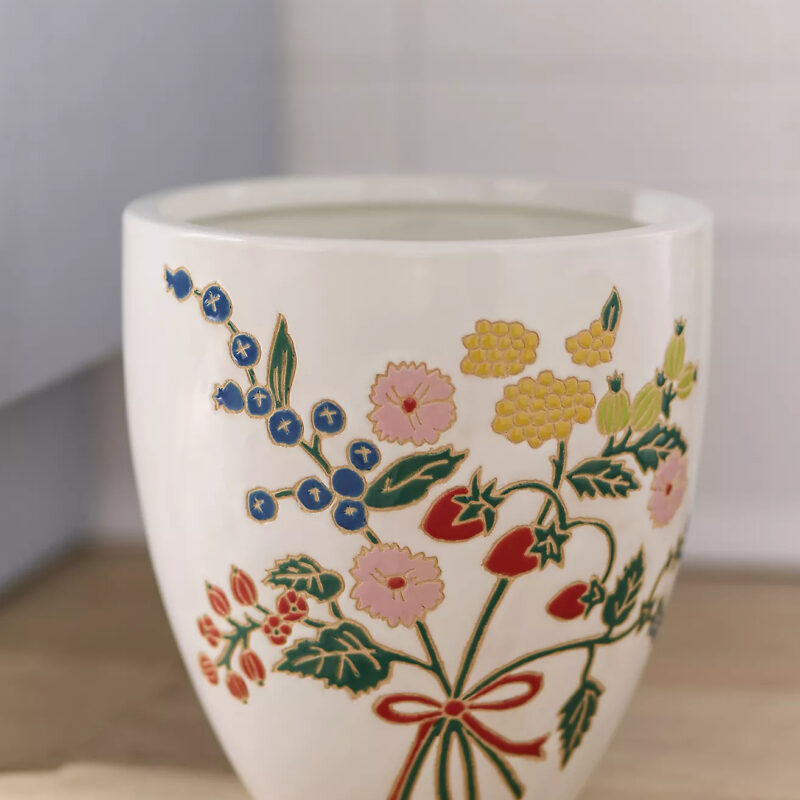 SHOP THE ITEM →
Hand-Painted Ceramic Waste Bin
$68.00 -
 SHOP THE ITEM →
Penelope Embroidered Pillow Cover
$79.50 -
 SHOP THE ITEM →
The Annie Cowgirl Boot – Ombre suede | Tecovas
-
 SHOP THE ITEM →
Blue Flower Cereal Bowl Carolina Irving & Daughters
$40.00 -
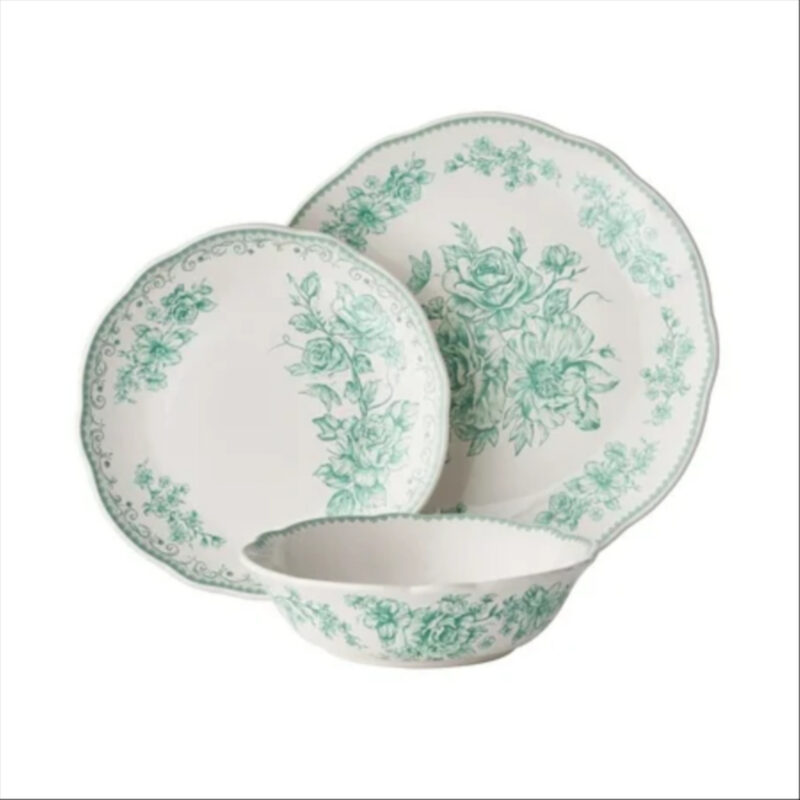 SHOP THE ITEM →
The Pioneer Woman Agatha 12-Piece Stoneware Dinnerware Set, Green
-
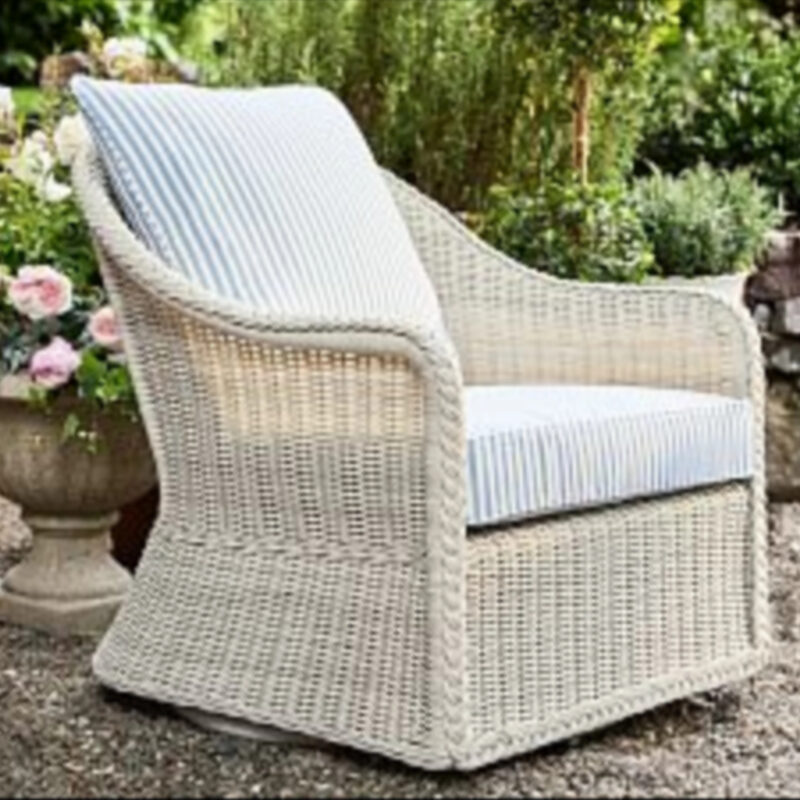 SHOP THE ITEM →
LoveShackFancy Wicker Swivel Outdoor Lounge Chair
-
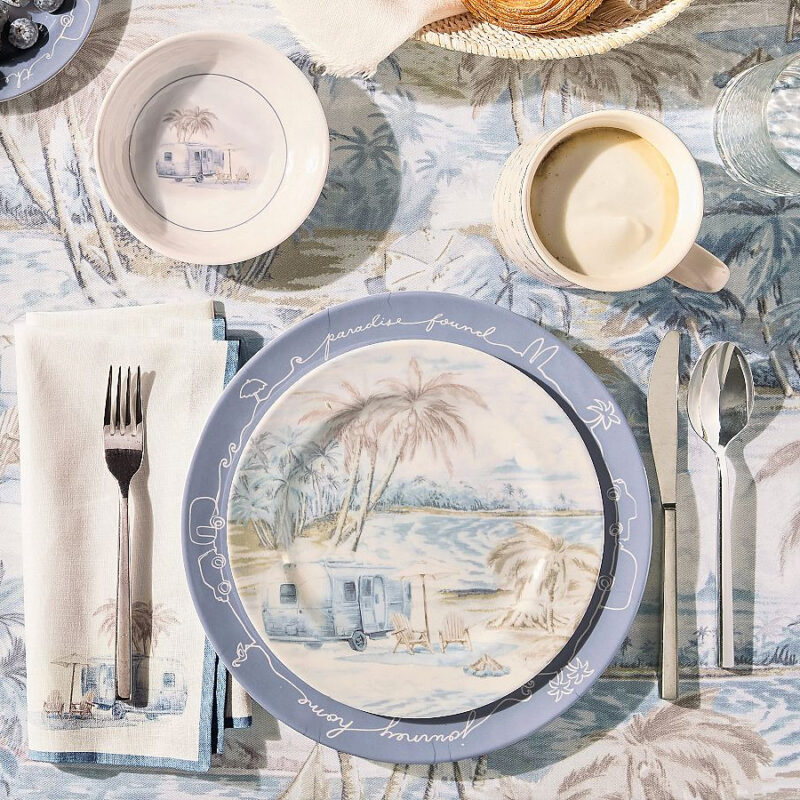 SHOP THE ITEM →
Airstream Outdoor Melamine Dinnerware Collection
-
 SHOP THE ITEM →
Reversible Linen Bamboo Pillow Cover Quince
-
 SHOP THE ITEM →
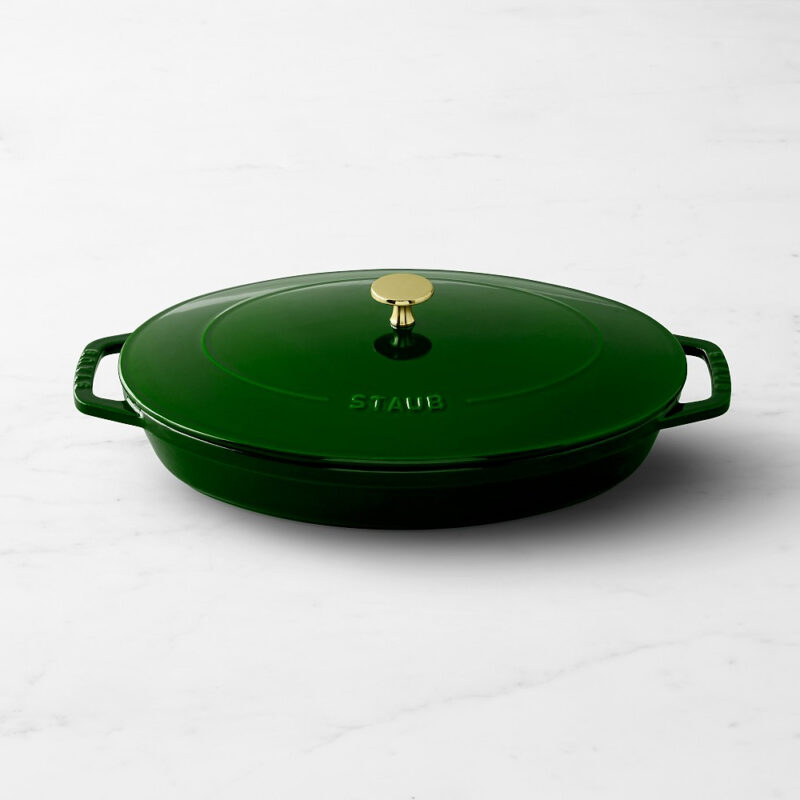
Staub Enameled Cast Iron Oval Gratin with Lid, 2.25 Qt. Staub Basil with Brass
-
 SHOP THE ITEM →
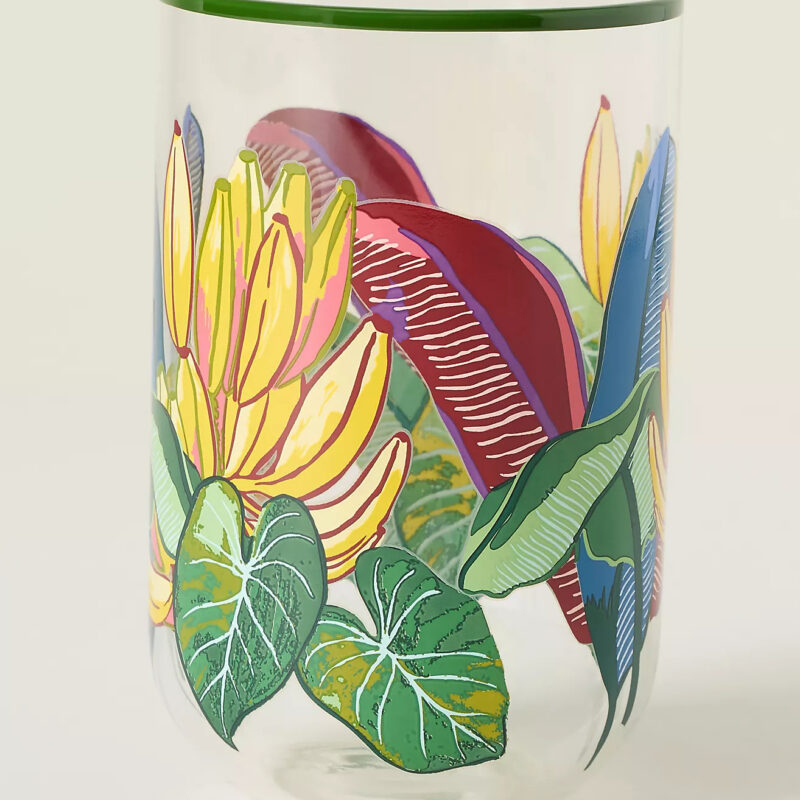
Farm Rio x Anthropologie Juice Glass
-
 SHOP THE ITEM →
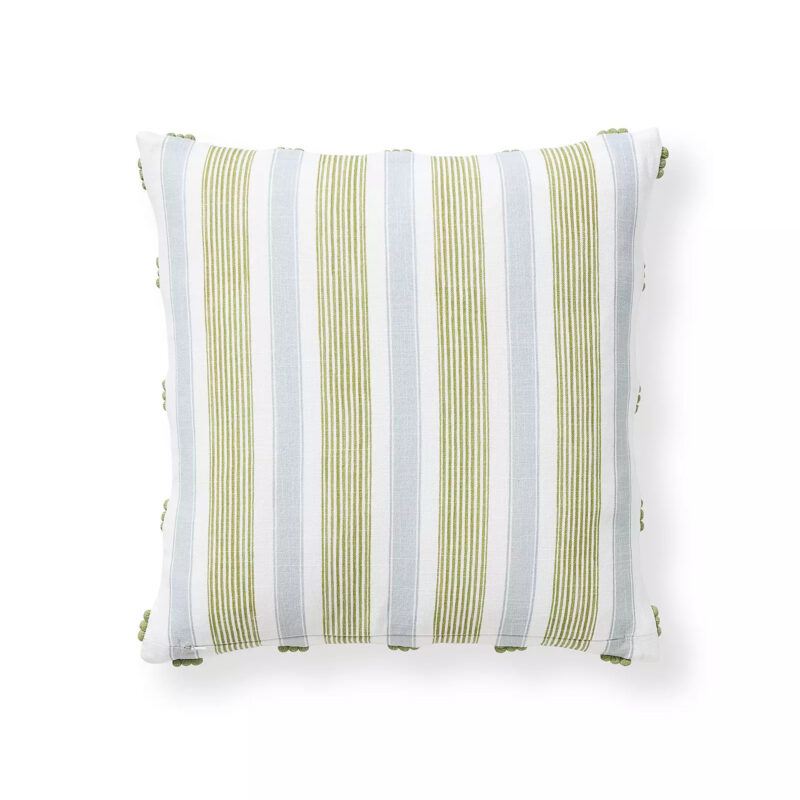
Sapri Pillow Cover
-
 SHOP THE ITEM →
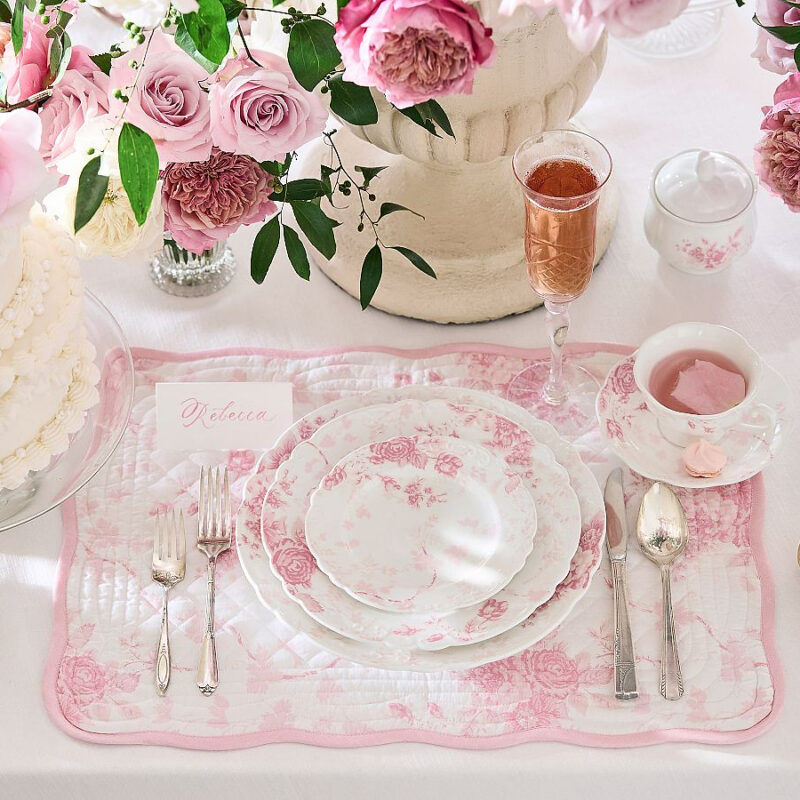
Love Shack Fancy Rose 12-Piece Dinnerware Set
-
 SHOP THE ITEM →
LoveShackFancyTufted Swivel Vanity Chair