


This article may include affiliate links. We may earn a small commission if you shop through them.
You don’t need a total overhaul. You just need to start somewhere. Here’s what actually worked for me.
There is very little plastic in my kitchen that touches my or my family’s food. Only when it’s impossible to make the switch (and my hubby still doesn’t seem to get it, given he still comes home with a bag full of deli food in plastic!) I opened my cabinet one afternoon to grab a container for leftovers and at least six lids fell out, none of them matching anything.
I stood there and thought, why am I keeping all of this?
Things got more intense when I was going through IVF and I read the book It All Starts with the Egg, where the author warns that questionable things that are commonly found in everyday kitchenware and plastics are easily absorbed by the body (even in your clothes!), where they disrupt hormone balance and egg quality — and that phthalates and BPA are two of the worst offenders. Plastic is the worst.
Even if fertility isn’t on your radar, the hormonal disruption argument alone is reason enough to make the swap. In fact, there’s a doc on Netflix that talks just about that.
That was the beginning. I’ve spent the last several years slowly replacing the plastic in my kitchen with things that actually feel good to cook with, and I want to share what made the biggest difference.
What’s funny is that this is really like going back in time to when your great grandmother was cooking in the kitchen.
If you’re thinking about it too, I promise it’s not as hard as it looks on Pinterest.
“The goal wasn’t perfection. It was just making the next thing I bought a better choice.”
Tip 1: Start with what breaks first
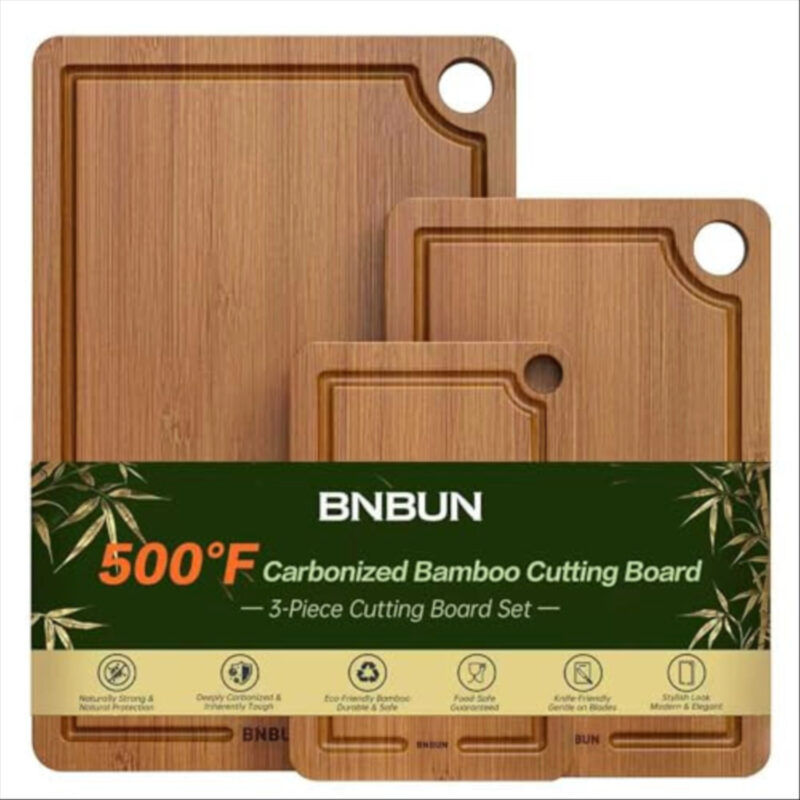
Don’t throw everything out. That’s wasteful and expensive. Instead, commit to replacing plastic items as they wear out with better alternatives. My first swap was a wooden cutting board after my plastic one started showing deep knife grooves that released little bits of plastic (gualaka!). A solid end-grain maple board was $40 and five years later it still looks beautiful. I have a few now. That’s the swap that hooked me .
Tip 2: Glass containers will change your life
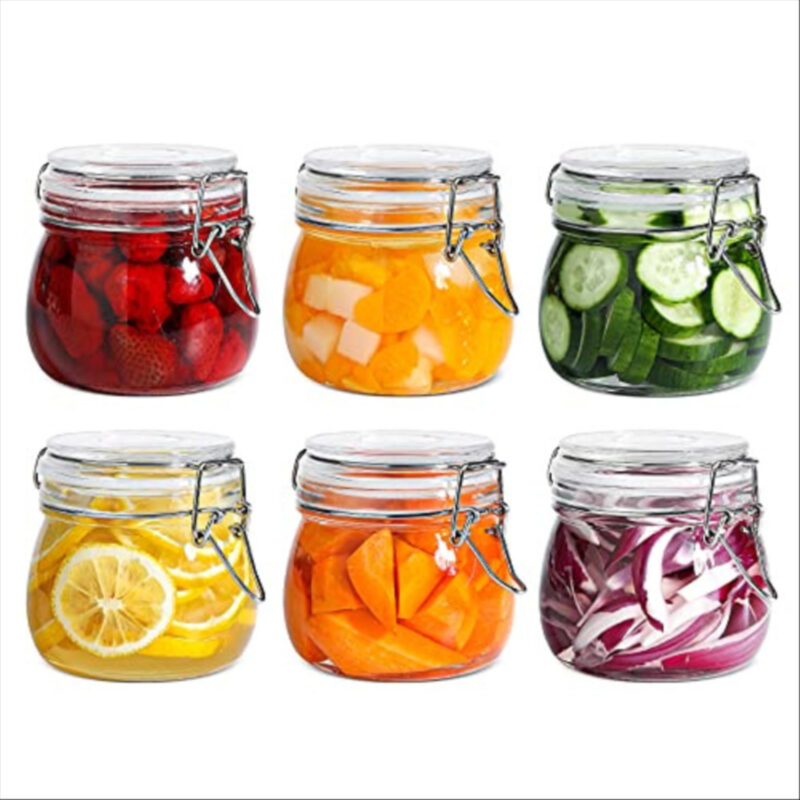
I bought a bunch of glass food storage containers when I was making smoothies and “salads in jars” and I’m hooked. They don’t stain. They don’t smell. You can see what’s in them without opening them. You can put them directly in the oven. And they stack neatly because the lids actually fit. I use wide-mouth mason jars for everything else — grains, leftover soup, half an onion. They cost almost nothing and last forever.
Tip 3: Swap plastic wrap for beeswax or silicone or paper.
Beeswax wraps are one of those things that sound gimmicky but genuinely deliver. The warmth of your hands molds them to any shape — a bowl, a half-lemon, a chunk of cheese. They’re washable, compostable at end of life, and come in genuinely nice patterns if that matters to you. For covering pots or wrapping things that need a tighter seal, reusable silicone stretch lids are the move. Buy a set in a few sizes and suddenly plastic wrap becomes something you just don’t need anymore. For sandwich bags, go back to using paper baggies.
Tip 4: Rethink your cooking tools
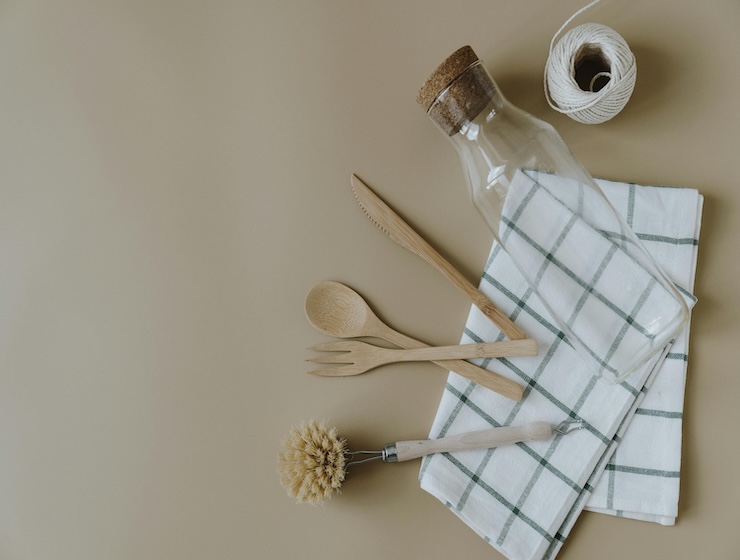
Plastic spatulas, plastic spoons, plastic colanders — they’re everywhere, and they quietly shed microplastics every time heat hits them. Stainless steel, wood, and bamboo are the easiest substitutes. A wooden spoon doesn’t melt. A stainless steel colander lasts decades. A silicone spatula handles everything a plastic one does without warping. Who wants to add microplastics to that sopita?
Tip 5: Buy in bulk and make from scratch— it’s the sneaky plastic killer
Half the plastic in my kitchen wasn’t from products at all — it was from packaging. Switching to a bulk store (or a grocery that has bulk bins) for grains, nuts, spices, and legumes cut my plastic waste dramatically. I bring my own jars and bags. I pay by weight. The food keeps better in glass anyway. It took getting used to, and yes, it requires a tiny bit more planning — but it turned out to be one of the single biggest changes I made, and it saves money on top of it. Also, the more things you make from scratch the easier it is to avoid plastic. For example, sometimes I make my own mayo, which helps me avoid plastic mayo bottles.
Two years in, my kitchen looks different. There’s more wood. More glass. More metal. It feels quieter somehow, less cluttered, even though I didn’t specifically set out to minimize. It turns out that plastic accumulates in a way that other materials don’t — it’s so cheap and so disposable that it just piles up without you noticing.
I’m not going to pretend I have zero plastic left. I do. There are ziplock bags in a drawer that I’m using until they fall apart, and there’s a plastic salad spinner I’m genuinely not ready to give up. But I’ve stopped thinking about this as an all-or-nothing project. Every swap is real. Every replacement that lasts ten years instead of two is a win.
You don’t have to overhaul your whole kitchen this weekend. Just notice, next time something breaks or wears out, whether you could replace it with something better. That’s really all it takes to start.
Small kitchens, big changes — one lid at a time.
-
 Shop the Item
Ahimsa Stainless Steel Kids Plate, Pediatrician Designed Divided Toddler & Baby Plates, Non Toxic, Unbreakable & Dishwasher Safe, Rainbow
-
 Shop the Item
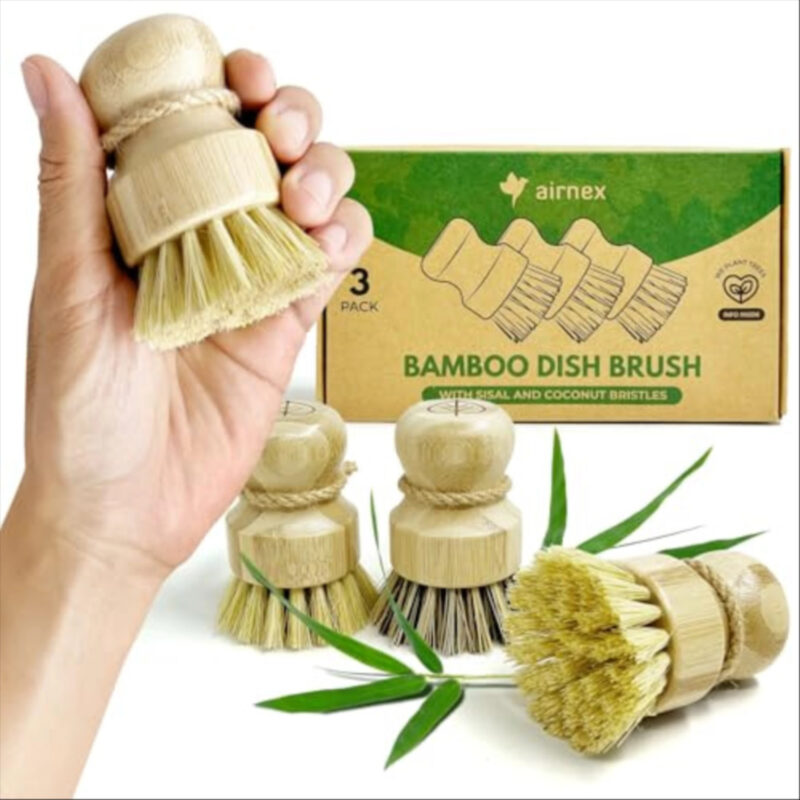
AIRNEX Bamboo Dish Brush Set of 3 – Natural Wooden Dish Scrubber w/Medium Stiff Sisal & Coconut Bristles – Kitchen Scrub Brush for Dishes, Pots & Pans – Plastic Free, Non Scratch Bristles
-
 Shop the Item
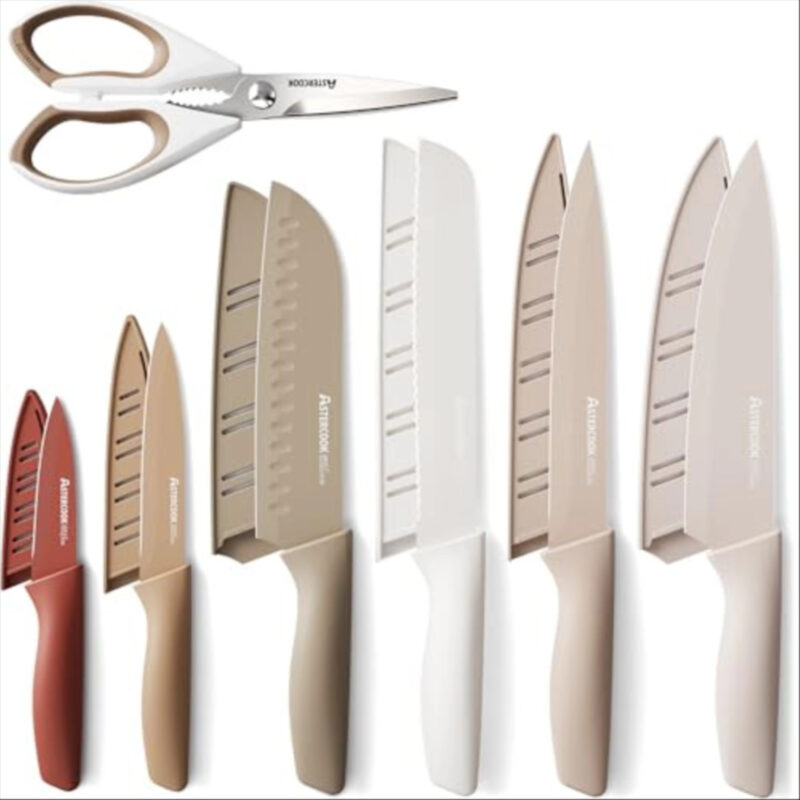
Astercook Knife Set, 13 Pieces Kitchen Knives Set with Healthy Anti-Rust Coating, Dishwasher Safe, Stainless Steel Chef Knife Sets with 6 Blade Guards, Perfect Holiday Gifts for Kitchen
-
 Shop the Item
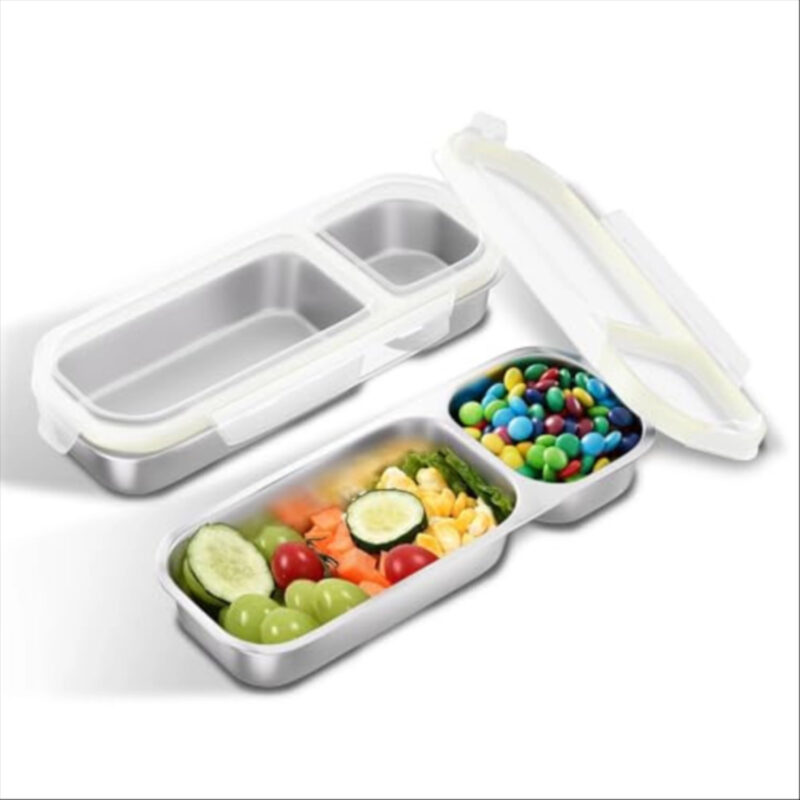
Bakpoco Stainless Steel Snack Containers for Kids Adults, 2 Pack 2 Compartment Metal Snack Containers Box with Lid, Reusable Food Storage Container, Leak Proof, Grab and Go
-
 Shop the Item
Bamboo Cutting Board for Kitchen – 3-Piece Wooden Boards with Juice Grooves, Side Handles, Non-Slip Mats – Perfect for Meat, Veggies Fruit,Cutting Board & Knife Sets – Ideal Kitchen Gift
-
 Shop the Item
ComSaf Airtight Glass Jars with Lids 17oz Small Food Storage Container Set of 6 – Airtight Canister with Clear Preserving Seal Wire Clip Fastening for Kitchen Canning Pickling Mason jars
-
 Shop the Item
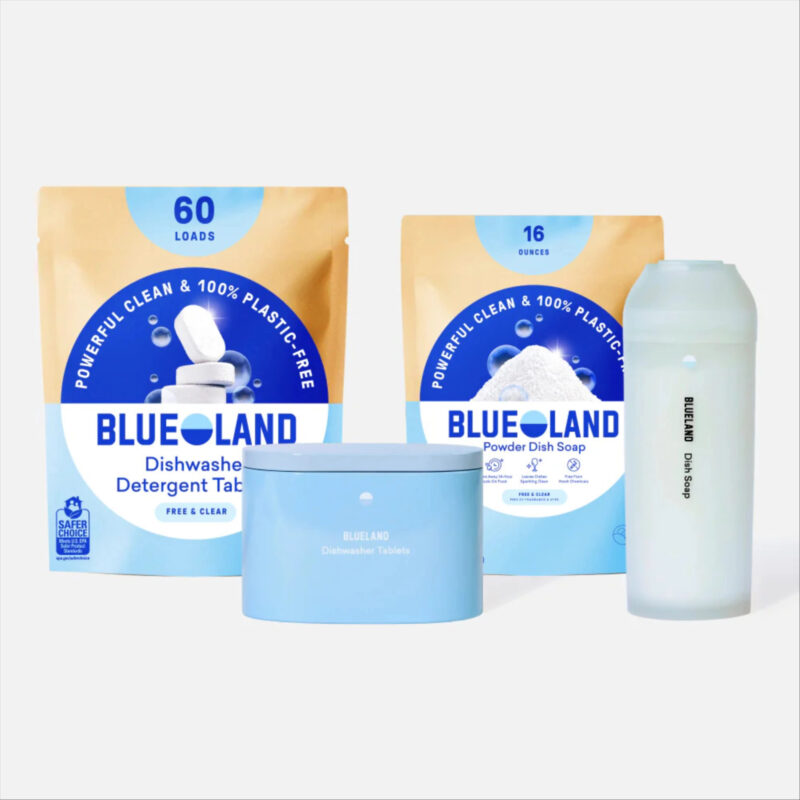
Dish Duo
-
 Shop the Item
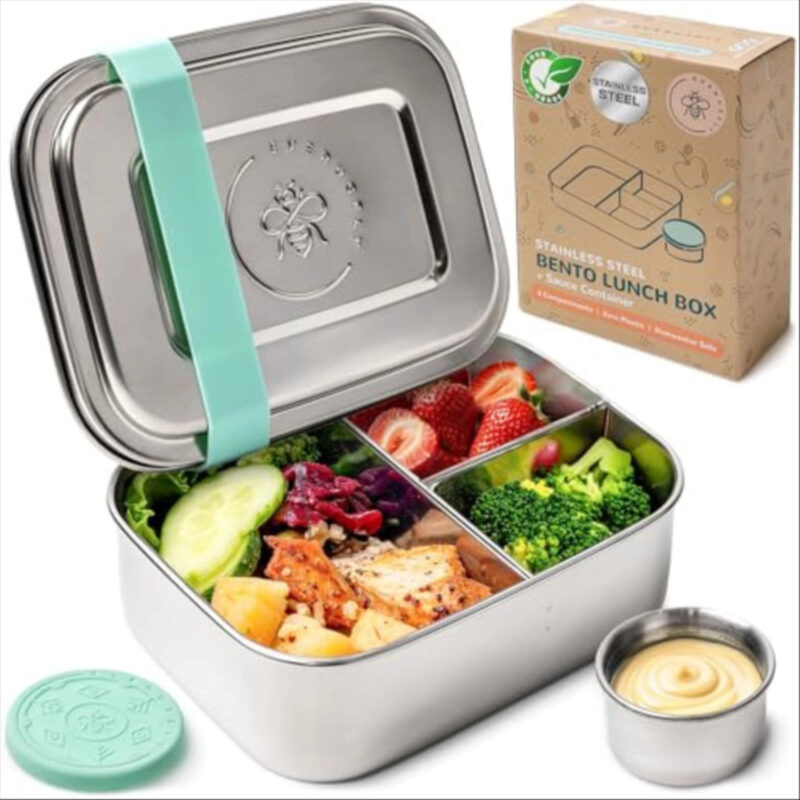
Everusely – Bento Box – Green, 27oz / 0.8 L – Stainless Steel Lunch Box with Leakproof Condiment Container – 3 Compartment Snack Organizer for On the Go Meals – Freezer & Dishwasher Safe
-
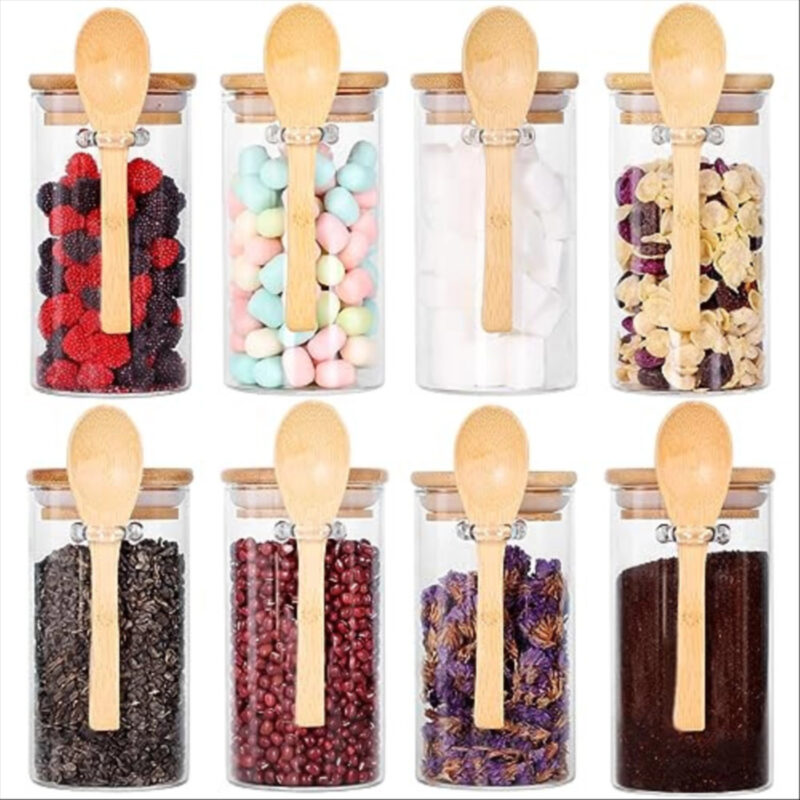 Shop the Item
Glass Jar with Bamboo Lid and Spoon, 8Pack 10 OZ Tea Containers for Loose Leaf Tea, Salt and Sugar Containers for Countertop, Yogurt Jars for Overnight Oatmeal
-
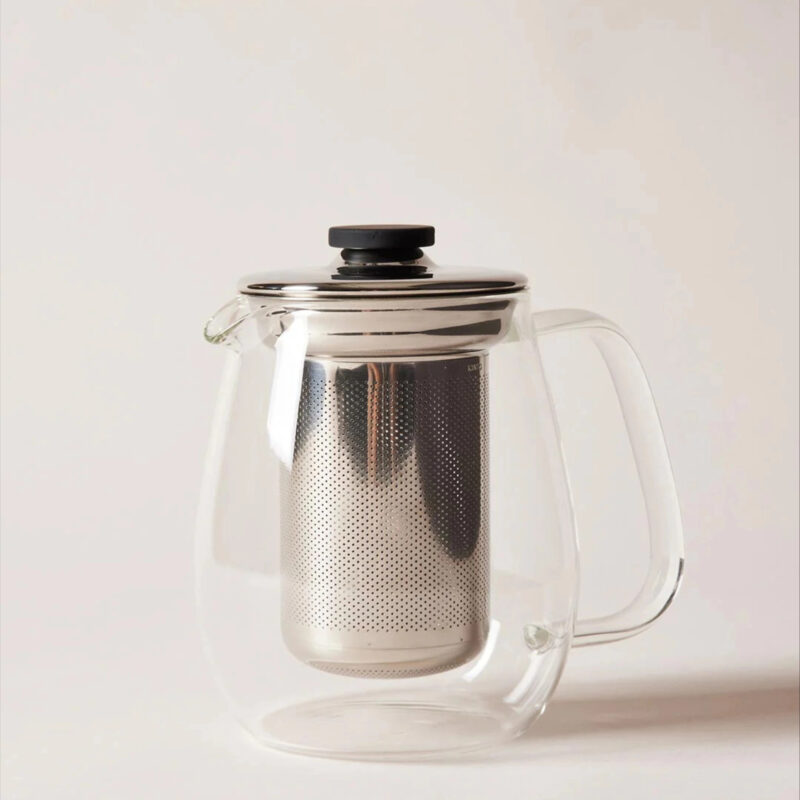 Shop the Item
Glass Teapot
-
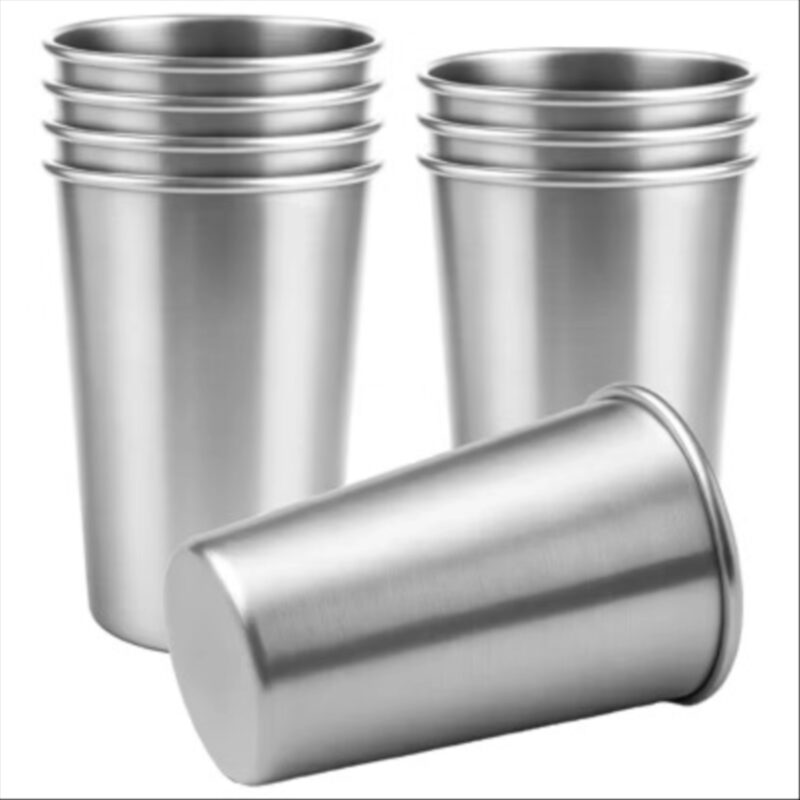 Shop the Item
Itopfox 8 Pack Stainless Steel Stacking Cups, Reusable Drinking Glasses for Home, Party, Camping, Outdoor, BPA Free, Dishwasher Safe
-
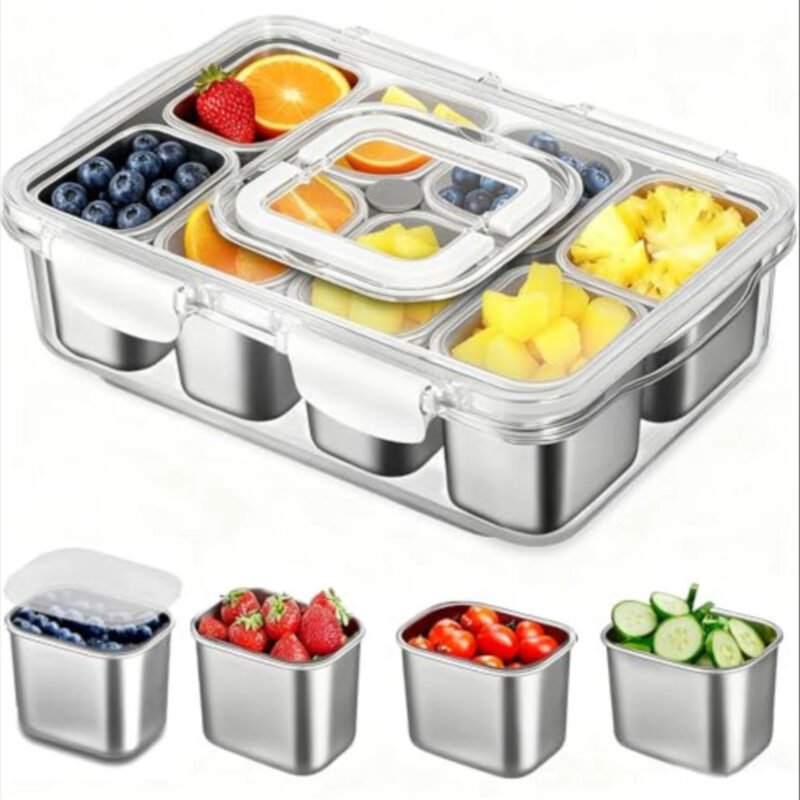 Shop the Item
kidinit Snackle Box Container, Stainless Steel Divided Serving Tray with Lid and Handle, Large Snack Tray for Fruit Veggie Candy, 8-Compartment Snack Platter for Travel Party Beach Picnic
-
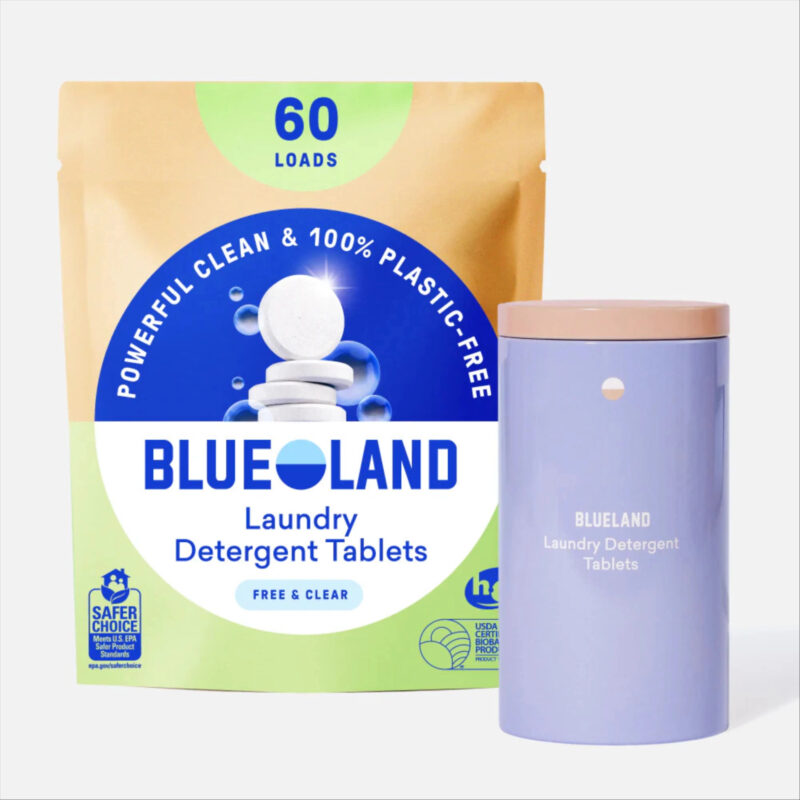 Shop the Item
Laundry Detergent Tablets Starter Set | Free & Clear/Unscented
-
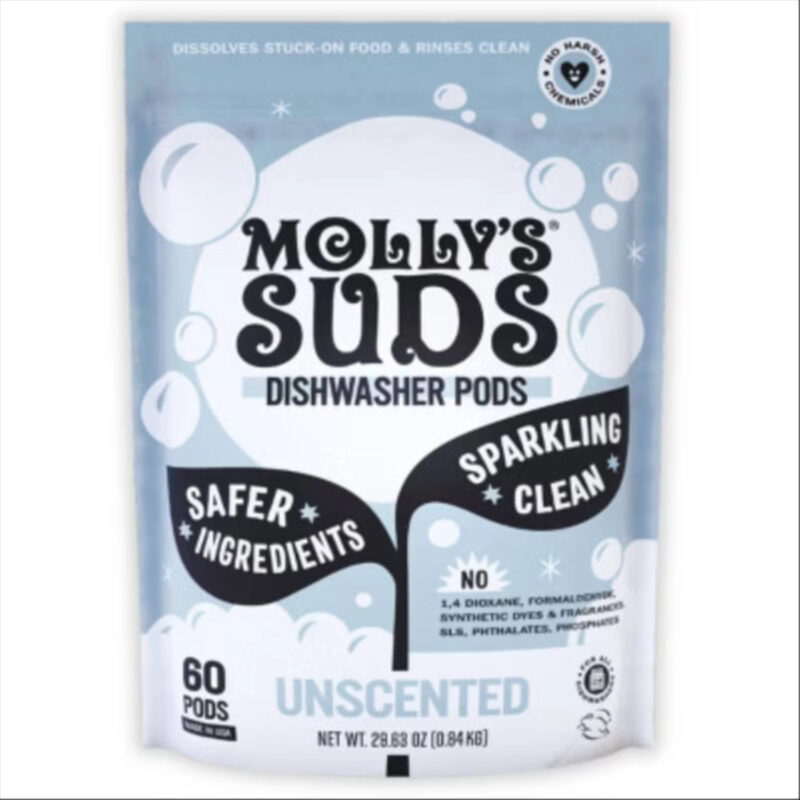 Shop the Item
Molly’s Suds Dish Pods – Unscented – 60ct
-
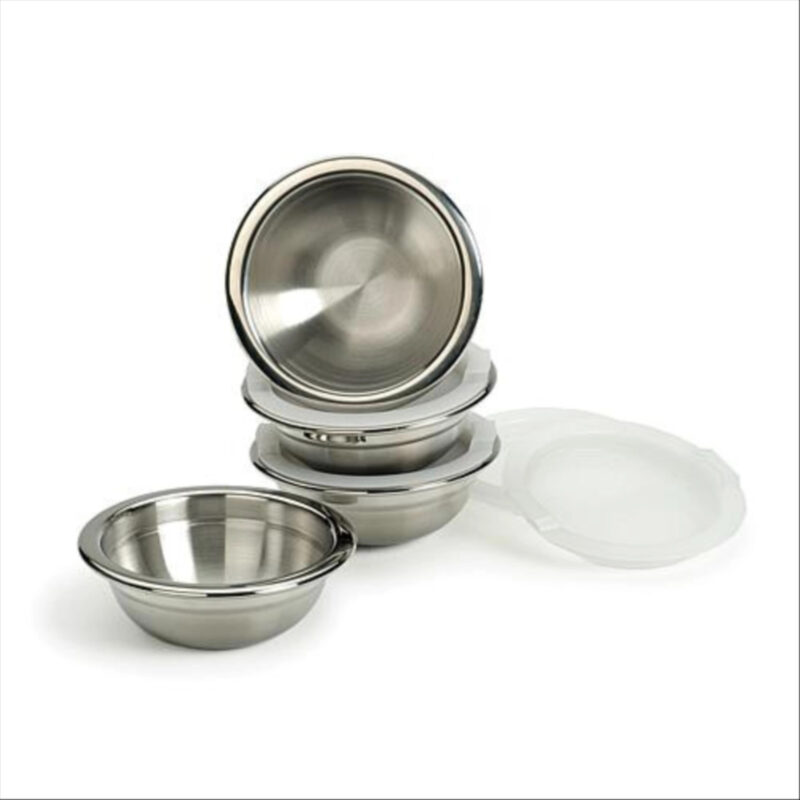 Shop the Item
RSVP Stainless Steel Prep Bowls with Lids – Set of 4
-
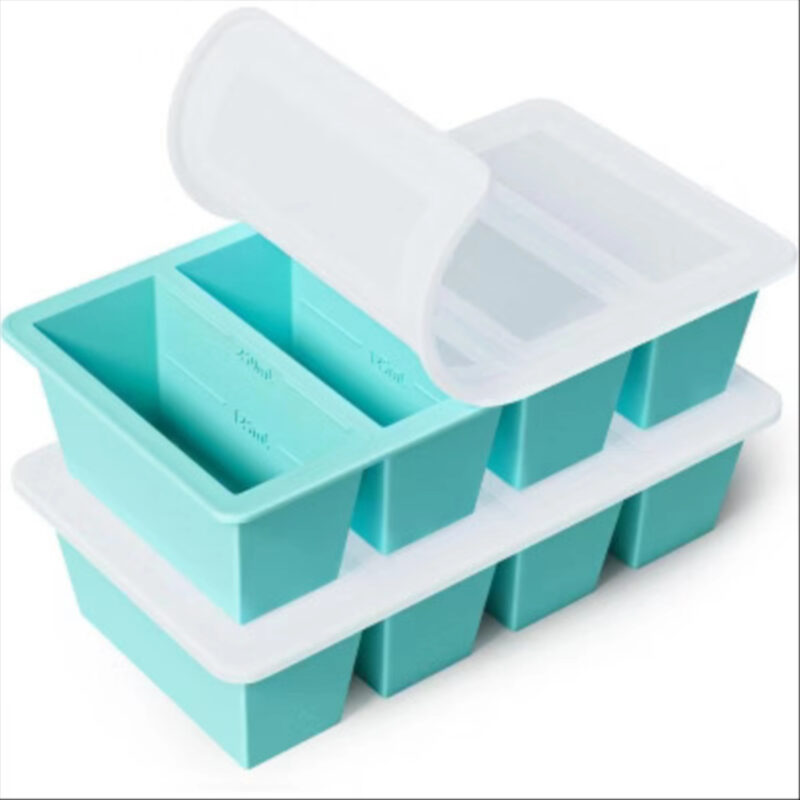 Shop the Item
Silicone Freezer Tray for Sauce & Broth, Freeze Souped Portion Cubes for Easy Soup Storage Aqua one size
-
 Shop the Item
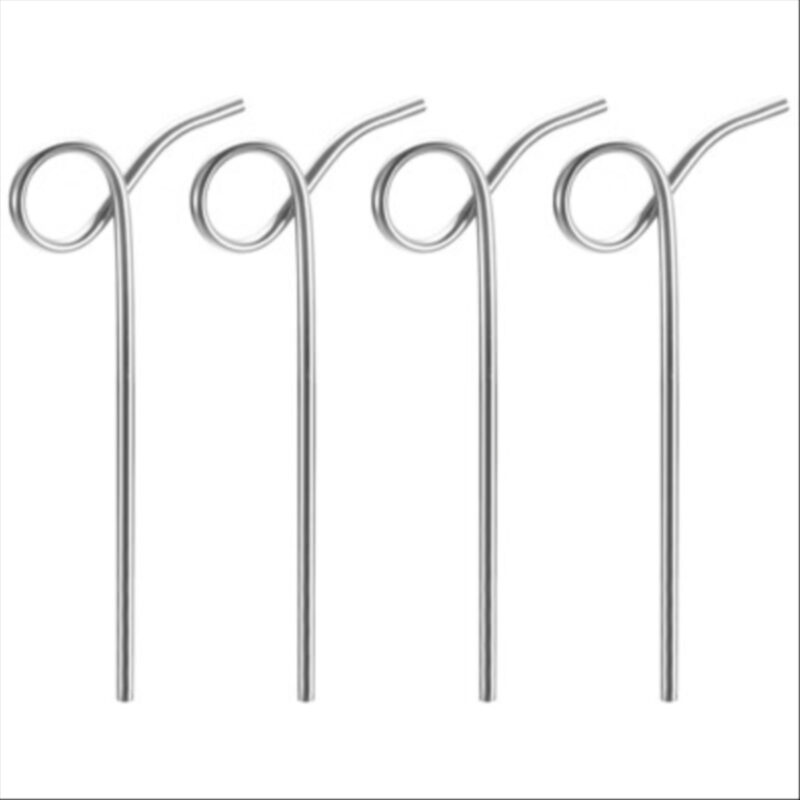
Unique Bargains 304 Stainless Steel Durable Heat Resistant Curly Shaped Design Drinking Straw 4 Pcs Silver Tone
-
 Shop the Item
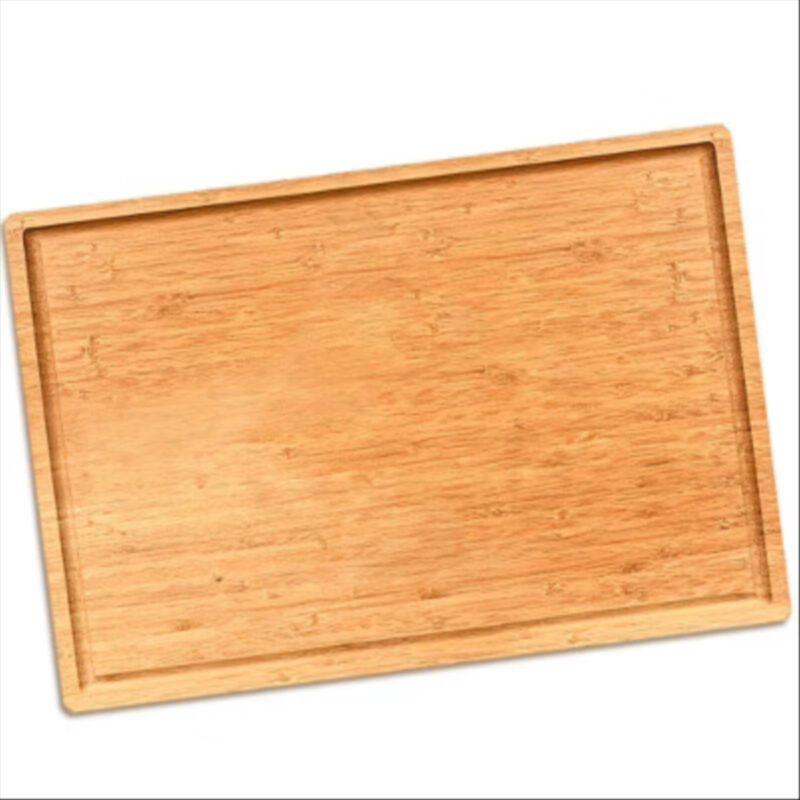
Wooden Cutting Board – 12 x 9″ Bamboo Cutting Board for Kitchen, Meal Prep & Serving, Charcuterie – Wood Chopping Board with Juice Groove & Handles
-
 Shop the Item
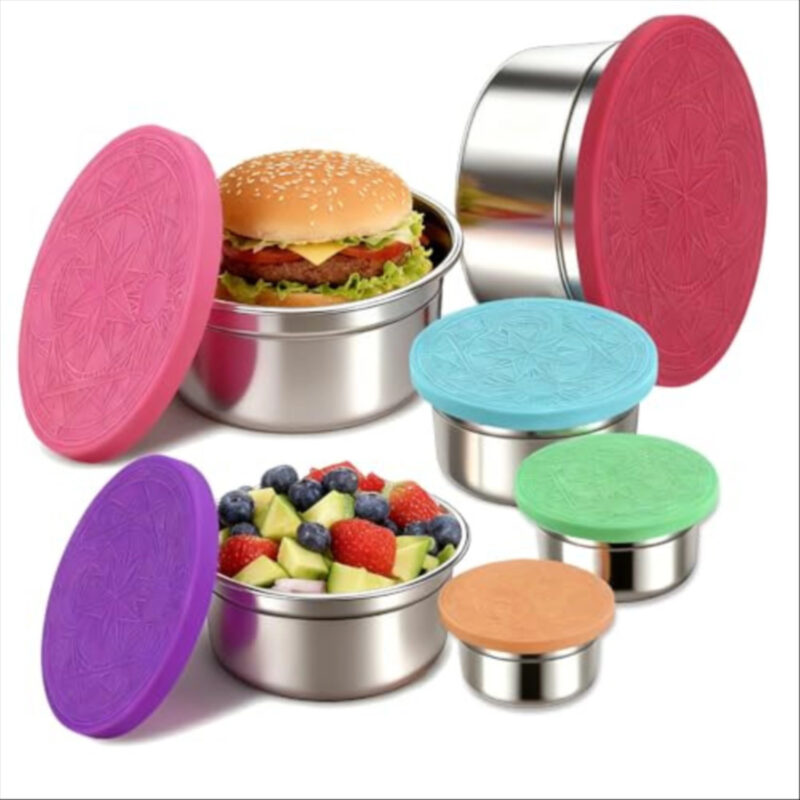
YJSLICT 6 Pack Stainless Steel Lunch Containers with Lids Set, Round Nesting Snack Container (Size 38, 24, 12, 6, 4, 2oz), Metal Salad Containers for Lunch, Picnic, Home, Travel
-
 Shop the Item
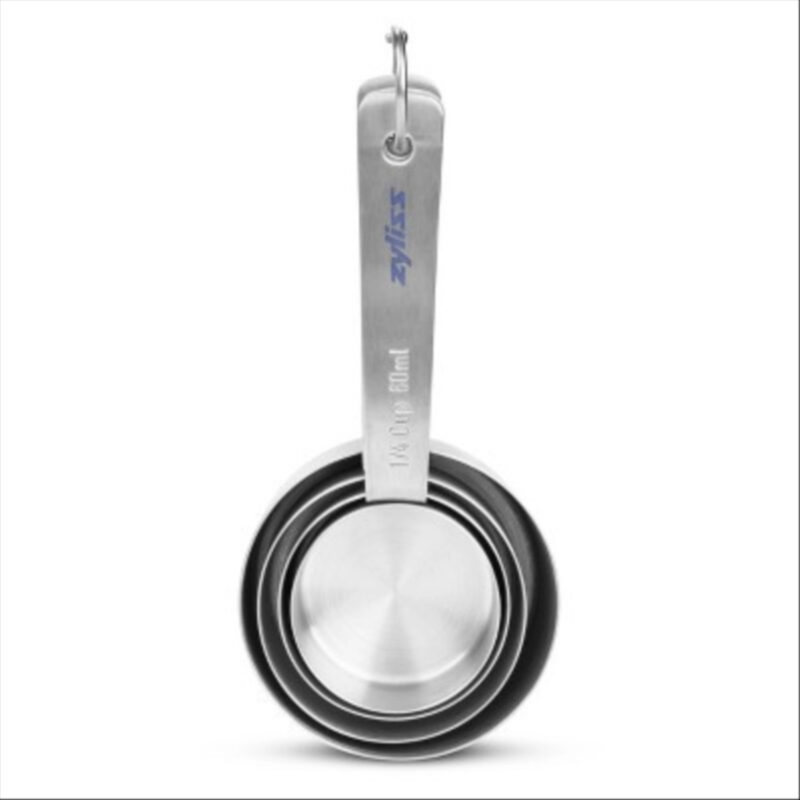
Zyliss Premium Stainless Steel Measuring Cups – 4 Piece
You Might Also Enjoy
- Elevated Everyday: Choosing a Beautiful Utensil Holder for Your Kitchen
- The Easiest Way to Start Patagonian-Style Open-Fire Cooking
- 15 MacKenzie-Childs Teapots That Make Your Kitchen Feel Magical
- How to Make Your Own Nut Butter at Home (All You Need Is an Oven & a Food Processor)
- Expensive Kitchen Dupes For Under $50