


This article may include affiliate links. We may earn a small commission if you shop through them.
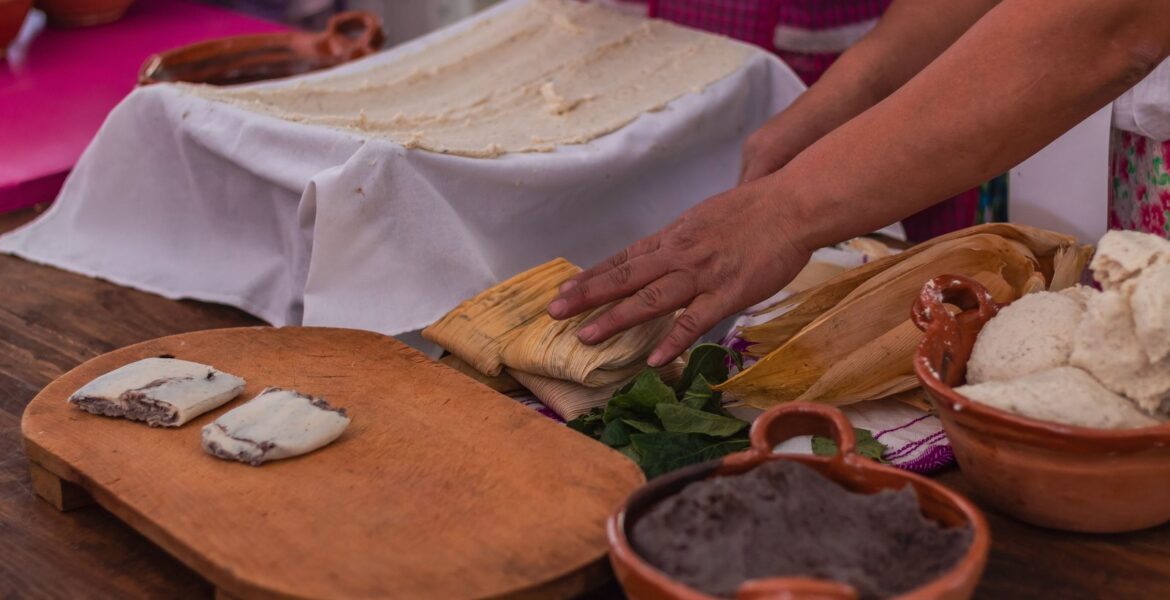
In a small, bustling kitchen in Oaxaca, a woman skillfully kneads a ball of masa, her hands moving with the rhythm of generations. The scent of toasted corn fills the air, intermingling with the earthy aroma of lime-treated kernels. This scene, as ancient as it is contemporary, underscores the significance of masa in Mexican cuisine—a cornerstone that bridges the world of masa from its ancient grains to modern kitchens.
Ancient Grains to Culinary Staple: The Rich History of Masa
Masa’s journey began over 9,000 years ago in the valleys and highlands of Mesoamerica, where indigenous peoples cultivated maize. This ancient grain was more than sustenance; it was a cultural symbol woven into daily life. The revolutionary process of nixtamalization—soaking and cooking corn in an alkaline solution, usually limewater—transformed maize into masa, unlocking essential amino acids and niacin.
The Señora Edit
Discover the home, beauty, fashion, and wellness finds our readers are loving most this week.
Shop This Week’s Bestsellers →Nixtamalization was crucial for health and society. The enhanced nutritional profile of masa supported large populations, fueling the growth of powerful cultures like the Aztecs and Maya. Masa became the base for tortillas, tamales, and atole, each dish a testament to Mesoamerican culinary ingenuity. Over time, this tradition spread, with masa becoming a staple across the Americas and beyond.
From Kernel to Dough: The Art of Masa Preparation
Creating masa combines art and science. It starts with selecting the right corn, often white or yellow dent, which is then dried and stored. The corn is cooked in an alkaline solution, typically limewater, loosening the hulls and beginning its transformation. This nixtamalization process not only boosts the corn’s nutritional value but also imparts a nutty, slightly sweet flavor.
Once treated and rinsed, the corn is ground into masa harina, a fine corn flour essential for making masa dough. Masa harina offers flexibility, enabling cooks to create traditional tortillas and innovative culinary fusions. The consistency of the masa is key; it should be pliable yet firm, able to hold its shape when pressed into thin disks or shaped into tamales.
Traditional and Modern: The Vast World of Masa
Masa is the foundation for tortillas—essentials in Mexican cuisine that vary in thickness and size across regions. Tacos, enchiladas, and quesadillas all owe their existence to the humble tortilla.
Tamales showcase masa’s adaptability. Wrapped in corn husks or banana leaves, they are filled with meats, cheeses, or vegetables, their flavors melding during steaming into a cohesive, savory package. In Oaxaca, black tamales feature mole negro, while in the Yucatán, tamales colados are strained for a smoother texture.
Modern chefs have embraced masa, integrating it into dishes beyond traditional boundaries. Masa serves as a gluten-free alternative for pizza crusts, while masa pancakes offer a unique twist on breakfast. Even dessert chefs are experimenting, with masa lending its distinct flavor to pastries and sweet tamales. Masa’s versatility continues to inspire culinary innovation, ensuring its place in contemporary kitchens.
Mastering Masa: How to Make It at Home
Creating masa at home requires patience and precision. Start with high-quality masa harina, available in most grocery stores. Mix it with warm water, a pinch of salt, and a bit of vegetable oil, kneading until the dough is smooth and elastic. The texture should be moist but not sticky, holding together without cracking.
A traditional tortilla press is invaluable for shaping the dough. Place a small ball of masa between sheets of plastic or parchment paper and use the press to flatten it into a thin disk. Cook the tortilla on a hot griddle or comal until it puffs slightly and develops golden brown spots. This simple yet transformative process is a rite of passage for anyone delving into the world of masa.
Innovating with Masa: Modern Culinary Arts
In modern kitchens, masa has become a beloved ingredient in diverse culinary traditions. Its gluten-free nature makes it popular for those with dietary restrictions, offering an alternative to wheat-based products. Chefs worldwide explore its potential, crafting masa-based gnocchi or using it as a binder in meatballs and burgers.
The fusion of masa with international cuisines has led to delightful hybrids. Masa dumplings enhance soups with their tender texture, while masa-crusted fish tacos provide a crunchy contrast to tender fish. Such dishes highlight masa’s adaptability and its ability to complement and elevate a wide range of flavors.
Masa and Culture: Heritage Meets Innovation
Masa is more than a culinary ingredient; it’s a cultural touchstone that connects people to their heritage. In Mexican communities, masa-making is often a communal activity, a time for gathering and sharing stories. The act of preparing masa embodies tradition, a ritual passed down through generations.
Yet, masa is also a symbol of innovation. Chefs and home cooks alike continue to push its boundaries, reimagining its uses and creating new traditions. In this way, masa serves as a bridge between the past and the future, a testament to the enduring power of food to connect and inspire.
| Type of Masa Dish | Traditional Ingredients | Modern Variations |
|---|---|---|
| Tortillas | Corn, water, salt | Blue corn, infused flavors |
| Tamales | Masa, meats, cheeses | Vegetarian fillings, sweet versions |
| Pancakes | Masa, eggs, milk | Masa almond pancakes |
| Dumplings | Masa, broth | Masa gnocchi |
Your Masa Questions Answered
What is the difference between masa harina and corn flour?
Masa harina is made from corn that has undergone nixtamalization, giving it a distinct flavor and nutritional benefits. Corn flour, on the other hand, is made from untreated corn, lacking the unique properties of masa harina.
Can masa be used for gluten-free baking?
Yes, masa is naturally gluten-free and can be used as a substitute for wheat flour in many recipes. Its unique texture and flavor can enhance baked goods, offering a different taste profile and structure.
How should masa be stored to maintain freshness?
Masa should be stored in an airtight container in a cool, dry place. If using fresh masa, it can be refrigerated for a few days or frozen for longer storage. Masa harina, when sealed properly, can last for several months.
What are some popular masa dishes to try at home?
Popular masa dishes to explore include traditional tortillas, tamales, pupusas, and empanadas. Each dish offers a unique taste experience and showcases the versatility of masa in cooking.
Is it possible to make masa without a tortilla press?
Yes, while a tortilla press is convenient, masa can be flattened using a rolling pin or by pressing with a heavy pan. The key is achieving an even thickness to ensure proper cooking.
Masa weaves a rich tapestry of history, culture, and culinary innovation. From its ancient grain origins to its revered place in modern kitchens, masa continues to captivate and inspire. Its versatility and deep cultural significance ensure that masa will remain a cherished ingredient for generations to come.
Shop This Week’s Bestsellers
Discover the home, beauty, fashion, and wellness finds our readers are loving most.
Shop Bestsellers →-
 SHOP THE ITEM →
Hartwell Indoor/Outdoor Lantern McGee & Co
$358.00 -
 SHOP THE ITEM →
Bistro Tile Stoneware 24k Gold Accent Garden Hook Anthropologie
$20.00 -
 SHOP THE ITEM →
Brown Twisted Taper Candles (Set of 2) McGee & Co
$22.00 -
 SHOP THE ITEM →
Wayland Hand-Knotted Wool Rug McGee & Co
$846.00 -
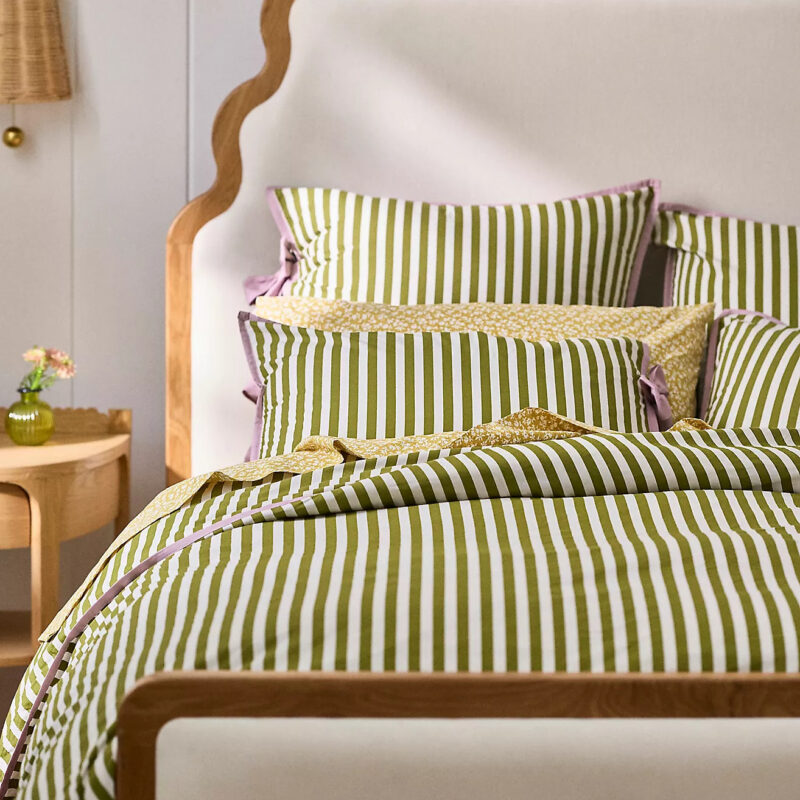 SHOP THE ITEM →
Maeve Brynne Cotton Percale Stripe Tie Printed Duvet
$178.00 -
 SHOP THE ITEM →
Coralie Striped Lumbar Pillow Cover
$89.50 -
 SHOP THE ITEM →
Sand Ric Rac Tie Brocks Dress
$228.00 -
 SHOP THE ITEM →
Abstract Alps Como Dress
$298.00 -
 SHOP THE ITEM →
Wine Pleated Sleeveless Midi Dress Moon River
$118.00 -
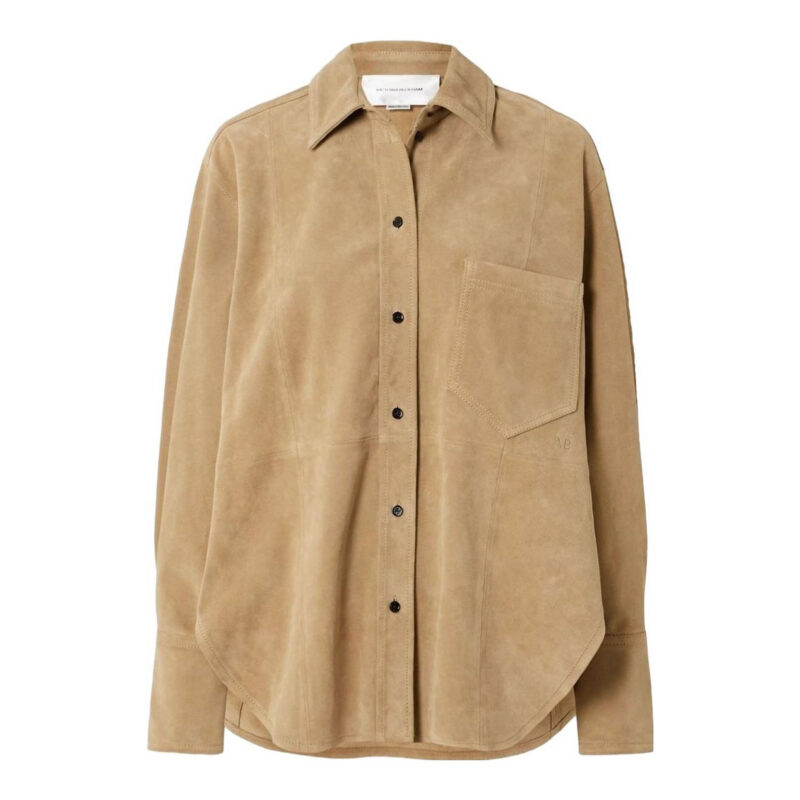 SHOP THE ITEM →
VICTORIA BECKHAM – Suede Shirt
-
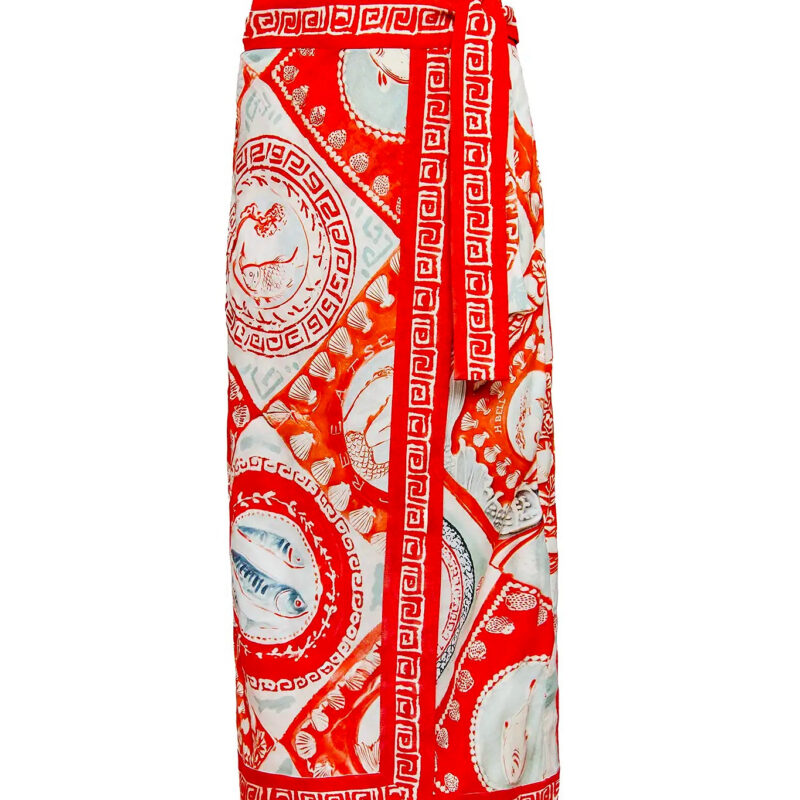 SHOP THE ITEM →
Paloma Wrap Skirt in Lost At Sea Hunter bell
$445.00 -
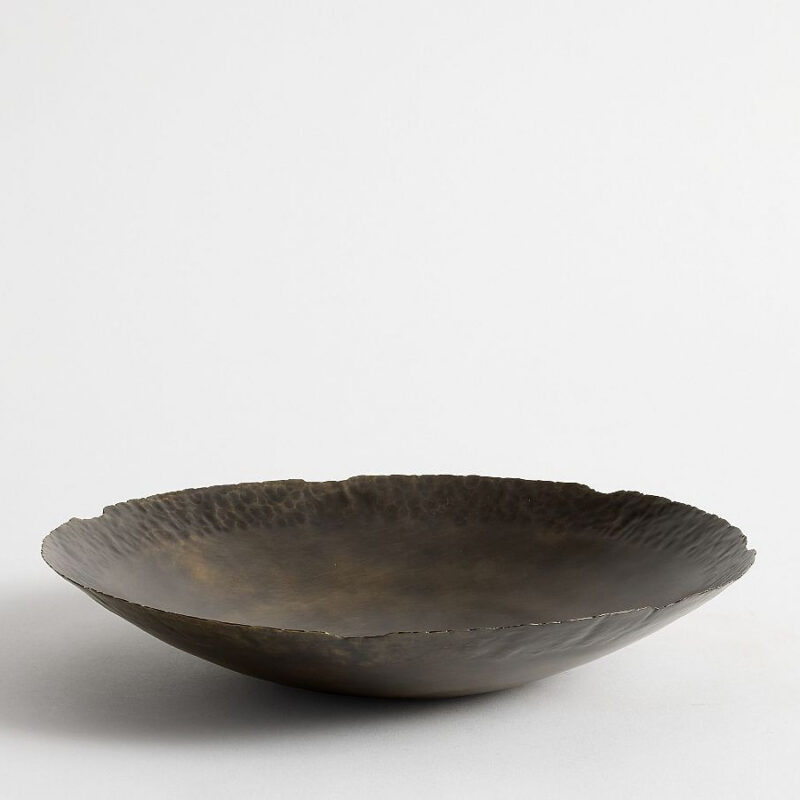 SHOP THE ITEM →
Antique Black Iron Decorative Bowl
$29.50 -
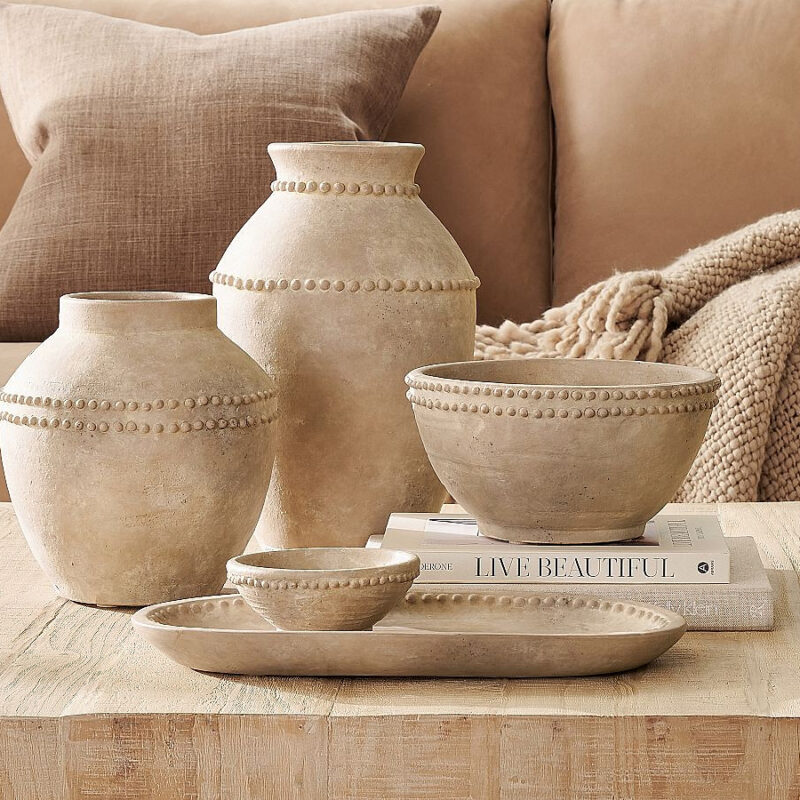 SHOP THE ITEM →
Emilia Ceramic Collection
$79.50 -
 SHOP THE ITEM →
Le Bouquet Maxi Dress in Pink Waimari
$595.00 -
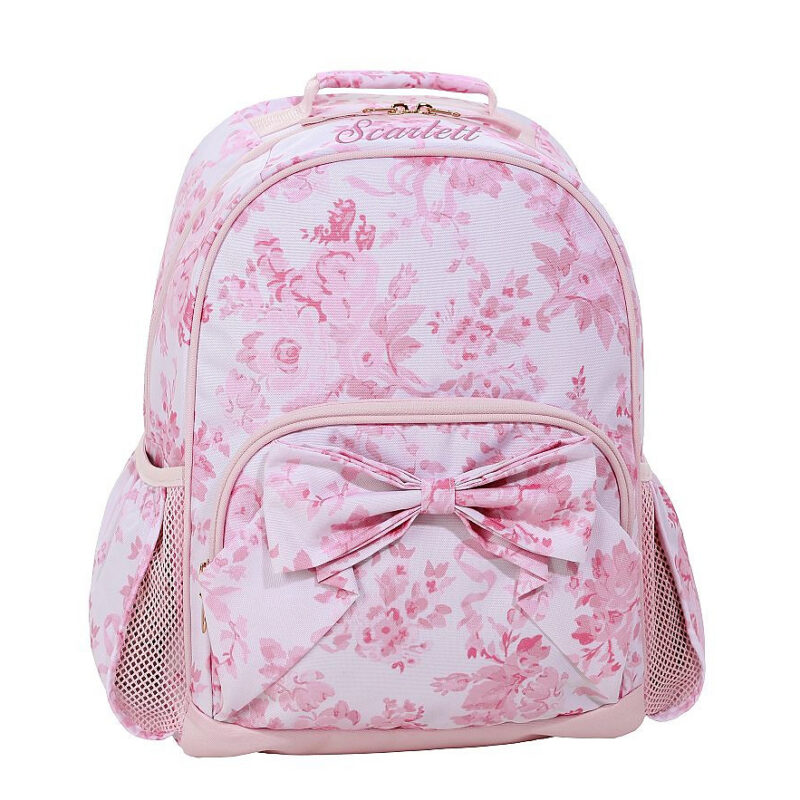 SHOP THE ITEM →
LoveShackFancy Pink Damask Floral Mackenzie Backpack
$69.50 -
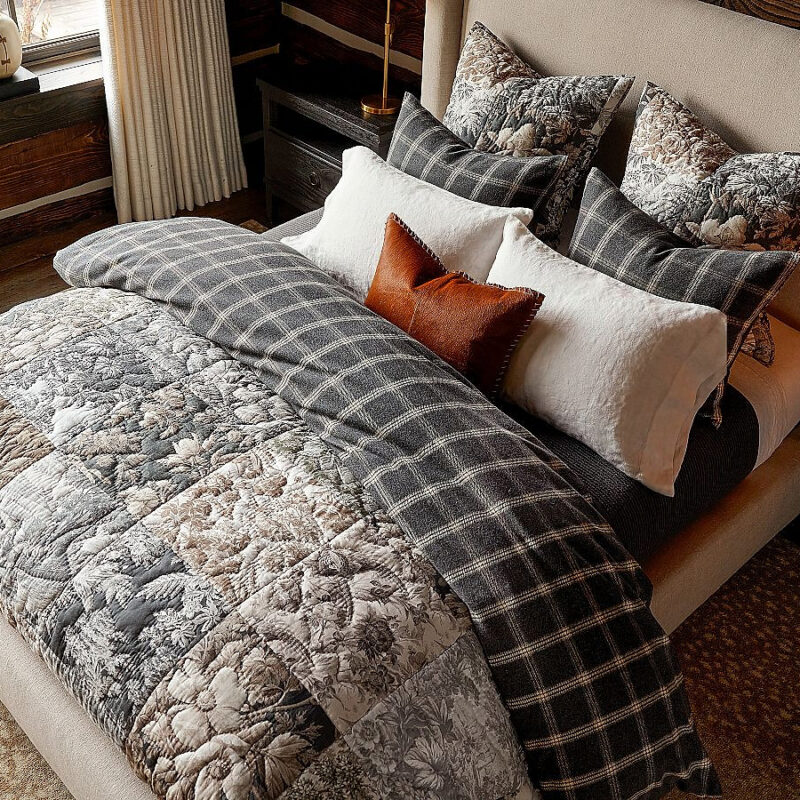 SHOP THE ITEM →
Cordelia Toile Reversible Quilt
$349.00 -
 SHOP THE ITEM →
Lydia Palampore Embroidered Quilt
$349.00 -
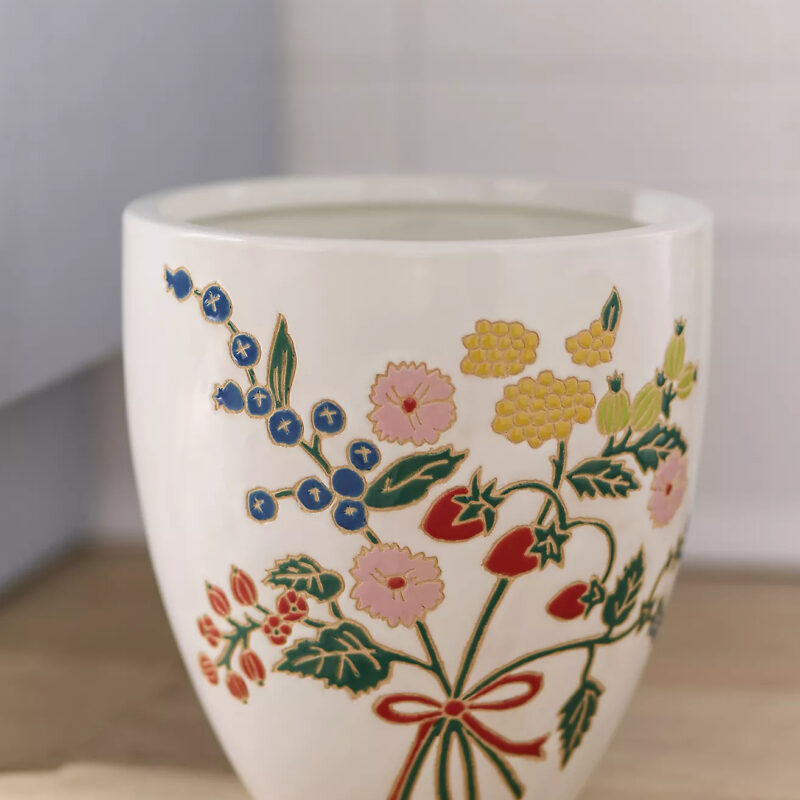 SHOP THE ITEM →
Hand-Painted Ceramic Waste Bin
$68.00 -
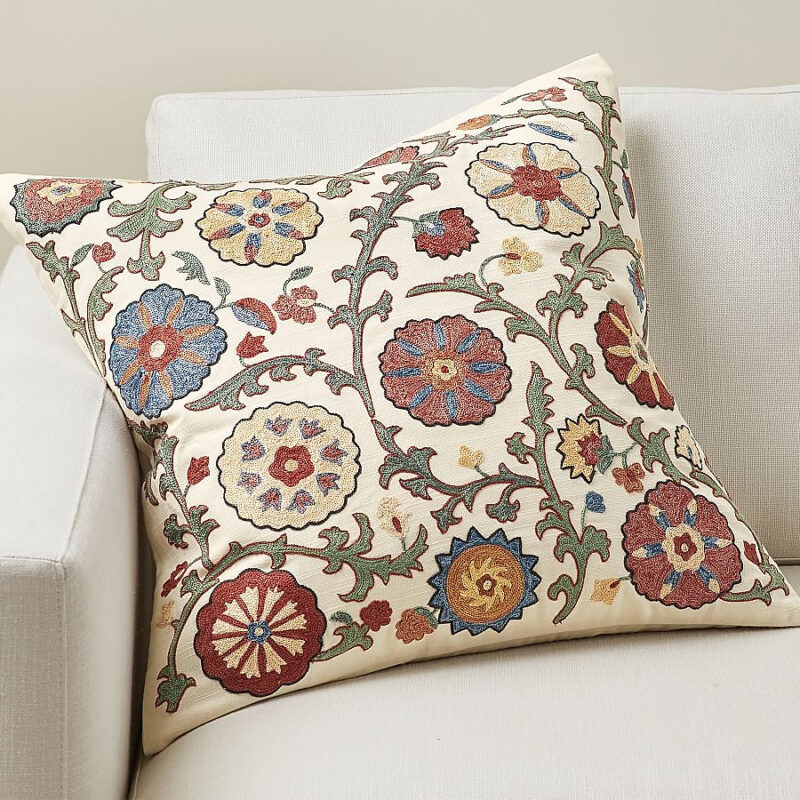 SHOP THE ITEM →
Penelope Embroidered Pillow Cover
$79.50 -
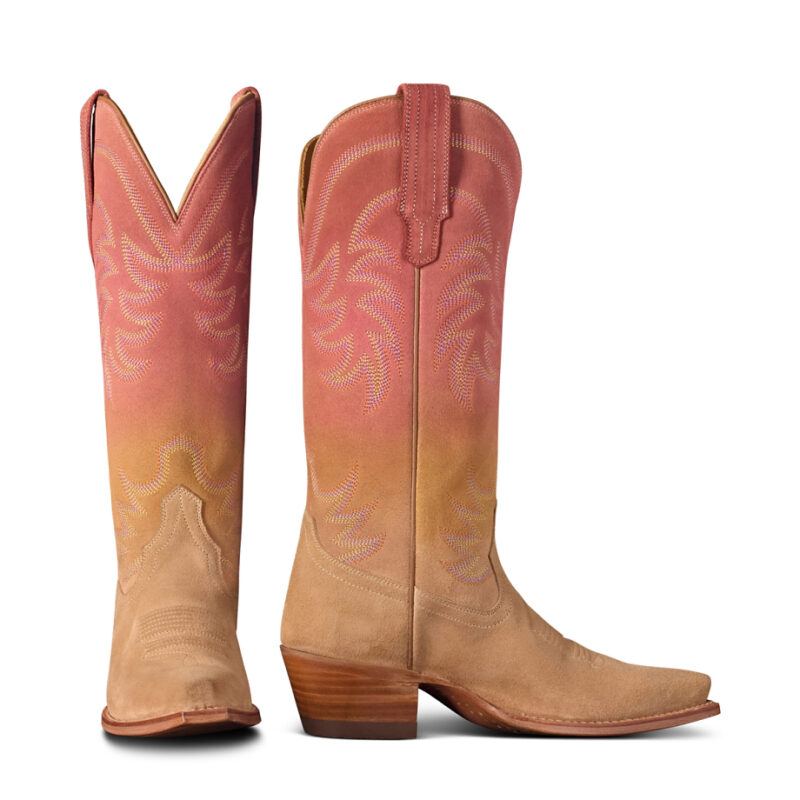 SHOP THE ITEM →
The Annie Cowgirl Boot – Ombre suede | Tecovas
-
 SHOP THE ITEM →
Blue Flower Cereal Bowl Carolina Irving & Daughters
$40.00 -
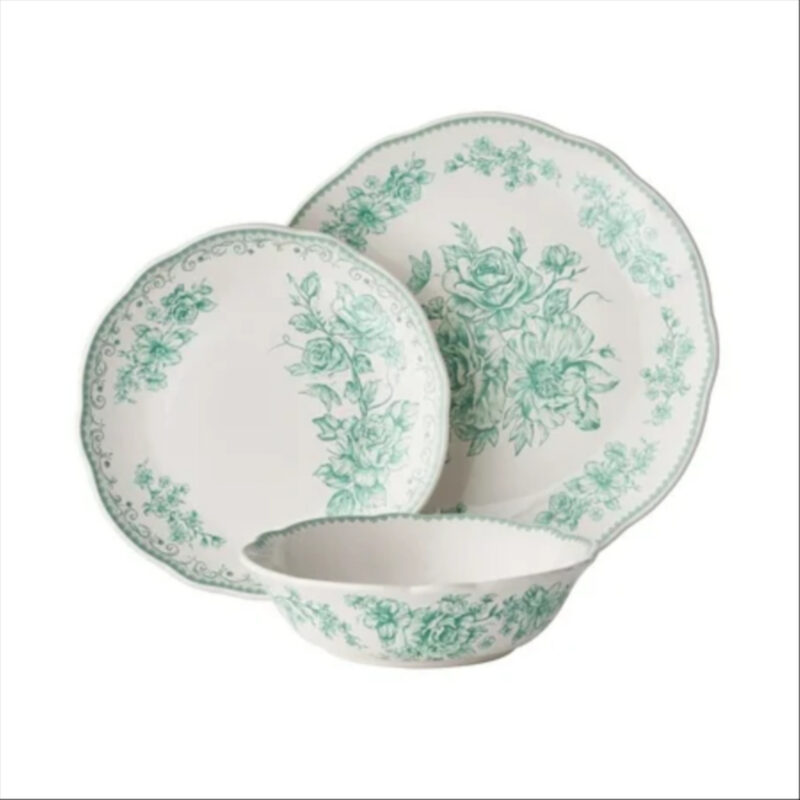 SHOP THE ITEM →
The Pioneer Woman Agatha 12-Piece Stoneware Dinnerware Set, Green
-
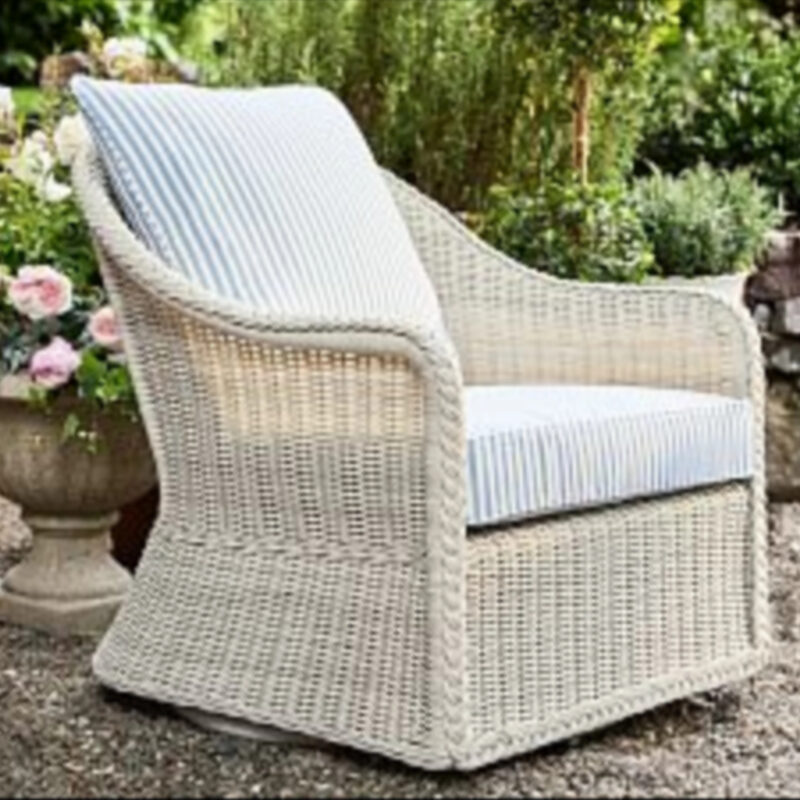 SHOP THE ITEM →
LoveShackFancy Wicker Swivel Outdoor Lounge Chair
-
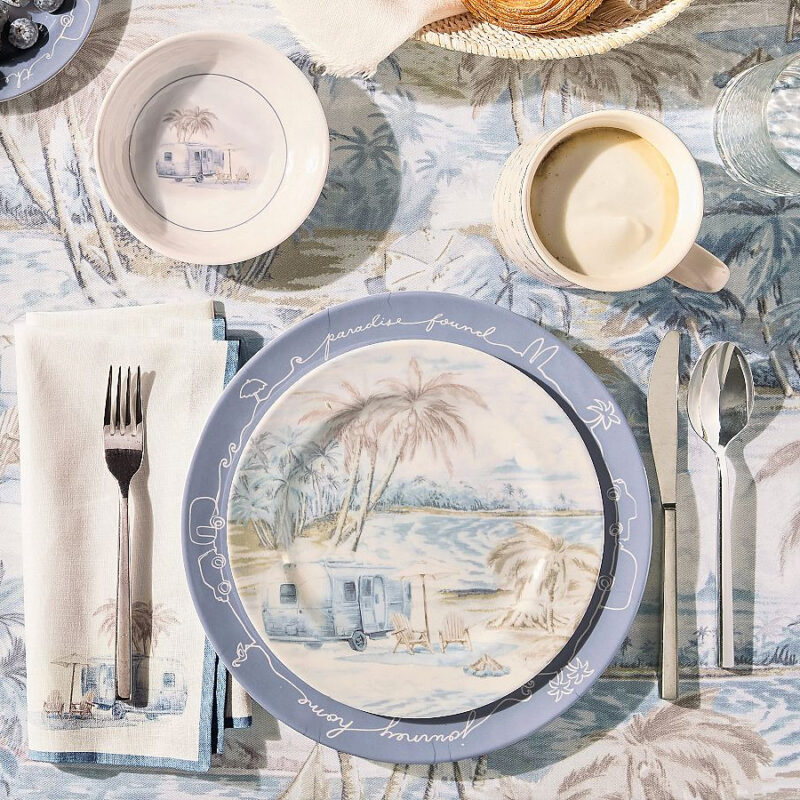 SHOP THE ITEM →
Airstream Outdoor Melamine Dinnerware Collection
-
 SHOP THE ITEM →
Reversible Linen Bamboo Pillow Cover Quince
-
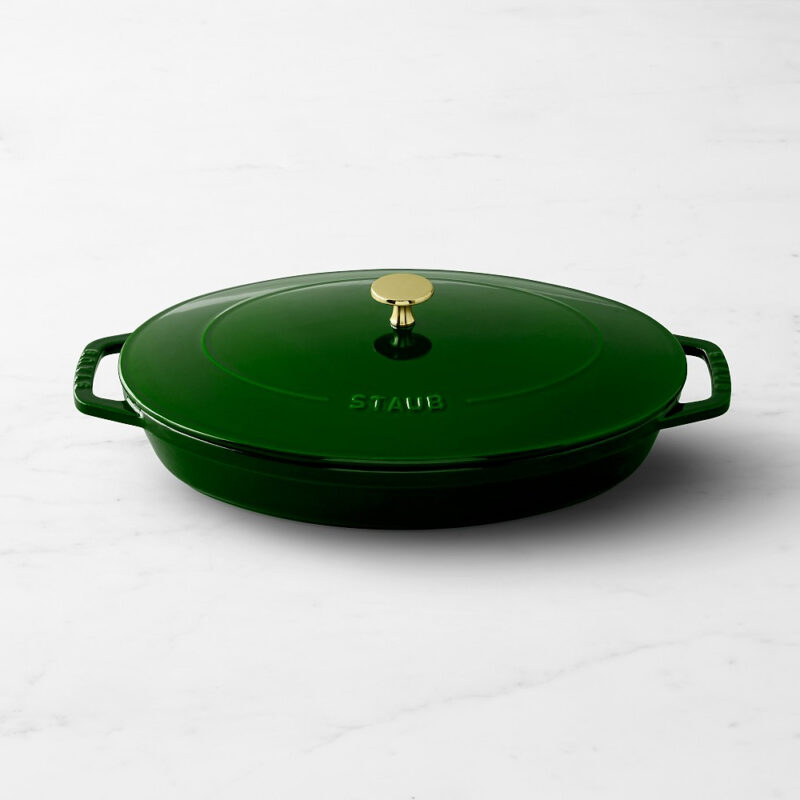 SHOP THE ITEM →
Staub Enameled Cast Iron Oval Gratin with Lid, 2.25 Qt. Staub Basil with Brass
-
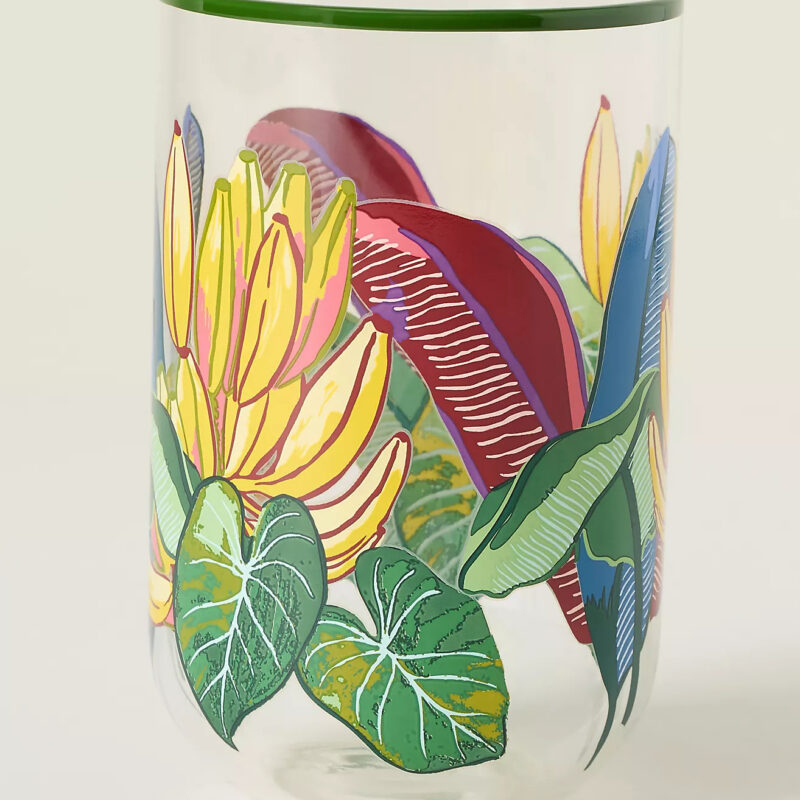 SHOP THE ITEM →
Farm Rio x Anthropologie Juice Glass
-
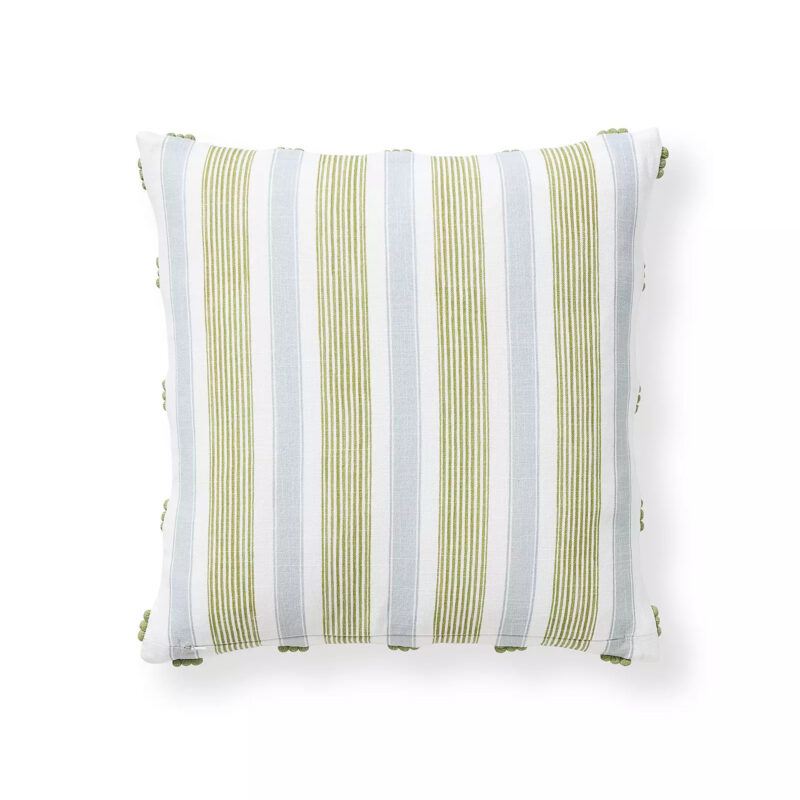 SHOP THE ITEM →
Sapri Pillow Cover
-
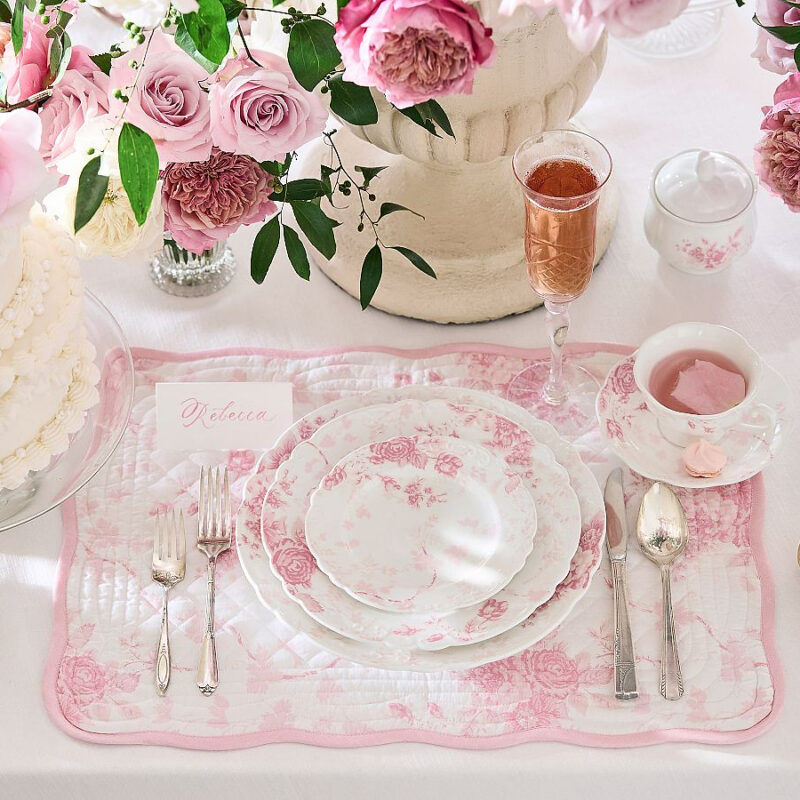 SHOP THE ITEM →
Love Shack Fancy Rose 12-Piece Dinnerware Set
-
 SHOP THE ITEM →
LoveShackFancyTufted Swivel Vanity Chair
You Might Also Enjoy
- Hosting Without Stress: Simple Strategies for Effortless Gatherings
- I Asked a Pediatrician If My Family’s Eating Habits Were Ruining My Kids’ Health — Here’s What He Said
- Why I Love Old-World Habits but Refuse to Live by Old-World Rules
- Clutter-Free Casita: Reset Your Space and Free Your Mind
- 25 Things to Let Go of for a Calm, Clutter-Free Home