



This article may include affiliate links. We may earn a small commission if you shop through them.
Before cold plunges became a wellness trend with ice barrel setups and biohacker podcasts, our abuelas were already doing a version of this. A cold rinse at the end of a shower. Standing in a cold stream. The ritual of temperature contrast that cultures around the world have practiced for centuries — Greeks, Romans, Scandinavians, and yes, communities throughout Latin America — because they understood intuitively what science is now confirming: cold water does something to the body that warm water simply cannot.
We’re not surprised. Señoras have always known.
What a Cold Plunge Actually Is
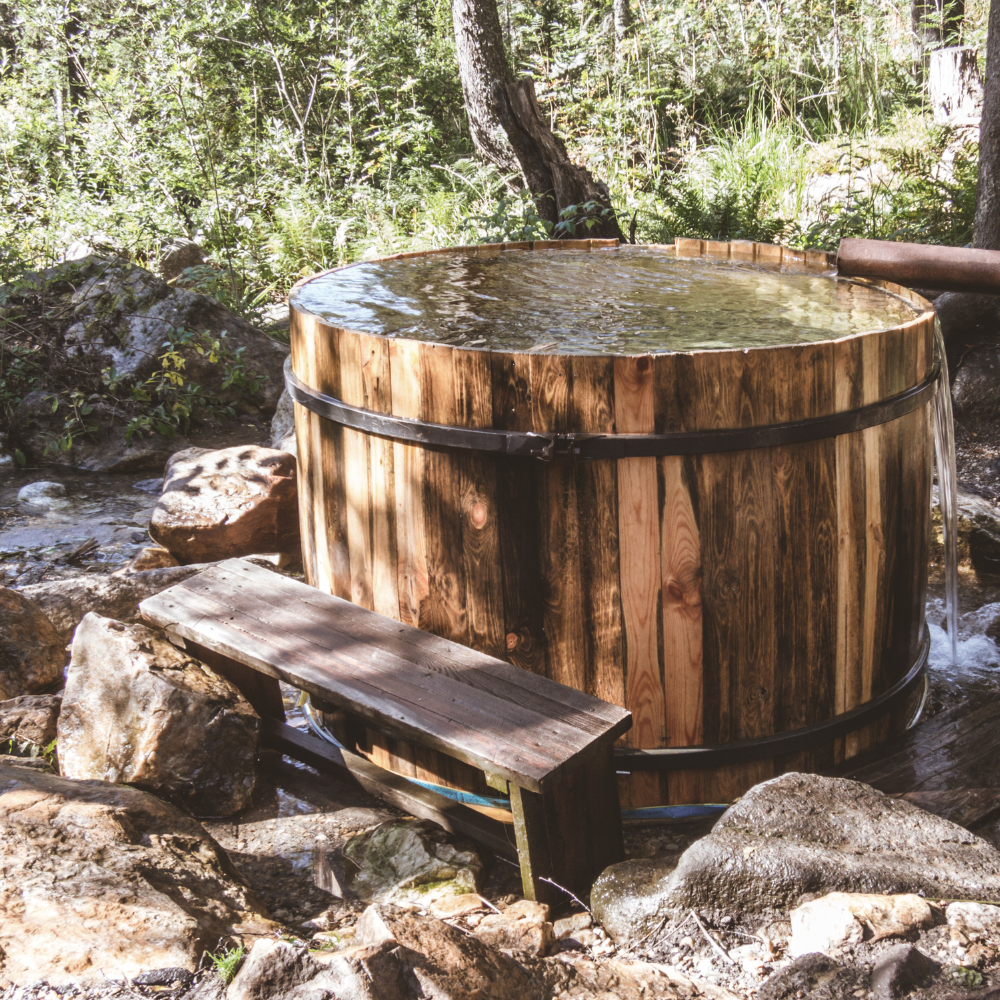
A cold plunge — also called cold water immersion — means submerging your body in cold water, typically between 50 and 59 degrees Fahrenheit, for anywhere from one to five minutes. That’s it. It can be a dedicated cold plunge pool, a bathtub filled with cold water and ice, a cold shower, or a natural body of water. The method matters less than the temperature and the consistency.
The practice dates back thousands of years. Ancient Greeks used cold baths as medical treatment. Scandinavian cultures built entire wellness rituals around the contrast between saunas and cold water immersion. Traditional Japanese culture has misogi — cold water purification rituals. The idea that cold water heals, clarifies, and restores is not new. What’s new is that wellness culture in the United States is finally paying attention.
What Cold Water Actually Does to Your Body
The moment cold water hits your skin, your body responds immediately and dramatically. Blood vessels constrict, circulation increases to protect your core, and your nervous system sends a signal that wakes up every part of you. That gasping, sharp-shock feeling in the first few seconds? That’s your body doing exactly what it’s designed to do.
Regular cold plunges have been linked to reduced inflammation, which matters enormously for women carrying chronic stress in their bodies. They stimulate the release of norepinephrine — a neurotransmitter that improves focus, mood, and energy — at levels significantly higher than most other activities. They’ve been shown to improve immune function, reduce cortisol over time, and support deeper sleep. And perhaps most relevantly for señoras who rarely give themselves permission to stop: a cold plunge forces a complete reset. You cannot think about your to-do list when you’re in cold water. Your entire nervous system is present, whether you want it to be or not.
What It Feels Like — Honestly
The first few seconds are the hardest. There’s a sharp shock, an involuntary gasp, and a strong instinct to get out immediately. This is normal. This is the point where most people quit, and also the point where the benefits begin.
If you stay — and you can, even when every part of you is saying you can’t — something shifts around the thirty-second mark. The shock softens into tingling. Your breathing steadies. A strange calm starts to settle in alongside the cold. By two minutes, many people describe feeling more awake and more present than they have all day. The moments after you get out are remarkable — warmth returns to your body fast, endorphins follow, and there’s a clarity and lightness that can last for hours.
It doesn’t get completely comfortable. But it gets easier, and it gets worth it.
How to Start Without Overdoing It
You don’t need an ice barrel or a cold plunge membership to begin. Start with the last sixty seconds of your shower on the coldest setting your water goes. That’s a legitimate starting point. Do that consistently for two weeks before adding more time or going colder.
When you’re ready to progress: fill your bathtub with cold water, add ice if you want to get the temperature lower, and aim for two to three minutes. Focus on your breathing — slow, controlled exhales help your nervous system regulate faster than anything else. Don’t hold your breath. Don’t fight the cold. Breathe through it.
Aim for two to three sessions per week rather than daily, especially when starting out. Morning sessions tend to produce the most energizing effects. Evening sessions can support sleep if you do them at least two hours before bed.
Who Should Be Careful
Cold plunges are powerful, which means they’re not appropriate for everyone without medical guidance. If you have heart disease, hypertension, or a history of cardiac events, talk to your doctor before trying this. The same applies if you’re pregnant, have Raynaud’s disease, or manage a chronic respiratory condition. Cold water immersion causes real physiological responses — treat it seriously and listen to your body above everything else.
Why This Feels Like a Señora Practice
There’s something about deliberately choosing discomfort in service of your own wellbeing that is deeply aligned with the señora way. We don’t do things because they’re trendy. We do them because they work, because our bodies know what they need, and because taking care of ourselves is an act of resistance for women who were taught to put everyone else first.
A cold plunge is two minutes that belong entirely to you. Two minutes of being completely, unavoidably present in your own body. For señoras who spend most of their time taking care of others, that’s not just wellness. That’s revolutionary.
Start small. Stay consistent. Take the plunge.
The Señora Edit
Discover the home, beauty, fashion, and wellness finds our readers are loving most this week.
Shop This Week’s Bestsellers →Shop This Week’s Bestsellers
Discover the home, beauty, fashion, and wellness finds our readers are loving most.
Shop Bestsellers →-
 Shop the Item
Bistro Tile Stoneware 24k Gold Accent Garden Hook Anthropologie
$20.00 -
 Shop the Item
Coralie Striped Lumbar Pillow Cover
$89.50 -
 Shop the Item
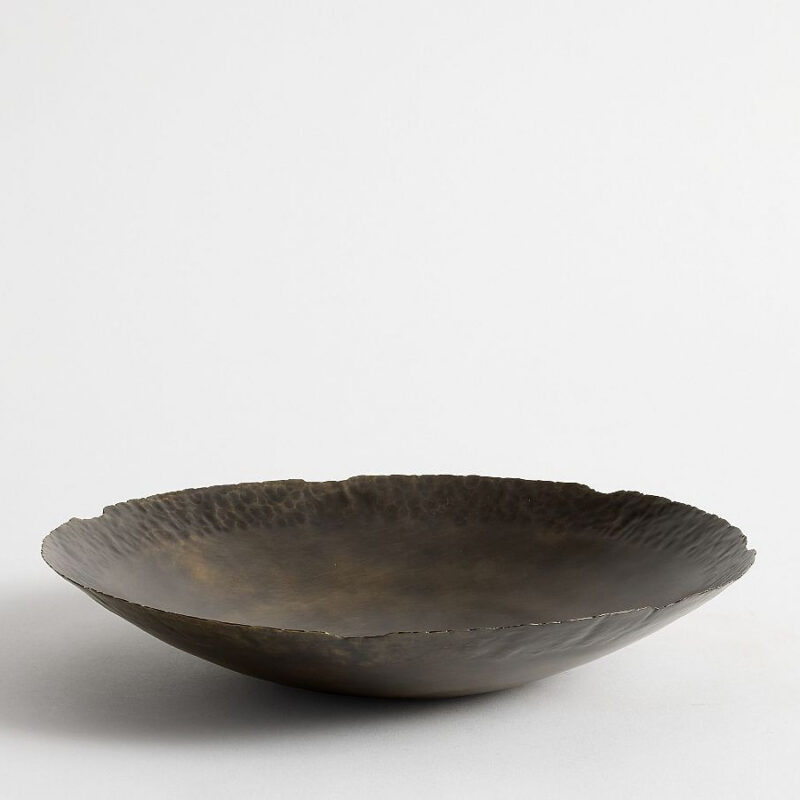
Antique Black Iron Decorative Bowl
$29.50 -
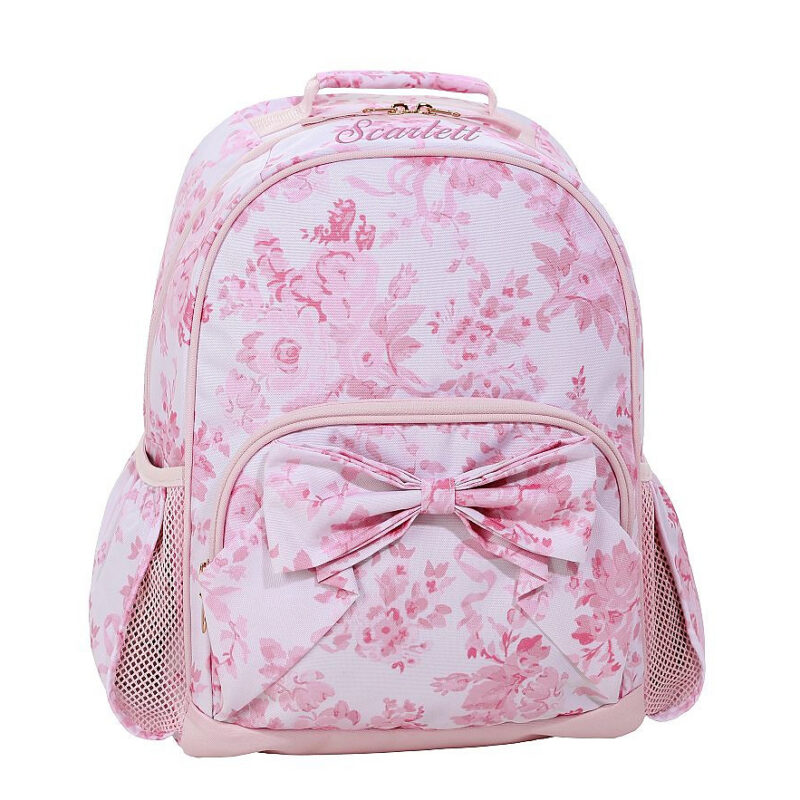 Shop the Item
LoveShackFancy Pink Damask Floral Mackenzie Backpack
$69.50 -
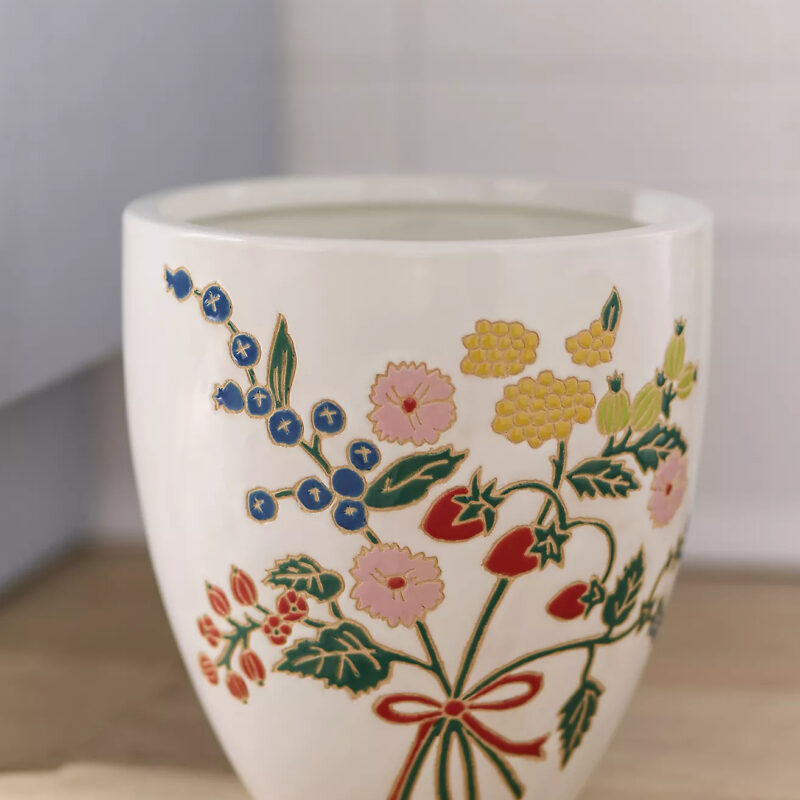 Shop the Item
Hand-Painted Ceramic Waste Bin
$68.00 -
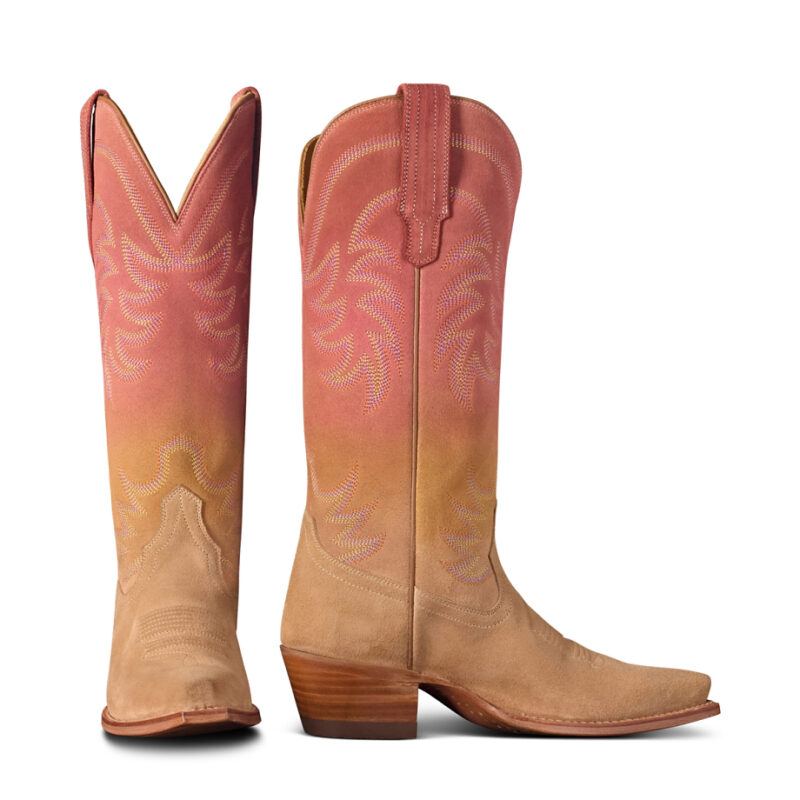 Shop the Item
The Annie Cowgirl Boot – Ombre suede | Tecovas
-
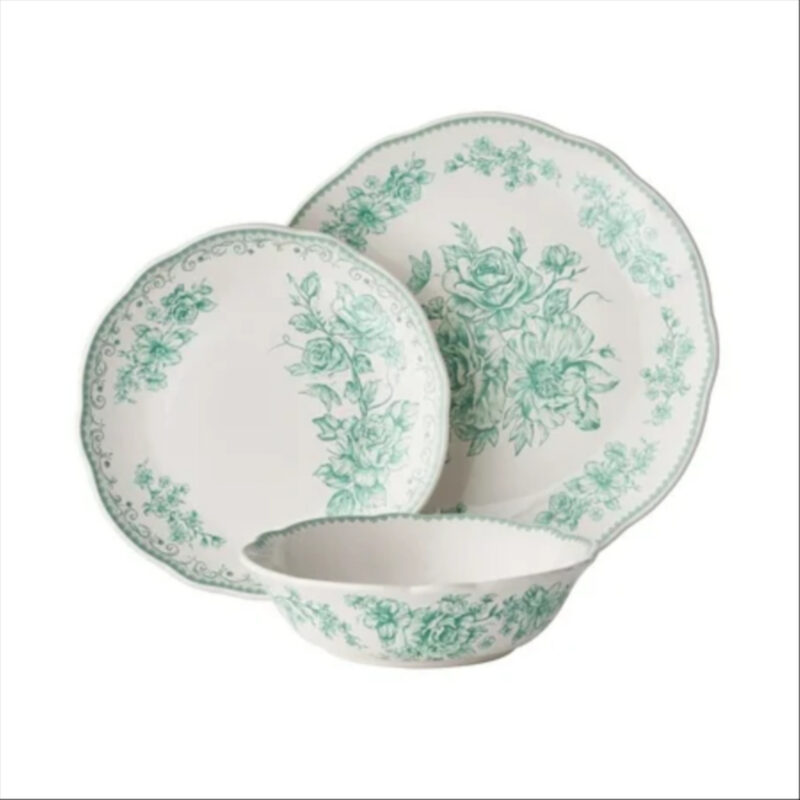 Shop the Item
The Pioneer Woman Agatha 12-Piece Stoneware Dinnerware Set, Green
-
 Shop the Item
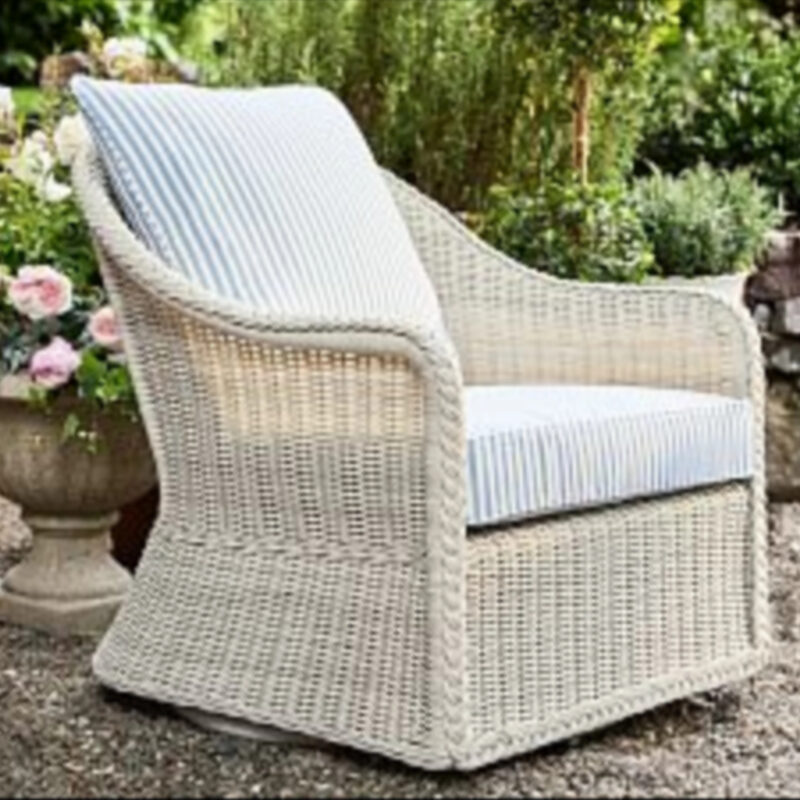
LoveShackFancy Wicker Swivel Outdoor Lounge Chair
-
 Shop the Item
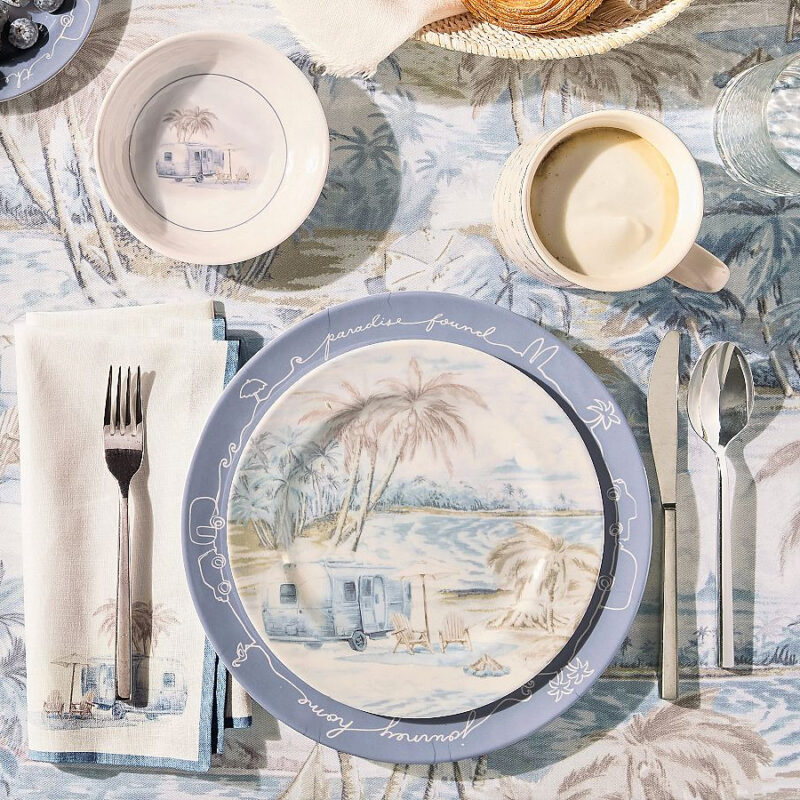
Airstream Outdoor Melamine Dinnerware Collection
-
 Shop the Item
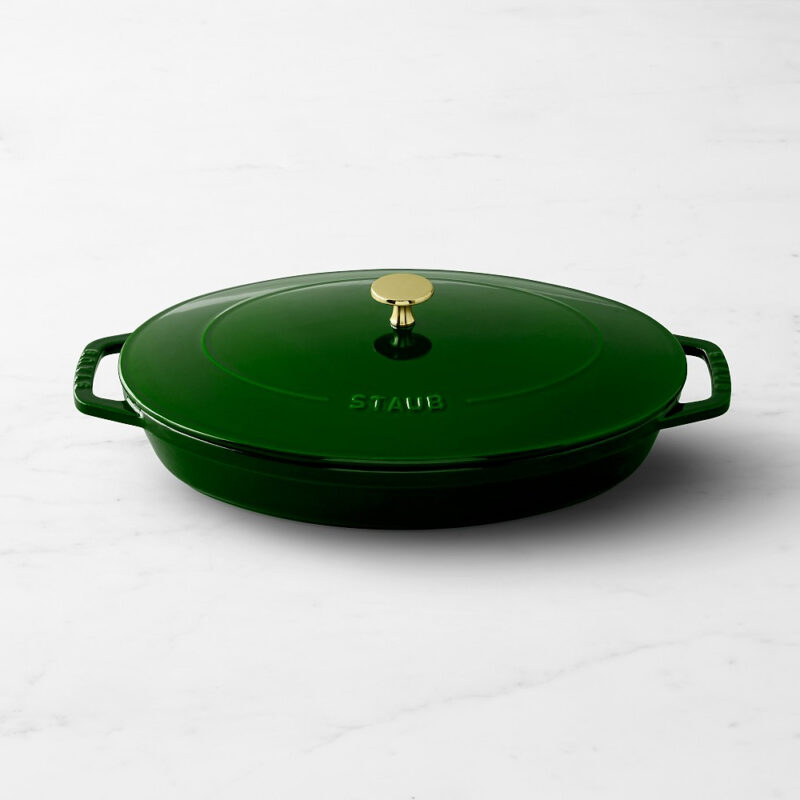
Staub Enameled Cast Iron Oval Gratin with Lid, 2.25 Qt. Staub Basil with Brass
-
 Shop the Item
LoveShackFancyTufted Swivel Vanity Chair
-
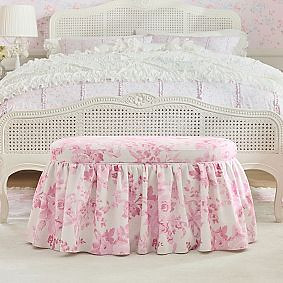 Shop the Item
LoveShackFancy Skirted Oval Storage Bench (33.5")
-
 Shop the Item
Granada Sham
-
 Shop the Item
Monique Lhuillier Garden Trellis Appetizer Plates – Set of 4
-
 Shop the Item
Kravet Arboretum Stoneware Dinnerware Sets
-
 Shop the Item
Jenny Martinez 16-pc. Stoneware Dinnerware Set, One Size, Blue
-
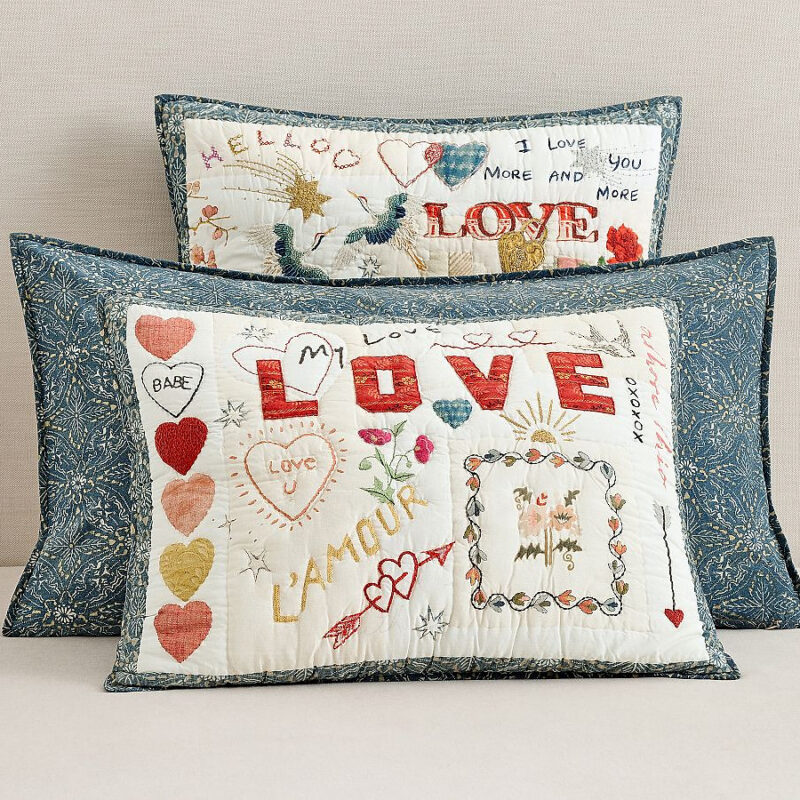 Shop the Item
Devin Embroidered Love Quilted Sham
$69.00 -
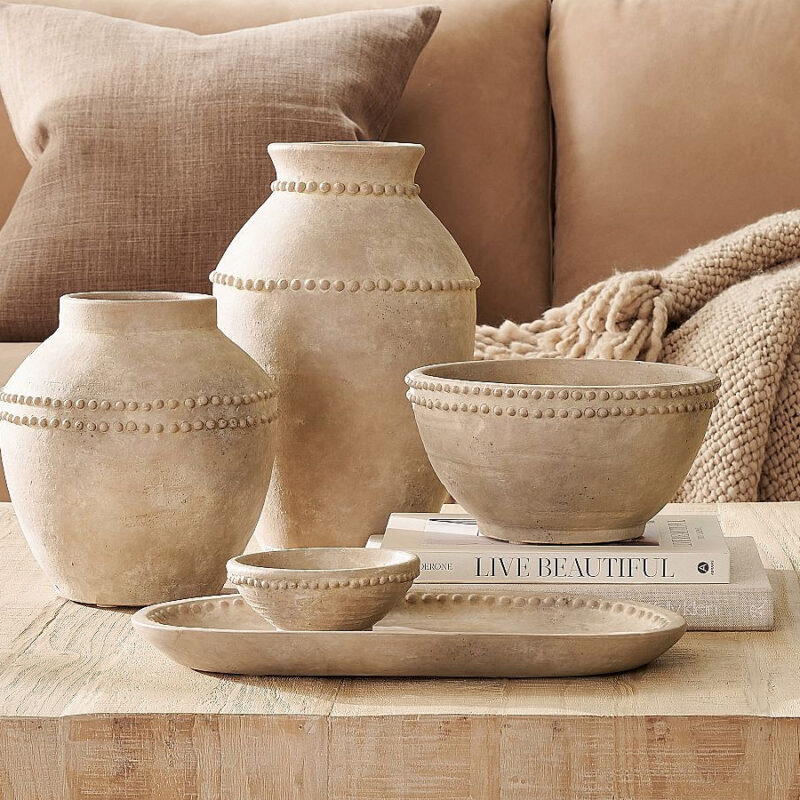 Shop the Item
Emilia Ceramic Collection
-
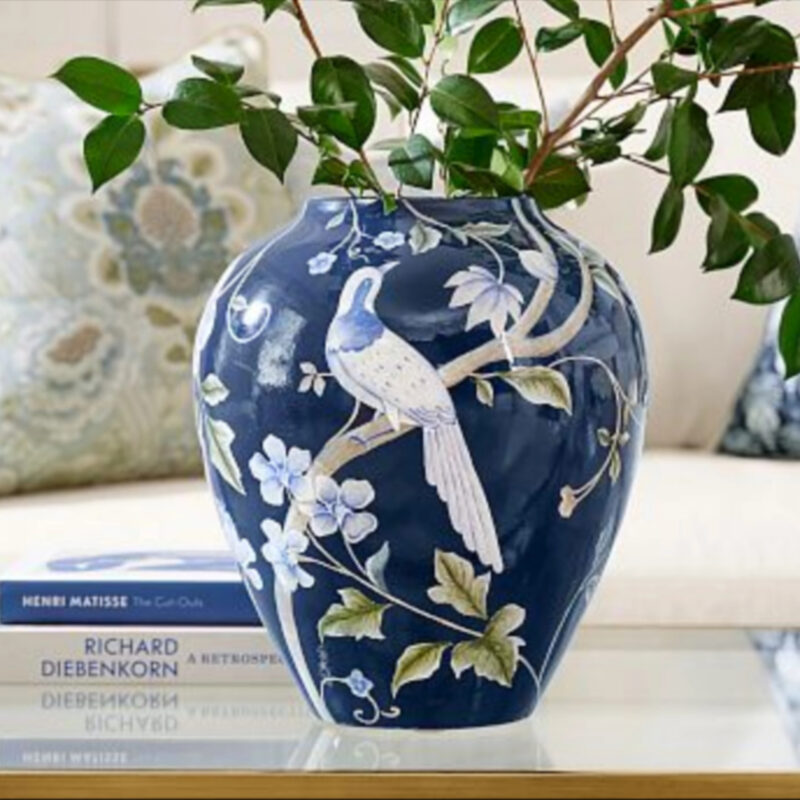 Shop the Item
Kravet Meadowlark Hand-Painted Vase
-
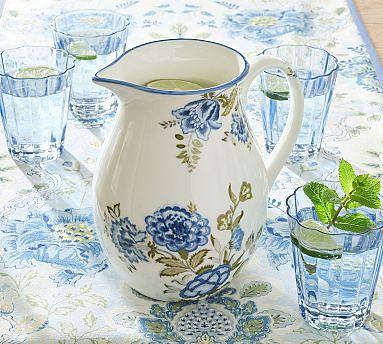 Shop the Item
Kravet Rosehill Stoneware Pitcher
-
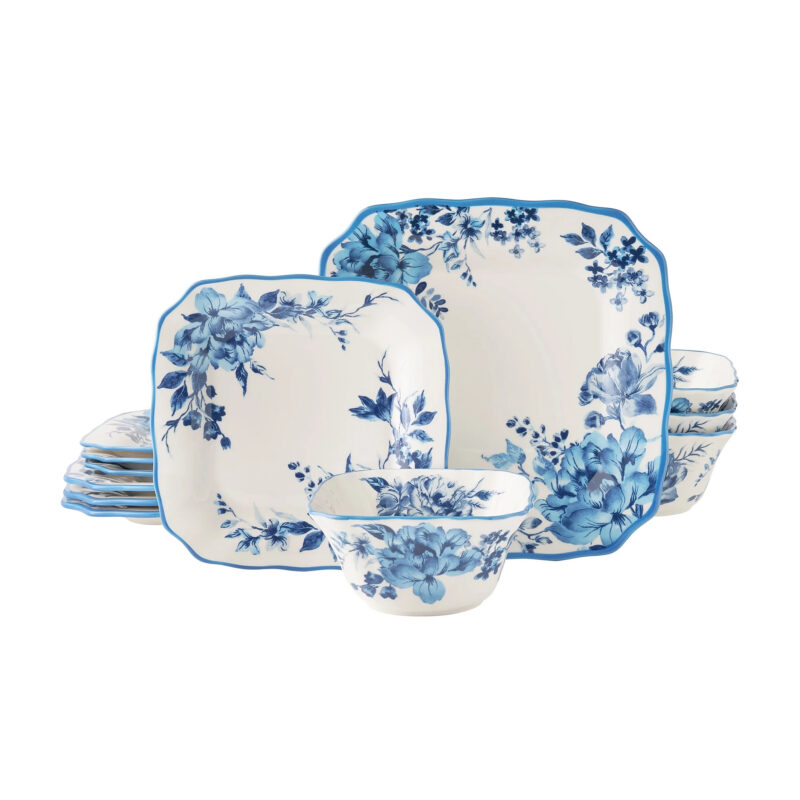 Shop the Item
The Pioneer Woman Delilah 12-Piece Stoneware Dinnerware Set, Blue – Walmart.com
-
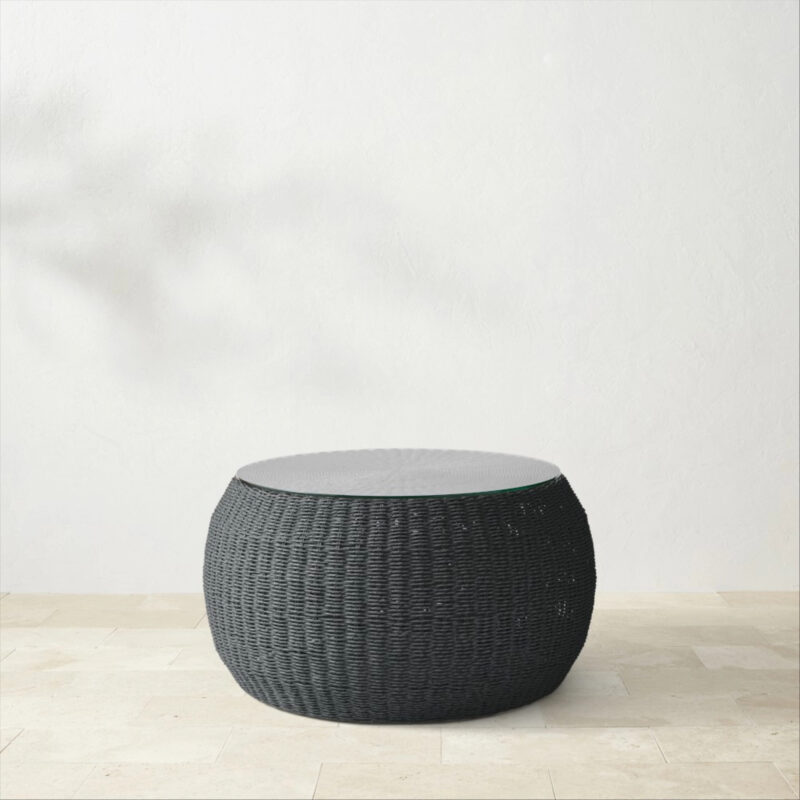 Shop the Item
Anders Outdoor Coffee Table (30"), Black
-
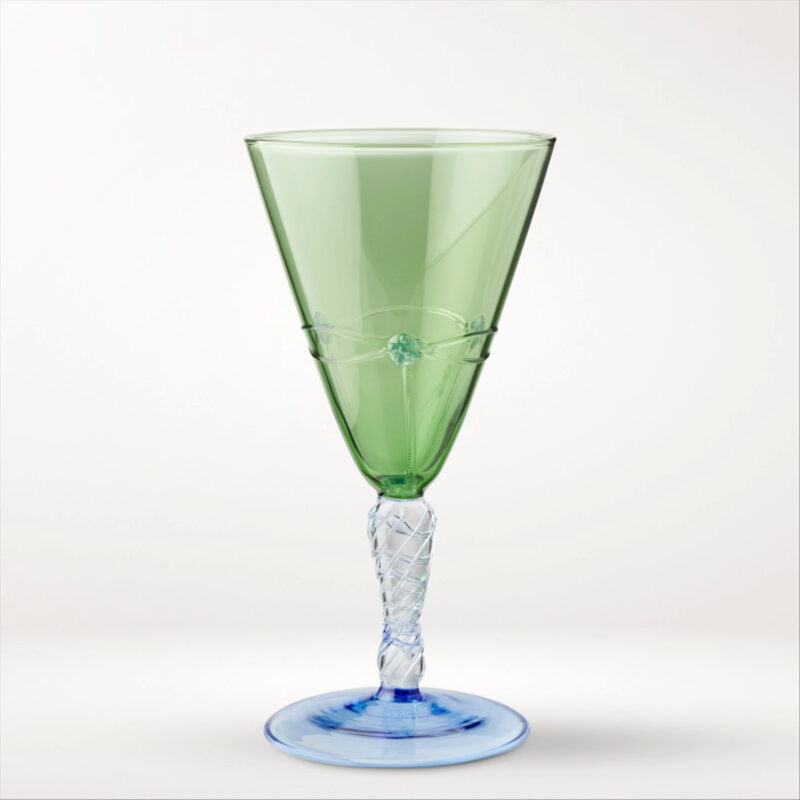 Shop the Item
Famille Rose Goblets, 10-oz
-
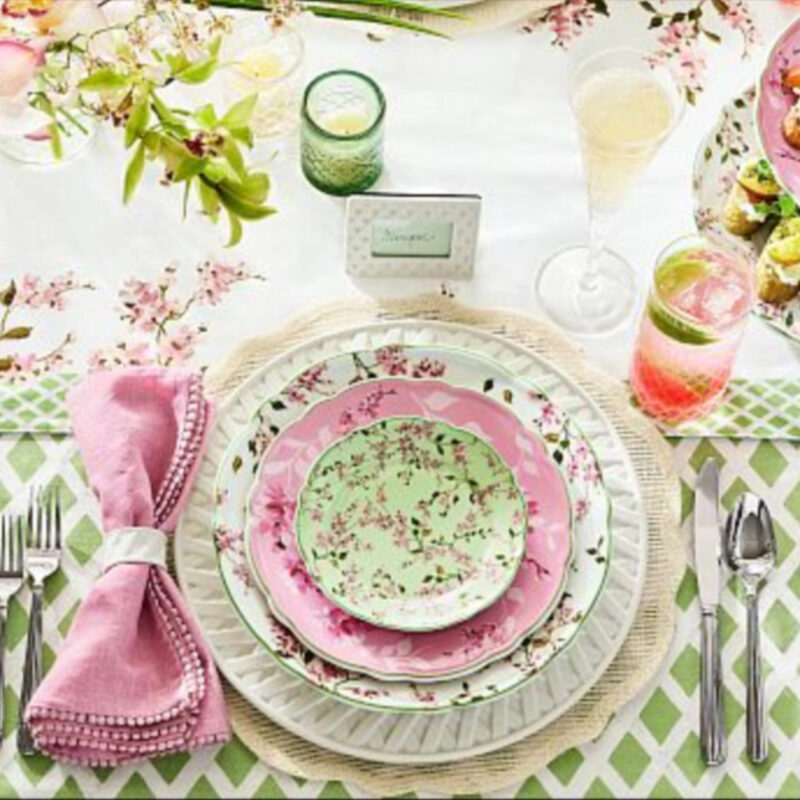 Shop the Item
Pottery Barn Monique Lhuillier Garden Trellis Appetizer Plates – Set of 4
$79.00 -
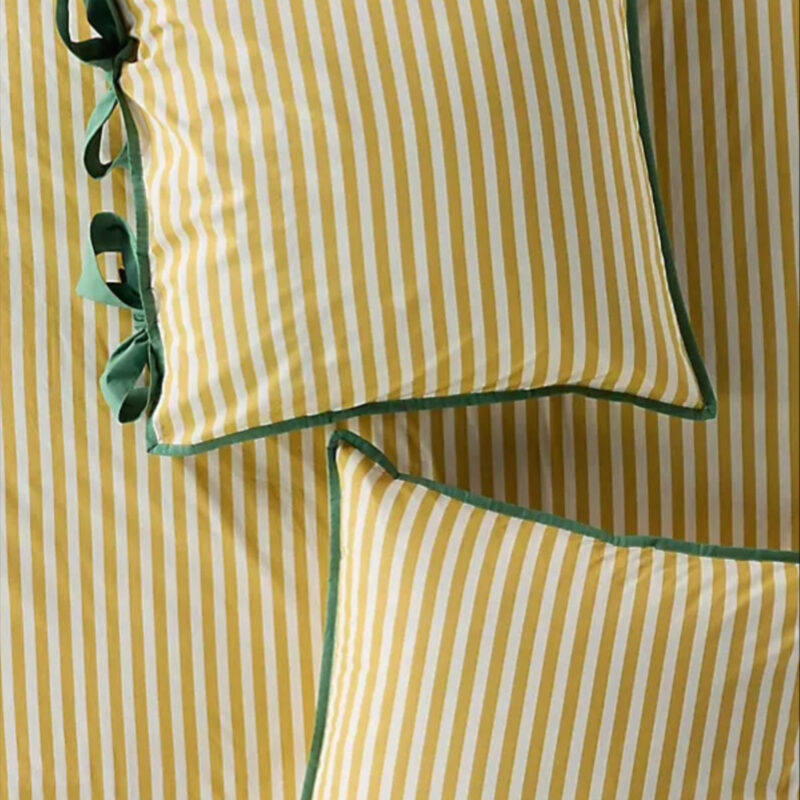 Shop the Item
Maeve by Anthropologie Brynne Cotton Percale Stripe Tie Printed Euro Sham
-
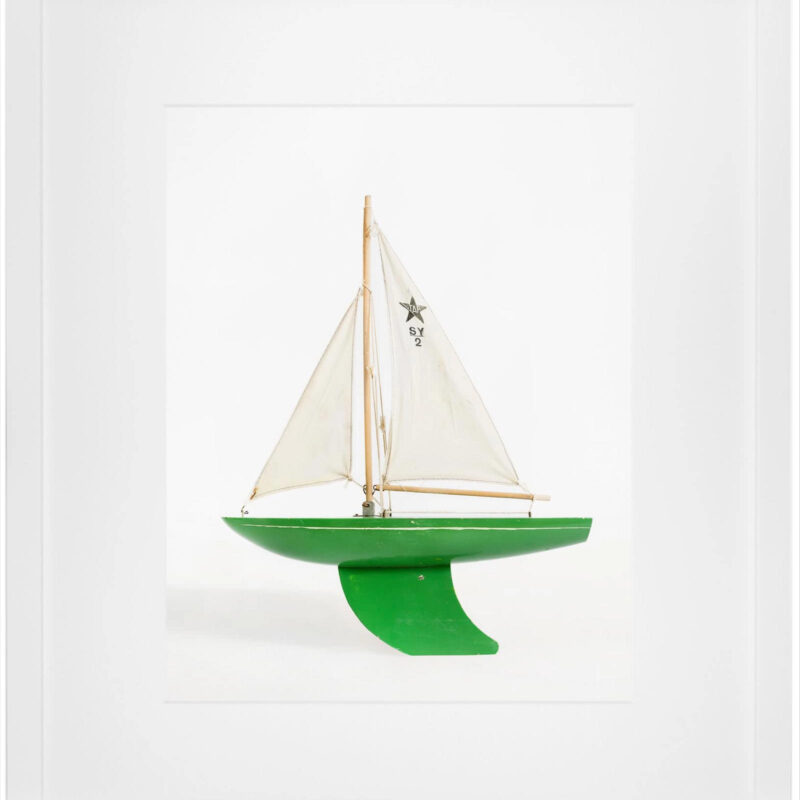 Shop the Item
Serena & Lily Green Boat by Leslee Mitchell
-
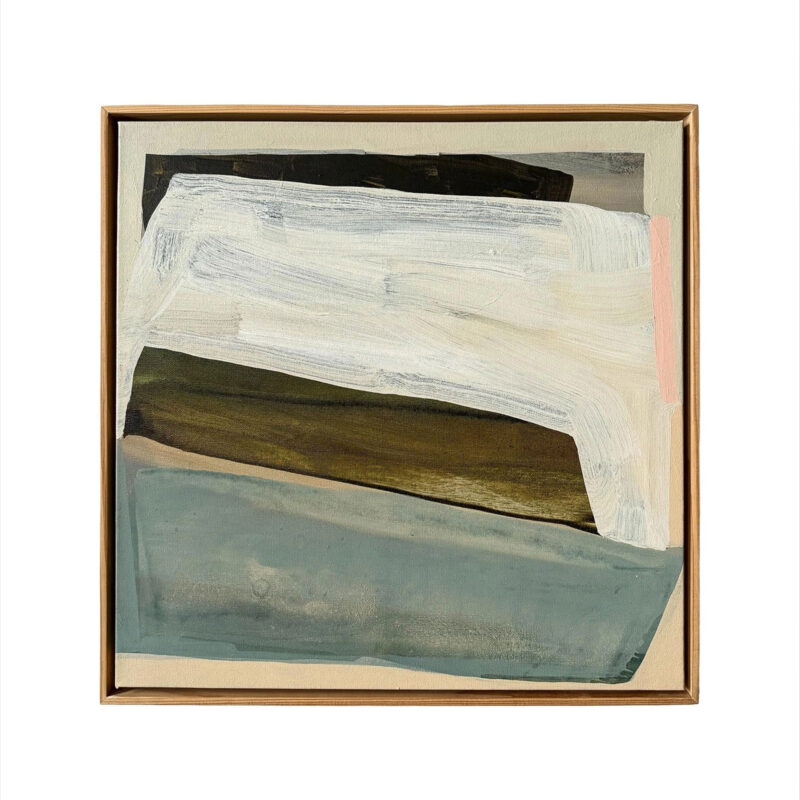 Shop the Item
Serena & Lily Emerald Island by Gina Gaetz
-
 Shop the Item
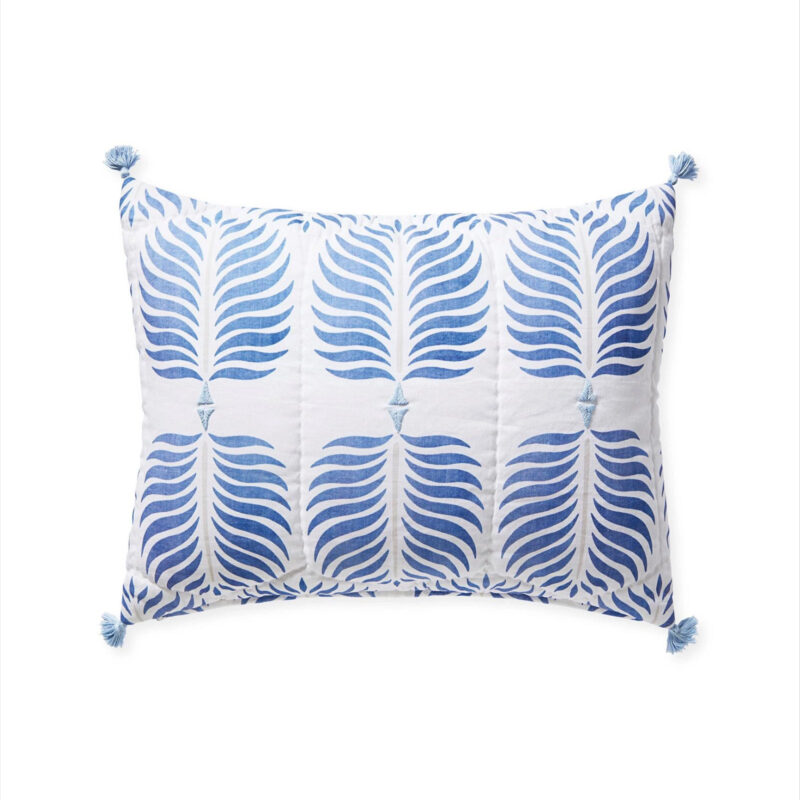
Serena & Lily Granada Sham
-
 Shop the Item
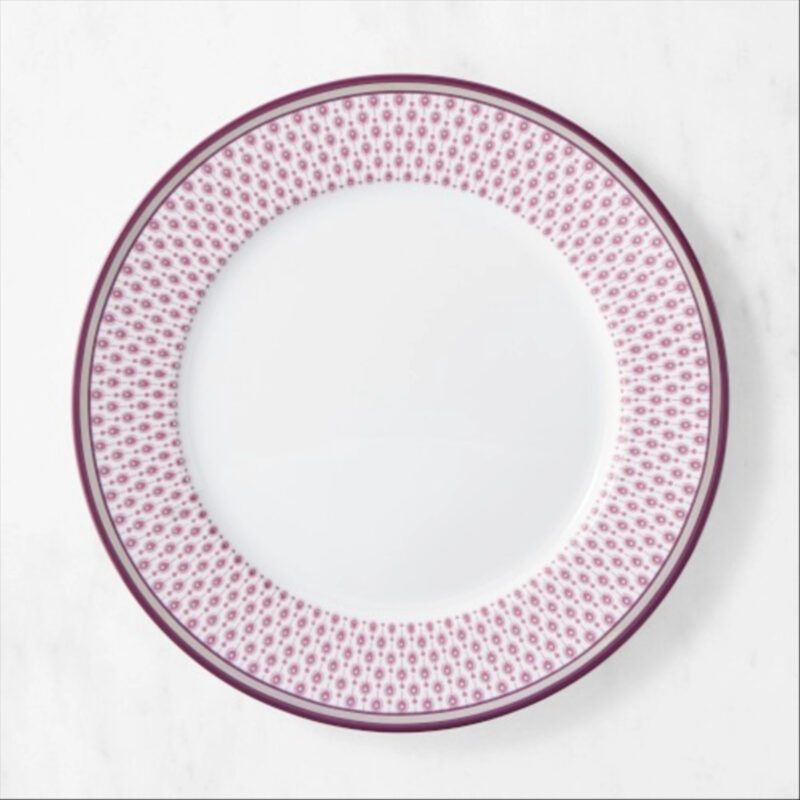
Williams Sonoma Williams Sonoma Regal Dinner Plates, Set of 8, Berry
-
 Shop the Item
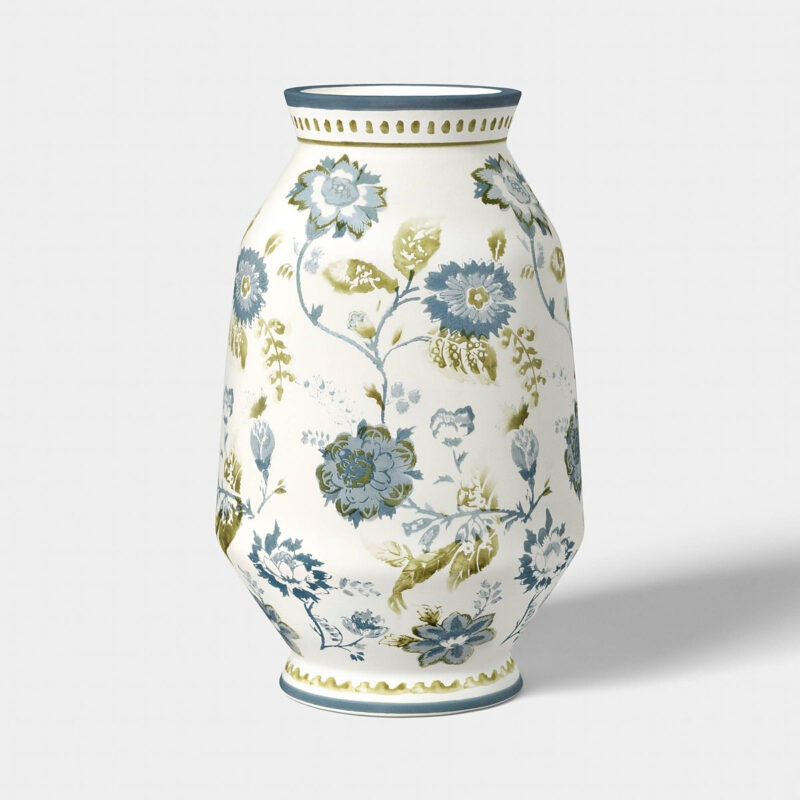
Tall Floral Painted Ceramic Vase Blue/Green – Threshold™