





This article may include affiliate links. We may earn a small commission if you shop through them.
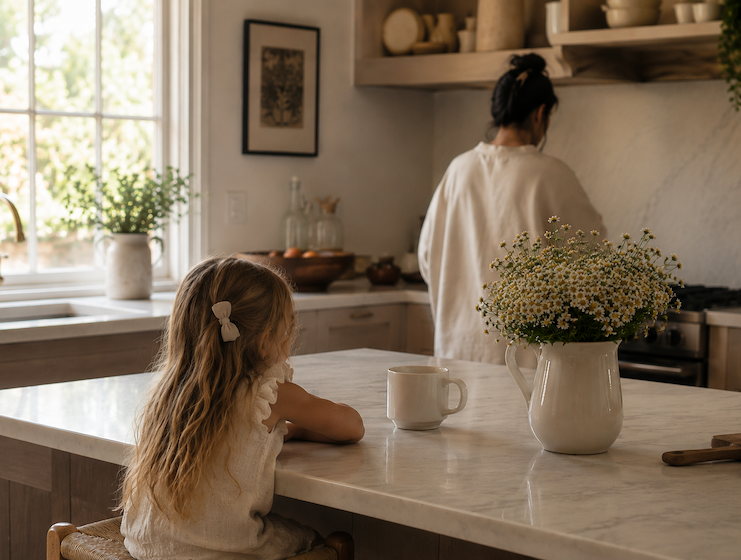
There was a season of my life when I thought a calm home meant perfection. I imagined spotless counters, organized drawers, matching baskets, soft music playing in the background, and children who peacefully moved from one wholesome activity to another. But real life rarely looks like that, especially when you are raising children, building businesses, managing schedules, carrying emotional labor, trying to stay healthy, trying to stay connected to your marriage, and trying not to lose yourself in the process. What I eventually realized is that calm homes are not perfect homes. They are intentional homes. And chaotic homes are not necessarily loud homes either. Some of the most chaotic homes look beautiful from the outside. The difference is usually invisible. It lives in the emotional atmosphere, in the pace of the home, in the nervous systems of the people inside it, and in whether the home supports the family or quietly overwhelms them. Over the years I have become almost obsessed with understanding why some homes instantly make you exhale while others leave you feeling overstimulated, scattered, anxious, or emotionally exhausted. And surprisingly, it is rarely about money. Some of the calmest homes I have ever walked into were simple, modest, deeply lived in spaces, while some of the most beautiful homes felt emotionally frantic. One of the biggest shifts for me was realizing that calm is created through energy management, not aesthetic perfection. A calm home does not mean toys never come out or laundry never piles up. It means the home has systems that allow life to flow without everyone constantly feeling behind. It means there is room to recover, room to reset, and room to breathe. I also want to say very honestly that I am only speaking from my own experience. I have one daughter, Margaux, and I know many of my friends with multiple children are operating in completely different realities than I am. Their homes are fuller, louder, busier, and often require an entirely different level of logistics and flexibility. I never want calm to sound like judgment because motherhood looks different for every family. I also know that my home can probably feel too minimal to some people. There are moments when friends come over and I wonder if they think our house feels overly edited or sparse compared to theirs. But the truth is that I have realized I personally need emotional space as much as I need physical space. I am deeply affected by visual clutter, noise, overstimulation, and too many things competing for my attention at once. For me, minimalism was never really about aesthetics. It was about protecting my nervous system. When my environment feels calmer, I become calmer. I become a more patient mother, a softer wife, a more present person. And honestly, that matters more to me than whether my home looks perfectly styled or impresses anyone else. I also think every person responds differently to their environment, and what feels comforting to one person may feel overwhelming to another. Some people thrive in fuller, busier homes that feel active and alive, while others, like me, feel calmer when there is a little more visual space to breathe. I have personally noticed that when too many things start piling up around me, whether it is laundry waiting to be folded, unopened mail, unfinished projects, or just the general messiness of real life, I start feeling mentally overstimulated without even realizing it. It is less about the actual mess and more about how my brain processes it. For me, creating calmer spaces is not about perfection or strict organization. It is simply about reducing a little bit of friction in our daily life so our home feels easier to move through emotionally. But I truly think this looks different for every family, every personality, and every season of life. I have also noticed that calm homes usually have predictable rhythms. Not rigid schedules, but rhythms. Simple anchors throughout the day that make life feel emotionally steady. Morning light, music while getting ready, dinner around the same time most nights, a reset before bed, slower weekends, little rituals that tell the body it is safe to settle. Some of my favorite moments with Margaux are honestly the smallest ones. Early mornings before school when the kitchen is still quiet, music softly playing while I make breakfast, her sitting at the counter talking to me about golf or dance or whatever seven year old thought is currently consuming her world. Those moments always remind me that children do not actually need perfection. They need steadiness. They need presence. They need homes that feel emotionally safe to land in. Chaos often comes from constant unpredictability. Running late, eating at random times, overcommitting, constantly rushing from one thing to another without transitions or pauses. Eventually the entire household starts reacting instead of living intentionally. I notice this especially with children. Children become calmer when the home itself feels emotionally steady. Not strict, just steady. I also think modern life has created sensory overload in ways we barely notice anymore. The television is constantly on, phones are buzzing, bright overhead lights stay on all evening, toys and clutter fill every room, and everyone is consuming information nonstop. The nervous system never fully settles. One of the simplest things I started doing was becoming more protective of the sensory experience inside our home. Lower lighting at night, less background noise, candles at dinner, music instead of television, opening windows whenever possible, slowing the pace of my own movements, and creating softer visual spaces with natural textures and neutral colors. Homes absorb the energy of the people inside them, and children especially absorb the emotional temperature of a space. Another thing I have learned is that some homes feel chaotic because everyone inside them is performing. Performing productivity, performing perfection, performing busyness, performing success. The home stops becoming a refuge and starts becoming another stage. A calm home allows people to exist without constantly proving something. You can rest there. You can be quiet there. You can leave dishes in the sink for a moment and still feel emotionally safe. I think women especially carry enormous pressure to create homes that look impressive, but some of the most calming homes are simply homes where people feel accepted. Homes where the mother is not operating from constant overwhelm, where there is emotional softness, and where nobody feels like they are failing all the time. I have also noticed that chaotic homes tend to create endless decision fatigue. Too many clothes, too many toys, too many commitments, too many unfinished systems, too many things constantly demanding attention. Everything feels mentally loud. Calm homes simplify decisions. Meals become simpler. Closets become more intentional. Schedules become more protected. Even children seem calmer when life becomes less overstimulating. I used to think simplicity sounded boring, but now I honestly think simplicity is one of the greatest luxuries. And perhaps most importantly, I think calm homes are built slowly. Not in one Target run, one organizational binge, or one expensive renovation. They are built through repeated small choices over time. The choice to reset the kitchen before bed. The choice to protect family dinners. The choice to not overschedule every weekend. The choice to speak gently. The choice to put the phone down. The choice to create little rituals that make life feel softer. Fresh flowers on the counter, soup simmering on the stove, music while folding laundry, reading in bed, children helping in the kitchen, lingering a little longer at dinner. A calm home is not a design style. It is a way of living. The truth is that every home becomes chaotic sometimes, especially during hard seasons, especially with children, especially when building businesses and dreams and full lives. But I do not think the goal is to eliminate all chaos. I think the goal is to create a home that knows how to return to calm. A home that helps everyone regulate instead of dysregulate. A home that feels emotionally safe. A home that allows people to exhale. For me, that has become the real definition of luxury. Not perfection, not impressiveness, not endless productivity, just peace. And honestly, I think that is what so many women are truly craving right now. Not necessarily bigger lives, but softer ones. More intentional ones. Homes that feel like a deep breath at the end of the day. That is the kind of home I am trying to build, slowly, imperfectly, but very intentionally.Shop This Week’s Bestsellers
Discover the home, beauty, fashion, and wellness finds our readers are loving most.
Shop Bestsellers →-
 Shop the Item
Bistro Tile Stoneware 24k Gold Accent Garden Hook Anthropologie
$20.00 -
 Shop the Item
Coralie Striped Lumbar Pillow Cover
$89.50 -
 Shop the Item
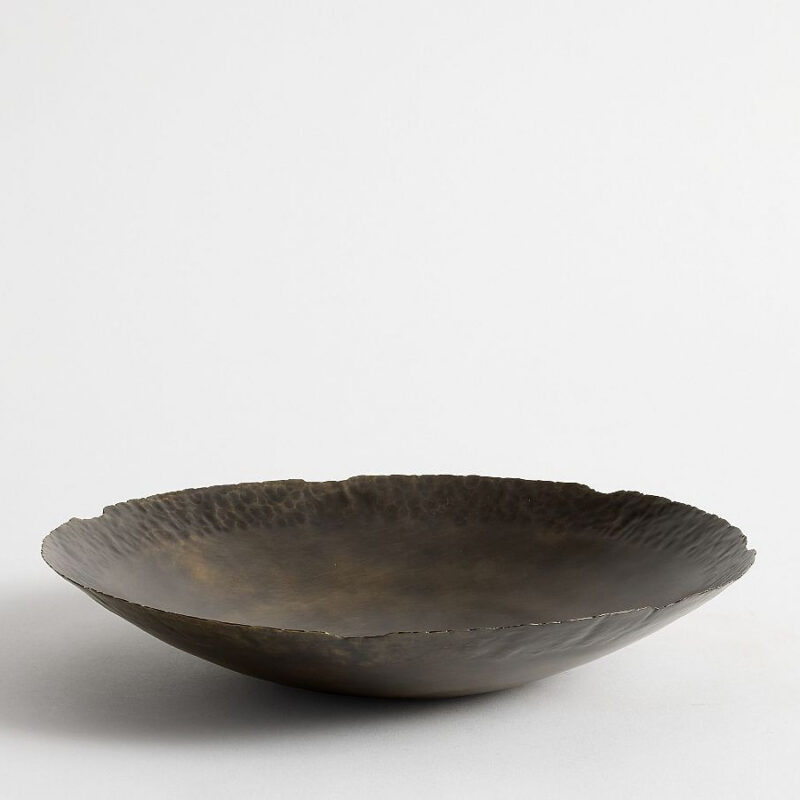
Antique Black Iron Decorative Bowl
$29.50 -
 Shop the Item
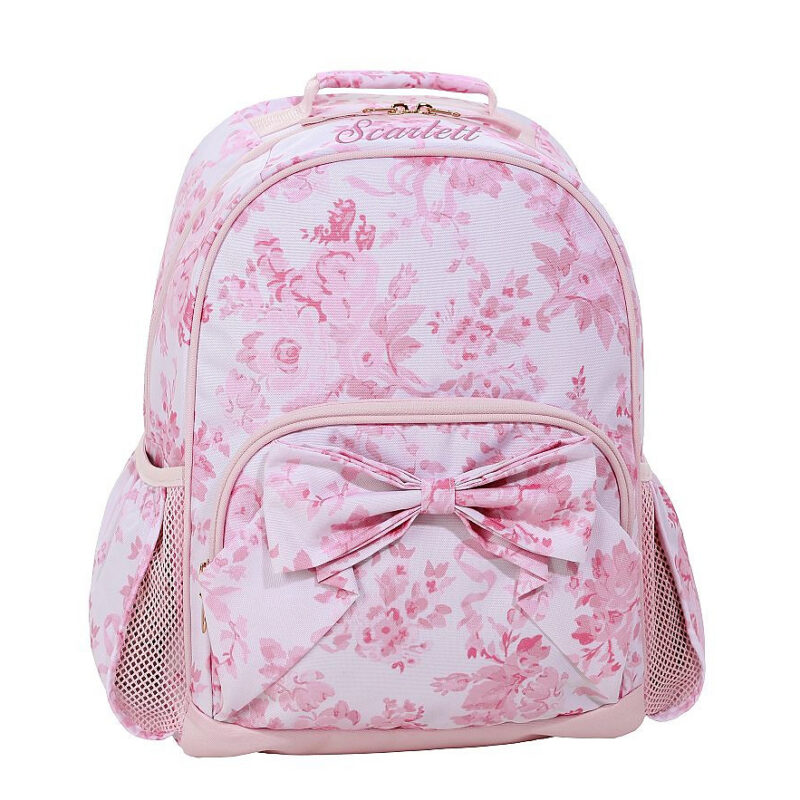
LoveShackFancy Pink Damask Floral Mackenzie Backpack
$69.50 -
 Shop the Item
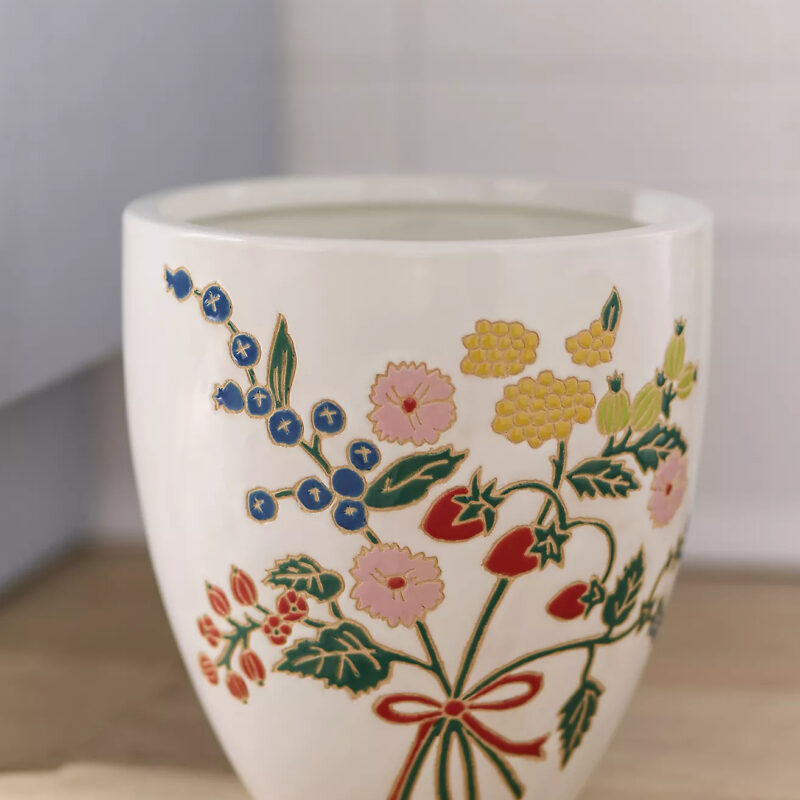
Hand-Painted Ceramic Waste Bin
$68.00 -
 Shop the Item
The Annie Cowgirl Boot – Ombre suede | Tecovas
-
 Shop the Item
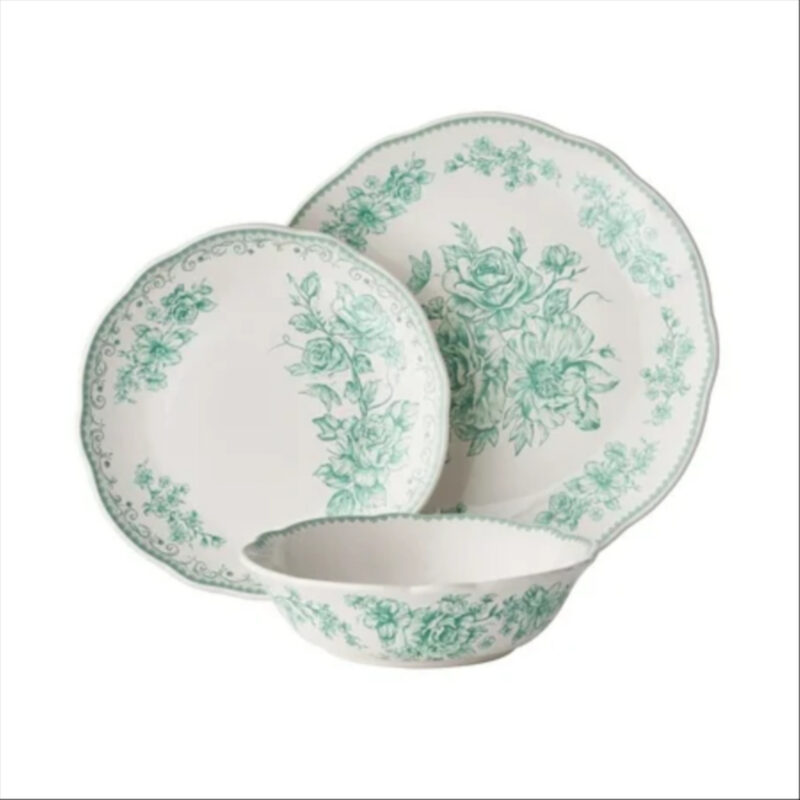
The Pioneer Woman Agatha 12-Piece Stoneware Dinnerware Set, Green
-
 Shop the Item
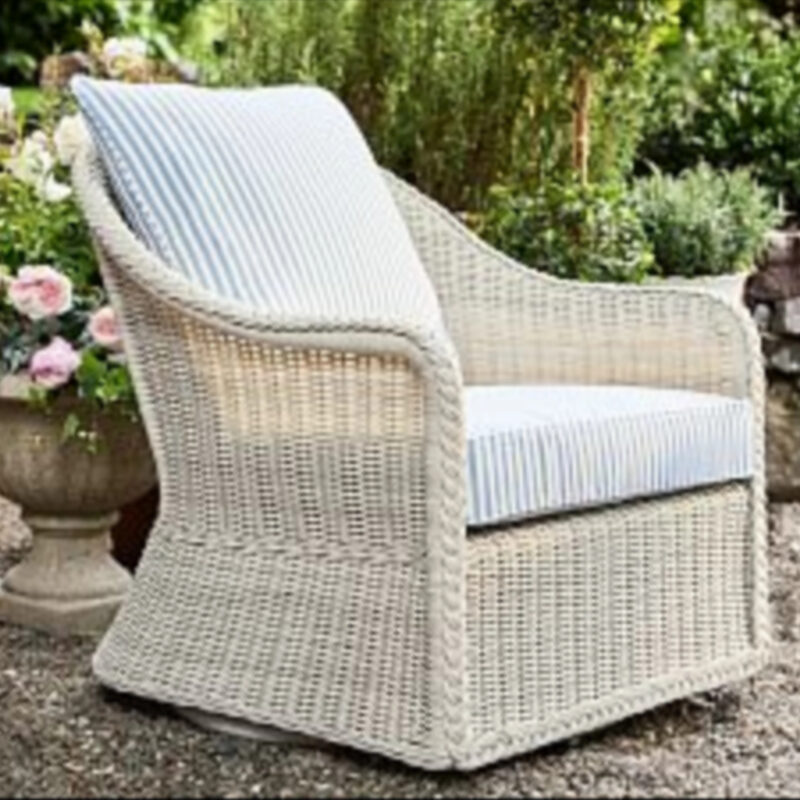
LoveShackFancy Wicker Swivel Outdoor Lounge Chair
-
 Shop the Item
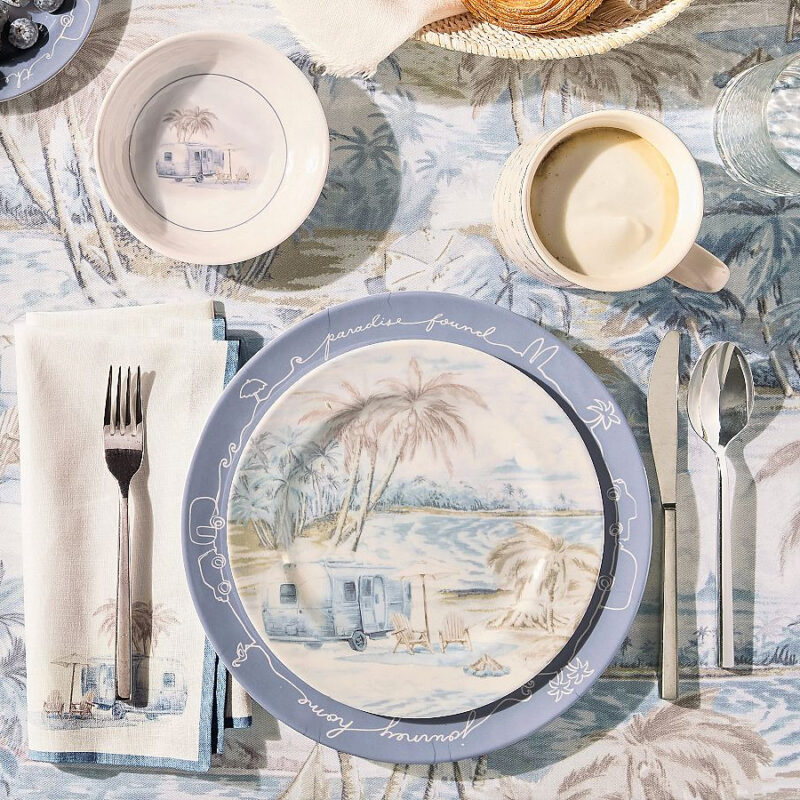
Airstream Outdoor Melamine Dinnerware Collection
-
 Shop the Item
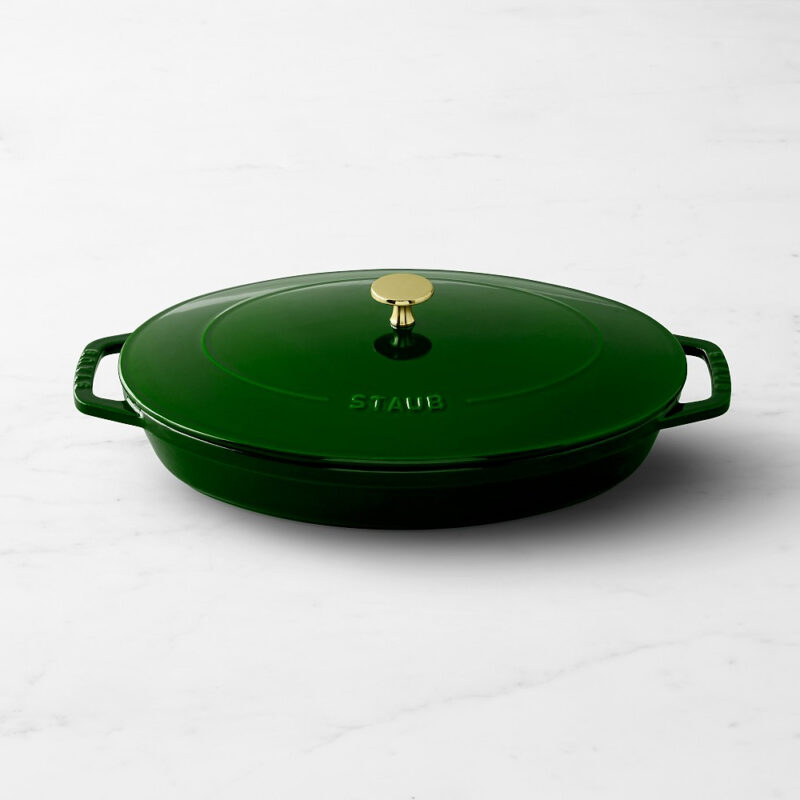
Staub Enameled Cast Iron Oval Gratin with Lid, 2.25 Qt. Staub Basil with Brass
-
 Shop the Item
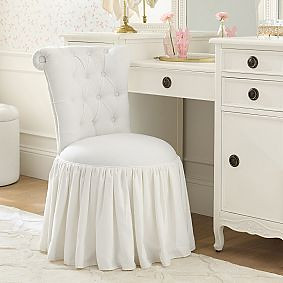
LoveShackFancyTufted Swivel Vanity Chair
-
 Shop the Item
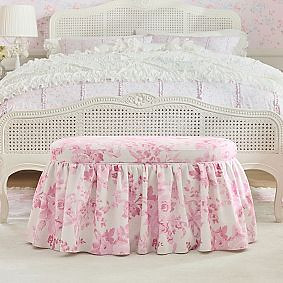
LoveShackFancy Skirted Oval Storage Bench (33.5")
-
 Shop the Item
Granada Sham
-
 Shop the Item
Monique Lhuillier Garden Trellis Appetizer Plates – Set of 4
-
 Shop the Item
Kravet Arboretum Stoneware Dinnerware Sets
-
 Shop the Item
Jenny Martinez 16-pc. Stoneware Dinnerware Set, One Size, Blue
-
 Shop the Item
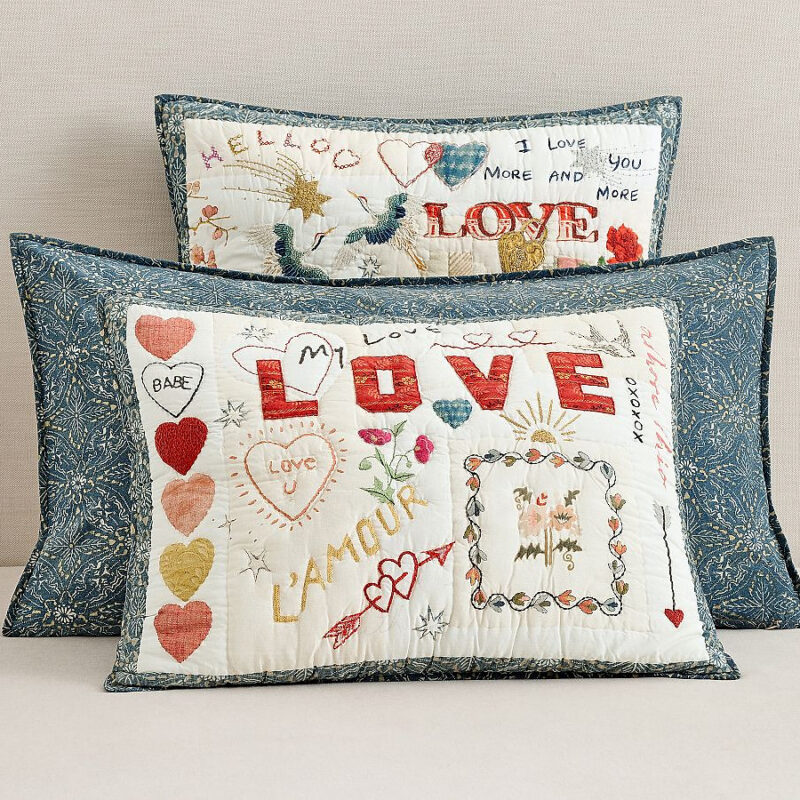
Devin Embroidered Love Quilted Sham
$69.00 -
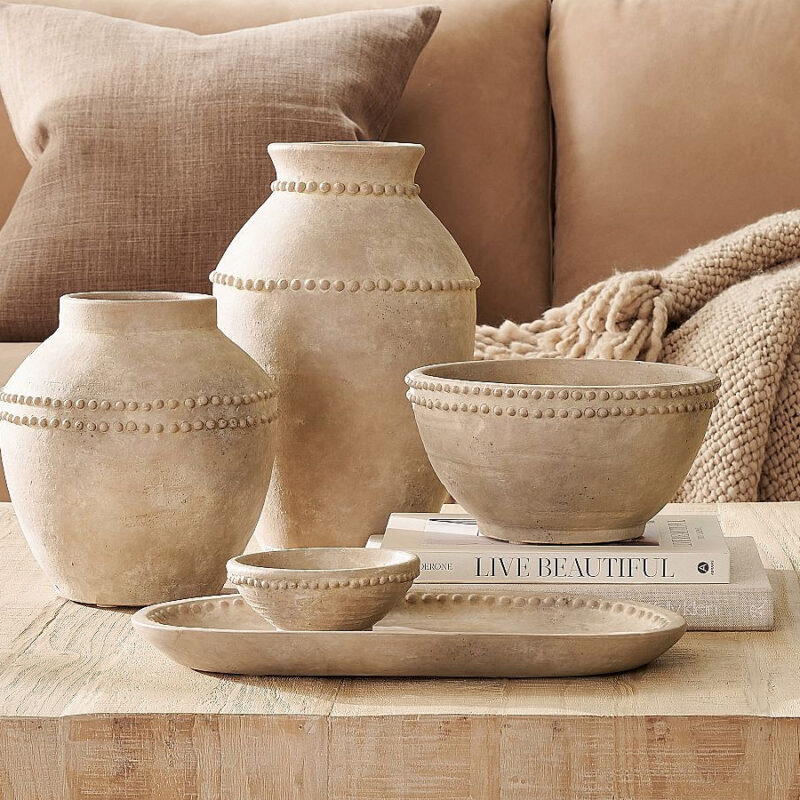 Shop the Item
Emilia Ceramic Collection
-
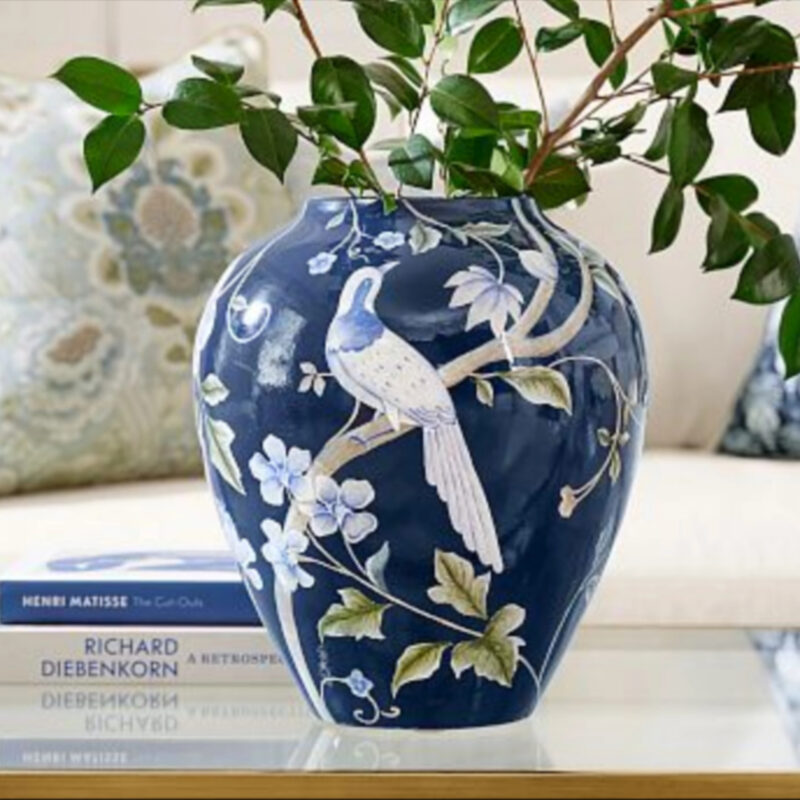 Shop the Item
Kravet Meadowlark Hand-Painted Vase
-
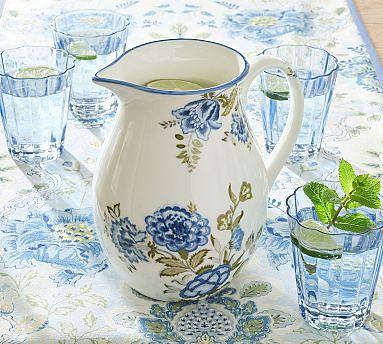 Shop the Item
Kravet Rosehill Stoneware Pitcher
-
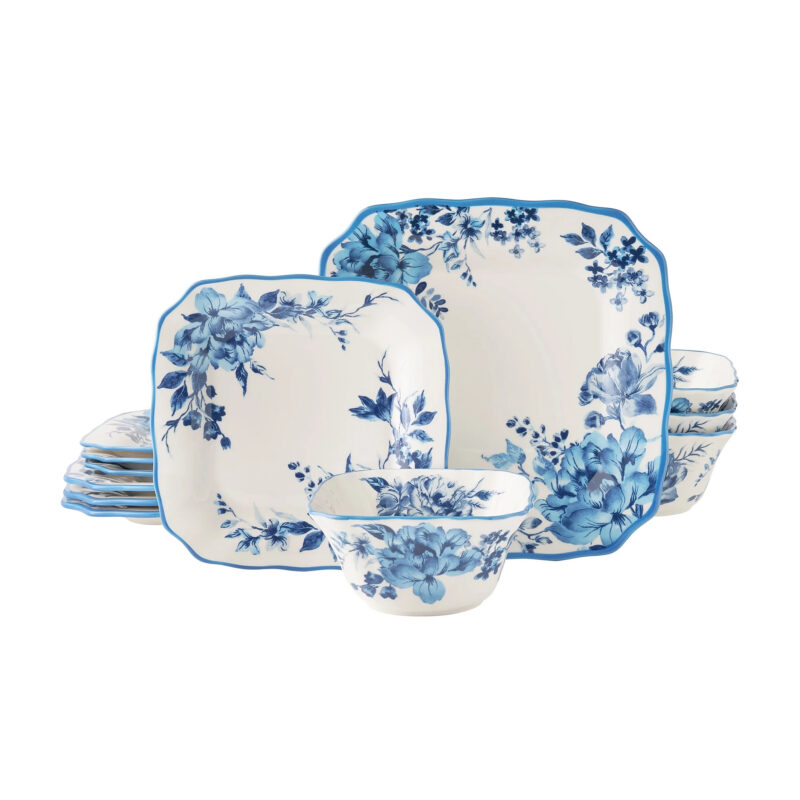 Shop the Item
The Pioneer Woman Delilah 12-Piece Stoneware Dinnerware Set, Blue – Walmart.com
-
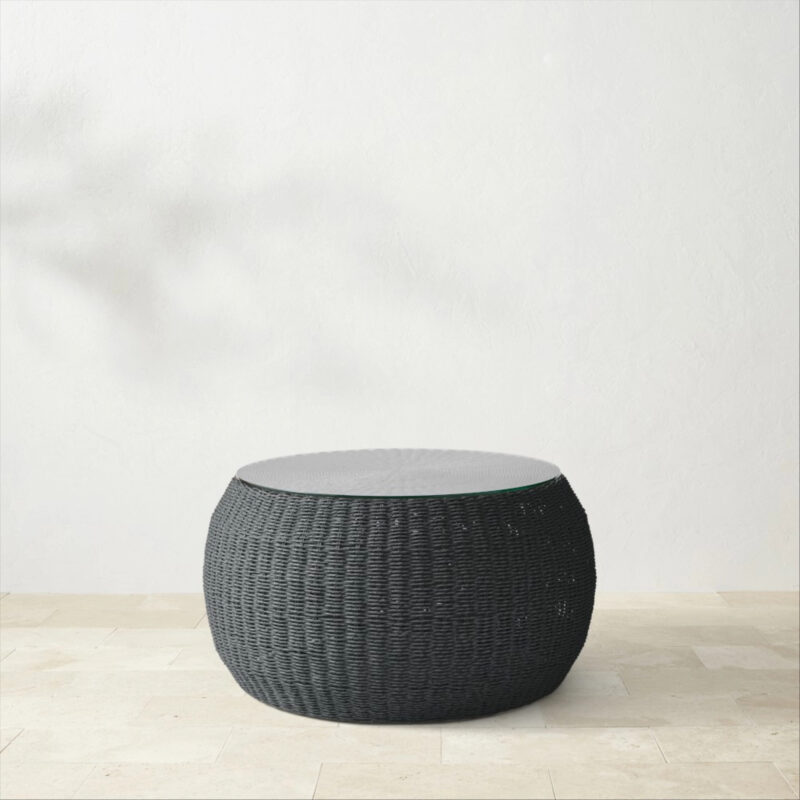 Shop the Item
Anders Outdoor Coffee Table (30"), Black
-
 Shop the Item
Famille Rose Goblets, 10-oz
-
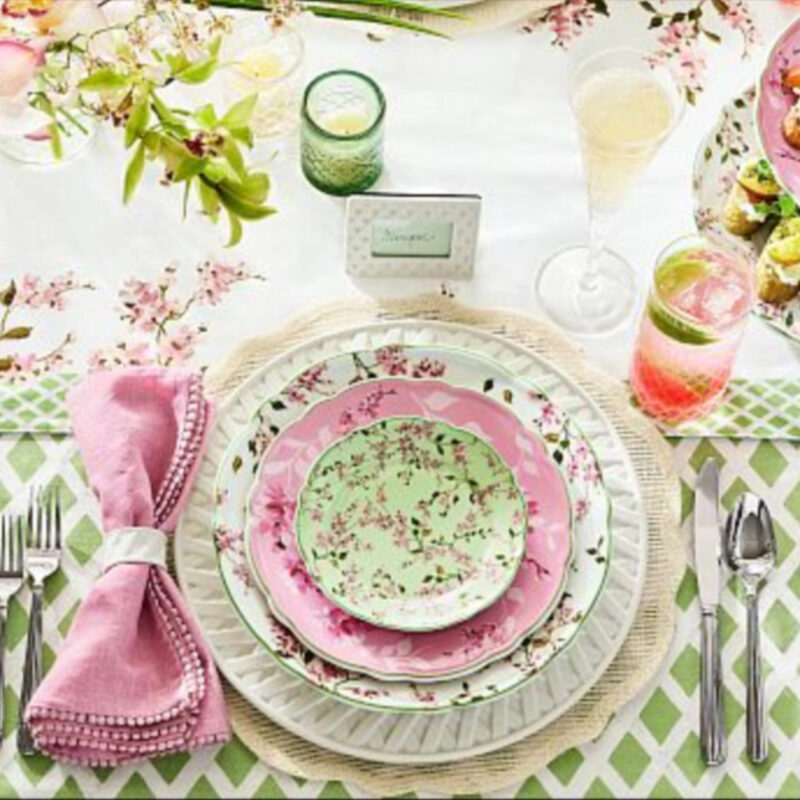 Shop the Item
Pottery Barn Monique Lhuillier Garden Trellis Appetizer Plates – Set of 4
$79.00 -
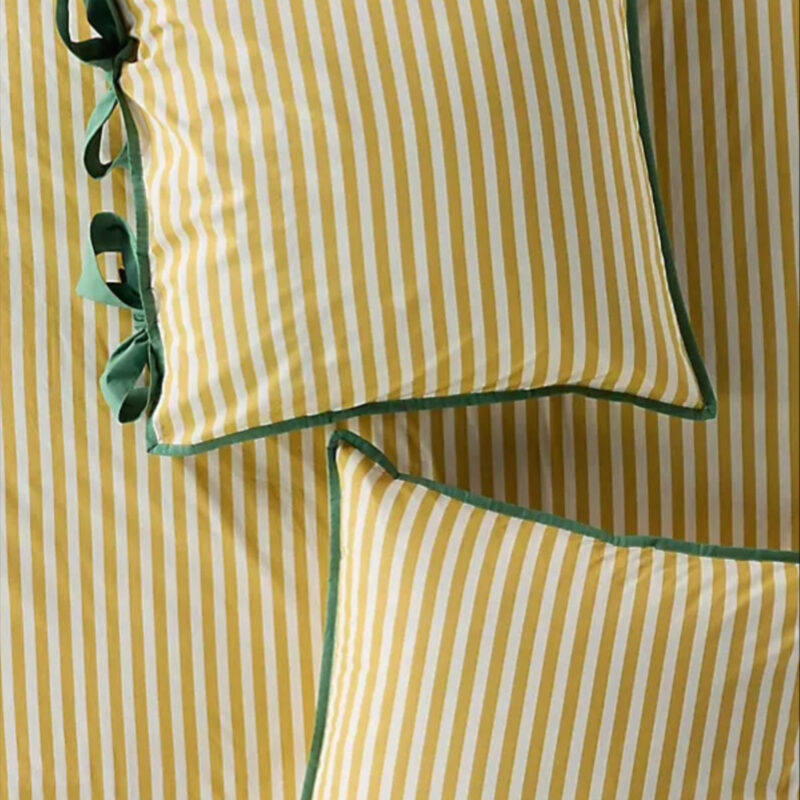 Shop the Item
Maeve by Anthropologie Brynne Cotton Percale Stripe Tie Printed Euro Sham
-
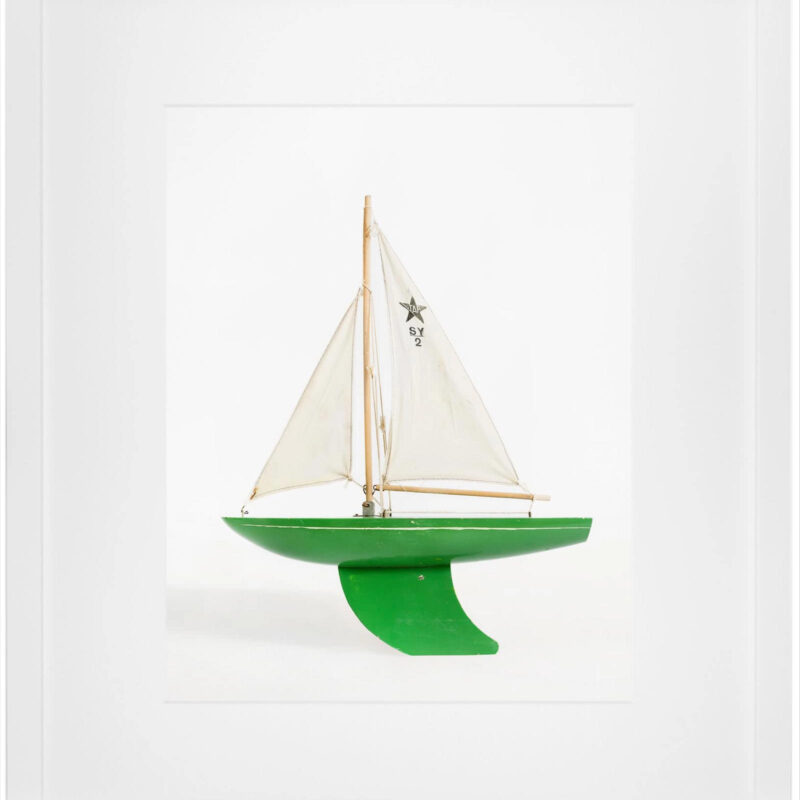 Shop the Item
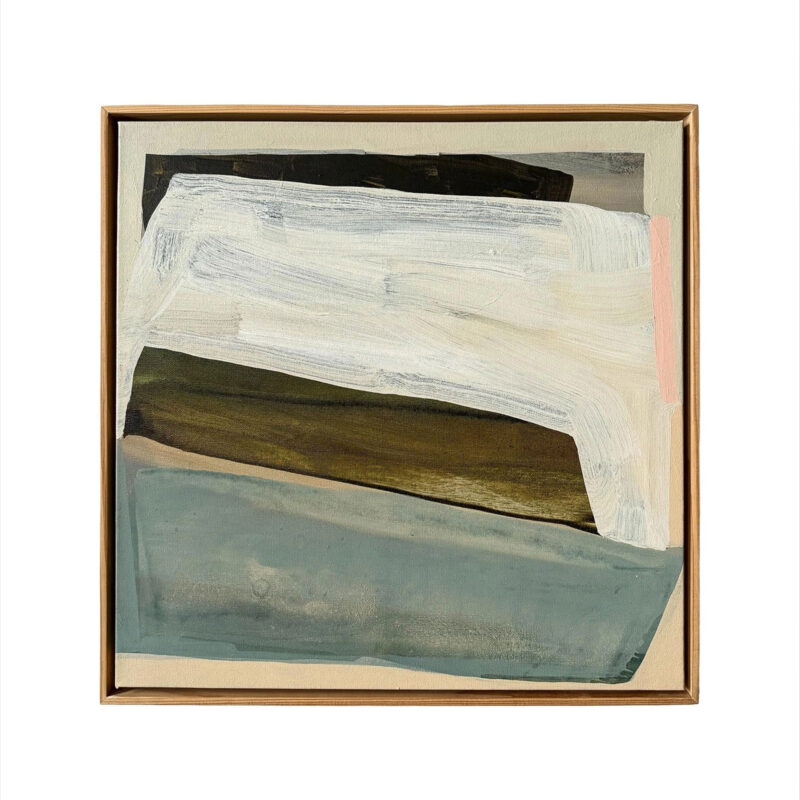
Serena & Lily Green Boat by Leslee Mitchell
-
 Shop the Item
Serena & Lily Emerald Island by Gina Gaetz
-
 Shop the Item
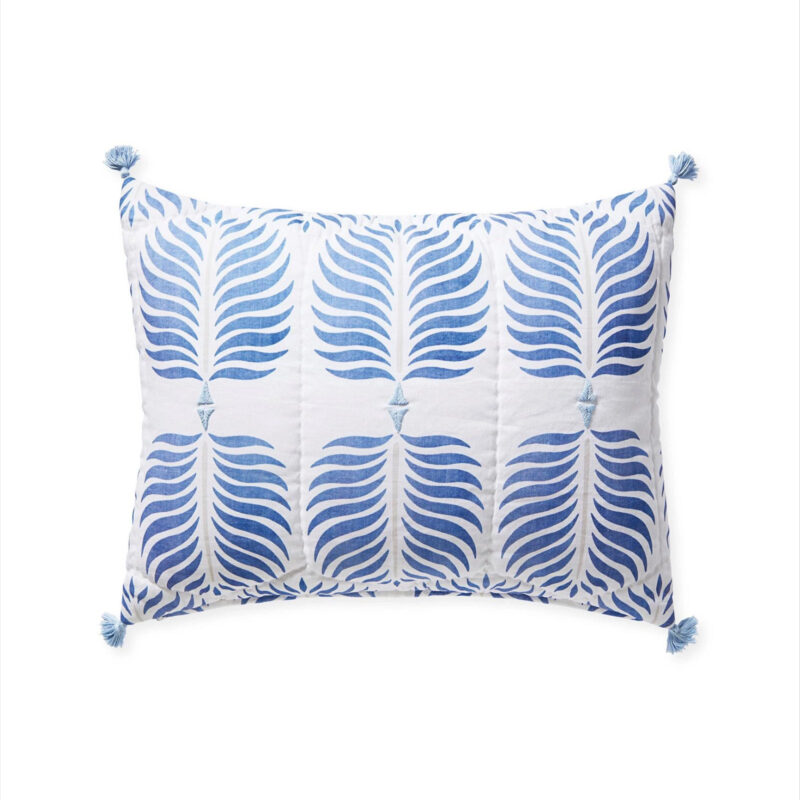
Serena & Lily Granada Sham
-
 Shop the Item
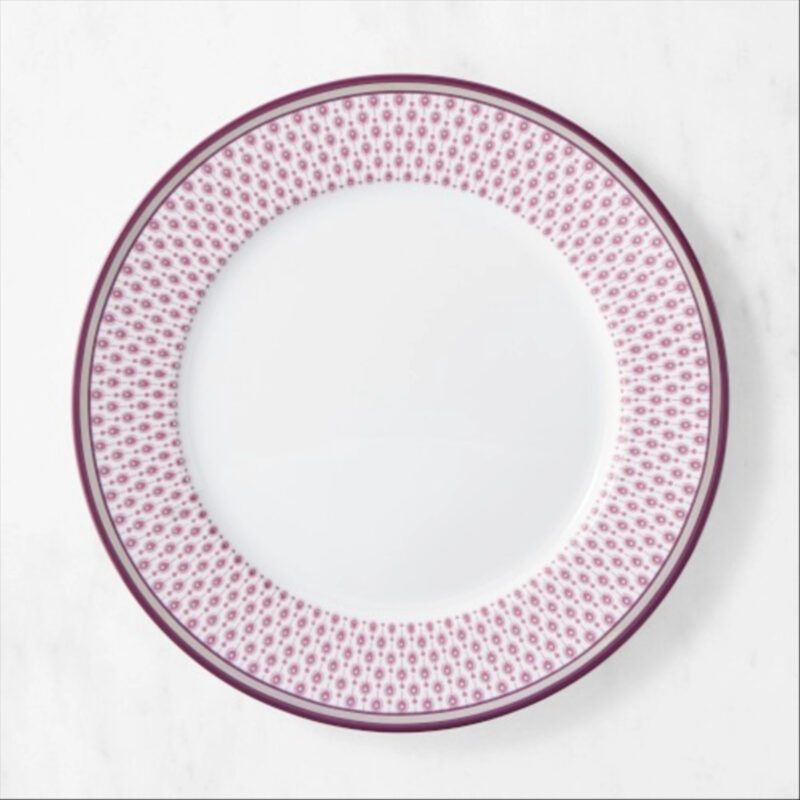
Williams Sonoma Williams Sonoma Regal Dinner Plates, Set of 8, Berry
-
 Shop the Item
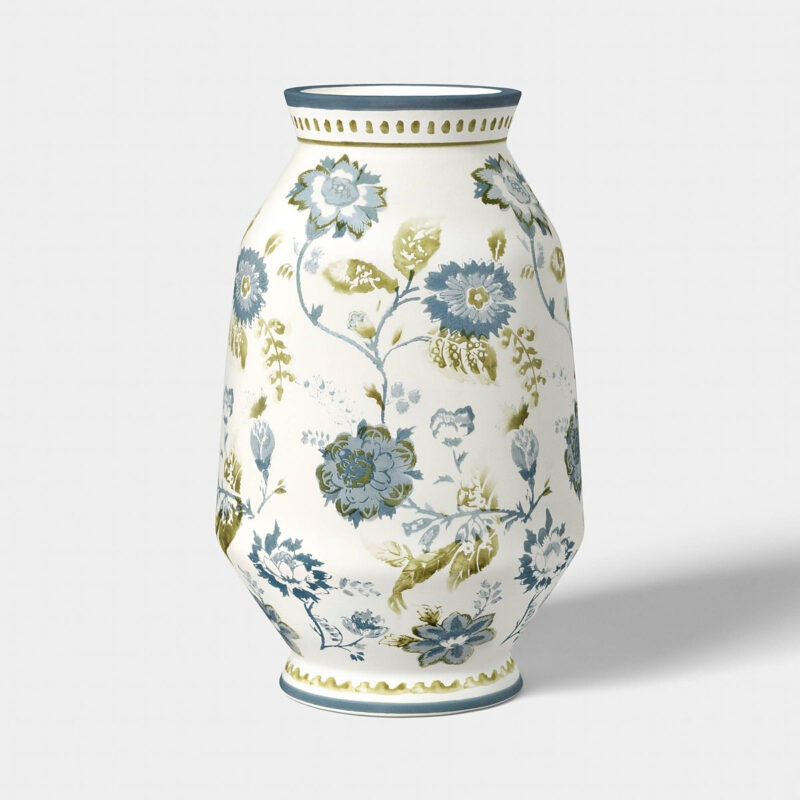
Tall Floral Painted Ceramic Vase Blue/Green – Threshold™
You Might Also Enjoy
- 25 Things to Let Go of for a Calm, Clutter-Free Home
- Blue Mind Living: How the Ocean Has Shaped Our Family’s Rituals & Calm
- Quilts We Are Loving Right Now: Calm Comfort for a Collected Home
- Clutter-Free Casita: Reset Your Space and Free Your Mind
- The Coziest Gift You Can Make at Home: Rosemary Body Butter