




This article may include affiliate links. We may earn a small commission if you shop through them.
We know rosehip because, as some of you know, we used to own a Chilean Rosehip brand
And I am from Chile, which means I remember our rosehip being a part of everyday life growing up.
The Señora Edit
Discover the home, beauty, fashion, and wellness finds our readers are loving most this week.
Shop This Week’s Bestsellers →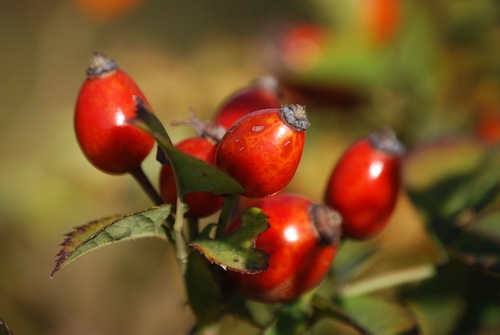
Most of us know and love rosehip oil for its glow-giving benefits — but few people realize that not all rosehip oils come from the same plant.
There are actually two primary species that produce the rosehip seeds used in skincare:
Rosa Canina
Rosa Rubiginosa (also known as Rosa Eglanteria or Rosa Mosqueta)
Both are beautiful, powerful botanicals. But they have different compositions, histories, and skin benefits. Understanding the difference helps you choose the right rosehip oil for your skin and routine.
Rosa Rubiginosa (Rosa Mosqueta): The Rare, High-Performance Rosehip
This is the variety native to the Southern Andes in Chile, where it grows wild and is harvested seasonally by local families — one reason it’s considered one of the most ethically sourced skincare oils in the world.
Rosa Rubiginosa is often called “the powerhouse” of the two because it naturally contains:
High levels of essential fatty acids
Linolenic acid (deep repair + barrier support)
Trans-retinoic acid — a natural retinoid derivative
Regenerative and anti-aging properties
Anti-inflammatory compounds
This is why many women refer to it as:
“Nature’s retinol.” (unscientifically lol)
Rosa Rubiginosa has been used for decades in dermatology for:
Diminishing scars
Softening fine lines
Improving dark spots
Supporting acne-prone skin
Stimulating skin renewal
Its benefits were first documented in 1974 by a Chilean engineer who discovered its incredible regenerative effects while working in animal research.
Because it grows wild in the Andes — not farmed, not genetically modified — it’s considered a very pure, potent, naturally organic oil.
Rosa Canina: The Classic, Literary “Dog Rose”
Rosa Canina, commonly called the Dog Rose, grows abundantly in the United Kingdom and Europe.
It has been used for centuries in:
Herbal teas
Jams and jellies
Traditional remedies
It even appears in European folklore. Pliny the Elder, a Roman naturalist, believed its roots could cure rabies — hence the name Dog Rose.
Rosa Canina is:
Anti-inflammatory
Hydrating
Rich in vitamins
Beautiful for everyday use
But unlike Rosa Rubiginosa, it does not naturally contain trans-retinoic acid, which is why it’s gentler and less targeted for deep repair, scars, and wrinkles.
However, it’s still an excellent botanical — and because it is more abundant, it’s also more widely used in commercial rosehip formulations.
⭐️ Rosa Canina vs. Rosa Rubiginosa Through History
Both species have long, powerful histories in global beauty traditions.
In Latin America, Rosa Rubiginosa (Rosa Mosqueta) has been used for generations for scarring, burns, and healing.
Indigenous communities throughout the Americas used rosehip for teas, tinctures, and topical balms.
Ancient Egyptians, Greeks, Romans, and Mayans valued rose-based botanicals for skin repair and overall wellness.
Across cultures, rosehip was treasured not for trendiness — but for its effectiveness.
⭐️ Which One Should You Choose?
Both oils are beautiful. Both are beneficial.
But their strengths are different:
✔ If you want deep repair, brightening, and “nature’s retinol” → choose Rosa Rubiginosa
(especially for scars, fine lines, dark spots, acne marks)
✔ If you want a gentle, everyday moisturizing oil → choose Rosa Canina
(great for sensitive or reactive skin)
Most people benefit from Rosa Rubiginosa because it is the more potent of the two — but both are considered exceptional for barrier support, hydration, and glow.
⭐️ So what does this all mean?
No matter which species you choose, rosehip seed oil remains one of the most powerful, multi-use botanicals in skincare. It hydrates, calms, softens, and brightens — and it has been trusted for generations.
If you want to try it for yourself, here are the ones worth reaching for:
For Rosa Rubiginosa (Rosa Mosqueta) — the powerhouse: Look for cold-pressed, organic oil that names Rosa Mosqueta or Rosa Rubiginosa specifically. The Ordinary 100% Organic Cold-Pressed Rose Hip Seed Oil is the affordable, reliable starting point, and Trilogy Certified Organic Rosehip Oil is the beloved everyday pick. For the truest-to-source version, a Chilean Rosa Mosqueta oil comes straight from the Andes where it grows wild — the one closest to how our grandmothers used it.
For Rosa Canina — the gentle everyday oil: Pai Rosehip BioRegenerate Oil is a gorgeous option for sensitive and reactive skin, and Kosmea Certified Organic Rosehip Oil is a longtime favorite for daily hydration.
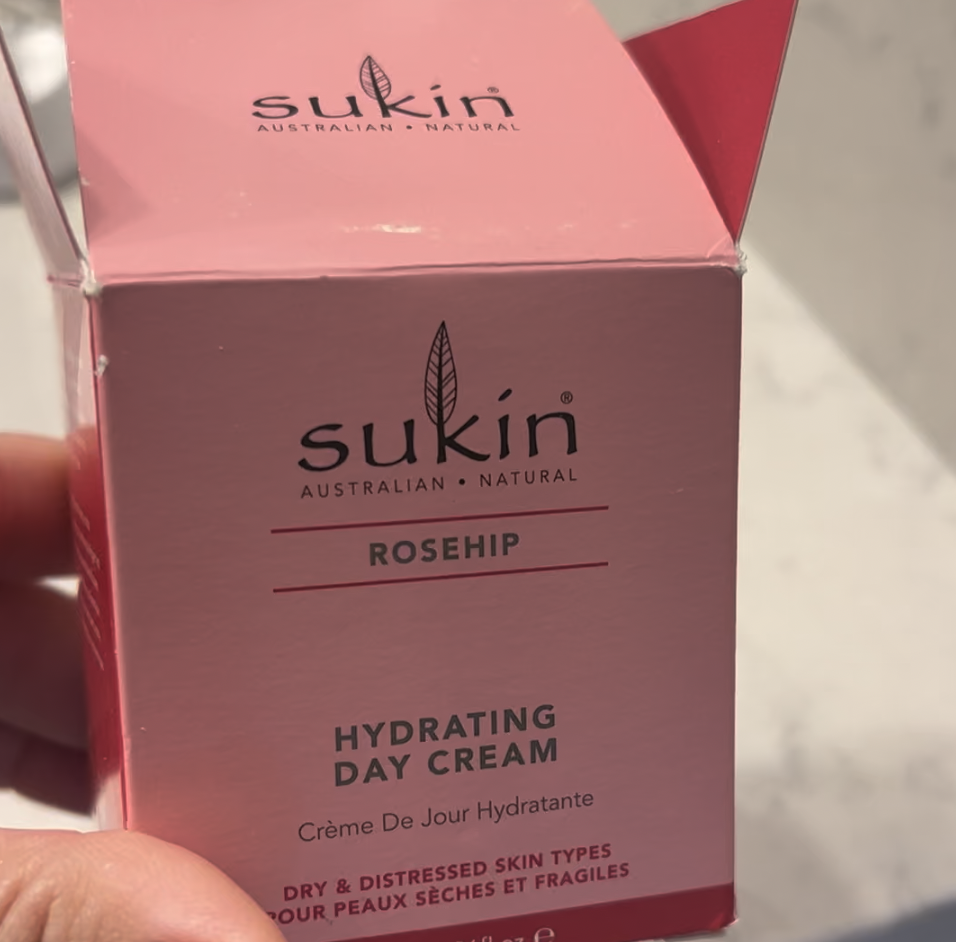
If you want to try it on a moisturizing cream, we’ve found that Sukin Rosehip hydrating day cream comes closest to what I remember in Chile.A little goes a long way with either — two or three drops pressed into damp skin at night is all you need.
Shop This Week’s Bestsellers
Discover the home, beauty, fashion, and wellness finds our readers are loving most.
Shop Bestsellers →-
 Shop the Item
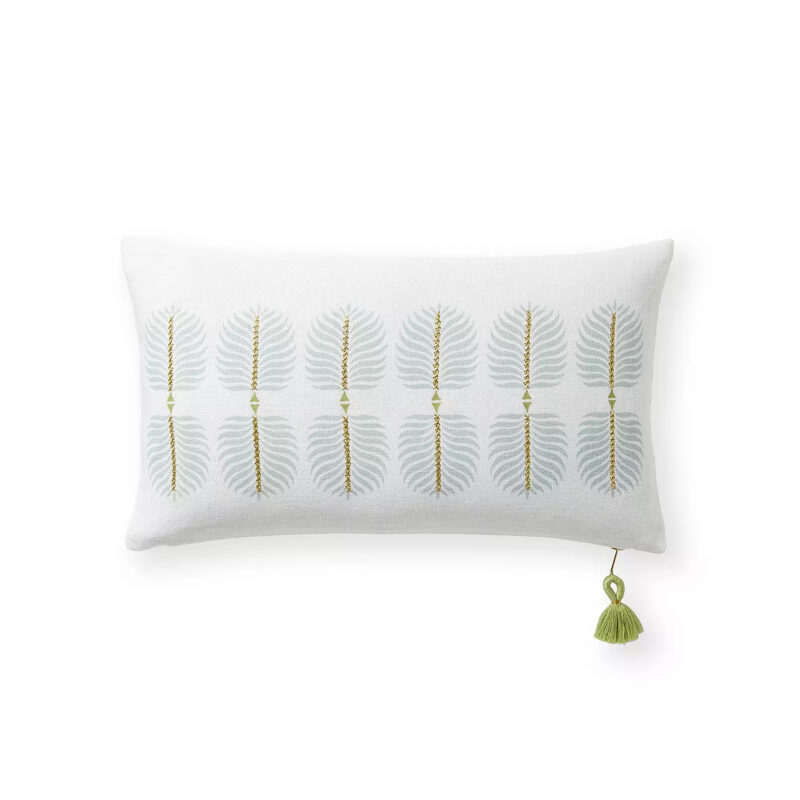
Granada Pillow Cover
-
 Shop the Item
Monique Lhuillier Garden Trellis Appetizer Plates – Set of 4
-
 Shop the Item
Kravet Arboretum Stoneware Dinnerware Sets
-
 Shop the Item
LoveShackFancy Bow Scalloped Doormat
-
 Shop the Item
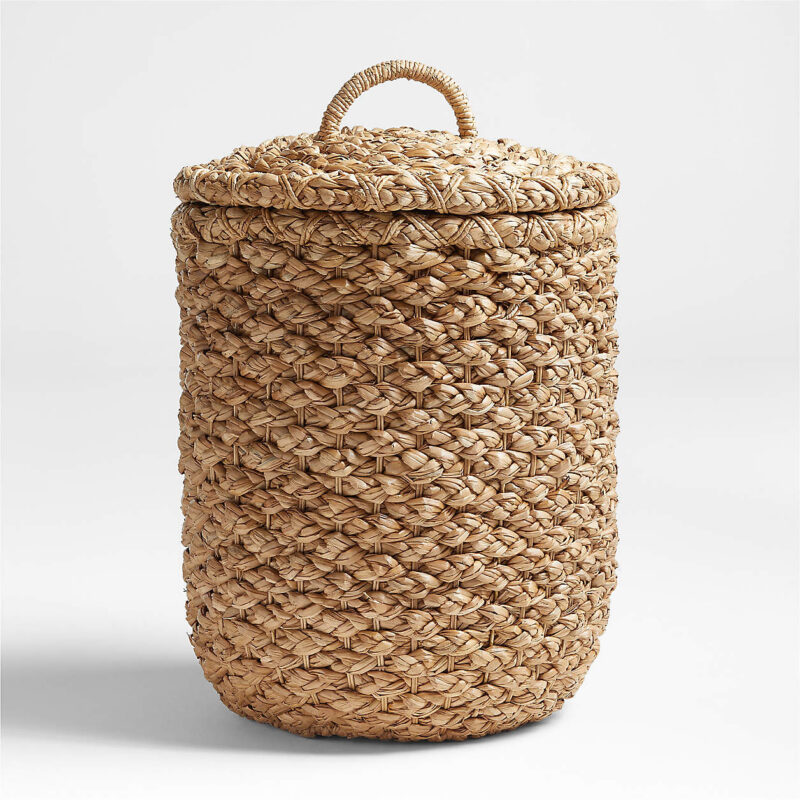
Emlyn Woven Hamper with Lid + Reviews | Crate & Barrel
-
 Shop the Item
Monique Lhuillier Siena Bar Cart (37")
-
 Shop the Item
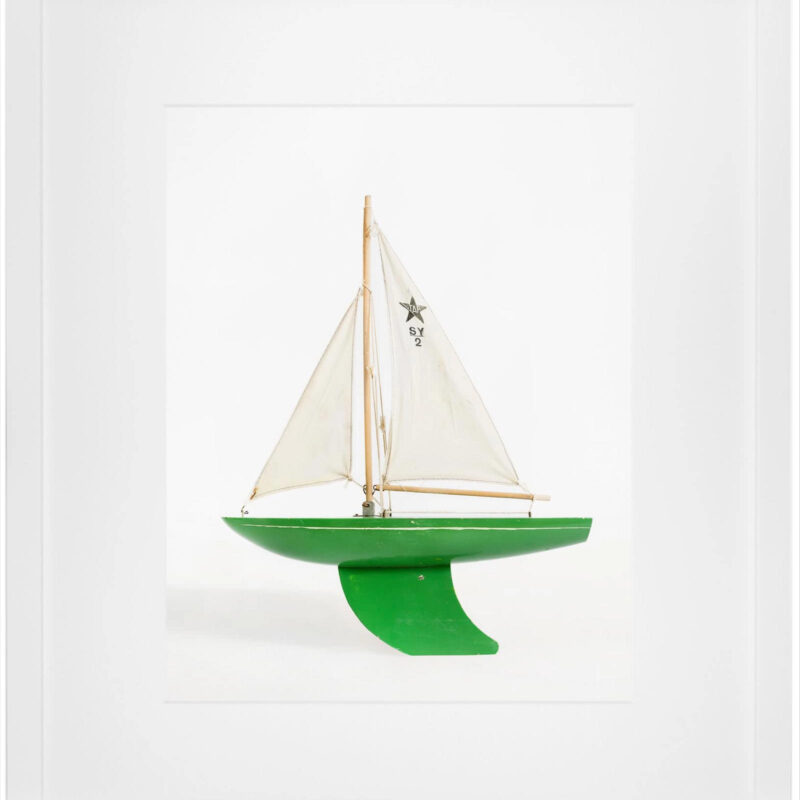
Serena & Lily Green Boat by Leslee Mitchell
-
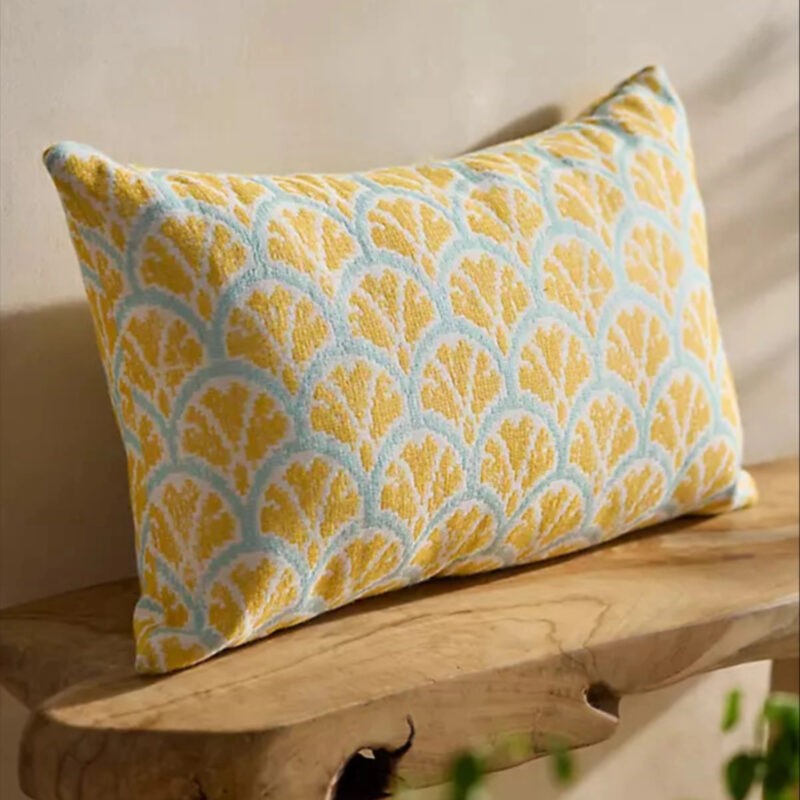 Shop the Item
Lucille Outdoor Lumbar Pillow
-
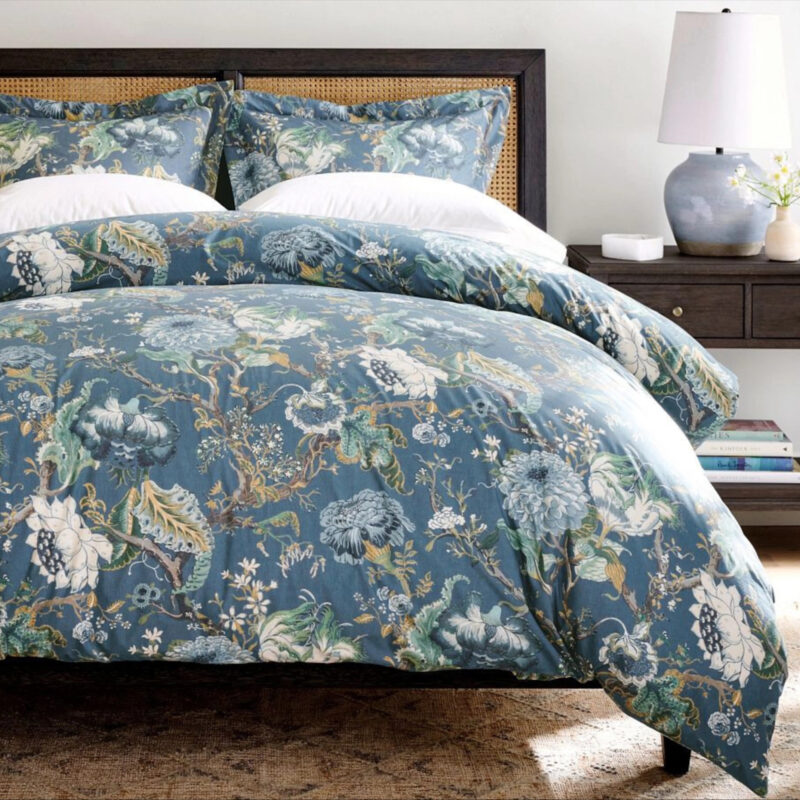 Shop the Item
Dahlia Floral Duvet, Blue, King/Cal. King
-
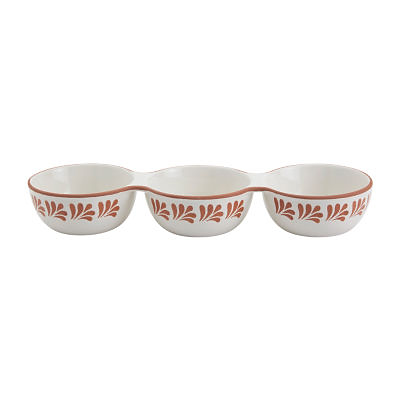 Shop the Item
Jenny Martinez 3-Section Stoneware Serving Bowl
-
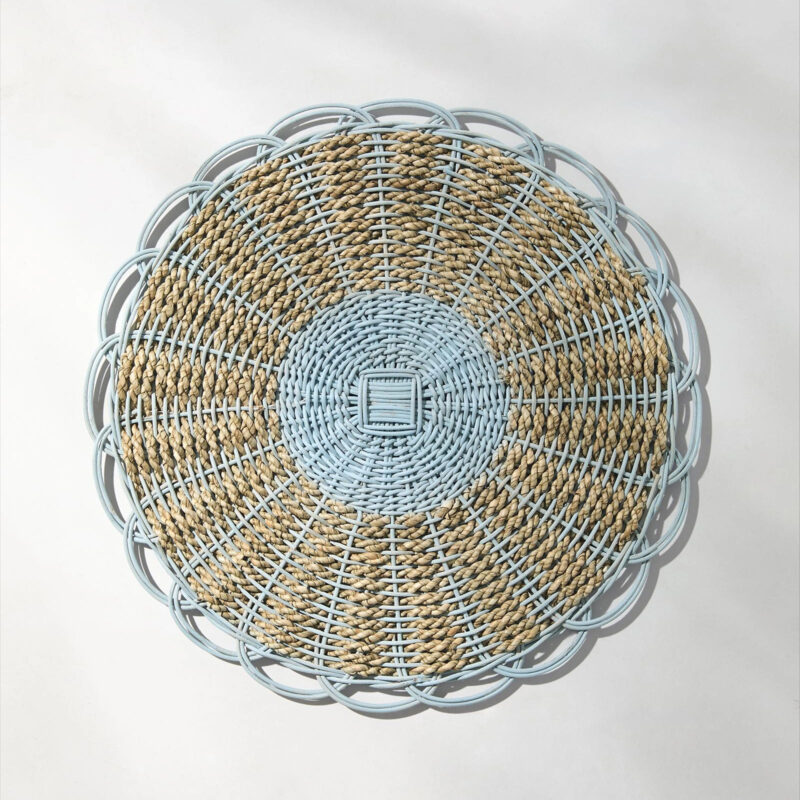 Shop the Item
Waverly Placemat (Set of 4)
-
 Shop the Item
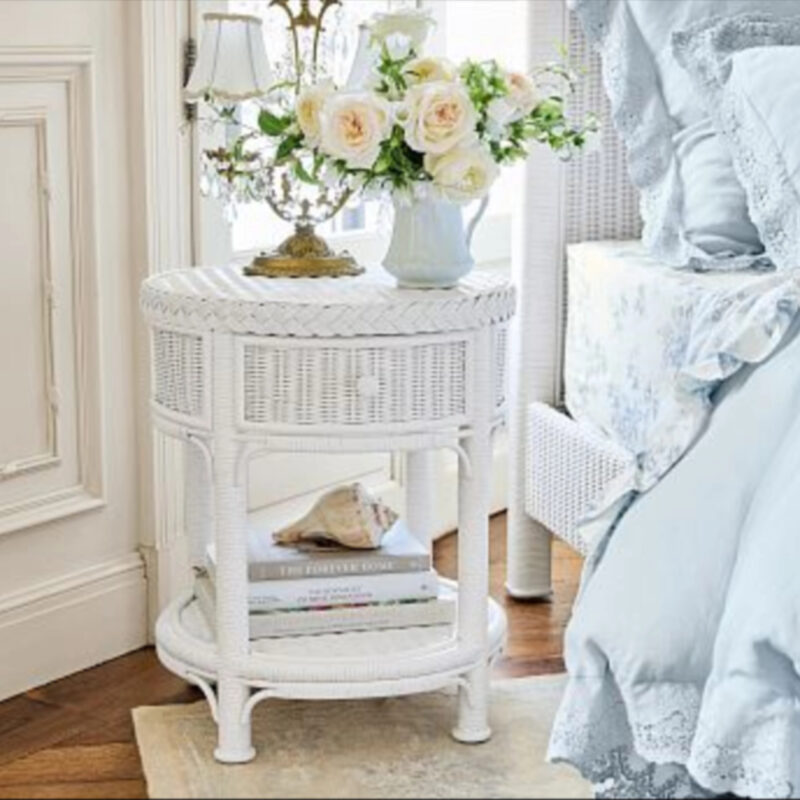
LoveShackFancy Willa Round Nightstand (20″)
-
 Shop the Item
LoveShackFancy Bow Bar Cart (19.5″)
-
 Shop the Item
Kravet Blossom With Fringe Pillow
-
 Shop the Item
Kravet Rose Toile Embroidered Pillow
-
 Shop the Item
Kravet Rosehill with Fringe Reversible Pillow
-
 Shop the Item
Kravet Meadowlark Pillow
-
 Shop the Item
Honeycomb Dinnerware Collection
-
 Shop the Item
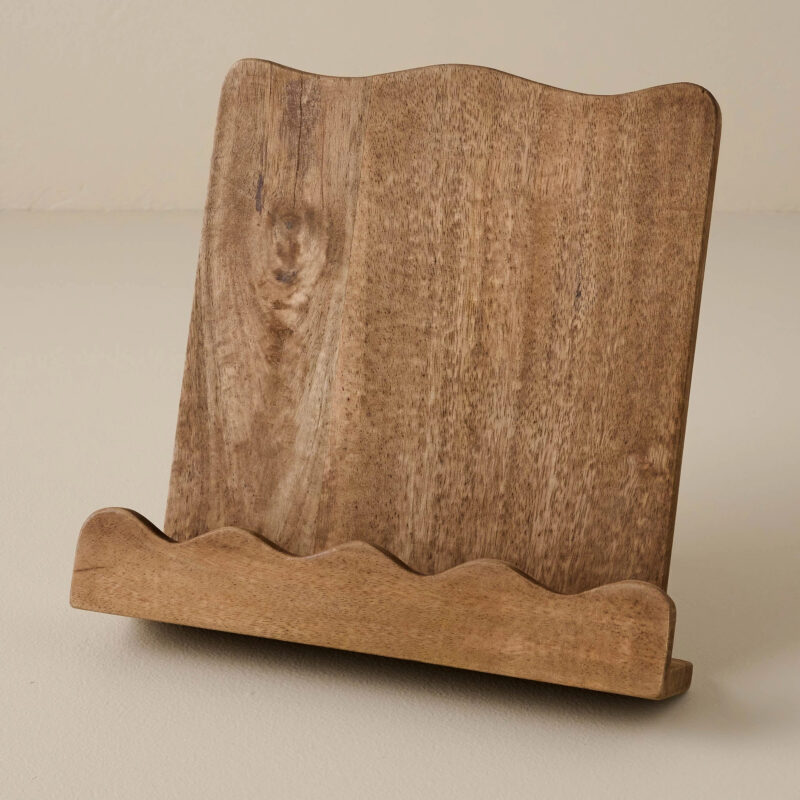
Magnolia Antiqued Wood Scalloped Cookbook Holder
-
 Shop the Item
Adele Reversible Quilt
-
 Shop the Item
Spring Floral Bouquet Quilt
-
 Shop the Item
Antiqued Wood Round Serving Board
-
 Shop the Item
Monique Lhuillier Summer Blossom Outdoor Melamine Dinner Plates – Set of 4
-
 Shop the Item
Mark D. Sikes Clementine Serving Platter
-
 Shop the Item
Puebla Porcelain Oval Serving Platter – Green
-
 Shop the Item
Puebla Porcelain Oval Serving Platter – Blue
-
 Shop the Item
Brandon Maxwell Tomlinson Vase, Small
-
 Shop the Item
MacKenzie-Childs Rosy Check Enamel Dinner Plate
-
 Shop the Item
Embroidered Oatmeal Stripe Linen Cotton Pillow Sham
-
 Shop the Item
Bridgerton x Williams Sonoma Mixed Dessert Plates, Set of 4