






This article may include affiliate links. We may earn a small commission if you shop through them.
This article contains affiliate links. As an Amazon Associate, Señora Era earns from qualifying purchases at no extra cost to you. Prices were accurate at the time of writing.
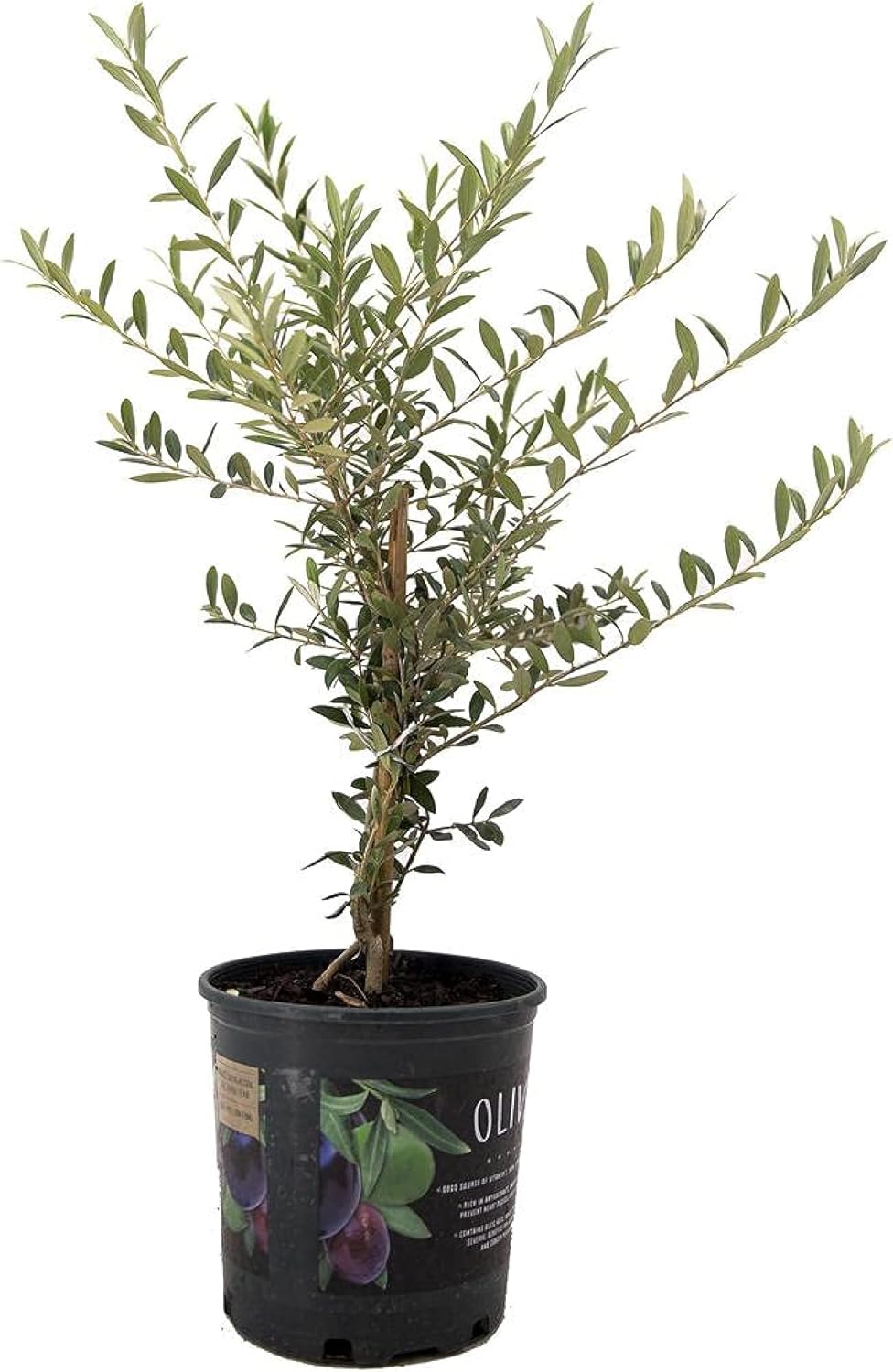
An olive tree is one of the prettiest indoor trees you can bring home. The silvery-green leaves make any corner feel like a Mediterranean villa. But olive trees are sun-loving outdoor trees by nature, so they need a little more attention indoors than a pothos or snake plant.
Here is how to care for an indoor potted olive tree so it stays full and healthy, plus the supplies that make it easier.
Indoor Olive Tree Care at a Glance
- Light: 6 or more hours of bright, direct light. A south- or west-facing window is best.
- Water: when the top 2 inches of soil are dry. Less in winter.
- Soil: fast-draining mix, like a cactus or citrus mix.
- Pot: terracotta with a drainage hole.
- Temperature: 60 to 80°F, away from heaters and drafts.
- Fertilizer: every 2 to 4 weeks in spring and summer only.
1. Give It as Much Light as Possible
Light is the number one reason indoor olive trees struggle. Place yours right next to your sunniest window, ideally south-facing. If you do not have one, a full-spectrum grow light for 10 to 12 hours a day makes a big difference. Rotate the pot every week or two so the tree grows evenly, and if you can, move it outside for the summer (bring it back in before nights drop below about 40°F).
2. Water Deeply, Then Let It Dry Out
Olive trees are drought-tolerant and hate soggy roots. Water thoroughly until it runs out of the drainage hole, then wait until the top couple of inches of soil are dry before watering again. A simple moisture meter takes the guesswork out of it. In winter, when growth slows, water less often.
3. Use Fast-Draining Soil and a Terracotta Pot
A cactus and succulent mix (or regular potting soil mixed with perlite and sand) drains quickly the way olive trees like. Terracotta pots breathe and help the soil dry evenly. Always use a pot with a drainage hole, and empty the saucer after watering.
4. Feed It in Spring and Summer
Use a balanced liquid fertilizer at half strength every 2 to 4 weeks during the growing season. Skip fertilizer in fall and winter.
5. Prune to Keep It Full
Prune in late winter or early spring. Trim leggy branches just above a leaf node to encourage bushier growth, and remove any dead or crossing branches. Clean, sharp shears make neat cuts.
6. Repot Every 2 to 3 Years
When roots circle the pot or poke out of the drainage hole, move the tree to a pot one size (2 to 4 inches) larger in spring.
Common Indoor Olive Tree Problems
Dropping leaves: usually too little light, or a sudden change in location. Move it closer to the window or add a grow light. Some leaf drop after bringing a new tree home is normal.
Yellow leaves: most often overwatering. Let the soil dry out more between waterings and check that the pot drains.
Crispy brown tips: underwatering or very dry heat from a nearby vent. Water a bit more consistently and move it away from heaters.
Leggy, sparse growth: not enough light. More sun, plus a spring prune, will help it fill in.
Indoor Olive Tree Supplies

12-Inch Terracotta Pot
$60.99
A breathable pot with drainage, the classic olive tree look.

Miracle-Gro Cactus & Succulent Mix
$10.40
Fast-draining soil that keeps olive roots happy.


Full-Spectrum Floor Grow Light
$26.99
For darker rooms or winter. Looks sleek next to the tree.

Want the Look Without the Upkeep?
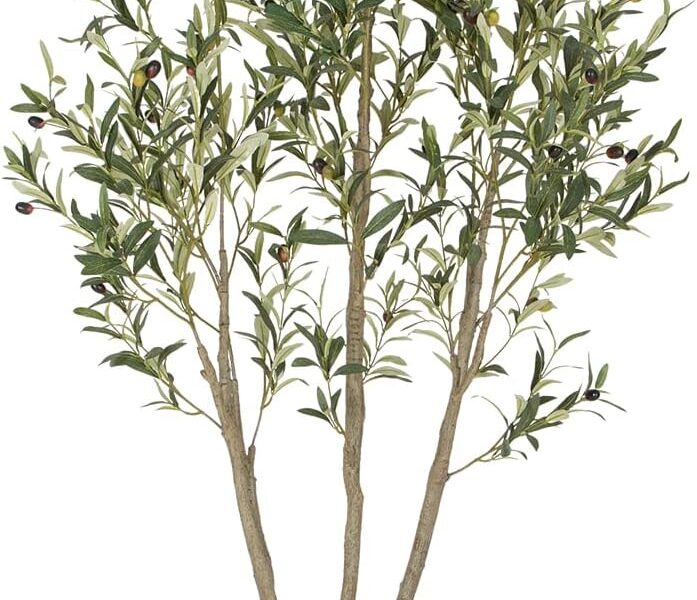
If your home does not get much direct sun, a good faux olive tree gives you the same Mediterranean look with zero care.

How often should I water an indoor olive tree?
Water when the top 2 inches of soil are dry, which is often about once a week in spring and summer and less often in winter. Always water thoroughly and let the excess drain out.
Why is my indoor olive tree dropping leaves?
The most common cause is not enough light. Olive trees need 6 or more hours of bright, direct light. Overwatering and sudden moves can also cause leaf drop.
Can olive trees live indoors all year?
Yes, if they get enough light. A sunny south-facing window or a grow light is key, and many people move their tree outside for the summer to give it a boost.
What kind of soil does an olive tree need in a pot?
A fast-draining mix, such as cactus and succulent soil, or regular potting soil mixed with perlite and sand. The pot should have a drainage hole.