Discover Why English Cottage Gardens Never Go Out of Style
This article may include affiliate links. We may earn a small commission if you shop through them.
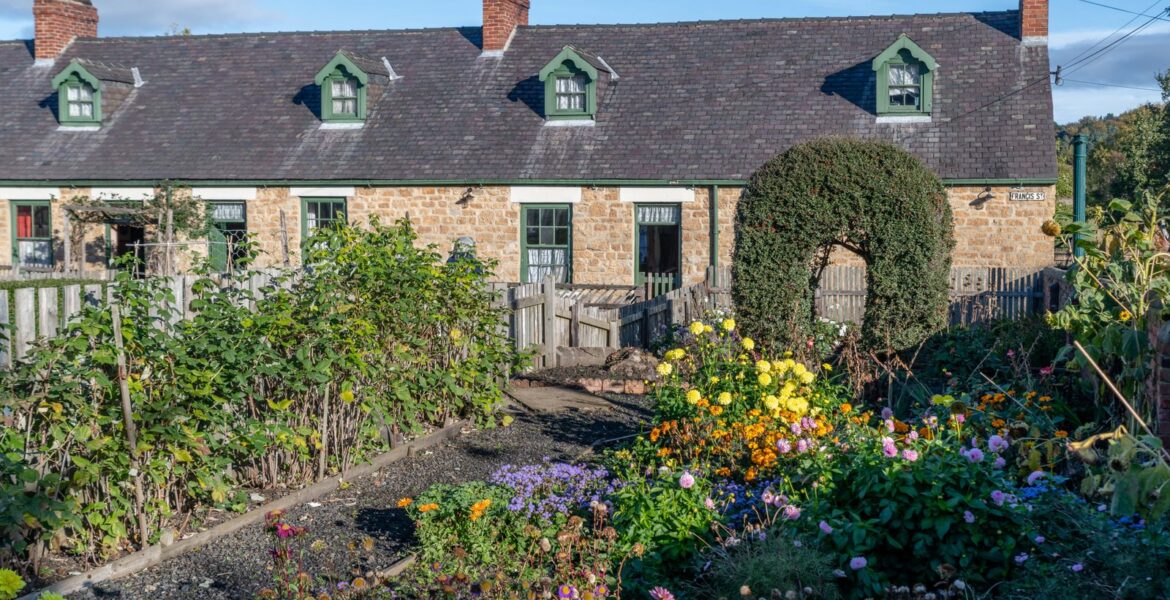
Morning sunlight filters through a canopy of climbing roses draped over a wooden trellis, casting intricate shadows on a cobblestone path. This picturesque scene captures the essence of English cottage gardens, where unrestrained beauty and romantic allure have fascinated plant lovers for ages. These gardens blend nature with design, offering a rustic charm that inspires anyone looking to transform their outdoor spaces.
The Rich History of English Cottage Gardens
English cottage gardens began as practical plots for rural workers in medieval England, providing essential food and medicinal herbs. Over centuries, they transformed into spaces of beauty, reflecting the tastes of their caretakers. This shift from function to aesthetics started in the late 16th century, influenced by an abundance of ornamental plants and a growing middle-class interest in garden beauty.
The Señora Edit
Discover the home, beauty, fashion, and wellness finds our readers are loving most this week.
In the 19th century, artists and writers romanticized these gardens as symbols of idyllic rural life. The Arts and Crafts Movement, with its focus on traditional craftsmanship and natural materials, further popularized the cottage garden style. Today, they are cherished for their historical significance and timeless charm.
Defining Features of Cottage Gardens
English cottage gardens are known for their informal layout and dense planting schemes. Unlike the structured lawns of formal gardens, these spaces embrace an organic look, allowing plants to grow freely and intermingle. This seemingly spontaneous arrangement creates a sense of abundance and vitality.
Perennial plants are central to cottage garden design. These hardy varieties return annually, providing continuous color and texture. Favorites like delphiniums, foxgloves, and hollyhocks contribute to the garden’s layered appeal, while self-seeding annuals such as poppies and forget-me-nots add vibrant spontaneity.
Incorporating edibles is another hallmark. Herbs like rosemary, thyme, and lavender enhance sensory appeal and offer culinary uses, reflecting the garden’s historical blend of beauty and utility.
Creating Your Own Cottage Garden
To create your own English cottage garden, start by selecting a sunny location, as most plants thrive in full sun. For smaller spaces, use vertical elements like trellises to add dimension.
Plan a mix of perennials and annuals, considering bloom times and colors for continuous flowering. Vary heights and textures for a layered effect. Natural pathways made of gravel or flagstone can guide the eye and provide access throughout the garden.
Enhance the rustic style with garden accessories like vintage watering cans or wrought iron benches. These items create focal points and add charm. Practice sustainable gardening with organic fertilizers and encourage pollinators like bees and butterflies for ecological balance.
Seasonal Planting and Maintenance
Cottage gardens evolve with the seasons. Understanding seasonal planting is key to maintaining their vibrancy. In spring, plant early bloomers like tulips and daffodils. Summer showcases roses and peonies, while autumn brings asters and chrysanthemums.
Maintenance involves deadheading spent flowers, dividing perennials, and mulching to retain moisture. Pruning keeps plants healthy and encourages new growth. While designed to look wild, strategic care prevents them from becoming unmanageable.
The Cottagecore Revival and Modern Twists
The cottagecore trend, celebrating an idealized rural life, has revitalized interest in English cottage gardens. This trend emphasizes natural planting and eco-friendly practices, appealing to those seeking a connection with nature. Modern gardens may incorporate sustainable techniques like rainwater harvesting and native plantings.
While traditional gardens focus on flowering plants, contemporary versions might include a variety of textures and forms. Ornamental grasses and foliage plants like ferns provide year-round interest, blending the old with the new to keep cottage gardens fresh and adaptable.
Drawing Inspiration from Traditional Gardens
Historic English gardens offer inspiration and insights into traditional cottage design. Places like Sissinghurst Castle Garden and RHS Garden Rosemoor showcase classic elements like herbaceous borders and charming pathways.
Visiting these gardens reveals the artistry and care involved in creating such landscapes. Observing plant combinations and color schemes can inspire and offer practical ideas for your own garden.
DIY Garden Ideas for Personal Touches
For DIY enthusiasts, creating garden features adds a personal touch. Projects like building a birdhouse or painting terracotta pots enhance rustic appeal. Using reclaimed materials for pathways and borders adds character.
Planting a pollinator-friendly section with wildflowers supports sustainable practices and encourages wildlife. Combining DIY elements with thoughtful plant choices creates a garden that feels personal and connected to nature.
Element
Traditional Cottage Garden
Modern Adaptation
Plant Selection
Perennials, herbs, and self-seeding annuals
Inclusion of ornamental grasses and foliage plants
Layout
Informal, dense planting
Incorporating vertical elements and varied textures
Garden Accessories
Vintage tools, birdbaths
Eco-friendly and DIY features
Maintenance
Pruning, deadheading, mulching
Sustainable gardening practices
FAQ: Understanding English Cottage Gardens
What are the essential plants for an English cottage garden?
Essential plants include perennials like delphiniums, foxgloves, and roses, alongside herbs such as lavender and rosemary. Self-seeding annuals like poppies also contribute to the garden’s vibrant feel.
How can I incorporate sustainable practices into my cottage garden?
Sustainable practices include using organic fertilizers, planting native species to support local wildlife, and installing rainwater harvesting systems to conserve water. These methods help maintain the garden’s health and ecological balance.
What are some low-maintenance alternatives for cottage gardens?
For a low-maintenance version, consider drought-tolerant plants like sedums and ornamental grasses, which require less water and upkeep. Opting for native plants can also reduce maintenance needs as they are well-suited to local conditions.
Can a cottage garden be adapted to a small urban space?
Absolutely. Small urban gardens can adopt the cottage style by using vertical planting, container gardens, and incorporating small-scale plants. Clever use of space and layering can create the illusion of a larger garden.
How do garden pathways contribute to the overall design?
Garden pathways guide movement and provide access to different garden areas. They also create visual structure, breaking up planting areas and adding texture through materials like gravel or stone.
English cottage gardens evoke timelessness and serenity, celebrating the beauty in wildness and imperfection. Whether your garden is a sprawling countryside plot or a compact urban oasis, the principles of cottage garden design offer endless possibilities for creating a personalized, engaging space. As we explore the rich history and vibrant plant tapestry of these gardens, we celebrate a connection to nature that continues to inspire. English cottage gardens, with their enduring appeal, remain a beloved style that transcends trends.
Shop This Week’s Bestsellers
Discover the home, beauty, fashion, and wellness finds our readers are loving most.







 Shop the Item
 Shop the Item
 Shop the Item
 Shop the Item
 Shop the Item
 SHOP THE ITEM →
 SHOP THE ITEM →
 SHOP THE ITEM →
 SHOP THE ITEM →
 SHOP THE ITEM →
 SHOP THE ITEM →
 SHOP THE ITEM →
 SHOP THE ITEM →
 SHOP THE ITEM →
 SHOP THE ITEM →
 SHOP THE ITEM →
 SHOP THE ITEM →
 SHOP THE ITEM →
 SHOP THE ITEM →
 SHOP THE ITEM →
 SHOP THE ITEM →
 SHOP THE ITEM →
 SHOP THE ITEM →
 SHOP THE ITEM →
 SHOP THE ITEM →
 SHOP THE ITEM →
 SHOP THE ITEM →
 SHOP THE ITEM →
 SHOP THE ITEM →
 SHOP THE ITEM →