




This article may include affiliate links. We may earn a small commission if you shop through them.
In our home, Christmas Eve is the big night, but in a lot of American homes, it’s the night before the big day. That comes with a lot of pros, especially if your other half also celebrates it the American way.
If your family gathers outside after dinner, our sister site rounded up the best fire pit tables, so everyone can stay out by the flames a little longer.
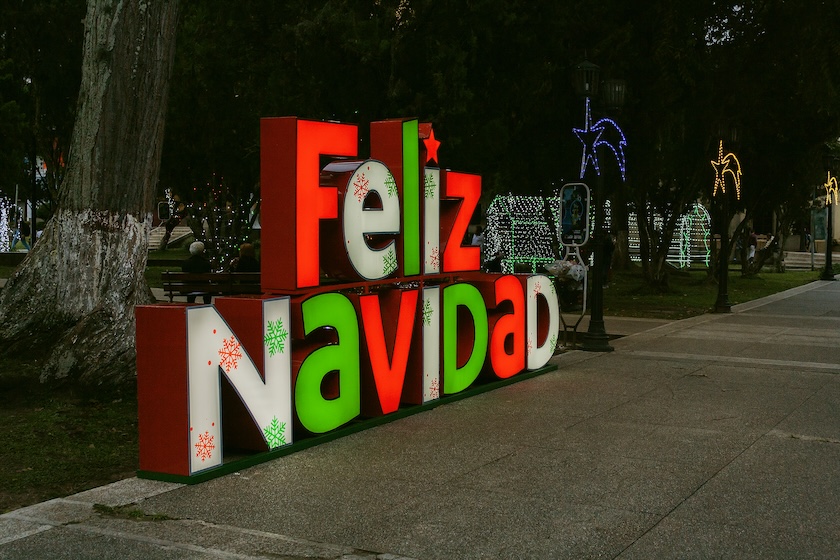
Growing up in a Latino family in the U.S. means you usually get both but it depends on the country. For Mexican Americans there are tamales at 9 p.m., gifts at midnight, and a plate of cookies for Santa “just in case.” For Chileans (like myself) we didn’t really have sweets, we just went for a walk around the block to wait for Santa Clause.
If you’re raising kids between two cultures, or you just want a fuller holiday, here are the best Christmas Eve traditions from both regions.
What Is Nochebuena?
Nochebuena means “the good night.” Across Latin America and Spain, it’s the main Christmas celebration. Families stay up late, eat a huge dinner, go to midnight Mass, and in many countries open gifts right when the clock strikes twelve. Christmas Day itself is often for sleeping in and eating leftovers.
Latin American Christmas Eve Traditions
Mexico: The Last Posada and Tamales
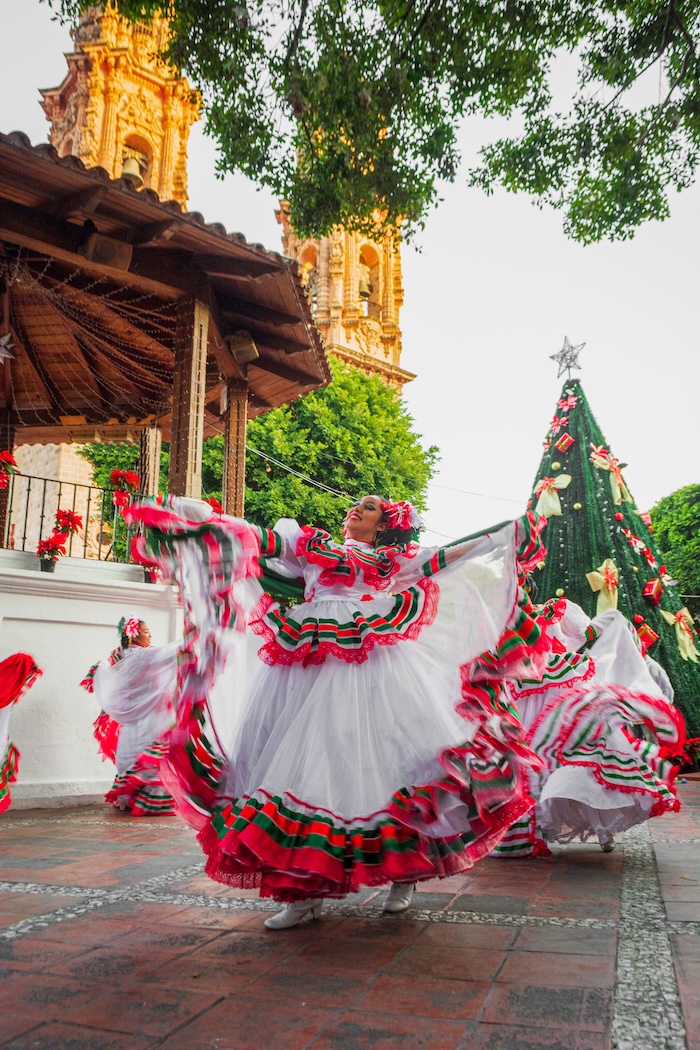 Las Posadas run for nine nights, from December 16 to 24, and reenact Mary and Joseph’s search for shelter. The final posada falls on Christmas Eve. After that, families sit down to tamales, bacalao a la vizcaína (salt cod stew), romeritos, and steaming mugs of ponche navideño, a warm fruit punch made with guava, tejocotes, and cinnamon.
Puerto Rico: Parrandas
Puerto Rico’s version of caroling is a lot louder. A parranda is a group of friends who show up at your door late at night with guitars, güiros, and maracas. You let them in and feed them, and then everyone moves on to the next house. On the table: pernil (roast pork), pasteles, arroz con gandules, and coquito, the island’s coconut eggnog.
Cuba (and Miami): The Whole Roast Pig
For Cuban families, Nochebuena revolves around the lechón, a whole pig that’s marinated in mojo and roasted for hours, often in the backyard. Uncles argue about technique, someone’s playing dominoes, and there’s black beans and rice, yuca, and turrón for dessert. In Miami, this is practically a civic holiday.
Colombia: The Novena de Aguinaldos
From December 16 to 24, Colombian families gather every evening to pray the novena, sing villancicos (Christmas carols), and eat buñuelos (cheese fritters) and natilla (a soft custard). Christmas Eve is the last night, and the biggest.
Venezuela: Hallacas and Roller Skates
Making hallacas is a family production. These are corn dough parcels filled with stewed meat, olives, and raisins, wrapped in plantain leaves. Everyone takes a job, from spreading the dough to tying the strings. In Caracas, there’s an even better tradition: people roller-skate to early-morning Christmas Mass, and some streets close to traffic so they can.
 Chile: A Summer Christmas
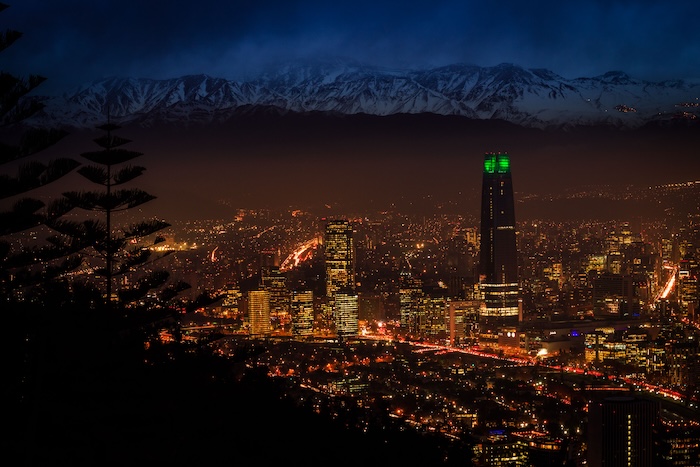
In Chile, Christmas Eve falls in summer. The tree goes up anyway, and the gifts come from the Viejito Pascuero (“the little Easter old man”), Chile’s name for Santa. Families share roast chicken or turkey, pan de pascua (a dense, spiced fruit cake), and cola de mono, a chilled coffee-and-milk drink spiked with aguardiente (for the adults). Gifts are opened at midnight, often while it’s still warm outside.
Peru: Hot Chocolate in the Heat
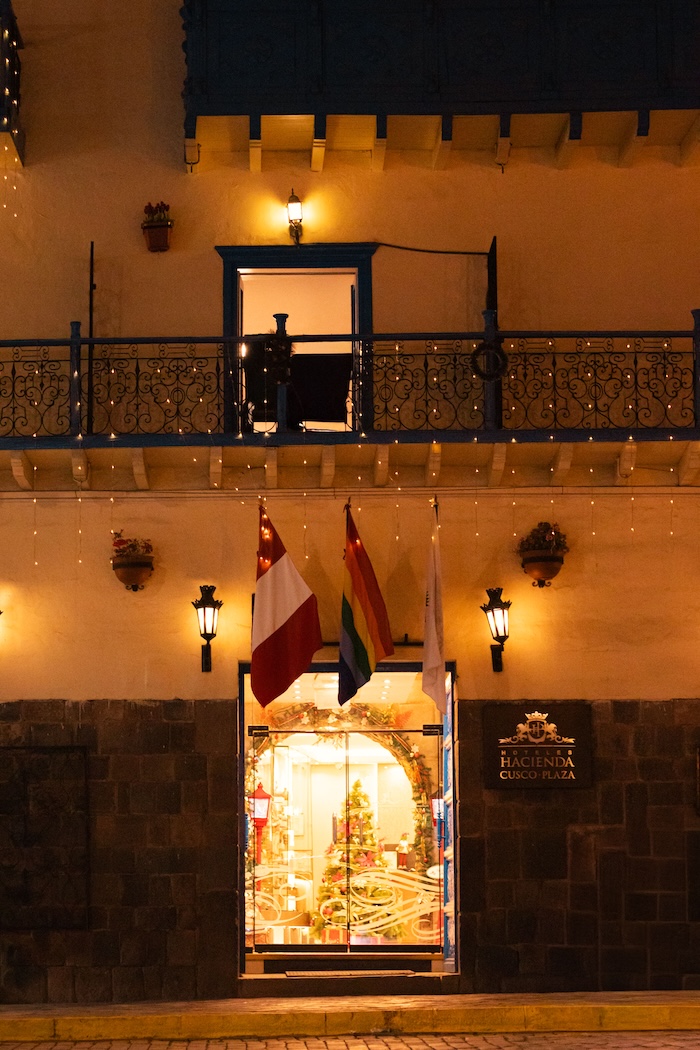
Peruvian families toast at midnight with chocolate caliente (hot chocolate) and panetón, even though it’s summer in Lima. Before the holidays, many communities also host chocolatadas, where hot chocolate and panetón are handed out to kids in need.
Brazil: The Ceia de Natal
Brazil’s Christmas Eve dinner, the ceia, often runs well past midnight. It usually includes roast turkey or pork, farofa, rice with raisins, and plenty of tropical fruit.
Everywhere: La Misa de Gallo
Across Latin America, many families go to La Misa de Gallo, or “the Rooster’s Mass.” It’s the midnight Mass on Christmas Eve, named after the legend that a rooster crowed at the moment Jesus was born.
American Christmas Eve Traditions
Cookies and Milk for Santa
This is the classic American Christmas Eve ritual. Kids leave cookies and milk by the tree, plus carrots for the reindeer. In the morning, there are crumbs and a thank-you note in suspiciously grown-up handwriting.
Reading “The Night Before Christmas”
Clement Clarke Moore’s poem A Visit from St. Nicholas was first published in 1823, and it shaped the way Americans picture Santa, his sleigh, and his eight reindeer. Many families read it aloud every Christmas Eve.
Tracking Santa
Since 1955, NORAD, the military command that monitors North American airspace, has “tracked” Santa’s flight every Christmas Eve. Kids can follow him online and convince themselves it’s time for bed.
One Gift on Christmas Eve
A lot of American families let kids open one gift on Christmas Eve, which is often new pajamas. Matching family pajamas have become a tradition of their own.
Candlelight Services
Many churches hold candlelight services on Christmas Eve. The lights go down, everyone holds a small candle, and the night ends with “Silent Night.”
Feast of the Seven Fishes (Italian American)
Many Italian American families mark Christmas Eve with a seafood feast, traditionally seven dishes, from fried smelts to baked clams to linguine with clams.
Wigilia (Polish American)
Polish American families wait for the first star to appear before sitting down to Wigilia, a meatless Christmas Eve supper. They leave an empty place at the table for an unexpected guest.
Luminarias (New Mexico)
In New Mexico, neighborhoods glow on Christmas Eve with luminarias or farolitos, paper bags weighted with sand and lit by candles that line sidewalks and rooftops. This tradition comes from the Spanish colonial era, and it’s one of the most beautiful sights in the U.S.
Bonfires on the Levee (Louisiana)
Along the Mississippi River in Louisiana, communities build huge wooden bonfires on the levees and light them on Christmas Eve. Local legend says they light the way for Papa Noël.
How to Blend Latino and American Christmas Eve Traditions
You don’t have to pick one. Here’s how many bicultural families do both:
- Tamales for dinner, cookies for Santa. Make the big Nochebuena meal, and still leave a plate out before bed.
- Two gift moments. Open family gifts at midnight, Latino-style, and save Santa’s gifts for Christmas morning.
- Novena plus storytime. Do a short prayer or villancico, then read “The Night Before Christmas” in bed.
- Make your own parranda. Go caroling around the neighborhood with maracas, a speaker, and a tray of coquito (or hot chocolate for the kids).
- Cook one dish from a new country every year. Try hallacas one year and pan de pascua the next. By the time your kids are grown, they’ll have tasted all of Latin America.
- Light luminarias along your walkway. They work for both sides of the family.
What is Nochebuena?
Nochebuena (“the good night”) is Christmas Eve in Spanish-speaking countries. For many Latino families, it’s the main celebration, with a big dinner, midnight Mass, and gifts at midnight.
Why do Latinos celebrate on Christmas Eve instead of Christmas Day?
In many Latin American countries, the religious focus is on the night Jesus was born, so the celebration builds toward midnight. Christmas Day is usually quieter.
What do Latin Americans eat on Christmas Eve?
It depends on the country. Mexico has tamales and ponche, Puerto Rico has pernil and coquito, Cuba has roast pork, Venezuela has hallacas, Colombia has buñuelos and natilla, and Chile has pan de pascua and cola de mono.
What are popular American Christmas Eve traditions?
Leaving cookies for Santa, reading “The Night Before Christmas,” tracking Santa online, opening one gift, and going to a candlelight service are some of the most popular.
What’s on your Nochebuena table? Tell us in the comments. We want to hear about every tamal, pernil, and plate of Santa cookies. ✨